What Does Malbec Taste Like? A Smooth Red Wine, Explained
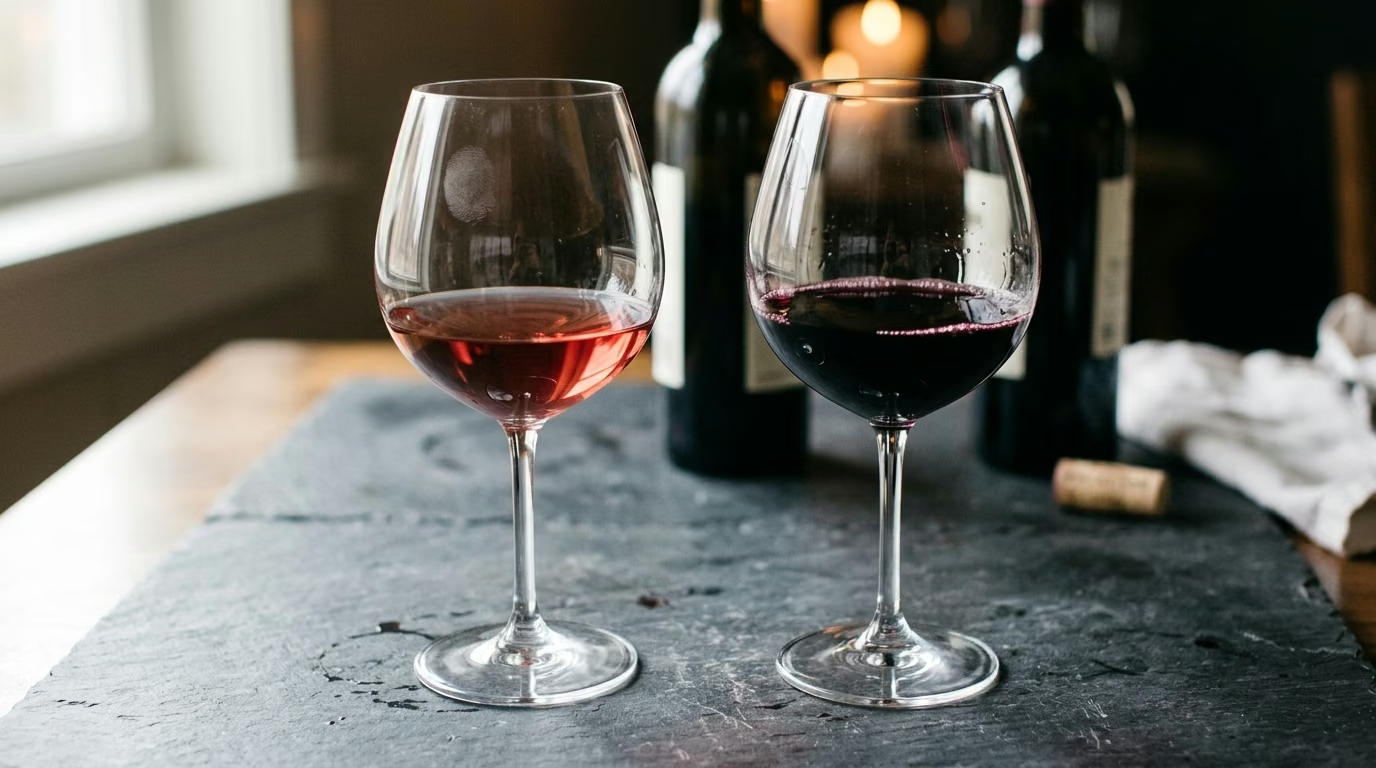
Malbec tastes like ripe dark fruit, mostly blackberry, black plum, and black cherry, all carried on a smooth, velvety texture. Most bottles are dry rather than sweet, with cocoa, violet, and a faint smoky note rounding out that fruit. It sits fuller in body than Pinot Noir yet softer and rounder than most Cabernet Sauvignon, which is why smooth-red fans keep reaching for it. Argentine Malbec leans plush and juicy, while French Malbec from Cahors runs darker and more savory.
You don't need to memorize a single vineyard map to pour it well. Once you know the handful of flavors and the two main styles, you can pick a bottle that matches the mood you want in your glass.
What does Malbec taste like in the glass?
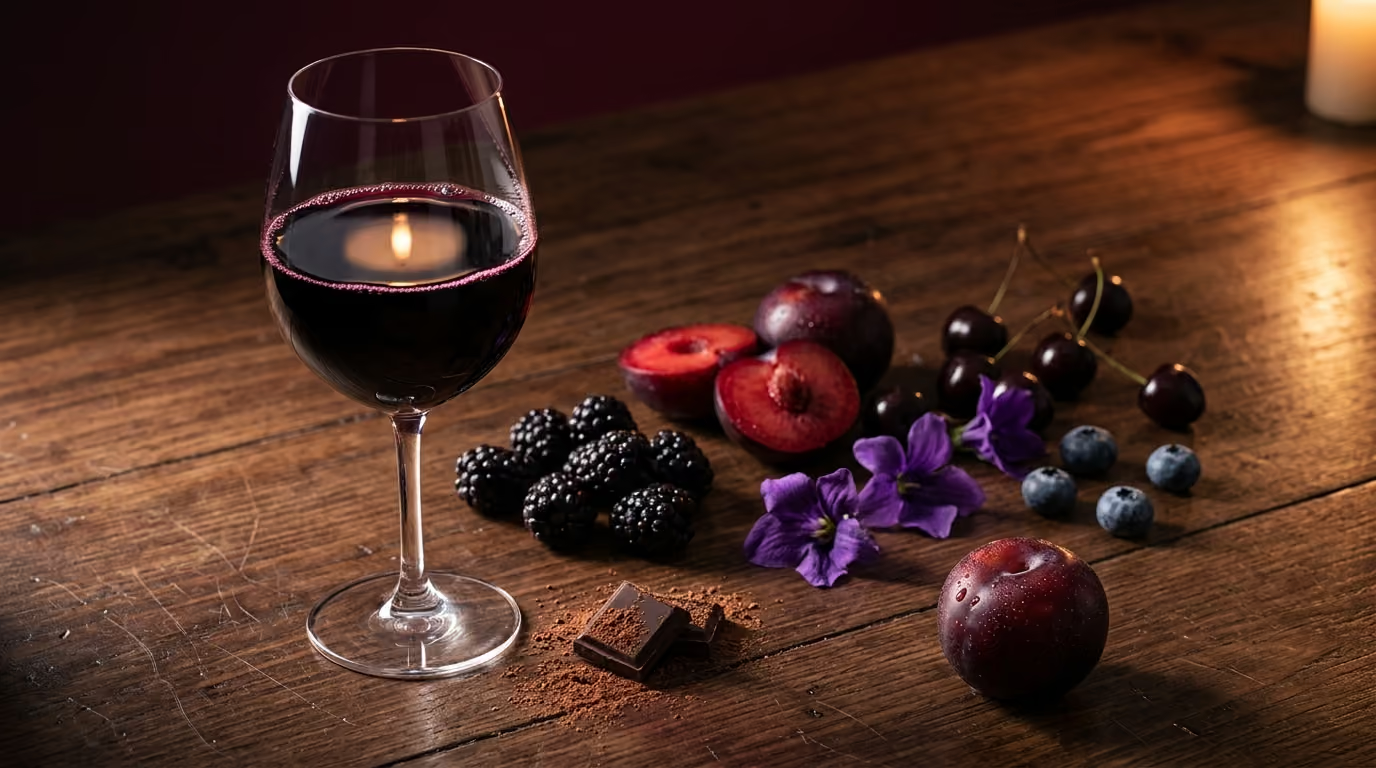
Malbec tastes of ripe blackberry, black plum, and black cherry, with softer notes of cocoa powder, violet flowers, and a whisper of smoke or sweet tobacco. The fruit reads as generous and rounded rather than sharp and tart, so the first sip tends to feel plush instead of bracing. That plush quality is the reason so many people describe Malbec as an easy, crowd-pleasing red.
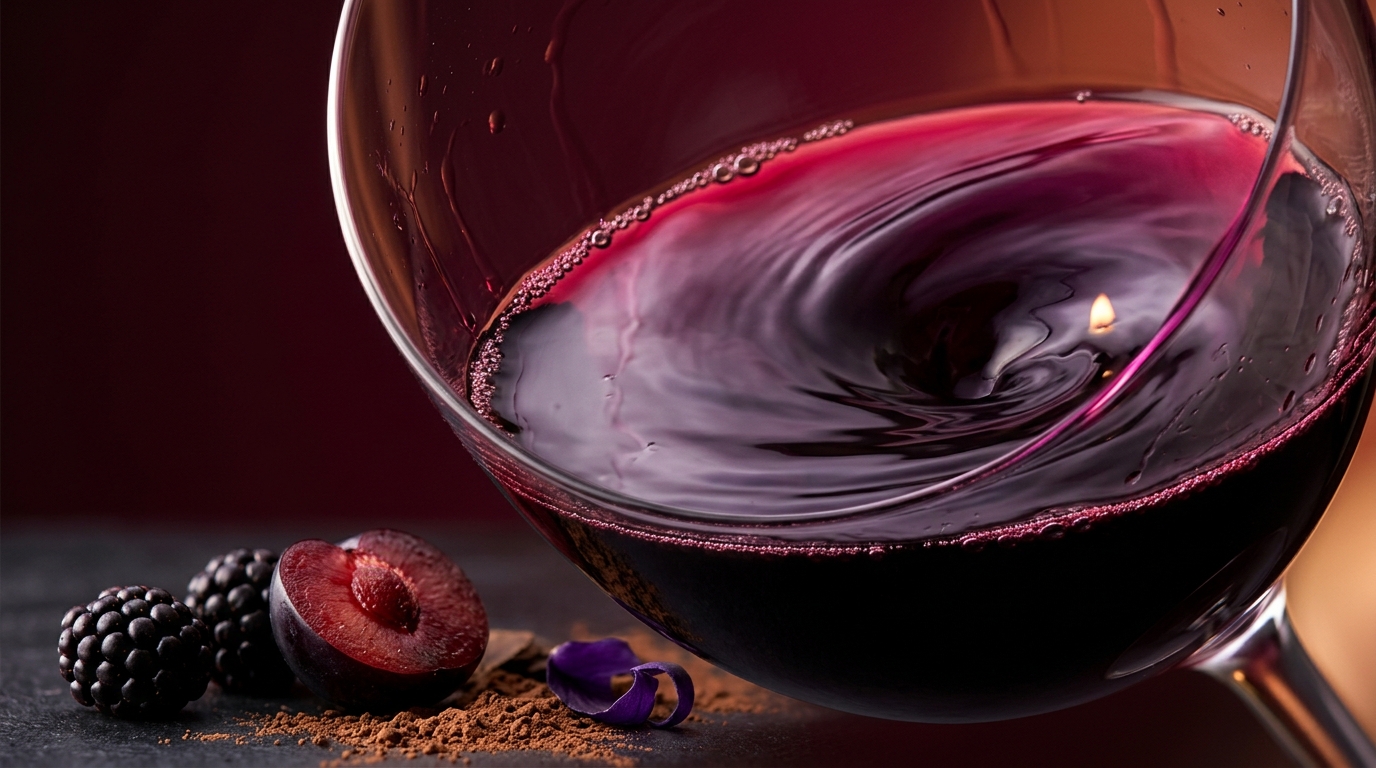
Texture is a big part of the story. Malbec carries real tannin, the compound that dries your gums and gives a red wine its grip, yet those tannins usually feel smooth and rounded rather than gritty. If you've ever wondered what people mean by grip, our guide to what tannin in wine actually means walks through it in plain language. Body sits on the fuller side, closer to Cabernet than to a light Beaujolais, while acidity stays medium and keeps the wine feeling fresh instead of heavy.
Set beside its famous cousin, Malbec usually feels gentler on the finish. Cabernet Sauvignon tends to grip harder and dry your mouth for longer, so if a big Cab has ever felt stern to you, Malbec often lands as the friendlier pour. We break the two down side by side in Malbec vs Cabernet Sauvignon, and the short version is that Malbec keeps the dark-fruit richness while smoothing off some of the edge. That balance of depth and softness is exactly what makes it such a comfortable choice with dinner.
Is Malbec sweet or a dry red wine?
Malbec is almost always a dry red wine, meaning it has little to no leftover sugar once the grapes finish fermenting. The confusion is understandable, because all that ripe blackberry and plum can trick your palate into reading sweetness that isn't really there. What you're tasting is fruit intensity, not sugar.
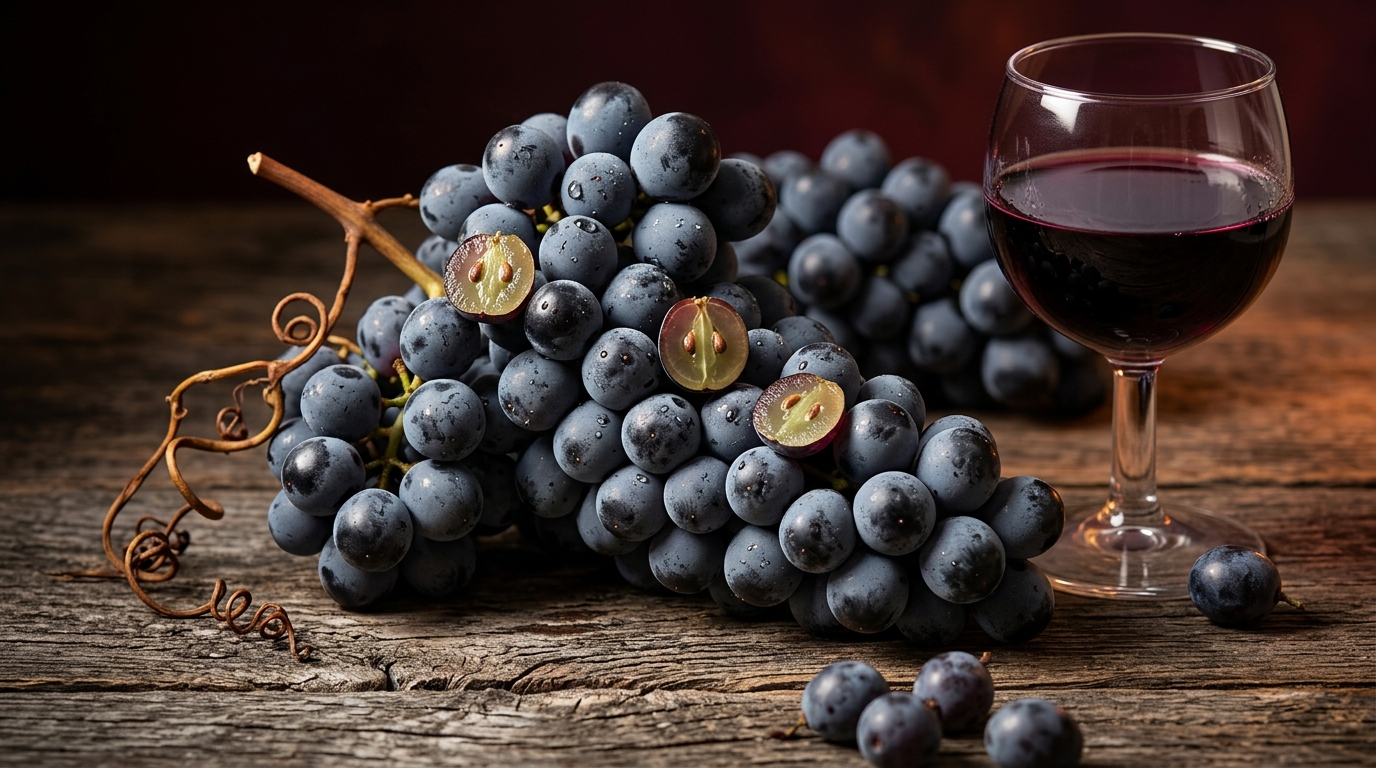
A ripe, oak-aged Argentine Malbec can smell of vanilla and cocoa and feel round on the tongue, and that combination pushes some drinkers to call it sweet. Technically it stays dry, with the fruit and the soft tannins doing the heavy lifting. If you genuinely prefer a touch of sweetness, you're better served by a wine made in an off-dry style, since a standard Malbec won't deliver actual sugar.
There's one oddity worth naming here, because a few producers now make White Malbec, a pale, crisp wine pressed from the same dark grapes with minimal skin contact, and it tastes nothing like the red. That style stays rare and niche, so unless a label specifically says White Malbec, assume you're getting the deep purple, dry red that made the grape famous.
How does Argentine Malbec differ from French Cahors?
Argentine Malbec tends to taste plush and fruit-forward, while French Malbec from the Cahors region tends to taste darker, earthier, and firmer. Same grape, two very different personalities, shaped mostly by climate and altitude. Knowing which camp a bottle falls into tells you more about the flavor than almost anything else on the label.
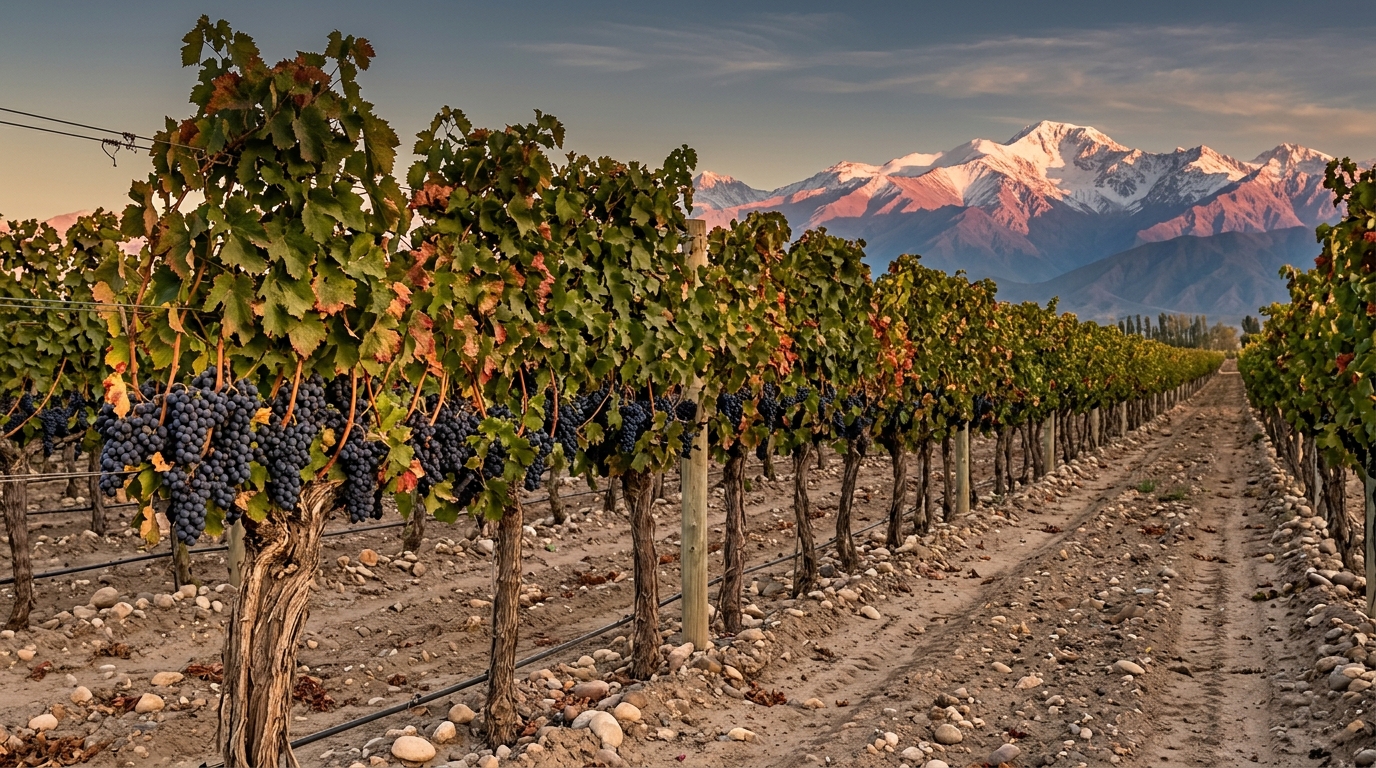
Argentina turned Malbec into a household name, and most of its best examples come from Mendoza, especially the high Uco Valley. Vineyards there sit at serious altitude, where strong daytime sun ripens the fruit and cold nights lock in freshness and color. That day-to-night swing gives you deep, juicy dark fruit with balanced acidity, and it's why the best Malbec in Argentina so often tastes both rich and lively at once. France tells a quieter, more restrained story. In Cahors, in the country's southwest where the grape originally grew, Malbec leans into black fruit, earth, dried herbs, and a savory, almost inky grip that ages gracefully.
Here's how the main styles compare when you're standing in front of the shelf:
| Style | Typical flavor | Texture and finish | Reach for it when you want |
|---|---|---|---|
| Mendoza Malbec | Blackberry, plum, cocoa | Round, smooth, generous | A rich but easygoing red |
| Uco Valley Malbec | Black cherry, violet, fresh berry | More lift, firmer acidity | Dark fruit with a fresher edge |
| Cahors Malbec (France) | Black fruit, earth, black tea | Structured, savory, drier grip | Less sweetness and more backbone |
| Washington Malbec | Dark cherry, herb, pepper | Balanced, often less plush | A slightly fresher alternative |
| Australian Malbec | Blackberry, spice, dark chocolate | Juicy and broad | Dark fruit with warm spice |
Price is part of the appeal, because a solid Argentine Malbec often lands in the friendly $12 to $20 range, which makes it a low-risk way to explore. If you're staring at a wall of bottles and can't tell whether a specific one leans plush or savory, this is where Sommy's Fit Check earns its keep: point your phone at the label and it tells you whether that exact Malbec matches the style you already know you like. That turns a guess into a quick, confident yes or no.
How does oak aging change how Malbec tastes?
Oak aging layers vanilla, mocha, toast, and baking spice on top of Malbec's natural dark fruit. Time in a barrel softens the wine and adds warmth, so an oaked Malbec feels rounder and more dessert-adjacent than one raised in steel or neutral vessels. Neither approach is better, and the right choice depends entirely on what you're pouring it with.
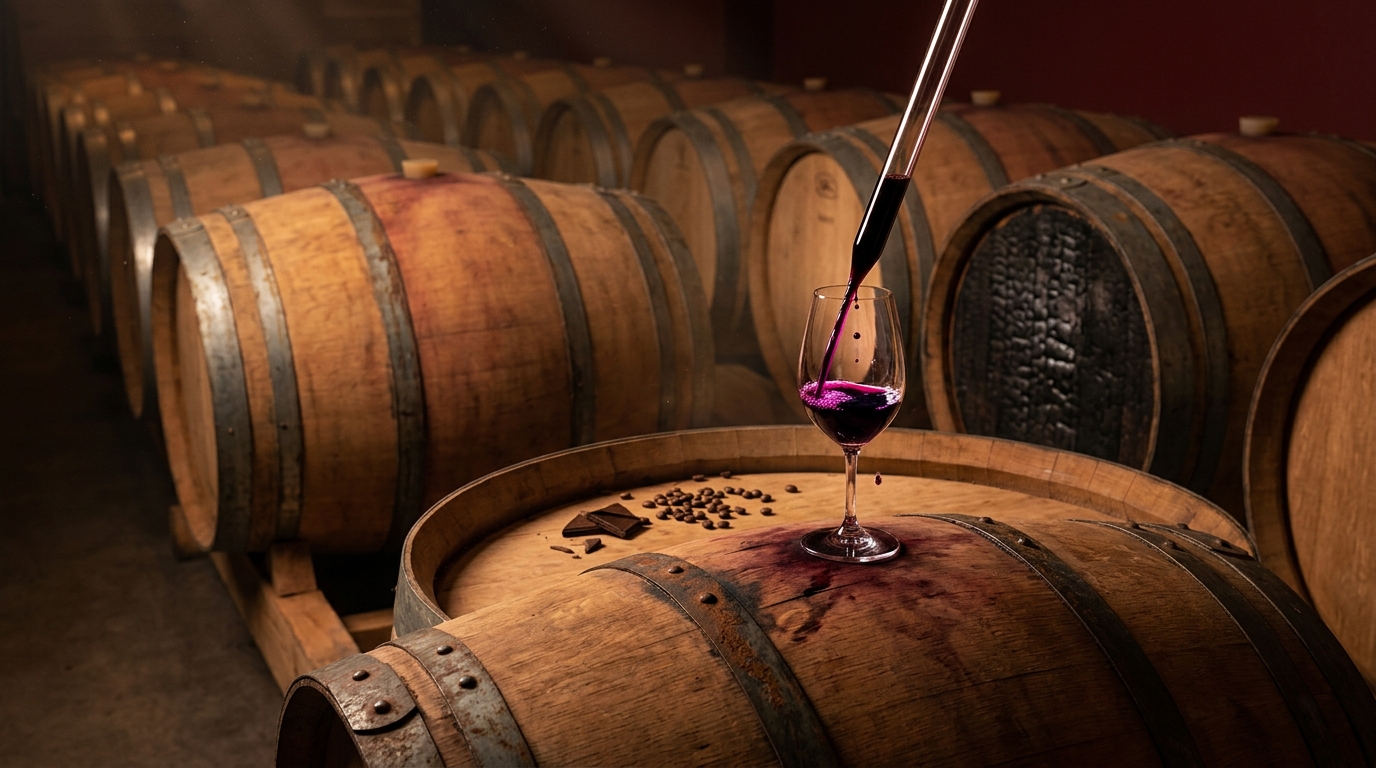
New oak barrels give the most obvious signature, adding those sweet vanilla and toasted-spice notes that many Argentine producers lean into. Older or neutral barrels do far less, letting the pure blackberry and plum stay front and center. A label that mentions oak aging, barrel aging, or a reserve bottling usually points toward the richer, spicier end of the spectrum. A basic, everyday Malbec with none of those cues tends to put fresh fruit first.
Think about your food before you decide. A vanilla-and-mocha oaked bottle sings next to grilled meat and barbecue, where the char echoes the toast. A brighter, less-oaked Malbec keeps up better with tomato-based pasta or roast vegetables, where too much oak would bulldoze the dish. Matching the oak level to dinner is a small move that makes the whole meal click.
What foods pair well with Malbec?
Malbec pairs best with food that brings char, richness, or savory depth, since its dark fruit and smooth tannins love a little smoke and fat to play against. The velvety texture helps rich, grilled, and roasted dishes soften the wine's grip, while its cocoa and spice notes echo anything off the grill. This is a genuinely versatile bottle for weeknight cooking.
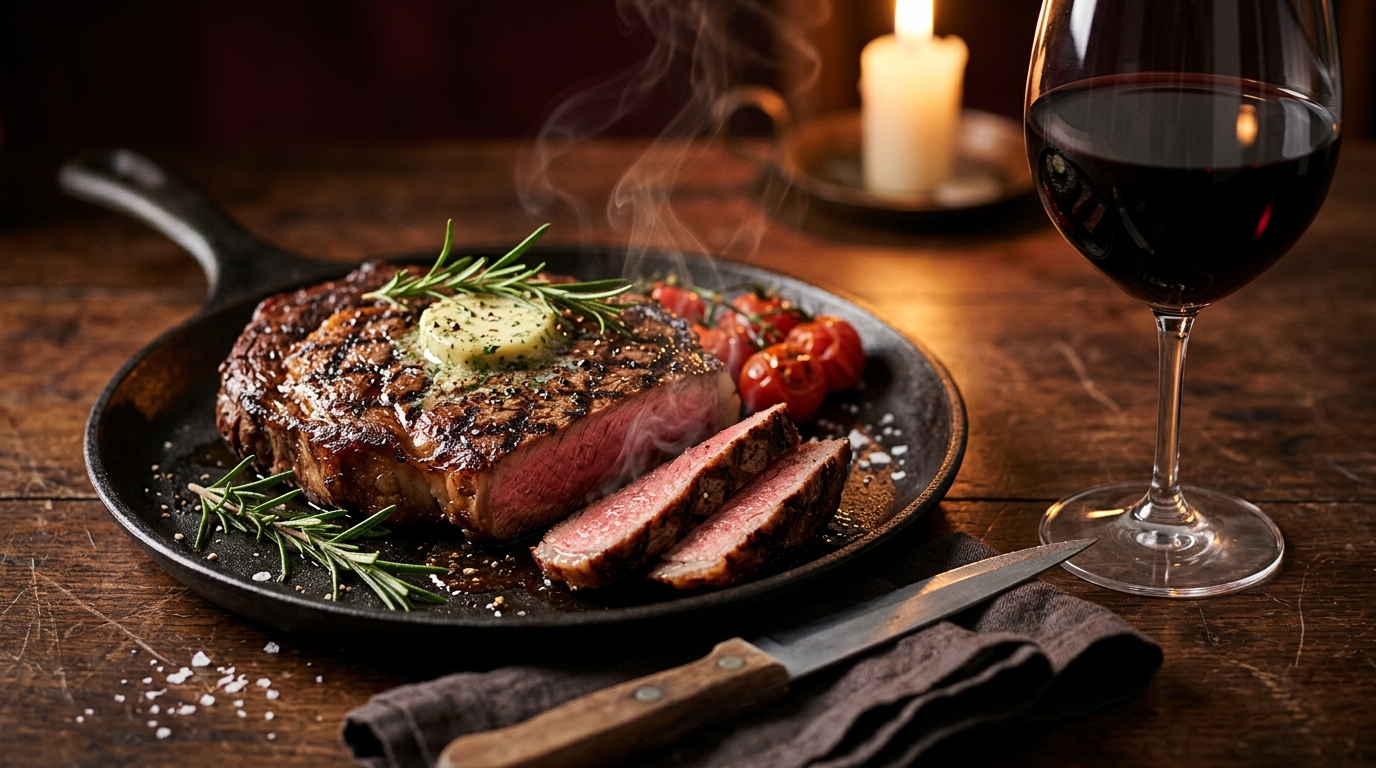
Steak is the classic match, and for good reason, since the fat in a well-marbled cut tames the tannin while the wine's fruit lifts the beef. We go deep on that combination in our guide to the best wine for a steak dinner, and Malbec sits near the top of the list. Beyond steak, it happily takes on burgers, lamb chops, barbecue chicken, and slow-braised beef. A firmer Cahors-style bottle handles heartier plates such as chili, cassoulet, and aged cheddar, where its savory grip stands up to the intensity.
Vegetarian tables have plenty of room too. Mushroom pasta, lentil stew, smoky eggplant, and roasted vegetables with browned, caramelized edges all give Malbec the savory depth it wants. A few dishes fight it, so keep this short list in mind:
- Delicate white fish can make a full-bodied Malbec feel heavy and overbearing.
- Very spicy food tends to push the alcohol and tannin toward harsh, so a chilled lighter red or a white works better.
- Bright, acidic salads with lots of vinegar clash with the wine's ripe fruit.
How should you serve Malbec?
Serve Malbec slightly cooler than room temperature, right around 60 to 65 degrees Fahrenheit, so the fruit stays defined and the alcohol doesn't feel hot. A bottle left standing in a warm kitchen benefits from about 20 to 30 minutes in the refrigerator before you pour. That small chill sharpens the flavors and keeps the wine tasting fresh rather than flabby.
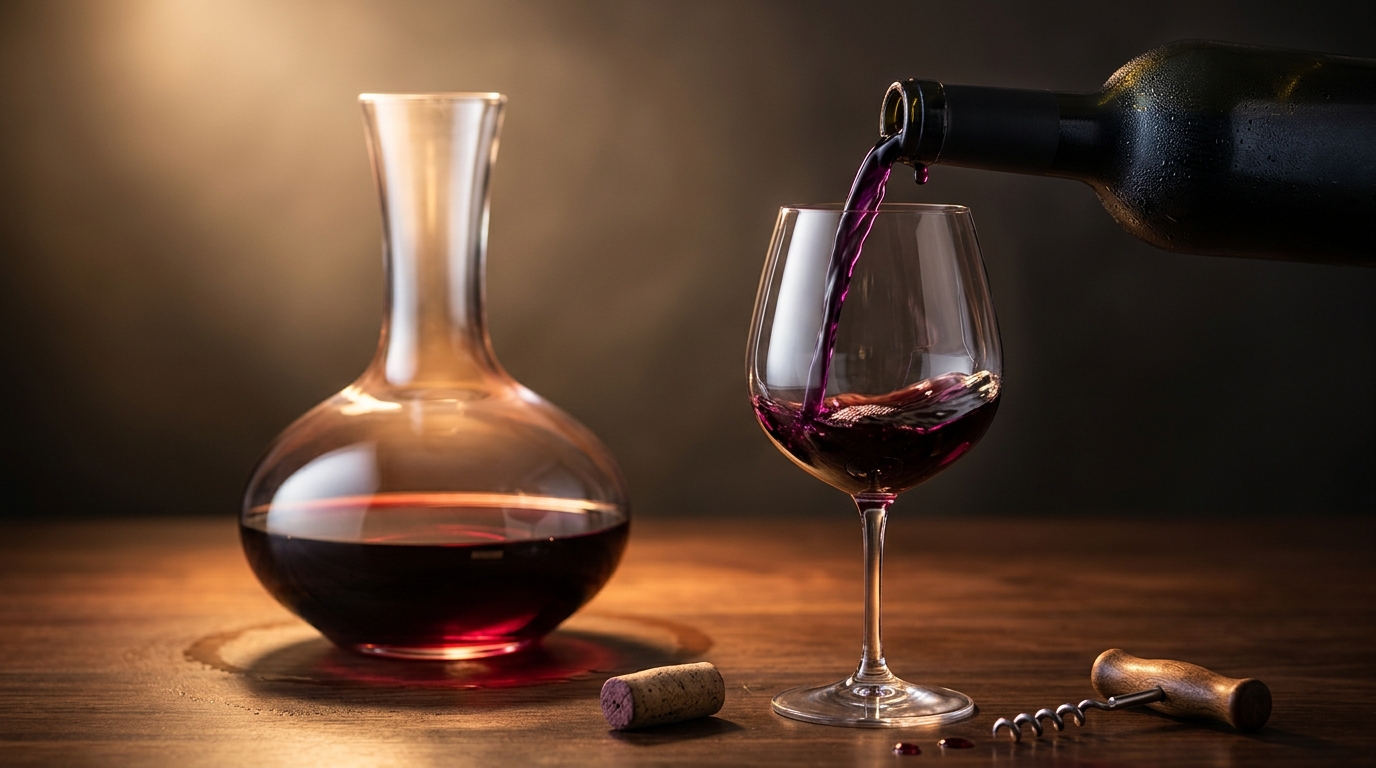
Young, oak-heavy bottles often open up nicely with a little air, so pouring one into a decanter 20 to 30 minutes ahead can smooth out any youthful edge. An older Malbec, on the other hand, wants a gentler touch and a slower pour, since it's already softened over time. A standard bell-shaped red wine glass gives the aromas room to gather, which makes all that dark fruit and cocoa easier to notice.
Storage matters less than people fear for everyday bottles. Keep an unopened Malbec somewhere cool, dark, and steady, away from the heat of a stove or the glare of a window, and it will hold just fine until dinner. Once opened, a recorked bottle stays good for a couple of days in the fridge, so there's no rush to finish a big Argentine red in one sitting.
Frequently asked questions about Malbec
Is Malbec a sweet wine?
Malbec is a dry red wine with little to no residual sugar. Its ripe blackberry, plum, and cherry flavors can taste sweet, but that impression comes from fruit intensity rather than actual sugar in the glass.
What does Malbec taste like compared to Cabernet Sauvignon?
Malbec and Cabernet share dark-fruit richness, yet Malbec usually tastes smoother and rounder while Cabernet grips harder and finishes drier. If a big Cabernet has felt too firm for you, a plush Argentine Malbec often lands as the gentler, friendlier pour.
How is Argentine Malbec different from French Malbec?
Argentine Malbec, especially from Mendoza, tends to be plush and fruit-forward with soft tannins. French Malbec from Cahors runs darker and earthier, with a savory, structured grip that ages well over time.
What foods pair best with Malbec?
Malbec shines with grilled steak, burgers, lamb, barbecue chicken, braised beef, and mushroom dishes. Its dark fruit and smooth tannins complement char, richness, and savory depth, though it can overpower delicate white fish or very spicy plates.
Should Malbec be chilled before serving?
Serve Malbec at about 60 to 65 degrees Fahrenheit, which is a touch cooler than a warm room. If the bottle feels warm to the touch, give it 20 to 30 minutes in the refrigerator before pouring to keep the flavors crisp.
A red you can pour with confidence
Malbec rewards you for keeping it simple, because once you know the two main styles you can choose well without overthinking a single label. Reach for Argentine Malbec when you want plush, juicy dark fruit and a smooth finish, and reach for a Cahors bottle when you want more earth and backbone. Either way, you're getting one of the most reliably approachable reds on the shelf, which is why it turns up again and again on lists of easy to drink red wines.
The real test is always your own glass, so pour a couple of styles and notice which one you keep coming back to. If you'd like a second opinion while you're deciding, Sommy learns what you enjoy and turns it into calm, everyday recommendations you can trust the next time a wine list lands in your lap.