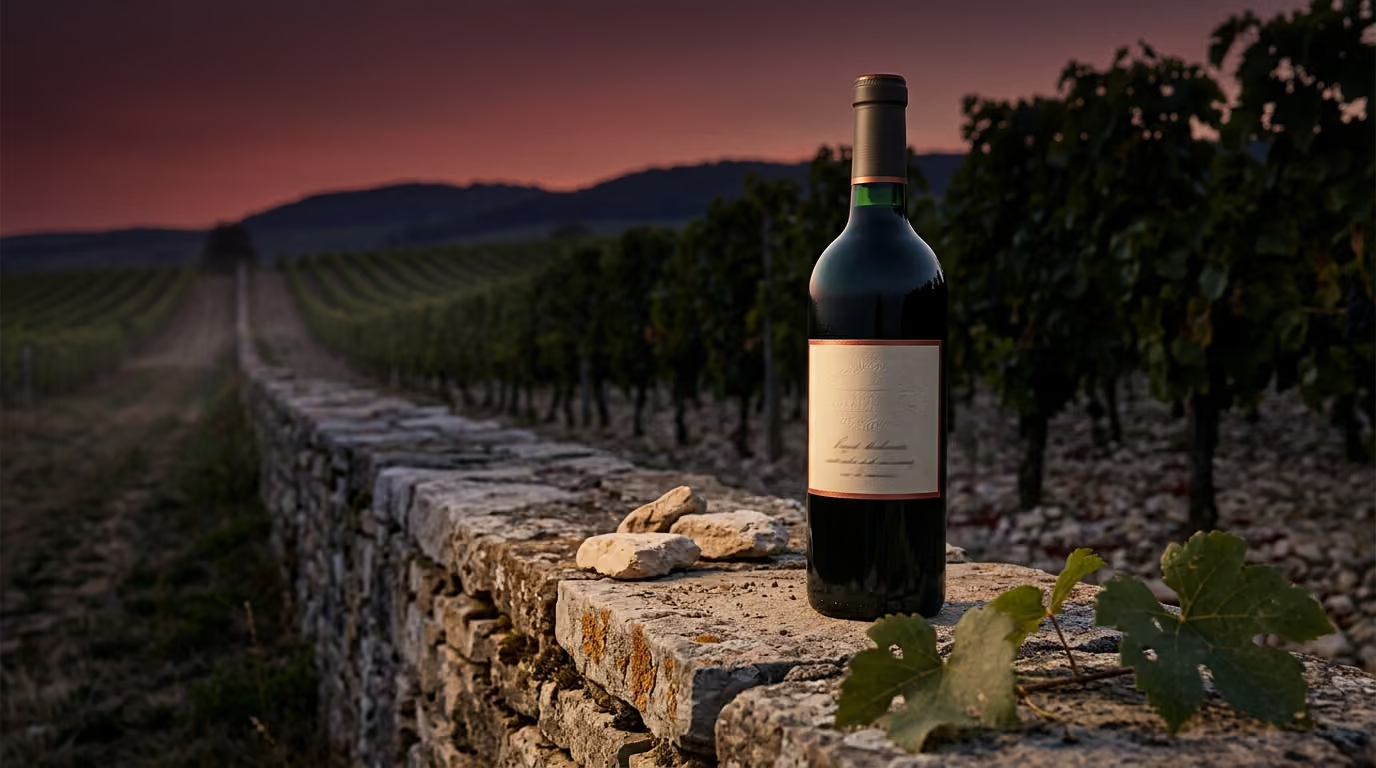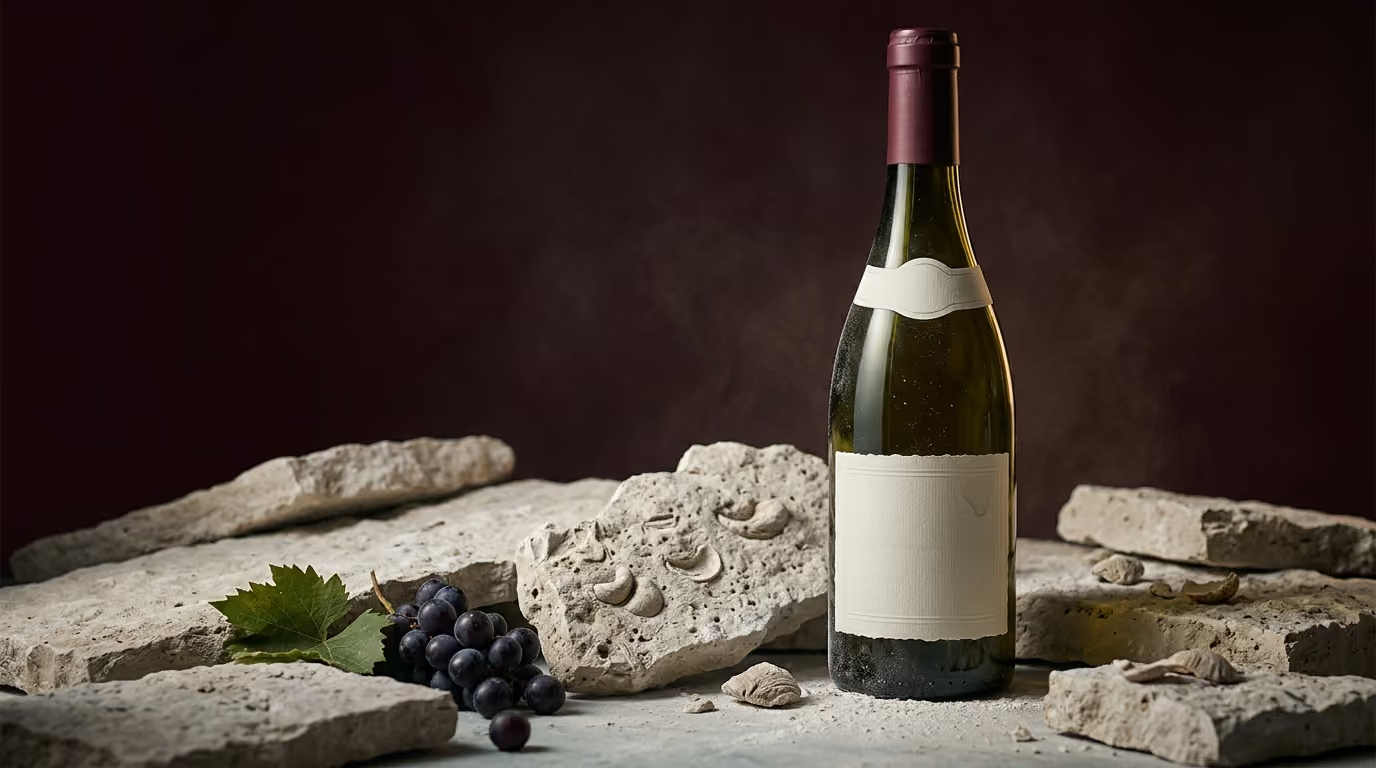
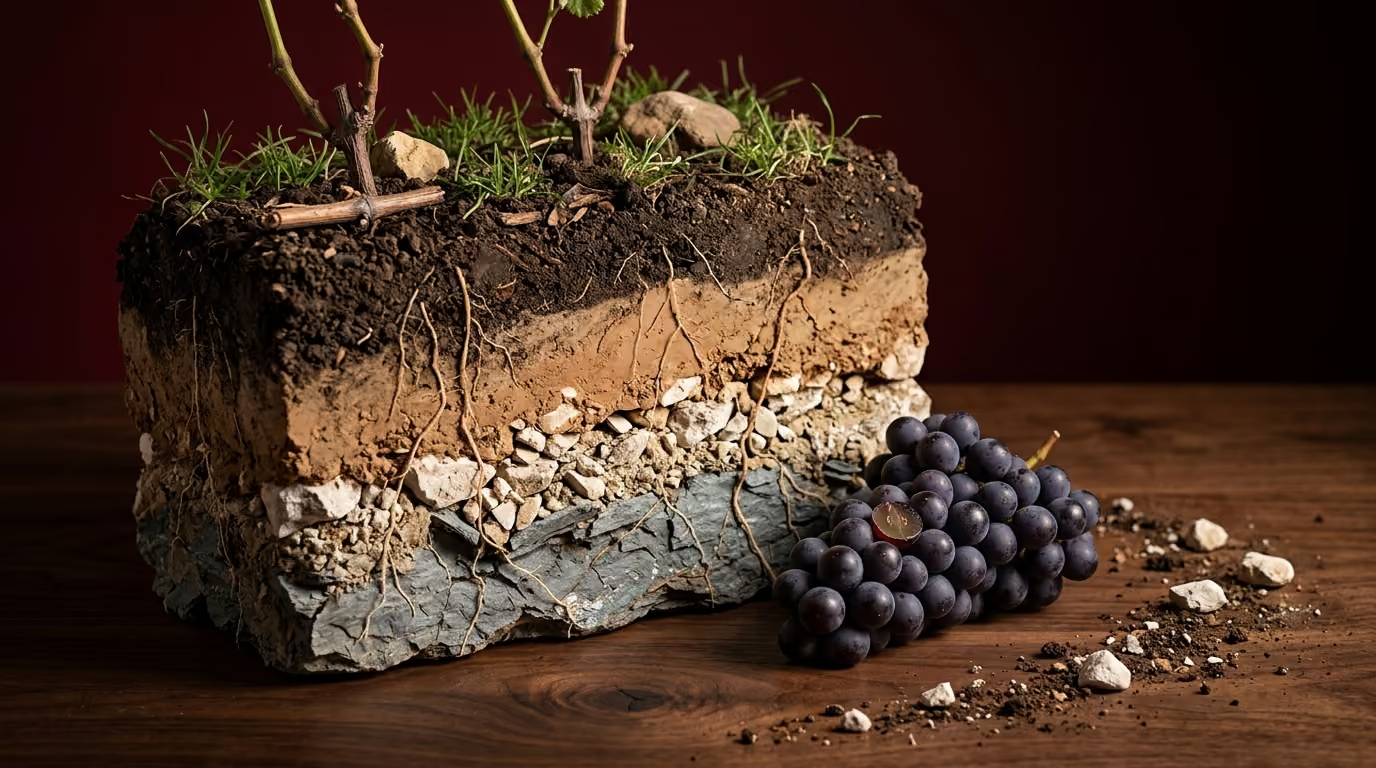
Terroir is the idea that where grapes grow changes how the finished wine tastes. Climate, slope, soil, water and the choices of the people farming the vineyard all push a wine toward being fresher or riper, lighter or fuller. You can use it without studying it: a cooler place usually means brighter and more tart, a warmer place usually means rounder and riper, and the region printed on the label is the fastest clue you have to which one you're holding.
That single sentence covers most of what terroir does for you in a wine shop. The rest of this piece is about the part nobody explains, which is how much a place name on a bottle is actually promising you, and what it quietly refuses to promise.
What does terroir mean in wine?
Terroir means the whole set of natural and human conditions in a vineyard that shape the wine made from it. The word comes from the French for land, and it covers heat, cold nights, wind, rain, sunlight, slope, altitude, drainage, soil and the farming decisions layered on top.
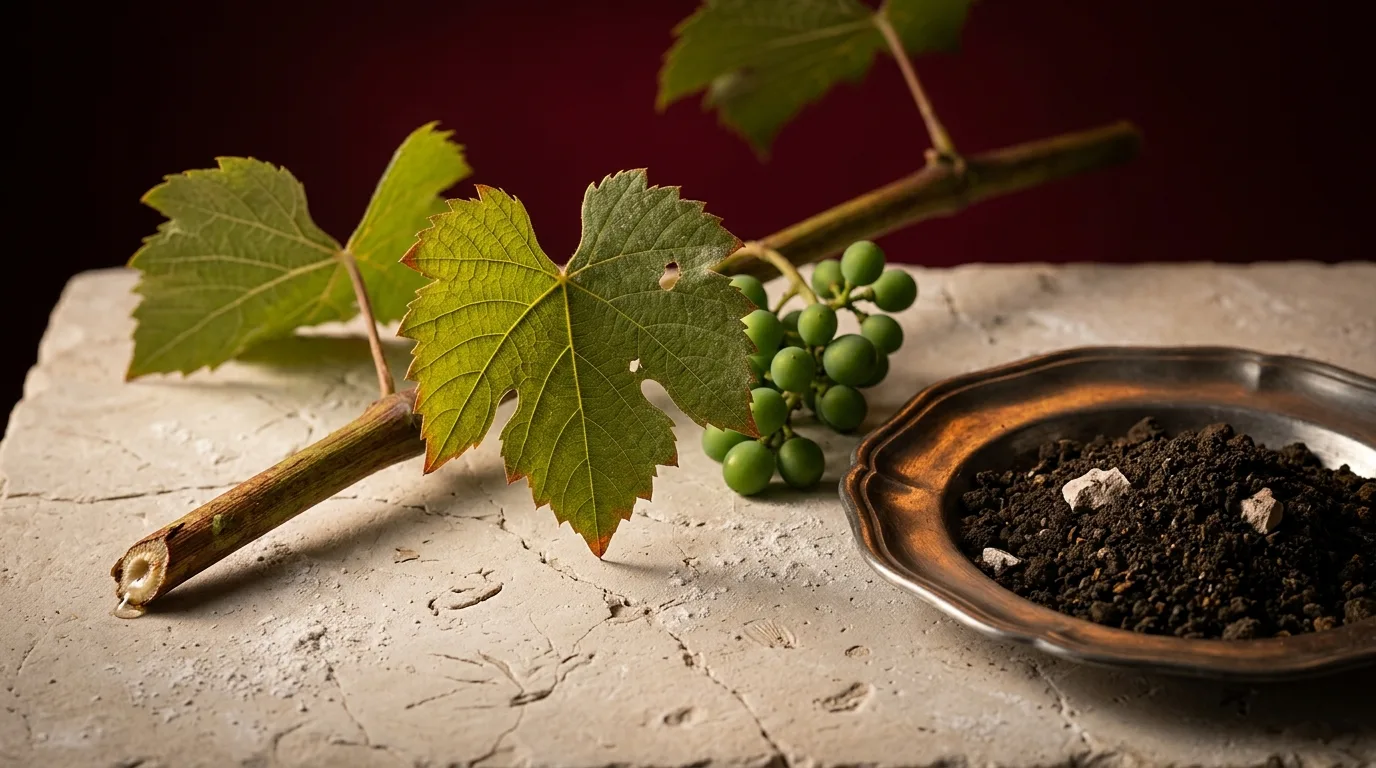
The useful thing about terroir is that it explains something you've probably already noticed. Two bottles of the same grape can taste like different drinks. A Chardonnay grown in a cool, damp part of northern France and a Chardonnay grown in a hot California valley are the same plant doing very different work, and the gap between them is mostly a gap in place. Our guide to Chablis and Chardonnay walks through exactly that split if you want to taste it for yourself.
Terroir is also the reason the French built their appellation system, and why so many other countries copied the shape of it. Wikipedia's overview of terroir puts it plainly: the whole appellation d'origine contrôlée framework rests on the assumption that the land a grape grows in gives the wine a quality specific to that site. Every region that later wrote its own place-name rules was borrowing that assumption.
One warning before you go further. Terroir gets used as a marketing word almost as often as it gets used as a real one, and a bottle that talks a lot about its hillside is not automatically a better bottle. Treat the word as a description of where something came from rather than a claim about how good it is.
How does a vineyard's climate change what's in your glass?
Climate is the part of terroir you can actually predict, and it mostly moves two things: acidity and ripeness. Cooler growing conditions let grapes hold onto their natural acidity while sugar builds slowly, so the wines tend to feel fresher, lighter and more tart. Warmer conditions ripen fruit faster and burn off acidity, so the wines tend to feel rounder, riper and fuller in the mouth.
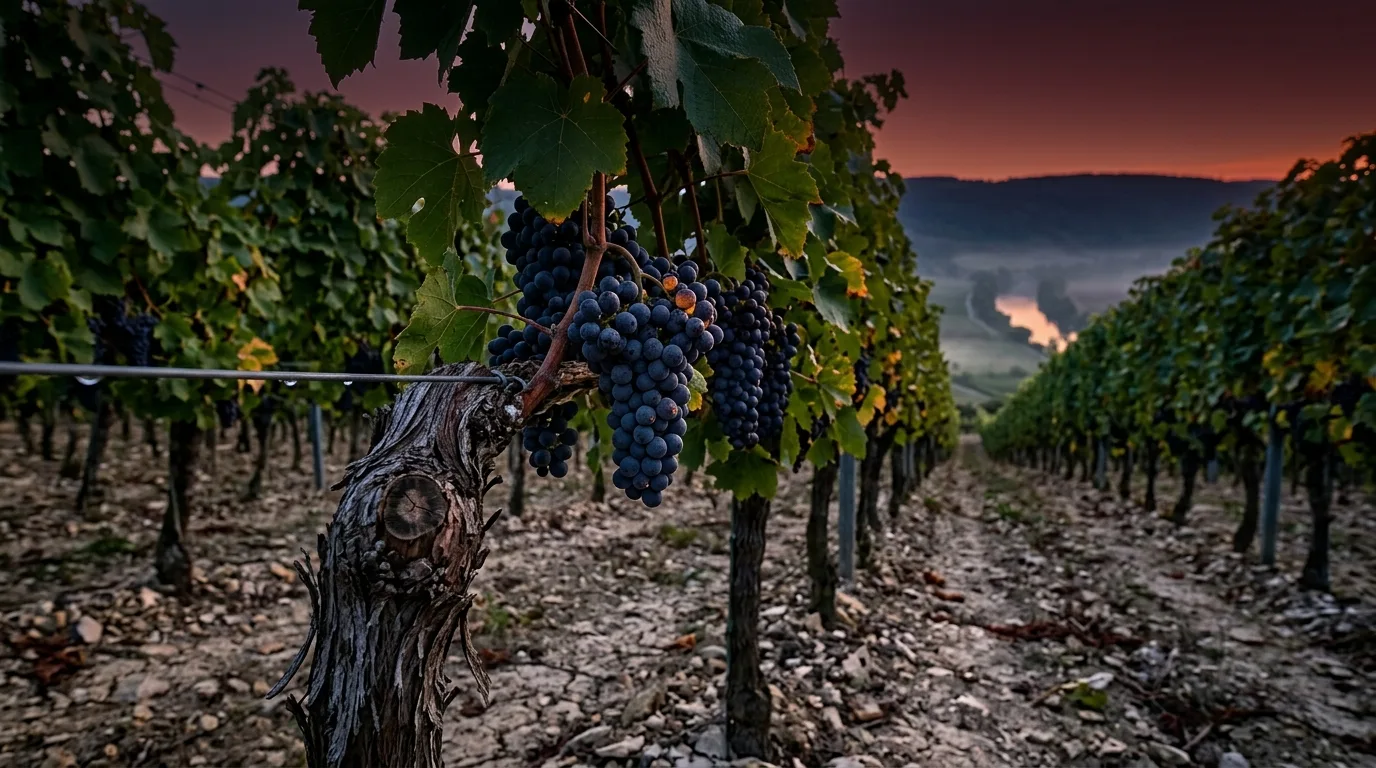
This is the single most useful thing terroir gives a shopper, because it turns a place name into a rough taste prediction. Sauvignon Blanc from a cool coastal zone comes out sharp and citrusy. The same grape grown somewhere hot comes out softer and more tropical, with less of that mouth-watering bite. Neither is the correct version, and plenty of people prefer the rounder one.
Altitude and cold nights do similar work even inside warm regions, which is why a hot country can still turn out fresh wines from its higher vineyards. Argentina's high-altitude Malbec country is the everyday example, and it's the reason a wine from a warm nation doesn't always taste heavy.
Sunlight and temperature also pull on different levers rather than the same one. Controlled vineyard research summarized in the terroir literature found that more sun exposure raised the concentration of one family of compounds in the skins while temperature had the stronger effect on the pigments, which is a technical way of saying that a sunny cool site and a cloudy warm site do not produce the same wine even when the grapes ripen to the same point.
Does the soil really put flavor in the wine?
Soil matters, but it doesn't work the way the romantic version suggests. A vine growing in limestone doesn't pipe a limestone flavor into the bottle. What soil actually controls is how water moves, how deep the roots have to reach, and how vigorously the plant grows, and those things then change the fruit.
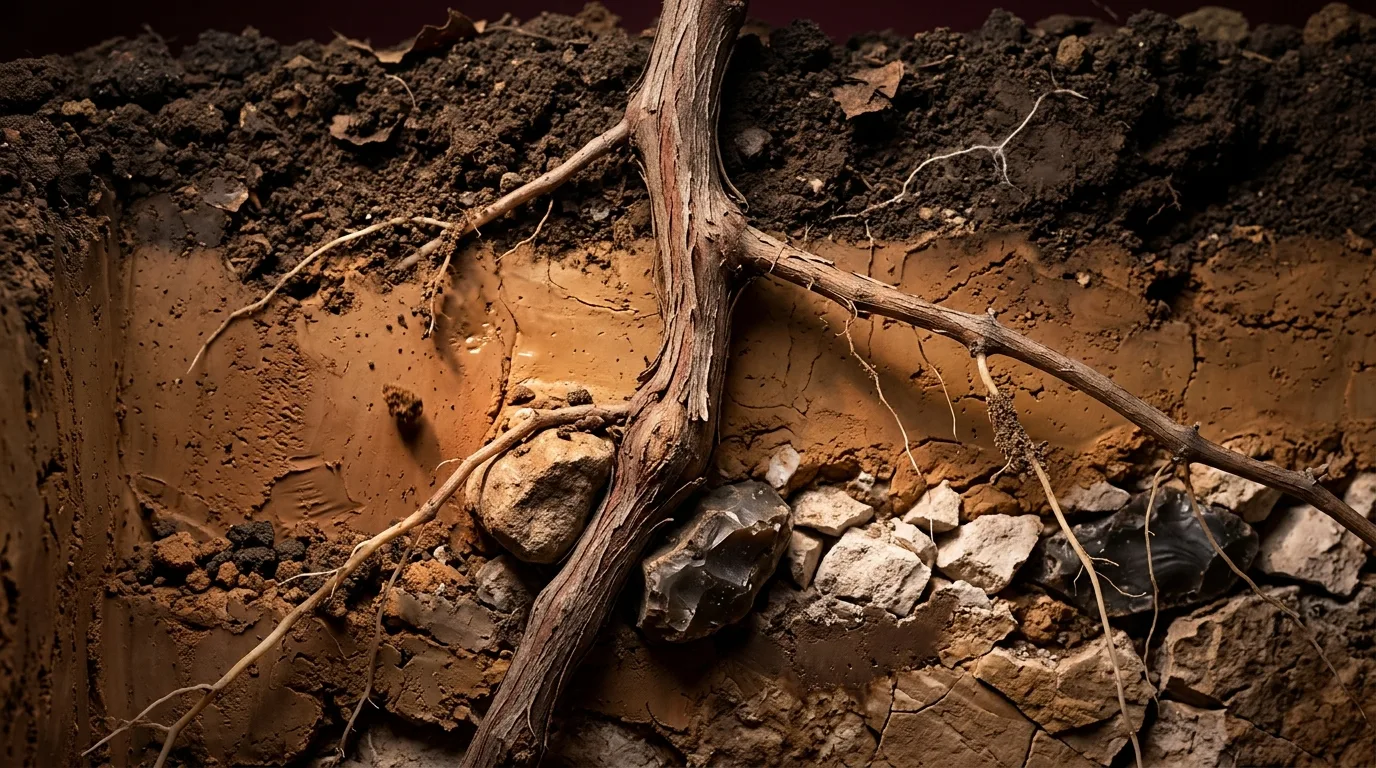
Research on Grenache grown under otherwise matched vineyard conditions found real differences in the chemistry of the finished wines depending on which soil the vines sat in, with the variation running through water availability, mineral uptake and root development rather than through any direct transfer of rock into glass. So the effect is genuine and measurable. The mechanism is just less poetic than the story people tell about it.
For you, standing in a shop, this has one practical consequence. A producer describing their gravel or their chalk is telling you something real about their farming, and nothing at all about whether the wine in that bottle suits your taste. Soil talk is background, not a recommendation. If you want a reliable read on what a bottle will actually taste like, the words that predict flavor are a different set entirely, and we sorted them in our guide to wine terms that predict taste.
Where does terroir turn into law on the label?
Terroir stops being a concept and becomes a rule the moment a country writes place names into its labeling law. The United States, France, Italy and Spain all do this, and each one guarantees a slightly different thing.
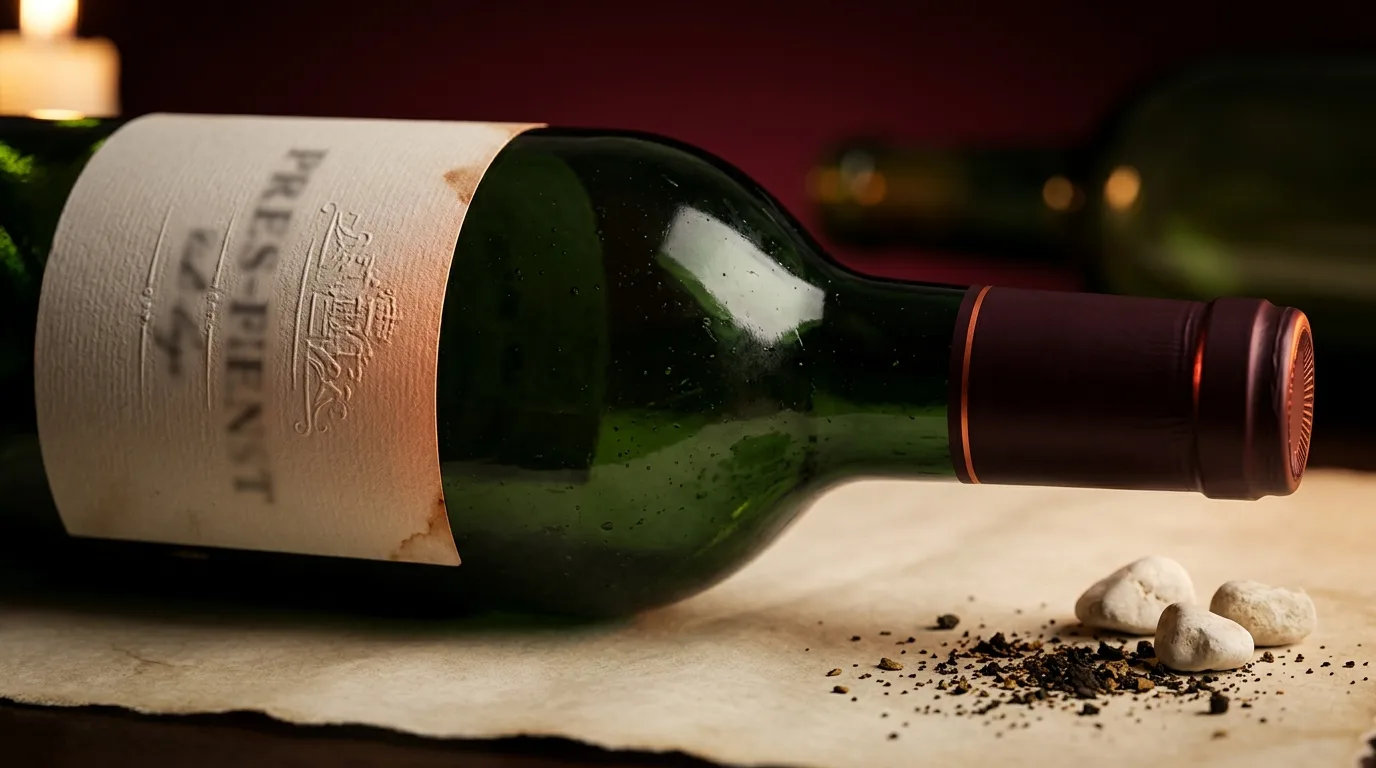
In the US the unit is the American Viticultural Area. Under 27 CFR 4.25, a wine can only print an AVA name like Napa Valley or Russian River Valley if at least 85 percent of it came from grapes grown inside that boundary. Drop down to a county or state name instead and the bar falls to 75 percent. There's a second rule most people never hear about: under 27 CFR 4.27, putting a vintage year on a wine labeled with an AVA requires 95 percent of it to come from that harvest, while the same year on a wine labeled with a broader appellation only requires 85 percent. Naming a smaller place tightens both promises at once.
| Label says | What the law guarantees |
|---|---|
| An AVA, such as Napa Valley | At least 85 percent of the grapes grown inside that boundary |
| A county or a state, such as California | At least 75 percent of the grapes from that area |
| A vintage year on an AVA wine | At least 95 percent from that harvest year |
| A vintage year on a state or county wine | At least 85 percent from that harvest year |
The TTB currently lists 280 established AVAs across the country, and California alone holds 154 of them. European systems work on the same instinct but usually go further, folding in permitted grapes, yields and aging on top of the boundary. Our explainers on AOC on French labels and DOCG on Italian labels cover how much extra those systems are promising you.
Every one of these rules defines a place and a percentage, and none of them says a word about whether the wine has to be good. That gap is the whole reason a cheap bottle and a celebrated one can carry the same appellation.
Does a famous terroir mean a better bottle?
No, and this is where the concept gets oversold. An appellation is a boundary with paperwork attached, so a legendary region can and does turn out dull wine, while an unfashionable region can turn out something you'd happily drink all year.
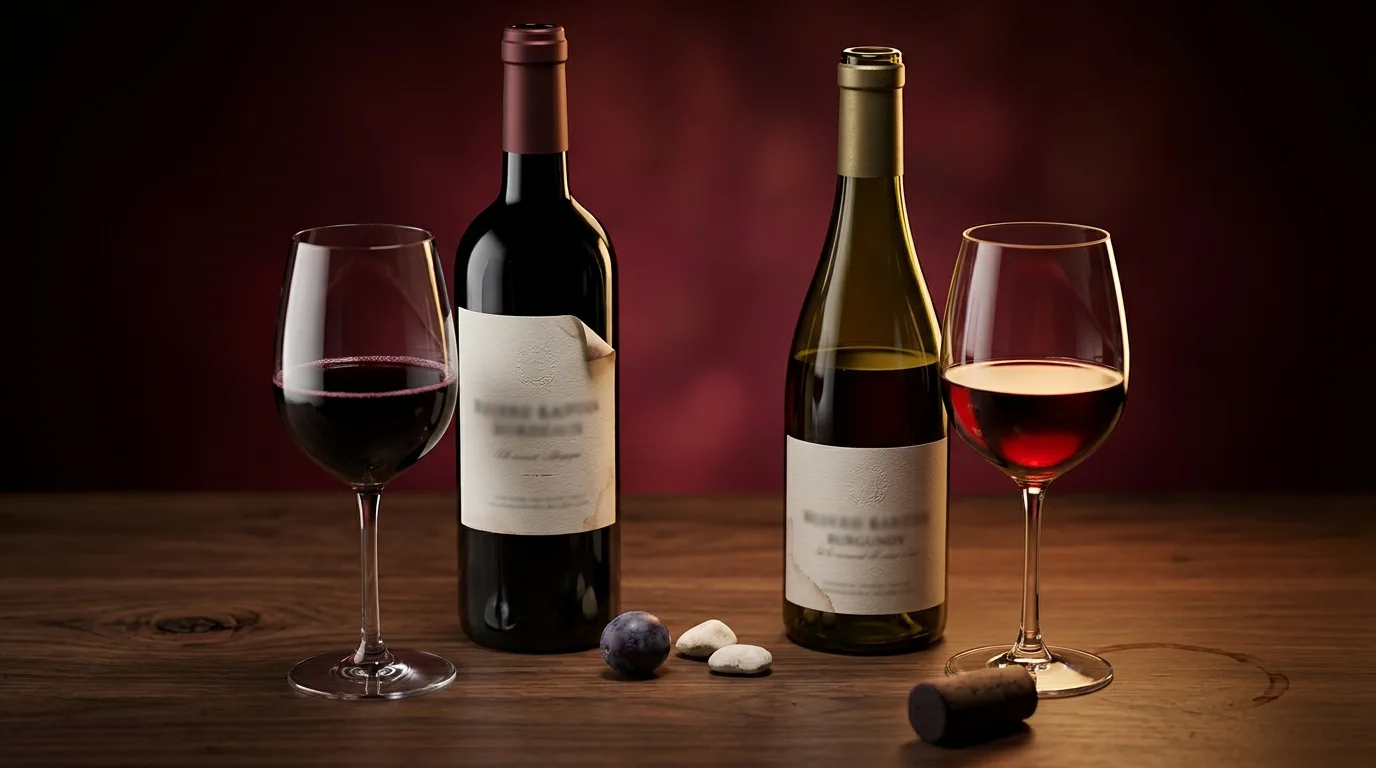
What a famous place name really buys you is a narrower range of likely styles and, very often, a higher price for the same liquid, because reputation gets priced in long before the wine is made. That's why a bottle from a neighboring, less celebrated area is so frequently the better value, since it shares much of the climate and very little of the fame.
This is also the moment where terroir and your own taste come apart. Place tells you what a wine is likely to be like. It has nothing to say about whether that style is one you enjoy, and those are genuinely separate questions. If you're weighing two bottles from different regions and want a straight read on whether a specific one suits you rather than whether the region is respected, Fit Check in Sommy gives you a verdict on that bottle against your own Taste Profile, which is the question the label was never going to answer.
The honest way to use a prestigious region is as a style filter and a starting point for exploring. Our comparison of Old World and New World wine is a good next step, because that split is really a terroir argument wearing different clothes.
How can you taste terroir without any training?
Compare two bottles side by side that differ in only one thing. Buy the same grape from two different regions, open both on the same evening, and pay attention to four things: how tart it feels, how heavy it feels, how ripe the fruit tastes, and how long the flavor hangs around after you swallow.
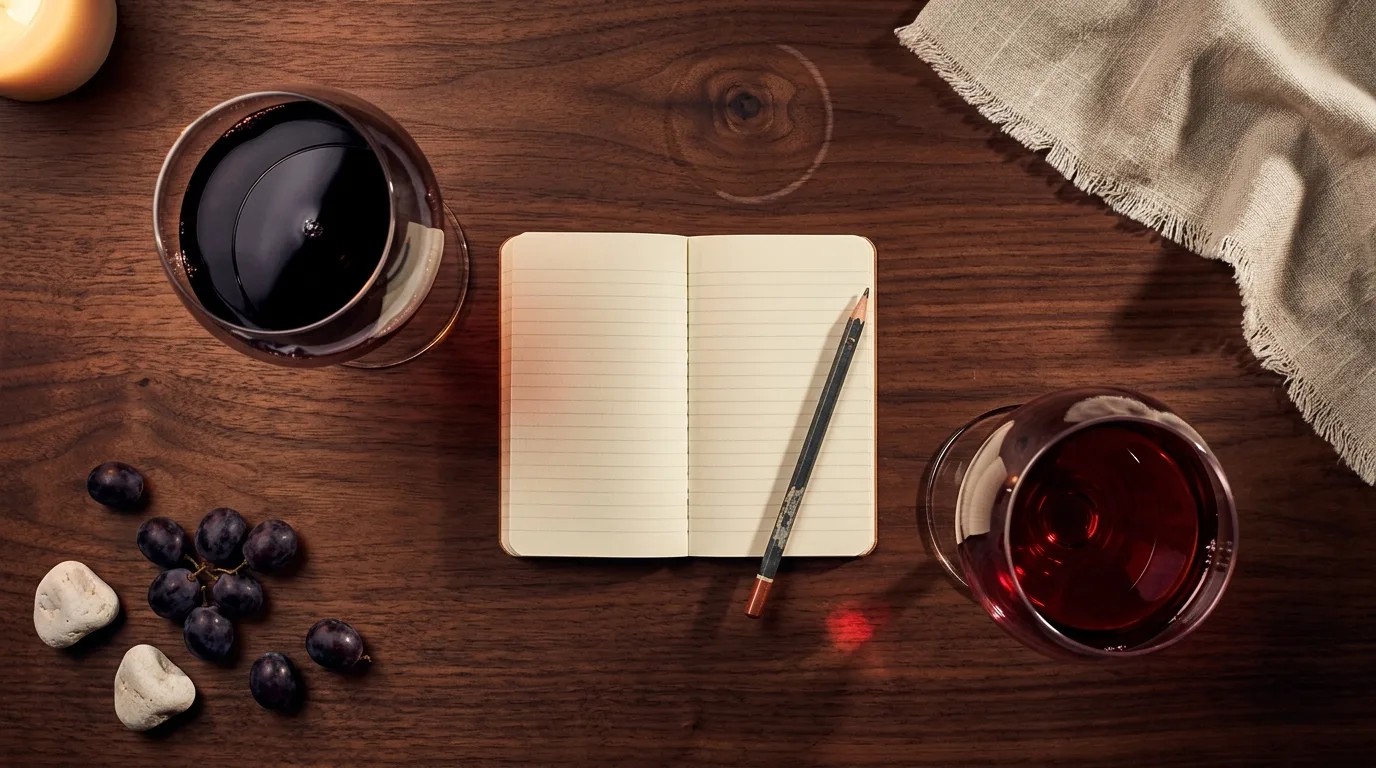
That's the whole exercise, and it works far better than reading about it. Good pairings for it include a Pinot Noir from a cool region against one from a warm one, a Sauvignon Blanc from opposite hemispheres, or a Riesling from Germany against one from Australia. The differences show up immediately once you're holding both glasses, and they're much harder to notice a week apart.
Keep a short note on which one you preferred and why, because the pattern in your own preferences is the genuinely useful output here. After a few of these you'll know whether you lean cool-climate or warm-climate, and that one piece of self-knowledge does more for your shopping than memorizing a hundred region names. Our guide on how to describe wine taste has plain words for writing those notes down.
One caution before you set it up: keep price roughly similar between the two bottles, or you'll end up tasting the difference between cheap and expensive winemaking rather than the difference between two places.
Frequently asked questions about terroir wine
What is terroir in simple terms?
Terroir is everything about where a wine's grapes grew that changes how the wine tastes, including climate, soil, slope, altitude and the way the vineyard is farmed. A shorter version is the taste of a place.
How do you pronounce terroir?
It sounds roughly like "tair-WAHR", with the stress on the second half and the final R softened. Nobody in a wine shop will mind if you get it slightly wrong.
Does terroir wine mean expensive wine?
No, and every wine comes from somewhere, so every wine has terroir. The word appears more often on expensive bottles because it's useful marketing, not because cheaper wines lack a place of origin.
Can you actually taste terroir?
You can taste the differences terroir produces, especially in acidity, body and ripeness, and the effect is clearest when you compare the same grape from two regions at once. Picking a specific vineyard blind is a much harder skill and not one you need.
Does terroir matter more than the grape variety?
For most everyday bottles the grape sets the broad flavor and the terroir adjusts the style within it. The place tends to matter more in regions where the rules restrict which grapes can be planted, since the variety is then a given and the site is what varies.
Is terroir the same thing as an appellation?
They're related but not the same. Terroir is the physical reality of a growing site, while an appellation is a legal boundary drawn around a set of sites, with rules about what counts. An appellation is an attempt to put a fence around a terroir, and the fit is never exact.
Using place as a shortcut instead of a scorecard
Terroir is worth understanding because it turns the most prominent words on a wine label into information rather than decoration. A region tells you roughly how warm the growing season was, which tells you roughly how tart or how ripe the wine will feel, which is genuinely most of what you need to narrow a shelf down to a few plausible bottles.
What it can't do is rank anything. The law behind those place names guarantees percentages and boundaries, never quality, and a celebrated appellation on the front of a bottle is a description of geography with a price premium attached. Use place to predict style, use your own record of what you've enjoyed to predict pleasure, and keep the two jobs separate. That habit alone will save you more money than knowing every subregion in Burgundy.