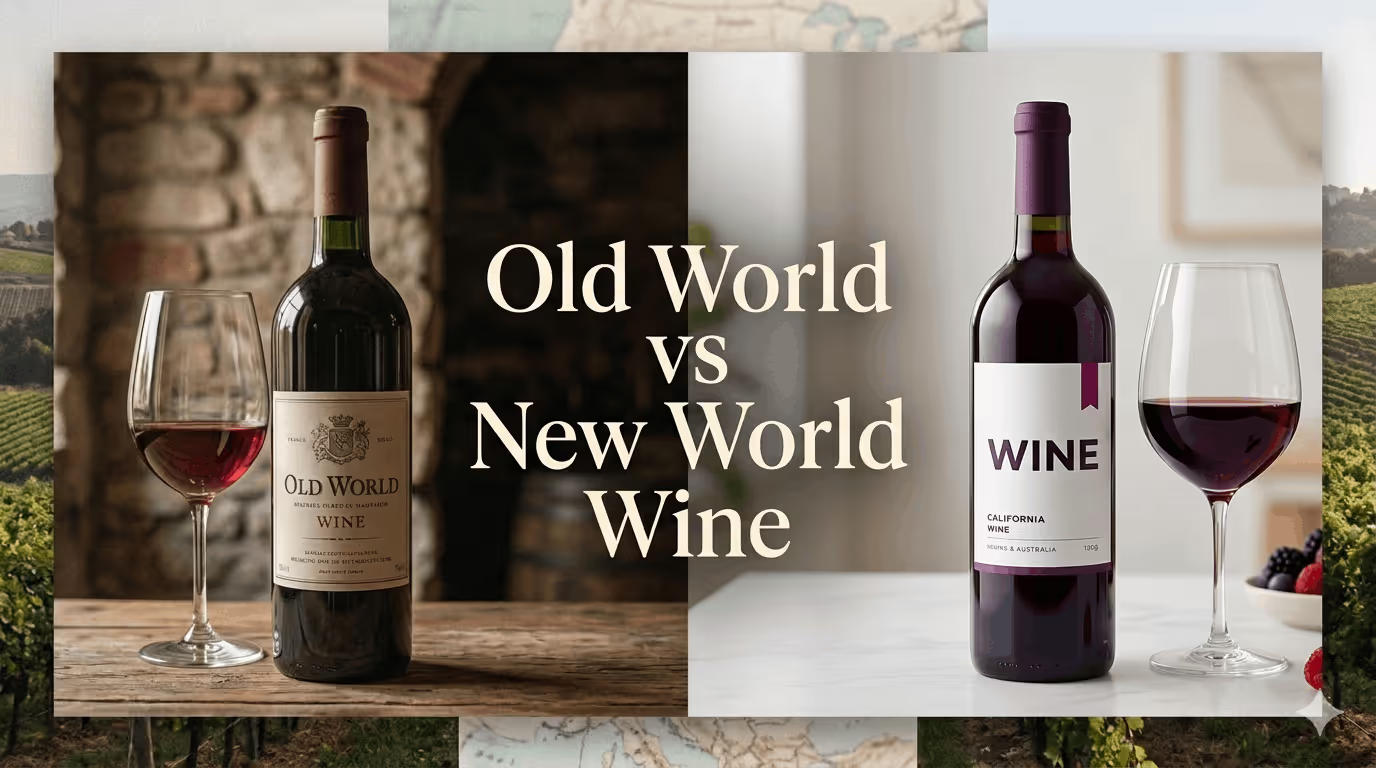

Old World wines are usually leaner and earthier. New World wines are fruitier and fuller. Use that shortcut to choose faster.
Frozen in front of a wine list facing an old world vs new world wine dilemma, most people don't want a lecture. They want it explained in plain English, then they want to order.
Core answer first: Old World wine usually means Europe, tradition, brighter acidity, and less obvious fruit. New World wine usually means places like California, Australia, Chile, or Argentina, with riper fruit and a rounder feel. That one contrast makes how to choose wine much easier.
Key Takeaways
- Old World wines from Europe (France, Italy, Spain) are leaner, earthier, with brighter acidity and regional labels, perfect for freshness and food pairing.
- New World wines from places like California, Australia, Chile are fruitier, fuller-bodied, with varietal labels, ideal for easy sipping and bold flavors.
- Climate drives the difference: cooler Old World spots yield crisper wines; warmer New World areas produce riper, rounder styles.
- Quick choice guide: Pick Old World for savory structure and meals; New World for plush fruit, works in stores or restaurants every time.
What Old World and New World really mean
Old World wine usually comes from classic European wine regions rooted in the ancient world, like France, Italy, Spain, Germany, and Portugal. New World wine usually comes from countries where modern wine culture arrived later, such as the US, Australia, New Zealand, Chile, Argentina, and South Africa. Both share Vitis vinifera, the common grape ancestor that forms the foundation for Old World wine and New World wine. Wine Enthusiast's explanation of the terms gives helpful background if you want more context.

Most people feel the difference faster than they can define it. Old World bottles often feel tighter, drier, and more savory. New World bottles often feel softer, juicier, and easier to read on first sip.
A quick comparison helps:
| Feature | Old World | New World |
|---|---|---|
| Common origin | Europe | US, Australia, Chile, Argentina, more |
| Label focus | Place or region | Grape name |
| Typical style | Fresher, leaner, earthier | Riper, fuller, fruit-forward |
| Easy mental shortcut | Better for structure and food | Better for bold fruit and easy sipping |
Takeaway: regional labeling tends to matter more in the Old World, while varietal labeling tends to stand out more in the New World.
Pick Old World when you want freshness and food-friendliness. Pick New World when you want ripe fruit and a softer landing.
That idea alone works as a simple wine guide. It also gives you friendly wine advice when labels feel cryptic.
How the difference shows up in your glass
Old World wines, rooted in longstanding winemaking traditions and terroir, often smell less like a fruit basket and more like herbs, stone, minerality, earthy flavors, or dried flowers. They typically offer a lighter body. New World wines, driven by modern winemaking practices, often smell like ripe berries, plum, peach, or tropical fruit with fruit-forward flavor profiles. One style isn't better. One style simply fits your taste better.

For readers who want wine tasting notes explained, use a plain translation. "Mineral" often means crisp and stony, not fruity. "Earthy" can mean mushroom, leaves, or dried herbs. "Jammy" usually points toward ripe New World fruit. Wine explained simply is more useful than a page of jargon.
Climate helps explain the pattern for Vitis vinifera grapes. Cooler places often keep more acidity, so wines taste brighter and slimmer. Warmer places ripen grapes more fully, so wines taste rounder and fruitier with softer acidity.
A label-focused guide to Old and New World wine also explains why Old World labels can feel harder to decode at first.
New World bottles are often easier for beginners because the label says grape varieties like Cabernet Sauvignon or Chardonnay, sometimes noting oak usage. Old World bottles may say Rioja, Chianti, Sancerre, or Bordeaux instead. That's why simple wine explanations matter. You don't need a class. You need clear wine recommendations based on what you already like.
If you like crisp, tart, and food-friendly wines, start Old World. If you like plush, fruity, and easy-to-love bottles, start New World. That rule works as a wine pairing guide too. Bright wines usually shine with salty, lemony, or herby food. Riper wines often suit burgers, barbecue, and richer sauces.
How to use this in stores and restaurants
A crowded shelf or long wine list can make anyone second-guess. Still, old world vs new world wine gives you a fast filter in real life.
At a restaurant, use the food first. Seafood, roast chicken, or a salad often pairs well with fresher Old World styles like Sauvignon Blanc from France. Steak, barbecue, or a rich pasta often feels great with a fruitier New World wine red such as Cabernet Sauvignon. For more beginner restaurant bottle tips, keep your request short: "I'd like a fresh Sauvignon Blanc," or "I'd like a fruit-forward Cabernet Sauvignon that's smooth." To explore the differences, try a blind tasting of Old World wine and New World wine at home.
Those are solid restaurant wine tips and strong wine list tips because they sound normal. You don't need to speak like a sommelier.

In a store, start with your mood. Want crisp and restrained? Look toward France, Italy, Spain, or Portugal (think Pinot Noir from France or Italy, or Chardonnay from France). Want round and fruity New World wine? Look at California, Australia, Chile, or Argentina (such as Cabernet Sauvignon from Chile or Chardonnay from California). Keep in mind that climate change is affecting alcohol content in various wine regions, including France and Italy, sometimes bringing more ripeness to Old World wine. Those are dependable grocery store wine picks like French Sauvignon Blanc or Italian Pinot Noir when you're short on time. If you want more aisle-specific help, Sommy also has easy grocery wine recommendations.
Sommy fits the moment when you want less guessing. As an AI wine assistant for personal style, it gives smart wine recommendations, personalized wine picks, and wine app suggestions based on your taste, budget, and food. That means personalized wine recommendations and smart wine picks can feel calm, not technical.
Most importantly, keep your own preference in charge. A modern wine guide should help you decide faster, not make you study harder. Everyday wine advice is simple: if you usually like bright, crisp drinks, lean Old World wine. If you like ripe, smooth drinks, lean New World wine.
How the same grape tastes in each world
The clearest way to feel the split is to taste one grape from both sides. The variety stays the same, but the place changes its whole personality. Here is how five popular grapes shift:
| Grape | Old World (example) | New World (example) |
|---|---|---|
| Chardonnay | Chablis, France: lean, crisp, minerally, green apple | California: ripe, round, oaky, tropical fruit |
| Pinot Noir | Burgundy, France: earthy, tart red cherry, higher acidity | California or New Zealand: riper, fuller, jammier fruit |
| Cabernet Sauvignon | Bordeaux, France: structured, savory, herbal, firm tannins | Napa Valley: bold, plush cassis, softer and riper |
| Sauvignon Blanc | Sancerre, France: flinty, mineral, citrus and green herbs | Marlborough, New Zealand: zesty, passionfruit, tropical |
| Syrah / Shiraz | Northern Rhone, France: peppery, savory, medium-bodied | Australia: ripe, jammy, full and bold (labeled Shiraz) |
Notice the pattern. The Old World version leans savory, fresh, and restrained; the New World version leans riper, rounder, and more fruit-forward. Same grape, different accent. If a wine you love comes from one side, this table is a quick map to a new bottle on the other. Chardonnay is the classic example, which we break down further in Chablis vs. Chardonnay.
Frequently Asked Questions
What’s the main difference between Old World and New World wine?
Old World wines from Europe taste leaner, earthier, and fresher with higher acidity due to tradition and cooler climates. New World wines from the US, Australia, or Chile are fruitier, fuller, and softer from warmer spots and modern techniques. Use this to pick faster: Old World for food-friendly crispness, New World for easy, juicy vibes.
How do I choose Old World vs New World at a restaurant?
Match to your food, Old World like French Sauvignon Blanc for seafood or salads; New World Cabernet from Chile for steak or BBQ. Ask simply for 'fresh and crisp' or 'fruit-forward and smooth' to sound natural. It pairs style to meal without sommelier talk.
Why are Old World labels harder to read?
Old World uses regional names like Bordeaux or Chianti instead of grape types, focusing on place over variety. New World labels spotlight grapes like Chardonnay or Cabernet for easier picks. Start with what you like, crisp means Old World regions; fruity points to New World varietals.
Are New World wines better for beginners?
Yes, their fruit-forward tastes and clear varietal labels make them approachable and less intimidating. Old World shines if you prefer savory depth, but both fit tastes, try blind tasting at home. Climate and style guide your start without needing a wine class.
Conclusion
Wine gets easier once you stop chasing the "right" answer and start choosing the style that fits your taste. Old World wine usually means fresher and more savory. New World wine usually means fruitier and fuller.
That shortcut turns a confusing shelf into a shorter decision. Whether you reach for New World wine or Old World wine depends on your personal preference and desired style for the occasion. If you want help choosing wine in the moment, Sommy can recommend a bottle that fits your taste, your meal, and your budget.