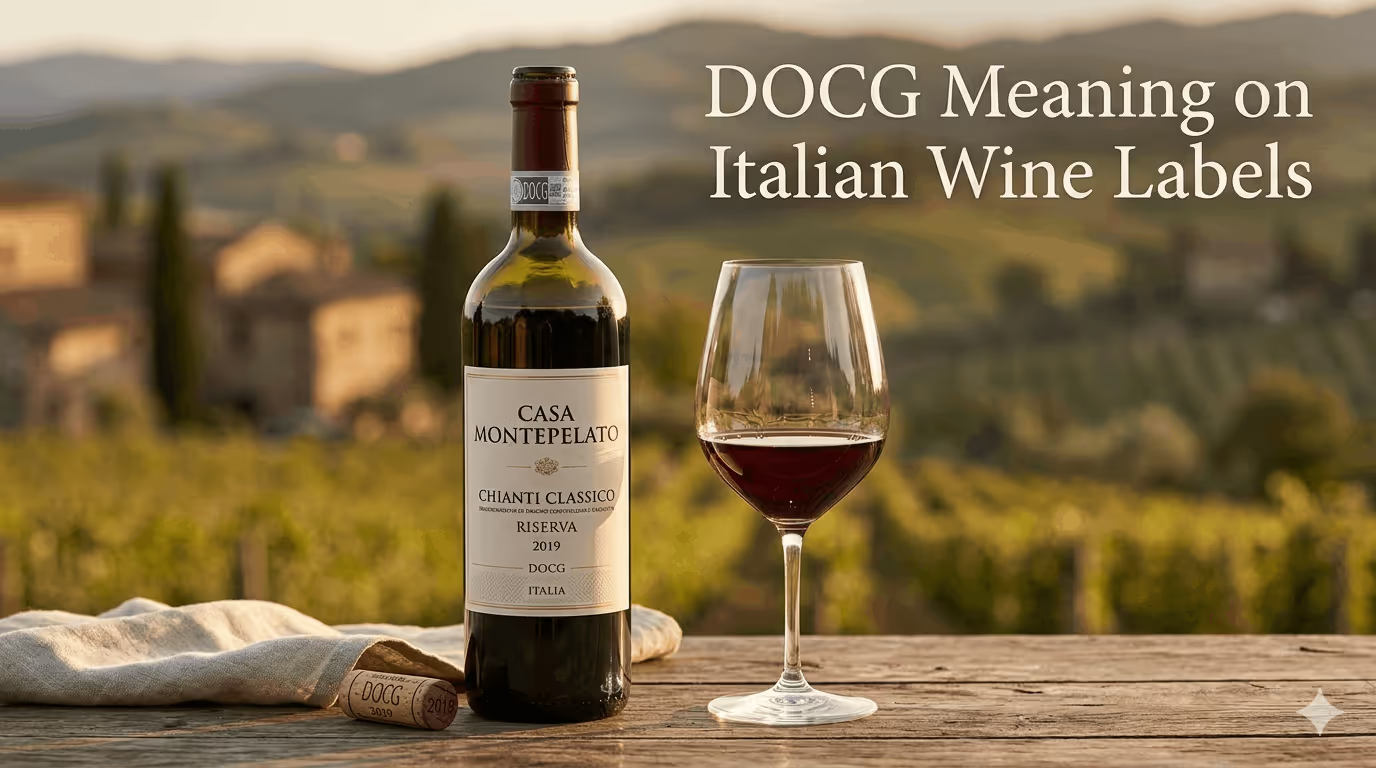

DOCG means an Italian wine follows strict rules on origin and production. It helps you spot a trusted bottle fast, even in a hurry.
If you've ever frozen in front of Barolo, Chianti Classico, or Brunello, that small strip on the bottle can calm the noise. DOCG tells you the wine comes from a defined place and met tighter standards than most Italian bottles.
Taste still comes first, though. A smart choice happens when you know what DOCG means and when it should guide the decision.
What DOCG meaning tells you
DOCG stands for Denominazione di Origine Controllata e Garantita. In plain English, it means "controlled and guaranteed designation of origin." For wine explained simply, read it as a sign of clear origin and stricter rules.

A DOCG wine must come from a named area, use approved grapes, and follow limits on yield, aging, and production methods. Many bottles also carry a numbered seal over the neck. Italian Wine Central's overview of Italian quality levels gives extra context if you want the legal side.
For shoppers, the practical point is simpler. DOCG usually means the bottle aims to show a classic style from a specific place. If you're learning how to read wine labels, DOCG is one of the easiest clues to trust.
A good wine guide should offer simple wine explanations, not a history lecture. DOCG does that well. It won't tell you whether the wine is light or bold, but it does tell you the bottle comes from a region with tighter guardrails.
DOCG vs. DOC and IGT in the real world
DOCG sits above DOC and IGT, but that ladder is about rules, not your personal joy. A higher category can reduce risk. It can't replace your own taste.

Here is the fast shelf-level version:
Decanter's guide to Italian wine labels makes the same point in broader detail. Higher classification means tighter controls. It does not mean automatic perfection.
A modern wine guide should say that out loud. Some excellent Italian wines carry IGT because the producer chose freedom over tradition. Some DOCG wines are serious, structured, and not what you wanted on a casual Tuesday.
If you're trying to learn how to choose wine, use DOCG as a tie-breaker. When two unfamiliar Italian bottles cost about the same, DOCG often gives you a safer starting point for dependable wine recommendations.
How to use DOCG without overthinking it
DOCG helps most when the decision feels rushed. That could be a crowded restaurant, a loud dinner party, or a grocery aisle where every bottle starts to blur.
At a restaurant, DOCG can shrink a long list fast. Chianti Classico DOCG, Barolo DOCG, or Soave Superiore DOCG often point to classic regional wines. Those are useful restaurant wine tips and solid wine list tips because they narrow the field without sounding fancy.

In a store, DOCG can also help with grocery store wine picks, especially when you don't know the producer. Pairing still matters, so keep the framework short:
- Pick the meal first.
- Choose the color and weight you usually enjoy.
- Use DOCG as the tie-breaker if several bottles seem similar.
For Italian dinner, a simple wine pairing guide for Italian food keeps the choice grounded in the meal, not in theory. Once you know the style you want, even "wine tasting notes explained" starts to feel less mysterious.
For many people, an AI wine assistant is easier than memorizing regions. Sommy can turn a shelf photo or wine list into smart wine recommendations, personalized wine picks, and personalized wine recommendations based on your taste, budget, and food. Good wine app suggestions feel like friendly wine advice, with clear wine recommendations and smart wine picks that help in the moment.
What DOCG does not promise
DOCG lowers risk, but it doesn't promise love at first sip. A firm, age-worthy red can still feel wrong if you wanted something soft, fresh, or simple.
DOCG is a trust signal, not a promise that you'll love the taste.
Use it as one clue among a few simple wine tips. Match the wine to dinner, keep the price comfortable, and remember what you've liked before. That kind of everyday wine advice usually beats chasing the highest badge on the shelf.
So the bottom line is calm and practical. DOCG meaning matters because it gives you a shortcut to origin and standards. It helps, but your own taste still gets the final vote.
If you want help choosing wine in the moment, Sommy is built for exactly that kind of call. A quiet AI wine assistant can turn label stress into a faster, more confident yes.