
You don't need wine training to get wine with prosciutto right. Prosciutto is salty, silky, and savory, so the safest move is simple: pick a wine with freshness, clean fruit, and a crisp finish. If you want the shortest answer, order a crisp white, a dry rosé, or a light red that won't feel heavy next to the ham.
A lot of people freeze when the wine list shows up. Or they stand in the store holding prosciutto, staring at labels that all start to blur together. That's normal. Fear of choosing wrong makes wine feel harder than it is.
That Moment of Pairing Panic
You’re at the store, building a last-minute board for friends. You’ve got prosciutto, maybe some cheese, maybe melon, maybe bread. Then you hit the wine aisle and the calm disappears. Suddenly every bottle feels like a test.
Or you’re at a restaurant. The charcuterie board sounds perfect, but now you have to choose wine in front of other people. You don’t want to ask a long question. You don’t want to overthink it. You just want a bottle that works.
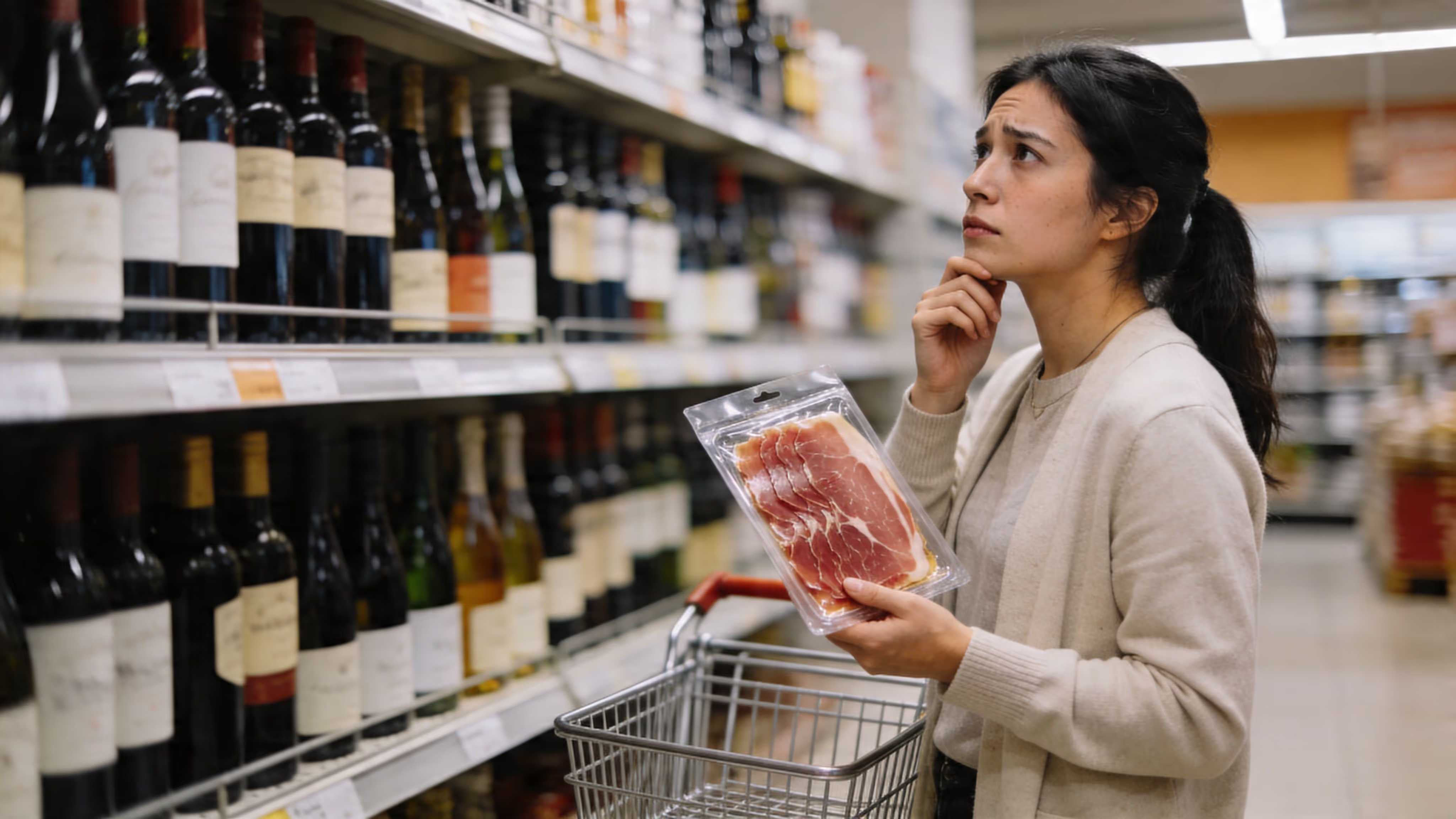
That stress makes sense. Prosciutto feels fancy, so people assume the wine choice has to be fancy too. It doesn’t.
The fast answer
Prosciutto usually tastes best with wines that feel bright, refreshing, and not too heavy. That means:
- Crisp white wine if you want the easiest safe choice
- Dry rosé if you want something flexible for a mixed table
- Light red wine if you know you prefer red and don’t want to fight the food
Practical rule: If the wine sounds fresh and easy rather than big and powerful, you’re probably on the right track.
You don't need to memorize Italian regions or grape history to make a good choice. You just need one simple idea, and once you have it, the whole thing gets easier.
If wine choices tend to make you second-guess yourself, this short guide on how to choose wine with less stress can help too.
What people usually get wrong
Most bad pairings happen for one reason. The wine is too heavy.
A bold, dense red can make prosciutto taste saltier and feel less delicate. An overly sweet wine can flatten the whole bite. A sharp, fresh wine or a gentle, light red keeps the prosciutto tasting like the star.
That’s good news, because the best answer is also the easiest answer.
The Simple Secret to Pairing Wine with Prosciutto
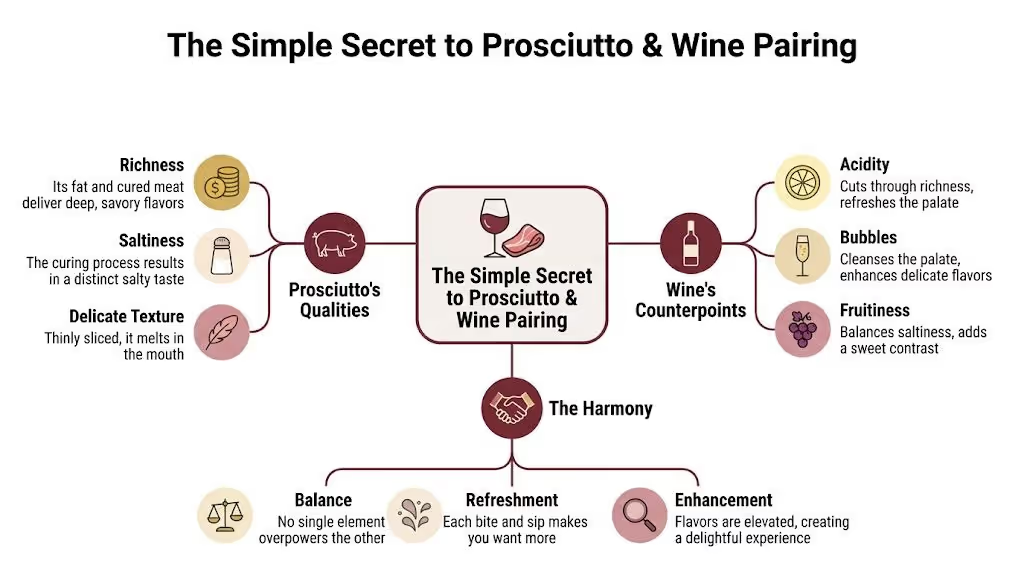
Pairing wine with prosciutto works the same way squeezing lemon over fried food works. The bright part wakes everything up. It cuts through richness and keeps the next bite from feeling tired.
Prosciutto has salt, fat, and that deep cured flavor people love. A good wine doesn't fight that. It cleans up the richness and adds a little fruit so the salty bite feels balanced instead of dense.
What to remember
You can ignore most wine language. For prosciutto, remember only this:
- Freshness cuts richness
- Fruit softens salt
- Lighter styles usually win
That’s it.
What that looks like in the glass
A crisp white often works because it feels clean after each bite. A dry sparkling wine works for the same reason, plus bubbles make the plate feel lighter. A light red can also work well if it has enough freshness and doesn’t taste thick or woody.
Prosciutto and wine should make each other feel easier, not heavier.
A simple decision filter
Use this when you’re scanning a menu or a shelf:
- Start with the weight
If the bottle sounds rich, dense, jammy, or heavily oaked, skip it. - Look for fresh styles
Choose wines described as crisp, bright, dry, citrusy, or light. - Match the setting
Mixed snacks and appetizers usually lean white or rosé. A fuller plate can handle a light red. - Trust the repeat test
The right pairing makes you want another sip and another slice.
You don’t need to know tannins, terroir, or production methods to do this well. You just need balance. When the wine refreshes your mouth and keeps the prosciutto tasting soft and savory, you nailed it.
How Prosciutto Type Changes Your Wine Choice
You’re standing at the counter, someone asks which prosciutto you bought, and suddenly the wine choice feels harder than it should. Relax. The type of prosciutto only changes your choice a little. Once you know whether the slices are delicate, slightly sweet, or mild and cooked, the bottle gets much easier to pick.
Prosciutto di Parma
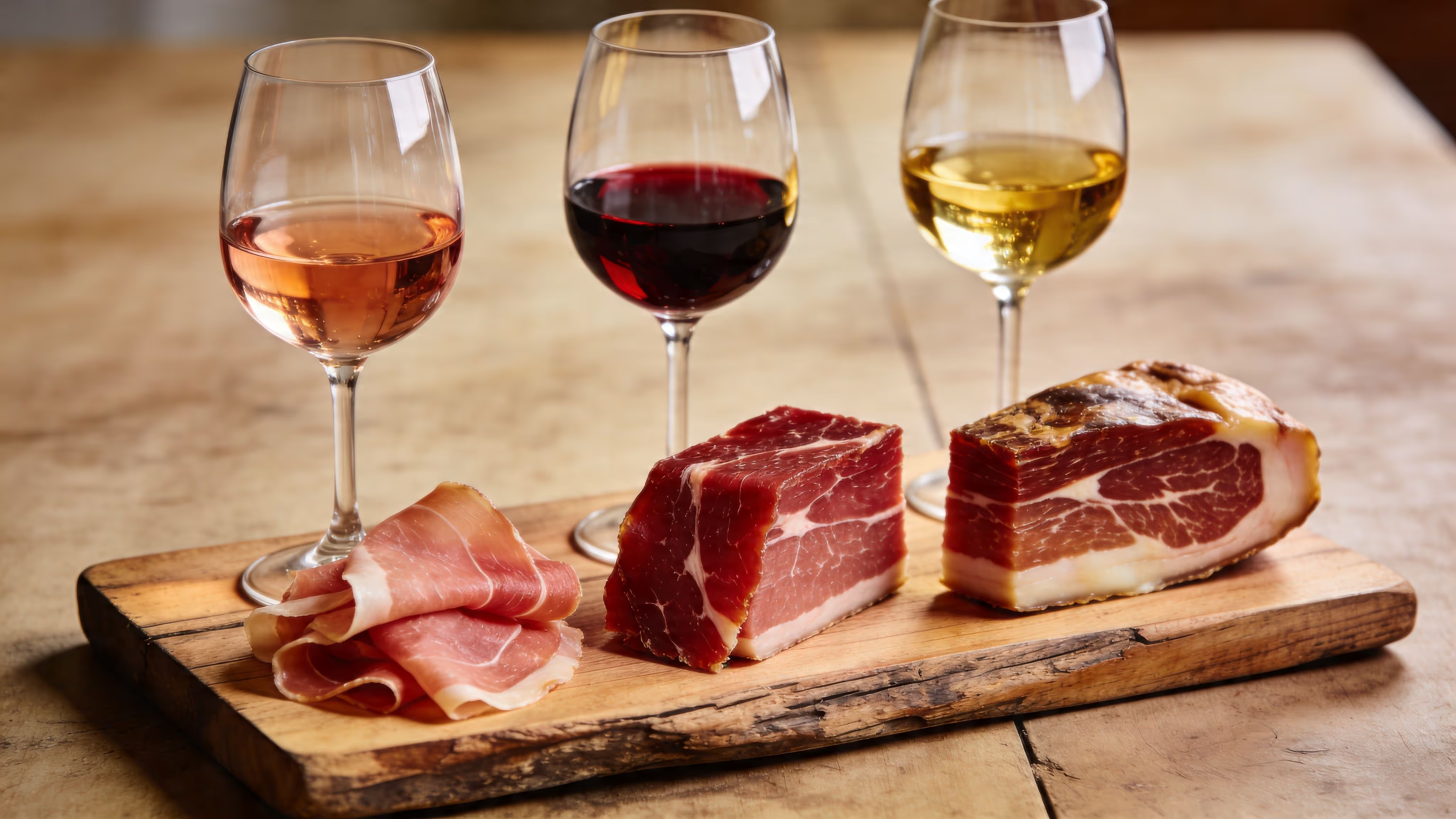
Parma is delicate, savory, and silky. It has enough salt to stay interesting, but not enough weight to handle a forceful wine.
Pick bottles that keep the ham tasting soft instead of drying it out. Crisp whites, dry sparkling wines, and pale, dry rosés all do that well. A simple Pinot Grigio works. So does a dry Cava, a fresh domestic sparkling wine, or a clean rosé from California or Provence.
Best choices:
- Pinot Grigio
- Dry sparkling wine
- Dry rosé
- Light, crisp Sauvignon Blanc
Skip heavy reds. They make Parma taste flatter and more salty than it should.
San Daniele
San Daniele usually tastes a little sweeter and rounder than Parma. That extra softness gives you room for whites with a touch more flavor, as long as they still feel fresh.
If you see San Daniele, choose:
- Friulano if the restaurant has it
- Sauvignon Blanc
- Albariño
- Unoaked Chardonnay
This is a good place to go beyond the usual Italian answer. New World whites often work beautifully because they give you ripe fruit without getting heavy. A bright Sauvignon Blanc from New Zealand or California is easier to find than Friulano in most shops, and it often does the same job. It keeps the salt in check and lets the sweeter side of the ham come through.
Best bet: Delicate, slightly sweet prosciutto usually wants white wine.
Prosciutto cotto and milder ham styles
Prosciutto cotto is cooked, softer, and less intense. It behaves more like an easy lunch meat than a serious cured ham, so you get more freedom.
White still works, especially with sandwiches, salads, and picnic food. But this is the version that can handle a light red without a fight.
Try:
- Pinot Noir
- Gamay
- Beaujolais
- A soft, low-oak red
If you want one rule to remember, use lighter wines as the ham gets more delicate, and use slightly fruitier wines as the ham gets milder.
Quick comparison
If wine terms still feel vague, this plain-English guide to what acidity means in wine explains the one trait that matters most here.
Great Prosciutto Wines You Can Find Anywhere
You’re standing in front of a grocery store shelf with ten minutes to go, prosciutto already in the cart, and every bottle starts to look the same. Relax. This pairing is easier than it looks.
You do not need a specialty Italian shop to get this right. Prosciutto likes wines with freshness, moderate body, and no heavy oak. That simple rule opens up a lot of bottles you can find almost anywhere, including plenty of good New World options that many pairing guides skip.
Crisp and dry whites
If you want the lowest-risk, highest-payoff choice, buy a crisp white.
Sauvignon Blanc is one of the best picks on a normal wine shelf. It works because its bright, clean profile cuts through the fat and salt, then leaves the sweeter, nutty side of the ham easier to taste. New Zealand versions are especially reliable, but California and Chile can work just as well if they stay fresh and not tropical.
Good white-wine choices:
- Sauvignon Blanc for a sharp, refreshing pairing
- Pinot Grigio for a clean, simple option that stays out of the way
- Unoaked Chardonnay for a slightly rounder feel without losing freshness
- Albariño if you spot it and want something lively with a little more character
Dry rosé
Dry rosé solves a very common problem. You are not serving only prosciutto.
Maybe there’s fruit on the board. Maybe there’s cheese, olives, and bread. Maybe half the table wants white and the other half wants red. A dry rosé handles all of that without asking you to overthink it. It brings enough fruit to feel friendly, enough acidity to keep the ham from feeling heavy, and enough structure to avoid tasting thin.
Choose rosé when:
- you’re serving prosciutto with fruit
- you’re building a mixed charcuterie board
- you want one bottle that keeps everyone happy
Light reds that don’t feel heavy
Red wine works with prosciutto if you choose a red that stays light on its feet.
Pinot Noir is the easiest recommendation. Gamay is often even better value. Both give you fresh red fruit and soft texture without burying the ham under tannin or oak. That balance matters. Prosciutto is delicate, and big reds flatten it fast.
The classic Italian red that works
Sangiovese is still the Italian red I’d trust first. It has the brightness prosciutto needs and enough savory edge to feel natural with cured meat. Buy a fresher, lighter style, not the darkest, most heavily oaked bottle on the shelf.
If you only drink red, choose a light one. That single decision prevents most pairing mistakes.
If you want fast bottle ideas before you shop, this guide to best grocery store wines for real-life decisions helps narrow the shelf quickly.
Pairings for Every Prosciutto Occasion
You’re standing in the kitchen with a bottle in one hand and a tray in the other. The prosciutto is no longer just prosciutto. It’s wrapped around melon, layered onto pizza, or crisped over pasta. Good news. The pairing is still simple once you follow the dish in front of you.
Prosciutto with melon or figs
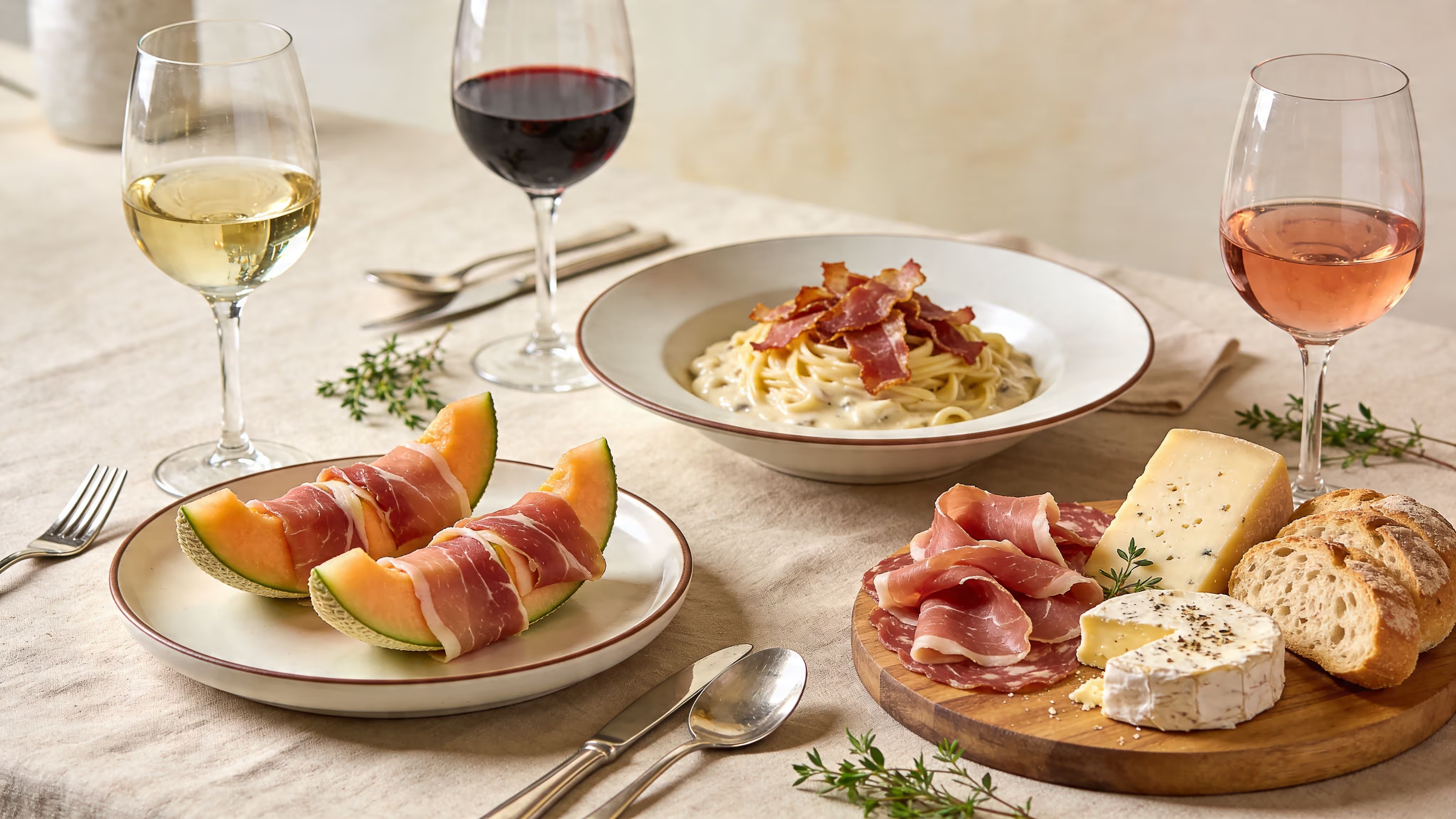
This one is easy. The fruit brings sweetness and softness. The prosciutto brings salt. Your wine should clean that up and keep it fresh.
Best picks:
- Dry sparkling wine
- Crisp Sauvignon Blanc
- Dry rosé
Skip sweet wine here. It makes the plate feel heavier than it needs to.
Prosciutto on pizza or flatbread
Now the ham has backup. Crust, cheese, tomato, herbs, and olive oil all push the pairing away from delicate slicing-board logic.
Go with:
- Pinot Noir
- Gamay
- Dry rosé
If the pizza has tomato, mozzarella, or roasted vegetables, a light red usually makes the most sense. If it’s a white pizza with prosciutto added after baking, stick with rosé or a crisp white.
Crispy prosciutto on salads and pasta
Crispy prosciutto needs a different bottle than soft slices do. The salt hits harder. The texture is sharper. Rich pasta or a salad dressing can make that salt stand out even more.
Choose wines that reset your palate fast:
- Cava
- A dry sparkling wine
- A very fresh white, like Pinot Grigio or unoaked Chardonnay
That’s also where New World bottles earn their place. A basic California sparkling wine, an Australian Pinot Grigio, or a bright New Zealand Sauvignon Blanc often works better than a heavier red people pick out of habit.
Here’s a quick visual if you want a food-first idea for serving it:
A fast occasion guide
If you’re building a fuller snack spread, this guide to wine pairings for charcuterie boards will help with the rest of the table too.
Simple Steps for Serving and Tasting
A decent pairing can get even better with a few small choices. None of them are fussy.
Keep the wine cool
Whites and rosés should be lightly chilled. Light reds are better with a slight chill too.
That bit of coolness helps the wine feel fresher next to salty meat. Warm wine can feel heavier and flatter than it should.
Taste in the right order
Try it like this:
- Take a sip of wine first
- Taste the prosciutto on its own
- Take another sip with the next bite
That order makes the pairing easier to notice. You don’t need to identify flavor notes. Just pay attention to whether the combo feels cleaner, brighter, and more inviting.
The right pairing makes you want another bite, not a glass of water.
Use the yes or no test
Skip the pressure to sound knowledgeable. Ask only:
- Does the wine refresh my mouth?
- Does the prosciutto still taste delicate?
- Do I want another sip and another slice?
If the answer is yes, you're done. That’s a successful pairing.
If you want a calmer way to practice that skill, this guide on how to taste wine properly without overthinking it is useful.
Find Your Perfect Bottle in Seconds
You likely won’t remember every pairing rule when you’re standing in a crowded store or staring at a restaurant list. That’s fine. You shouldn’t have to.
What helps in the moment is something that turns your taste, your meal, and your budget into a clear choice. That’s where a personal wine decision assistant is useful. Instead of guessing whether a crisp white or a light red makes more sense with prosciutto, you can get a quick recommendation based on the situation in front of you.
Sommy is built for exactly that kind of decision. It can help when you’re looking at a shelf, a menu, or a wine list and just want the answer to feel simple. It’s not about becoming a wine expert. It’s about removing the pause, the doubt, and the tiny panic that shows up when you don’t want to choose wrong.
A good wine with prosciutto should feel easy. A good tool should do the same.
If you want help choosing wine in the moment, without having to memorize regions or pairing rules, Sommy.ai is a practical place to start. It helps you scan wine lists, menus, or store shelves and get calm, clear recommendations based on what you like and what you’re eating.