
Pinotage is South Africa's own red grape, created on purpose in 1924 by crossing Pinot Noir with Cinsault, and it makes three wines so unlike each other that the name on the label barely narrows anything down. There's the coffee and dark chocolate style that Diemersfontein made famous, the traditional oak-aged style from estates like Kanonkop and Beyerskloof, and a lighter, floral, red-fruited style that a newer generation of winemakers has been building. Prices in US shops run from about $11 for the everyday bottles to about $54 for the benchmark. Which of the three ends up in your glass depends far more on who made it than on the grape itself.
What kind of wine is Pinotage?
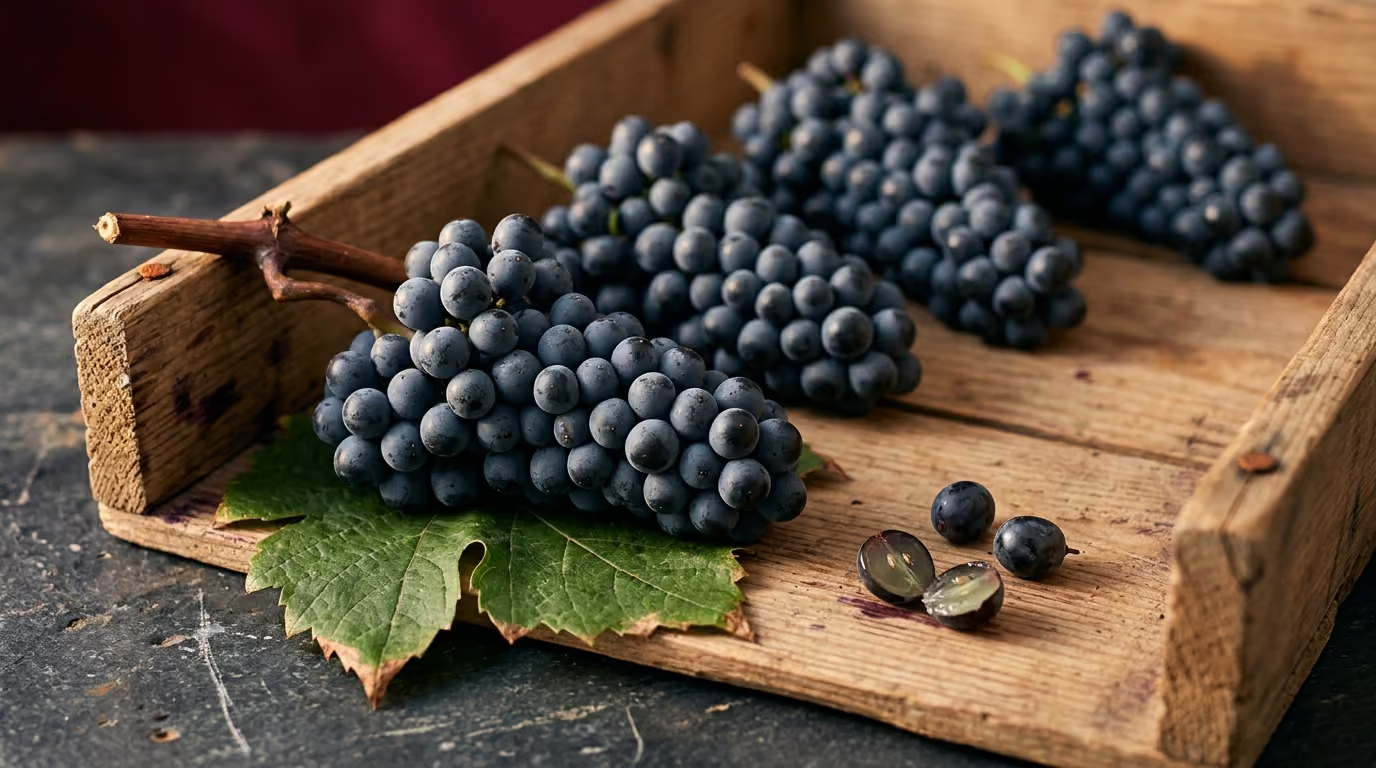
Pinotage is a dry red wine from South Africa, made from a grape that barely exists anywhere else, and it's one of the few wine grapes in the world that was invented rather than found. In 1924, Abraham Perold, the first professor of viticulture at Stellenbosch University, dusted a Cinsault flower with pollen from Pinot Noir in his garden at the Welgevallen experimental farm. He got four seeds and planted them the following year, then left the university in 1927 and, by most accounts, forgot the whole thing. A lecturer called Charlie Niehaus remembered, dug the seedlings out of the overgrown garden and moved them to a nursery, which is the only reason the grape survived at all. The name is a contraction of Pinot and Hermitage, Hermitage being the old South African name for Cinsault.
It took another three decades to reach a bottle with its own name on it. WSET's account of the grape's first century puts the first varietal Pinotage as the 1959 Lanzerac, released in 1961 from a block planted in 1953. If you're wondering how to say it, it's pee-no-TAHZH, with the ending closer to the French "garage" than to anything English.
The useful thing to hold onto is that Pinotage took after neither parent. Pinot Noir gives pale, delicate, low-tannin wine and Cinsault gives soft, light, easygoing wine, but their offspring came out inky and thickly tannic, with far more colour than either. Everything people argue about with this grape follows from that one surprise.
What does Pinotage taste like?
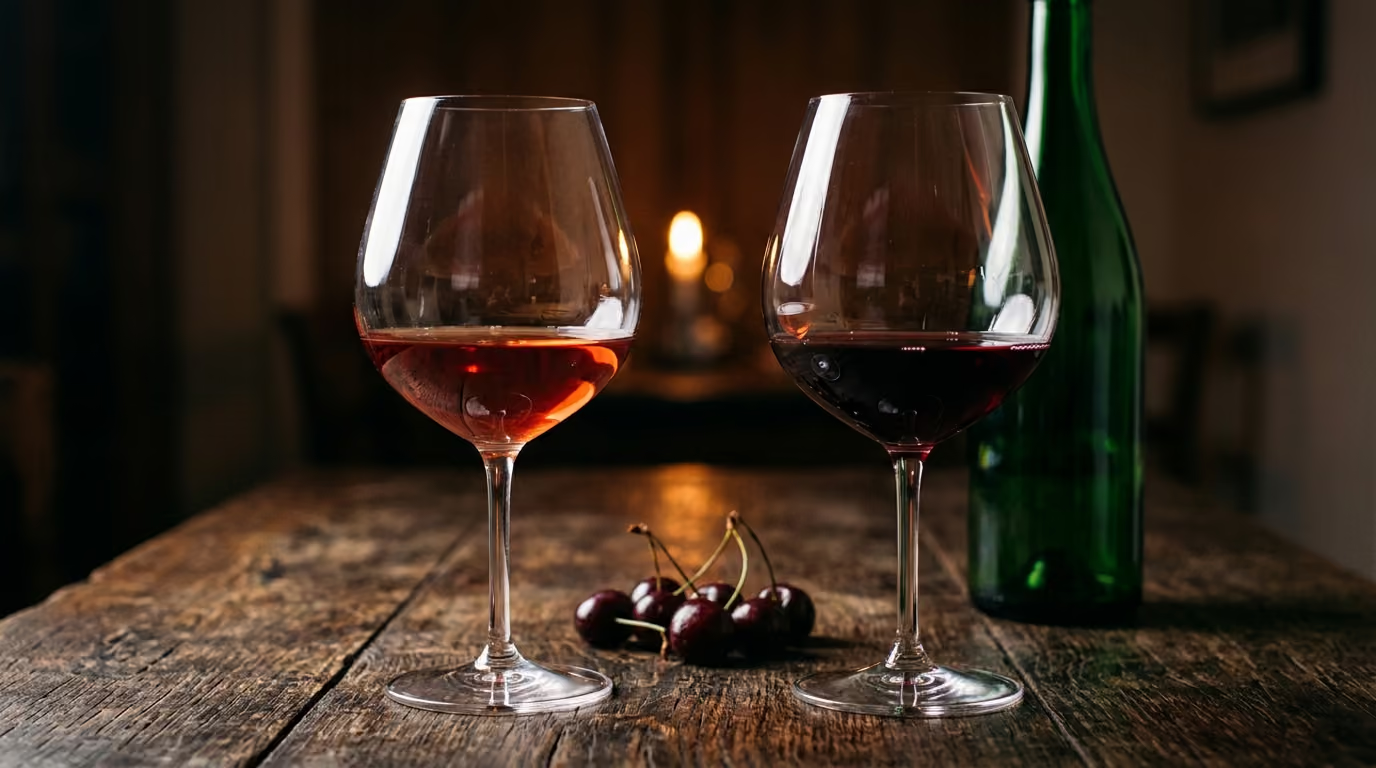
Pinotage tastes of blackberry, black cherry and plum with a smoky, savoury edge underneath, and above that shared base it splits hard into three styles: a coffee and chocolate version, a firm oak-aged version, and a lighter version built on red cherry, rose petal and violets. Alcohol usually sits between 13.5 and 14.5 percent, acidity is medium to high, and almost all of it is dry.
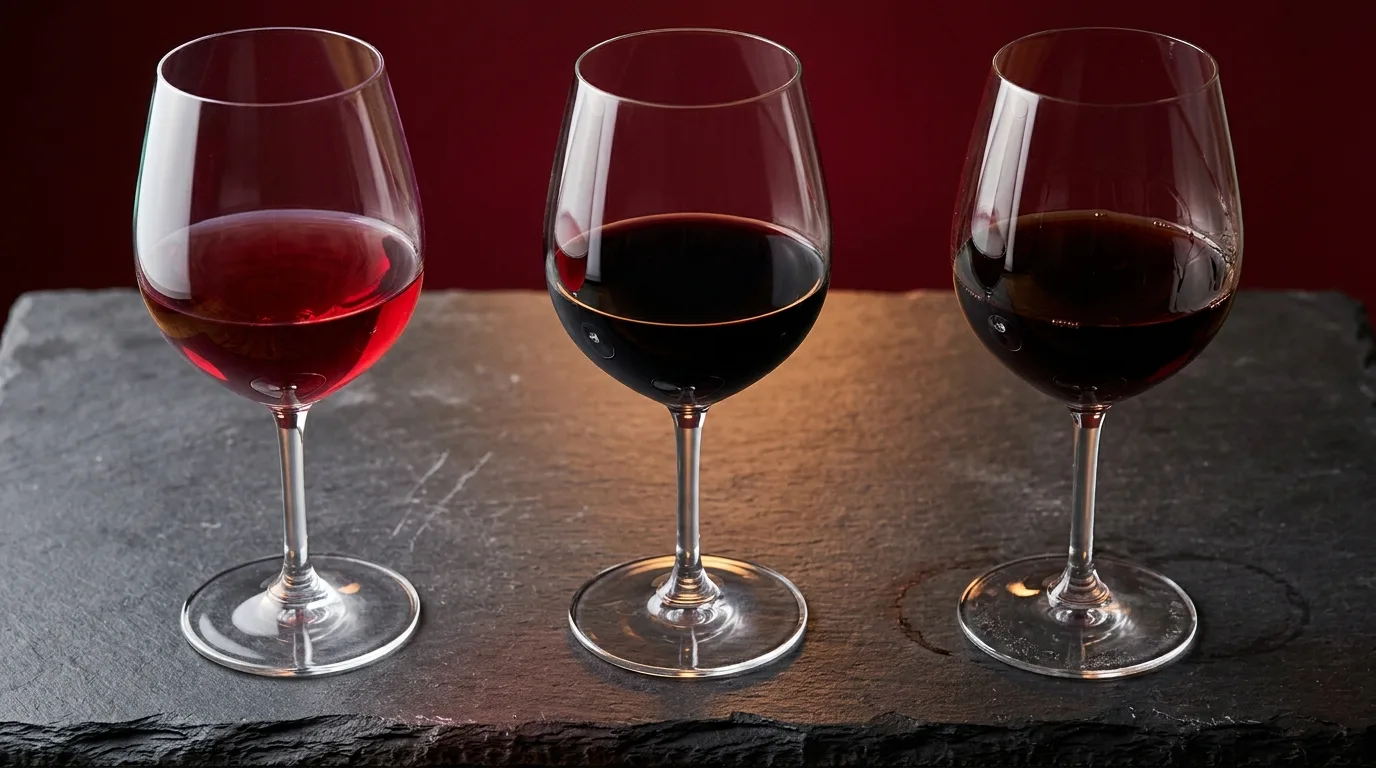
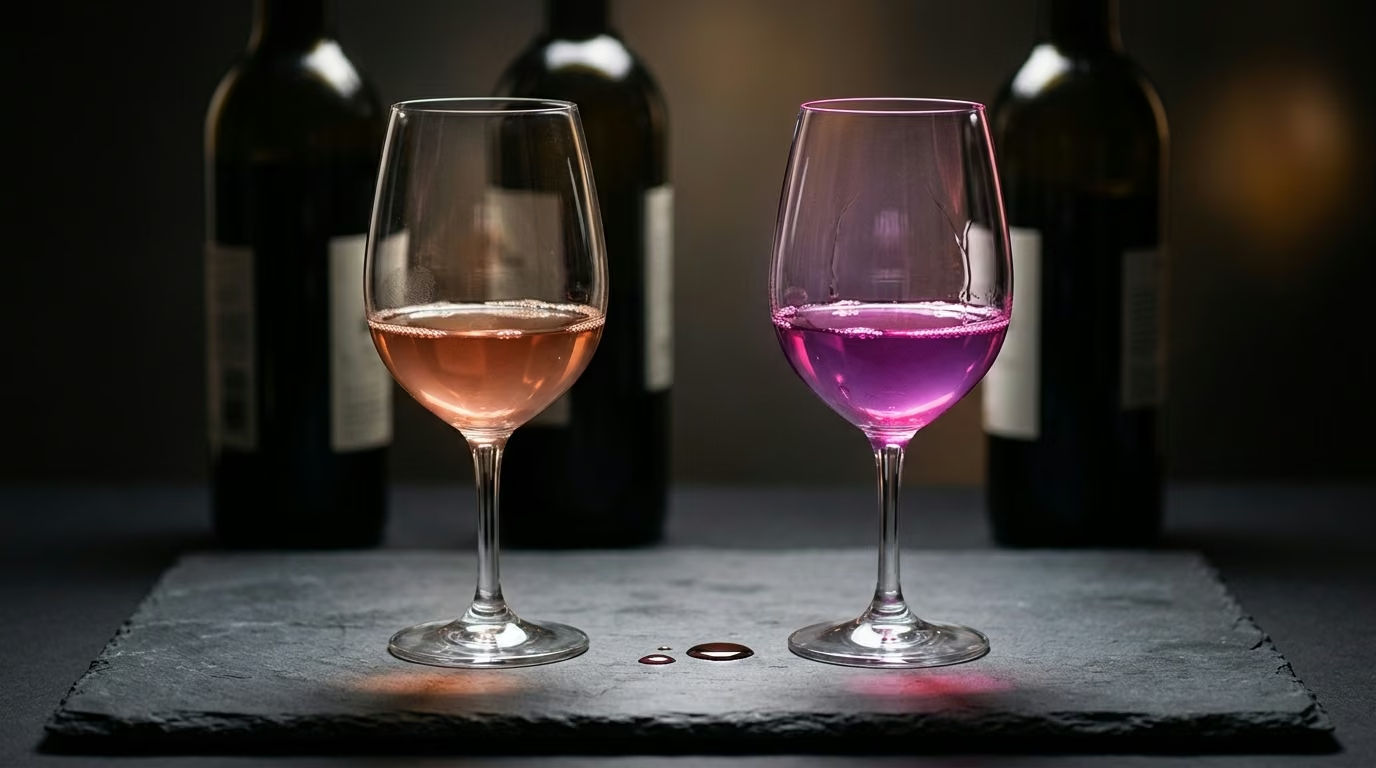
The three styles matter more than any tasting note, because they're genuinely different drinking experiences sold under one word. The coffee and chocolate style is soft, dark and roasted, and it reads as the sweetest of the three even though it isn't. The traditional style is the one built to last, with blackberry and plum wrapped in new oak, firm tannin and a savoury leather note that arrives after a few years in bottle. The newer, lighter style goes the other way entirely, chasing the red-fruited side that the Pinot Noir parent was supposed to supply in the first place, with floral aromatics and a fresher feel.
You can usually tell which one you're holding from the shelf, if you know what you're reading:
| Style | What's in the glass | How to spot it | US price |
|---|---|---|---|
| Coffee and chocolate | Mocha, dark chocolate, baked plum, soft tannin | The words coffee, mocha, café or barista in the wine's own name | About $17 |
| Traditional oaked | Blackberry, plum, leather, firm tannin, ages well | An estate name with a Stellenbosch or Simonsberg origin, often "reserve" | About $11 to $54 |
| Lighter, newer | Red cherry, rose petal, violets, fresher and less heavy | A single-vineyard or old-vine name, a lower stated alcohol | About $49 |
Those prices are Wine-Searcher's current US averages for Barista, Beyerskloof and Kanonkop, and Scions of Sinai's Féniks for the lighter style, all checked in September 2026. The spread inside the traditional column is real rather than sloppy: Beyerskloof's standard Pinotage averages $11 and Kanonkop's estate bottling averages $54, and they're the same style at two ends of a ladder.
Why is Pinotage controversial?
Pinotage has a bad reputation because of a specific fault it used to show, a smell of burnt rubber or solvent, and because for decades it was planted for yield rather than quality. In the 1970s a group of visiting British Masters of Wine tasted their way through the young variety and described what they found as spray paint, burnt rubber and rusty nails, a verdict recorded in WSET's centenary account of the grape. That verdict travelled, plantings fell away, and the grape spent years as a punchline.
Two separate things were going on. The first is that Pinotage is productive and deeply coloured, so bulk producers leaned on it to stretch cheap wine, and the resulting bottles were exactly as good as that sounds. The second is a real winemaking problem: overripe fruit, hot fermentations, high yields and the wrong clone can all push the wine toward those rubbery aromas. Both problems have answers, and the answers are now well understood, which is why a modern bottle from a serious producer tastes nothing like the 1970s complaint. The turning point is usually dated to Beyers Truter at Kanonkop, whose 1989 Pinotage won him the Robert Mondavi Trophy for International Winemaker of the Year in 1991.
The reputation outlived the fault, which is the frustrating part. Plenty of people who tried one bad glass in 1995 have never gone back, and the wine they'd meet today is a different proposition. It's also fair to say the grape asks more of a winemaker than most, and the cheapest bottles on the shelf are still where the trouble hides.
What is coffee Pinotage, and is it actually sweet?
Coffee Pinotage is a style deliberately made to smell and taste of espresso and dark chocolate, and despite tasting sweet it's a dry wine. The style was created by winemaker Bertus Fourie at Diemersfontein in Wellington, whose first coffee-styled Pinotage was the 2001 vintage. He picked up the nickname Starbucks for it, went on to make a mocha-toned Pinotage at KWV, and later created the Barista label at Val de Vie, which is the bottle most Americans meet first. Barista Magazine's write-up, quoting Peter F. May of the Pinotage Club, lays out that sequence.
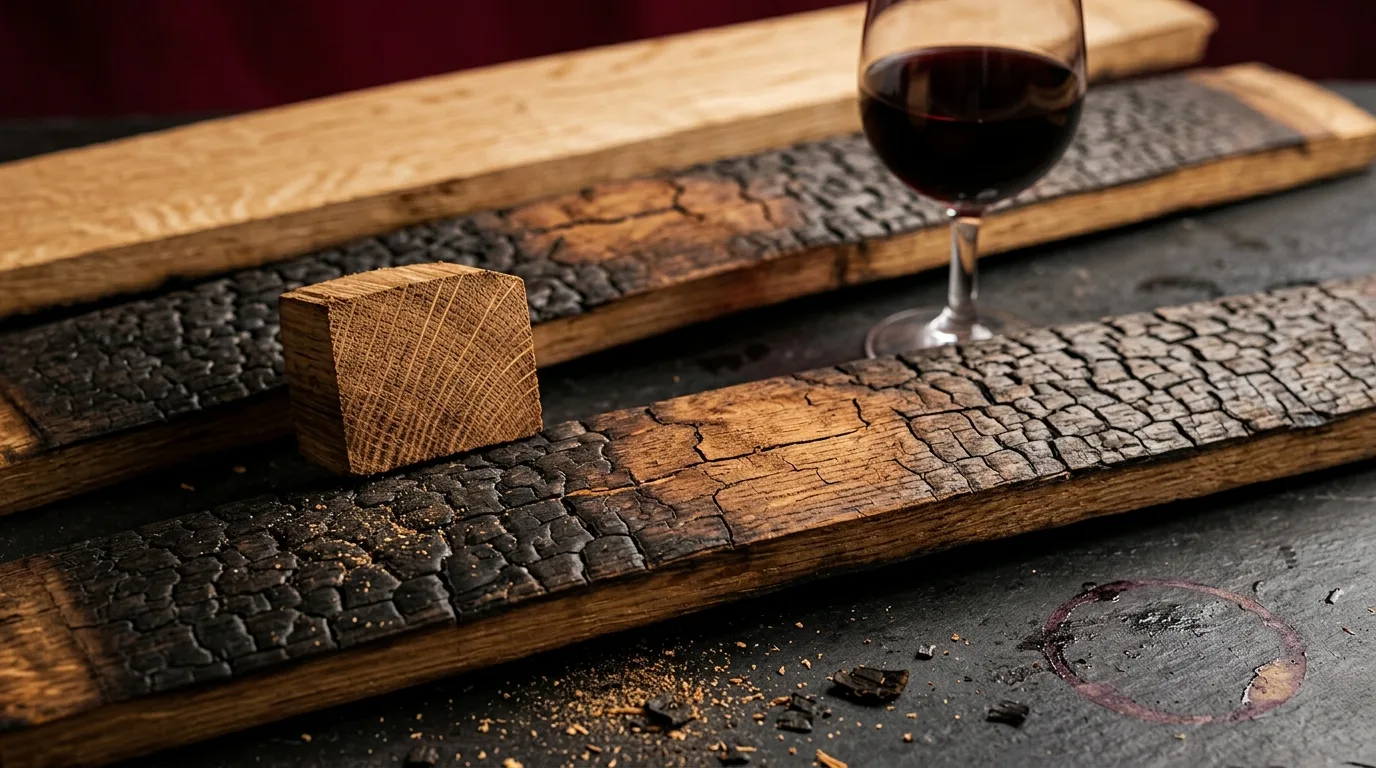
No coffee goes anywhere near it. The flavour comes from two winemaking choices, a yeast strain picked to throw mocha aromatics during fermentation, and heavily toasted oak staves sitting in the tank. Diemersfontein's own technical sheet for The Original Pinotage 2024 spells the process out: a twelve-hour cold soak, inoculation with yeast, fermentation finished on French oak staves, malolactic fermentation completed on the lees and staves, then six more months back on oak. That charred wood is doing the work your nose reads as a fresh pot of coffee.
The sweetness question has a number attached, and it's a satisfying one. The same technical sheet puts residual sugar at 2.50 grams per litre, with alcohol at 14.40 percent. Anything at or below roughly 4 grams per litre is dry by any normal measure, so the wine your palate insists is sweet is drier than a great many supermarket reds. What you're reading as sugar is the roasted, chocolatey aroma arriving before the taste does, plus soft tannin that removes the usual bitter edge. If you've ever wondered why a wine tasted sweeter than the label suggested, the way tannin shapes perceived sweetness is most of the answer.
Is Pinotage like Pinot Noir?
Usually not, and the shared name misleads almost everyone. Pinot Noir is pale, light-bodied, high in acid and low in tannin, and a typical Pinotage is dark, full-bodied and grippy, which is precisely the outcome that surprised Perold. If you like Pinot Noir and want something in the same register, the wines that actually stand in for Pinot Noir are a better place to start than Pinotage.
There's one honest exception, and it's the lighter new-wave style. Those winemakers are deliberately steering back toward the red-fruited, floral, lower-alcohol character the Pinot Noir parent was meant to contribute, using older vines, gentler extraction and neutral vessels rather than new oak. A Pinotage made that way can genuinely sit near a Pinot Noir on the table. It's a small slice of what's produced, and as the price table shows, it isn't the cheap end.
The comparison that works better for most bottles is Syrah. A traditional Pinotage shares the dark fruit, the smoke and the savoury, meaty edge that make Syrah such a satisfying red, and if that profile is already your thing, this grape is worth your time. Against Cabernet Sauvignon, Pinotage is usually rounder and less structured, with less of that firm graphite spine.
Where does Pinotage grow, and what is a Cape Blend?
Pinotage is grown almost entirely in South Africa's Western Cape, and the three names worth knowing on a label are Stellenbosch, Paarl and Swartland. Stellenbosch has the mountain slopes and the cooler pockets, and it's where most of the age-worthy bottles come from, Simonsberg in particular. Paarl runs warmer and gives riper, rounder wine with more obvious black fruit. Swartland is the dry-farmed region where a lot of the old bush vines sit, and it supplies much of the fruit behind the lighter new-wave bottles. Small plantings exist in New Zealand and California, but for practical purposes this is a South African wine and a bottle from anywhere else is a curiosity.
The other label phrase you'll run into is Cape Blend, which means a South African red blend with a meaningful proportion of Pinotage in it, usually alongside Cabernet Sauvignon and Merlot. It's a useful entry point if the varietal version has ever put you off, because the Cabernet brings structure and the Merlot fills the middle while the Pinotage supplies the smoky, savoury lift. A good Cape Blend tastes recognisably South African without asking you to commit to the grape on its own, and plenty of people who say they dislike Pinotage happily drink it.
One more label term is worth decoding. Bush vine, or bosstok in Afrikaans, means the vines are grown free-standing without a trellis, which suits this grape in warm dry sites and tends to mean older plantings and lower yields. It isn't a guarantee of quality, but it's a reasonable signal that someone was paying attention.
What food goes with Pinotage?
Pinotage belongs with smoke and char, which makes barbecue its natural home: lamb chops, boerewors, brisket, ribs, grilled sausages and anything that's spent time over coals. South Africans drink it at a braai for good reason, and the grape's own smoky, savoury edge lines up with the crust on grilled meat instead of fighting it.
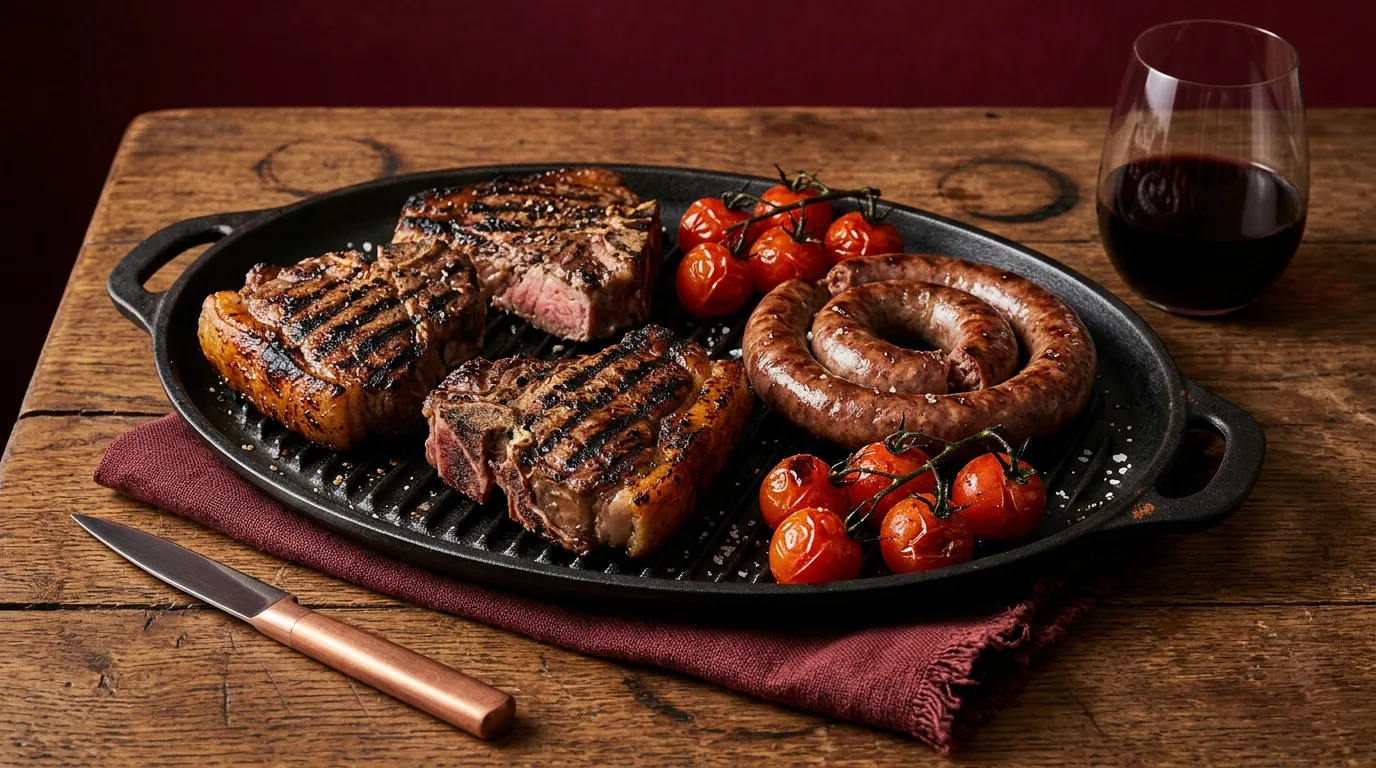
Match the style to the plate and it gets easier. The firm oaked bottles want the biggest, fattiest thing on the grill, because there's enough tannin there to cut through lamb fat or a well-marbled steak, and the same logic that makes certain reds work with brisket and burnt ends applies here almost exactly. The lighter new-wave bottles are better with roast chicken, duck, mushroom dishes or a charcuterie board, where a heavy red would flatten everything.
The coffee style is the odd one out, and Diemersfontein's own suggestion is worth borrowing: rich lamb casseroles and gentle curries work, but the real match is chocolate dessert. A mocha-scented dry red next to a flourless chocolate cake is one of those pairings that sounds like a gimmick and then turns out to be genuinely good. Serve any of them between 60 and 68 degrees Fahrenheit, cooler than a warm room, and give the oaked bottles half an hour of air. Getting the temperature right changes these wines more than it changes most.
Which Pinotage should you buy first?
Start with Beyerskloof at around $11 if you want to know what the grape tastes like without commitment, since Beyers Truter's estate is the one that rebuilt the variety's reputation and the entry bottle is an honest picture of the traditional style. Try Barista at around $17 if the coffee and chocolate idea appeals, and treat it as an experience rather than a benchmark. Kanonkop at around $54 is the bottle that settles the argument about whether the grape can be serious, and it's the one to open when someone tells you Pinotage is a joke.
What none of that can tell you is whether you'll like it, because this grape splits people more than almost any other. If you already enjoy smoky, savoury reds and you don't mind firm tannin, the odds are good. If you drink mostly Pinot Noir, Beaujolais or light Italian reds, the traditional style will probably feel heavy, and the newer lighter bottles are where to look instead. And if the roasted, mocha character in the coffee style sounds more like dessert than dinner to you, trust that instinct, because it's exactly what the wine delivers.
That gap between what a grape tastes like and whether it suits you is the one thing no article can close, and it's the whole reason Fit Check exists in Sommy: you can type, say or scan a specific bottle and get a straight read on whether it fits your taste before you buy it. Worth using on Pinotage more than most, given how far apart the three styles sit.
The one thing to remember about Pinotage
Pinotage is the rare grape where the producer matters more than the variety, so "do I like Pinotage" is close to an unanswerable question. Decide which of the three styles you want first, read the label for the words that give it away, and judge the bottle rather than the grape. South Africa's other signature variety, Chenin Blanc, works the same way and rewards the same approach, which is why Chenin Blanc is worth understanding by style rather than as one thing. If your first Pinotage disappoints you, there's a reasonable chance the next one is a different wine entirely.
Frequently asked questions
What kind of wine is Pinotage?
Pinotage is a dry red wine from South Africa, made from a grape created in 1924 by crossing Pinot Noir with Cinsault. It's usually medium to full-bodied with blackberry and plum fruit, a smoky savoury edge, medium to high acidity and noticeable tannin, and it's grown almost entirely in South Africa's Western Cape.
What does Pinotage taste like?
The shared base is blackberry, black cherry and plum with smoke and a savoury, slightly meaty note. From there it splits three ways: a coffee and dark chocolate style, a traditional oak-aged style with leather and firm tannin, and a lighter style built on red cherry, rose petal and violets.
Why is Pinotage controversial?
Because it used to show a burnt rubber or solvent smell, and because it was long planted for high yields rather than quality. Visiting British Masters of Wine in the 1970s described it as spray paint, burnt rubber and rusty nails, and the reputation stuck long after better viticulture and cooler fermentations had largely solved the fault.
Is Pinotage like Pinot Noir?
Not usually, despite the name. Pinot Noir is pale, light and low in tannin, while most Pinotage is dark, full-bodied and firmly tannic. Only the newer, lighter style deliberately made from old vines and neutral vessels comes anywhere close to a Pinot Noir profile.
Is Pinotage sweet?
Almost all Pinotage is dry, including the coffee style that tastes sweetest. Diemersfontein's The Original Pinotage 2024 lists residual sugar at 2.50 grams per litre, comfortably within dry territory, so the sweetness you notice is roasted aroma and soft tannin rather than sugar.
How do you pronounce Pinotage?
It's pee-no-TAHZH, with the stress on the last syllable and an ending that sounds like the French word garage rather than an English "taj".
Does Pinotage age well?
The traditional oak-aged bottles do, and Diemersfontein rates even its everyday coffee-style Pinotage for up to seven years from harvest. Serious estate bottlings from Stellenbosch will hold and improve considerably longer, developing leather, smoked meat and chocolate notes as the fruit softens.
Is Pinotage a good wine for a barbecue?
It's one of the best there is. The grape's smoky, savoury character matches char and rendered fat instead of competing with it, and the firmer oaked bottles have enough tannin to handle lamb, brisket, ribs and grilled sausage comfortably.