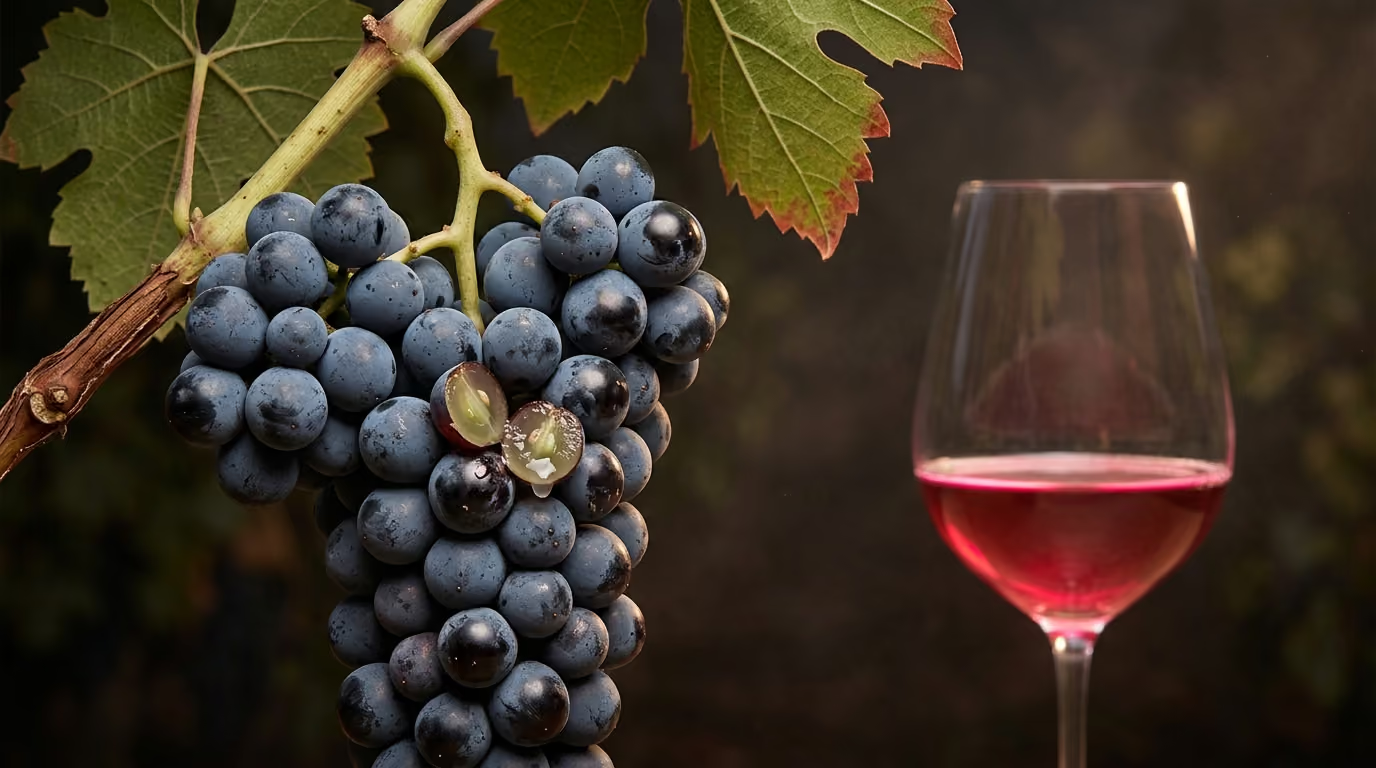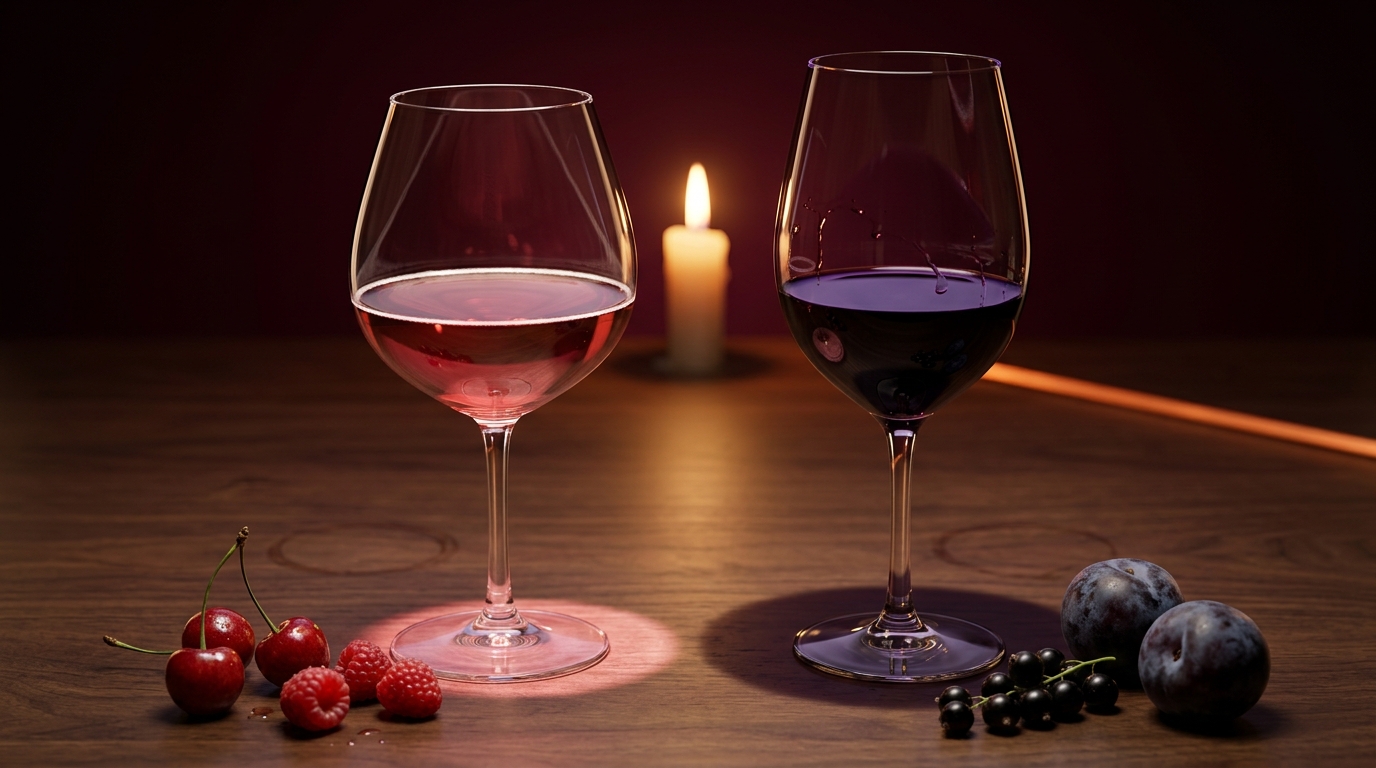
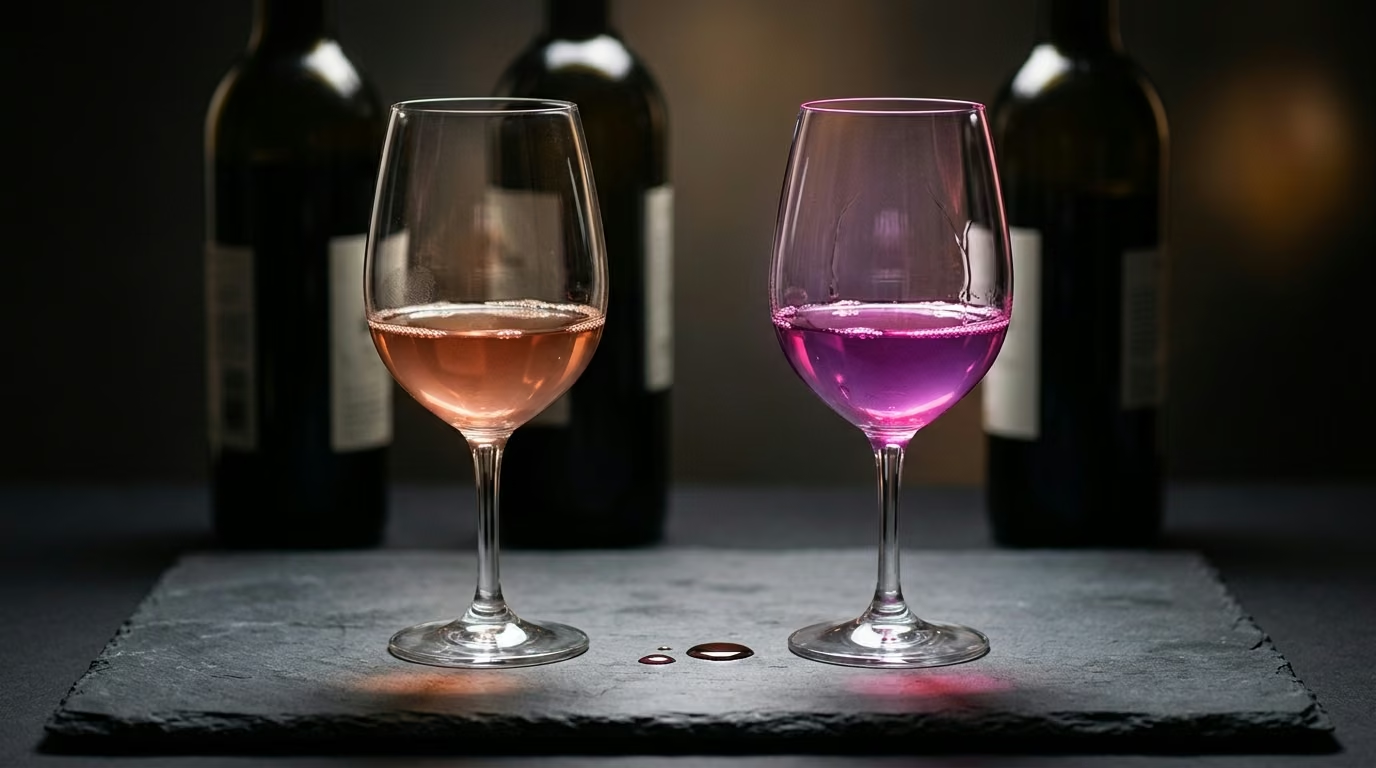

Gamay and Pinot Noir are both light-bodied French red grapes, and the quick way to tell them apart is by feel. Gamay is the juicier, brighter, more carefree one. Pinot Noir is silkier, more savory, and more dinner-ready. They are also related in the most literal way, because Pinot Noir is one of Gamay's two parents, which is why they overlap so much and still land differently in the glass.
If you just need to decide tonight, pour Gamay for something loose and cheerful you can drink with a chill, and pour Pinot Noir when you want something smoother and a little more polished. Below we go a level deeper: where each grape comes from, why one of them was outlawed, how they actually taste, which foods they love, and what to expect on aging.
Gamay vs Pinot Noir at a glance
Here is the whole comparison in one table. If you only read this far, you will still order well.
| Gamay | Pinot Noir | |
|---|---|---|
| Body | Light to medium | Light to medium |
| Fruit | Strawberry, cranberry, crushed red berries | Red cherry, raspberry, rose petal |
| Savory notes | Sometimes peppery or floral, often violet | Earth, mushroom, forest floor, spice |
| Acidity | High | Medium to high |
| Tannin | Low and soft | Low to moderate, fine-grained |
| Texture | Juicy, supple, bouncy | Silky, smooth, elegant |
| Aging | Best young, though Cru Beaujolais keeps for years | A few years for most, far longer for top Burgundy |
| Home region | Beaujolais, France | Burgundy, France |
| Cost | Usually the cheaper of the two, by a wide margin | Spans everyday bottles to the most expensive reds made |
If you only remember one line, remember this. Gamay is brighter and bouncier, and Pinot Noir is gentler and more complex. Both take a short chill happily, which is why they turn up together on every list of chillable reds.
Is Pinot Noir similar to Gamay?
They are similar because they are family. The Vitis International Variety Catalogue records Gamay Noir's parentage as Heunisch Weiss crossed with Pinot Noir, confirmed by genetic markers. Heunisch Weiss is the grape usually called Gouais Blanc, an old and now nearly extinct white variety. So Pinot Noir is not a cousin of Gamay in the loose way wine writing uses that word. It is one of Gamay's two parents.
The grape is thought to have first appeared in the village of Gamay, just south of Beaune, in the 1360s, in the years after the Black Death emptied the vineyards. It ripens about two weeks earlier than Pinot Noir and it yields far more heavily, which made it an obvious grape for growers who needed wine quickly and in quantity.
Where they part company is in what each one does with that shared inheritance. Gamay took the fruit and the acidity. Pinot Noir took the perfume, the texture and the earthiness. Both stayed light, and neither picked up much tannin, which is why they behave so similarly on the table and taste so distinct in the glass.
Why was Gamay banned?
Because a duke thought it was ruining Burgundy. In July 1395, Philippe the Bold, Duke of Burgundy, outlawed the cultivation of Gamay outright. His edict called it the "disloyal Gaamez" and said that in spite of its ability to grow in abundance it was full of "very great and horrible harshness".
The stated objection was quality, and the practical objection was land. Gamay grew easily and generously on ground that could have carried Pinot Noir, and Burgundy's reputation, then as now, rested on Pinot Noir. So Gamay was pushed out of the Cote d'Or and moved south into Beaujolais, where it found granite soils that suited it better than the limestone it had left behind.
That is a six hundred year old piece of politics with a direct consequence for what you can buy today. Nearly all the Gamay worth drinking still comes from Beaujolais, from bright, simple Beaujolais and Beaujolais Nouveau up to the more serious Cru Beaujolais of villages like Morgon, Fleurie and Moulin-a-Vent. Good Gamay also grows in the Loire Valley, Switzerland, Oregon and Canada, but Beaujolais is the reference point.
Pinot Noir, protected, stayed the noble grape of Burgundy and became one of the most planted fine-wine grapes in the world. Its heartland is Burgundy, and it now does serious work in Oregon's Willamette Valley, in California on the Sonoma Coast and around Santa Barbara, in Germany where it is called Spatburgunder, and in New Zealand.
How do Gamay and Pinot Noir actually taste?
Gamay leads with fresh, tart red fruit. Expect strawberry, cranberry and crushed raspberry over high, mouthwatering acidity and tannins so soft you barely register them. Many Beaujolais wines are made using carbonic maceration, where whole bunches of grapes begin fermenting before they are crushed, and that technique is the source of Gamay's signature juiciness and its playful notes of banana, bubblegum and violet. It is a wine built for drinking rather than contemplating.
Pinot Noir covers similar fruit, red cherry and raspberry, and then adds a layer Gamay usually does not chase: rose petal, baking spice, and an earthy, savory streak often described as mushroom or forest floor. Its tannins are still gentle but slightly more present, and the texture is the calling card. It is silky and smooth, and in the best examples it feels almost weightless. Where Gamay bounces along, Pinot Noir glides.
In plain terms, if a wine tastes tart, bouncy and fun, you are probably drinking Gamay. If it tastes smooth, savory and quietly serious, that is Pinot Noir. Neither is sweet, despite how juicy they can seem. What you are tasting there is fresh fruit and acidity rather than sugar, and our explainer on dry vs sweet wine unpacks why the two get confused so often.
How does region change each one?
Both grapes shift with where they grow, and knowing the pattern helps you buy the style you actually want.
Pinot Noir splits along Old World and New World lines. A Burgundy or a cool-climate German Spatburgunder leans earthy, savory and restrained, with higher acidity and lighter fruit. A Californian, Oregonian or New Zealand Pinot is usually riper and rounder, with juicier cherry and cola notes and a little more body. If you want delicate and food-first, go Old World or cool-climate. If you want plush and fruit-forward, go New World.
Gamay spans a narrower but real range. Beaujolais Nouveau is the featherweight, released just weeks after harvest, all bright fruit and no seriousness whatsoever. Standard Beaujolais and Beaujolais-Villages sit in the middle. The ten Crus, Morgon and Fleurie and Moulin-a-Vent among them, are the grown-up end, with more structure, more minerality and the ability to age for years. A good Cru Beaujolais can genuinely read like a light Burgundy, which is exactly why sommeliers keep recommending it as the value alternative to Pinot Noir.
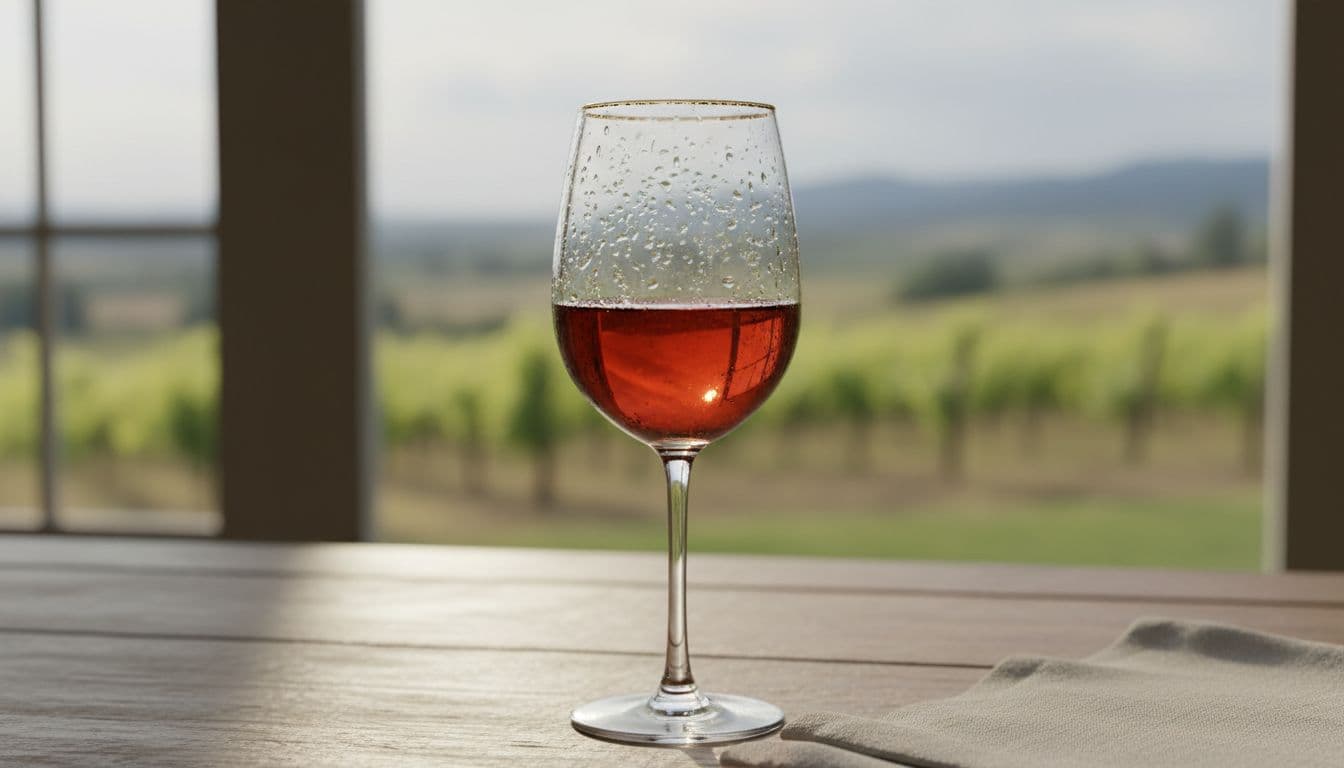
When is Pinot Noir the better pick?
Pinot Noir wins when the meal has a little grace to it. Its earthy, savory side makes it a classic with salmon, seared tuna, roast chicken and duck, mushroom risotto, lentils and roasted beets. It is the light red most likely to flatter a proper dinner without bullying the plate, and it handles moderately spiced Asian dishes built on soy and ginger better than most reds do. Twenty minutes in the fridge wakes it up without stripping the softer edges away.
On a label, look for the words fresh, bright and elegant, and lean toward lower-alcohol bottles if you want the delicate, food-friendly style rather than a heavy, oaky one. If reading shelves still feels foggy, these wine label reading tips make it faster. Ordering out, one sentence does the work: ask for a lighter Pinot Noir, fresh and not too oaky.
When is Gamay the easier yes?
Gamay is usually the more forgiving choice. It tastes cheerful, it stays lively when cold, and it asks nothing of the drinker, so it suits patios, pizza, charcuterie, fried chicken, burgers, takeout, and any table where everyone keeps reaching for another bite. Its high acidity and low tannin also make it one of the best reds for the hard cases, meaning food with salt, char or crunch.
If you are shopping quickly, Beaujolais or Beaujolais-Villages is the safe grab for freshness over weight, and a Cru Beaujolais steps up in depth when you want something more serious for dinner. In a mixed group, Gamay usually lands better than Pinot simply because it feels open and low-pressure. It is also generally the cheaper of the two, which makes it a smart everyday red rather than an occasion one.
Do you refrigerate Gamay, and how cold?
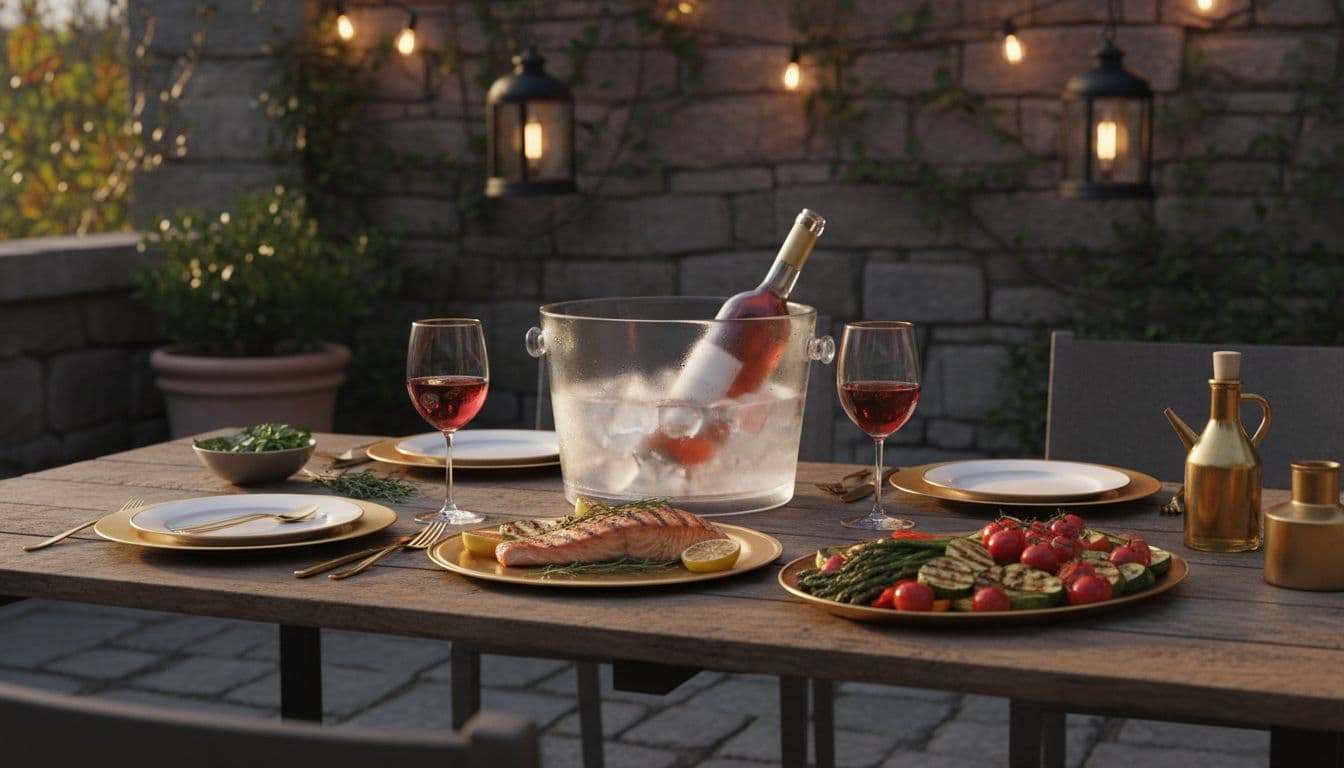
Yes, and the same goes for Pinot Noir. Both grapes are better with a light chill than at room temperature, which in most homes is warmer than the term was ever meant to describe. Twenty to thirty minutes in the fridge is the habit we use, and it does more for a light red than memorizing regions ever will.
Too cold and the wine goes quiet, with the aromatics shutting down and the fruit flattening out. Too warm and the freshness disappears and the alcohol starts to show. If you overshoot, just leave the glass alone for five minutes and it will come back. Our notes on chilling wine fast cover the shortcuts when guests are already at the door.
What wine is Gamay similar to?
Pinot Noir first, for the reasons above, and a light Cru Beaujolais against a village Burgundy is the comparison that teaches you the most in one evening. After that, the closest matches are other high-acid, low-tannin reds: Trousseau and Poulsard from the Jura, Zweigelt and St. Laurent from Austria, Schiava from Alto Adige, a young Grignolino, and a light unoaked Blaufrankisch.
Coming the other way, if you like Gamay you will probably get on with chilled Cabernet Franc from the Loire and with lighter Sangiovese. The common thread across all of them is the same one Gamay has: enough acidity to keep the wine lively, and little enough tannin that it never dries your mouth out. Our roundup of low tannin red wines goes wider on that family.
So which should you choose?
When the decision still feels fuzzy, run it through three quick filters: mood, food and crowd.
- Mood: if you want relaxed and cheerful, pour Gamay. If you want calm and a little refined, pour Pinot Noir.
- Food: snacky, salty or smoky food leans Gamay. Earthy, herbal or lightly creamy dinners lean Pinot Noir.
- Crowd: a mixed, casual group almost always gets on better with Gamay. A sit-down dinner where the wine is part of the event rewards Pinot Noir.
And if you are torn, buy both. They drink beautifully at the same cool temperature, and tasting them side by side is the fastest way to find out which one you actually prefer. A bright Beaujolais and a fresh village Pinot make a genuinely good two-bottle night. For the wider framework, here is our guide on how to pick wine you will actually love, and if ordering in public still makes you freeze, these restaurant wine tips give you the scripts.
If you already know you love one of these and want more like it, Find Similar takes a bottle you enjoyed and surfaces others by grape, region and character, tuned to your own Taste Profile.
Questions people ask about Gamay and Pinot Noir
Is Pinot Noir similar to Gamay?
Yes, and the resemblance is genetic rather than coincidental. Gamay Noir is a cross of Heunisch Weiss, better known as Gouais Blanc, with Pinot Noir, confirmed by genetic markers. Both are light-bodied and low in tannin. Gamay is juicier and higher in acidity, and Pinot Noir is silkier and more savory.
Why was Gamay banned?
In July 1395 Philippe the Bold, Duke of Burgundy, outlawed it, calling it the "disloyal Gaamez" and full of "very great and horrible harshness". The real issue was that Gamay grew abundantly on land that could have grown Pinot Noir, which Burgundy's reputation depended on. Gamay moved south to Beaujolais and has been there ever since.
Are Beaujolais and Gamay the same thing?
They are not the same thing, but they travel together. Gamay is the grape and Beaujolais is the region, and Beaujolais is almost always made from Gamay. If the label says Beaujolais, Beaujolais-Villages, or a Cru name such as Morgon or Fleurie, you are drinking Gamay.
What wine is Gamay similar to?
Pinot Noir is the closest match, especially a village Burgundy against a Cru Beaujolais. Beyond that, look at Trousseau and Poulsard from the Jura, Zweigelt from Austria, Schiava from Alto Adige, and chilled Loire Cabernet Franc. All of them share the same high acid and low tannin build.
Which is more full-bodied, Gamay or Pinot Noir?
Both sit in the light to medium range, so neither is a heavy wine. Pinot Noir can feel slightly more structured and complex, while Gamay feels lighter and bouncier thanks to its high acidity and soft tannins.
Do you refrigerate Gamay?
Yes, you should chill it lightly. Twenty to thirty minutes in the fridge suits Gamay and Pinot Noir both, and it brightens the fruit rather than muting it. Serve them cool rather than cold, and let the glass warm slightly if you overshoot.
What is the smoothest drinking red wine?
Among widely available reds, Pinot Noir and Merlot are the two most often described that way, because smoothness in a red is mostly the absence of drying tannin. Gamay drinks easily for the same reason, though its high acidity makes it read as lively rather than smooth. If your priority is a red that never grips, start with those three.
Which is more expensive?
Gamay is generally the better value, and the gap is wide. Pinot Noir covers a much longer range, from everyday bottles to Burgundy that reaches into the hundreds, so the grape name alone tells you very little about the price.