
The best wine for mussels in white wine sauce is a dry, high-acid white with a saline edge, and Muscadet Sèvre et Maine sur lie is the classic answer for a reason. Chablis, Picpoul de Pinet and Albariño all do the same job from slightly different angles. The thing almost every pairing list skips is that you aren't really pairing the mussel at all, you're pairing the broth, and that broth is already made of wine, butter, garlic and shellfish liquor. Once you look at it that way, the choice gets much easier and a lot cheaper.
Why does the broth decide the pairing, and not the mussels?
The broth decides it because the broth is what you actually taste on every bite. A mussel by itself is mild and faintly sweet with a clean saline finish, and it carries almost no fat of its own. It doesn't fight a wine, and it doesn't need much help. Left alone it would happily sit next to nearly any dry white in the shop.
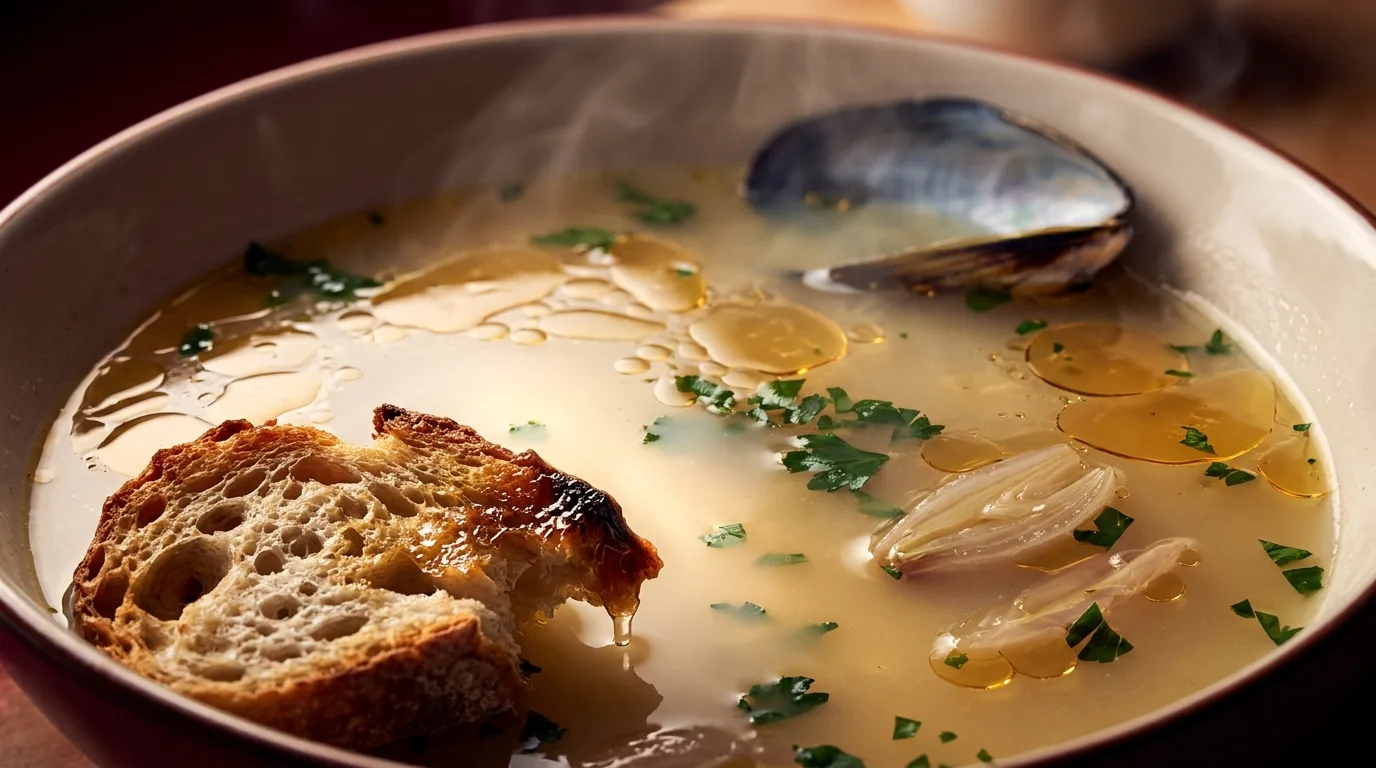
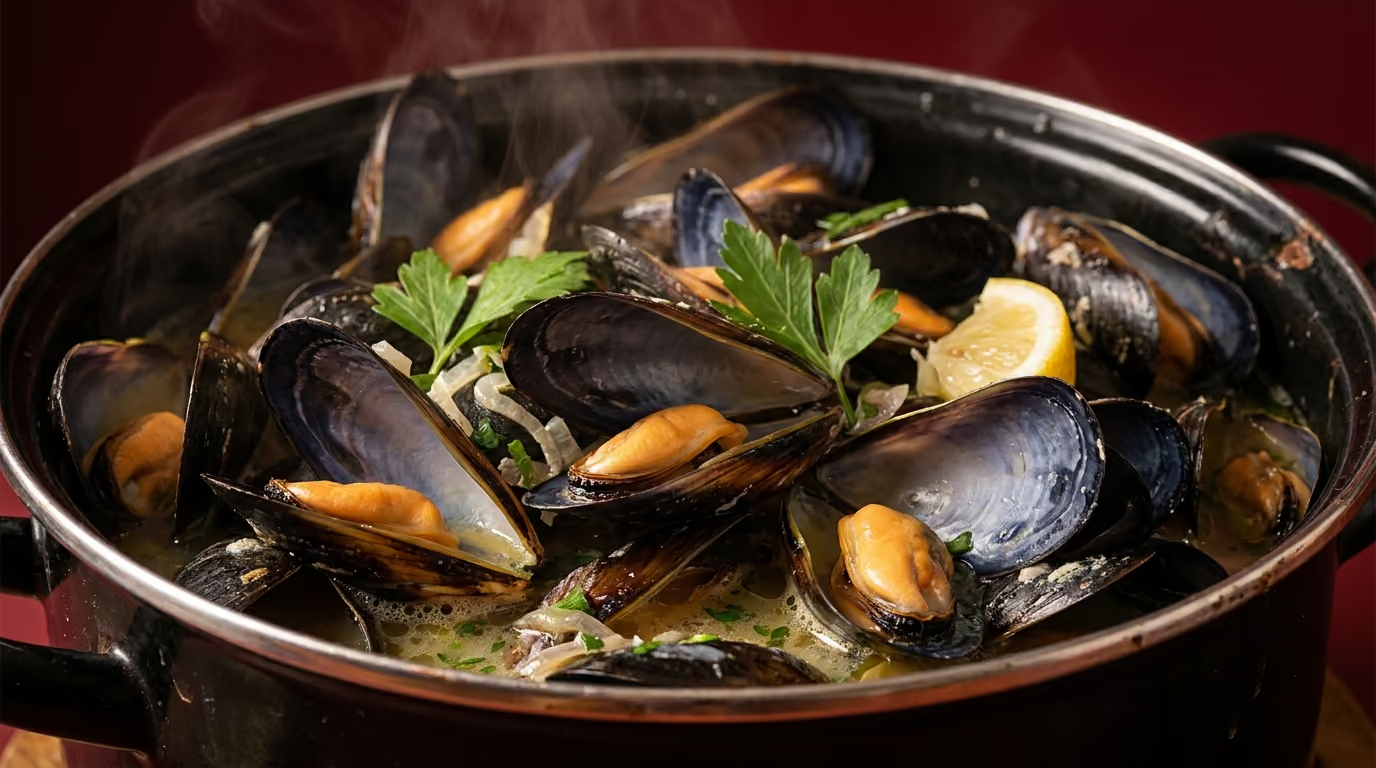
What you put around it is a different matter. Moules marinière is built from shallot, garlic, a generous amount of butter, a splash of dry white wine and the liquor the mussels release as they open, all reduced together into something salty and rich. Then you dunk bread in it, which means the broth gets more airtime on your palate than the shellfish does. Every mouthful is butter, salt, garlic and wine, and the bottle you open has to stand up in that company without turning flat or sweet.
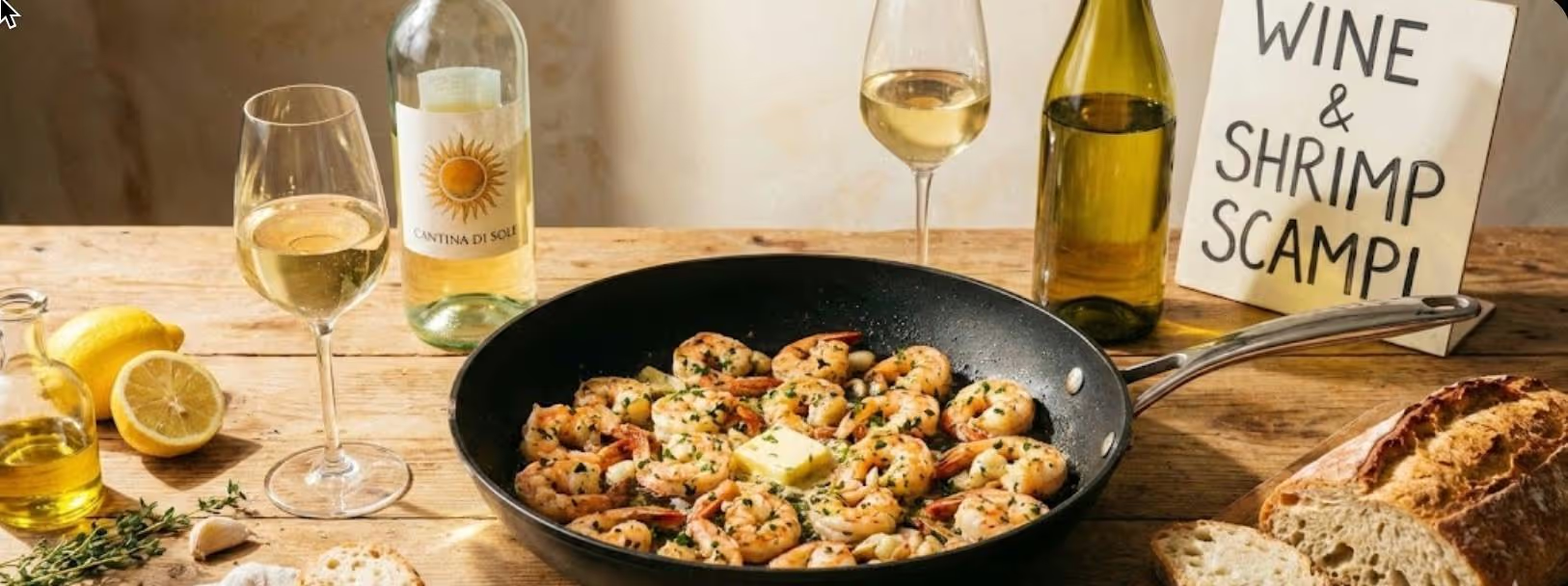
That's why acidity matters more here than any grape variety. High acid keeps cutting through the butter so bite four tastes as fresh as bite one, and it echoes the wine already reduced into the pot rather than arguing with it. A saline or stony quality helps for the same reason, because the dish is genuinely salty and a wine with its own mineral edge reads as part of the dish instead of a sweet interruption. We make the same argument about garlic and butter in our guide to the best white wine for shrimp scampi, which is essentially the same problem served over pasta.
Should you drink the wine you cooked with?
Usually yes, and this is the one shortcut worth taking seriously with this dish. Because you're pouring a full glass of wine into the pot and reducing it, whatever you cook with ends up as a real component of the sauce rather than a background note. Cooking with one style and drinking another means you've put two different wines in your mouth at once, which is how people end up feeling like the pairing is slightly off without being able to say why.
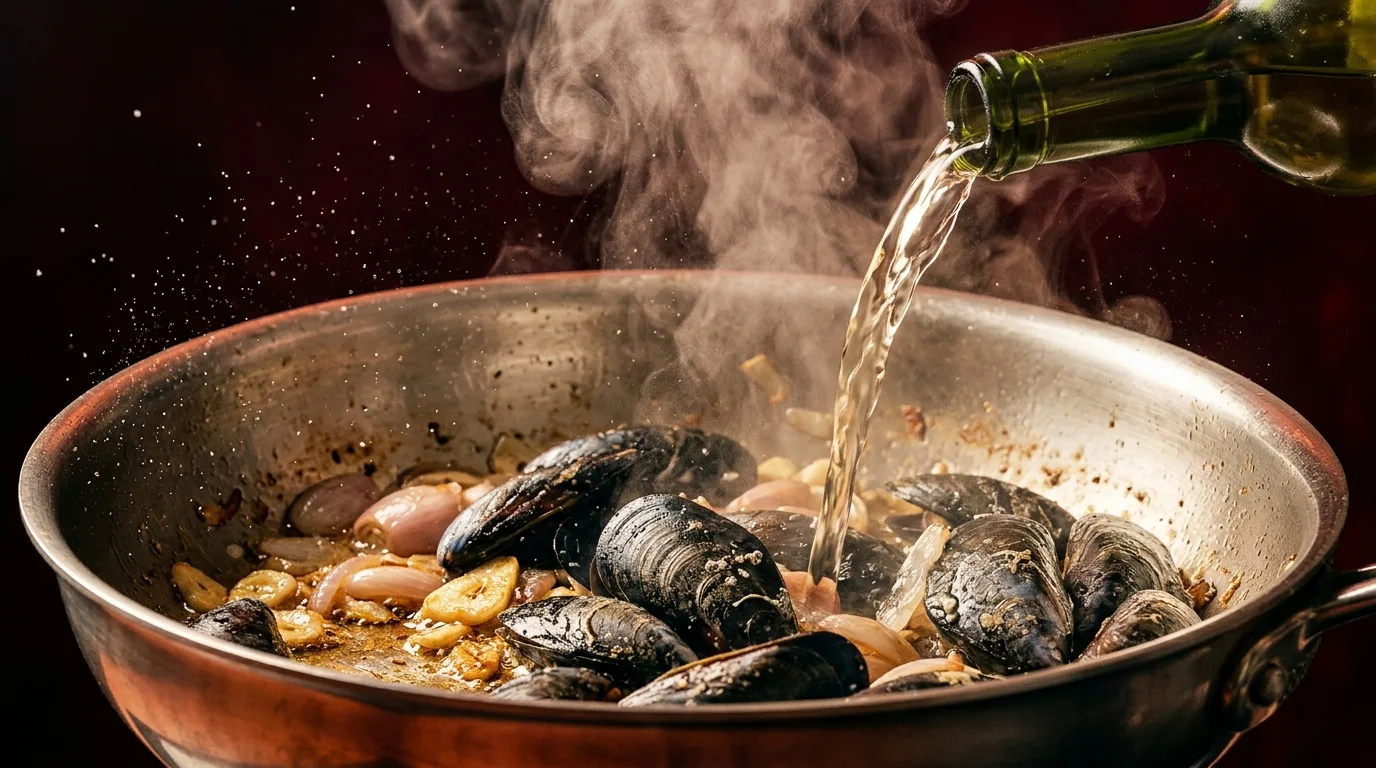
So buy two bottles of the same thing, or buy one bottle and use half of it. That approach also settles the question of how good the cooking wine needs to be, which trips up more home cooks than the pairing itself. It needs to be something you'd drink, because you're going to. It doesn't need to be expensive, since heat drives off the aromatics you paid for anyway and what survives the reduction is acidity, salinity and whatever fruit was underneath.
The one thing to avoid is anything labelled cooking wine at the supermarket, which is usually salted and oxidized and will make the broth taste tinny. An oaked white is the other mistake, because oak concentrates as the liquid reduces and the sauce picks up a vanilla or coconut character that sits strangely against shellfish. Dry, unoaked and cheap is the entire specification. If you're unsure whether the Chardonnay in your hand has seen a barrel, our guide to spotting an unoaked Chardonnay fast covers the label tells.
Which white wines work best with moules marinière?
Muscadet Sèvre et Maine sur lie is the first bottle to reach for, and it's hard to beat on either taste or price. It comes from the Atlantic end of the Loire, it's made from Melon de Bourgogne, and the sur lie part means it rested on its spent yeast over winter, which gives it a faint creamy texture and a savory depth underneath all that citrus. It's bone dry, high in acid, and it tastes vaguely of sea air, which is not an accident given where it grows.

Chablis is the upgrade if you want more weight in the glass. It's Chardonnay from northern Burgundy, grown on ancient seabed limestone packed with fossilized shells, and the good ones taste stony and lean rather than tropical. Village Chablis is plenty here, and a Premier Cru is genuinely lovely with a creamy version of the dish. Our piece on Chablis against Chardonnay more broadly explains why the two taste so different despite being the same grape.
Picpoul de Pinet is the value pick and it's built for exactly this. It grows on the Languedoc coast looking out over an oyster lagoon, and the name roughly translates as lip-stinger, which tells you what the acidity is like. Albariño from Rías Baixas gives you a little more stone fruit and a slightly rounder body while keeping the salt, and it's the friendliest of the four if your table finds Muscadet austere. Vermentino from Sardinia or coastal Tuscany works on the same principle, and we've compared Albariño and Vermentino head to head if you're deciding between them.
Two more bottles are worth knowing about here. A dry Vinho Verde is the cheapest thing on this list, comes with a faint spritz that scrubs the butter off your palate, and rarely disappoints. A Loire Sauvignon Blanc such as Touraine or Quincy also fits, though the grassy, herbal register can start to compete with the parsley rather than support it, so it's the one to try second.
What changes when the sauce has cream, tomato or chorizo?
The pairing shifts as soon as the broth stops being a plain wine and butter reduction, and the three common variations each pull in a different direction. Cream adds fat and softens the acidity of the dish, tomato adds its own acidity and sweetness, and chorizo or bacon brings smoked paprika and pork fat that a delicate white simply disappears against.
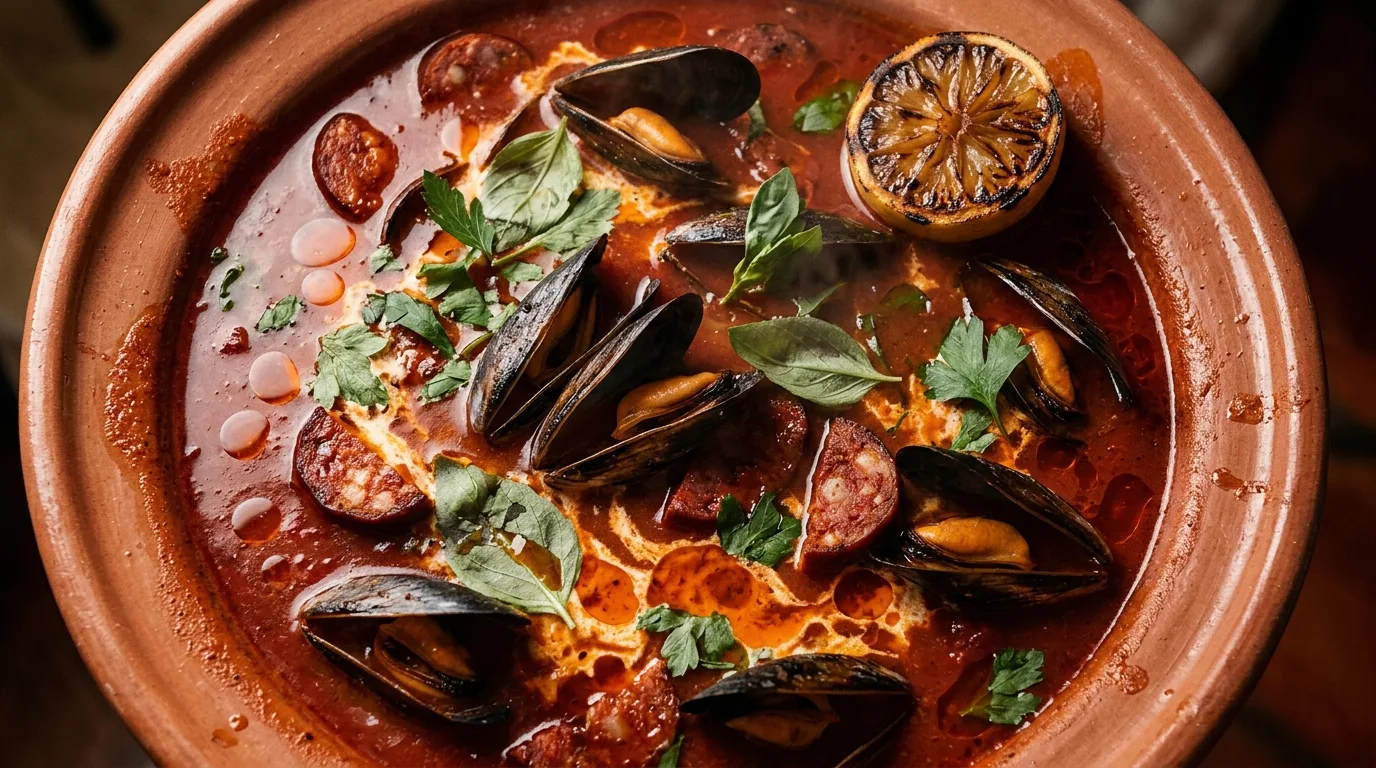
Here's how the four versions you're most likely to cook line up.
| The broth | What it needs | Reach for |
|---|---|---|
| Classic marinière, wine and butter | Dry, sharp, saline | Muscadet, Picpoul, Vinho Verde |
| Cream and parsley added | Same acidity, a bit more body | Chablis, Albariño, unoaked white Burgundy |
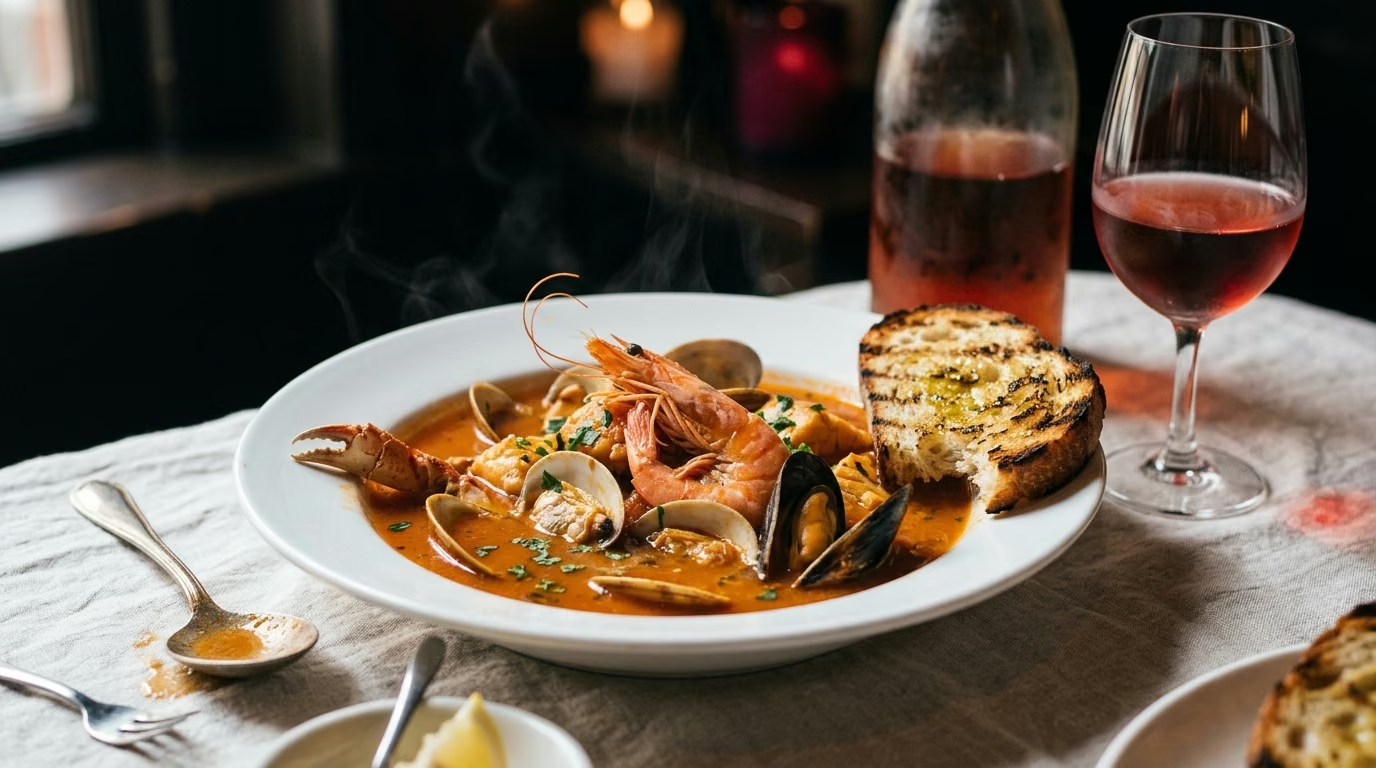
| Tomato, chilli and garlic | Acidity plus some fruit | Dry rosé, Vermentino, light Italian white |
| Chorizo, bacon or smoked paprika | Body and gentle fruit, low tannin | Dry Provençal rosé, Gamay, light Grenache |
Thai-style mussels with coconut, lime and chilli sit outside that table and want something different again. Chilli heat makes dry wine taste sharper and hotter, so a wine with a touch of residual sugar calms it down. An off-dry Riesling or a Chenin Blanc with a little sweetness handles that far better than a bone dry white, and our guide to off-dry white wine and how to spot it shows what to look for on the label when the bottle doesn't say.
Can you drink red or rosé with mussels?
Rosé yes, quite happily, and red only in specific circumstances. A dry Provençal or Languedoc rosé has the acidity of a white with a little more body and a whisper of red fruit, which is exactly what the tomato and chorizo versions of the dish want. It also solves the very common table problem where someone doesn't want to drink white and you'd rather not open two bottles.
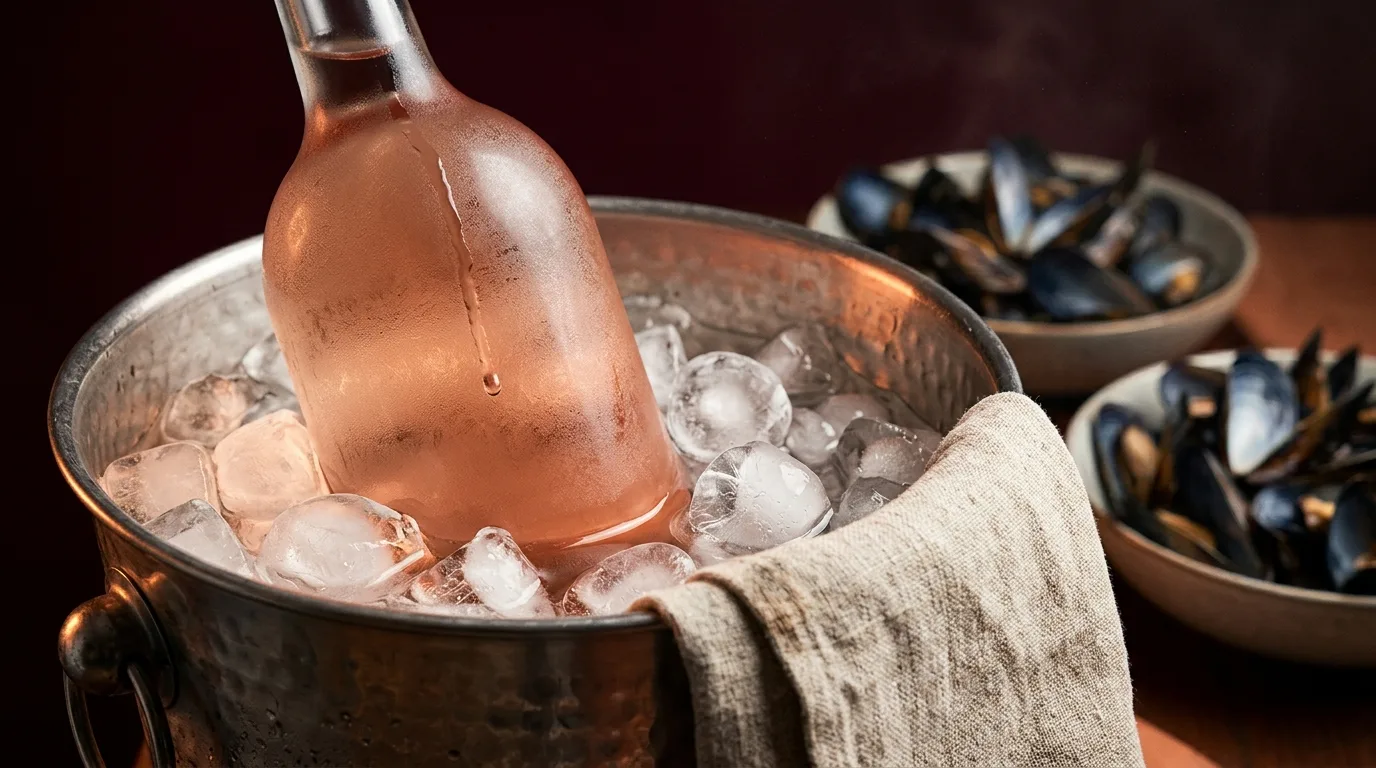
Red is harder but not forbidden. The rule people repeat about red wine and shellfish is mostly about tannin, which reacts with the iodine and the oils in seafood and can leave a metallic taste. That reaction is real, and it's why a Cabernet next to a bowl of mussels is genuinely unpleasant. A light red with almost no tannin, served cool, avoids the problem entirely. Gamay from Beaujolais is the safest choice, a young Loire Cabernet Franc works, and a light Grenache from the south of France is fine with anything involving chorizo.
Serve any of those around 55 degrees Fahrenheit rather than at room temperature, which keeps them refreshing next to a hot, salty broth. If chilled reds are new to you, our comparison of Pinot Noir and Gamay for chilled reds is the place to start. Skip anything oaked, anything over about 14 percent alcohol, and anything with grip, because all three fight the dish rather than joining it.
How do you pick a bottle at the shop or the restaurant?
Work backwards from the broth you're planning to make, then use price as the tiebreaker rather than the starting point. If you're doing a straight marinière, walk to the Loire section and look for Muscadet sur lie, or to the Languedoc for Picpoul. Both sit at the affordable end of almost any shop, and neither has much of a quality ceiling to worry about, so the cheapest one on the shelf is usually fine.
At a restaurant, moules frites is nearly always priced as a casual dish, and the wine list will usually have a coastal white by the glass that works. Ask for something dry and mineral rather than naming a grape, because the person pouring knows what's open and what tastes good with the version their kitchen makes. If the list is long and unhelpful, Sommy's Fit Check gives you a straight verdict on whether a specific bottle suits your taste before you commit to it, which is more useful than guessing from a name you've never seen.
The one habit worth building is noting what you drank and whether it worked. Mussels come round often enough that a couple of remembered bottles turns this into a decision you stop having to make. Over a few dinners you'll find you have a house pairing, and it will probably cost less than you expect.
Frequently asked questions
What is the best wine for mussels in white wine sauce?
Muscadet Sèvre et Maine sur lie is the classic and still the best all-round answer, because it's bone dry, high in acid, faintly saline and inexpensive. Chablis, Picpoul de Pinet, Albariño and dry Vinho Verde all work on the same principle if Muscadet isn't available.
Can I use the same bottle to cook the mussels and drink with dinner?
Yes, and it's the easiest way to get the pairing right. The wine you cook with reduces into the broth and becomes part of the sauce, so using one style in the pot and another in the glass puts two different wines on your palate at once.
What kind of wine should I never cook mussels in?
Avoid supermarket cooking wine, which is salted and will make the broth taste tinny, and avoid anything heavily oaked, because oak concentrates as the sauce reduces and leaves a vanilla note that sits oddly with shellfish.
Does wine pairing with mussels change if the sauce has cream?
A little. Cream adds fat and mutes the sharpness of the dish, so you want the same acidity with slightly more body behind it. Chablis, Albariño or an unoaked white Burgundy handle a creamy broth better than a very lean Muscadet does.
Is red wine really bad with mussels?
Only tannic red is. Tannin reacts with the oils and iodine in shellfish and can taste metallic, so a big Cabernet is a genuinely poor match. A light, low-tannin red served cool, such as Beaujolais or a young Cabernet Franc, is fine, especially with tomato or chorizo in the broth.
What should I drink with Thai-style coconut and chilli mussels?
Something with a touch of sweetness. Chilli heat makes bone dry wine taste sharper, so an off-dry Riesling or a slightly sweet Chenin Blanc keeps the dish comfortable in a way that a very dry white does not.
Pour it, then dunk the bread
Mussels in white wine sauce is one of the few dishes where the pairing is close to solved, because the sauce tells you what it wants. It wants acidity to cut the butter, salt to match the salt, and no oak anywhere near it. Muscadet does all three for the price of a decent sandwich, which is why it has been the answer in French coastal kitchens for about as long as the dish has existed.
Everything after that is a small adjustment. Add cream and you want a little more weight, add tomato or chorizo and rosé takes over, add coconut and chilli and you want a hint of sweetness. Cook with the bottle you plan to drink, keep it chilled, and buy the second bottle while you're at it, because a pot of mussels goes faster than anyone plans for.