
The best wine with shellfish is almost always a dry white with high acidity, and Sauvignon Blanc, Albariño, Muscadet and Picpoul de Pinet will cover the majority of what you'll ever order. Two things decide the rest of it: which shellfish you're eating, and how it was cooked. A raw oyster and a lobster drenched in butter are both shellfish, and they want almost opposite wines, so the preparation matters more than the creature does. If you remember only one rule, let it be that acidity is what keeps each bite tasting as clean as the first.
This page is the map for the whole subject. It covers how to read any shellfish dish and land on a good bottle without memorizing anything, and where a specific dish deserves its own answer, it points you to the guide that goes deeper. There's no need to become a wine expert to order well at a raw bar, you just need to know which two questions to ask.
What wine goes best with shellfish?
A crisp, dry, unoaked white with bright acidity is the answer that works most often, because shellfish is delicate and salty and acidity is what keeps the palate fresh between bites. Sauvignon Blanc is the easiest one to find, Albariño from coastal Spain has a saline quality that suits seafood beautifully, Muscadet from the Loire is the classic French oyster wine, and Picpoul de Pinet is the Languedoc's own answer to the same question. Muscadet is worth knowing properly, since the bottles labeled sur lie were left resting on their spent yeast over the winter, which gives them a faint savory depth and a rounder texture than the price suggests.
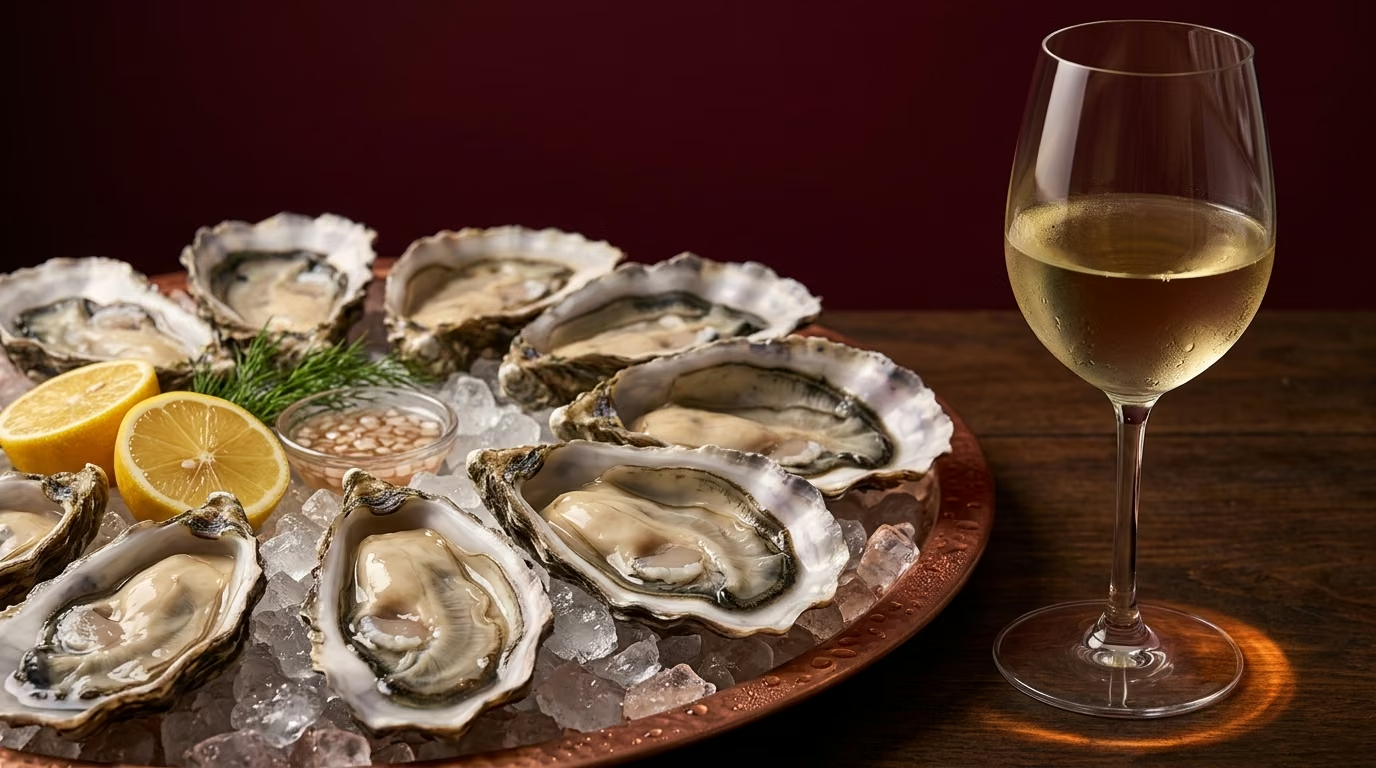
From there, two variables move the answer. The first is the shellfish itself, since lean saline creatures like oysters and clams want something sharper than sweet rich ones like lobster and crab. The second is the cooking, because butter, batter and char all add weight that a very light wine can't carry. Get those two right and you'll rarely miss, and you can ignore almost every other pairing rule you've been told.
How does the shellfish itself change the wine?
Shellfish falls into two rough camps, the lean and saline against the sweet and rich, and knowing which one you're holding does most of the work. Oysters and clams sit firmly in the first camp, with a clean oceanic bite that calls for the highest acidity and the most mineral character you can find, which is exactly what Muscadet, Picpoul and a sharp Sauvignon Blanc deliver. Our guide to wine for oysters goes through the varieties in detail, and the right bright wine for clam chowder handles the creamy version of the same shellfish.
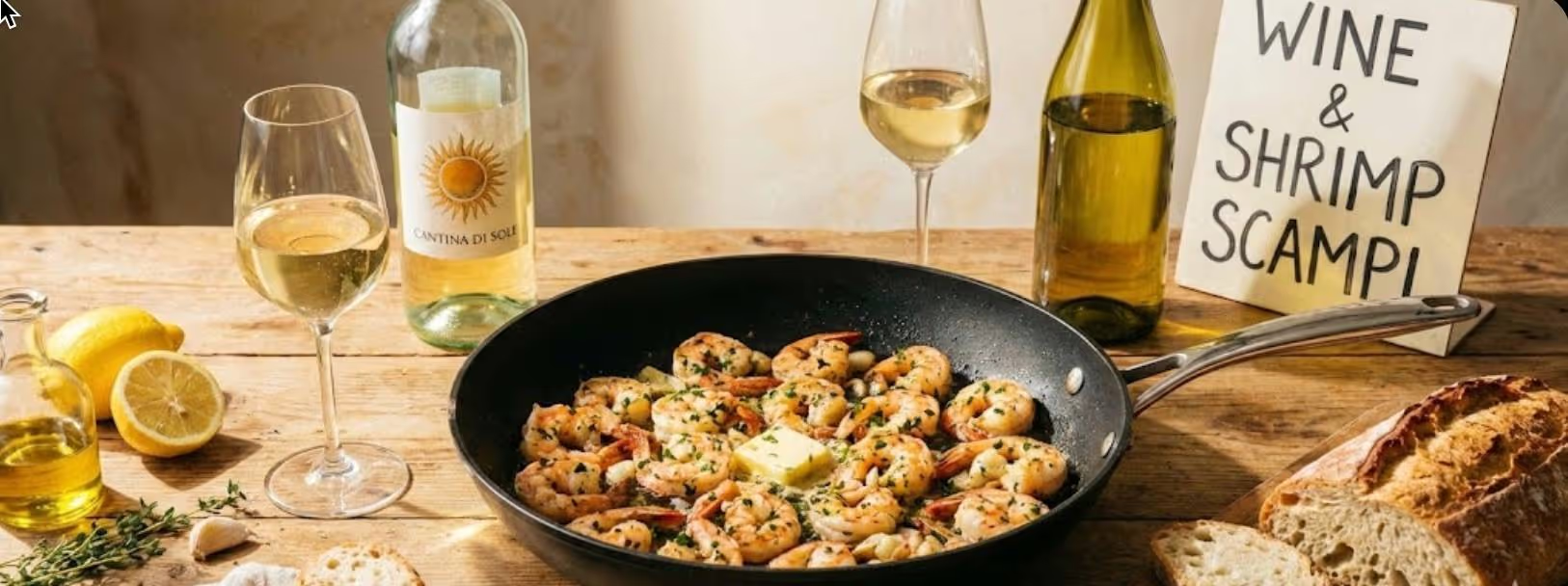
Shrimp and prawns are mild and gently sweet, which makes them the most forgiving shellfish on any menu. Almost any crisp white works, so the sauce ends up deciding rather than the shrimp, and there's more on the range of options in our guide to wine pairing with shrimp. Scallops are sweeter still and caramelize hard when seared, which pushes them toward a white with more body than you'd pour for an oyster.
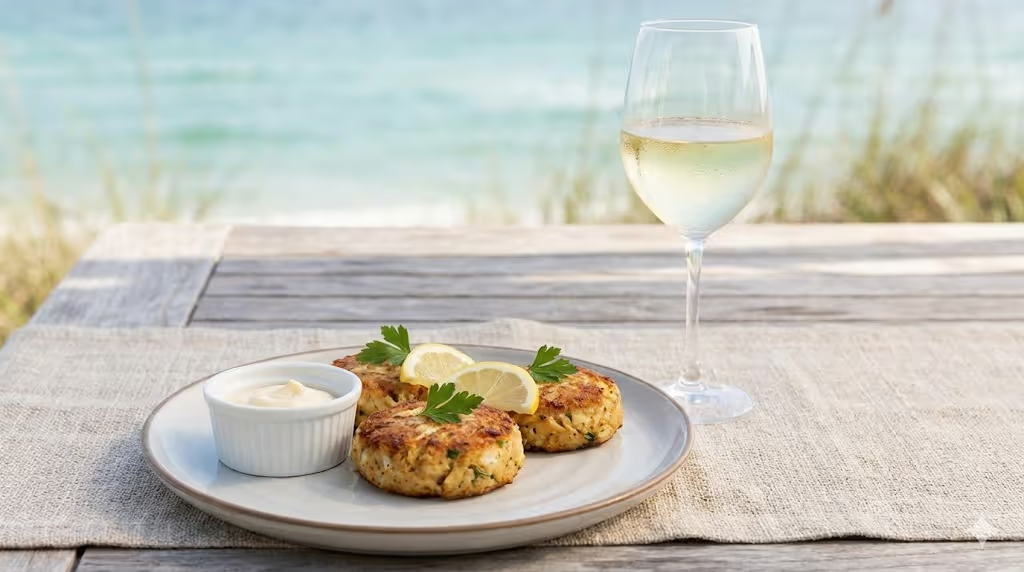
Crab and lobster are the rich end. Both have a sweetness and a density that thin, sharp wines get lost against, so dry rosé, a good sparkling wine or a fuller white all make more sense than the leanest bottle on the list. Our notes on wine for crab cakes and on wine for lobster rolls cover the two ways most people actually eat them, and wine for a seafood boil deals with the version where everything arrives at once under a pile of Old Bay.
Why does acidity work so well with shellfish?
Acidity works because it resets your palate between bites, and researchers now have a way to measure exactly that. A review of the science of pairing published by Vinetur describes a measure called the cleansing effect, developed specifically to quantify how well a wine clears the palate between mouthfuls, alongside a salivary precipitation index used to predict astringency.
The same review notes something that explains the shellfish case neatly, which is that salt in food enhances a wine's body and roundness. A briny oyster or a salted shrimp makes a lean white taste fuller than it does on its own, so a wine that seems almost austere by itself fills out the moment food arrives. That's why the sharpest bottles tend to shine hardest against the saltiest shellfish, and why judging a Muscadet on a first sip with nothing to eat will mislead you.
Tannin explains the other half of the story, and astringency isn't a flavor at all but the result of tannins binding with the proteins in your saliva, which reduces lubrication and leaves that dry, grippy feeling. Shellfish has very little fat or protein to soften that reaction, so a tannic red lands hard and often turns faintly metallic. Our explainer on acidity in wine covers what to look for on a label if you want more of it.
Oak is the quieter problem, and it catches people out more often than red wine does. Barrel aging layers vanilla, toast and a creamy texture over a white, and against a raw oyster those flavors sit on top of the brine rather than cutting through it. That's the whole reason the classic seafood whites are unoaked, and it's also why a heavily oaked Chardonnay that tastes wonderful with lobster bisque can feel wrong with something raw. The wine hasn't changed, the amount of fat and sweetness it has to balance has.
How does the cooking method change the pairing?
Preparation moves the answer further than the shellfish does, and it's the variable most guides skip. Raw and steamed dishes keep the flavors clean and delicate, so the highest acid and the most mineral edge win, which puts Muscadet, Picpoul, Albariño and a lean Sauvignon Blanc at the front.
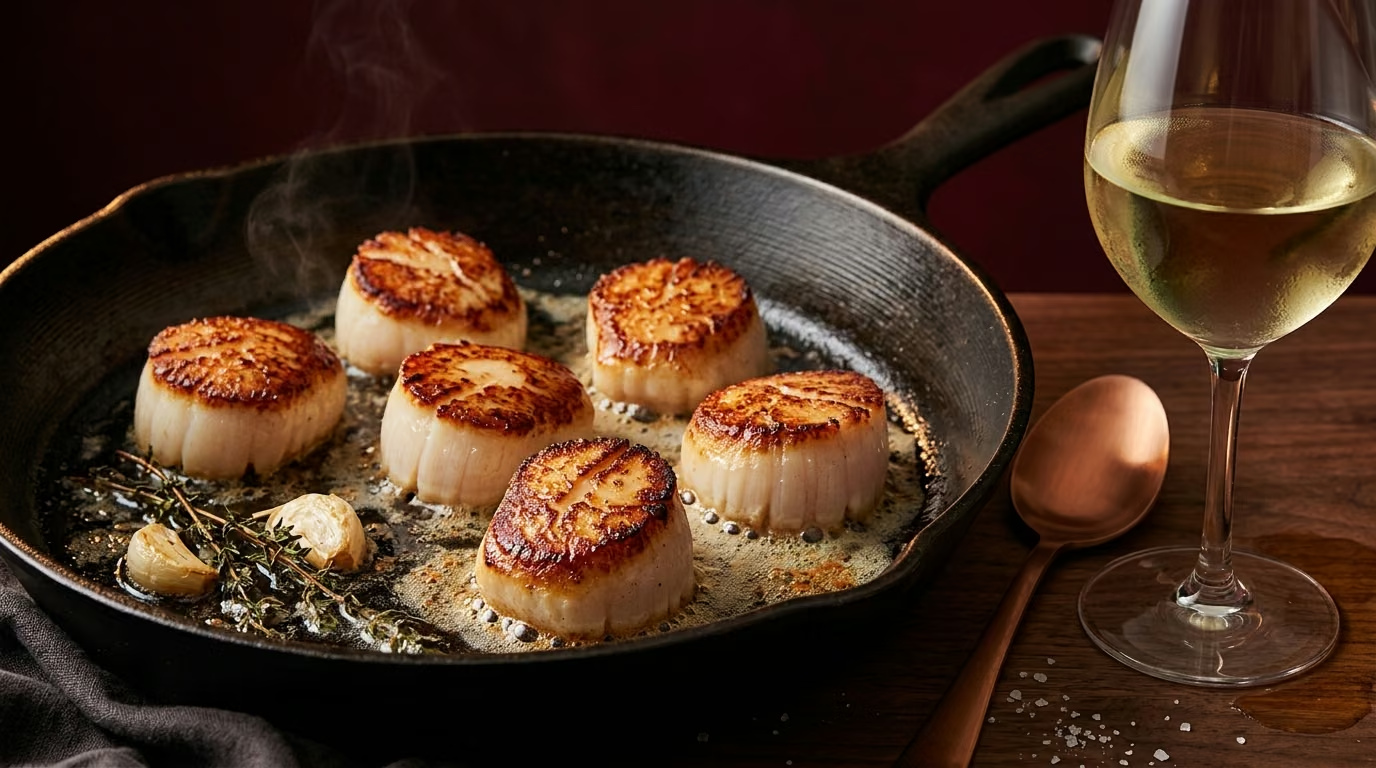
Grilling and searing change things, because char and caramelization add intensity that a featherweight wine disappears against. A richer Sauvignon Blanc, a dry Riesling, a Grüner Veltliner or an unoaked Chardonnay all have enough presence to meet the smoke while keeping the acid you still need. Frying calls for bubbles above everything else, since carbonation and high acid together cut the oil more effectively than acidity alone, which makes Champagne, Cava and Prosecco the obvious picks for calamari or popcorn shrimp.
A useful habit is to pair the sauce rather than the shellfish whenever the two disagree. Shrimp under lemon and garlic and shrimp under a cream sauce are the same animal and want different bottles, and the sauce is what your palate actually registers most strongly. When you can't decide, ask yourself what the dish would taste of if you took the shellfish out, then pair that.
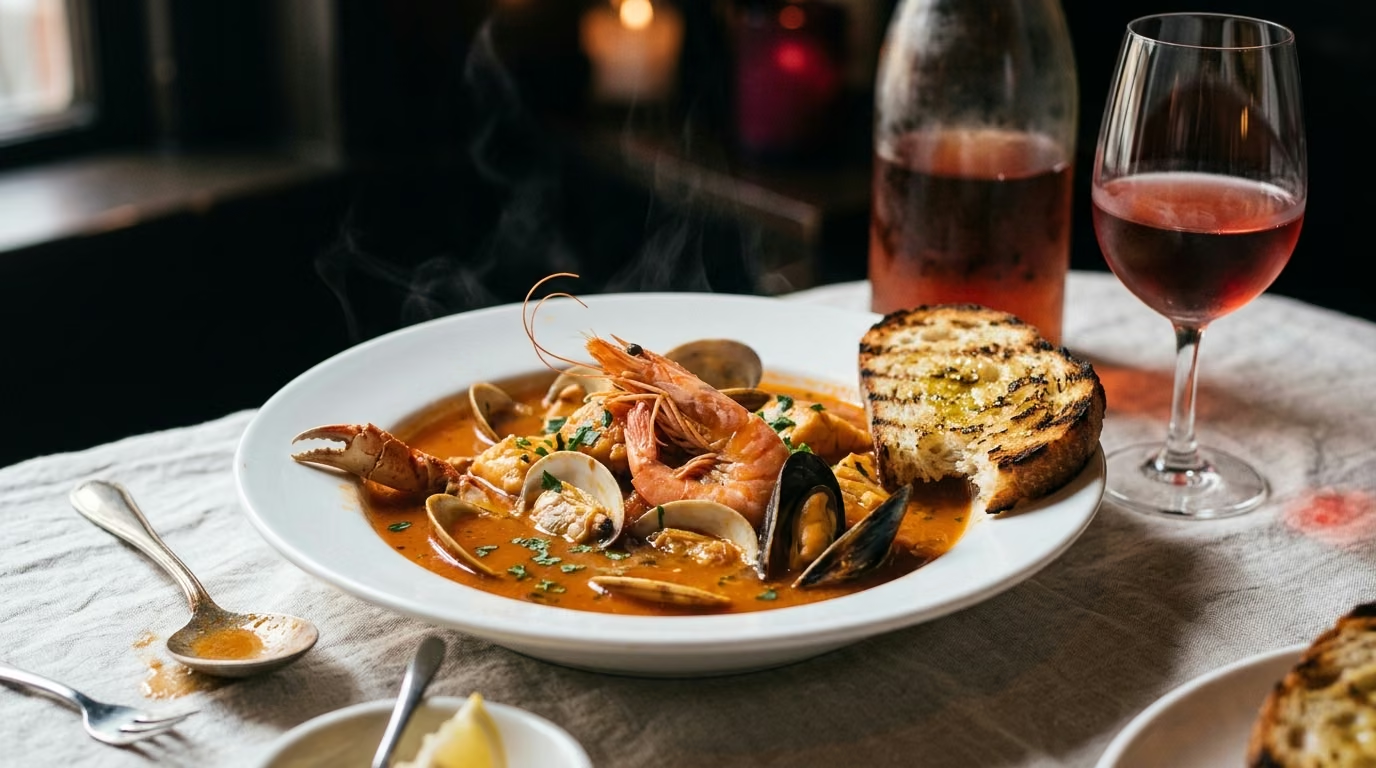
Creamy and buttery dishes are where the usual advice breaks down. A very lean white tastes thin and sour against a rich sauce, so lobster bisque or a proper scampi wants an oaked Chardonnay, a Viognier or a fuller Pinot Blanc with the weight to sit alongside the cream. Our guide to white wine for shrimp scampi works through that particular dish, and tomato-based seafood stews get their own treatment in wine for cioppino.
What are the two moves most shellfish guides miss?
Dry sherry with garlic butter is the first, and it's the single most underused pairing in seafood. The wine writer Fiona Beckett ran a tasting session with chef Mark Hix for Matching Food and Wine, working through dish after dish at two London seafood restaurants, and found that a glass of Fino sherry hit the mark perfectly against tiger prawns in garlic butter where a Manzanilla Pasada had lacked the bite they wanted.
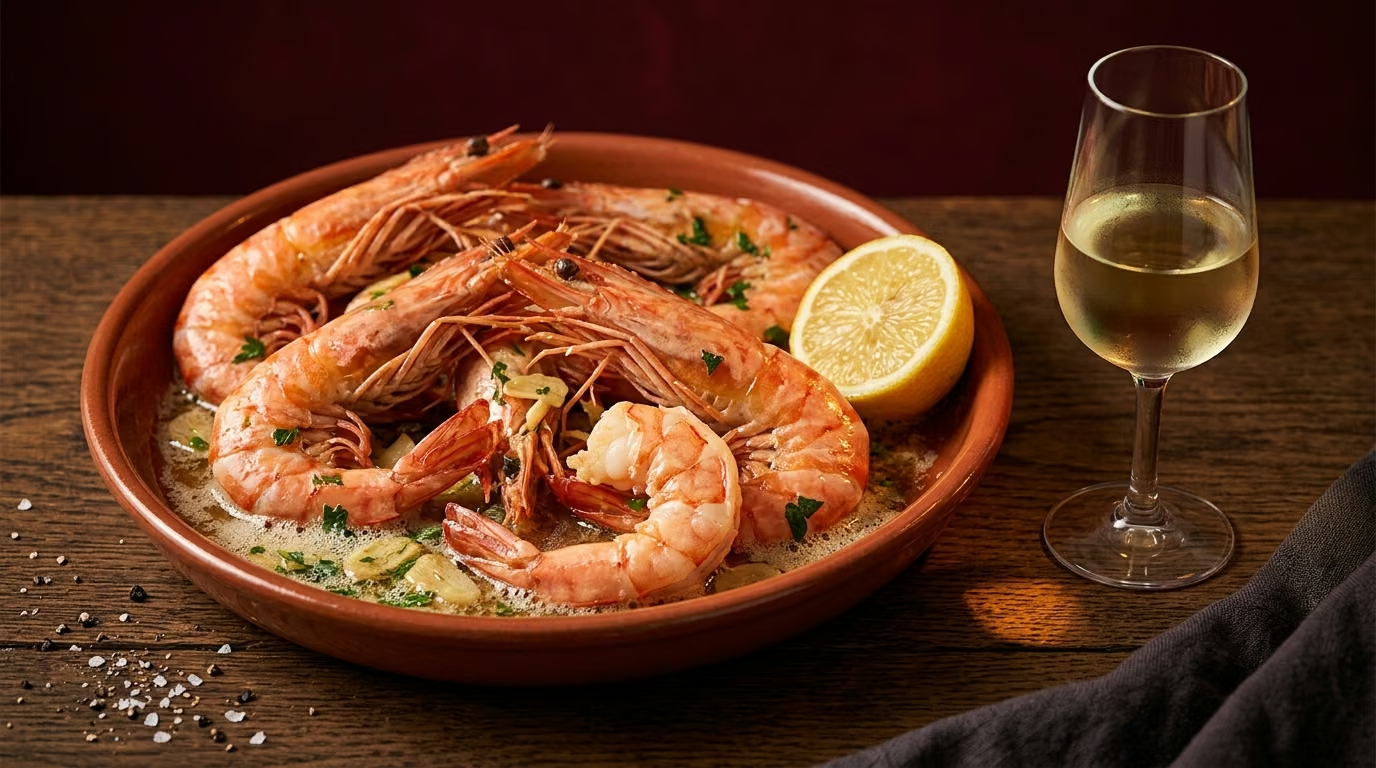
Fino and Manzanilla are bone dry, bracingly savory and nothing like the sweet sherry people picture, and they handle garlic, olive oil and fried food better than almost any still white. They're also cheap by the standards of what they do, and Spain has been drinking them alongside seafood for a very long time for exactly this reason.
The second move concerns oysters, and it's a small change with a real effect. Hix took the view in that same session that oysters are better without shallot vinegar from a wine point of view, letting the wine do the job of the condiment instead. The logic holds up, since a vinegar dressing competes directly with the acidity you chose the bottle for, and skipping it lets the wine cut the brine itself. Beckett also flagged Picpoul de Pinet as the Languedoc's own oyster white, which remains one of the better value bottles on any seafood list.
Can you drink red wine with shellfish?
You can, as long as the red is light and low in tannin, and the dish has something for it to hold onto. The old prohibition exists because tannin and shellfish genuinely do clash, but that's an argument against big reds specifically rather than against the color.
Tomato-based seafood stews are the clearest case, since the acidity and depth of the tomato give a light red something to work with. A Gamay from Beaujolais has the fruit and the freshness without the grip, and a lighter Pinot Noir does much the same job. Beckett's session found a chilled New Zealand Pinot Noir worked against a lobster thermidor, which proved that a red could handle a rich shellfish sauce as well as a white.
Serve any of these cool rather than at room temperature, because warmth exaggerates whatever tannin is present and flattens the fruit. Our comparison of Pinot Noir and Gamay for chilled reds covers which bottles take that treatment best.
How do you choose when the table orders everything?
Pick one versatile bottle rather than trying to match every plate, because a shared table is a compromise by definition. Dry sparkling wine is the strongest single answer, since bubbles and acidity together work with raw, fried and buttery dishes alike, and very little on a seafood menu fights them.
Dry rosé is the other good compromise, particularly from Provence, because it has the acidity of a white with enough fruit to bridge toward the richer dishes. Albariño is the third, versatile enough for oysters at one end and crab at the other. Any of the three will carry a mixed order better than a very specific bottle chosen for one person's plate.
If the table is large enough to justify two bottles, the most useful split is one lean white for the raw and steamed end and one fuller white or a rosé for anything buttered, fried or crab based. That covers far more ground than two bottles of the same crisp white, and it costs nothing extra to order it that way.
Restaurant lists are where this gets genuinely hard, because you're reading unfamiliar producers under time pressure with a server waiting. Scanning the list with Sommy's Vision feature gives you the shortlist filtered to your own taste, which is a good deal faster than working through it region by region.
Frequently asked questions
What is the best wine with shellfish overall?
A dry, unoaked white with high acidity, and Albariño is the most versatile single answer because it handles lean oysters and rich crab equally well. Sauvignon Blanc is the easiest to find in most shops and rarely disappoints against anything from the sea.
Does sparkling wine really work with shellfish?
It works better than almost anything else, and it's the safest choice when you don't know what's coming. The bubbles and the acidity together clear the palate of oil and butter, which makes Champagne, Cava and Prosecco especially good with fried calamari or anything served with a rich sauce.
What is a good budget wine with shellfish?
Vinho Verde from Portugal, Muscadet from the Loire and Picpoul de Pinet from the Languedoc all sit at the affordable end of the range and were made for seafood. Chilean Sauvignon Blanc is another reliable option that usually costs less than the same style from more famous regions.
Why does red wine taste metallic with seafood?
Tannins bind with the proteins in your saliva and create that dry, grippy sensation, and shellfish has too little fat or protein to soften the reaction. Choosing a low-tannin red like Gamay avoids the problem entirely, and serving it cool helps further.
Should oysters be served with vinegar if you're drinking wine?
Chef Mark Hix argued they're better without it, on the grounds that the wine should act as the condiment. A shallot vinegar dressing competes with the acidity that made you pick the bottle, so leaving it off tends to make the pairing sharper.
What wine goes with butter-heavy shellfish?
An oaked Chardonnay or a Viognier has the weight to match cream and butter without tasting thin beside them. Dry Fino or Manzanilla sherry is the more interesting answer for garlic butter specifically, and it's the pairing most people have never tried.
Ordering shellfish without the guesswork
Two questions get you there, which shellfish is on the plate and how it was cooked. Lean and saline wants the sharpest, most mineral white you can find, sweet and rich wants more body, fried wants bubbles, and buttery wants either an oaked white or a dry sherry if you're feeling adventurous. Reds aren't forbidden so much as narrowed down to the light and low-tannin end, served cool.
Everything else on this page is detail, and the individual dish guides linked above go further wherever you need them to. If you'd rather not hold any of it in your head at the table, that's precisely the kind of decision Sommy is built to take off your hands.