
The best wine for cioppino is a dry, high-acid white with a salty edge, and Vermentino is the most fitting single answer. Sauvignon Blanc, Albarino, Trebbiano d'Abruzzo, Pinot Grigio and dry rose all work. A light red like Beaujolais or a chilled Pinot Noir works too, but only when the broth is deep, rich or spicy.
Five bottles that suit a bowl of cioppino:
- Vermentino (Liguria or Sardinia): saline, citrus, faintly bitter finish, the home-region answer
- Albarino (Rias Baixas, Spain): high acid and a sea-air quality that suits shellfish
- Sauvignon Blanc (New Zealand or coastal California): zippy and green, good with a herb-heavy bowl
- Trebbiano d'Abruzzo (Abruzzo, Italy): quiet, dry, easy to find, hard to get wrong
- Dry rose (Provence or Italy): the pick when there is chili or fennel in the pot
There is a reason behind that list rather than a rule of thumb, and it comes from the dish itself.
What is cioppino, and why does it decide the wine?
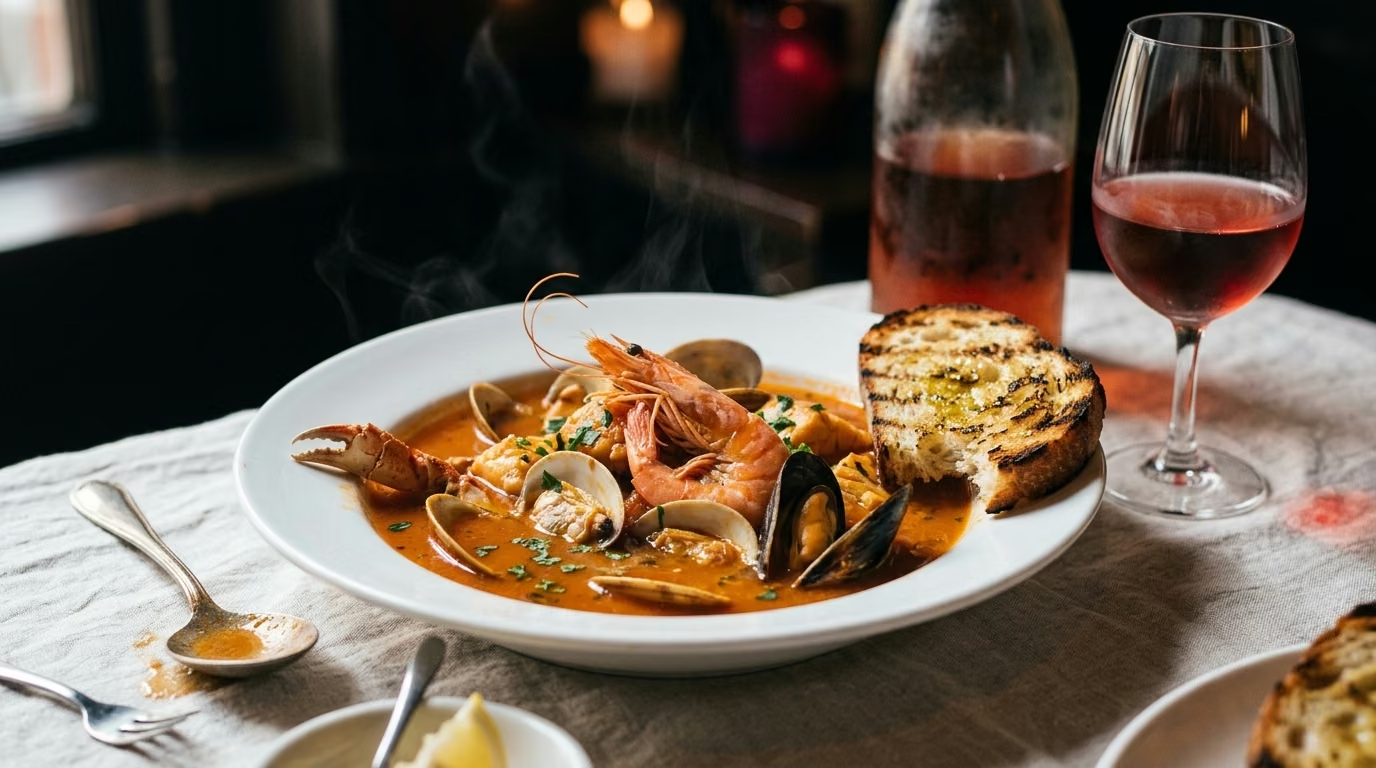
Cioppino is a fish stew from San Francisco, made by Italian, Spanish and Portuguese fishermen who worked off Meiggs Wharf and lived in North Beach in the late 1800s. Many of them came from Genoa. When a fisherman came back empty-handed he would carry a pot around the wharf so the others could chip in whatever they had, and that pot was his cioppino. The name is also traced to ciuppin, a Ligurian fish soup.
Two things in that history do the pairing work for you. The first is that the stew is Ligurian by descent, and Liguria's white grape is Vermentino, which grows along the same coast under the Riviera Ligure di Ponente and Colli di Luni appellations. DNA typing has confirmed that Liguria's Pigato is the same grape. A wine that grew up next to a coastal fish soup tends to fit it, and Vermentino brings exactly what the bowl wants: firm acid, a salty note, and a slightly bitter finish that resets your palate between bites.
The second is that cioppino is built on a wine sauce. Fresh tomatoes go in with the catch of the day and with wine, so there is already dry white in the pot before anything reaches the table. That gives you the single most reliable move in this whole article. Cook with a dry white you would happily drink, then drink the rest of the bottle with the bowl.
What wine goes well with seafood stew?
A crisp, dry white with high acidity, in almost every case. That holds for cioppino, for bouillabaisse, for zuppa di pesce and for most tomato-based seafood stews, because they all set up the same problem for a wine.
Cioppino looks like a seafood dish and drinks like a tomato dish. Tomatoes bring a lot of acid to the bowl. Garlic, fennel, herbs and chili bring the punch. The Dungeness crab, clams, mussels, shrimp and squid bring salt and a natural sweetness. Put all of that in a rich tomato base and a heavy wine turns muddy fast.
So pair to the broth before you pair to the shellfish. The base decides more than the individual pieces of seafood do, which is the opposite of how most people approach it. Two questions will get you there quickly. Is the broth bright and lean, or rich and spicy? Do you want the wine to refresh your palate, or to echo the sauce?
For most bowls, the refreshing option wins. A crisp white lifts the seafood and keeps the tomato from tasting sharp. A big red fights both at once. High tannin can read as metallic next to shellfish, and heavy oak makes the stew taste sweeter and flatter than it is. If you want the general principle rather than this one dish, our guide to pairing wine with food covers matching weight to weight, and cioppino is lighter in texture than it looks.

Which white wines work best with cioppino?
Every white here does the same job in a slightly different way. Pick the one that matches how your bowl is built.
Vermentino, the home-region answer
Saline, citrusy, with a faint bitterness on the finish that behaves like a squeeze of lemon. It comes from the same coast the dish descends from, and it is the bottle we reach for first. Look for Riviera Ligure di Ponente, Colli di Luni, or a Vermentino di Sardegna if the Ligurian versions are hard to find. We compared it with the other great shellfish white in Albarino vs Vermentino.
Albarino, for a shellfish-heavy bowl
If your cioppino is more crab and clams than fish, Albarino from Rias Baixas is the sharper tool. It has the acid to handle the tomato and a sea-air quality that flatters shellfish specifically. It is also one of the easier Spanish whites to find in an American store.
Sauvignon Blanc, for a herb-heavy bowl
When the recipe leans on parsley, basil, fennel fronds or a lot of garlic, Sauvignon Blanc meets those green notes head on rather than sitting under them. New Zealand versions are the loudest and coastal Californian ones are gentler. Either works, and the loud one is better with chili.
Trebbiano d'Abruzzo, the quiet one
An Italian white that asks nothing of you and gets almost nothing wrong. It is dry, moderate in acid, light on aroma, and inexpensive enough that it can be the bottle you cook with and the bottle you drink. If you want one name to remember for a weeknight pot, this is it.
Dry rose, when there is heat in the pot
Rose gives you a touch of red fruit without the tannin grip that clashes with shellfish, and it handles chili better than most whites do. Reach for it when the recipe includes saffron, fennel and a real kick of pepper flakes.
What to skip is easier to state. Anything buttery, sweet or heavily oaked will smother the seafood and make the tomato base taste jammy. A broad, creamy Chardonnay is the classic mistake here, and it only works if your version of the stew is more cream than tomato. The same reasoning applies across the category, which we went into in our guide to wine with shellfish.
When does a red wine work with cioppino?
Red is not wrong, it is just conditional. Open one when the broth is genuinely rich, the tomato is cooked down and deep rather than bright, or the dish carries real heat. In those bowls a light-bodied red with fresh acidity gives you something the whites cannot, which is a fruit note that echoes the sauce instead of cutting it.
Beaujolais is the safest choice, made from Gamay, low in tannin and happy with a slight chill. A light Pinot Noir does the same job. On the Italian side, a vibrant Sangiovese, a young Chianti or an approachable Montepulciano d'Abruzzo all work, and the Montepulciano is the one most likely to be on a neighborhood restaurant list.
The thing that ruins it is tannin. It turns metallic against shellfish and makes the broth feel harsh, so dense Malbec, high-alcohol Zinfandel and anything jammy are the bottles to leave alone. If you normally drink bold reds, go two steps lighter than your instinct rather than one. Serving the red with 20 minutes in the fridge helps more than people expect, and our guide to chilling wine fast covers how far to take it.
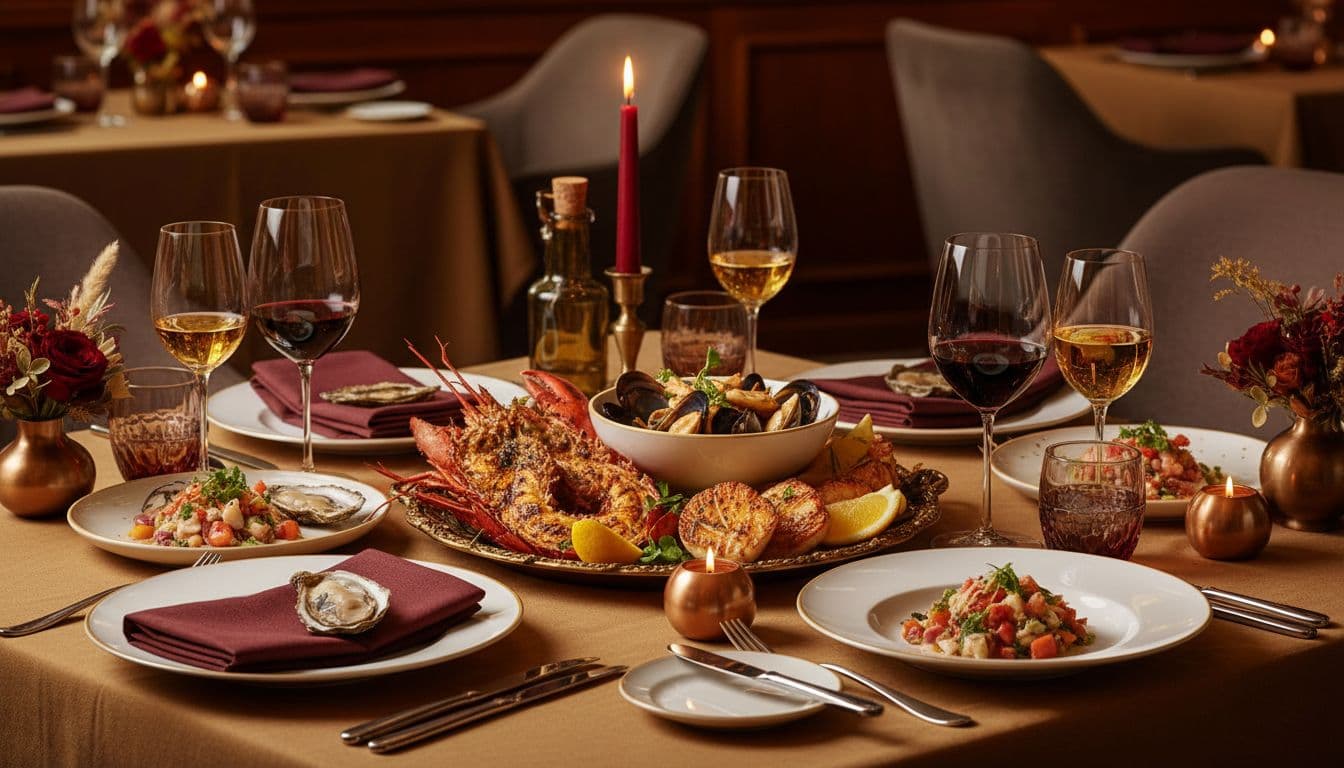
What drink goes well with cioppino if you are not drinking wine?
The same logic transfers to anything else in the glass. You want acidity, bitterness or carbonation to cut the tomato and the richness, and you want to avoid anything sweet or heavy.
A dry Italian pilsner or a crisp lager works well, and so does a saison, whose pepper and citrus notes land close to where a Sauvignon Blanc lands. Skip a heavy IPA, because the bitterness stacks on top of the chili rather than balancing it, and skip a stout entirely. If you are not drinking alcohol, sparkling water with lemon does the actual job the wine is there for, and a dry non-alcoholic sparkling wine or a good sparkling apple cider both work better than any soft drink will.
What is good to serve alongside cioppino?
Bread comes first and last here. Toasted sourdough is the San Francisco answer and grilled French bread is the traditional one, and either acts as the starch in the meal the way pasta would. The stew is built to be dipped into, so bread is not a side dish here, it is part of the dish.
Beyond that, keep it simple, because the bowl is already busy. A green salad with a sharp lemon dressing, some blistered green beans, or roasted fennel if you want to echo what is in the pot. Skip a rich starch like potato gratin or creamy risotto, since the stew already carries the meal. If you are cooking for a crowd, the crab is the part people remember, and our notes on wine with crab apply to that half of the bowl too.
What should you order at a restaurant, or grab at the store?
Use the table for a fast answer, then read the two paragraphs under it for the version you can use without the table in front of you.
| Cioppino style | Best wine style | Why it works |
|---|---|---|
| Classic tomato broth, shellfish-heavy | Vermentino or Albarino | Salty, high-acid whites that match the broth and keep the seafood clear |
| Herb-heavy, citrusy bowl | Sauvignon Blanc | Meets the green notes instead of sitting under them |
| Spicy tomato stew | Dry rose | Handles chili better than most whites, with no tannin grip |
| Richer, darker, cooked-down broth | Beaujolais or light Pinot Noir | Adds a red-fruit echo without the tannin that clashes with shellfish |
| Creamier seafood stew, less tomato | Unoaked Chardonnay | More body for the cream, still clean enough for the seafood |
In a restaurant, the move when you feel stuck is to ask for the crispest dry white available by the glass. That one sentence works almost anywhere and does not require you to recognize a single grape on the list. If the server offers two, take the one with more acidity and less oak. In a San Francisco seafood restaurant you will often find a Vermentino or a Ligurian white on the list specifically because of this dish, so it is worth scanning for.
In a store, go to the Italian section first. Vermentino, Pinot Grigio and dry rose are all common, affordable and easy. A Sauvignon Blanc from New Zealand or coastal California is the backup. If labels are the part that stalls you, use three filters and ignore everything else: stay under medium body, keep sweetness low, and choose fresh over oaky. Our broader guide to choosing wine has the longer version of that framework.
If you are ordering out and the list runs to four pages, Current Venue is the part of Sommy that filters a restaurant's actual list down to what suits you, which is a faster route than reading it twice.
Questions people ask about wine for cioppino
What drink goes well with cioppino?
A dry, high-acid white wine is the standard answer, with Vermentino, Albarino and Sauvignon Blanc the three most reliable styles. If you would rather not drink wine, a crisp lager, an Italian pilsner or a saison all work, and sparkling water with lemon does the same palate-clearing job with no alcohol at all.
What wine goes well with seafood stew?
A crisp dry white with high acidity suits nearly every tomato-based seafood stew, including cioppino, bouillabaisse and zuppa di pesce. Match the wine to the broth rather than to the shellfish, and only move to a light red like Beaujolais when the broth is rich, deep or spicy.
What is good to serve with cioppino?
Toasted sourdough or grilled French bread, which is traditional and acts as the starch of the meal. A sharp green salad, blistered green beans or roasted fennel round it out. Avoid heavy starches like gratin or risotto, because the stew is already a full meal on its own.
Why is white wine usually better than red for cioppino?
Because the acidity in a crisp white acts like a squeeze of lemon over the bowl, and because tannin does not get along with shellfish. Tannic red wine next to clams, crab and mussels can leave a metallic aftertaste, and heavy oak flattens the tomato broth.
Can I serve red wine if my cioppino is very spicy?
Yes, if you keep it light. Choose a low-tannin, fruit-forward red such as a chilled Beaujolais or a light Pinot Noir, which handle the heat without overwhelming the seafood. Leave dense Malbec and high-alcohol Zinfandel out of it.
What should I look for on a wine label if I am not an expert?
Look for the words dry, crisp, citrus or mineral, which point to a wine that will feel fresh rather than heavy. Avoid toasty, buttery and full-bodied unless you know your version of the stew is unusually rich.
Is rose a good option for this stew?
Dry rose is one of the better options, and it is the one we would choose for a spicy bowl. It gives you fruit without tannin, and it suits recipes built on fennel, saffron and chili. Look for the word dry, since a sweet rose will fight the tomato.
Should I use the same wine to cook and to drink?
That is the easiest way to get this right. Cioppino is made with wine in the sauce, so a dry white you would happily drink will both season the pot and pair with the bowl. Never cook with something labeled cooking wine, which is salted and will not taste like anything you want to drink.
The short version
Pour a dry, high-acid white with a bit of salt to it, and Vermentino is the answer with the best reason behind it. Sauvignon Blanc and Albarino are just as safe. Save the light red for a rich or spicy bowl, keep tannin and oak away from the shellfish, and open the same bottle you cooked with.
Confidence matters more here than wine trivia. The bowl is forgiving, the rule is short, and the bread will handle anything the pairing misses.