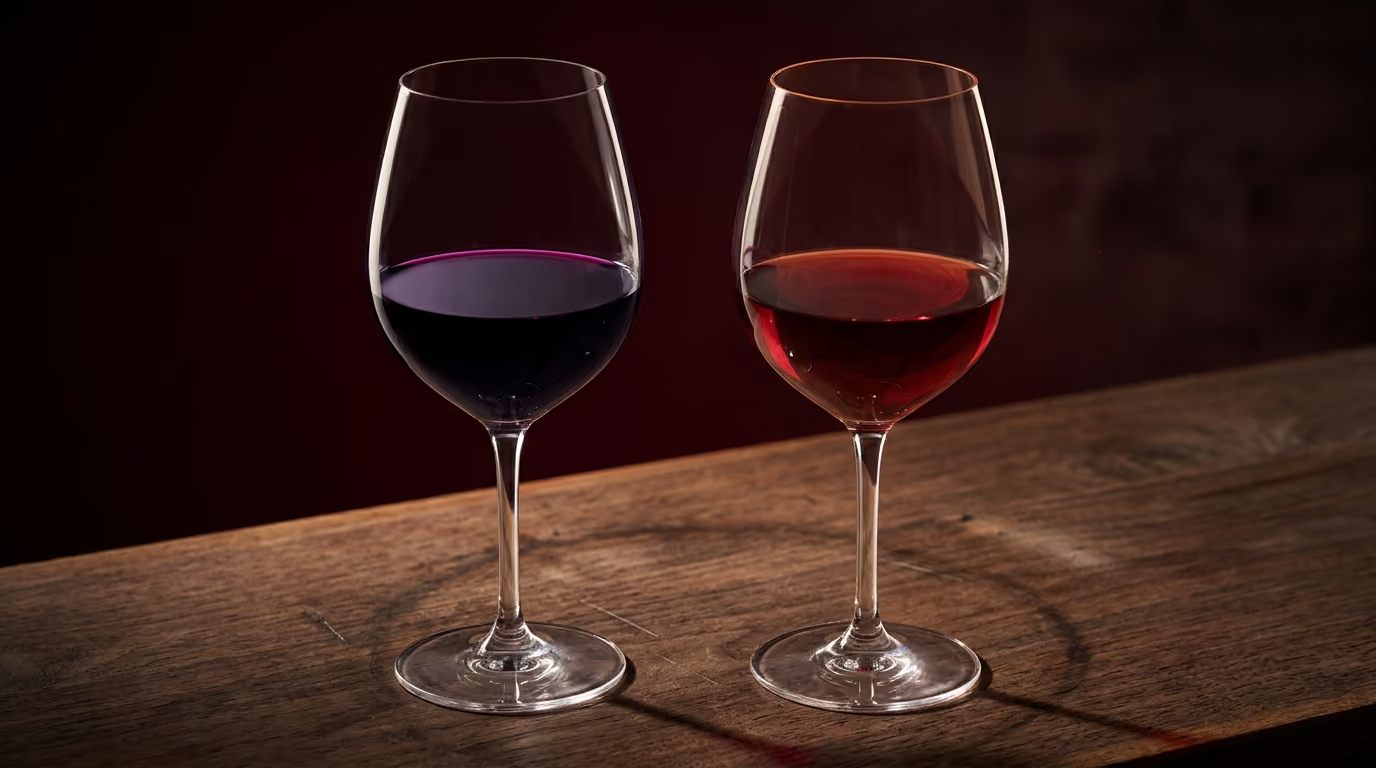


The reds closest to Malbec are Carménère from Chile, Bonarda from Argentina, Primitivo and Nero d'Avola from southern Italy, Syrah from France or Washington State, and Malbec's own French version from Cahors. Which of those you'll actually enjoy depends on which Malbec you drink, because the soft, plummy supermarket bottle and the firmer, more floral high altitude bottle are close to being two different wines wearing the same name. If your Malbec is the easy everyday kind, start with Carménère, Bonarda or Primitivo. If it's the structured kind that you open with dinner, go to Cahors, Syrah or Nero d'Avola instead.
Why do Malbec drinkers keep getting pointed at the wrong bottles?
Because almost every list treats Malbec as one wine, and at this point it really isn't. Argentina's national wine institute reports 46,890 hectares of Malbec at the end of 2025, which is 23.9% of the country's entire vineyard and 42.6% of all red grapes planted for winemaking, and the same report puts Malbec at 54% of domestic varietal sales. A grape planted on that scale, across that many sites and price points, cannot possibly taste the same in every bottle.
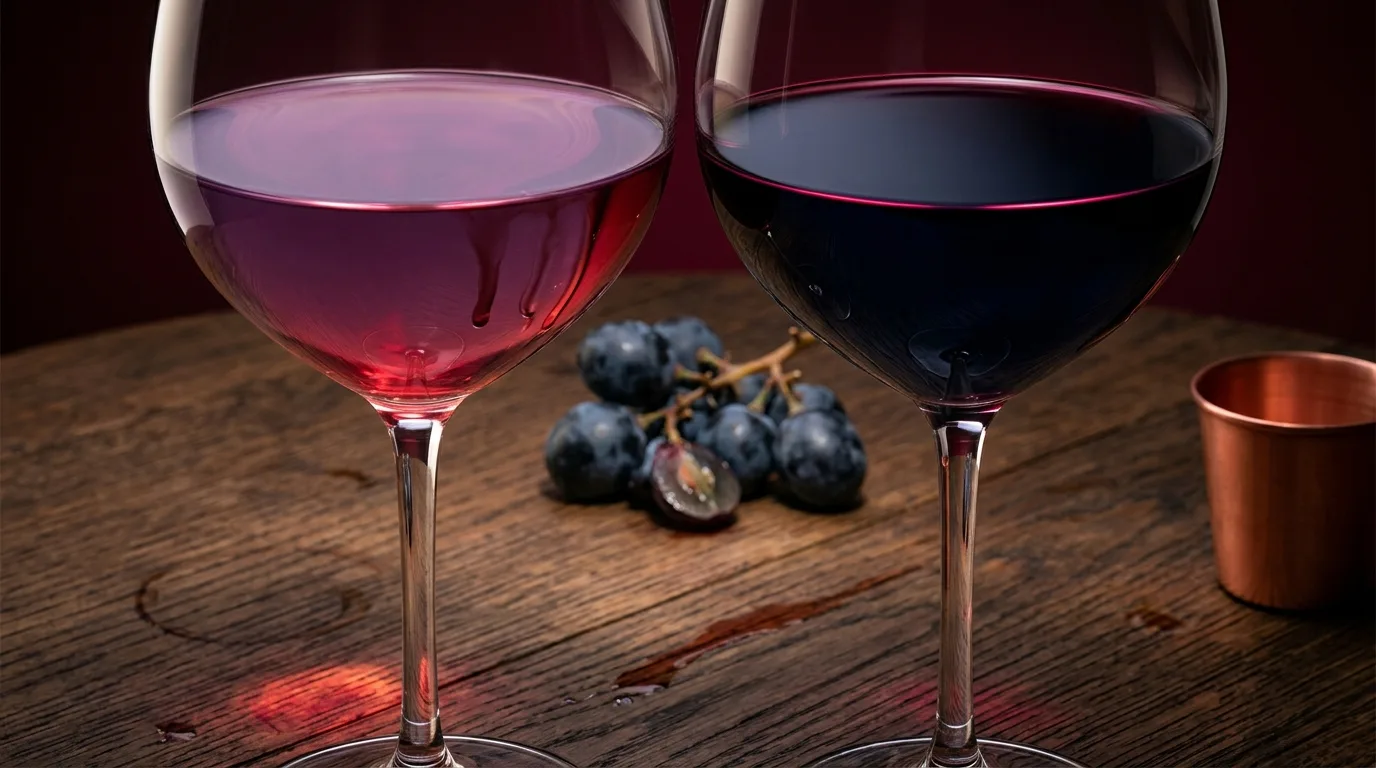
In practice you meet two versions of it on American shelves. The first is the everyday Mendoza style, which is soft and rounded with blueberry and plum in front, sweet vanilla oak underneath, very little acidity and tannins that never grip hard. It's designed to be poured without a plan and it works. The second is the higher altitude style, usually from the Uco Valley, and it's a noticeably different drink: darker and more floral, with a violet note, firmer tannin, a savory edge behind the fruit and enough structure that it genuinely wants food alongside it.
Both are Malbec, and someone who loves one can be lukewarm about the other. So when a stranger on a forum tells a Malbec drinker to go buy Mourvèdre, the advice isn't wrong exactly, it's just aimed at a reader who may not exist. That's why so many of these recommendations land badly. If you want more on what the grape does across both styles, our notes on what Malbec actually tastes like cover the range in more detail.
There are three things worth matching, and only three. You want dark fruit rather than red fruit, tannin that's present without drying your mouth out, and a warm, low acid mouthfeel that makes the wine easy to drink on its own. Once you're holding those three as your test, the choice below gets much simpler, and you stop buying bottles that are technically similar and practically disappointing.
What is the closest wine to an everyday Argentine Malbec?
Carménère from Chile is the closest single answer for anyone drinking the soft, fruity, everyday style. It has the same deep color and plush dark fruit, tannins that stay smooth rather than grabbing, and the same low acidity that makes Malbec so easy to pour without food. The one difference you'll notice straight away is a green herbal note, somewhere between bell pepper and dried herbs, sitting behind the fruit.
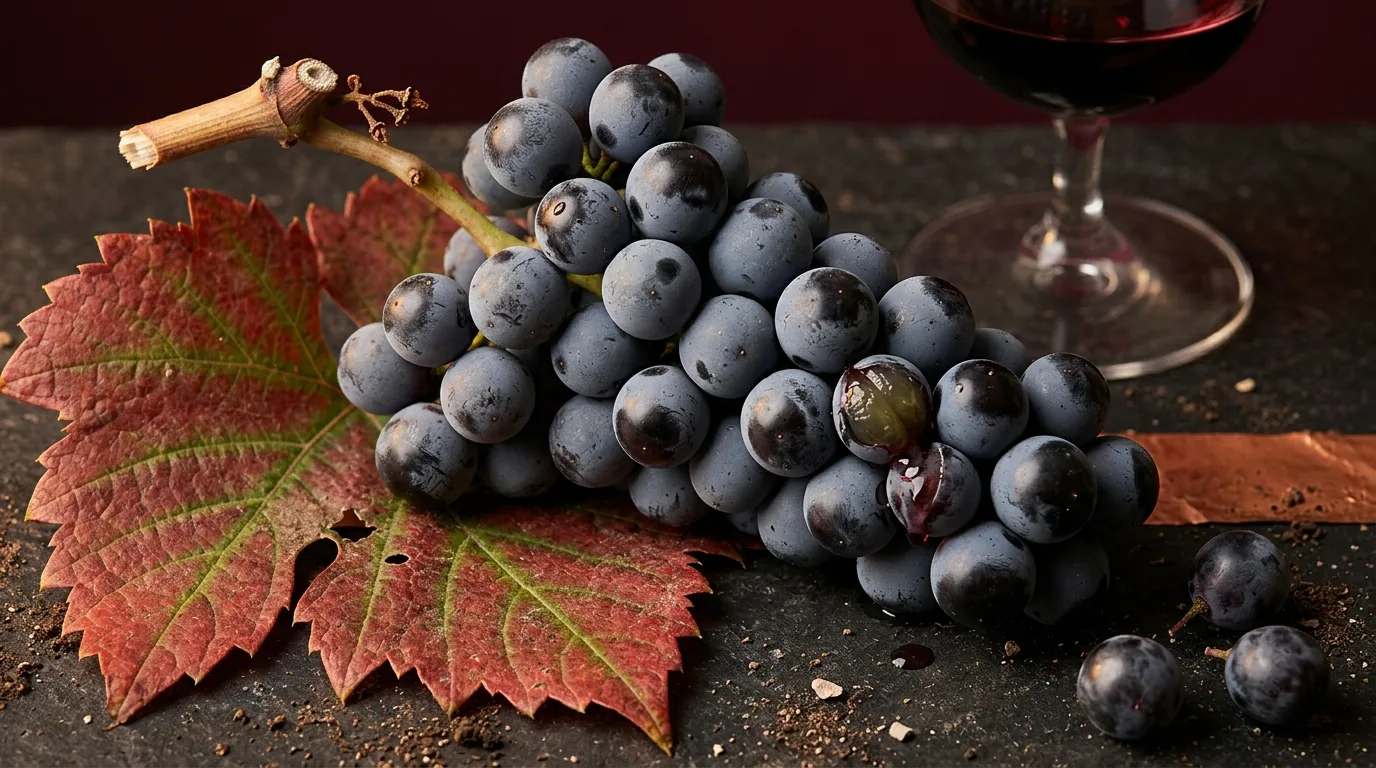
The two grapes have more history in common than most people realize. Bordeaux's own trade body lists Malbec and Carménère together as auxiliary varieties, sharing just 2% of the region's vineyard with Petit Verdot while Merlot takes 66% and Cabernet Sauvignon 22.5%. Both grapes were bit players in Bordeaux, both left, and both became the signature red of a South American country instead. Chile's 2022 national vineyard census from the SAG puts Carménère at 10,219.62 hectares, or 7.92% of everything planted, which makes it the fifth most planted variety in the country behind Cabernet Sauvignon, Sauvignon Blanc, Merlot and País.
Being honest about the trade-off matters here. That green note divides people, and if you already know you dislike the herbal edge in a cheap Cabernet, Carménère will probably annoy you in the same way. Riper bottles from warmer sites show much less of it, and letting the wine sit in the glass for twenty minutes softens it further. For most Malbec drinkers it reads as extra interest rather than a fault, and it's the reason Carménère feels like a wine with something to say rather than a copy.
Which red should you try before you leave Argentina?
Bonarda deserves the first look, because it's already sitting in the same aisle and almost nobody outside Argentina asks for it. The national wine institute records 16,360 hectares of Bonarda in 2025, which is 8.3% of the country's vines and 14.9% of its reds, making it the second most planted red grape in Argentina after Malbec and the third overall.
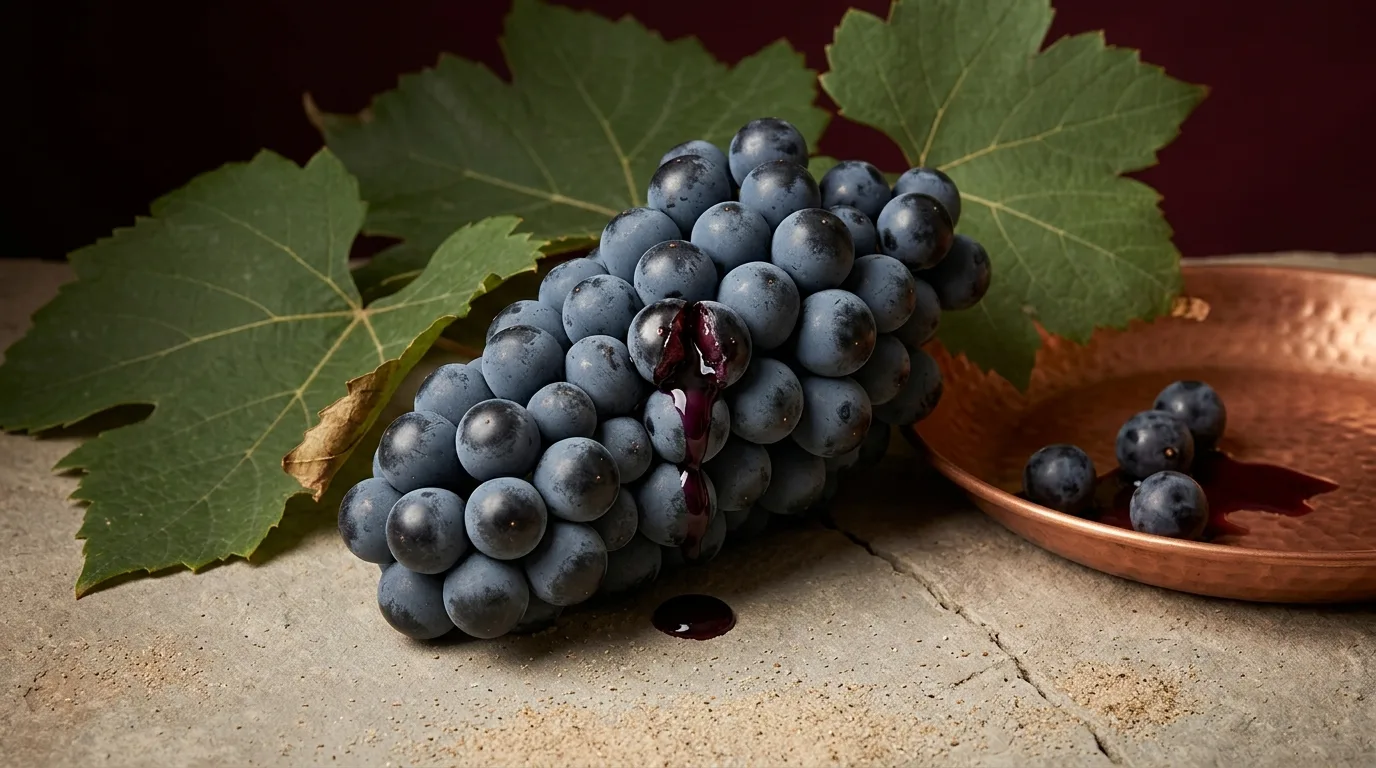
The same report traces the grape back to Savoie in eastern France, where it's known as Corbeau, and notes that in the United States it goes by yet another name, Charbono. So a bottle of Californian Charbono and a bottle of Argentine Bonarda are the same grape with two passports, which is a useful thing to know if you ever spot the American version and wonder what it is. Almost all of Argentina's plantings sit in Mendoza, San Juan and La Rioja, with the institute putting 99% of the total in those three provinces.
What it tastes like is Malbec with the volume turned down and the juice turned up. You get the same dark berry fruit and the same generous, low acid feel, but with lighter tannin and usually far less new oak, which leaves the fruit tasting fresher and more direct. It's the bottle to reach for when you want the everyday Malbec experience on a warm evening or with lighter food, and it tends to cost less than a Malbec of equivalent quality because the name carries no premium. The catch is distribution, since far fewer Bonarda bottles reach American shelves than Malbec does, so it's worth asking rather than assuming you'll find one.
Is French Malbec the same wine as Argentine Malbec?
It's the same grape and a genuinely different wine, which is why Cahors belongs on this list at all. The appellation's own governing body states that AOC Cahors was created in 1971 for red wines only, with Malbec required to make up at least 70% of the blend, and that just two accessory grapes are permitted alongside it, Tannat and Merlot.
The scale tells you something too. Cahors had 3,323 hectares planted in 2020 within a defined appellation area of 21,700 hectares spread across 45 communes of the Lot valley, and it produces up to 15 million bottles in a good year. Set that against Argentina's 46,890 hectares of Malbec and you can see why the French original is the harder bottle to find, even though it's where the grape came from.
In the glass, Cahors runs darker, drier and more savory than the Argentine style, with firmer tannin, less obvious oak sweetness and a mineral, almost stony quality underneath the black fruit. The Tannat allowance is part of the reason it can feel grippier, since Tannat is one of the most tannic red grapes in France and even a small proportion of it firms up the finish. This is the bottle for anyone drinking the high altitude Argentine style who wants to go further in that direction, and it's the wrong bottle for anyone who loves Malbec because it's soft and needs nothing from them. Buy it with a meal rather than for the sofa.
Which Italian reds land closest to Malbec?
Primitivo from Puglia is the closest Italian match for the everyday style, and Nero d'Avola from Sicily is the closest for anyone who eats while they drink. Both are widely available in American stores, which is not something you can say about every recommendation on a list like this one.
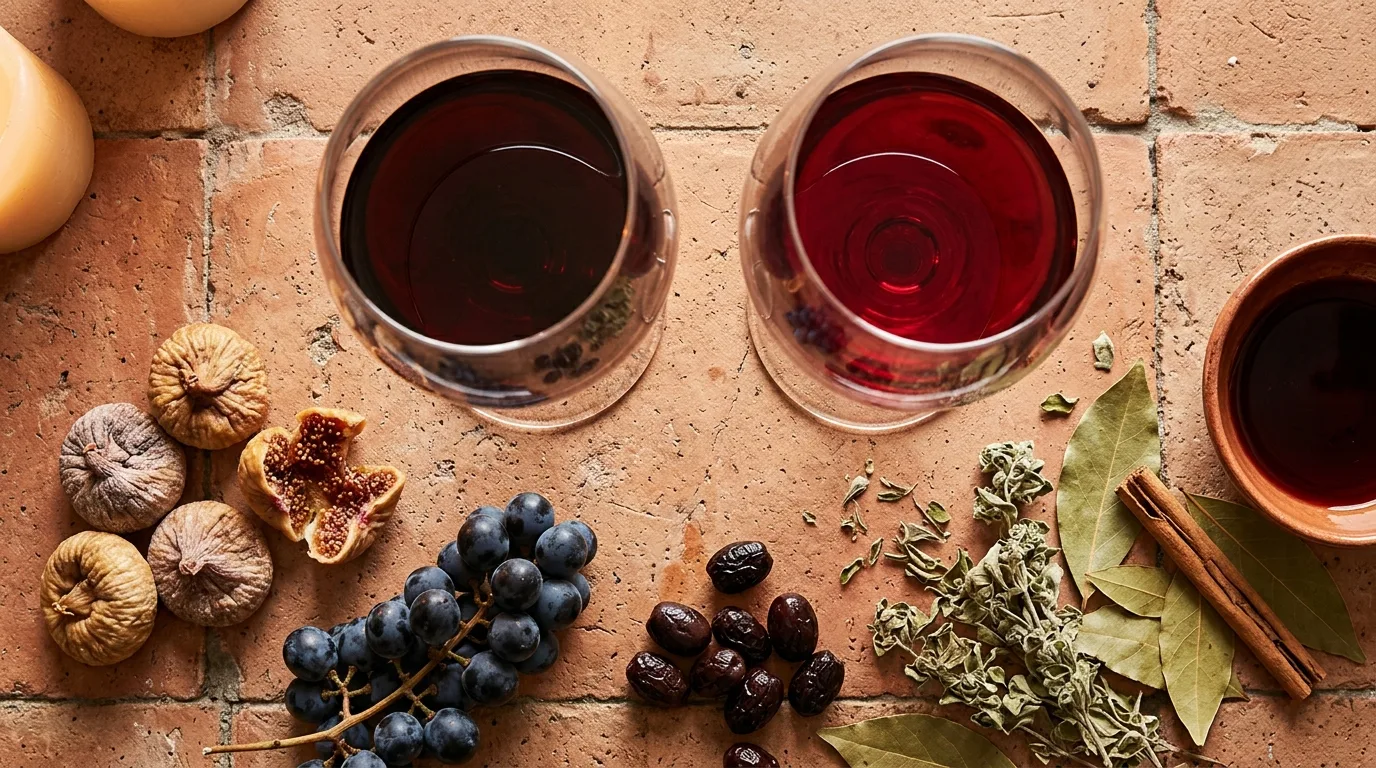
Primitivo gives you ripe, warm, generous dark fruit with soft tannins and a noticeable impression of sweetness that comes from ripeness and alcohol rather than sugar. Dried fig, blackberry and a warm baking spice character sit where Malbec puts blueberry and vanilla, and the overall shape of the wine in your mouth is remarkably close. If the thing you love about your Malbec is that it feels filling and comforting and asks nothing of you, this is the swap most likely to work on the first try.
Nero d'Avola takes a different route to a similar place. It has the dark fruit and the body, but it carries a bitter cherry edge, a dusty Mediterranean herb character and more acidity than Malbec ever shows, so it tastes less plush and considerably more savory. That acidity is exactly why it handles food better, and it's the bottle to open with lamb, grilled vegetables, hard cheese or anything that came off charcoal. Someone who drinks Malbec purely as a sofa wine may find it too dry and too firm, and that's a reasonable reaction rather than a failure of taste.
What should you drink if you want more spice or more grip?
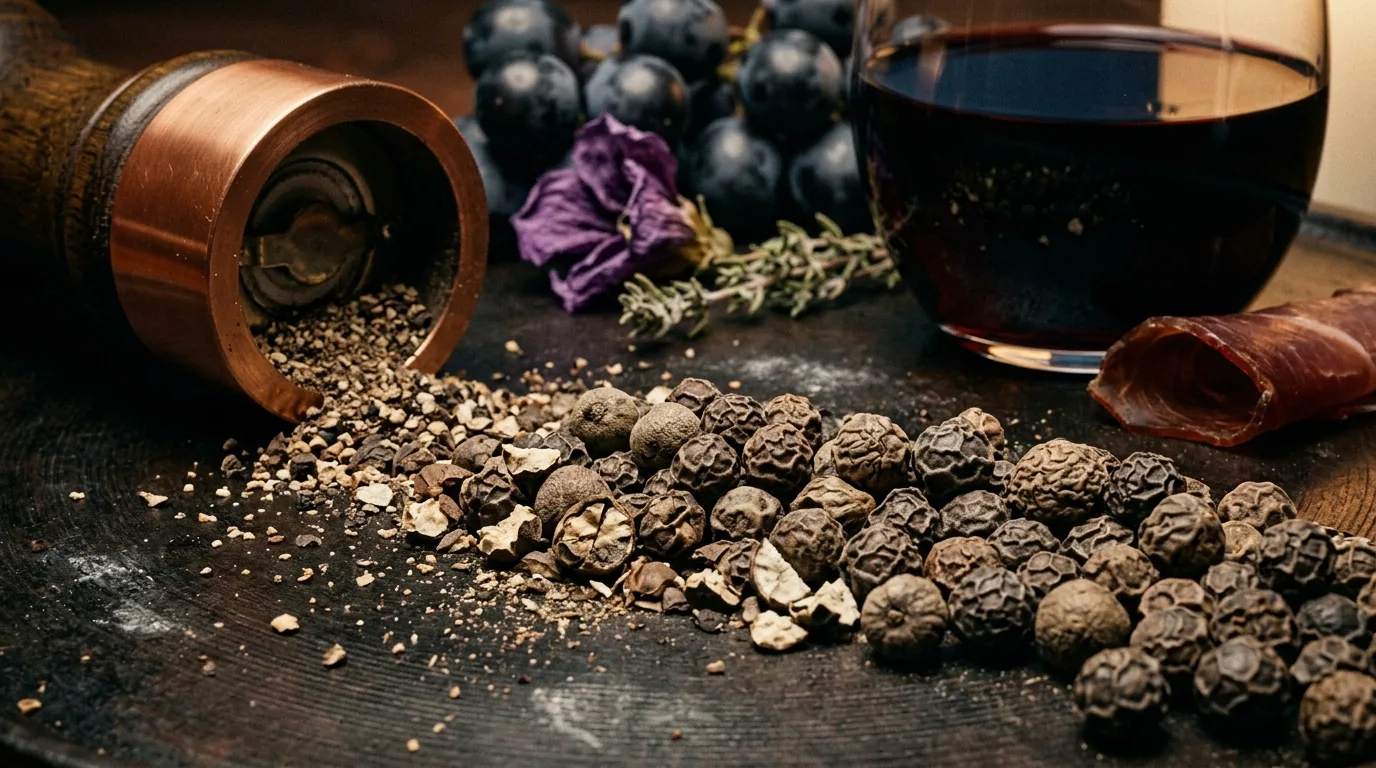
Syrah is the answer for more spice, and Tannat is the answer for more grip. Syrah keeps Malbec's weight and dark fruit but swaps the blueberry and vanilla for cracked black pepper, smoked meat and violet, which gives you a wine of a similar size with considerably more going on inside it.
Where the Syrah comes from changes it a lot. Northern Rhône bottles lean hardest into the pepper, smoke and savory side, Washington State sits in the middle with dark fruit and a firm structure, and Australian Shiraz swings back toward ripe fruit and warmth, which makes it the friendliest version for a Malbec drinker taking a first step. Our comparison of Syrah and Shiraz as two styles of one grape walks through how to tell which one you're buying from the label alone.
Tannat goes further than most people expect, and it's worth knowing that Cahors permits it as a blending grape precisely because it adds structure. On its own, in Uruguay or in Madiran in southwest France, it's dense and firmly tannic and needs food or a few years in the bottle to relax. Try it if you find Malbec pleasant but slightly too easy, and skip it if you'd rather your red wine didn't argue with you.
Here's how the six compare on the things that actually decide whether you'll like them:
WineWhere fromClosest toWhat changesCarménèreChileEveryday MalbecA green herbal note behind the dark fruitBonardaArgentinaEveryday MalbecJuicier and lighter, much less oakPrimitivoPuglia, ItalyEveryday MalbecRiper and warmer, dried fig and spiceNero d'AvolaSicily, ItalyHigh altitude MalbecMore acidity, bitter cherry, better with foodCahors MalbecLot valley, FranceHigh altitude MalbecDrier, firmer, savory and mineralSyrahFrance, USA, AustraliaHigh altitude MalbecBlack pepper and smoke instead of vanilla
If you want the other side of that comparison, our head to head on Malbec against Cabernet Sauvignon covers the grape most people try next by default, and explains why it often feels like a step sideways rather than forward.
Is Pinot Noir similar to Malbec?
No, and this is the single most common wrong turn for a Malbec drinker. Pinot Noir sits at the opposite end of every measure that matters here: it's light bodied where Malbec is full, high in acidity where Malbec is low, built on red fruit like cherry and raspberry rather than black fruit, and its tannins are fine and silky instead of broad and mouth-filling. Someone who likes Malbec for its weight and softness usually finds Pinot Noir thin and sharp on the first glass.
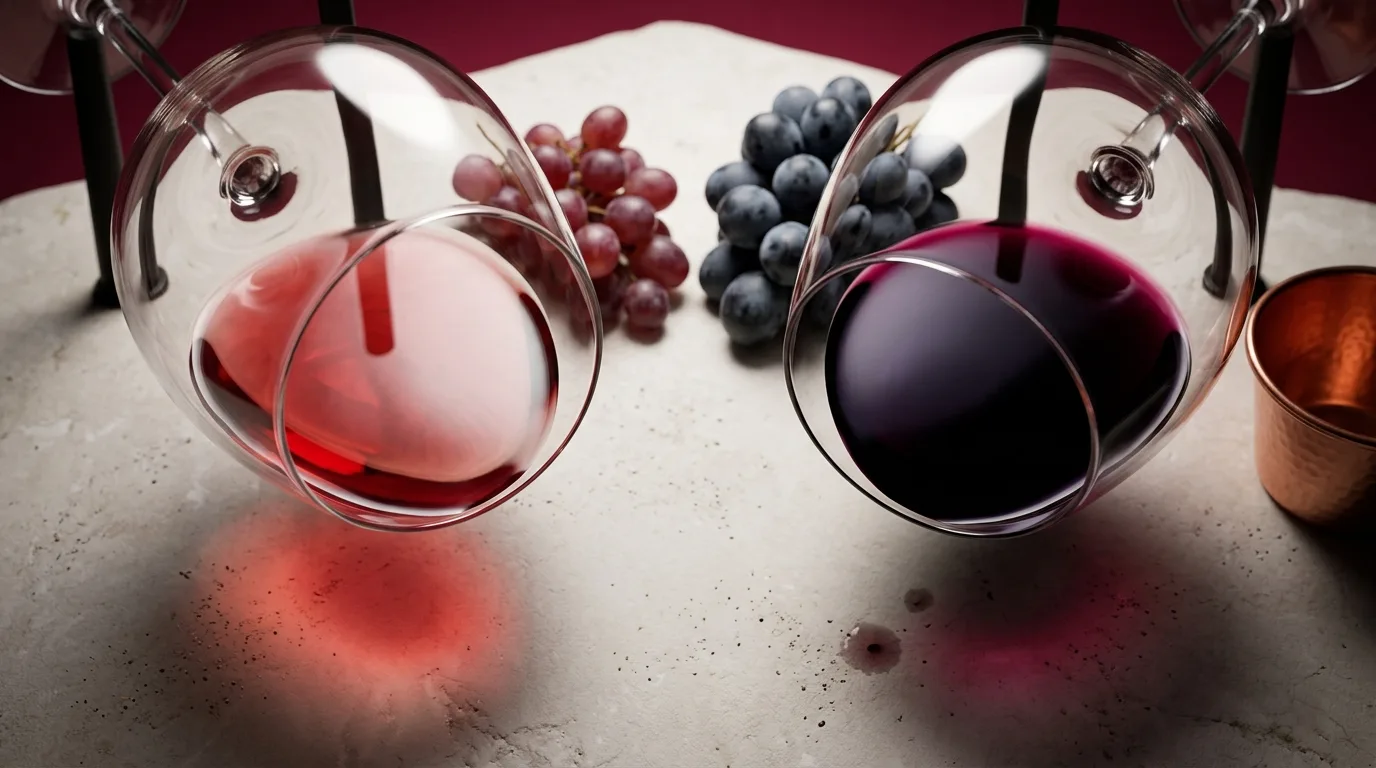
That doesn't make Pinot Noir a worse wine, and plenty of people drink both happily. It just means it belongs to a different family, and buying it as a Malbec substitute sets you up to be disappointed for reasons that have nothing to do with the bottle's quality. We've put the two side by side in Pinot Noir versus Malbec if you want the full comparison before you spend anything.
Merlot is a much fairer question, and the honest answer is that it's genuinely close. Merlot shares the plum fruit, the soft tannin and the low acidity, and a ripe New World Merlot can sit very near an everyday Malbec, though it's usually a little rounder and a little less dark in flavor. Whether it's nicer is not a question anyone can answer for you, because the two are close enough that it comes down to personal preference rather than quality. If Merlot is where you're starting from instead, we've written separately about wines similar to Merlot.
Frequently asked questions
What wine is most similar to Malbec?
Carménère from Chile is the closest match for the soft, everyday Argentine style, because it shares the deep color, the plush dark fruit and the low acidity, with a green herbal note as the main difference. For the firmer high altitude style, Cahors is closer, since it's literally the same grape grown in its French homeland.
What red wines are similar to Malbec?
Carménère, Bonarda, Primitivo, Nero d'Avola, Syrah and Cahors Malbec cover almost everyone. The first three suit the easy everyday bottle and the last three suit the structured one, so pick your side before you pick your grape.
Is Pinot Noir similar to Malbec?
No, it isn't, and the differences run through everything that matters. Pinot Noir is lighter in body, higher in acidity and built on red fruit rather than black, with fine silky tannins instead of Malbec's broader ones. It's a good wine that fails as a Malbec substitute for structural reasons rather than quality ones.
Which is nicer, Malbec or Merlot?
Neither is objectively nicer, and they're close enough that it comes down to what you personally like. Merlot tends to be rounder and a shade lighter in flavor, while Malbec runs darker with a firmer edge, so people who want more grip usually prefer Malbec and people who want more softness usually prefer Merlot.
Is French or Argentinian Malbec better?
They're built for different occasions rather than ranked against each other. Cahors requires at least 70% Malbec and produces a drier, firmer, more savory wine that suits the dinner table, while Argentine Malbec is generally softer, fruitier and easier to drink on its own.
Are there Italian wines similar to Malbec?
Primitivo from Puglia is the closest, with ripe dark fruit, soft tannins and a warm generous feel that mirrors an everyday Malbec. Nero d'Avola from Sicily is the other one to know, though its higher acidity and bitter cherry edge make it better with food than on its own.
Is Malbec considered a cheap wine?
Malbec has a reputation for value rather than for being cheap, and Argentina's own figures show why: it's the country's most planted variety at 46,890 hectares, so there's plenty of it at every price. The inexpensive bottles are genuinely good for the money, and the high altitude ones from the Uco Valley compete with far more expensive wines from elsewhere.
What type of wine is Malbec like?
It's a full bodied, dark fruited dry red with low acidity and smooth tannins, which puts it in the same broad family as Syrah, Carménère and ripe Merlot. It's noticeably softer than Cabernet Sauvignon and much rounder than anything from the Pinot Noir side of the spectrum.
How to choose your next bottle without wasting money
Start by deciding which Malbec you actually buy, because everything else follows from that. If it's the soft supermarket bottle you open on a Tuesday, your shortlist is Carménère, Bonarda and Primitivo, and any of the three has a good chance of working first time. If it's the firmer high altitude bottle you save for dinner, go to Cahors, Nero d'Avola or Syrah and expect a wine that asks for food rather than one that pours itself.
There's a second question worth asking before you spend anything, which is what you want the new bottle to do differently. Wanting the same thing more cheaply points you at Bonarda. Wanting the same shape with more flavor points you at Primitivo. Wanting more spice points you at Syrah, wanting more structure points you at Cahors or Tannat, and wanting something that finally works with your cooking points you at Nero d'Avola. Naming that goal turns a shelf full of options into two or three real candidates.
If you'd rather stay in Argentina while you explore, our guide to the best Malbec in Argentina is a reasonable place to look for a better version of what you already drink before you change grape at all. Plenty of people find that the gap between a cheap Malbec and a good one is wider than the gap between Malbec and its nearest neighbors.
The honest limit of any list like this one is that we're matching wines to a wine, not to you. We can tell you that Carménère shares Malbec's shape and that Cahors shares its grape, but we can't tell you whether that green herbal note will delight you or put you off, and that single detail decides the whole purchase. This is where Sommy's Find Similar earns its place: you name the bottle you already like, and it works outward from there instead of asking you to describe your taste in words you might not have. It's the same move this article makes, with your own ratings doing the work rather than our general advice.