
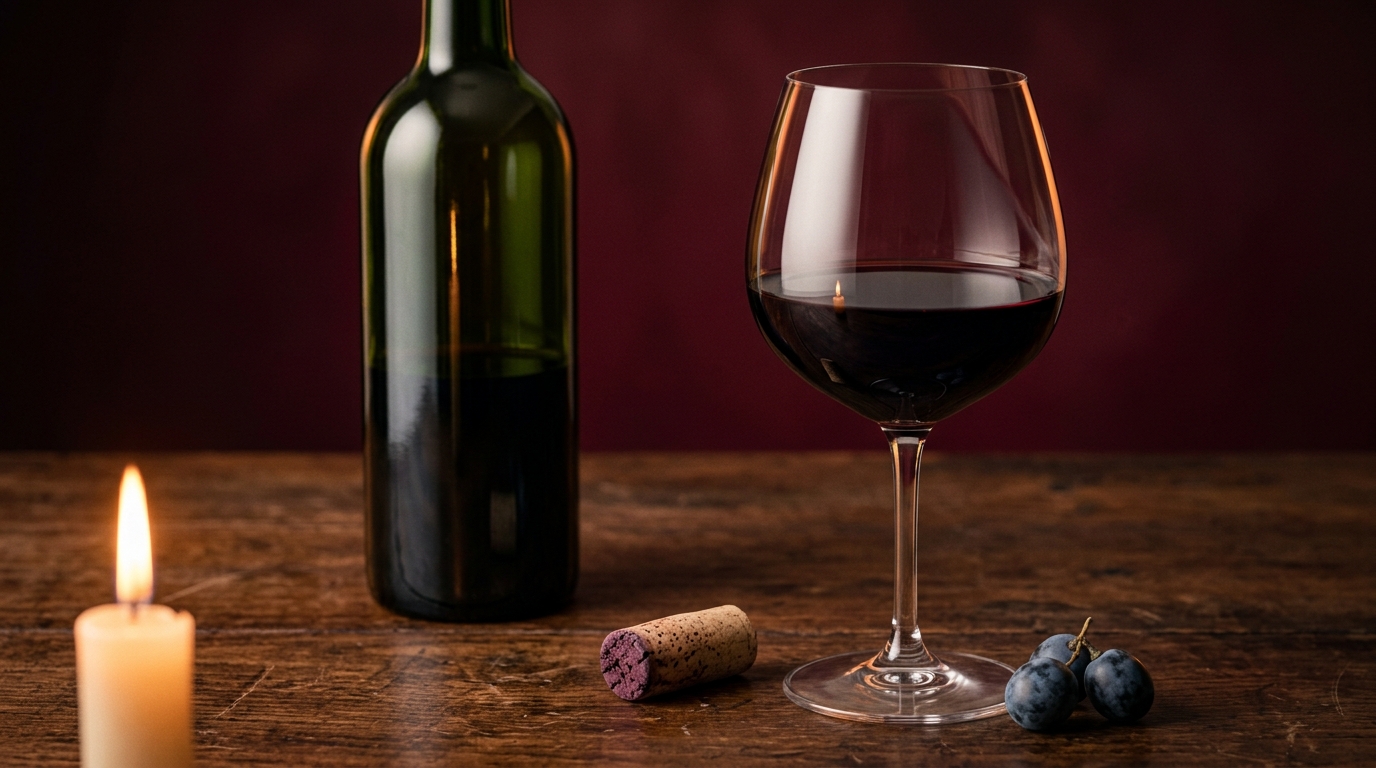

Tannat is a dark, full-bodied red grape from Madiran in southwest France, and it's the national red of Uruguay. It tastes of black currant, plum, licorice and smoke, and it carries more tannin than almost any other red you'll meet. Whether you enjoy it comes down to one question: how much drying grip do you like in a glass? If Cabernet Sauvignon's firmness suits you, Tannat will suit you too.
The awkward part is that two bottles of Tannat can feel like completely different wines. One slips down over dinner without any effort. The other clamps your mouth shut and wants an hour in a decanter first. The label usually tells you which one you're holding, and this piece is mostly about the three or four words that give it away.
What does Tannat wine taste like?
Tannat tastes of black currant, red plum, licorice, smoked meat and black cardamom, in a dry, full-bodied wine with high tannin and moderately high acidity, according to the Tannat varietal profile at Wine Folly written by Master of Wine Christine Marsiglio. Alcohol usually lands between 13.5 and 15 percent, which is high but not unusual for a big red.
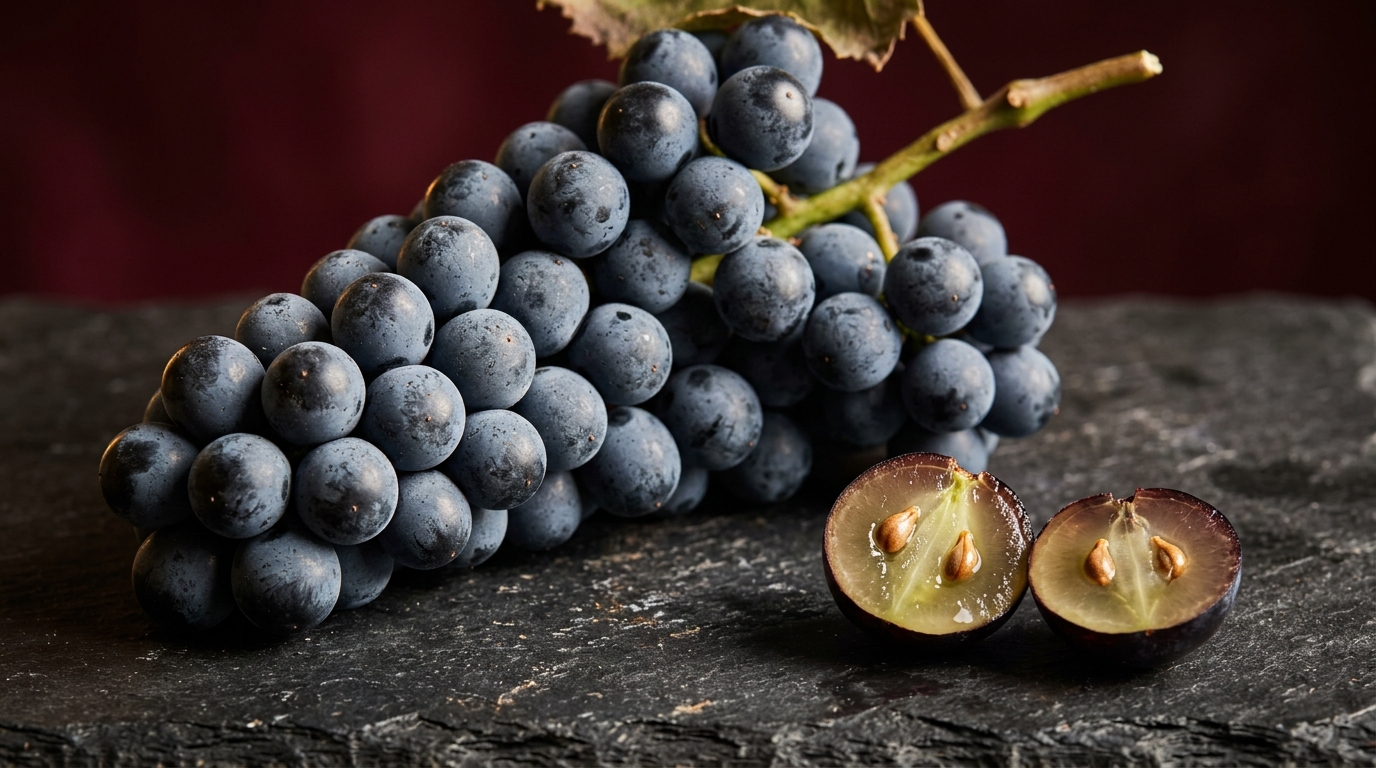
The flavors matter less than the texture here. Tannat shares a root with the word tannin, and the grape has earned the name honestly. Its berries have unusually thick skins and often carry five seeds each, where most wine grapes carry two or three, a detail the same Wine Folly profile records. Skins and seeds are where tannin comes from, so a grape carrying more of both makes a wine that grips harder than its neighbors.
That grip is a physical sensation rather than a flavor. It's the drying, slightly furry feeling across your gums after very strong black tea, and it's the single thing that decides whether the second glass appeals to you. If the sensation is new, our piece on what wine tannins actually do to your mouth covers it properly.
Dark fruit doesn't mean sweetness, either. Almost every Tannat you'll find is dry, and a tasting note promising plum is describing an aroma, not sugar. Words like firm, structured and grippy tell you far more about the drinking experience than another round of fruit adjectives.
Will you actually like Tannat?
You'll probably enjoy Tannat if you already reach for Cabernet Sauvignon, Malbec or a Bordeaux blend, and you'll probably find it hard work if your house red is Pinot Noir. Tannat sits at the firm end of the same spectrum Cabernet occupies, a couple of steps further along it.
Tolerance for grip is personal in a way that flavor preference isn't. Two people can agree completely that a wine tastes of blackberry and smoke, then disagree about whether it's pleasant to drink, because one of them finds the drying finish satisfying and the other finds it aggressive. No tasting note on a shelf tag can settle that argument for you, which is why so many people bounce off big reds and conclude they don't like red wine at all.
A useful way to place yourself is to think about the last bold red you finished happily rather than the last one you admired. Our guide to choosing a bold red wine you'll love works through that, and the Malbec and Cabernet Sauvignon comparison is a good calibration point, since Tannat is firmer than both.
How do you tell a grippy Tannat from a smooth one on the shelf?
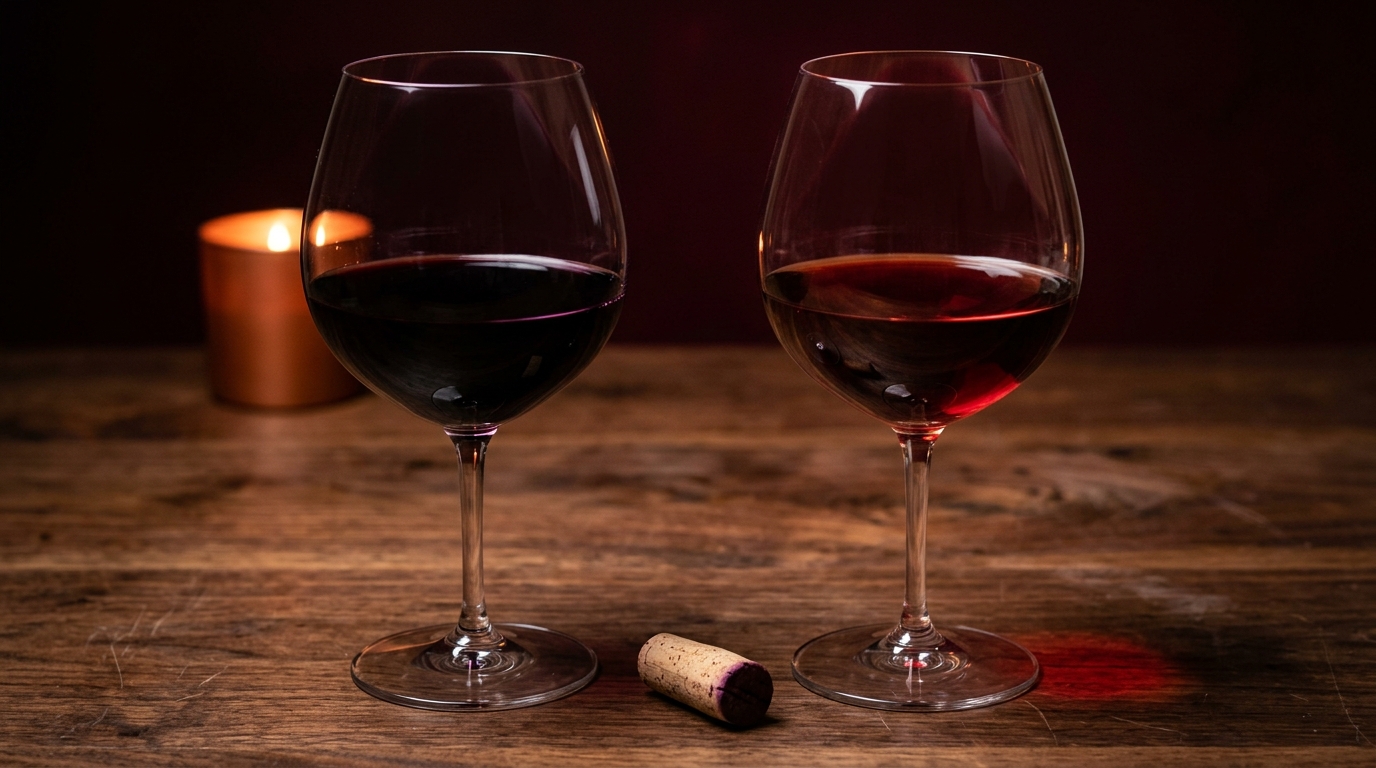
Read the country first, then look for a blending partner or the word oak. A Uruguayan Tannat blended with Cabernet Sauvignon and given some barrel time will be the approachable bottle. A 100 percent Tannat from Madiran in a recent vintage will be the demanding one.
Here's what the back label is actually telling you.
| What the label says | What it usually predicts |
|---|---|
| Uruguay, Canelones or Maldonado | Riper black fruit, softer grip, fine to open tonight |
| Madiran | Firmer grip, built to age, worth a decant |
| Blended with Cabernet Sauvignon or Cabernet Franc | Rounder edges and a gentler start |
| 100 percent Tannat, no blending partner | The full, uncut version of the grape |
| Barrel aged, or any mention of oak | Smoother tannins from time and slow oxygen |
| A vintage four or more years back | Some of the grip already softened in the bottle |
Each of those signals has a reason behind it. Madiran producers have long blended Cabernet Sauvignon or Cabernet Franc into Tannat to open it up, a habit Tablas Creek Vineyard describes on its Tannat page, and the fact that Cabernet is the softening agent tells you plenty about the base wine. Oak does similar work: barrels let small amounts of oxygen reach the wine over months, which links the tannin molecules into longer chains that feel smoother on the palate. Wine Folly's profile also notes that Madiran bottlings reward ten or more years in a cellar, so a wine released last year hasn't had time to do any of that softening on its own.
This is the moment where a phone genuinely helps. If you're holding an unfamiliar bottle and want a verdict before you commit, Fit Check reads the bottle against your own Taste Profile and tells you whether it's your kind of wine rather than a good wine in the abstract, which is the question you're actually asking in the aisle.
Uruguay or Madiran: where should you start?
Start with Uruguay unless you actively enjoy a tannic wine. Uruguayan Tannat is lighter in body and lower in tannin than the Madiran original, as Wikipedia's Tannat entry summarizes, and Wine Folly attributes much of the difference to clonal selection: Uruguayan growers have deliberately propagated vines that give softer, more floral wines, while the cuttings that first arrived kept Madiran's grip.
That arrival is a good story. Basque settlers carried the vine across in the nineteenth century, Pascual Harriague chief among them, and the grape is still called Harriague in parts of the country. It adapted so completely that Uruguay now treats it as the national red, and Wine Folly's profile records Tannat as the country's most planted grape variety. Bodega Garzón is one Uruguayan producer worth looking for, and a fair introduction to the softer style.
Madiran is the other direction entirely. These are dense, structured wines that typically spend around twenty months in oak before release, and they're the reason someone there invented a technique specifically to tame the grape. In 1990, as Wikipedia's Tannat entry records, the Madiran winemaker Patrick Ducournau began feeding tiny, controlled amounts of oxygen into fermenting Tannat, which became the modern process known as micro-oxygenation and is now used on hard, tannic wines worldwide. A region that had to invent a machine to soften its own red is telling you something about the red.
There's an American third option too. Tablas Creek in Paso Robles petitioned federal regulators to recognize Tannat as a varietal name and won approval in September 2002, and its own Tannat page records 573 acres of Tannat planted across California as of 2025, most of it grown from Tablas Creek cuttings. California versions tend to land between the two extremes, ripe like Uruguay but with more of Madiran's backbone.
What food goes with Tannat?
Put Tannat next to grilled steak, roast lamb, sausages, cassoulet or anything that's been over charcoal. Fat and char are what tannin was built for, and a rich, well-seasoned piece of meat makes a grippy wine taste noticeably rounder than it does on its own.
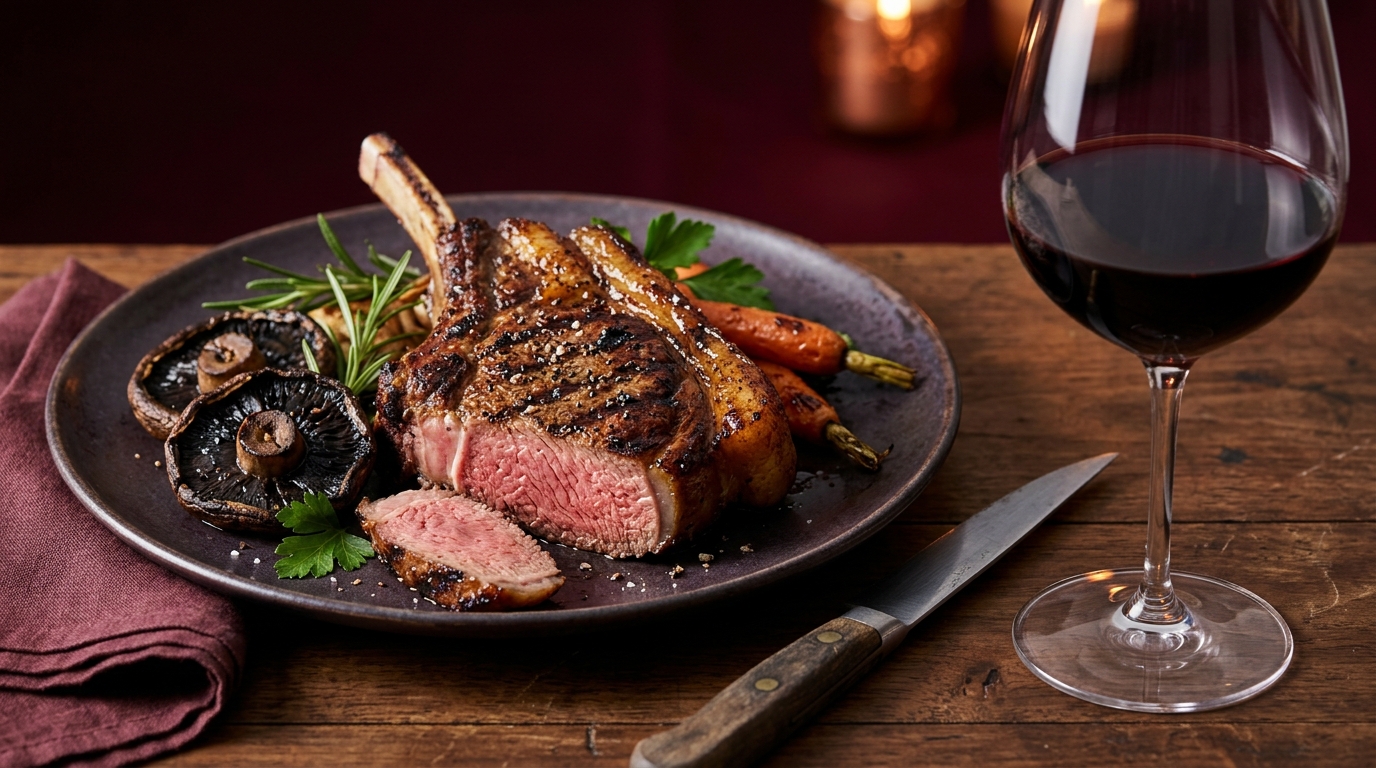
The mechanism is simple enough, and it works on your palate rather than in the bottle. Tannin binds to protein and fat, so a mouthful of lamb absorbs some of the drying effect before it reaches your gums, and the wine reads as softer without changing at all. This is why the same bottle can seem punishing before dinner and perfectly balanced twenty minutes later.
Without meat on the table, aged cheddar, black bean burgers and charred portobello mushrooms all hold up, because they bring either fat or a smoky char of their own. What doesn't work is anything delicate. A flaky white fish or a lightly dressed salad will disappear underneath the wine completely, and no amount of good intentions rescues that match. Our broader guide to pairing wine with food covers how to judge weight before you open anything.
Should you decant Tannat, and how cold should it be?
Give a young Tannat about an hour in a decanter and serve it between 60 and 68 degrees Fahrenheit in a large, wide glass, which is what Wine Folly's profile recommends for the grape. Both moves target the same problem, since air and a bit of surface area soften the tannic edge faster than anything else available at the table.
Temperature does more here than people expect. A red served too warm tastes alcoholic and flabby, while one served slightly below room temperature keeps its fruit tight and its structure reading as freshness rather than as bite. Our piece on when to decant a wine and when to leave it alone explains which bottles gain nothing from the ritual.
If you don't own a decanter, pour a glass, wait twenty minutes and taste it again. A Tannat that felt harsh on opening will often have relaxed measurably, and that tells you whether the rest of the bottle needs more time or is ready as it is.
Is Tannat really the healthiest red wine?
Tannat does contain more polyphenols than most red grapes, and that chemistry is real, but the leap from there to a health benefit isn't a claim we'll make. Tablas Creek's page on the grape cites research by Dr. Roger Corder at the William Harvey Research Institute, who measured the oligomeric procyanidin concentration of several common red varieties and found Tannat the highest of them.
Higher concentration of a compound in a glass is a measurement. An effect on your health is a much larger claim, involving dose, everything else you eat and drink, and the alcohol arriving alongside those compounds. Plenty of articles collapse that distance in a single sentence, and you should be suspicious of any of them that do.
So drink Tannat because you like a firm, dark, savory red with dinner. If you don't drink alcohol, nothing on this page is a reason to start.
Your first Tannat, from shelf to table
Buy a Uruguayan bottle, ideally one with a few years on it or a Cabernet blending partner listed on the back, and plan to drink it with something grilled. That combination removes almost every way a first encounter with the grape tends to go wrong.
If the wine still feels too firm for you after an hour of air and a plate of lamb, you've learned something genuinely useful about your own palate rather than about Tannat: high tannin isn't your thing, and a whole category of reds can now be skipped with confidence. If it clicks, Madiran is waiting, and it's a considerably bigger version of the same idea.
Either way, the grape rewards paying attention to texture instead of flavor. That's a habit worth carrying into every other red you buy.
Tannat FAQ
Is Tannat stronger than Cabernet Sauvignon?
Tannat usually carries more tannin than Cabernet Sauvignon does. Its thick skins and high seed count give it more grip than a typical Cabernet, which is why Madiran producers blend Cabernet into it rather than the reverse. Alcohol is a different measure, and the two grapes overlap heavily there, so read the label rather than assuming.
Is Tannat wine sweet or dry?
Tannat wine is dry in almost every bottling you'll come across. Tasting notes mentioning plum, blackberry or black currant are describing aroma and flavor, not residual sugar, and the wine's drying tannin actually makes it read as less sweet than a softer red of the same sugar level.
How long does Tannat wine age?
Madiran bottlings can hold and improve for ten years or more, according to Wine Folly's cellaring guidance for the grape, while most Uruguayan Tannat is made to be enjoyed within a few years of release. If you want to lay one down, the French version is the one built for it.
What is Tannat wine similar to?
Tannat wine sits closest to Cabernet Sauvignon and Malbec in style, and to Nebbiolo in the way its tannin dominates the first impression. If you like the structure of a Bordeaux blend or a young Barolo, Tannat is a fair next step.
How do you pronounce Tannat?
Wine Folly's varietal page renders it tahn-naht, with the stress falling on the second half of the word. Nobody behind a wine shop counter is going to correct you if you get it slightly wrong.
Is Uruguayan Tannat better than French Tannat?
Neither is better, though Uruguayan Tannat is easier to start with. Uruguay's version runs softer and fruitier and drinks well young, while Madiran's is firmer, more savory and rewards both age and a decanter. Pick based on how much grip you enjoy and how soon you plan to open the bottle.
