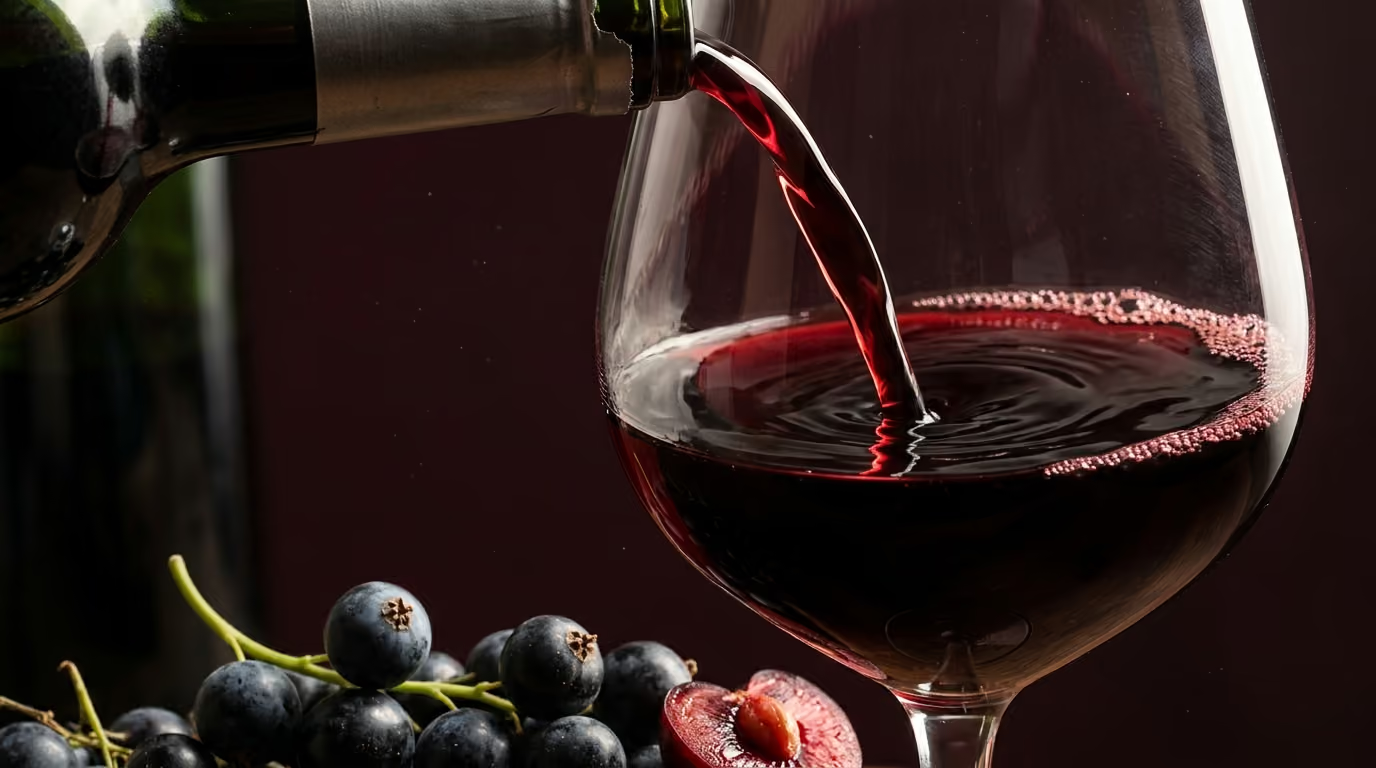


Standing in a wine aisle staring at a wall of Chilean Cabernet Sauvignon can feel overwhelming. Dozens of bottles look the same, and the pressure to pick the right one is real. A wine of Chile Cabernet Sauvignon is almost always a reliable, delicious choice. You can count on rich dark fruit flavors like blackberry and blackcurrant, often with a signature hint of mint that makes it unique.
Finding a Chilean Cabernet You'll Actually Enjoy
The goal is not to become a wine expert. It's simply to find a bottle you’re excited to open. Most stress around choosing wine comes from a fear of picking the “wrong” bottle, not because wine is actually complicated. When you shift your focus to what you personally enjoy, a lot of that anxiety just melts away.
A simple framework can help you grab a bottle from the shelf with confidence. Instead of getting bogged down in technical details, you just need to look for a few key clues on the label that point to the wine's style. Our guide will walk you through those clues, no memorization required.
Focus on Taste, Not Jargon
You do not need to learn a whole new language to enjoy wine. The only thing that truly matters is what you like. Do you generally enjoy bold, fruity red wines? If so, Chilean Cabernet is a fantastic place to start. Its straightforward, crowd-pleasing character is a big reason it has become a global favorite. If you want to dive a little deeper, you can explore our guide to different styles of these wines to see what fits your palate best.
The best wine is the one that tastes good to you. Trusting your own palate is the first step to choosing wine with confidence and without anxiety.
Our guide will show you how simple things, like the region where the grapes grew or the price on the tag, can steer you toward different styles. By the end, you’ll feel ready to make a great choice without the guesswork. If you’re ever truly stuck in an aisle, the Sommy app is built for this exact kind of decision, giving you personalized picks right on the spot.
How Region Shapes the Wine in Your Glass
Where a wine comes from is everything. Think of it like this: a tomato from your garden in August tastes completely different from one you buy at the supermarket in January. The same grape, grown in different places, will give you a totally different wine.
You do not need a geography degree to get a handle on Chilean Cabernet. In fact, you just need to know two key valleys. Spotting their names on a wine label is like a cheat code for what's inside the bottle.
Chile’s Big Two: Maipo vs. Colchagua
The Maipo Valley is probably Chile's most famous spot for Cabernet, often called the "Bordeaux of South America." Tucked right up against the Andes Mountains, the cool mountain air gives these wines a classic, structured feel. They often taste of dark fruits like blackcurrant and plum, with a tell-tale hint of mint or eucalyptus.
Just a bit further south, the Colchagua Valley is a little warmer. That extra sunshine lets the grapes get riper, making for Cabernets that are fuller, rounder, and more powerful. Expect bigger, jammier fruit flavors, think blackberry jam instead of fresh blackcurrant.
Seeing "Maipo" on a label is a good sign you’re getting a more elegant, savory wine. "Colchagua" usually points to something richer and more fruit-forward. It is that simple.
To help you get started, here’s a quick guide to what you can expect from Chile’s main Cabernet regions.
Chilean Cabernet Sauvignon Regions at a Glance
| Region | What It Tastes Like (Simplified) | Great For You If You Like... |
|---|---|---|
| Maipo Valley | Classic & Structured. Dark fruit with a hint of mint or herbs. | Elegant, savory red wines like those from Bordeaux. |
| Colchagua Valley | Rich & Fruity. Ripe, jammy dark fruit flavors. | Bold, fruit-forward reds like Napa Cabernet or Australian Shiraz. |
| Aconcagua Valley | Powerful & Intense. Concentrated black fruit and firm tannins. | Big, age-worthy red wines with lots of structure. |
| Cachapoal Valley | Soft & Velvety. Ripe red and black fruits with smooth tannins. | Smooth, easy-drinking reds that are full of flavor. |
A table is not about memorizing facts; it’s about finding a starting point. If you know you love bold Napa Cabs, Colchagua is a great place to explore.
Patterns Over Places
The real trick is to look for simple patterns, not to memorize a map of sub-regions. It’s all about connecting a place name to a style you know you enjoy. The same idea applies everywhere, from the vineyards of France to the hills of California. You can see how this plays out globally in our guide to Old World vs. New World wines, but the core concept is the same: location points to flavor.
As you can see, understanding the region is a direct path to finding a wine you’ll actually love.
The real goal is confidence, not expertise. Knowing that 'Maipo' often means a more classic style is enough to make a smarter, less stressful choice in the wine aisle.
Of course, you do not have to keep all these mental notes yourself. Sommy is for this exactly, it learns what you like and then points you to wines from regions that produce those styles, whether you’re at a restaurant or a retail shop.
The Story Behind Your Bottle of Chilean Cabernet
When you see a Chilean Cabernet on a menu or a store shelf, you can feel confident you’re getting a good bottle. There’s a fascinating story behind its rock-solid reputation, and it explains why this wine is so consistently delicious.
It all comes down to a tiny, vine-killing pest called phylloxera. In the 19th century, before this louse wiped out most of Europe's vineyards, a few forward-thinking winemakers brought healthy Cabernet Sauvignon vines from Bordeaux to Chile.
Chile’s unique geography, protected by the Andes mountains, the Pacific Ocean, and the Atacama Desert, created a natural quarantine. The pest never arrived. Chile's vineyards are home to some of the world's only original, pre-phylloxera Cabernet vines, a direct link to the grape's historic roots.
A Cornerstone of Chilean Wine
Chilean Cabernet is not just another grape; it’s the backbone of the country’s entire wine industry. For generations, winemakers have focused on perfecting it, turning it into a symbol of premium Chilean red wine that people love worldwide.
Even as vineyard plantings change over time, Cabernet Sauvignon remains the star. To give you an idea of the scale, Chile’s total wine production hit a staggering 1.244 billion liters in 2022, and Cabernet is a huge driver of that value.
Information like this is not just trivia. Knowing this history helps you trust what you’re buying. You’re not just picking a random red; you’re choosing a wine that represents decades of a country’s focused effort and pride. The label on that bottle tells a story of heritage and quality. If you want to learn what other clues labels offer, you can check out our guide on how to read wine labels for more tips.
Understanding that Chilean Cabernet is central to the nation's wine identity helps you trust its quality, whether you are picking a bottle for a dinner party or ordering from a menu.
Sommy offers just enough context like this to help you feel good about your choice without bogging you down in a history lesson. It helps you appreciate what's in your glass, making the whole experience that much better.
How Weather Changes the Taste of Your Wine
Ever noticed the year on a wine label? That’s the vintage, and it’s basically a one-word story about the weather. For a Chilean Cabernet, the climate has a huge say in what ends up in your glass. You do not need to be a meteorologist, but knowing that nature calls the shots helps explain why one bottle tastes so different from the next.
A warm, sunny year often means an earlier harvest and grapes that are bursting with flavor. The result? A Cabernet that’s rich, powerful, and packed with concentrated fruit. On the flip side, a cooler or wetter year can produce a wine that feels a bit lighter and more delicate. A bottle from a warm 2026, for example, might taste bolder than one from a cooler 2025 vintage.
Weather in the Vineyard
These climate shifts are actively changing how a wine of Chile Cabernet Sauvignon is made. It’s not uncommon for harvests to start much earlier than they did a generation ago. Dry winters and hot summers can push the grape-picking schedule forward by more than a month, as you can learn more from this report on Chilean harvests.
These intense conditions create small, concentrated berries that produce the bold, structured Cabernets Chile is famous for. It’s a testament to the grape’s resilience and the consistent quality you can expect.
You don't need to track weather patterns to choose a good wine. Just know that the year on the bottle can give you a clue about its style: hotter years often mean bolder flavors.
Instead of trying to memorize which years were warm and which were cool, you can let a tool like the Sommy app handle it. It crunches all that weather data behind the scenes to help you find a style you’ve loved before, making your choice simple.
For instance, the balance between rich fruit and zesty tartness can swing dramatically with the weather, a relationship you can explore in our guide to acidity in wine. Sommy takes all those little details into account so you do not have to.
Easy Food Pairings for Chilean Cabernet
Let’s be honest, we often pick a wine with a meal in mind. The good news? Chilean Cabernet Sauvignon is one of the most food-friendly wines you can grab, so you do not need to stress over complicated pairing rules.
Its combination of bold dark fruit, a touch of that signature green bell pepper, and firm tannins make it a perfect match for rich, savory foods.

Think of it this way: the wine’s structure acts like a palate cleanser, cutting through richness and getting you ready for the next bite. It makes it a slam-dunk choice for anything off the grill or out of the roasting pan.
Simple ‘Try This With That’ Ideas
Instead of memorizing a long list of rules, here are a few no-fail ideas to get you started.
- Grilled Meats: A classic for a reason. Juicy steak, a gourmet burger, or smoky barbecue ribs are incredible with Chilean Cab. The char from the grill is a perfect complement.
- Hearty Pastas: Think rich meat sauces. A classic bolognese or a pasta with sausage and peppers will sing alongside this wine.
- Roasted Dishes: Anything slow-roasted, like lamb shanks, beef brisket, or even a tray of well-seasoned root vegetables, has the depth to stand up to the wine.
- Aged Cheeses: Firm, nutty cheeses are your friend here. A sharp cheddar, aged Gouda, or a salty Parmesan will make the fruit flavors in the wine pop.
Such a combination is a home-run, so we have a whole guide on finding the best wine for a steak dinner if you want to dive deeper.
When in doubt, just remember this simple rule: bold wine loves bold food. If your dish is rich and flavorful, a Chilean Cabernet is almost always a safe and delicious bet.
Of course, Sommy was built for exactly this kind of on-the-spot decision. When you’re staring at a restaurant menu, the app can scan your options and suggest the perfect Chilean Cabernet to go with your dish, taking all the guesswork out of the equation.
How Sommy Helps You Pick a Chilean Cab
All this talk about terroir and food pairings is great, but let's be honest. What happens when you're standing in a wine shop or staring at a restaurant menu right now?
Trying to recall all those details on the spot can be stressful. Suddenly, choosing a bottle of wine feels more like a pop quiz than a pleasure. That’s where a little help from your phone can make all the difference, turning confusion into a confident choice.

Think of the Sommy app as your personal wine scout, built specifically for those moments of decision. It does the remembering for you so you can just focus on what you'll enjoy.
When you scan a wine list, Sommy can instantly spot the Chilean Cabernets and tell you which ones fit your taste. Tell it you’re having the grilled steak, and it will point you straight to the best bottle on the list to go with it.
Even better, Sommy learns what you like. The more you use it, the smarter its suggestions get.
The goal is simple: to take the guesswork and anxiety out of choosing, so you can pick a great wine of Chile Cabernet Sauvignon quickly and confidently, every single time.
It’s like having a wine-savvy friend in your pocket who already knows your preferences. Instead of just guessing and hoping for the best, you get clear, simple guidance that’s built around you.
Your Questions About Chilean Cabernet Answered
Even with all the history and regions sorted out, a few practical questions always pop up when you're standing in the wine aisle or looking at a menu. Let's tackle some of the most common ones.
How Much Should I Pay for a Good Chilean Cabernet?
One of the best parts about Chilean Cab is this: You do not need to spend a fortune to drink incredibly well.
You can find a fantastic, everyday bottle for under $20. These are the wines perfect for a weeknight dinner or having a glass while you cook.
If you’re looking for something a bit more special, maybe from a prime spot in the Maipo Valley, expect to see prices in the $25 to $50 range. You’ll be getting a wine with more complexity and structure, but still at a fraction of the price of its Napa or Bordeaux cousins.
Is Older Chilean Cabernet Always Better?
Not at all. While the top-tier, iconic Chilean Cabs are absolutely built to age and can evolve for decades, the vast majority of what you’ll find in a shop is made to be enjoyed right now.
Think of them as fresh, vibrant, and full of life. The winemakers crafted them to be delicious upon release, so do not feel like you have to cellar every bottle you buy. The best wine is the one that tastes great to you tonight.
How Is It Different From California Cabernet?
Here is the fun part. While they’re the same grape, the sense of place really shines through.
A classic wine of Chile Cabernet Sauvignon often has a distinct herbal or fresh minty note that runs alongside its dark fruit. It is a signature of its unique terroir. California Cabernets, on the other hand, usually lean into riper, almost jammy fruit flavors, often with a more pronounced vanilla and spice character from new oak.
Both are brilliant, just different expressions of a world-class grape. One is not better than the other; it's all about what style you're in the mood for.
Of course, when you’re standing in a shop or staring at a restaurant list, it helps to have a guide. If you want a recommendation tailored to your personal taste, Sommy can point you to the perfect bottle. Instead of guessing, you can get a confident pick right from your phone at https://www.sommy.ai.