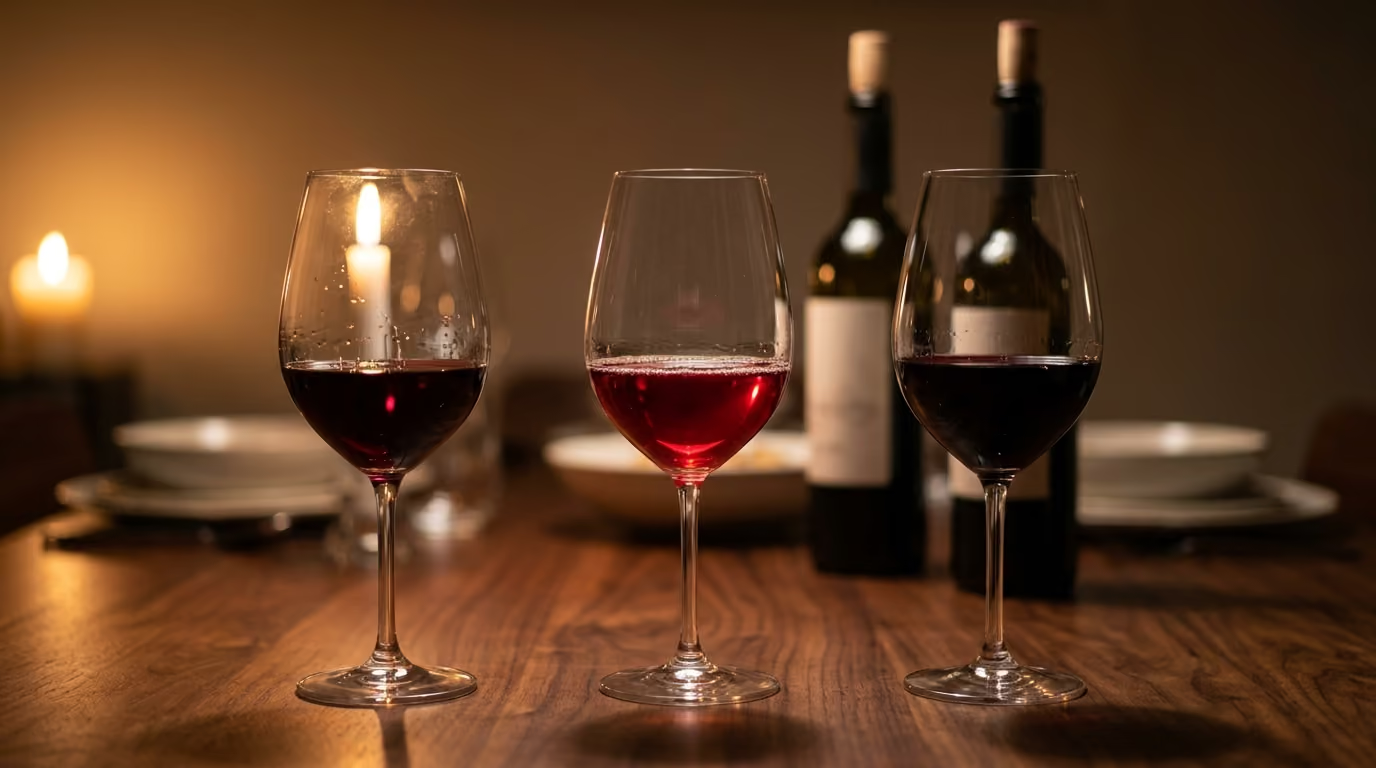

Merlot tastes of ripe plum and black cherry, with a soft, rounded feel and almost no grip on the finish. It's a dry red wine, so the grape sugar has been fermented out, but the ripe fruit and the gentle tannins can read as sweetness if you usually drink leaner reds. What changes most from bottle to bottle isn't the flavor list, it's how ripe the grapes were picked and where they grew, and both of those things are printed on the label before you buy.
What does merlot taste like in the glass?
Pour a glass and the first thing you'll get is dark fruit: plum above all, then black cherry, sometimes blackberry in the riper examples. Underneath that there's usually a savory note that people describe as dried herb, bay leaf or tobacco, and it's what keeps a good merlot from tasting like fruit juice. If the wine spent time in oak barrels you'll also pick up vanilla, cocoa or a faint coffee edge, which arrives from the barrel rather than the grape.
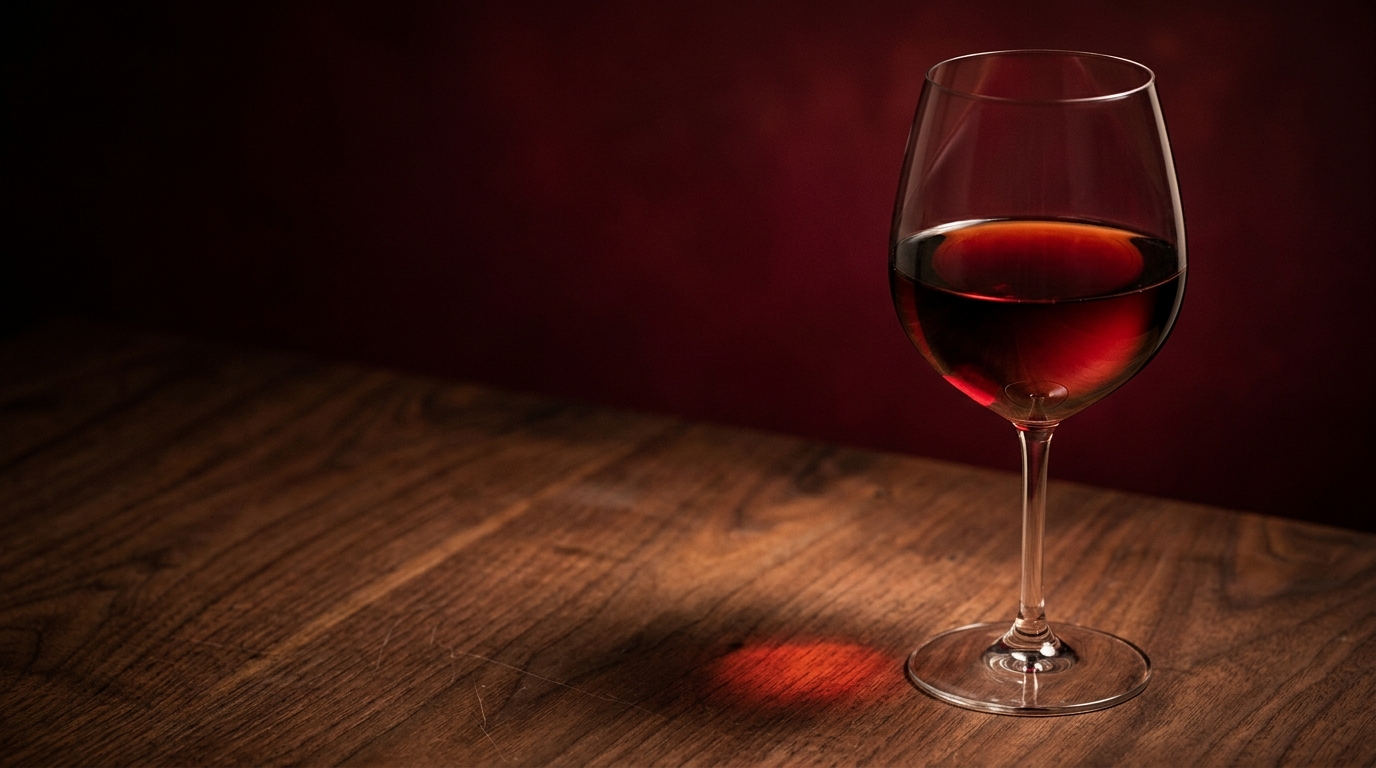
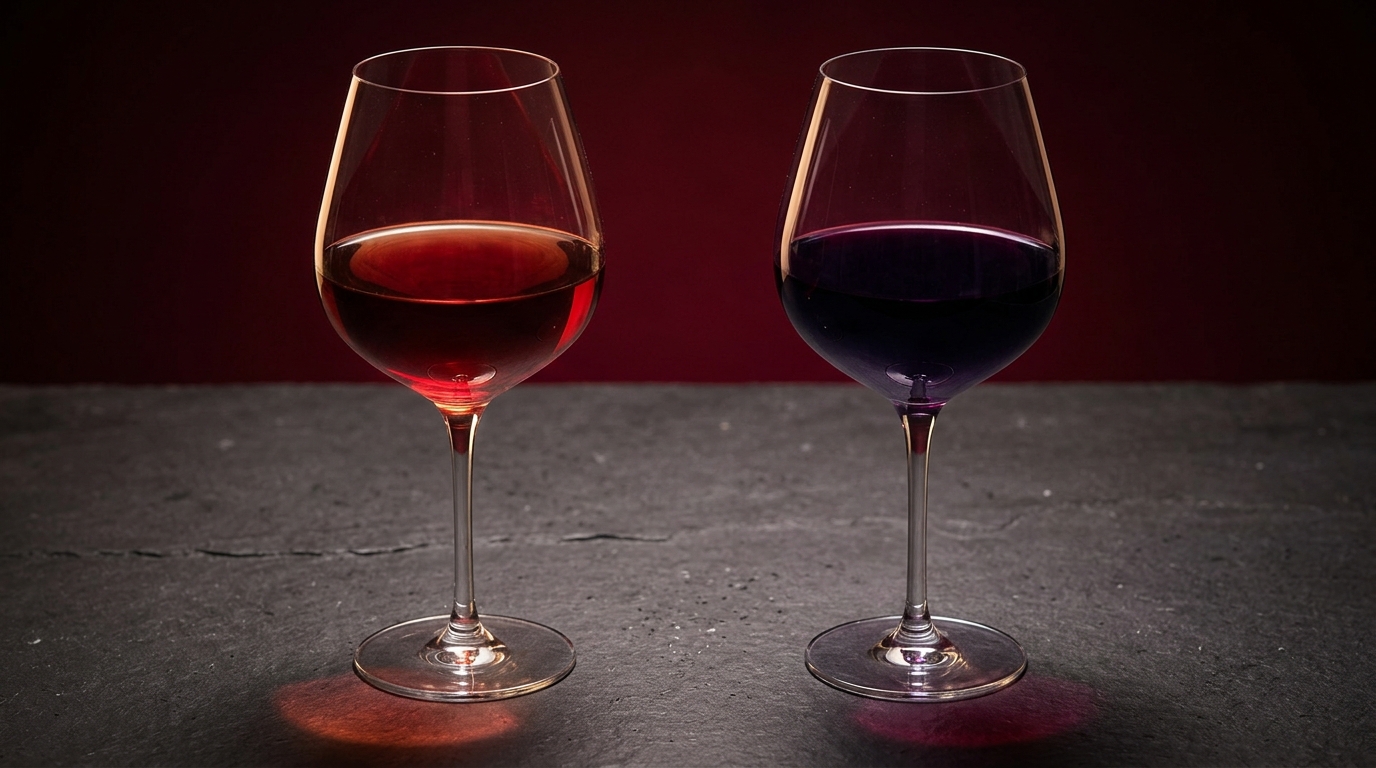
The color tells you something too. Merlot pours a deep ruby to garnet red, darker and more solid than pinot noir but usually a shade less inky than cabernet sauvignon or malbec. Hold the glass over something white and you'll often see the rim fade toward a brick or terracotta edge, which gets wider as the wine ages.
What you won't find is much of the drying, mouth-puckering sensation that puts people off big reds. Merlot's skins are thinner and its tannins are naturally softer than cabernet's, so the wine finishes smooth rather than firm. That single quality is why merlot gets handed to people who say they don't like red wine, and it's the most reliable thing about the grape across every price and every country that grows it.
Acidity sits somewhere in the middle of the red wine range, with enough to keep the wine fresh alongside food and not so much that it feels sharp on its own, which is part of why merlot works as a bottle you open without a plan.
Is merlot sweet or dry?
Merlot is a dry red, because fermentation converts almost all of the grape sugar into alcohol, and what's left behind in a standard bottle is far too little to taste as sweetness on its own.
People ask this constantly, and they're not imagining things. Merlot genuinely tastes sweeter than a cabernet sauvignon of the same price, and three separate things are doing that work at once. Very ripe fruit flavor registers as sweetness in the brain even when there's no sugar involved, the way a ripe strawberry smells sweet before you bite it. Higher alcohol carries a faintly sweet, glycerol-rich weight across the tongue. And low tannin removes the bitterness that would otherwise balance the fruit, so nothing is pushing back against it.
Take those three away and the wine tastes dry, which is exactly what happens with a cooler-climate merlot from Bordeaux. Same grape, less ripeness, more savory character, and suddenly nobody asks whether it's sweet. If you want the numbers behind where dry stops and off-dry begins, our guide to dry versus sweet wine walks through the residual sugar thresholds.
There's one real exception worth knowing about. Some very cheap American reds are finished with a small amount of sugar left in deliberately, because it makes an inexpensive wine taste rounder and hides thin fruit. That's a style decision at the bottling line rather than anything to do with merlot as a grape, and it's most common in the supermarket tier under about $10. If a merlot tastes properly sweet rather than just ripe, that's usually what happened.
Why does merlot feel softer than cabernet sauvignon?
Merlot has thinner grape skins than cabernet sauvignon, and tannin comes from the skins, so there's simply less of it in the finished wine. Tannin is the compound that makes your gums feel dry and slightly rough after a mouthful of a big red, and our explainer on what tannin in wine actually is covers where it comes from and why some people are far more sensitive to it than others.
You can taste for this yourself rather than take our word for it. Take a mouthful, swallow, then wait about fifteen seconds and pay attention to your gums and the inside of your cheeks instead of the flavor. With cabernet you'll feel a distinct tightening, as though a fine powder had been drawn across the surface. With merlot you'll mostly feel the fruit fade out and very little else. That's the whole difference, and once you've noticed it you can't stop noticing it.
Where merlot sits against the other reds people usually compare it to:
| Red wine | Tannin grip | Body | Fruit you notice first |
|---|---|---|---|
| Pinot Noir | Light, barely there | Light | Red cherry, cranberry |
| Merlot | Present but polished, no drying finish | Medium to full | Plum, black cherry |
| Malbec | Firm but round | Full | Blackberry, dark plum |
| Cabernet Sauvignon | Firm and drying, grips the gums | Full | Blackcurrant, cedar |
That table explains the two comparisons people search for most. Against cabernet sauvignon merlot is the softer and more approachable of the pair while landing in similar territory for weight and darkness of fruit. Against pinot noir merlot is the fuller and darker one, and that post also covers why merlot spent fifteen years as the red nobody admitted to ordering, along with what the price bands actually did after the film that caused it.
How much merlot is actually in a bottle of merlot?
Less than you'd assume, and it's completely legal. Under the federal labeling rule at 27 CFR 4.23, an American wine can put a single grape name on the front label as long as not less than 75 percent of the wine came from that grape. The other quarter can be anything the winemaker wants.
This isn't a loophole nobody uses. The 2022 Duckhorn Vineyards Napa Valley Merlot, which sells at a suggested $60 and is about as benchmark as American merlot gets, is 85 percent merlot with 13 percent cabernet sauvignon and 2 percent cabernet franc. Up in Washington State, the 2022 L'Ecole No 41 Columbia Valley Merlot is 80 percent merlot, 15 percent cabernet franc, 3 percent petit verdot and 2 percent malbec. Neither winery is hiding it, and both print the breakdown on their own technical sheets.
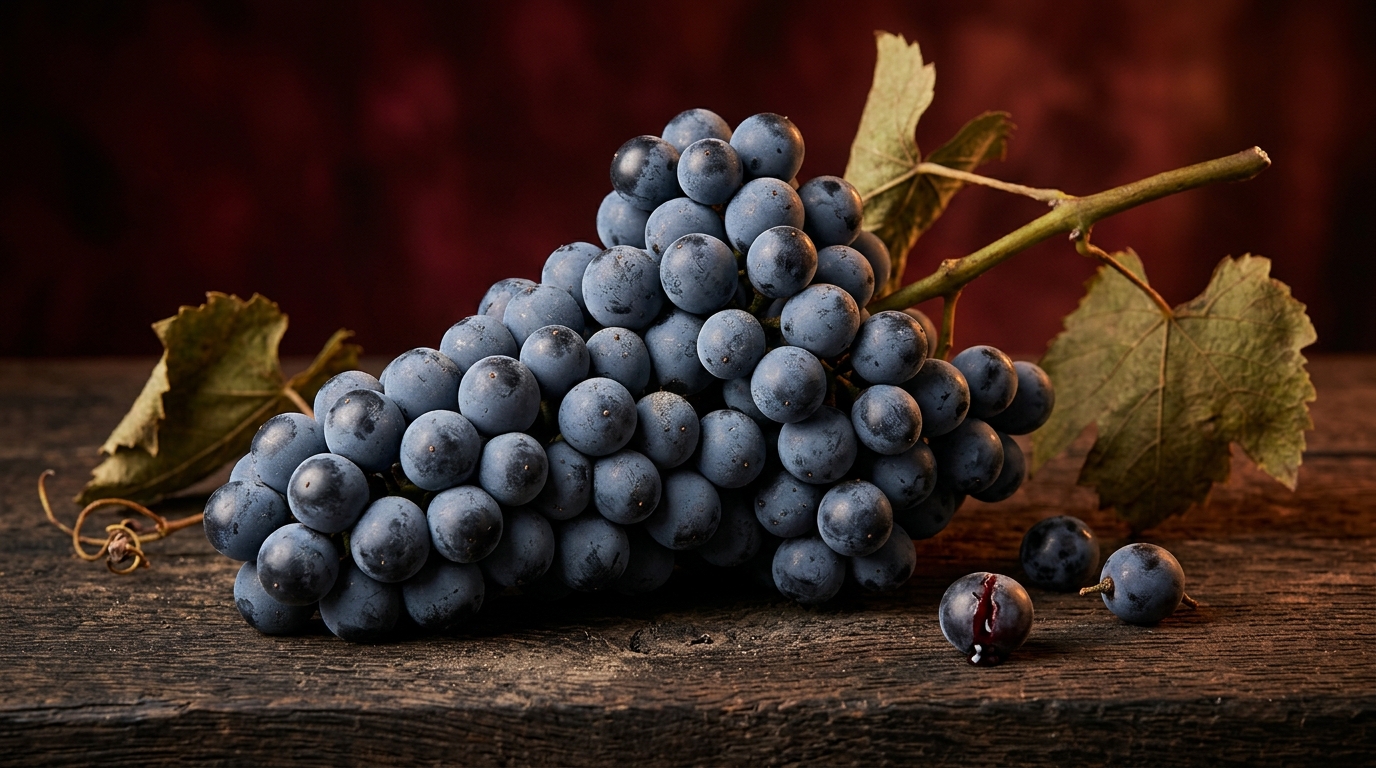
The blending is usually there for a reason. A splash of cabernet sauvignon or cabernet franc adds the backbone and the savory lift that pure merlot can lack, which is precisely the job merlot does in reverse when it goes into a Bordeaux blend. Bordeaux's own wine council describes merlot as the signature red grape of the region, named after the blackbird for the dark color of its berries.
The blends in Bordeaux itself vary just as widely. Château Figeac, a Saint-Émilion Premier Grand Cru classé on the merlot-dominated Right Bank, publishes an unusual varietal mix in which cabernet sauvignon predominates and merlot is only about a third of the plantings. The grape name on the bottle is a strong hint about the flavor, never a recipe.
How can you tell which style of merlot you're buying?
Read two things on the bottle before you read anything else: where it's from, and the stated alcohol. Those two things will tell you more about how the wine will taste than any tasting note on the back label.
Origin sets the baseline, because merlot picked in a cool place and merlot picked in a hot place are barely the same drink.
| What the label says | What to expect in the glass |
|---|---|
| Bordeaux, Saint-Émilion, Pomerol | Medium body, red plum and dried herb, fresher acidity, more savory than sweet |
| Napa Valley, Sonoma | Fuller and riper, black fruit with oak vanilla and cocoa |
| Columbia Valley, Walla Walla | Dark fruit with noticeably fresh acidity, firmer than California at the same money |
| Chile | Straightforward plum, medium weight, the most dependable cheap bottle on the shelf |
| "California" with no county named | Soft and jammy, built for easy drinking, sometimes rounded out with a little sugar |
Then the alcohol, which is a ripeness gauge hiding in plain sight. Sugar in the grape becomes alcohol in the bottle, so a higher number means the fruit was picked riper, and riper fruit tastes fuller and reads as sweeter. Both of the American bottles above print 14.5 percent on their technical sheets, the Duckhorn Napa Valley and the L'Ecole No 41 Columbia Valley, which is what you'd expect from wines built around ripe dark fruit. A merlot at 13 percent was picked earlier, and it'll taste leaner and more savory in the glass. Neither version is better than the other, and they're really two different wines carrying the same word on the front label.
Price does the rest of the work, and this is where merlot quietly rewards you. The grape fell out of fashion badly enough that the producers who stayed in the value tier had to compete on something other than reputation, so a $12 to $18 merlot is one of the more dependable buys in the aisle compared with what the same money gets you in pinot noir.
Standing in the shop with a bottle in your hand and still no idea whether it suits you is exactly the gap Fit Check was built for. Type the name, say it out loud, or scan the label, and Sommy gives you a verdict on that specific bottle against your own Taste Profile rather than against the average drinker.
What food goes with merlot?
Merlot is one of the easiest reds to put on a table, because moderate tannin and moderate acidity mean it doesn't fight anything. Roast chicken, pork, mushroom dishes, tomato-based pasta and any hard cheese all work without much thought.
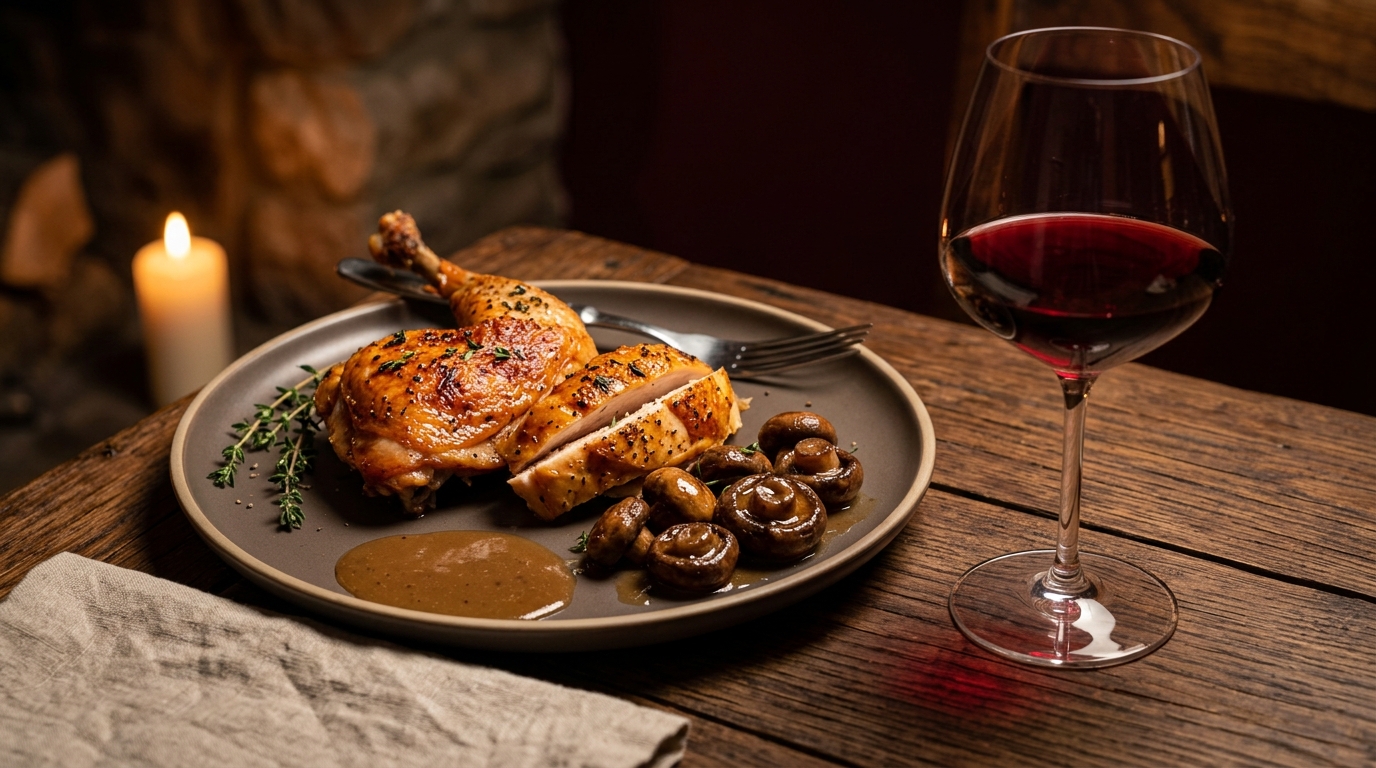
Match the weight of the wine to the weight of the plate and you'll get it right most of the time. A lighter, fresher merlot from Bordeaux or a cooler vintage handles roast chicken, charcuterie, mushroom risotto and grilled vegetables nicely, since there's enough acidity to cut through fat without overwhelming anything delicate. A big ripe Napa or Chilean merlot wants more in front of it: a burger, braised short rib, lamb, a mushroom and beef pie, or lasagne with plenty of cheese on top.
The one pairing to be careful with is anything strongly spicy. Chili heat amplifies the perception of alcohol, and a 14.5 percent merlot will taste hot and slightly bitter alongside a properly spicy curry. Plenty of merlot's usual partners also happen to be the dishes people cook most often on a weeknight, which is a large part of why the grape survived its reputation problem in the first place.
Serve it slightly below room temperature, somewhere around 60 to 65 degrees Fahrenheit, which is the same band we recommend for most medium-bodied reds in our guide to wine serving temperatures. Warm merlot goes flabby and the alcohol comes forward, and twenty minutes in the fridge before you open it fixes that completely.
Who actually likes merlot, and who doesn't?
If you find cabernet sauvignon too astringent, or you've tried big reds and complained that they dry your mouth out, merlot is the obvious place to go next. It gives you the dark fruit and the weight of a serious red without the finish that puts people off, which is why it gets recommended to anyone moving from white wine into red.
It's a poorer fit if you actively enjoy structure. Drinkers who love the grip of a young cabernet, the pepper of a syrah or the sharp red-fruit lift of a good pinot noir often find merlot pleasant and slightly boring, and that's a fair reaction rather than a failure of taste. The same softness that makes it welcoming makes it less interesting if grip is the thing you were after.
The honest answer is that it depends on your palate, and no article can settle it for you. If merlot turns out to be your wine, the reds worth trying next share its softness rather than its grape, and we've mapped out six of them here.
Frequently asked questions
Is merlot sweet or dry?
Merlot is dry, and the ripe fruit, higher alcohol and low tannin are what make it taste sweeter than other dry reds even though there's very little actual sugar in a standard bottle. Some cheap supermarket reds under about $10 are finished with a little sugar on purpose, which is a bottling choice rather than a property of the grape.
Is merlot a red wine?
Yes, merlot is made from a dark-skinned grape and pours a deep ruby to garnet red. The pink wine sold as White Merlot is a rosé, made by leaving the juice in contact with the skins for only a few hours instead of days.
What does merlot taste like compared to cabernet sauvignon?
Both give you dark fruit and real weight, but merlot leans toward plum and black cherry with a smooth finish, while cabernet leans toward blackcurrant and cedar with tannins that dry your mouth. Merlot is the softer of the two at every price level.
Is merlot a good wine for beginners?
It's one of the best starting points in red wine, because the low tannin removes the single thing that most new red drinkers dislike. Start somewhere between $12 and $20, and pick a bottle from Chile or Washington State if you want the clearest example of the style.
What does merlot smell like?
Plum, black cherry and blackberry first, then usually something savory underneath like dried herb, bay leaf or tobacco. Oak-aged bottles add vanilla, cocoa or a faint coffee note, and older merlot develops meatier, earthier aromas over five to ten years.
How long does an open bottle of merlot last?
Three to five days with the cork pushed back in and the bottle kept in the fridge, which is longer than most whites manage and is covered properly in our piece on how to store open wine. The fruit flattens out first and the savory notes hang on, so a merlot on its third day tastes drier than it did on the first.
Choosing a merlot this week
Buy on origin and alcohol rather than on the tasting note, because those two pieces of information are the only ones on the bottle that reliably predict the wine inside it. A Bordeaux or a Washington bottle around 13 to 13.5 percent will give you the fresher, more savory side of the grape. A Napa or Chilean bottle at 14.5 percent will give you the ripe, round, plummy side that most people picture when they hear the word.
If you're buying your first one, spend between $12 and $20 and pick Chile or Washington State. Both regions make honest merlot at that money, the style is easy to recognize, and you'll learn more from one clear example than from three vague ones. Open it with roast chicken or a bowl of pasta, taste for the finish rather than the fruit, and you'll know within a glass whether the softness that defines this grape is something you want more of.