
You can store open wine so it tastes good tomorrow with three moves: re-seal it tight, keep it cold, and stand it upright. That's it. Most "next-day wine sadness" comes from too much air and too much warmth.
Think of open wine like a sliced apple. It starts changing the second it meets oxygen. The goal isn't perfection, it's slowing that change so tomorrow's glass still feels fresh and worth pouring.
What actually ruins an open bottle overnight
Wine doesn't "go bad" because it's fragile. It changes because the conditions around it change. When you store open wine, you're managing a few simple forces.
Oxygen is the big one. A half-full bottle has a lot of air sitting above the wine, which speeds up flavor loss. Aromas fade first. Then fruit starts tasting flat. If you push it, you get that sharp, vinegary edge.
Heat makes everything happen faster. Warmth speeds up oxidation and makes leftover wine taste tired. Even reds do better with a chill once they're open.
Light is the sneaky one. Sunlight and bright kitchen light can dull flavor, especially if the bottle sits out for hours.
If you want a realistic sense of timing, this overview on how long wine lasts after opening gives a helpful baseline. The main idea is simple: storage matters more than the exact number of hours.
The best "tomorrow" wine is the bottle that spent the night sealed, cold, and away from light.
The fastest way to store open wine overnight

Re-sealing and pulling out extra air helps slow flavor fade.
When you're cleaning up dinner and you've got a third of a bottle left, do this in order:
- Re-seal tightly right away. Use the original cork if you have it, push it in firmly. If it's a screw cap, twist until it stops.
- Reduce the air contact. A vacuum stopper helps because it removes some air from the bottle. If you don't have one, pour leftovers into a smaller bottle (less air space).
- Store upright. Upright storage reduces the wine's surface area touching oxygen inside the bottle.
- Put it in the fridge. Yes, even red wine. Cold slows oxidation.
That last step surprises people, but it's the easiest win. Wine Spectator's take on refrigerating open wine lines up with the everyday truth: cooler is safer once the bottle is open.
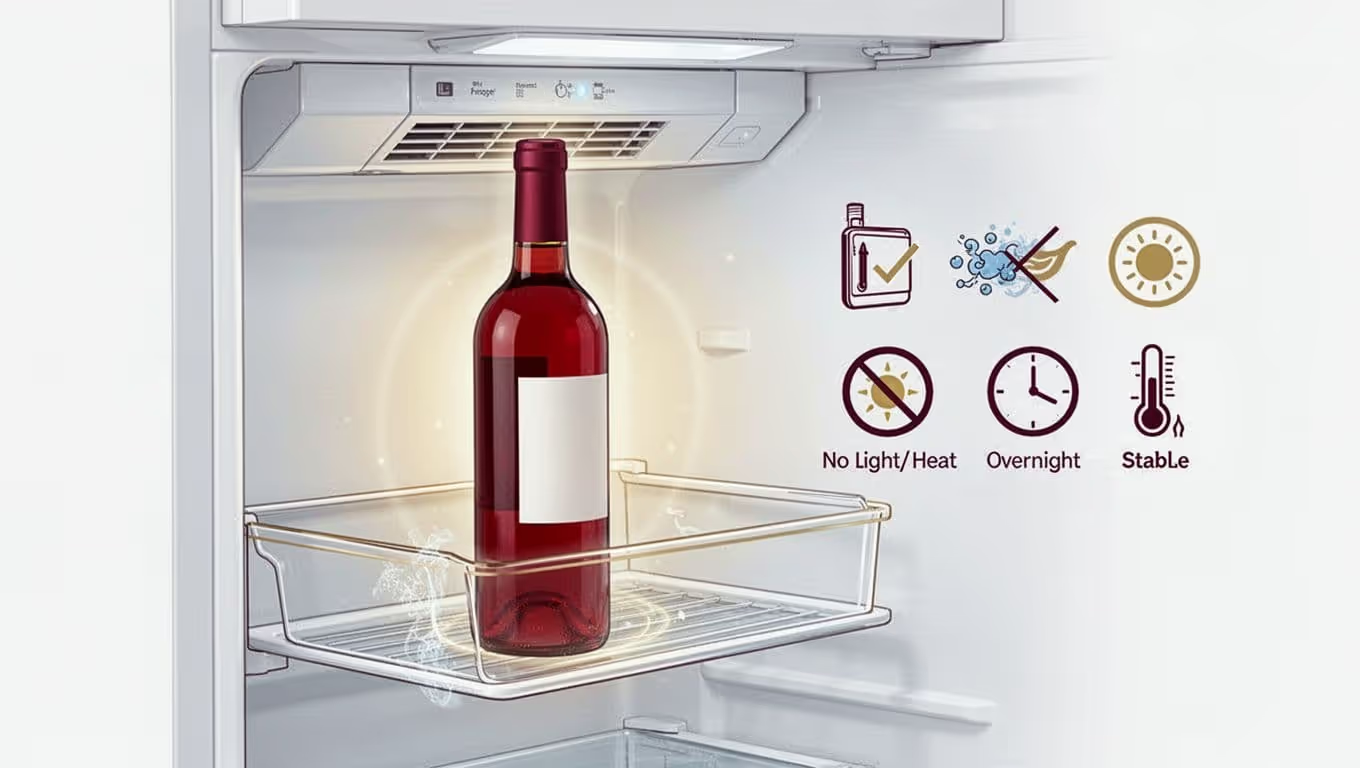
An upright bottle in a cool, stable spot helps preserve flavor overnight.
In the morning, let red wine sit out 15 to 30 minutes before you drink it. That quick warm-up brings back aroma without undoing the protection you gained overnight.
Which wine stoppers help most (and what to skip)
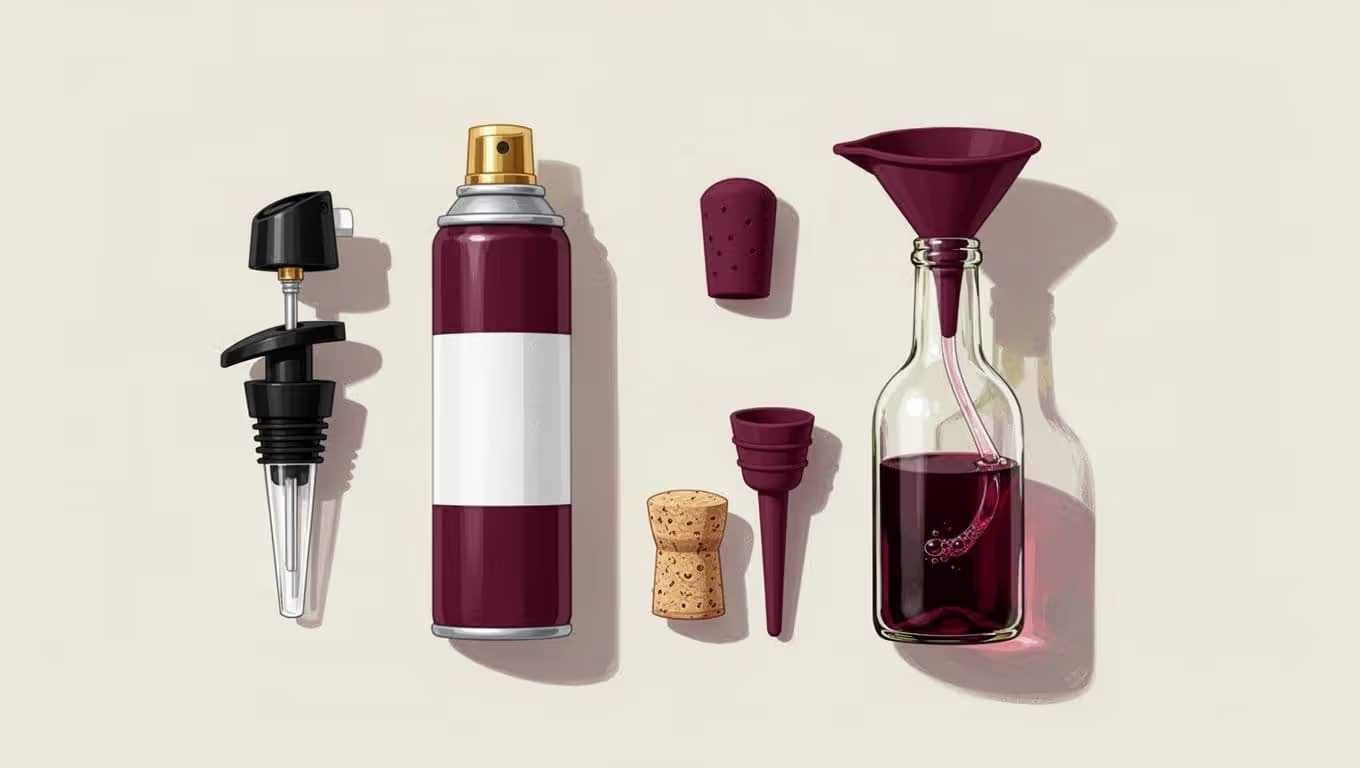
You don't need a gadget drawer full of gear. Still, a couple tools make "tomorrow wine" far more reliable.
Here's a quick comparison to choose what fits your habits:
A few things don't help as much as people hope. Leaving the cork loose is basically an invitation to stale aromas. Also, don't store open wine on the counter "just for tonight." Heat and air work while you sleep.
If you want more detail on red wine storage habits (and why counter storage backfires), this guide on how to store opened red wine explains it in plain terms.
How to tell if it'll taste good tomorrow (and what to do if it won't)
Tomorrow's decision should feel quick, not stressful. Pour a small splash, then use this simple check.
First, smell. Fresh wine still smells like something you'd want to eat or drink. If it smells like vinegar, nail polish remover, or damp cardboard, stop there.
Next, taste. If the wine feels flat but still pleasant, it's fine. If it feels sharp, thin, or weirdly sour, it's past its best.
If the smell makes you flinch, the taste won't save it.
When it's borderline, you've got an easy fallback: cook with it. Add it to tomato sauce, pan sauces, or braises. You're not wasting it, you're just changing the job.
This is also where everyday decision help matters. A lot of leftovers happen because people buy a bottle they're unsure about, then don't feel excited to finish it. If you like wine explained simply, you'll do better with personalized wine picks that match your taste.
That's the gap a quiet AI wine assistant can fill: smart wine recommendations in the moment, without jargon. The goal is calmer choices, whether you're using restaurant wine tips at a table, scanning grocery store wine picks, or looking for a weeknight wine pairing guide. Over time, personalized wine recommendations make it easier to buy what you'll actually enjoy, with wine tasting notes explained in normal words, plus wine list tips that reduce the fear of choosing wrong. Consider it a modern wine guide for real life, with clear wine recommendations, wine app suggestions, and everyday wine advice that feels like friendly wine advice, not a lecture.
Conclusion
To store open wine for tomorrow, seal it tight, cut down oxygen, and refrigerate it upright. Those steps beat almost every fancy workaround. Once you get used to the routine, next-day wine stops feeling like a gamble. If you want less guesswork in general, pair these storage habits with simple wine tips and smart wine picks that match your taste, so you open bottles you'll be happy to finish.