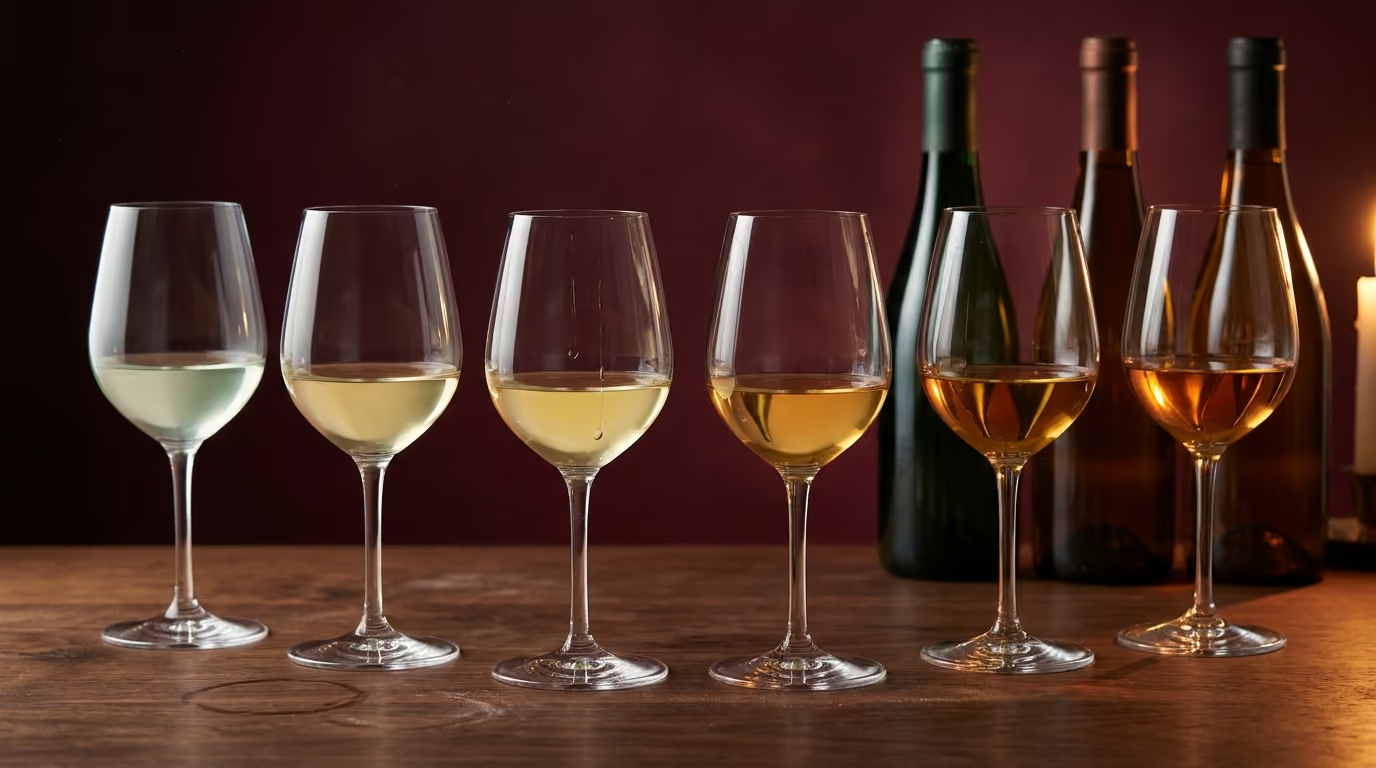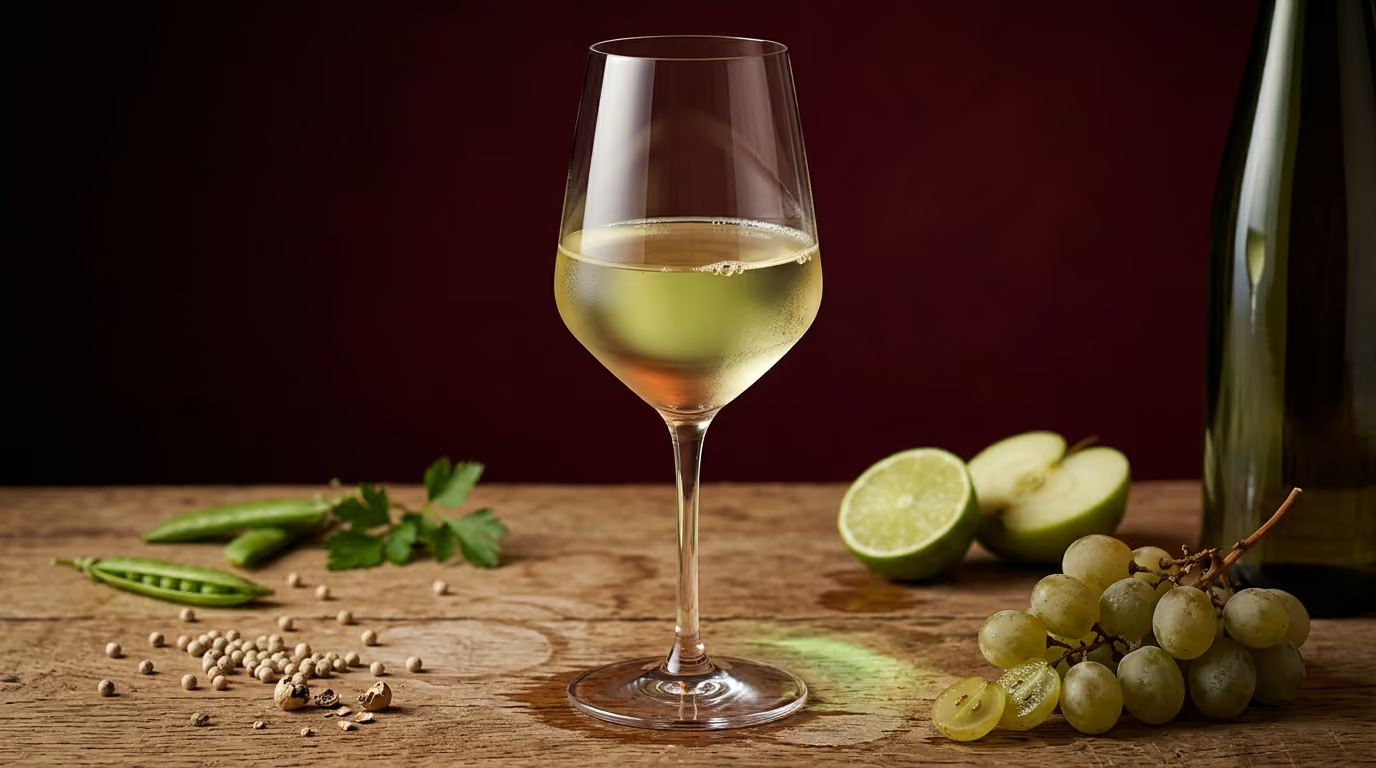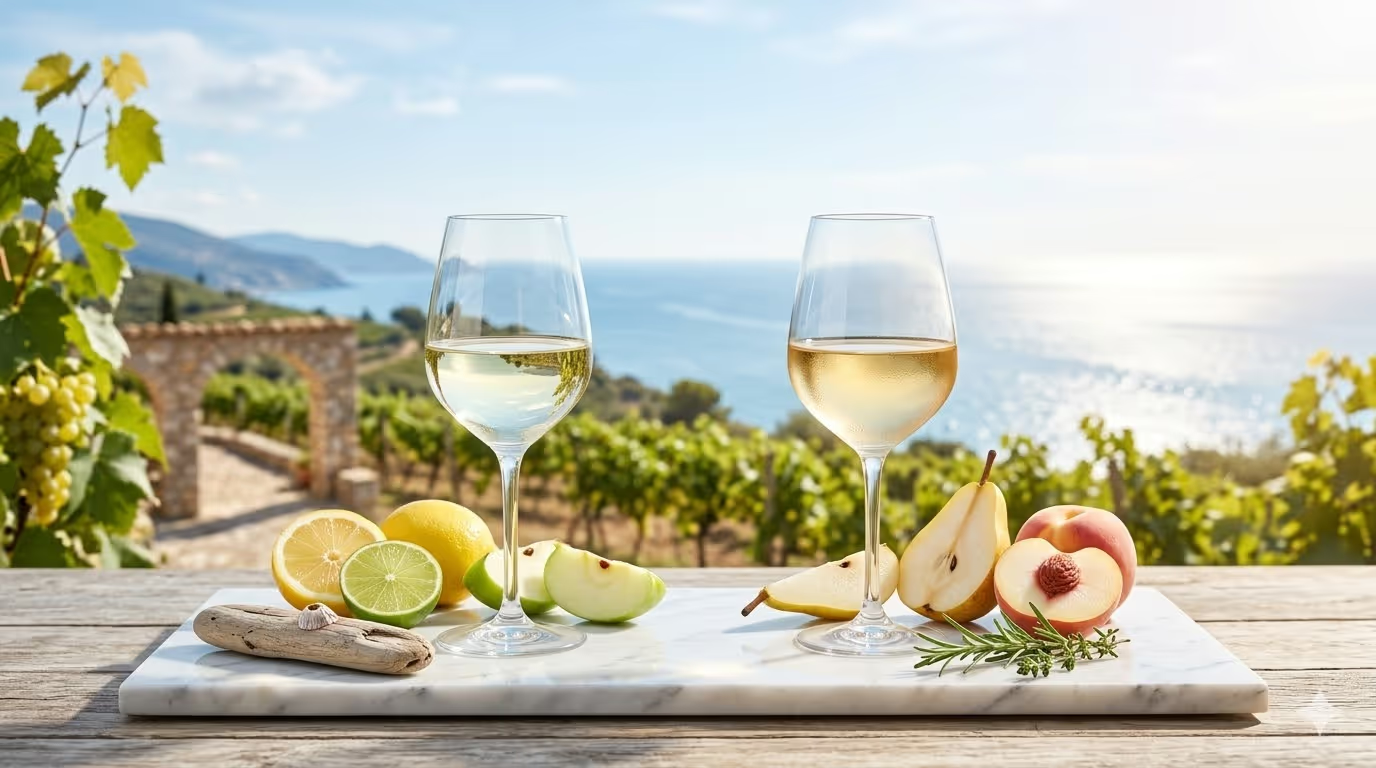
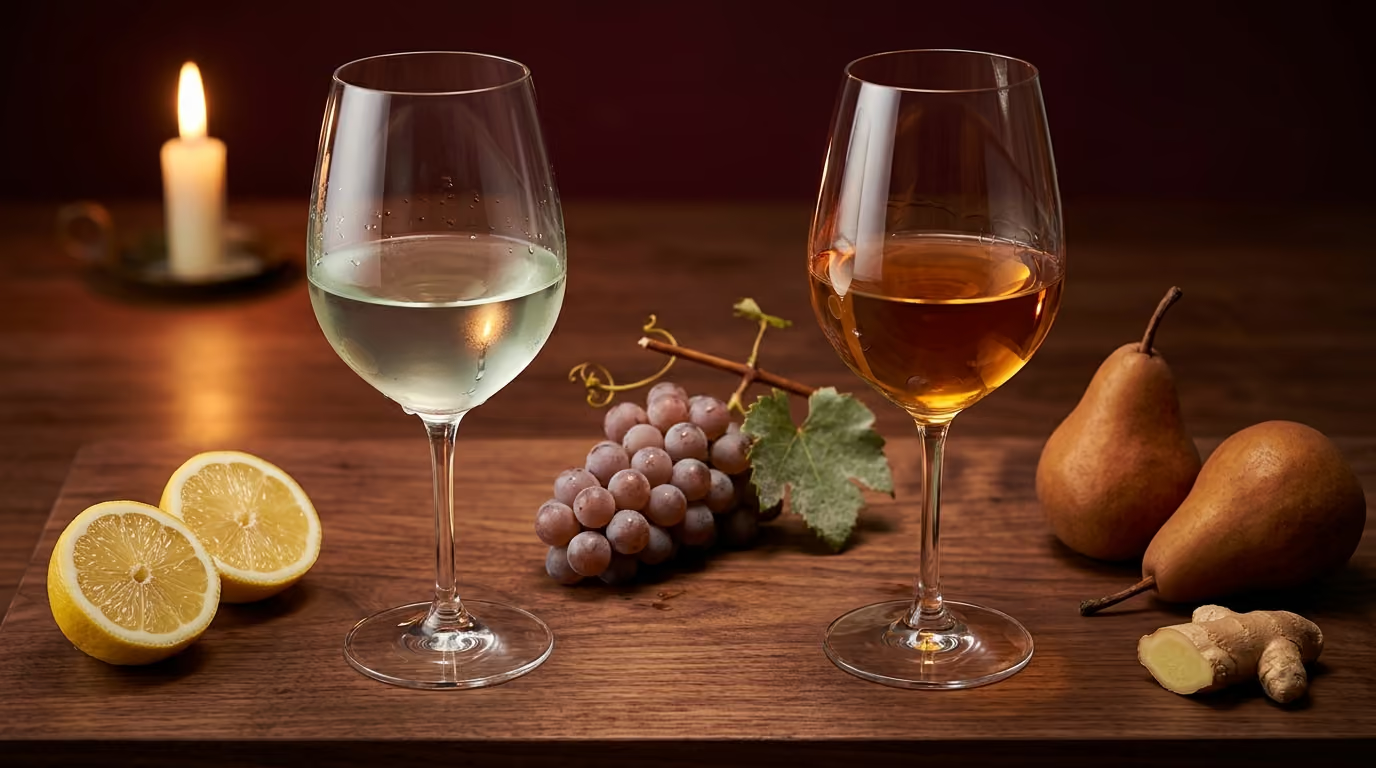
Pinot Gris and Pinot Grigio are two names for the same grape, so the difference you taste in the glass comes from where the wine was grown and how it was made, not from the variety on the label. As a rule of thumb, a bottle labeled Pinot Grigio usually comes from northern Italy and tastes light, dry and citrusy, while a bottle labeled Pinot Gris usually comes from Alsace, Oregon or Germany and tastes rounder, riper and more textured.
That's the short answer, and it's right often enough to get you through a wine list. It's also a convention rather than a rule, because no law anywhere forces a producer to pick one name over the other, and plenty of them use the name to signal a style they admire rather than the country they farm in. So the useful skill isn't memorizing which word means what. It's knowing which signals on the bottle actually predict how the wine will feel.
Are Pinot Gris and Pinot Grigio really the same grape?
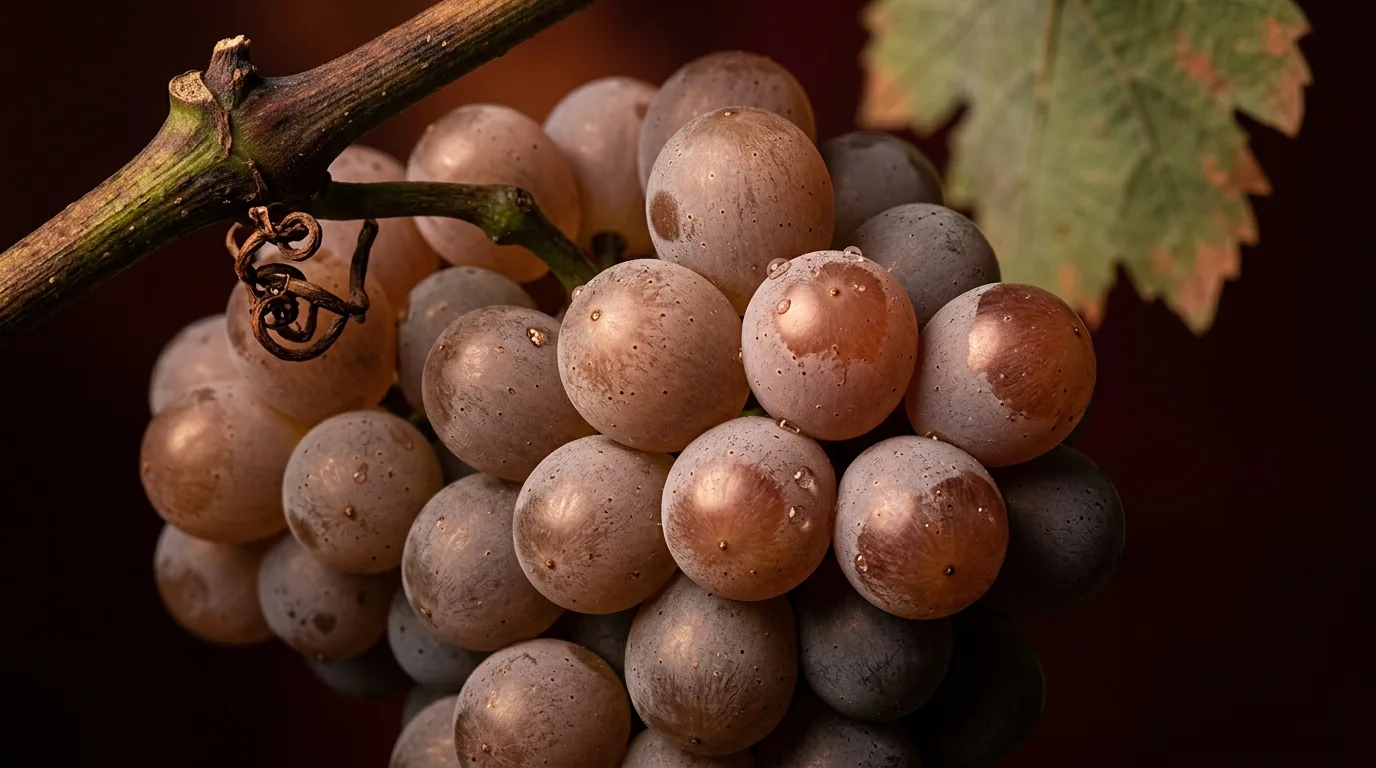
Yes, they're genetically identical to each other. Pinot Gris is a color mutation of Pinot Noir, and its berries ripen to a dusky pinkish gray rather than the deep purple of its parent, which is where both names come from: "gris" is French for gray and "grigio" is Italian for gray. Growers have found the mutation appearing spontaneously in Pinot Noir vineyards for centuries, which is also how Pinot Blanc came about.
Because it's one variety, the same vine planted in Alto Adige and in Alsace produces very different wine, and neither version is a corruption of the other. The Italian name traveled with the grape when it crossed the Alps, and the two wine cultures that adopted it wanted opposite things from it. Italy wanted a fresh, quick-drinking white to sell in volume, so growers there picked early and fermented cool. Alsace wanted an aromatic, weighty white to sit alongside Riesling and Gewurztraminer, so growers there let the fruit hang and hold onto its sugar.
Two hundred years of that divergence is why the names became shorthand for styles. A producer in Oregon choosing between "Gris" and "Grigio" for the front label is telling you which of those two traditions they're aiming at, and most of them are honest about it. The label is a real signal, and it just isn't a guarantee, which is the distinction most guides blur.
Why does Italian Pinot Grigio taste so crisp?
Italian Pinot Grigio tastes crisp because the grapes are usually picked early, while they still hold high natural acidity and modest sugar, and then fermented in stainless steel where nothing softens or sweetens them. Everything about the northern Italian method is designed to keep the wine fresh rather than to build flavor into it.
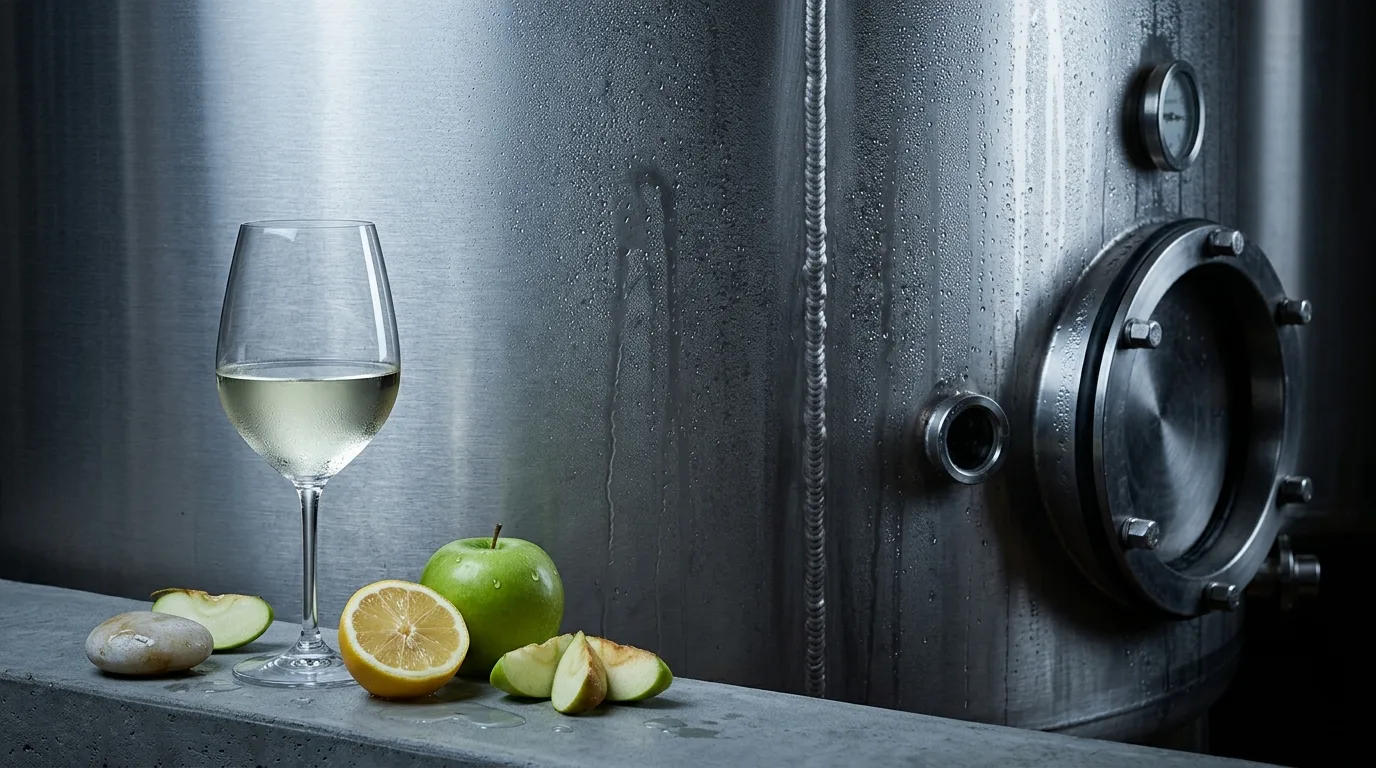
Most of the bottles you see come from Veneto, Friuli-Venezia Giulia or Alto Adige, and the cooler sites in the northeast preserve the acidity that warmer regions burn off. The wines land pale, almost water-white in the glass, with lemon, green apple, pear skin and a stony, faintly saline edge. Alcohol usually sits in the moderate range, and the finish is dry and short rather than lingering, which is exactly what makes a bottle disappear on a hot afternoon.
Stainless steel is doing more of that work than people realize. Fermenting and storing in steel adds nothing to the wine, so the fruit and acidity you started with are the fruit and acidity you get, with none of the vanilla, toast or cream that oak barrels contribute. If you've ever wondered why one white tastes like a squeeze of lemon and another tastes like buttered popcorn, the vessel is usually the answer, and our guide to what acidity in wine actually does walks through how that freshness registers on your palate.
There's a catch worth knowing, and it's the reason Pinot Grigio has a reputation problem among people who drink a lot of wine. The style sells enormously well, so a large share of what's exported is made cheaply at very high volume, and those bottles can taste thin to the point of neutral. Spending a few dollars more, or looking for Alto Adige or Friuli on the label rather than a generic delle Venezie designation, changes the wine noticeably. Our roundup of Italian white wines beyond Pinot Grigio covers the neighbors worth trying once you've decided the style suits you.
Why does Alsace Pinot Gris feel richer?
Alsace Pinot Gris feels richer because the grapes are harvested later at higher ripeness, which means more sugar, lower acidity and a broader, weightier texture in the finished wine. The region also allows some residual sugar to remain in many bottles, and it treats the grape as a serious aromatic variety rather than an easy-drinking one.
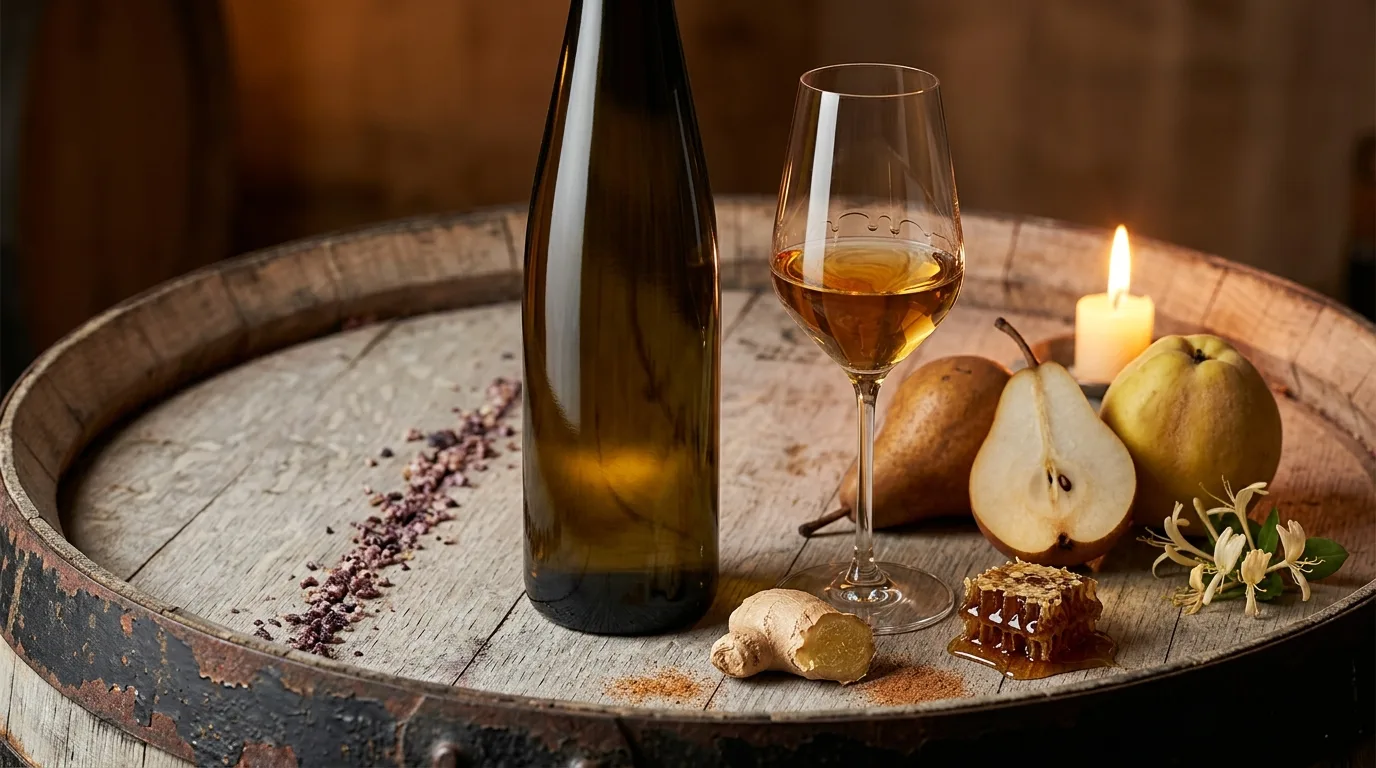
The flavors shift along with the weight. Instead of lemon and green apple you get ripe pear, quince, yellow peach, honeysuckle and a distinctive gingery, smoky spice that Alsace producers seem to draw out of this grape more than anyone else. The wines are deeper in color, sometimes a soft gold rather than pale straw, and they feel wider across your tongue. Some see time in old oak barrels that add texture without adding obvious oak flavor, and some rest on their spent yeast, a process called lees ageing that lends a faint bready creaminess.
Sweetness is where Alsace genuinely confuses people, including experienced drinkers. A bottle can run fully dry, gently off-dry, or properly sweet in the late-harvest Vendanges Tardives style, and the front label often won't say which. Ripe fruit and a round texture can also make a technically dry wine seem sweet, which muddies the water further. If sweetness matters to you, the back label or the producer's own tasting notes are worth a look, and our piece on spotting an off-dry white covers the vocabulary that gives it away.
Germany makes the same distinction explicit, which is a nice piece of clarity if you shop German wine. Under German usage, Grauburgunder labels the drier, sleeker, food-friendly style, while Ruländer labels the richer, fuller, often sweeter version made from the same grape. Two words, one variety, and a genuine difference in the glass.
What about Oregon, New Zealand and everywhere else?
Oregon sits deliberately between the two poles, which is why it's the most interesting place to look if neither extreme suits you. Willamette Valley producers were among the earliest outside Europe to take this grape seriously, and the house style there gives you more fruit and body than an Italian bottle without the weight or the spice of an Alsatian one.
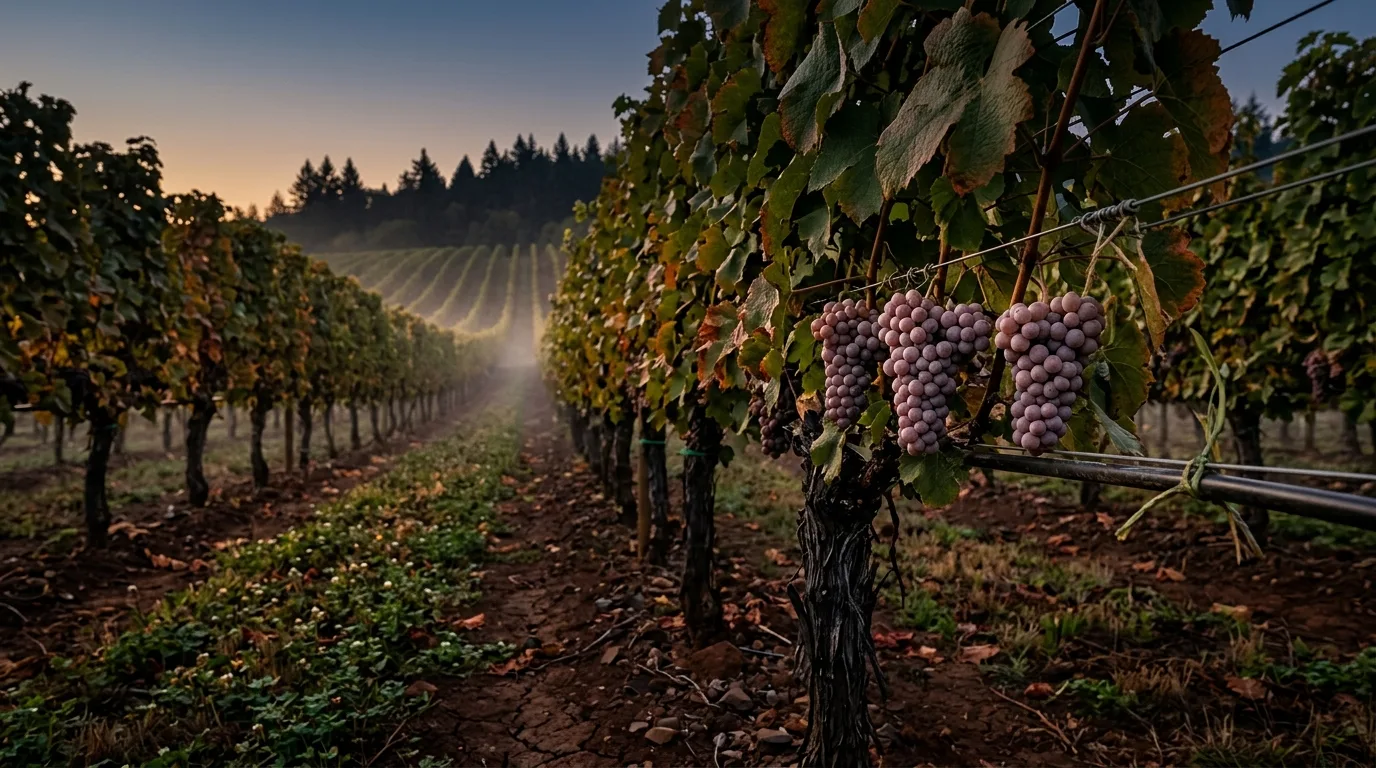
Expect pear, apple, melon and sometimes a touch of white peach, carried on a texture that's light to medium rather than lean. Most Oregon bottles are dry, and the good ones keep enough acidity to work at the dinner table instead of only on the porch. They also tend to be honestly priced, since the region's reputation rests on Pinot Noir and its whites haven't been bid up in the same way.
New Zealand takes the grape somewhere aromatic and generous, with stone fruit, pear and a floral lift, and a fair number of bottles carry a little sweetness that the label may or may not mention. Australian Pinot Gris tends to run leaner than its Pinot Grigio, and Australian producers are unusually consistent about using the two names to mean two different wines, so the label is more reliable there than almost anywhere. Hungary, Romania and Slovenia all grow it in quantity, and Slovenian bottles in particular can be excellent value.
The pattern across all of these is the same one that runs through the whole article. Warmth and late picking push toward weight and ripeness, coolness and early picking push toward brightness and citrus, and the name on the label tells you which of those the producer was chasing. Region is the more reliable clue, and the name is the faster one.
How do you pick between them in a shop or a restaurant?
Decide how you want the glass to feel before you look at any names, because the choice between these two styles is a texture decision rather than a flavor puzzle. If you want something cold, sharp and refreshing that gets out of the way, you want the Italian style. If you want something rounder that can sit through a meal and hold its own against cream or spice, you want the Alsatian or Oregon style.
Here's the short version, for when you're standing in an aisle and someone's waiting on you.
| What you want | Look for | What it'll taste like |
|---|---|---|
| Light, dry, thirst-quenching | Pinot Grigio from Alto Adige or Friuli | Lemon, green apple, stony finish |
| A little more fruit, still dry | Oregon Pinot Gris | Pear, melon, medium body, clean finish |
| Texture, spice, possible sweetness | Alsace Pinot Gris | Ripe pear, ginger, honeysuckle, weight |
| Dry and food-friendly, German | Grauburgunder | Orchard fruit, brisk, easy with dinner |
| Aromatic and softly fruity | New Zealand Pinot Gris | Stone fruit, floral, often faintly sweet |
Temperature does more for these wines than most people give it credit for. Serve the crisp Italian style around 45 to 50 degrees Fahrenheit, straight from the fridge with a few minutes on the counter, because too cold and the fruit vanishes and the wine tastes like nothing at all. Serve the richer Alsace and Oregon bottles closer to 50 to 55 degrees, since the extra warmth lets the pear, spice and floral aromas come forward. Our guide to wine serving temperatures has the rest of the numbers if you want them.
At a restaurant, describe the wine rather than naming the grape, and you'll get better help than the list alone will give you. Something like "a dry white with citrus and no oak" points a server straight at the Italian style, and "a fuller white with some texture that isn't buttery" points them at the other one. Both sentences work even when the list has no Pinot Grigio on it at all, which is the real advantage of thinking in styles.
The part a guide can't do for you is know which of those two textures you personally enjoy, and that's the actual question behind "which one should I buy". This is where a Fit Check in Sommy earns its place: you type or scan the bottle in your hand, and you get a straight verdict on whether that specific wine matches the way you've rated things before, rather than a general description of a style. Standing in front of forty white wines, a yes or no about the bottle you're actually holding is worth more than another tasting note.
Food pairing follows the texture too. The crisp style belongs with oysters, grilled shrimp, sushi, goat cheese salads, pesto and lemony chicken, where its acidity works like a squeeze of citrus over the plate. The richer style belongs with roast chicken, pork tenderloin, mushroom risotto, squash, creamy pasta and mildly spicy Thai or Indian food, where its weight keeps pace and a touch of sweetness cools chili heat. Same grape, two completely different dinners, which is the whole point.
Frequently Asked Questions
Are Pinot Gris and Pinot Grigio the same wine?
They come from the same grape, but they're usually not the same wine. Pinot Gris is a gray-skinned mutation of Pinot Noir, and producers use the French and Italian names to signal two different styles: light, dry and citrusy for Pinot Grigio, rounder and riper for Pinot Gris.
Which is sweeter, Pinot Gris or Pinot Grigio?
Pinot Gris is more likely to carry sweetness, particularly from Alsace, where bottles range from fully dry to properly sweet without always saying so on the front label. Northern Italian Pinot Grigio is almost always dry, though a very ripe Pinot Gris can taste sweet even with little residual sugar in it.
Which one is crisper?
Pinot Grigio is the crisper of the two in most cases, because the grapes are picked earlier with higher acidity and fermented in stainless steel rather than oak. A cool-climate Pinot Gris picked early can be just as fresh, so the name is a strong hint rather than a promise.
Is Pinot Gris the same as Grauburgunder?
Yes, Grauburgunder is the German name for the same grape. German usage splits it further, with Grauburgunder marking the drier, leaner style and Ruländer marking the richer, fuller and often sweeter one.
What food goes with Pinot Gris and Pinot Grigio?
Pour crisp Pinot Grigio with seafood, salads, fried calamari, pesto pasta and lemony chicken, where its acidity cuts through oil and salt. Pour fuller Pinot Gris with roast chicken, creamy pasta, mushrooms, squash and mildly spicy dishes, where the extra weight and hint of sweetness keep up with the plate.
Should I spend more on Pinot Grigio?
A modest step up in price makes a real difference with this style, more than it does with many others, because so much cheap Pinot Grigio is made at industrial volume and tastes deliberately neutral. Looking for Alto Adige or Friuli on the label rather than a broad regional designation is usually a better filter than price alone.
Buy the texture, not the name
The names Pinot Gris and Pinot Grigio describe one grape and two traditions, and the tradition is what you're actually choosing between when you pull a bottle off the shelf. Italy picks early and ferments in steel to keep the wine bright and lean, Alsace picks late and builds weight, spice and sometimes sweetness, and Oregon lands in between with fruit and freshness together.
Use the name as your first filter, then let the region confirm it, then check the temperature you're serving it at, because a well-made bottle served too cold tastes like a badly made one. Once you know whether you want the sharp glass or the round one, the shelf gets a great deal smaller, and that's most of the decision made.