
Pinot Noir is the light, soft, red-fruited end of red wine, and Cabernet Sauvignon is the dark, firm, grippy end. If you want a red that stays out of the way of chicken, salmon, mushrooms or a cheese board, reach for Pinot Noir. If you want a red with enough structure to stand up to a steak, a burger or a slow-braised short rib, reach for Cabernet Sauvignon.
That's the whole answer, and you can stop reading right there if a server is waiting.
What's worth a few more minutes is the reason behind it. These two grapes aren't just different flavors of the same thing. They sit at opposite ends of the one quality that decides whether most people enjoy a red wine at all, which is tannin. Once you know which end you're on, an enormous number of wine lists get easier, because most reds you'll ever meet sit somewhere on the line between these two.
What's the actual difference between Pinot Noir and Cabernet Sauvignon?
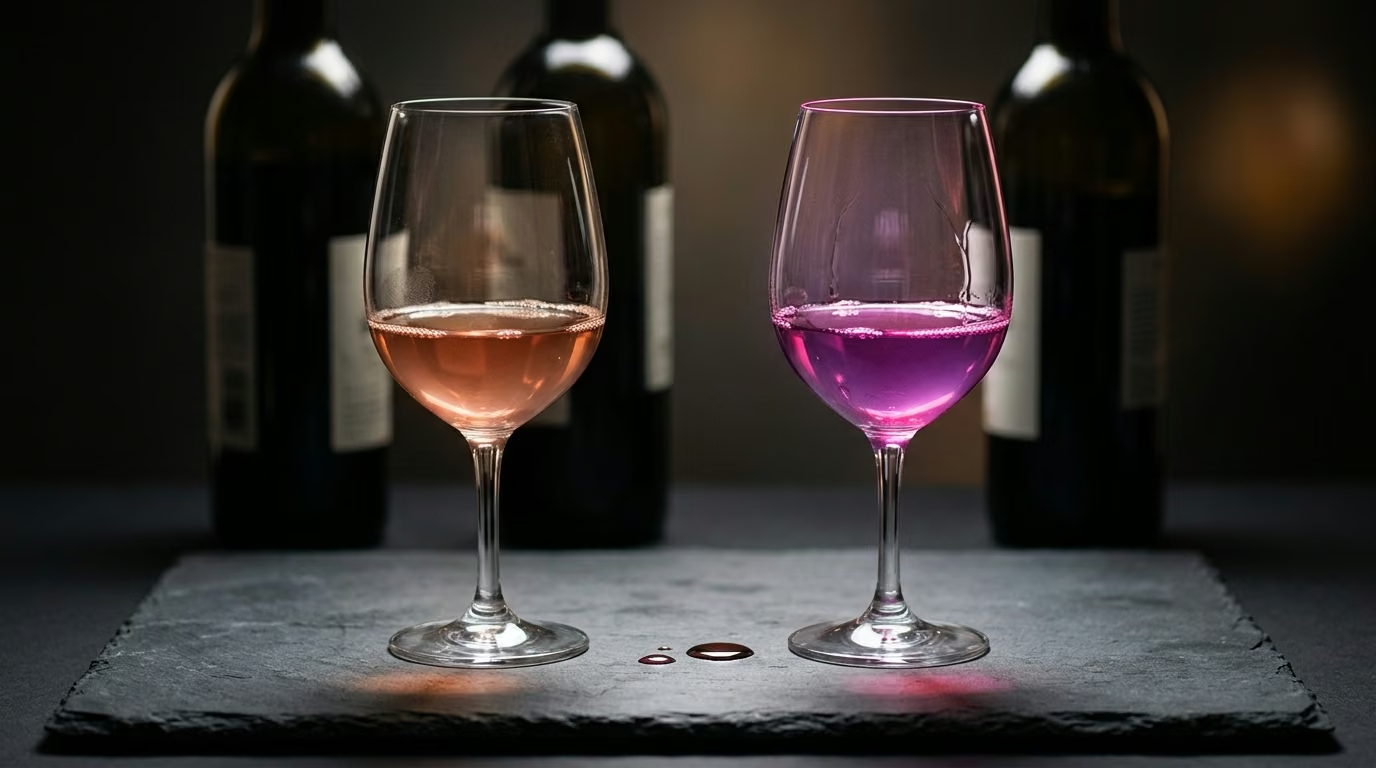
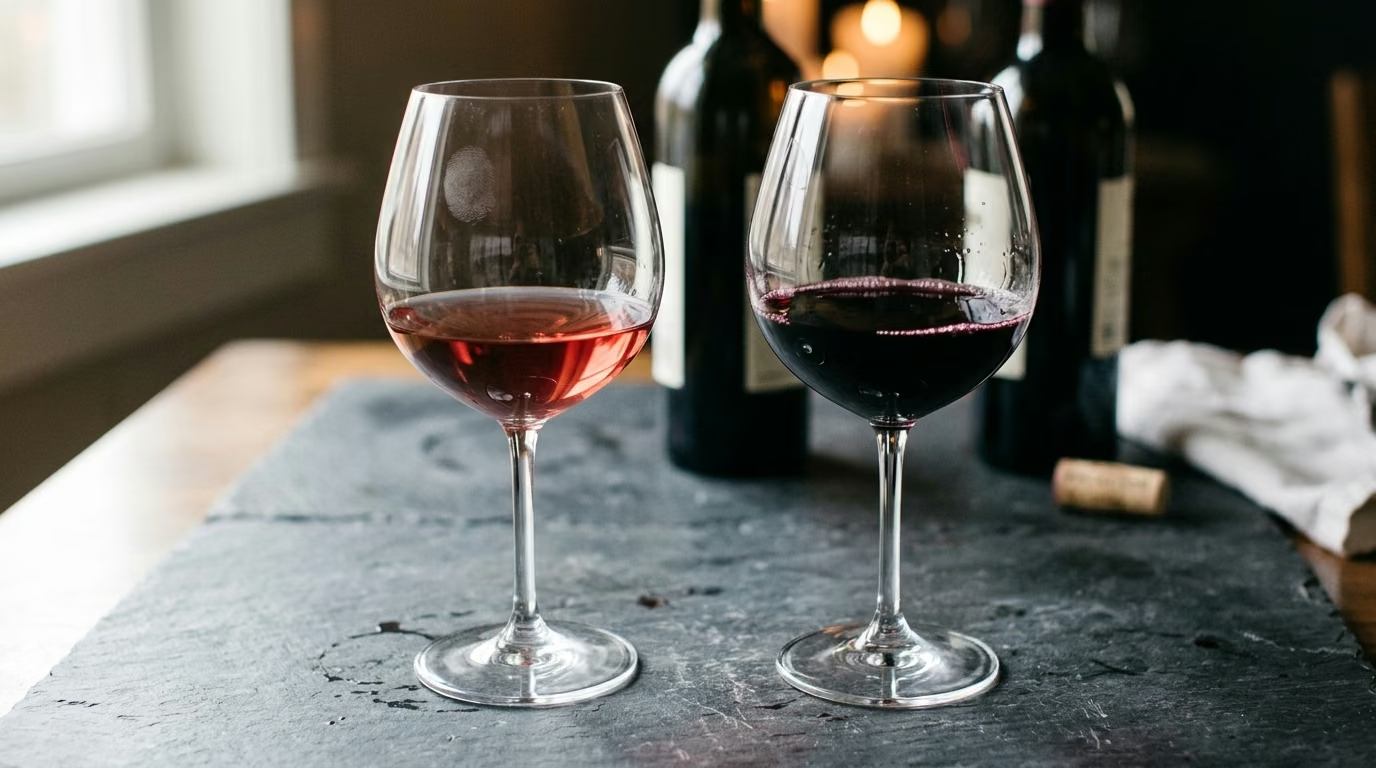
The difference shows up before you taste anything. Pour them side by side and the Pinot Noir is translucent enough that you can often see your fingers through the glass, while the Cabernet Sauvignon is opaque and stains the sides. That color gap is the tannin gap in visual form, and it predicts nearly everything else about how the two wines will feel.
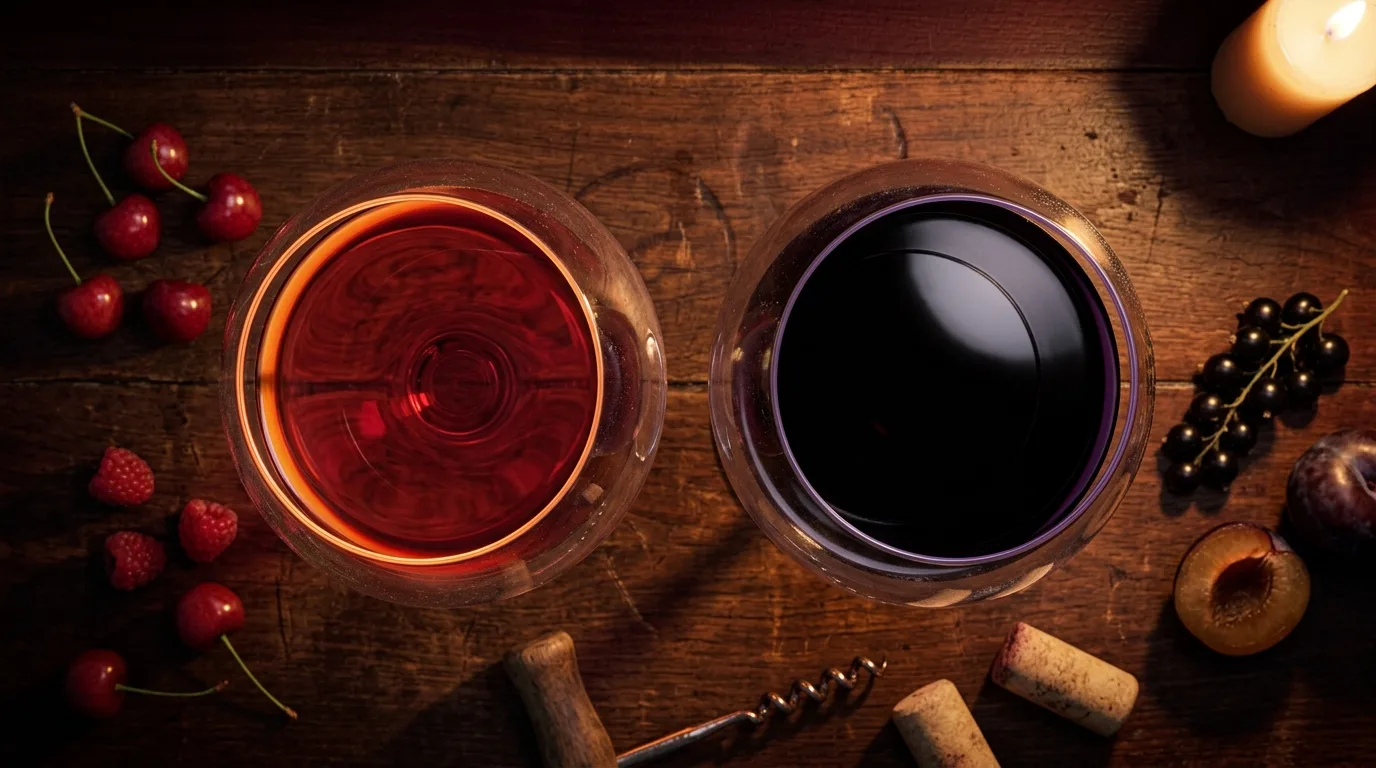
| Pinot Noir | Cabernet Sauvignon | |
|---|---|---|
| Color in the glass | Pale ruby, see-through | Deep purple-black, opaque |
| Body | Light to medium | Full |
| Tannin | Low | High |
| Fruit character | Cherry, raspberry, strawberry | Blackcurrant, black cherry, plum |
| Other notes with age | Mushroom, forest floor, savory | Cedar, tobacco, graphite |
| Finish | Bright and short | Drying and long |
| Best with | Chicken, salmon, mushrooms, pork | Steak, lamb, burgers, aged cheese |
| Serve at | 55 to 60F | 60 to 65F |
Tannin is the word doing the heavy lifting in that table. It's the drying, faintly grippy sensation on your gums and the inside of your cheeks after a sip, and it comes from grape skins, seeds and oak. Pinot Noir gives you very little of it. Cabernet Sauvignon gives you a lot. If you've ever said you don't like red wine, tannin is usually the reason, and our guide to what tannins actually do in a glass is the fastest way to work out whether that's you.
Acidity is the quieter difference between the two. Pinot Noir tends to be higher in acid relative to its weight, which is why it feels bright and refreshing rather than heavy. Cabernet also carries real acidity, but it sits underneath so much fruit and tannin that you register it as structure rather than freshness.
Why do these two grapes taste so different?
Almost every difference between these wines traces back to a single physical fact about the grapes, which is skin thickness. That probably sounds like a piece of trivia. It's actually the mechanism behind everything else on this page.

The Cabernet Sauvignon berry is very small with a thick skin, which produces a high ratio of skin and seed to pulp. Color, tannin and the phenolic compounds behind them all live in the skins and seeds, so a small thick-skinned berry loads the juice with far more of them than a large thin-skinned one would. Pinot Noir sits at the other extreme. Its thin skins and low levels of phenolic compounds produce wines that are lightly colored, medium-bodied and low in tannin, which is exactly what you taste.
The grapes also come from very different places in the family tree. Cabernet Sauvignon is a young grape by wine standards. DNA typing at UC Davis in 1996, by a team led by Carole Meredith, showed it to be the offspring of Cabernet Franc and Sauvignon Blanc, most likely a chance crossing in 17th century Bordeaux. Pinot Noir is far older and has been grown in Burgundy for centuries.
That difference in temperament matters more than the history, because it shapes what you can buy. Cabernet Sauvignon is famously easy to farm. The vines are hardy and naturally low yielding, they bud late enough to dodge spring frost, and they resist most of the diseases that ruin a season. Pinot Noir is the opposite of all of that. Its tight clusters and thin skins make it prone to rot, it picks up powdery mildew and virus problems readily, and it tolerates rough vineyard conditions far worse than Cabernet does. Jancis Robinson has called it a minx of a vine, and the winemaker Andre Tchelistcheff put it more bluntly when he said that God made Cabernet Sauvignon whereas the devil made Pinot Noir.
Hold on to that, because it decides how you should spend your money.
Which one goes better with what you're eating?
Here's the shortcut that survives almost any menu. Match the weight of the wine to the weight of the food, then let tannin do the rest. Tannin has a real job at the table, which is cutting through fat and protein, and that job only exists when there's fat and protein to cut through.

Pinot Noir is the more flexible of the two by a wide margin. Its low tannin means it doesn't fight delicate food, and its acidity keeps it from feeling heavy next to something light. Pour it with roast chicken, salmon, duck, pork tenderloin, mushroom risotto, or a charcuterie board where nothing is especially rich. It's also the red that works when half your table is eating fish. If you're cooking mushrooms in particular, the earthy, forest-floor side of Pinot Noir meets them halfway, which is why a Pinot Noir is the bottle we keep coming back to for them.
Cabernet Sauvignon, by contrast, needs a job to do. All that tannin has to bind to something, and if there's no fat or protein on the plate it turns on your mouth instead and reads as bitter and drying. Give it a ribeye, a lamb chop, a burger with real char on it, short ribs, or a hard aged cheddar. The classic steakhouse pairing isn't tradition for its own sake, it's chemistry, and our steak dinner guide breaks it down by cut and sauce.
The pairing that goes wrong most often is a big Cabernet with a light meal. A bold red next to grilled fish or a green salad makes the wine taste harsh and the food taste like nothing. If you only remember one rule, remember that a Cabernet without something rich to hold on to is the hardest wine on this page to enjoy.
Does spending more matter more for one than the other?
Yes, and this is where the two grapes really part company. Because Cabernet is easy to farm nearly everywhere and Pinot Noir is difficult almost everywhere, the same amount of money buys you very different odds.

At around $12 to $15, Cabernet Sauvignon is the safer bet by some distance. The vine's hardiness and generous yields mean a producer can make honest, recognizable Cabernet at scale without much drama, so an inexpensive bottle from Chile, Washington or the south of France usually tastes like what it says on the label. Pinot Noir at the same price is a much rougher ride. Low yields and fussy farming mean the economics don't work at $12, so cheap Pinot Noir is often thin, or sweetened and colored up to imitate a wine it isn't.
Around $25 to $30, the gap starts closing. This is roughly where Pinot Noir becomes reliably itself, and where regions like Oregon's Willamette Valley, Sonoma Coast and parts of Chile earn their reputation. Cabernet at this price gets noticeably more polished, though the jump feels smaller because the floor was already decent.
Past $40 the two behave differently again. Extra money in Cabernet mostly buys concentration, oak quality and aging potential, all of which are easy to taste. Extra money in Pinot Noir buys perfume and detail, which is a subtler thing to pay for, and plenty of people honestly prefer a $30 bottle to a $70 one.
The practical takeaway here is fairly short. If your budget is tight, buy Cabernet. If you've got room to spend a bit more and you want something lighter, that's the moment Pinot Noir earns it.
That gap between what a guide can tell you and what you'll actually enjoy is the awkward part of any comparison like this one. We can describe both wines accurately and still be wrong about which one suits you, because the two of us don't share a palate. It's the reason Sommy has Fit Check, where you scan or name a specific bottle and get a straight read on whether it fits your taste rather than a generic tasting note. Standing in the aisle holding two bottles at the same price is exactly the moment it's for.
Should you serve them at different temperatures?
You should, and it's the cheapest improvement available to either wine. Temperature won't change what's in the bottle, but it changes a lot about what you notice, and most people serve both of these too warm.
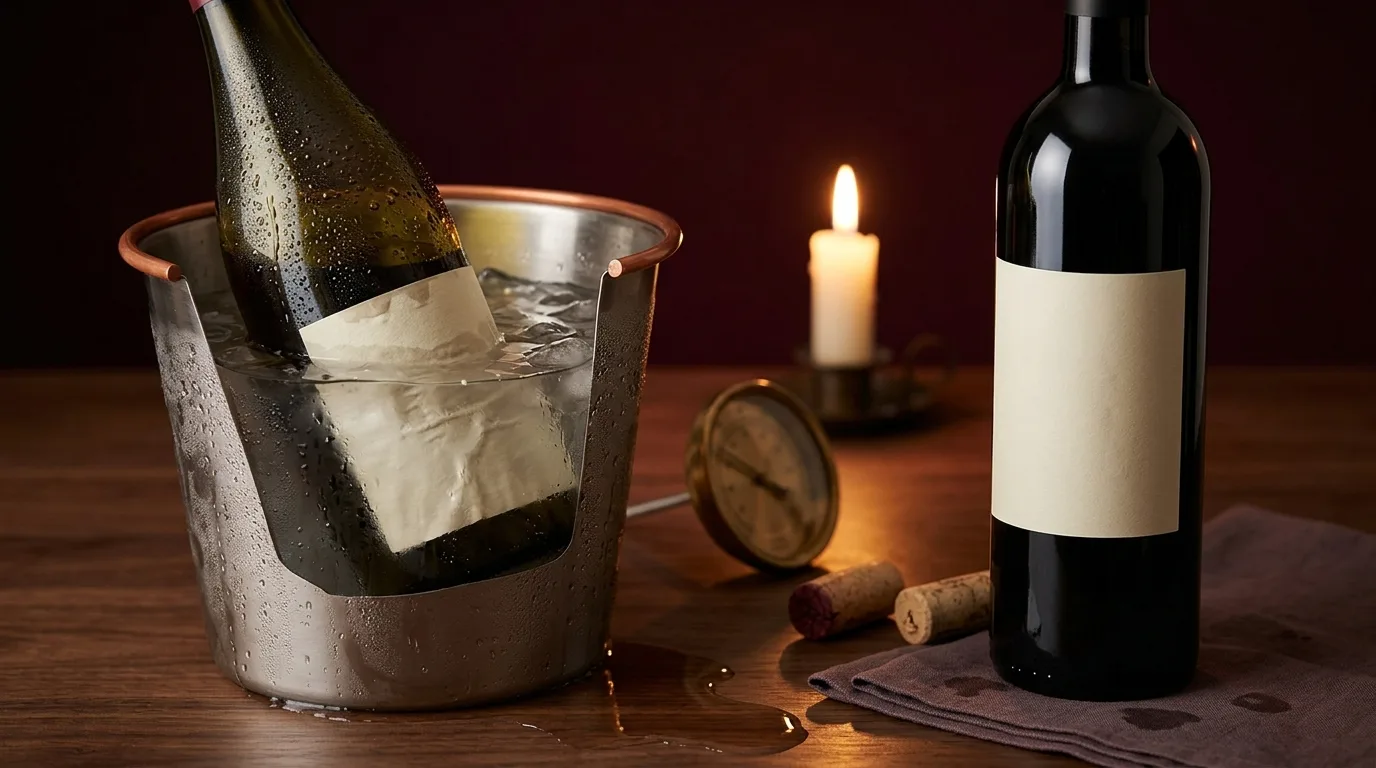
Pinot Noir belongs at about 55 to 60F, which is cooler than most rooms. A gentle chill firms up its acidity and keeps the red fruit clear, whereas a warm Pinot Noir goes soft and slightly stewed, losing the brightness that's the reason to drink it. Twenty minutes in the fridge before you open it is usually enough.
Cabernet Sauvignon wants about 60 to 65F. That's what people mean by room temperature, and it's well below the temperature of an actual heated room. Serve a Cabernet at 72F and the alcohol comes forward, the fruit recedes and the tannin feels coarser than it really is. Serve the same bottle ten degrees cooler and it reads as balanced. Our full serving temperature guide has the ranges for every other style if you want the whole ladder.
If you've decided you dislike Cabernet, it's worth trying one properly chilled down before you write the grape off. A surprising share of "too harsh" verdicts are really temperature complaints.
Common questions about Pinot Noir and Cabernet Sauvignon
Is Pinot Noir sweeter than Cabernet Sauvignon?
Almost all Pinot Noir and Cabernet Sauvignon are made dry, so neither is genuinely sweet. Pinot Noir often tastes sweeter because its bright red fruit and low tannin read as softer, and inexpensive versions are sometimes made in a riper, rounder style that leans that way on purpose. Cabernet's tannin has the opposite effect and makes the same amount of residual sugar disappear from your perception entirely.
Which is better for someone new to red wine?
Pinot Noir wins this one for most people. Low tannin is the friendliest starting point, and it lets a new drinker taste fruit and acidity without the drying grip that puts people off. If you'd like a wider map of where to start, our beginner wine chart sorts the main styles by body and sweetness.
Which one has more alcohol?
Cabernet Sauvignon usually runs a little higher, often around 13.5 to 15 percent against roughly 12.5 to 14 percent for Pinot Noir, though both vary by region. Warm climates push both numbers up, and a California example of either grape will typically be stronger than a French one.
Is Cabernet Sauvignon always a big, heavy wine?
No, and the region matters more than the grape here. Bordeaux and cooler parts of Washington make Cabernet in a leaner, more herbal style, while Napa Valley and warm Australian regions make the dense, plush version most people picture. If a Cabernet has ever felt like too much, a cooler-climate bottle is the fix rather than a different grape.
What sits between the two?
Merlot is the most obvious answer here. It has more weight than Pinot Noir and softer tannin than Cabernet Sauvignon, which makes it the natural middle ground, and our Merlot and Pinot Noir comparison covers that pair in full. Grenache and Gamay are two other good landing spots if you want something with red fruit and a bit more body than Pinot.
Can you cook with either one?
Both work, though they behave differently. Pinot Noir suits mushroom sauces, coq au vin and anything you don't want to overwhelm. Cabernet Sauvignon reduces into something much more powerful and belongs with beef braises and rich pan sauces. Use a bottle you'd happily drink, since reducing a wine concentrates its flaws just as efficiently as its virtues.
Picking one tonight
If you're deciding right now, run the two questions in order. Is the food rich or light? Rich food takes the Cabernet, light food takes the Pinot Noir. Then ask how you feel about that drying grip on your gums, because someone who dislikes it will be happier with Pinot Noir no matter what's on the plate.
Neither grape is the more serious choice, and neither is the beginner option. They're two ends of the same line, and knowing which end suits you is worth more than any amount of vocabulary.