Choosing a bold red wine can feel like a test you didn't study for, especially when you’re staring at a packed wine aisle. Bold red wines are simply those with intense, powerful flavors that feel rich and heavy in your mouth. If you’ve ever felt anxious about picking the “right” one, you’re not alone. This guide will give you a simple framework to choose a bold red confidently, without any confusing wine jargon.
What Actually Makes a Red Wine Bold?
When a wine is described as bold, it’s not about complex flavors you’re supposed to magically identify. It’s about how the wine feels—big, powerful, and rich. This feeling comes from three simple things: the wine’s body (its weight), its tannins (a drying sensation), and its alcohol (a warming feeling).
Let's break down these three sensations with straightforward comparisons, so it all clicks.
Body: The Weight of the Wine
Body is just the weight and texture of the wine in your mouth. The easiest way to think about it is by comparing it to milk.
- Light-bodied wines feel like skim milk—thin and light.
- Medium-bodied wines are like 2% milk, with a bit more substance.
- Full-bodied (or bold) wines are like whole milk or cream. They feel thick, rich, and coat your mouth.
Bold red wines are always full-bodied. This richness comes from higher levels of alcohol and flavor compounds from the grape, creating a satisfying, heavy sensation.
Tannins: The Structure and Feel
Tannins are natural compounds from grape skins, seeds, and stems. They don’t have a flavor, but they create a physical sensation—a drying, slightly grippy feeling on your tongue.
A perfect real-world example of tannin is drinking a cup of strongly brewed black tea. That slightly bitter, mouth-drying feeling you get? That's tannin.
In wine, tannins provide structure. Wines with high tannin feel firm, while those with low tannin feel soft. Bold reds have plenty of noticeable tannins, which add to their powerful character. The great thing is that tannins are a perfect match for rich, fatty foods like steak, making the wine feel smoother. If you want to dive a little deeper, you can learn more about what tannin is in wine.
Alcohol: The Warmth Factor
The last piece is alcohol, which you feel more than you taste. Higher alcohol content makes a wine feel fuller and creates a gentle warming sensation in your throat as you swallow.
Think of the subtle heat from a sip of whiskey versus the coolness of water. That gentle warmth is a signature of many bold red wines, which often have alcohol levels above 13.5%. This warmth rounds out the overall impression of power and richness.
For a quick reference, here’s a simple side-by-side look at the key differences between bold and light red wines.
Quick Guide: Bold vs. Light Red Wines
This little cheat sheet should help you picture the kind of wine you're getting into when you see "bold" or "light" on a menu.
Meet the Most Popular Bold Red Wines
Now that you have a feel for what “bold” means, let’s get you comfortable with the names you’ll see most often. You don’t need to memorize a long list of obscure wine varietals. Just knowing a few key players will give you a huge head start.
Think of this as your quick introduction to three reliable friends. We’ll skip the dense lessons and focus on what they actually feel like, so you can pick one confidently.
Cabernet Sauvignon: The Classic Choice
If bold red wines had a team captain, it would be Cabernet Sauvignon. It’s famous for a reason—it's structured, confident, and almost always delivers that full-bodied experience.
When you sip a Cabernet, you get big, dark fruit flavors like black cherry and blackcurrant. There’s often also a hint of vanilla or cedar from aging in oak barrels. Its high tannin gives it that classic, mouth-drying grip that works so perfectly with a juicy steak.
- What it feels like: Confident and structured, like a firm handshake.
- Common flavors: Dark cherry, blackberry, vanilla, and a hint of spice.
- Look for it from: Napa Valley (California), Bordeaux (France), and Coonawarra (Australia).
Syrah (or Shiraz): The Spicy One
Next up is Syrah, which you'll also see labeled as Shiraz. They're the exact same grape. "Syrah" is the French name, while "Shiraz" is what Australians call it, and the name often hints at the style.
French Syrah tends to be more savory, with flavors of black pepper and olive. Australian Shiraz is usually more fruit-forward and jammy, bursting with blackberry and plum. Both are powerful, full-bodied, and pack a distinctive peppery kick.
- What it feels like: Rich and powerful, with a peppery or smoky finish.
- Common flavors: Blackberry, plum, black pepper, and sometimes a savory, meaty note.
- Look for it from: Rhône Valley (France) for Syrah, or South Australia for Shiraz.
Malbec: The Smooth Operator
If Cabernet is the classic and Syrah is the spicy one, then Malbec is the smooth, crowd-pleasing choice. It found its fame in Argentina, becoming known for being rich, dark, and incredibly smooth.
Malbec is loaded with ripe, dark fruit flavors like blackberry and plum. What sets it apart are its softer tannins and plush, velvety texture. It gives you all the richness of a bold red with a smoother, less grippy finish, making it a fantastic starting point.
- What it feels like: Velvety, rich, and smooth, like melted dark chocolate.
- Common flavors: Blackberry, ripe plum, and hints of cocoa or vanilla.
- Look for it from: Mendoza, Argentina.
This following visual breaks down how body, tannin, and alcohol create the signature feel of bold red wines.
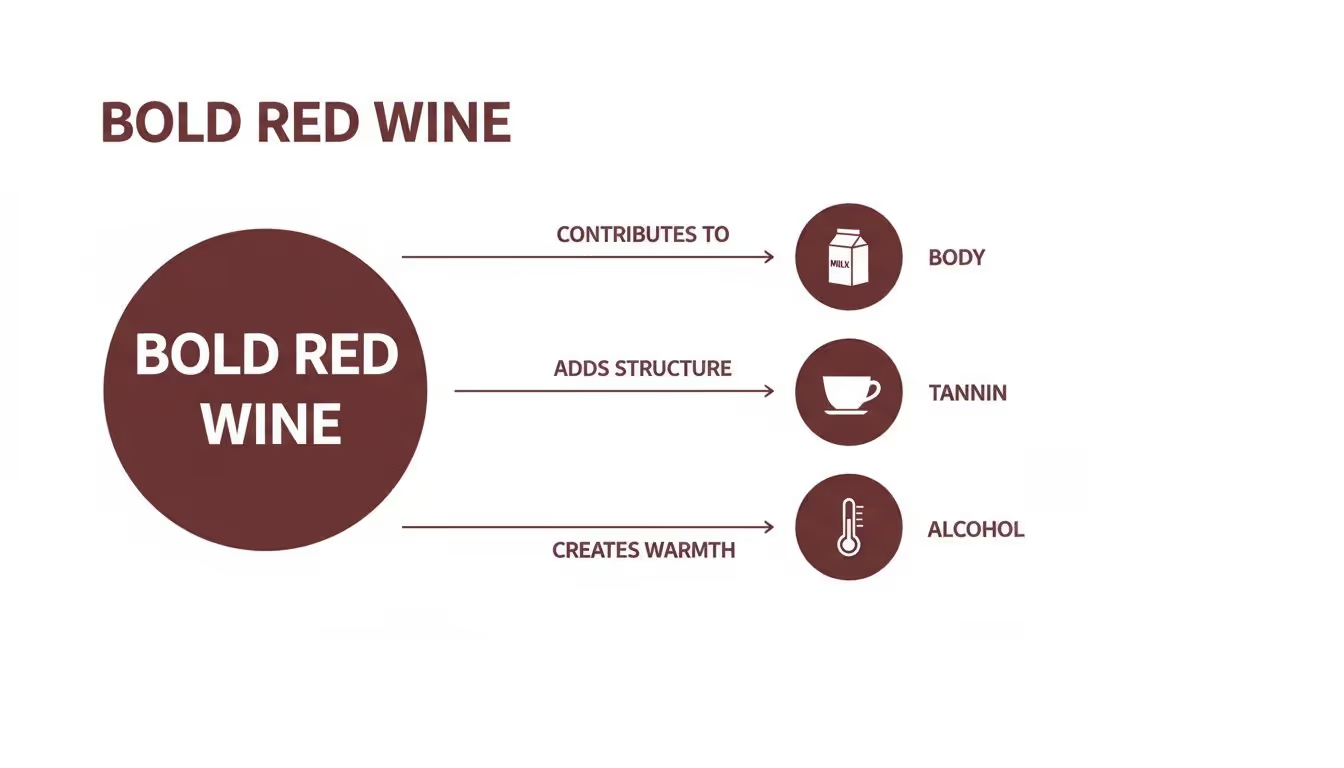
A full body gives the wine weight, high tannin adds structure, and higher alcohol provides a warming sensation. It’s this combination that creates such a powerful experience.
Choosing with Confidence: Don't get hung up on picking the "best" one. Ask yourself what sounds good right now. Are you in the mood for classic and structured (Cabernet), spicy and powerful (Syrah/Shiraz), or rich and smooth (Malbec)?
Focusing on these three means you’ve already narrowed your choices. This is the kind of in-the-moment decision Sommy helps with, learning your preferences to suggest which bold red you might enjoy most.
How to Spot a Bold Red Wine on a Menu
You’re at a restaurant, the server hands you the wine list, and that familiar wave of pressure hits. All you want is a rich red, but the list looks like it’s written in a foreign language.
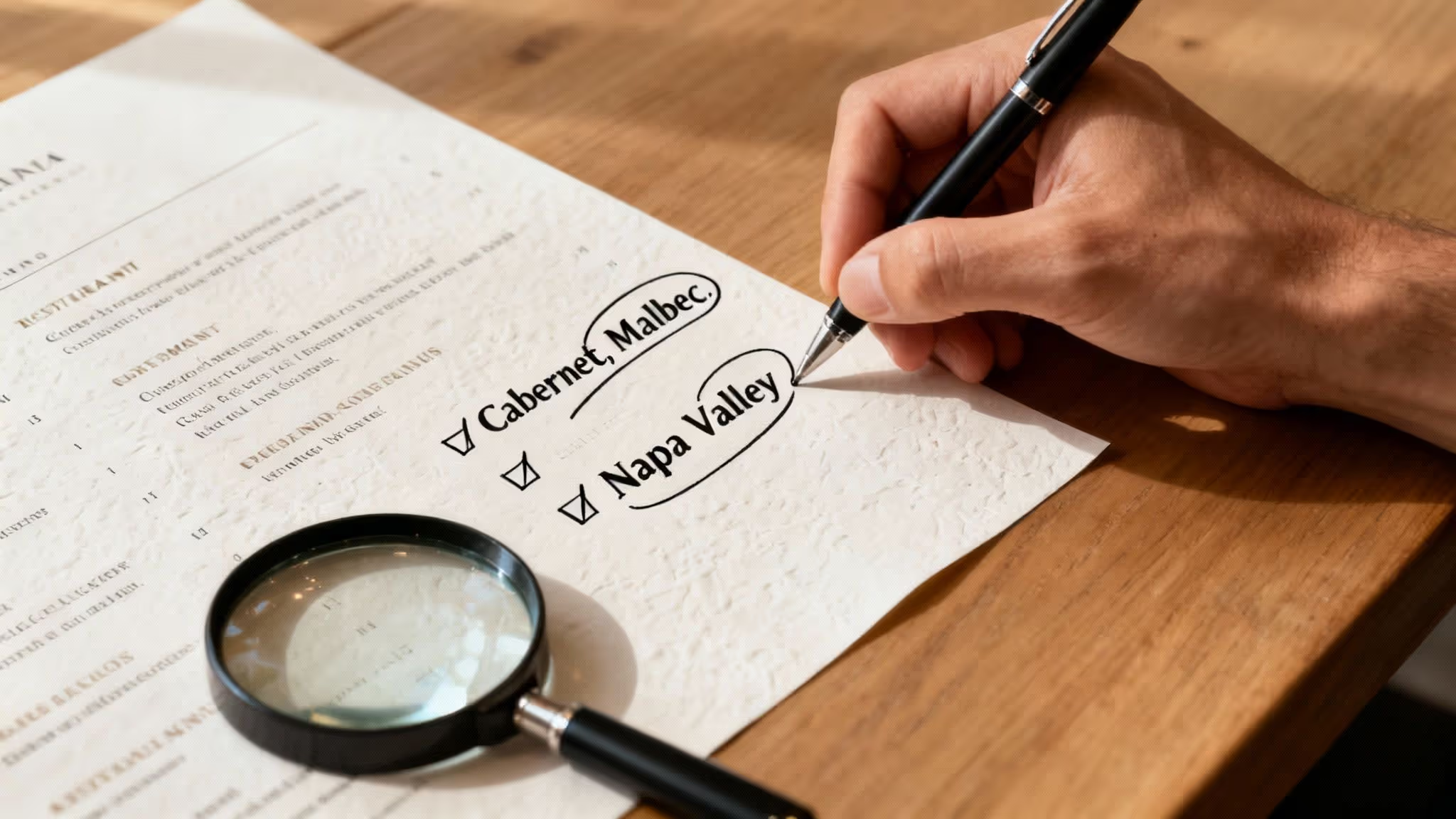
The good news is, spotting bold red wines is like a simple scavenger hunt once you know the clues. With a few pointers, you can scan any list and feel confident.
Look for the Familiar Names First
Your most reliable clue is the grape's name. When you scan the "Red Wine" section, let your eyes search for these names first.
- Cabernet Sauvignon: Almost always a safe bet for a full-bodied wine.
- Malbec: Your go-to for a smooth, rich red, especially from Argentina.
- Syrah or Shiraz: Delivers power and spice, whether from France or Australia.
- Zinfandel: An American classic known for being jammy, fruity, and bold.
Finding one of these is a great starting point and immediately narrows your options.
Use Famous Regions as Your Guide
Sometimes a wine list is organized by region. Don't let this throw you. Certain places are famous for making powerful red wines.
Think of it this way: if you want great pizza, you might think of Naples. If you want a bold red, think of these places:
- Napa Valley, California: The capital for big, powerful Cabernet Sauvignon.
- Bordeaux, France: Famous for structured blends, usually led by Cabernet or Merlot.
- Mendoza, Argentina: The home of rich, velvety Malbec.
- Barossa Valley, Australia: Known for its incredibly rich and potent Shiraz.
If you see these place names, you’re almost certainly in bold red territory. For a deeper dive, check out our guide on how to read a wine list without the stress.
Let Price and Descriptions Point the Way
Two other quick clues can help. While not a perfect rule, bold red wines often cost a little more because they require more ripeness and sometimes aging in oak barrels.
Also, look for descriptive words. Some menus include short descriptions. Keep an eye out for words like:
- "Full-bodied"
- "Rich"
- "Concentrated"
- "Powerful"
- "Structured"
These are direct signals that the wine has the intensity you’re looking for.
Your Mental Checklist: When the wine list arrives, just scan for 1) a familiar grape name, 2) a famous bold region, or 3) descriptive words. This simple three-step process makes any list manageable.
This preference for powerful wines isn't just in your head. The global red wine market commands approximately 44.7% of the total wine market share, valued at USD 118.0 billion, reflecting just how much people enjoy these rich flavors.
Of course, instead of memorizing clues, an AI assistant like Sommy can handle this instantly. Just scan the wine list with your phone, and Sommy will identify the bold options that match your personal taste.
A Simple Rule for Pairing Food with Bold Reds
The fear of choosing the "wrong" food pairing can be paralyzing. Let’s make this simple and get rid of that feeling for good.
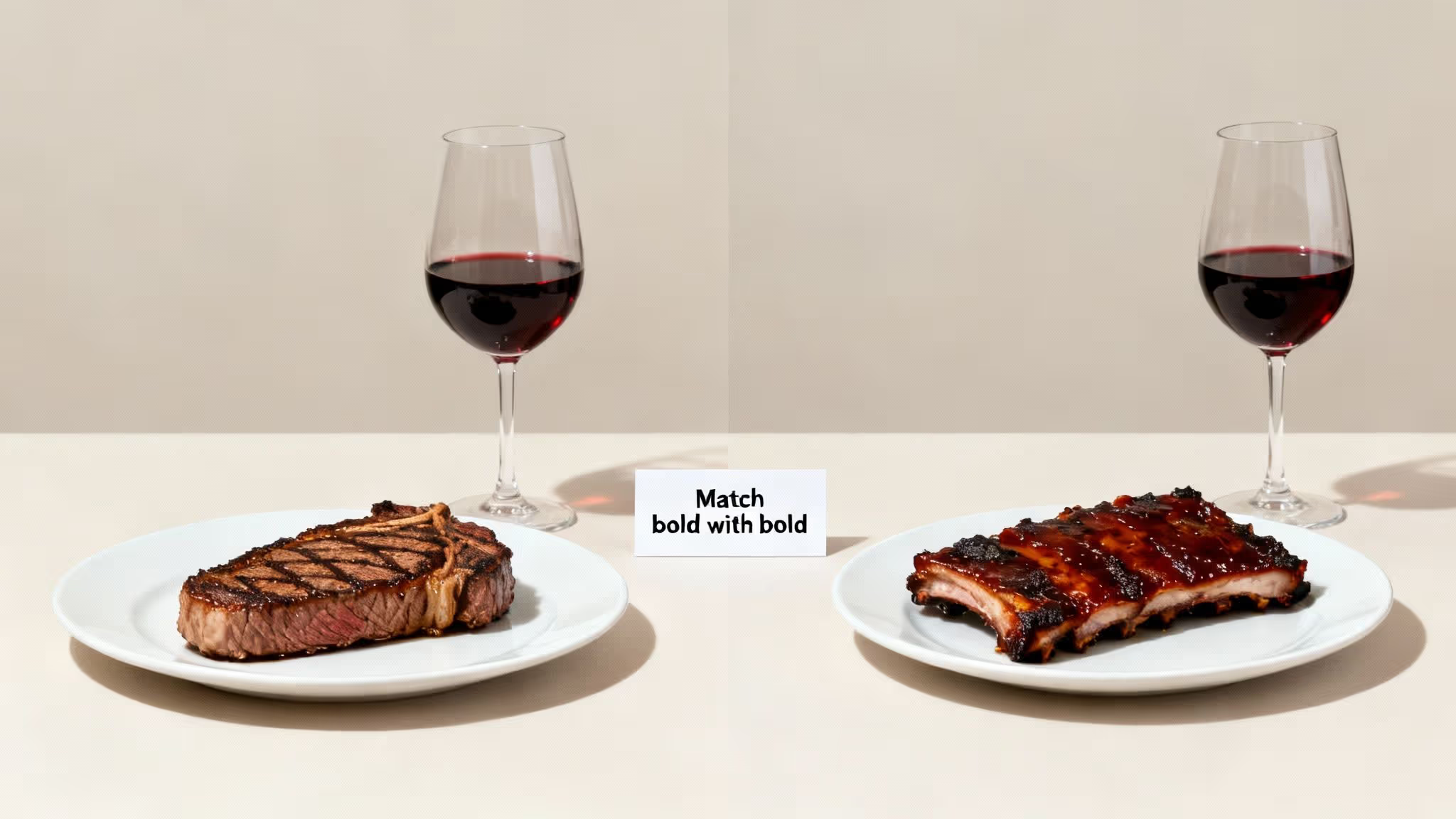
Forget complicated charts. There’s only one principle you need to remember: bold wine needs bold food.
That’s it. Because these wines have such intense flavors, they need a partner on the plate that can stand up to them. Think of it like a conversation between two strong personalities—the goal is balance, where both the wine and the food shine.
Why This Simple Rule Works
"Bold with bold" works because of how bold red wines interact with fat and protein. The high tannins in wines like Cabernet create that grippy, drying feeling.
When you pair these wines with rich, savory dishes, the fat and protein in the food soften the wine's tannins, making it feel smoother and fruitier. In return, the wine’s structure cuts through the richness of the food, cleansing your palate for the next bite.
This is why a big Cabernet Sauvignon with a juicy steak is so famous—it’s not snobbery, it’s just chemistry. The fat in the steak mellows the wine’s tannins, and the wine’s power stands up to the meat.
Real-World Examples You Already Know
You don't need a sommelier's vocabulary to make great pairings. Just think about hearty, flavorful meals.
- Grilled and Roasted Meats: Steak, lamb chops, burgers, and brisket have the fat and protein to balance high-tannin wines.
- Hearty Stews and Braises: Dishes like beef stew, short ribs, or a rich bolognese have concentrated flavors that demand a wine with equal intensity.
- Hard, Aged Cheeses: Strong cheeses like aged cheddar, manchego, or gouda have enough fat and flavor to stand up to a powerful wine.
- Savory Plant-Based Dishes: Rich, earthy flavors also work wonderfully. Think grilled portobello mushrooms, lentil shepherd's pie, or eggplant parmesan.
What to Avoid Pairing with Bold Reds
Knowing what doesn't work is just as important. Bold red wines can easily overpower delicate dishes.
A big, tannic Cabernet would overwhelm a light fish dish or a simple green salad. For lighter fare, you're better off reaching for a lighter wine. For a comprehensive look, check our guide on finding the right food to pair with red wine.
Instead of memorizing lists, just return to the simple rule: does the food feel bold and rich? If yes, a bold red is a great match.
Busting Myths About Bold Red Wines
A few old ideas make bold red wines feel complicated. These myths can create anxiety, making you feel like you need a special degree just to enjoy a glass of Cabernet.
Let’s clear up the confusion. “Bold” doesn’t mean difficult, expensive, or reserved for a secret club.
Myth 1: Bold Always Means Expensive
This is the biggest one. It’s easy to assume that a powerful wine must have a big price tag. While some famous bold reds can be costly, there are endless amazing options that deliver rich flavor without breaking the bank.
A perfect example is Malbec from Mendoza, Argentina. You can find fantastic, powerful Malbecs that offer incredible value. The same goes for many Zinfandels from California or a juicy Shiraz from Australia.
Key Takeaway: Price doesn't define boldness. You can find incredible bold red wines that are friendly to your wallet.
Myth 2: You Have to Age Bold Wines for Years
We all have this image of a dusty old bottle from a deep cellar. While that’s a beautiful thought, it doesn't apply to most of the wine we buy and drink.
The reality is, the vast majority of wines today are made to be enjoyed within a few years of release. Modern winemakers craft bold reds that are delicious right off the shelf. That everyday Shiraz or Malbec you picked up? It’s ready to be enjoyed tonight.
Myth 3: Bold Wines Are Only for Experts
The idea that you need a "trained palate" to appreciate a bold red wine is wrong. You don’t need to pick out twenty different subtle flavors to know what you like. The beauty of bold wines is that their main features—rich texture, full body, intense flavor—are easy to spot.
If you enjoy black coffee or dark chocolate, you already have the palate to appreciate a bold red. This is a core belief at Sommy, where we help you focus on what you taste, not what some expert says you should.
The global popularity of these wines proves they’re for everyone. Europe remains the biggest market for red wine, valued at USD 45.8 billion. That massive number is driven by everyday people who love rich, satisfying flavors. You can discover more insights about red wine consumption to see how these trends are shaping what's available.
Picking a wine should feel good, not stressful. Once you let these myths go, you can explore bold reds with confidence.
Your Next Step to Choosing Wine Confidently
That feeling of anxiety when a server hands you a long wine list doesn't have to be your reality anymore.
You've learned that 'bold' is just a word for a wine with big, intense flavors. The stress that comes from not knowing is gone because now you have a simple map to follow.
You Have a Clear Path Forward
You can now glance at a menu and spot the key players—Cabernet Sauvignon, Malbec, Syrah. These names are familiar friends, not intimidating strangers.
And you've got a dead-simple rule for food: match bold food with bold wine. Armed with this foundation, you have what you need to make a great call. The goal was never to turn you into an expert; it was to help you feel relieved, capable, and in control.
Let an Assistant Handle the Details
What if you could feel this confident every time without running through a mental checklist? If you’d like a personal assistant to handle these decisions, that’s exactly what Sommy was built for.
Instead of trying to remember the details, you can just scan a wine list with your phone. Sommy uses AI to learn your personal taste and instantly recommends the perfect bottle, whether you're looking for bold red wines or something else.
It takes the guesswork out of the equation so you can get back to enjoying the moment. This is just one of the simple ways you can learn how to choose wine without the stress.
The confidence you feel right now can be your new normal. You’ve replaced anxiety with knowledge, and you’re ready to pick your next bottle with ease.
Got a Few Questions?
Let's tackle a few common questions that pop up when people start exploring bold red wines.
So, Are Bold Red Wines Sweet?
Not really. This is a big one, but the answer is usually no. When we say a wine is "bold," we're talking about the intensity of its flavor and its weight in your mouth—not its sugar content.
The vast majority of popular bold reds like Cabernet Sauvignon, Syrah, and Malbec are made in a dry style. They might have rich, ripe fruit flavors that our brains mistake for sweetness, but they have very little actual sugar.
What's a Good Bold Red for a Beginner?
An Argentinian Malbec is a fantastic place to start. It delivers all the rich, full-bodied character you’re looking for, but its tannins are often softer and more rounded than in a big Cabernet.
This makes it feel smoother and more welcoming. You get all the delicious flavors of blackberry and plum without the aggressive mouth-drying feeling that can sometimes catch newcomers off guard.
Why Malbec Works: It gives you the "wow" factor of a bold wine without feeling overpowering. It’s the perfect handshake between rich and smooth.
Should I Be Serving Bold Reds Chilled?
You’ll want to serve them slightly below room temperature, ideally around 60-65°F (15-18°C). This makes a huge difference. Serving reds too warm makes the alcohol taste sharp and masks the fruit flavors.
A slight chill helps pull everything into balance, making the wine feel more structured and refreshing.
An easy trick: pop the bottle in your fridge for about 15-20 minutes before you open it. That’s usually the perfect amount of time to bring it down to its happy place.
Navigating these details is exactly where an AI assistant like Sommy comes in. Instead of guessing, you get instant, clear advice tuned to what you like. If you're ready to choose wine with total confidence, learn more about how Sommy can help.

EntreprEngineur. Runs on lattes. Creates with the intensity of a downhill run. Fast, slightly chaotic, ideally followed by a glass of wine.