Choosing wine for pork shouldn't feel like a test. Staring at a wine list or a packed store shelf can be overwhelming, but the good news is you only need a simple plan.
For a safe bet every time, just remember two styles: a crisp Riesling or a light-bodied Pinot Noir. These are your go-to options that pair beautifully with almost any pork dish.
Your Go-To Wines for Any Pork Dish
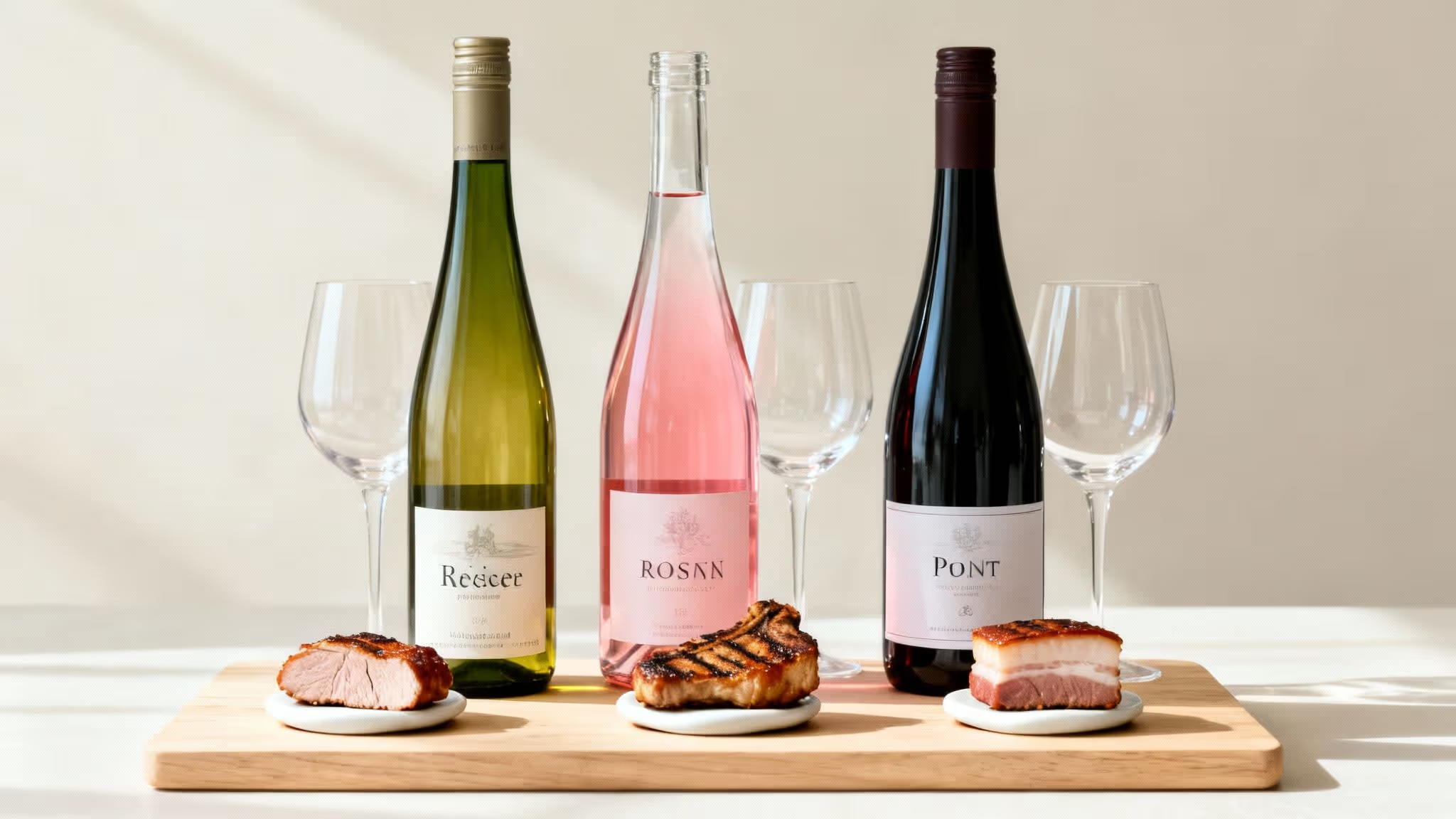
When standing in the wine aisle or staring at a restaurant menu, it's normal to feel unsure, but pork is one of the most wine-friendly meats out there. This means you have plenty of fantastic, easy-to-find options. You don’t need to know about obscure grapes or far-flung regions to make a brilliant choice.
The goal is to remove the guesswork so you can feel confident. Think of this as your simple cheat sheet, not a dense textbook. We'll point you to a few dependable styles that hit the mark time and time again, taking the anxiety out of the decision.
Quick Pork and Wine Pairing Guide
To make it even simpler, here's a quick-glance table for those "I need an answer now" moments. Use this as your go-to reference next time you're planning dinner.
This table is designed to give you instant, reliable ideas without getting bogged down in the details.
Why These Pairings Work So Well
See a pattern in those suggestions? Wines with bright acidity, like a good Riesling, act like a squeeze of fresh lemon on rich, fatty pork. They slice right through the richness, cleansing your palate and making every bite feel fresh.
This isn't some new trick. Pork dishes, from smoky ribs to a tender loin, have been paired with off-dry Rieslings for ages. It's a classic match born from German tradition where pork is a staple. The synergy just clicks: the pork's savory fat is perfectly balanced by the Riesling's acidity and touch of sweetness.
Ultimately, these ideas are just a launchpad for a delicious meal. The best wine is always one you genuinely enjoy. For specific preparations like a classic Sunday roast, you can dive deeper with our guide to the best wine pairings for pork loin.
And if you ever feel stuck in the moment, this is exactly the kind of decision Sommy helps with—giving you clear, confident recommendations right on your phone.
Why Do Some Wines Just Click with Pork?
Ever take a sip of wine with a bite of food and everything just sings? It’s not magic, and it’s definitely not about memorizing a giant book of rules. The secret is simple balance, the same way you’d add a pinch of salt or a squeeze of lemon while cooking. A great pairing makes both the wine and the food taste better.
Think of a wine’s acidity as your secret weapon. It’s like that squeeze of lemon over a rich, savory dish—it cuts right through the fat, cleans up your palate, and makes every bite feel bright and new again. Master that one idea, and you’re already halfway there.
The Power of Acidity and Fruit
When it comes to picking a wine for pork, the two most important tools in your toolkit are acidity and fruitiness. These two elements are what create harmony with the incredible range of flavors and textures you find in different pork dishes.
- Acidity is Your Best Friend: Pork can be wonderfully rich, especially cuts like pork belly or a slow-cooked shoulder. A wine with a sharp backbone of acidity, like a crisp Riesling or a vibrant Pinot Noir, slices through that richness effortlessly. It keeps the meal from feeling heavy and gets your taste buds ready for the next bite.
- Fruit Flavors Are a Natural Match: So many pork recipes lean into sweet or savory notes, from the classic apple sauce with a Sunday roast to the tangy BBQ sauce slathered on pulled pork. A wine with obvious fruit notes—think the bright cherry in a Pinot Noir or the stone fruit in a Chenin Blanc—doesn't just coexist with these flavors, it complements them.
Getting a feel for this simple push-and-pull is way more useful than trying to remember specific bottle names. If you want to dig a little deeper into this, our guide on how to match wine with food breaks these core concepts down even further.
Match the "Weight" of the Wine to the Dish
Here's another easy rule of thumb: match the "weight" of the wine to the weight of the dish. This might sound like insider jargon, but it's really straightforward. A delicate, lean pork tenderloin, for instance, would be completely bulldozed by a huge, heavy red wine. It needs a lighter-bodied partner that won't steal the show.
Think of it like a conversation. You don't want the wine shouting over the food. The goal is for them to talk to each other, with neither one dominating the discussion.
On the flip side, a big, smoky pork dish with a powerful sauce can absolutely hold its own against a wine with more oomph. A jammy Zinfandel, for example, brings enough intensity to the party to stand shoulder-to-shoulder with BBQ ribs without getting lost in the noise.
This principle of balance is what turns a potentially stressful choice into a simple, fun part of the meal. You don’t need to be an expert—you just need to trust your palate.
Matching the Right Wine to Your Pork Dish
Let’s get practical. Forget the abstract rules for a minute and think about the pork dishes you actually cook and order. A simple, herb-crusted pork loin needs a completely different wine partner than a rack of smoky, sauce-slathered ribs.
Thinking this way turns a confusing choice into a simple one. You're not looking for one single "pork wine"—you're looking for a wine that complements the way your pork was prepared. This small shift in perspective is the secret to choosing with confidence every single time.
This little decision tree shows you a simple way to frame your choice.
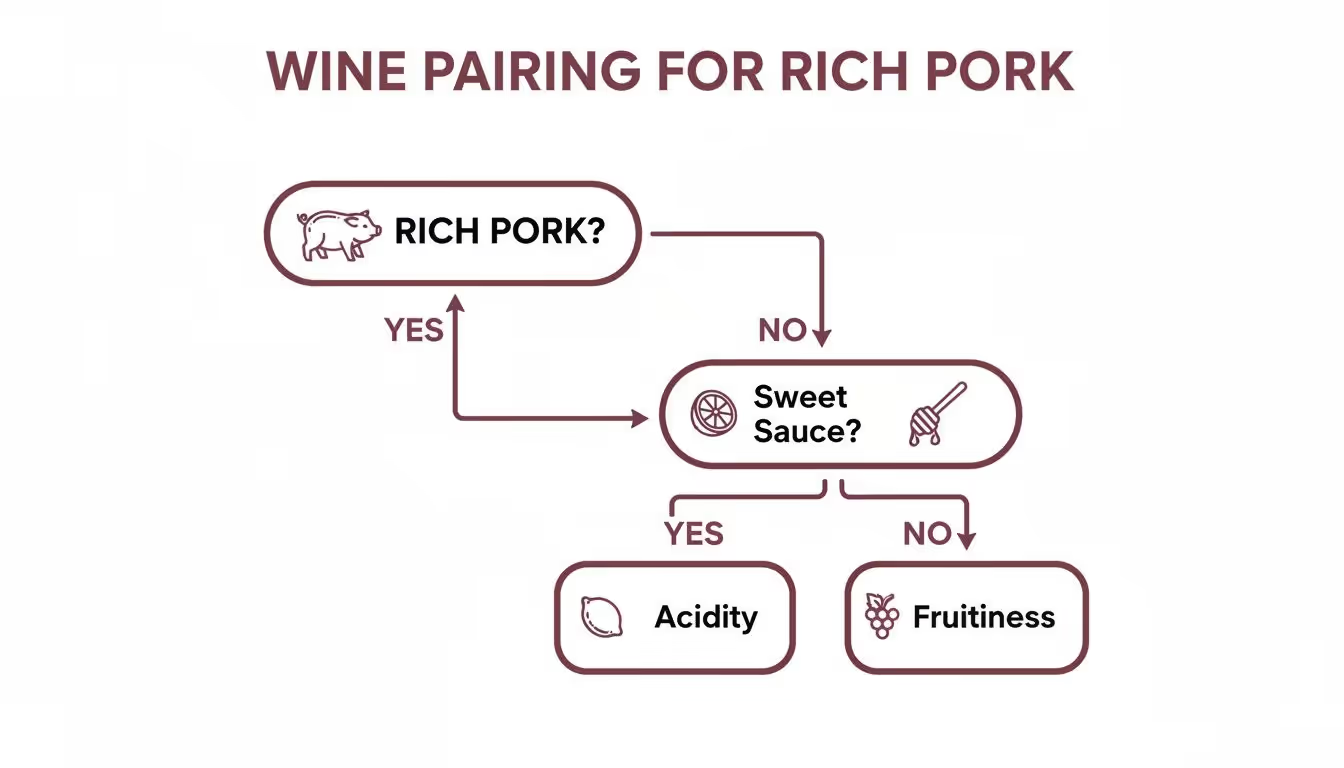
The flowchart gets right to the point: the richness of the pork and the sweetness of its sauce are your two main road signs for picking the right wine style.
For Lighter Pork Dishes
Think about grilled pork chops, a simple roasted loin, or a seared pork tenderloin. These dishes are savory and relatively lean, so you want a wine that won’t just show up and shout over them. The goal is harmony, not a flavor battle.
- Go-To Red Wine: Pinot Noir. It’s a classic for a reason. Its bright cherry notes and earthy undertones are a perfect match for the subtle, savory flavors of roasted pork. It’s light enough not to bulldoze the meat but has enough presence to be a delicious partner.
- Go-To White Wine: Dry Rosé or Chenin Blanc. A crisp, dry rosé offers the refreshing acidity of a white wine but brings a hint of red fruit character that just sings with pork. In the same vein, a zesty Chenin Blanc from the Loire Valley gives you that acid to cut through the meat’s texture while adding lovely apple and pear notes.
For Richer and Saucy Pork Dishes
Now we're in big-flavor territory: pulled pork, glazed ham, or spicy sausages. These dishes bring smoke, sweetness, and spice to the table, and they demand a wine that can stand up to them. A delicate wine would get completely lost here.
The rule of thumb is simple: match intensity with intensity. Bold food flavors need a wine with an equally confident personality.
- Go-To Red Wine: Zinfandel. A jammy, fruit-forward Zinfandel is an absolute dream for anything smothered in barbecue sauce. Its bold fruit flavors and hint of spice can handle the sweetness and smoke of dishes like pulled pork or sticky ribs without breaking a sweat.
- Go-To White Wine: Off-Dry Riesling. That little touch of sweetness in an off-dry Riesling is the perfect counterpunch to spicy or sweet-and-sour pork, like a chili verde or pork with a prune sauce. Its high acidity keeps it from feeling cloying, cleansing your palate with every sip.
These suggestions aren't rigid laws but a reliable starting point. Instead of stressing about a specific bottle, just focus on the style. If you see "Pinot Noir" on a menu next to the pork loin, you can feel confident it's a great choice. This is exactly the kind of in-the-moment help Sommy provides, giving you a clear path forward when you're staring at a wine shelf or a restaurant list.
How to Choose a Wine for Pork at the Store

We've all been there. You're standing in the wine aisle, staring at a wall of bottles, and just trying to grab something great for dinner tonight. The sheer number of choices can feel like a pop quiz you didn't study for.
But this isn't about becoming a wine scholar overnight. It's about having a simple, calm game plan to make a confident choice and get on with your day. The secret is to ignore the noise—the fancy labels and confusing descriptions. A few focused steps are all you need to find the perfect bottle for your pork dish.
A Simple 3-Step Plan for the Wine Aisle
When you're in front of those shelves, tune out everything else and run through this quick mental checklist. It'll narrow hundreds of options down to just a handful of solid contenders in no time.
- Think About Your Dish First. What kind of pork are we talking about? Is it a rich, fatty pork belly or a lean, herb-roasted loin? For those richer cuts, you’ll want a wine with enough acidity to slice right through the fat. For lighter dishes, you need a wine that won't steamroll the meal.
- Pick Your Style. Based on that dish, decide on a general direction. Are you feeling a crisp white like a Riesling, or would a lighter red like a Pinot Noir hit the spot? Just having a style in mind keeps you from wandering aimlessly.
- Scan the Labels for Simple Words. You don't need to decode dense tasting notes. Just look for helpful, straightforward words on the back labels. Phrases like "crisp and refreshing" for whites or "fruity and smooth" for reds are your best friends here. They're excellent clues.
This approach strips the anxiety out of the process. If you want to dive a little deeper into this method, our guide on how to choose wine is a great place to start building that confidence for any situation.
Finding Great Value Wines for Pork
Fantastic taste doesn't have to come with a hefty price tag. In fact, some of the absolute best wines for pork are also some of the most affordable. You really don't need to splurge to get a brilliant pairing.
A delicious meal is about finding harmony, not spending a lot of money. The right budget-friendly bottle will often taste better with your dish than an expensive one that doesn't match.
Here are a couple of styles that consistently deliver amazing value:
- Gamay (like Beaujolais): Often a steal, this light-bodied red is bursting with bright red fruit flavors that sing alongside roasted pork or sausages.
- Dry Rosé: Look for one from the south of France. A good dry rosé brings incredible acidity and subtle fruit notes to the table, making it a perfect partner for grilled pork chops.
These options prove you can find a winning bottle without breaking the bank. An AI assistant like Sommy can also be your personal guide right in the aisle. It learns your tastes and gives you personalized recommendations that fit your meal and your budget, turning a wall of confusion into a place of confidence.
How to Order Wine for Pork at a Restaurant
That moment the server hands you the wine list can feel like a pop quiz you didn’t study for. Suddenly, everyone at the table is looking at you, and all those pages of unfamiliar names just stare back.
Let’s take that anxiety off the table right now. Ordering wine for your pork dish should be a simple, stress-free part of the meal, not the hardest part. The goal isn’t to impress anyone with wine knowledge; it's to find a delicious bottle that makes your food taste even better. You already have all the tools you need.
Scan the List for Safe Bets
Before you even think about asking for help, do a quick scan for the reliable styles we've already covered. Just run your finger down the red section looking for a Pinot Noir or the white section looking for a Riesling.
These are your secret weapons—incredibly versatile wines for almost any pork dish. Spotting one on the list is an instant win. If you see one, your work is pretty much done. You can confidently point to it knowing you've made a solid choice that will pair beautifully. This simple first step can solve the problem in under 30 seconds.
Simple Phrases to Use with Your Server
What if you don't see an obvious choice, or you just want a recommendation? There’s no need to feel intimidated. Your server or the sommelier is there to help, not to judge. The key is to give them simple, clear information.
You don’t need fancy wine jargon. Just use straightforward language like this:
- "We're having the pork chop. Could you suggest a light red that's not too heavy?"
- "I'm looking for a crisp white wine to go with the pork loin, something refreshing."
- "We want a red that will stand up to the BBQ pork ribs without being overpowering."
Phrases like these give your server exactly what they need to guide you to a great bottle in your price range. If you feel overwhelmed by a long list, our guide on how to read a wine list offers more simple tips to make it manageable.
This is exactly the kind of in-the-moment decision Sommy was designed for. Instead of guessing, you can use its menu scan feature to discreetly find the best options for your meal based on your personal tastes. It turns the wine list from a test into a simple set of choices, giving you a clear, confident pick in seconds.
Your Simple Pork and Wine Pairing Takeaways
Let's pull this all together. Picking a wine for pork is a lot easier when you ditch the dusty rulebook and focus on a few simple ideas. You don’t need to memorize a thousand bottle names or obscure regions to nail the perfect pairing.
The most important thing to remember is balance. The “right” wine is just one that works with your meal and—most importantly—one you actually want to drink. Trust your own palate.
Your Go-To Wine Styles
If you're ever standing in the wine aisle feeling that familiar wave of indecision, just come back to these three. Think of them as your never-fail, can’t-go-wrong options for almost any pork dish you can dream up.
- Off-Dry Riesling: That little touch of sweetness and zippy acidity can handle anything from spicy sausages to a rich slab of pork belly. It's probably the single most flexible wine you can buy.
- Pinot Noir: This light-bodied red is a classic for a reason. Its bright red fruit and earthy undertones are just about perfect for roasted or grilled pork.
- Dry Rosé: Giving you the best of both worlds, a crisp rosé has the refreshing acidity of a white wine but with a hint of red fruit that really sings with pork.
The Two Core Principles
You can confidently pair wine with any pork dish by just remembering two things. Honestly, these are the only "rules" you truly need.
- Acidity Cuts Through Fat: For those rich, fatty cuts, a wine with bright acidity cleanses your palate and keeps the whole meal from feeling heavy. It works just like a squeeze of lemon.
- Fruitiness Complements Sauces: When your pork has a sweet, tangy, or savory sauce (think BBQ or an apple glaze), a wine with bold fruit flavors of its own creates a delicious harmony.
With this simple framework, you can walk up to any menu or wine shelf with confidence. The whole point is to feel equipped and relieved, not buried under a mountain of information.
This is the kind of straightforward, in-the-moment guidance Sommy is all about. When you need a clear, quick recommendation without the stress, it's there to help you find the perfect bottle.
Quick Answers to Common Pork and Wine Questions
Let's cut to the chase. Here are some quick, straightforward answers to the questions that pop up most often when pairing wine with pork. Think of this as your cheat sheet for making a great choice every time.
What’s the One Bottle I Can Almost Always Count On?
If you want a single, works-with-almost-anything bottle, grab an off-dry Riesling. It’s the Swiss Army knife of pork pairings.
That perfect tension between bright acidity and a whisper of sweetness makes it a champion. It can handle salty ham, stand up to rich pork belly, and even play nice with spicy sausages. It’s the reliable friend you can always call.
Can I Pair a Big, Bold Red Wine with Pork?
Absolutely, as long as the dish can handle it. While lighter reds are generally a safer bet, a powerful red like a Cabernet Sauvignon has its place.
The secret is to match intensity. If you’ve got a big, smoky rack of ribs slathered in a thick, tangy BBQ sauce, that’s your moment. A bold red won’t just survive; it will thrive.
What If I’m Not Drinking Alcohol?
Sparkling apple cider is your best friend here. It’s a fantastic non-alcoholic pairing that beautifully mimics the qualities of a great wine.
Its crispness and subtle sweetness cut through the richness of pork and refresh your palate, doing the same job a glass of Riesling would. It's a genuinely delicious and thoughtful choice.
Does the Sauce Matter More Than the Meat?
More often than not, yes. The sauce is usually the loudest voice on the plate, so you should listen to it when picking your wine.
A sweet and sticky BBQ glaze needs a totally different partner than a creamy, earthy mushroom sauce. When you're not sure what to do, let the sauce be your guide.
Feeling stuck in the wine aisle is exactly why we built Sommy.
Instead of trying to memorize all these rules on the spot, you can just use the app to scan the shelf or a restaurant menu. You’ll get a clear, personalized pick in seconds. Find your perfect bottle for tonight's pork dish at https://www.sommy.ai.

EntreprEngineur. Runs on latte's. Creates with the intensity of a downhill run—fast, slightly chaotic, ideally followed by a glass of wine.