Staring at a wine list, trying to pick a bottle for your pork dish? Relax. You don’t need to be a wine expert. For most pork dishes, a medium-bodied, fruit-forward wine is a fantastic choice. Think Pinot Noir for red or a dry Riesling for white. The key is to match the wine to the sauce and cooking style, not just the meat.
This simple shift in thinking removes all the pressure and makes choosing the right bottle easy.
How to Confidently Pair Wine With Pork
You’re in the wine aisle, scrolling through options, and that familiar feeling of overwhelm kicks in. What wine goes with pork chops? What about pulled pork? That moment of decision paralysis is normal, but it doesn’t have to be your reality. Choosing a great wine for pork is much simpler than you think.
Pork is incredibly popular worldwide, with consumption expected to climb to 129.3 million metric tons by 2032. As diners lean towards leaner cuts, the wine pairings have shifted too, favoring lighter, brighter wines that complement the dish instead of overpowering it.
Your Cheat Sheet for Pork and Wine
Instead of guessing, use this quick guide. It’s designed to give you a confident answer in seconds, matching common pork dishes with easy-to-find wines. Whether you prefer red or white, there’s a perfect option waiting for you.
And if you're ever unsure about terms like "dry," our guide on the difference between a dry vs. sweet wine can clear things up in simple terms.
The goal isn’t to find the one “perfect” wine. It’s to find a wine you’ll enjoy that makes your meal even better. If you like the wine and you like the pork, you’ve already succeeded.
Here's a simple lookup table to get you started.
Quick Guide to Pork and Wine Pairings
Think of this table as your starting point. It covers the classics and will steer you right every time, giving you the confidence to either stick with a sure thing or start experimenting on your own.
Why Pairing Wine With Pork Can Feel Tricky
Ever feel like choosing a wine for pork is harder than for beef or chicken? You’re not wrong. The challenge isn't your wine knowledge—it's the pork itself. Pork is a culinary chameleon.
It can be delicate and lean like a tenderloin, or it can be rich and fatty like pork belly. This huge range is why there's no single "pork wine." A bottle that’s perfect for a roasted loin will be completely overwhelmed by smoky, sauce-slathered ribs.
The trick is to stop thinking about what wine goes with pork and start thinking about the finished dish on your plate.
The Only Three Things That Matter
Forget memorizing complicated rules. To make a great choice every time, you only need to consider three things.
- The Cut of Pork: Is it a lean cut like a pork chop or a fatty one like pork shoulder? Lean cuts need lighter wines, while fatty cuts need a wine with enough acidity to cut through the richness.
- The Cooking Method: Grilling adds a smoky char that loves a fruit-forward wine. Slow-roasting brings out savory, earthy notes that pair beautifully with more subtle wines.
- The Sauce or Seasoning: This is usually the most important factor. A sweet apple sauce, a tangy BBQ glaze, or a creamy mushroom sauce will each point you toward a different wine. Match the wine to the intensity of the sauce.
The secret is to stop pairing the wine with "pork" and start pairing it with the flavors of the final dish. Is it smoky, spicy, sweet, or savory? That's your real guide.
Once you adopt this simple framework, the pressure disappears. You don’t need an encyclopedia of grape varieties in your head. You just need to ask: what does this dish actually taste like?
Matching Wine to Different Cuts of Pork
Not all pork is the same, and that simple fact is the secret to a great wine pairing. A lean pork tenderloin and a rich pork shoulder are completely different when it comes to the wine they need. Thinking about the cut is the quickest way to narrow your options.
The core idea is simple: lean cuts need lighter, more delicate wines. Fatty cuts need wines with more structure and acidity to cut through the richness.
For Lean Cuts (Pork Chops, Tenderloin)
Leaner cuts like pork chops or tenderloin are dinner staples. Because they don't have much fat, they are easily overpowered by big, heavy wines. You need a wine that’s light on its feet and has enough brightness to complement the meat without stealing the show.
- Go-To Red: A light-bodied Pinot Noir is a classic for a reason. Its bright red fruit flavors (like cherry and raspberry) and subtle earthy notes are a perfect match.
- Go-To White: An unoaked Chardonnay or a dry Rosé both work beautifully. They have enough body to stand up to the meat but are crisp enough to keep your palate feeling fresh.
For more simple ideas for this specific cut, our article on wine pairing with pork loin offers confident choices.
For Fatty Cuts (Pork Shoulder, Pork Belly)
Now for the richer side of pork. Cuts like pork shoulder (the magic behind pulled pork), pork belly, and ribs are loaded with flavor and fat. Here, you need a wine that can stand up for itself.
A delicate wine would be completely lost. You need a bottle with a strong backbone of acidity to slice through the fat and cleanse your palate, making each bite as delicious as the first.
Think of acidity in wine like a squeeze of lemon over a rich dish. It brightens everything up and prevents the flavors from feeling too heavy.
When choosing a wine for fatty pork, look for these styles:
- Reds with Good Acidity: An Italian Barbera is a fantastic choice. It’s packed with bright cherry flavors and a zesty acidity that seems designed for rich meats.
- Whites with Zest: A dry Riesling from a cooler climate is a brilliant partner. Its high acidity provides a perfect, refreshing contrast to the pork's richness. A crisp Chenin Blanc is another excellent option.
By simply deciding if your pork is lean or fatty, you’ve already eliminated dozens of bad choices and are on your way to picking a great bottle.
How Cooking and Sauces Change Everything
Thinking about the cut of pork gets you halfway there. The real secret? It’s all about how you cook it and what you serve with it.
A grilled pork chop and a slow-roasted pork shoulder in a sweet apple sauce require completely different wines. The way you cook the pork and the sauce you add are almost always the loudest flavors. Your wine just needs to match that energy.
Smoky and Grilled Flavors
When you grill or smoke pork, you create powerful, savory flavors. Think of a charred pork chop or smoky ribs. These bold tastes demand a wine that can stand with them without getting lost.
A great choice here is a fruit-forward, low-tannin red. You want something juicy and vibrant that complements the smokiness.
- Grenache: It brings ripe red fruit flavors like strawberry with a kick of white pepper that echoes the char from the grill.
- Zinfandel: This is the classic go-to for BBQ. Its jammy, bold fruit and touch of spice are a perfect match for tangy, smoky sauces. For more, check our guide on the best wine for BBQ ribs and pulled pork.
This simple flowchart can help you decide based on whether your cut is lean or fatty.
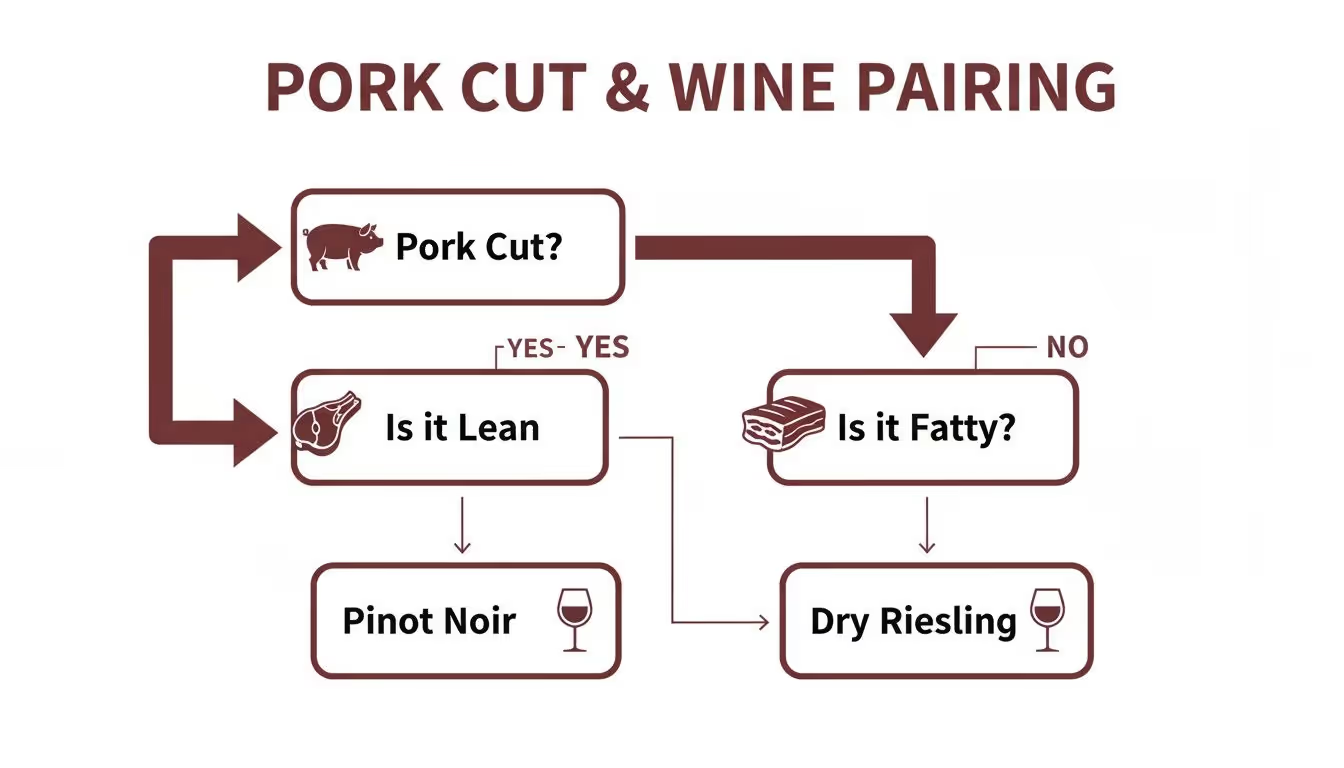
As you can see, lean cuts like pork chops often pair best with lighter reds like Pinot Noir. On the other hand, richer cuts like pork belly need a wine with enough acidity to cut through the fat, like a dry Riesling.
Rich and Creamy Sauces
If your pork dish involves a rich, creamy, or buttery sauce—like a pork loin with a mushroom cream sauce—a light, zesty white wine would disappear.
Instead, reach for a white wine with more body and a rounder mouthfeel. The goal is to find a wine that complements the creamy texture, not one that gets steamrolled by it.
Think of it this way: you wouldn't drizzle a light vinaigrette over a rich, creamy pasta. The weight of the wine should match the weight of the sauce.
Here are a couple of fantastic options:
- Oaked Chardonnay: Those creamy, buttery notes from barrel aging make it a natural soulmate for rich sauces.
- Viognier: This white is known for its fuller body and luscious notes of peach and apricot, which stand up beautifully to a hearty, cream-based dish.
By focusing on the sauce and cooking style, you can confidently find the right wine for your pork dish every time.
Three Perfect Pairings for Classic Pork Dishes
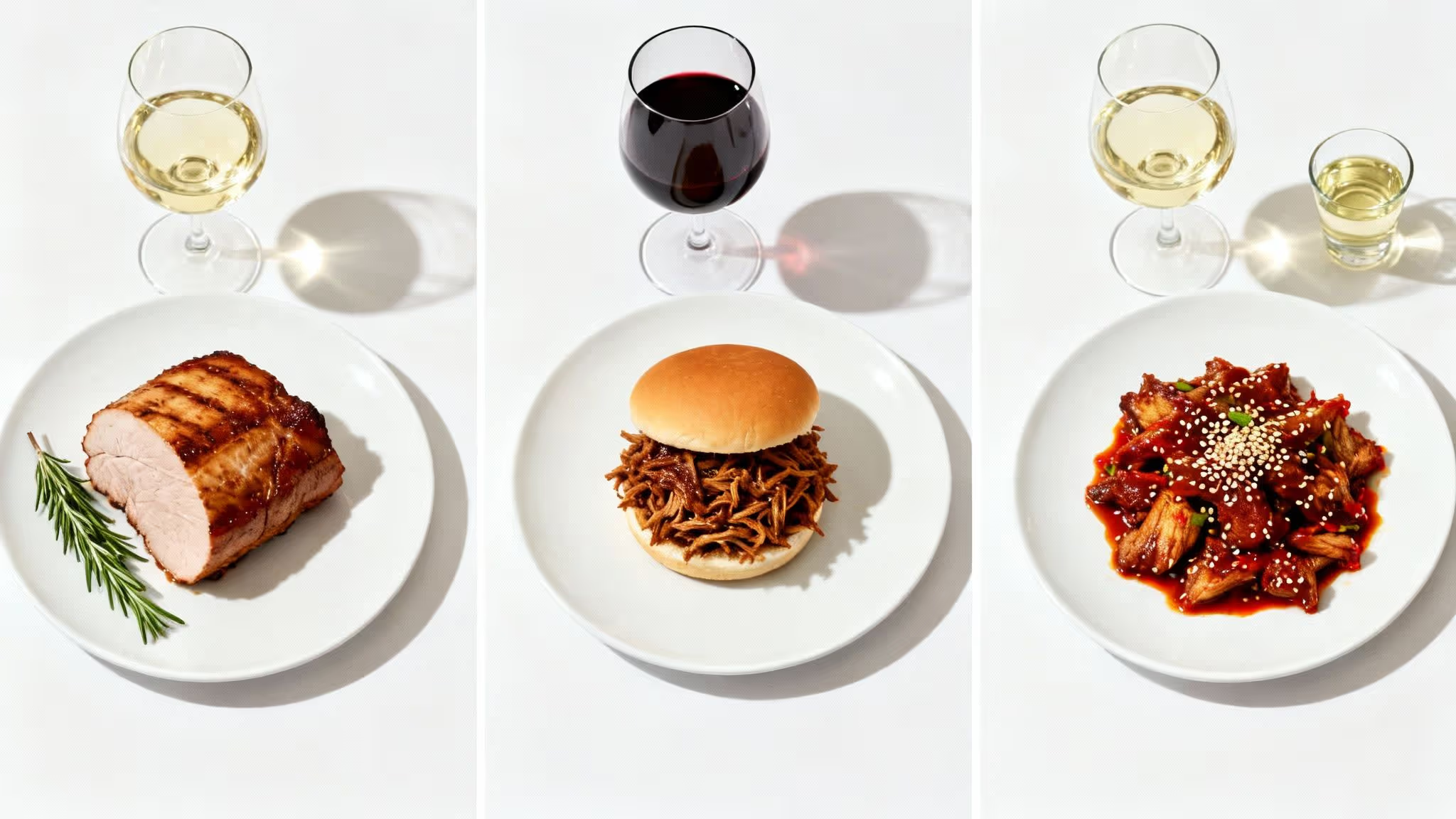
Let's see how these ideas work with a few classic dishes. Think of these examples as reliable answers you can grab off a shelf or point to on a menu without a second thought.
Roasted Pork Loin With Herbs
Picture a roasted pork loin seasoned simply with rosemary, thyme, and garlic. It’s an elegant, savory dish. You need a wine that will play along with those herbal notes, not shout over them. A medium-bodied Chardonnay, especially one without a lot of oak, is a fantastic choice. Its notes of apple and pear match the lean meat perfectly.
Smoky BBQ Pulled Pork
Now, imagine a big plate of smoky, tangy, slightly sweet BBQ pulled pork. This dish is loud and bold. A delicate wine would be lost. You need something with enough personality to stand up to that sauce. The classic call is a jammy, fruit-forward Zinfandel. Its bold berry flavors go toe-to-toe with the BBQ sauce for a satisfying match.
Spicy Asian-Style Pork
What about a dish like a spicy pork stir-fry or Korean-style pork with that signature sweet heat?
When a dish has sweetness or spice, a wine with a little sweetness of its own is your best friend. It creates balance and cools the palate.
Your perfect partner here is an off-dry Riesling. The hint of sweetness in the wine is a brilliant counterpoint to the heat, taming the spice just enough to let the savory pork flavors shine.
These real-world examples are the core of our simple wine pairing guide, which is all about making confident choices without the stress.
Get a Confident Answer, Not More Homework
Knowing the general rules is one thing. But standing in a busy wine aisle with hundreds of bottles staring back at you? That’s a different kind of pressure.
Instead of trying to remember all the nuances of sauces and cuts on the spot, what if you could just get a straight, personalized answer? This is exactly the kind of decision Sommy helps with.
Your Personal Wine Assistant
Sommy is an AI that learns your taste preferences. You can tell it what pork dish you're having, and it quietly points out the best choice for you from the actual bottles available. It helps you discover new wines you’ll love without that nagging fear of picking the “wrong” one.
The goal is to take the guesswork out of the equation, turning a moment of stress into a confident discovery. Less time staring at a wine list, more time enjoying your meal.
If you want help choosing wine in the moment, you can see how Sommy works at https://www.sommy.ai.
Your Pork and Wine Questions, Answered
Even with simple guidelines, a few questions always come up. Here are quick, confident answers to the most common ones.
What's the safest, go-to wine for any pork dish?
If you need one bottle that just works, grab a medium-bodied Pinot Noir. It's the Swiss Army knife of pork pairings. Its bright acidity cuts through richness, while its red fruit notes complement the meat without overpowering it. For a white, a dry Riesling is just as versatile.
Can I pair a big, bold red like Cabernet with pork?
You can, but only if the dish is equally bold. A big Cabernet Sauvignon would overwhelm a simple roasted pork loin. But for a rich, fatty cut with a heavy peppercorn sauce or intense smoky flavors, a powerful Cab doesn't just work—it sings. Match the wine’s power to the dish’s intensity.
Help! I’m ordering pork and my friend is getting fish.
The classic restaurant dilemma. The goal is to find a "bridge" wine that works for both. Luckily, you have some great options.
Your best bets are a crisp, dry Rosé from Provence, an unoaked Chardonnay (like a Chablis), or a light-bodied Pinot Noir. Each one has enough acidity and balanced flavor to complement both a pork dish and most fish preparations.
These wines are your secret weapon for group dinners, ensuring everyone has a great pairing.
Instead of guessing, Sommy can recommend a bottle that works for everyone at the table. See how it works at https://www.sommy.ai.

EntreprEngineur. Runs on latte's. Creates with the intensity of a downhill run—fast, slightly chaotic, ideally followed by a glass of wine.