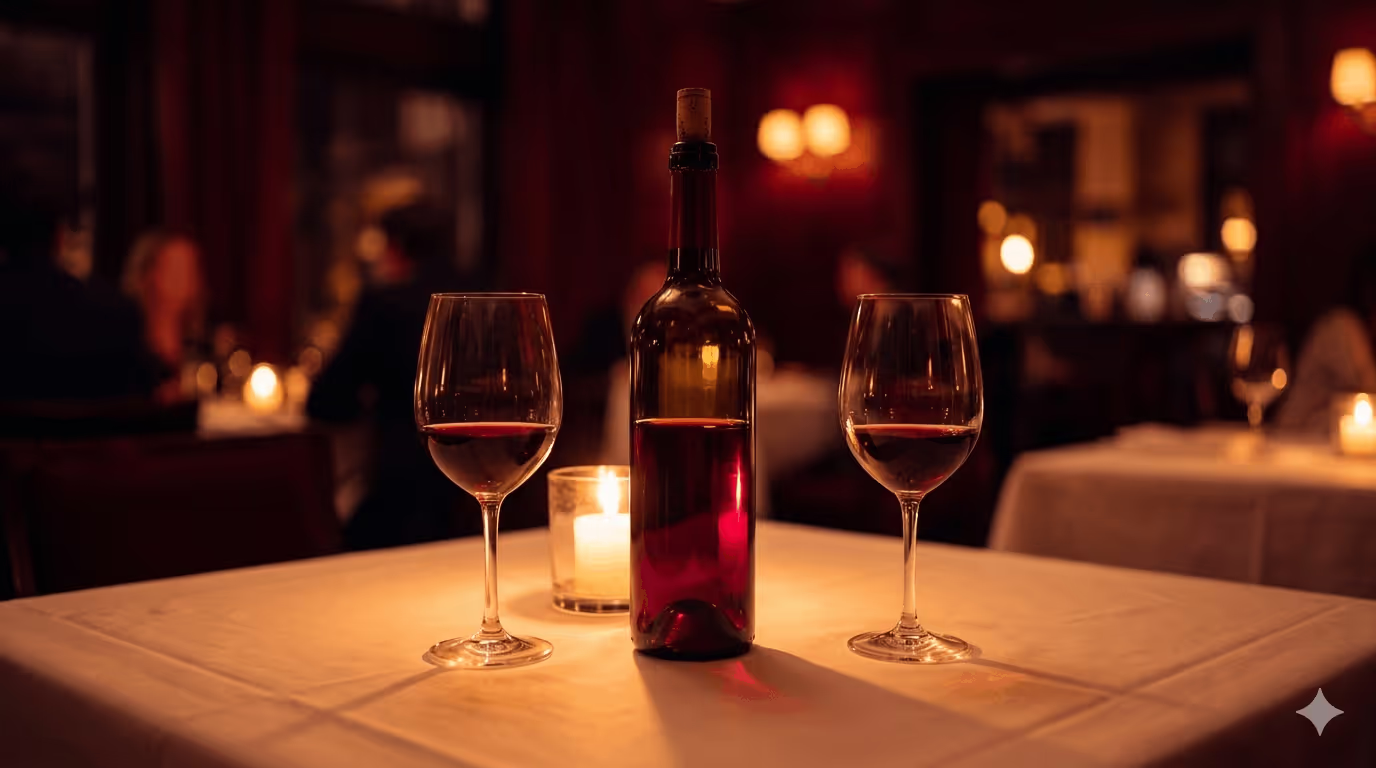
Planning a wine tasting is about more than just the bottles you open. The right food can transform a good tasting into an unforgettable one. The secret lies in choosing wine tasting appetizers that complement, rather than compete with, the wines. A well-chosen bite highlights a wine's subtle notes, softens its tannins, or accentuates its acidity, creating a more dynamic and enjoyable experience. A poor pairing can make a great wine taste flat.
- Food and wine interact at the level of fat, acid, salt, and tannin, understanding these dynamics is the key to great pairings
- Match lighter bites (seafood, fresh chèvre) to crisp whites; richer options (aged cheese, cured meats) to bold reds
- Eight categories cover every wine style, budget, and hosting situation
- Not sure what to serve with a specific bottle? Ask Sommy, scan the label and get instant pairing suggestions
What Makes a Great Wine Tasting Appetizer?
The best wine tasting appetizers share one trait: they interact with wine rather than just sitting alongside it. Fat softens tannins. Salt amplifies acidity. Umami deepens fruit character. When you choose bites with those interactions in mind, you stop guessing and start pairing with real intention, and guests notice the difference immediately.
Research consistently shows that the right food pairing can increase perceived wine quality by up to 30%, all without opening a different bottle. A good appetizer spread doesn't require a large budget either — most of the pairings in this guide can be executed for under $40 total for a group of six.
1. Cheese and Charcuterie Boards
The cheese and charcuterie board is the classic choice for wine tasting appetizers, and for good reason. It offers a diverse mix of fat, salt, protein, and texture, letting guests experiment with how each element shapes a wine's acidity, tannins, and fruit character. A single well-built board can support an entire tasting flight, from crisp Sauvignon Blanc to a bold Châteauneuf-du-Pape.
How Should You Build and Pair a Cheese and Charcuterie Board?
For variety, include a mix of hard and soft cheeses alongside cured meats with varying fat and spice levels.
Pro tip: Remove cheeses from the fridge 30–45 minutes before serving. Room-temperature cheese releases far more aroma and flavor, making every pairing more rewarding.
To fine-tune your selections, Sommy can analyze your wine's flavor profile and suggest specific cheese and charcuterie pairings. For a deeper look at the principles, explore our guide on how to match wine with food.
2. Seafood and Shellfish Options
Seafood and shellfish are elegant wine tasting appetizers that accentuate a wine's minerality and acidity without competing with it. From raw oysters to grilled shrimp, these options offer a clean, refreshing counterpart to crisp whites and sparkling wines. Their light protein and subtle saltiness prevent palate fatigue, making them ideal for tastings built around nuanced white, sparkling, and rosé wines.
What Are the Best Ways to Serve and Pair Seafood?
Focus on freshness and simplicity, keep everything well-chilled until the moment of serving.
Pro tip: For raw items like oysters, serving on a bed of crushed ice isn't optional, it maintains the firm texture and fresh taste that make the pairing sing.
For specific combinations, Sommy makes it easy: scan a Sancerre label and instantly see appetizer suggestions like king crab with drawn butter. Our article on the fundamentals of food and wine matching goes deeper on the science.
3. Cured and Smoked Fish Preparations
Cured and smoked fish, smoked salmon, gravlax, anchovies, deliver rich umami, saltiness, and a delicate smokiness that creates a fascinating interplay with wine's acidity and mineral notes. They work particularly well at highlighting the crispness of white wines and can complement lighter-bodied reds. Most preparations require little to no cooking, making them ideal for hosts who want an impressive spread without hours in the kitchen.
How Do You Serve Cured and Smoked Fish with Wine?
Balance the richness of the fish with acidity and fresh textures, blinis, crostini, or cucumber slices with crème fraîche, capers, and fresh dill work well.
Pro tip: Smoke intensity matters. A lightly cold-smoked salmon pairs with delicate wines; a heavily smoked kipper needs something with more character to hold its own.
4. Vegetable-Based Appetizers with Roasting and Charring
Roasted and charred vegetables transform simple produce into wine-worthy appetizers. High heat caramelizes natural sugars in asparagus, mushrooms, and peppers, creating smoky depth and a tender-crisp texture that stands up to a wide range of wine styles. They're an excellent way to offer vegetarian options that are as satisfying and thoughtfully matched as any meat-based dish.
What Wines Pair Best with Roasted and Charred Vegetables?
Toss vegetables lightly in olive oil, season with salt and pepper, and roast at 220–230°C until tender with charred spots.
Pro tip: Pat vegetables thoroughly dry before adding oil. Removing excess moisture is key to deep browning and caramelization, wet vegetables just steam.
For precise pairings, Sommy can analyze your bottle and suggest vegetable preparations that highlight its earthy, herbal, or spicy notes. Check out our guide on food pairing with Cabernet Franc for more ideas on herb and vegetable matches.
5. Charcuterie-Focused Cured Meats with Minimal Accompaniments
This focused approach strips away the full board and zeros in on the dialogue between high-quality cured meats and wine. A few artisanal slices, perhaps with just simple breadsticks, let the fat, salt, and umami of the meat interact directly with a wine's tannins, acid, and fruit. By isolating the flavors of something like Prosciutto di Parma or Jamón Ibérico, you can observe exactly how they soften a wine's structure or amplify its savory notes.
How Do You Execute a Focused Cured Meat and Wine Pairing?
The quality of the meat is everything here, mediocre charcuterie won't reveal what great charcuterie shows.
Pro tip: Remove cured meats from the fridge about 20 minutes before serving. Slightly softened fat releases the full spectrum of aroma and flavor, making the pairing far more expressive.
Our wine pairing guide offers detailed principles for matching specific charcuterie styles with the right wine.
6. Nuts, Seeds, and Toasted Preparations
Often overlooked, a bowl of well-roasted nuts can be one of the most effective wine tasting appetizers available. Their concentrated flavors, textural contrast, and natural oils prepare the palate in ways few other snacks can. The saltiness and umami richness in nuts soften a wine's tannins and highlight its fruit character, they're a surprisingly dynamic pairing tool.
Which Nuts and Seeds Work Best with Different Wines?
Toast nuts just before serving, freshly roasted, they release aromatic oils and add a depth of flavor that pre-packaged versions can't match.
Pro tip: Serve nuts in small individual portions (about 30 grams per person) and label them clearly, nut allergies are common enough that this is a real courtesy, not just a formality.
7. Bread-Based Crostini and Bruschetta with Toppings
Crostini and bruschetta are the ultimate canvas for targeted wine tasting appetizers. The toasted bread base is neutral and texturally pleasing, letting the toppings do the work of complementing the wine. Each crostino can be a single, deliberate pairing, a great educational tool for showing how specific ingredients like tomato (acidity), olives (saltiness), or herbs (aromatics) interact with a wine's profile.
How Do You Choose the Right Crostini Toppings for Your Wine?
Slice sturdy bread (baguette or ciabatta) about 6mm thick and toast until golden and crisp, but add the toppings only 20–30 minutes before serving to keep the bread from going soggy.
Pro tip: One well-topped crostino paired with the right wine is more memorable than a dozen generic canapés. Let each piece of bread be a deliberate choice, not filler.
8. Herb and Spice-Infused Light Preparations (Gougères, Savory Pastries)
Herb-infused savory pastries like gougères are among the most refined wine tasting appetizers you can make. These airy, cheese-puffed pastries from Burgundy offer a sophisticated blend of texture and flavor that works beautifully with delicate wines, light enough to cleanse the palate rather than overwhelm it, while the savory cheese and herbal lift complement wine's acidity and mineral notes.
When Should You Serve Gougères, and with Which Wines?
Balance the intensity of the herbs and cheese against the delicacy of the wine, the goal is to echo the wine's profile, not drown it out.
Pro tip: Bake gougères no more than two or three hours before your event. Reheat for 5 minutes at 175°C just before serving to restore the crisp exterior and warm, tender interior that make them special.
For the perfect herb and cheese combination for a specific bottle, Sommy can analyze your wine's profile and suggest complementary ingredients. For foundational tasting skills, start with these wine tasting tips for beginners.
Quick Comparison: All 8 Appetizer Categories
AppetizerDifficultyCostBest withKey advantageCheese and Charcuterie BoardModerateMediumAny wine styleVersatile, visually impressive, interactiveSeafood and ShellfishHighHighWhites, sparkling, roséElegant, palate-refreshingCured and Smoked FishLow–ModerateMediumWhites, light redsSophisticated, prep-ahead friendlyRoasted/Charred VegetablesModerateLowWhites, reds, roséVegetarian-friendly, budget-smartFocused Cured MeatsModerateMedium–HighBold redsShows tannin interaction clearlyNuts and SeedsLowLowFortified, sparklingNon-perishable, crowd-safeCrostini and BruschettaLowLowEverythingVersatile, scalableGougères and Savory PastriesHighMediumWhites, sparklingElegant, impressive, light
Frequently Asked Questions About Wine Tasting Appetizers
What food should you never serve at a wine tasting?
Avoid heavily spiced dishes, strong vinegary foods (like pickles or undiluted hot sauce), and overly sweet preparations before dry wines. These reset the palate in ways that make wines harder to evaluate. Chocolate is fine alongside sweet or fortified wines but overwhelming with dry reds or whites.
Can vegetarians enjoy a proper wine tasting spread?
Absolutely. Roasted and charred vegetables, crostini with vegetable-based toppings, gougères, nuts, and fresh goat cheese all work beautifully, and several pair better with delicate whites than meat-based options do. The key is still matching intensity: a light vegetable bite alongside a light white, something richer alongside a bold red.
How many appetizers do you need per person for a wine tasting?
Plan for roughly 4–6 pieces or bites per person per hour, assuming a focused tasting rather than a full dinner. For longer events or if the appetizers are replacing a meal, increase to 8–10 pieces per person. Lighter preparations (nuts, small crostini) should be offered in smaller quantities than richer options.
Is it better to serve appetizers before or during the wine tasting?
During, not before. The whole point is the interaction between the food and the wine in the same sip. Serve bites alongside the wine they're paired with, not as a pre-tasting snack course. Guests should be able to alternate between sipping and tasting to notice how the food changes the wine.
Does Sommy work for wine and food pairing suggestions?
Yes. Scan any wine label with Sommy and it surfaces pairing suggestions based on the wine's actual flavor profile, not just generic regional rules. For a wine tasting, this means you can build your appetizer lineup around specific bottles rather than guessing.
Plan with Intention, Pair with Confidence
The best wine tasting appetizers aren't about following rigid rules, they're about understanding how food and wine interact and making deliberate choices from there. A well-constructed charcuterie board alongside a flight of reds, a plate of fresh oysters with sparkling wine, or a tray of gougères with Champagne: each tells a story of intentional pairing.
The most important thing is to start with the wines and build the food around them. Let the wine's profile, its acidity, weight, tannin structure, dictate what ends up on the plate.
And when you're not sure, let technology help. Ready to eliminate pairing uncertainty for good? Let Sommy be your personal sommelier. Scan any wine label or menu for instant, intelligent appetizer suggestions tailored to your bottle and your taste. Download the app and start planning your perfect wine tasting appetizers with confidence.

EntreprEngineur. Runs on lattes. Creates with the intensity of a downhill run. Fast, slightly chaotic, ideally followed by a glass of wine.