Pour a dry Provence rosé with classic stewed ratatouille, a medium-bodied Côtes du Rhône when the pot has simmered long enough to turn deep and jammy, and an unoaked Chardonnay when the vegetables are roasted rather than stewed. Those three bottles cover almost every version of this dish you're likely to cook, and the one you want depends less on the vegetables than on how you treated them.
That distinction is the part most pairing advice skips. Ratatouille and a tray of roasted vegetables share the same eggplant, zucchini, peppers and olive oil, but a slow simmer keeps everything tomato-bright and a hot oven caramelizes the sugars into something sweeter and smokier. Those two plates want different wines, so we'll sort them separately.
What wine goes with classic ratatouille?
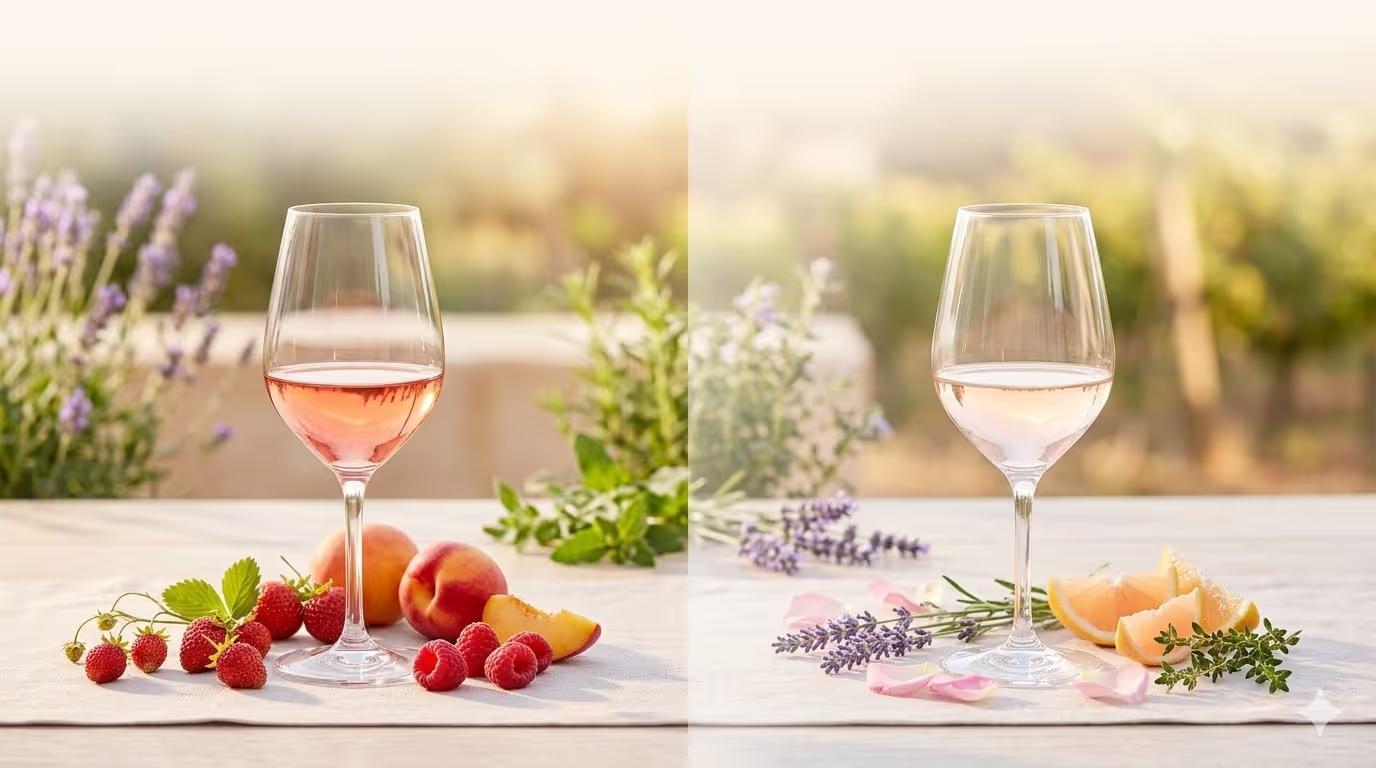
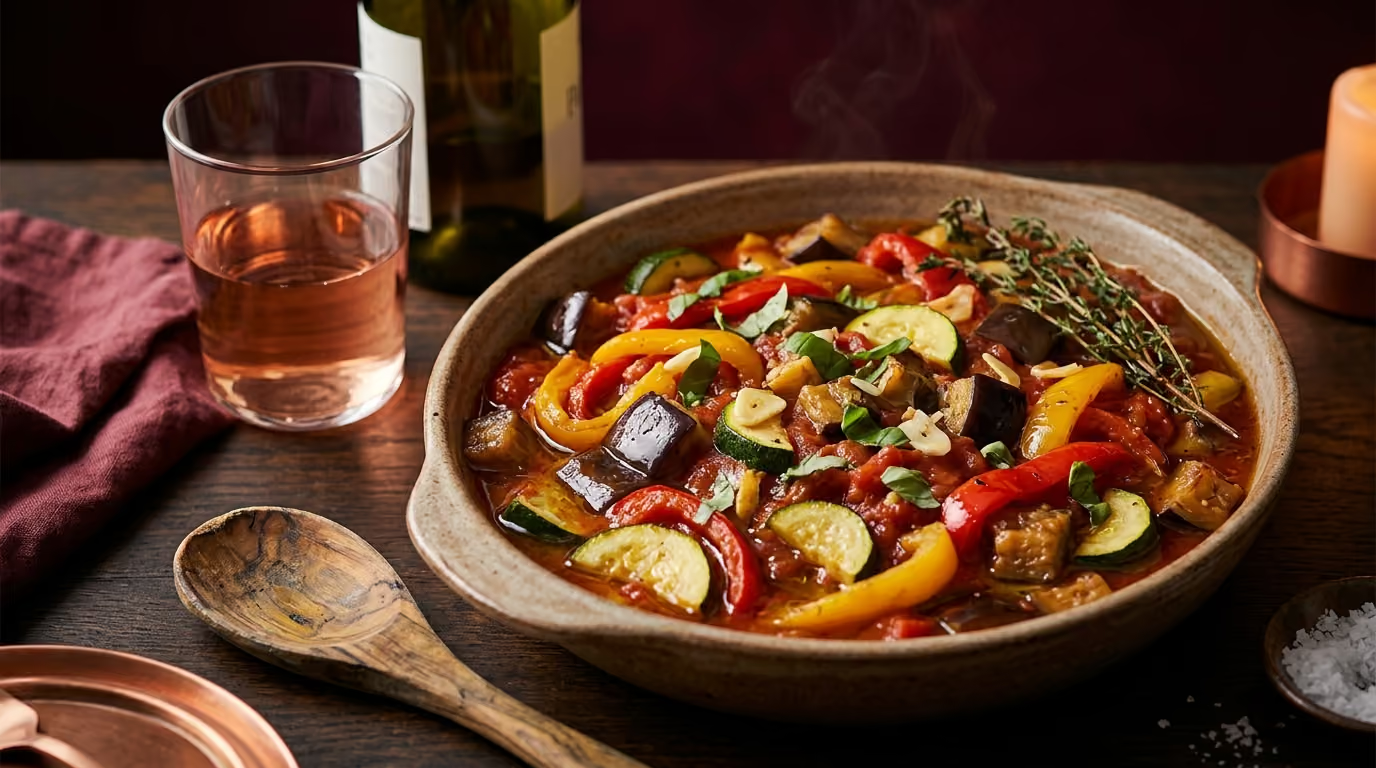
Dry Provence rosé is the safest bottle for classic ratatouille, because the dish is carried by tomato acidity and olive oil rather than by any kind of weight. Rosé from Provence is built on Grenache, Cinsault, Syrah and Mourvèdre picked for freshness, and it lands almost exactly where this stew needs it: enough fruit to meet the peppers, enough acidity to stay level with the tomatoes, and no oak or tannin getting in the way of the herbs.
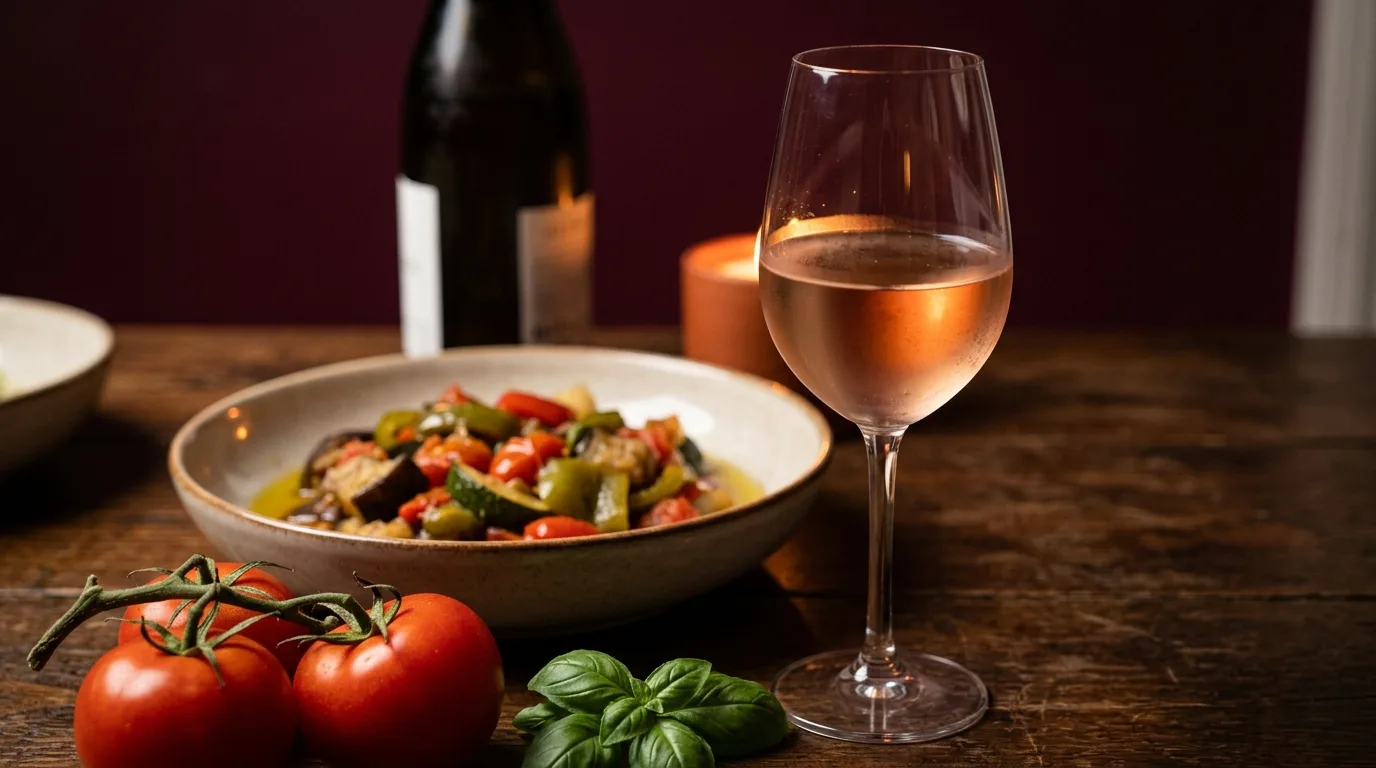
Tomatoes are the reason a heavy red so often falls apart here. They bring real acidity to the plate, and a wine with less acidity than the food tastes flat and slightly sweet next to it, which is why a big oaky bottle can make a good pot of ratatouille seem dull. A wine with matching brightness does the opposite and keeps each bite tasting like the vegetables rather than like the oil they cooked in.
If your ratatouille leans rich, Bandol rosé is the upgrade worth knowing about. It's built around Mourvèdre, noticeably fuller than most Provence bottles, and it holds up when the dish includes sausage or sits next to grilled lamb. Fiona Beckett of Matching Food & Wine, who has been writing about pairing for three decades, reaches for a strong dry rosé like Bandol or a sturdy southern French red for exactly this dish, and names Côtes-du-Roussillon, Costières-de-Nîmes and Faugères alongside it. Those are all worth a look if your store carries them, and they're rarely expensive.
Skip the famous bottles here, even though the film gives you an excuse. Château Latour genuinely does appear in Disney's Ratatouille, which is a fun piece of trivia and a terrible shopping list for a pot of vegetables on a Tuesday. If you like the idea of drinking Provence with a Provençal dish, our comparison of Grenache rosé against Provence blends covers how the two styles actually differ on the shelf.
When should you pour red with ratatouille instead?
Reach for a red once the dish has been cooked down far enough that tomato stops being the loudest thing on the fork. A long simmer concentrates everything, softens the acidity, and pushes the eggplant toward something dense and almost meaty, and at that point a medium-bodied red has room to sit alongside it.
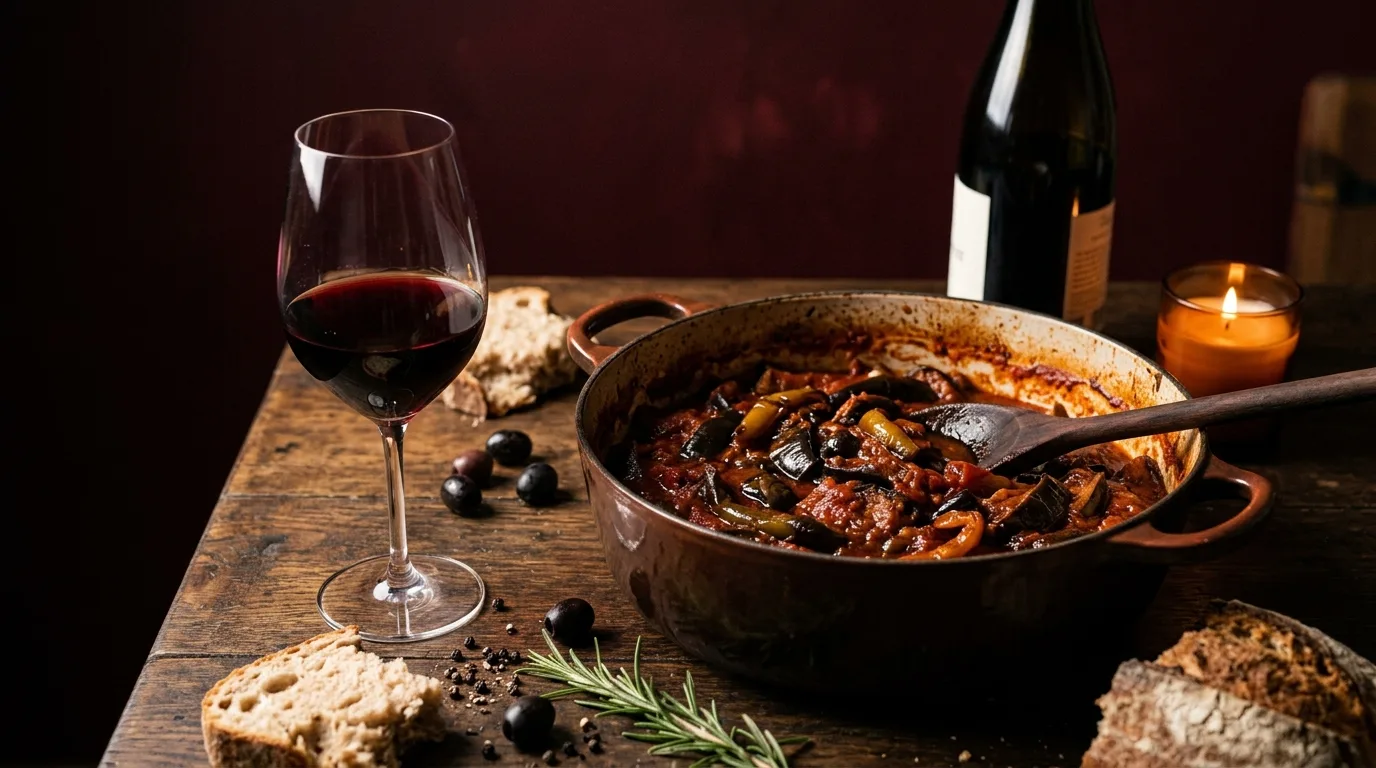
Côtes du Rhône is the obvious choice and it's the one we'd buy without thinking twice. It's a Grenache-led southern French blend, usually with Syrah and sometimes Mourvèdre alongside, and it gives you soft red fruit with a peppery, herbal edge that echoes the thyme and garlic already in the pot. Keep the bottle medium-bodied, because a dense, heavily oaked red will bury zucchini, which has almost nothing to defend itself with.
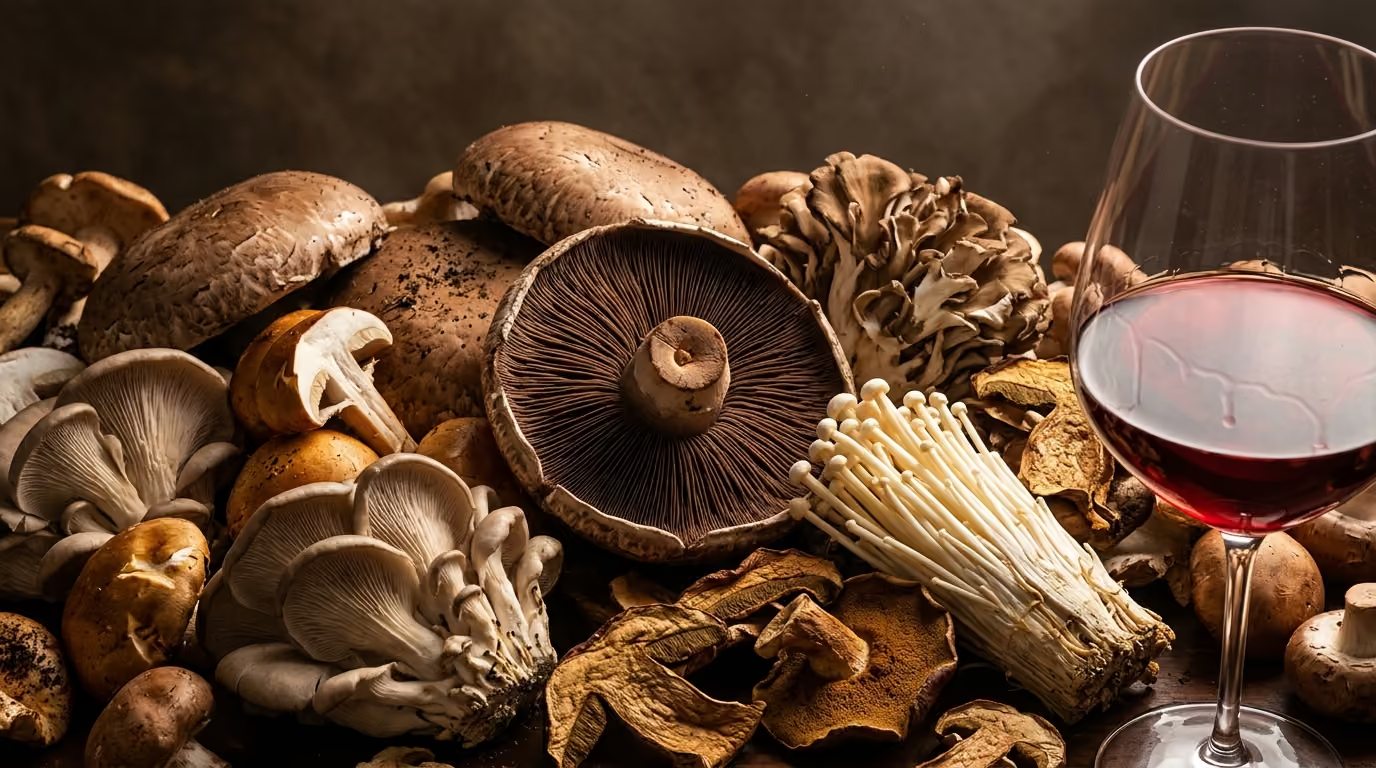
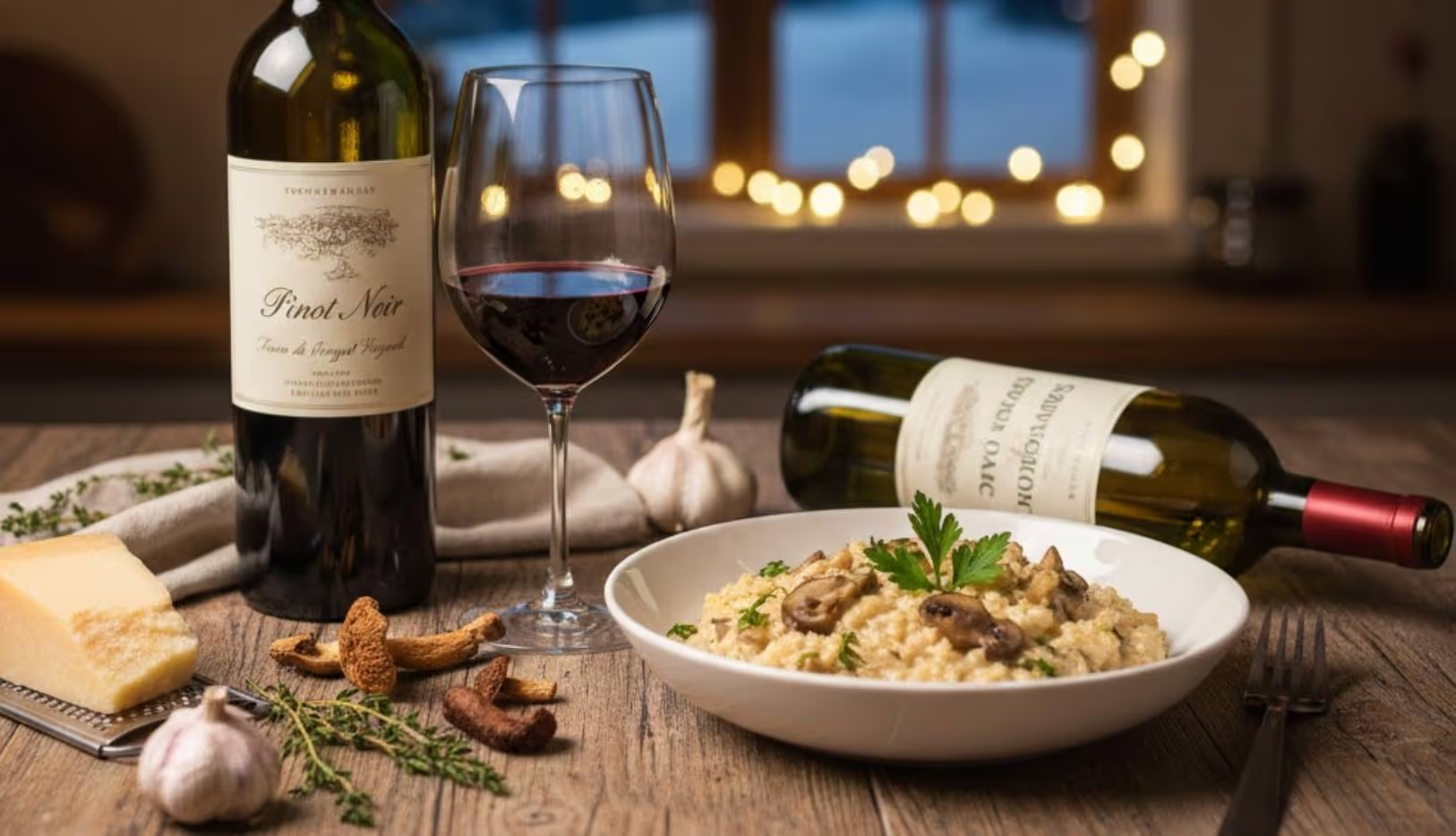
Pinot Noir is the better pick when there's char involved, or when mushrooms and black olives have found their way in. It's lighter and more savory than a Rhône blend, so it works with smoke instead of arguing with it, and it stays polite around vegetables. A young Rioja does something similar with a bit more grip if you want the meal to feel more substantial. Our wine pairing for mushrooms goes further into why earthy, forest-floor reds and cooked mushrooms get along so well.
What to avoid is easier to name than what to buy. A tannic, high-alcohol red is the one reliable way to get this wrong, because there's no fat or protein on the plate to soften the tannin, and it lands on your tongue as bitterness instead. If you already know you dislike very dry reds, that instinct is correct here and you should trust it.
Does roasted vegetables change the wine?
Roasting changes the answer completely, and this is where white wine finally earns its place. High heat caramelizes the natural sugars in onions, peppers, squash and carrots, so a tray of roasted vegetables tastes sweeter, nuttier and browner than the same vegetables stewed with tomato. That sweetness plus the olive oil gives a textured white something to hold on to.
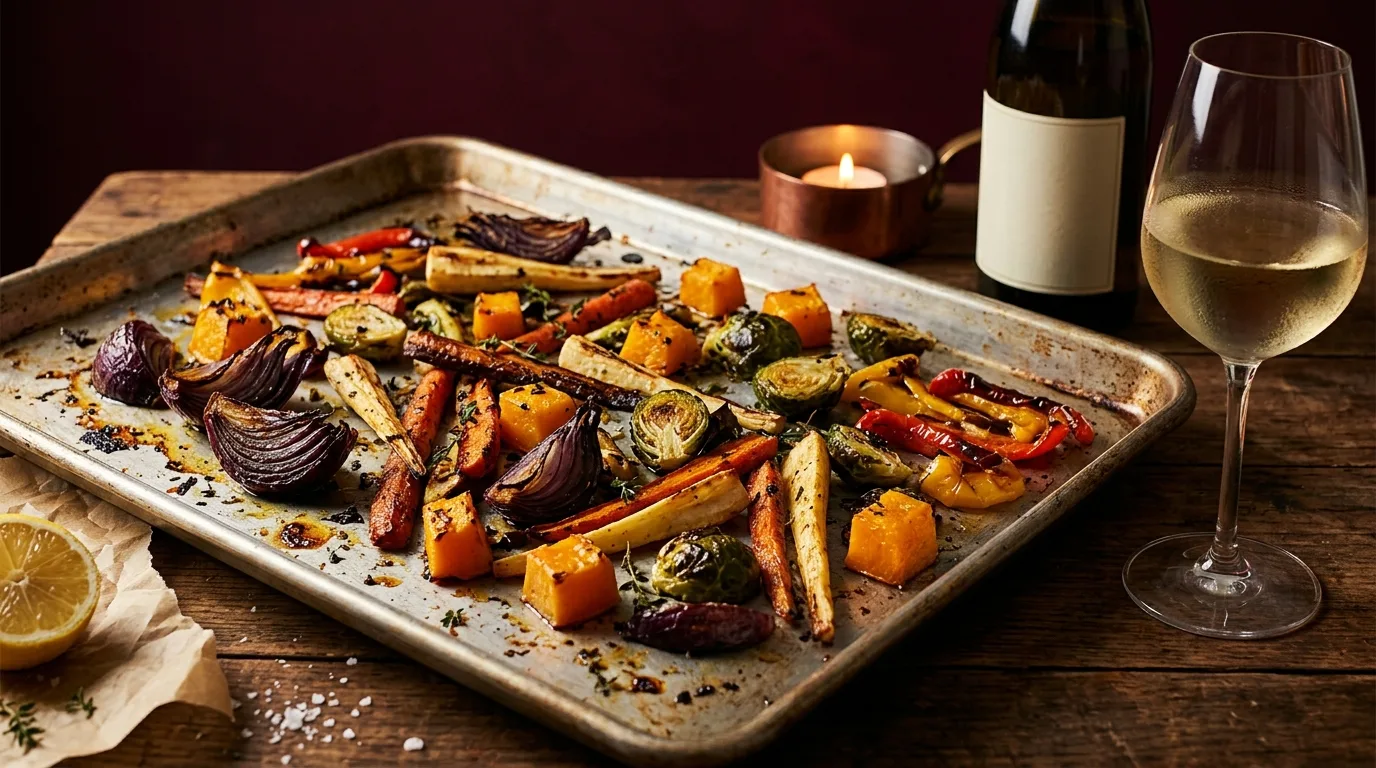
An unoaked or lightly oaked Chardonnay is the most reliable white here, white Burgundy included if you feel like spending a little more. It has enough body to meet the oil without needing the acidity a tomato-heavy dish demands, and its faint nuttiness runs alongside the browned edges rather than across them. If you're not sure how to tell an oaked bottle from an unoaked one at the shelf, we wrote a short piece on spotting unoaked Chardonnay fast.
Which vegetables are on the tray matters more than people expect. Root vegetables like carrots, parsnips and squash go furthest toward sweetness, so they push you hardest toward a rounder white or even a fruit-forward light red. Broccoli, cauliflower and Brussels sprouts brown rather than sweeten, and they bring a faintly bitter, sulfurous edge that a crisp white handles more gracefully than an oaky one. Mushrooms and eggplant sit apart from both, savory enough that a light red is often the better call, which is the same logic behind our eggplant parmesan pairing.
Sauvignon Blanc is the sharper alternative and it's the one to choose when lemon, parsley or basil are doing the heavy lifting. It keeps a lighter, herb-forward tray of vegetables lively, and its green, grassy character matches fresh herbs directly instead of contrasting with them. That works beautifully on zucchini and asparagus, and less well once balsamic glaze or heavy caramelization enters the picture, where the wine can start to taste thin. The full range is covered in our guide to Sauvignon Blanc food pairings.
Here's the short version of everything above, for when dinner is already in the oven.
| What you're serving | Reach for | Why it works |
|---|---|---|
| Classic tomato-rich ratatouille | Dry Provence rosé | Acidity matches the tomatoes, no tannin to fight the herbs |
| Long-simmered, jammy ratatouille | Côtes du Rhône | Soft red fruit and pepper suit concentrated eggplant |
| Charred peppers, mushrooms, olives | Pinot Noir or young Rioja | Light red fruit sits with smoke instead of over it |
| Roasted vegetables, browned and sweet | Unoaked Chardonnay | Body and nuttiness meet the caramelized edges |
| Roasted vegetables with lemon and herbs | Sauvignon Blanc | Green, citrusy character echoes the fresh herbs |
| Ratatouille beside grilled fish | White Burgundy | Enough weight for olive oil, enough freshness for tomato |
What if ratatouille is the side dish?
When ratatouille sits next to a protein, the protein usually gets the deciding vote, and the vegetables become a detail you accommodate rather than the thing you're pairing to. That single shift resolves most of the confusion people have with this dish.
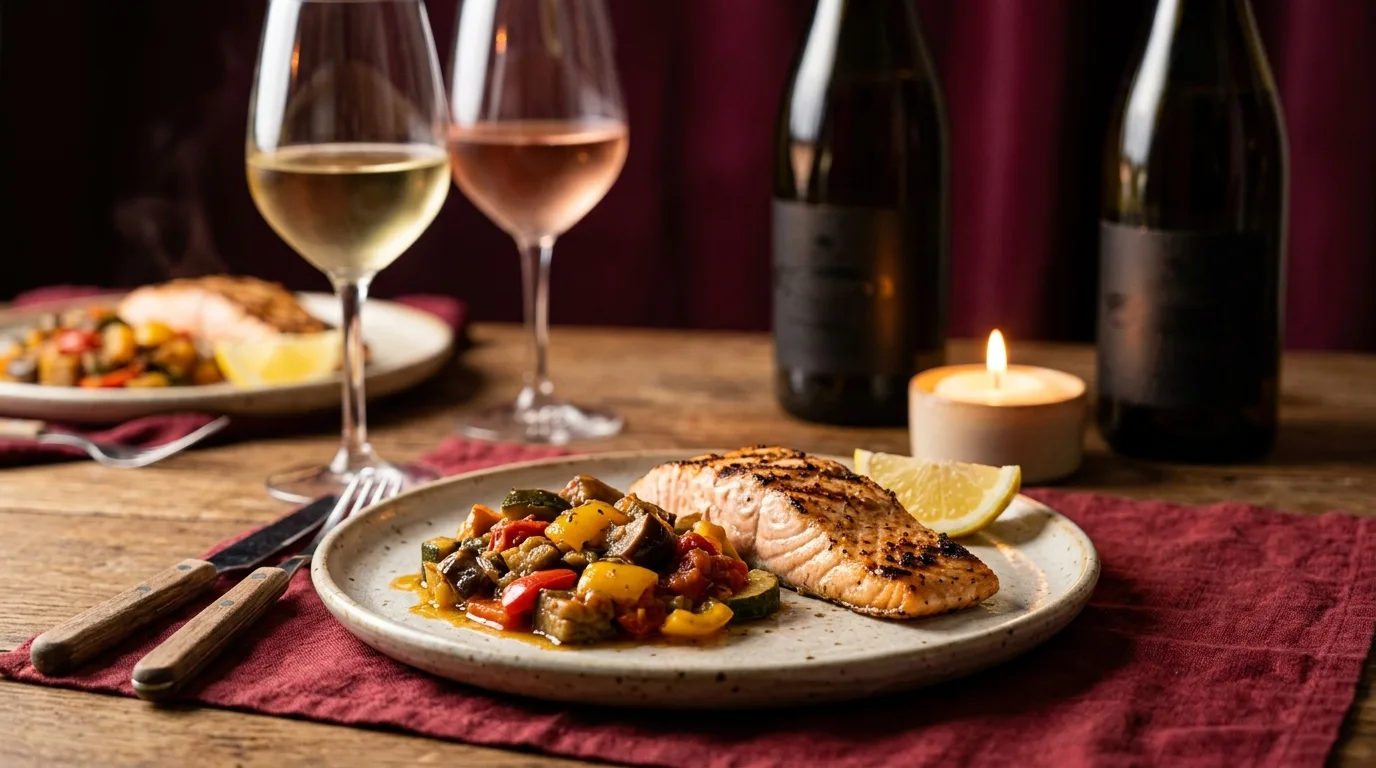
With grilled salmon, cod or sea bass, pour white Burgundy or an unoaked Chardonnay and stop worrying about it. Both have the body to handle olive oil and enough freshness left over for the tomatoes underneath. With chicken, sausages or herbed lamb, a Côtes du Rhône is the natural answer, since Grenache brings warmth and red fruit while Syrah adds the pepper that rosemary and thyme are already suggesting.
A fully vegetable dinner gives you the most freedom. Rosé handles ratatouille with couscous and chickpeas without any effort, and Pinot Noir takes over once lentils, mushrooms or smoked tofu make the plate earthier. For a spread of small plates with olives, fried zucchini and tomato crostini, a dry sparkling wine is genuinely the best thing on the table, because the bubbles and acidity reset your palate between salty bites.
Every version of this dish is a little different, which is the honest problem with any written pairing. Your ratatouille has more tomato than ours, or more char, or a splash of vinegar we didn't account for. That's the moment Sommy's Pairing feature is genuinely useful: take a photo of what's actually on the plate and it recommends a bottle for the dish in front of you rather than the average version of it.
How do you pick a bottle at the store?
Ignore the region names and read the style words, because those are the ones that predict how a wine will behave with vegetables. On the shelf, the useful signals are "dry" and "Provence" for rosé, "medium-bodied" for a Rhône red, and "unoaked" or "crisp" for a white. Words like "bold", "rich", "barrel-aged" and "full-bodied" are pointing you at exactly the wines that flatten this dish.

Price genuinely doesn't decide the outcome here, and it's one of the few pairings where that's straightforwardly true. Ratatouille is a peasant dish built from whatever the garden produced, and it tastes best beside a wine chosen the same way. A supermarket Côtes du Rhône or an everyday Provence rosé will do this job as well as anything three times the price, because what the dish needs is freshness and restraint rather than concentration.
At a restaurant, you can get to the right bottle in one sentence. Ask for a dry rosé with ratatouille, or a light Côtes du Rhône with little oak if you want red, and the server has everything they need. Neither request requires you to pronounce anything difficult or to pretend you know more than you do.
Frequently asked questions
What is the best wine for classic ratatouille?
Dry Provence rosé is the safest choice. Its acidity matches the tomatoes and its moderate body suits olive oil, herbs and peppers without covering them up. Bandol rosé is the fuller option if the dish is rich or served with meat.
Can you drink red wine with ratatouille?
Yes, particularly when the stew has been simmered long and tastes deep and jammy. Choose a medium-bodied Côtes du Rhône, Pinot Noir or young Rioja with limited oak, and avoid tannic, high-alcohol reds, which turn bitter without fat or protein on the plate.
What wine goes with roasted vegetables?
Unoaked or lightly oaked Chardonnay is the most reliable choice, because roasting caramelizes the vegetables and gives a rounder white something to work with. Use Sauvignon Blanc instead when lemon and fresh herbs dominate the tray.
Should ratatouille be paired with white or rosé?
Rosé when the dish is stewed and tomato-forward, white when the vegetables are roasted and browned. The cooking method matters more than the vegetables themselves, since a hot oven produces sweetness and smoke that a simmered pot never develops.
Do you need an expensive French wine for ratatouille?
There's no need. An everyday Provence rosé or supermarket Côtes du Rhône matches this dish as well as anything costly, because it needs freshness and restraint rather than concentration. Collector bottles are the wrong tool for a pot of vegetables.
Pour something fresh and get on with dinner
Start with dry Provence rosé for classic ratatouille, move to Côtes du Rhône when the pot has cooked down and gone dark, and switch to an unoaked Chardonnay once the vegetables are roasted instead of stewed. Those three cover the dish in almost every form you'll make it.
The one rule worth carrying away is that freshness beats power with vegetables every time. Whatever bottle you reach for, choose the lighter, brighter version of it, serve your reds slightly cool, and let the eggplant and peppers stay the loudest thing on the plate.