Staring at a wine list, trying to pick the right bottle for dinner? It can feel like a test you didn't study for. The fear of choosing the "wrong" wine for your pork dish is common, but it doesn’t have to be complicated. The best wine and pork pairing depends on how the pork is prepared. For lighter pork dishes like tenderloin, choose a light red or a crisp white wine; for richer dishes like pork belly or BBQ ribs, pick a bolder, fruitier wine.
This simple approach—matching the wine’s body to the pork’s richness—removes the guesswork. You don’t need to be a wine expert to get it right.
This flowchart shows how the style of the dish guides your choice.
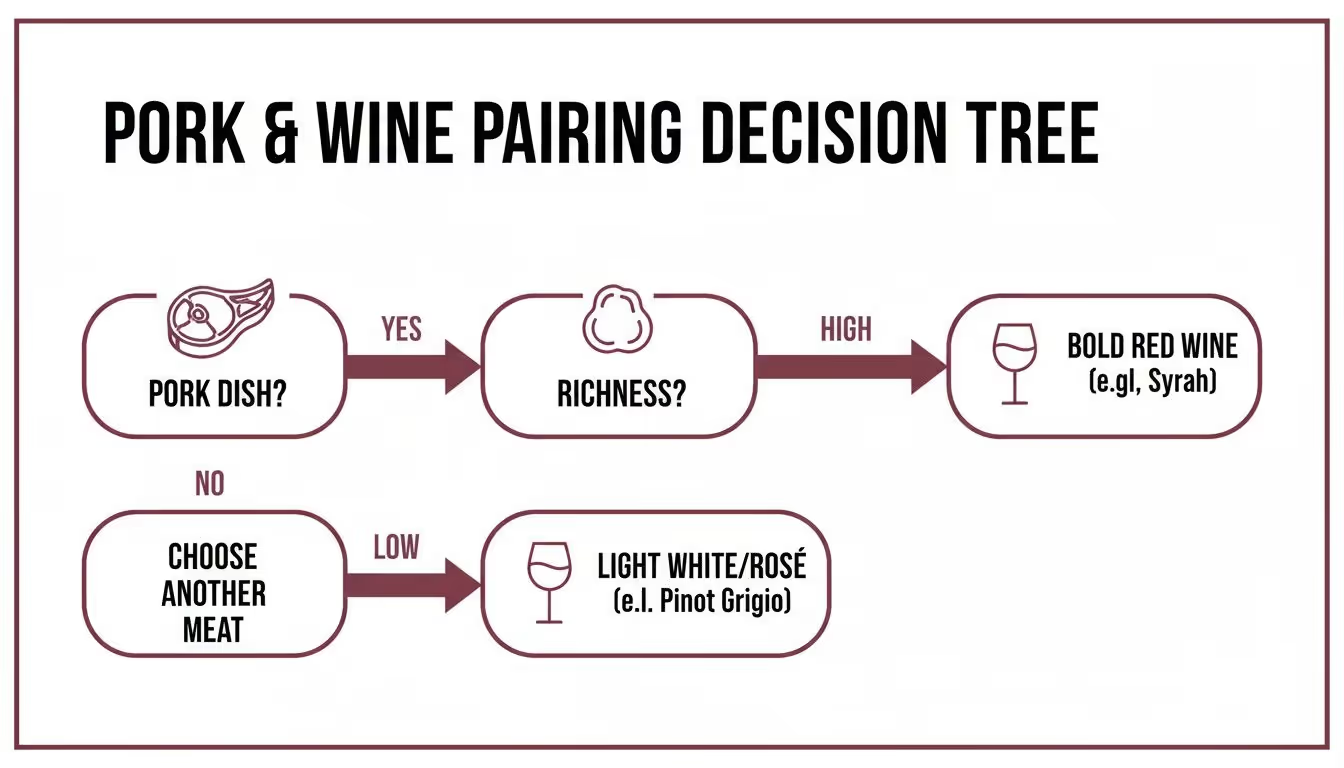
The preparation and the sauce are what matter most. To make it even easier, here are some clear, reliable pairings for the most common pork dishes.
Your Quick Guide to Pairing Wine with Pork
Use this table as your go-to reference. It’s designed to give you a confident starting point, whether you're at a restaurant or in a wine aisle.
Think of these as reliable choices, not strict rules. They work because they follow a simple principle of balance, helping you choose a great wine quickly so you can focus on enjoying your meal.
Wines for Lean Pork (Chops, Tenderloin)
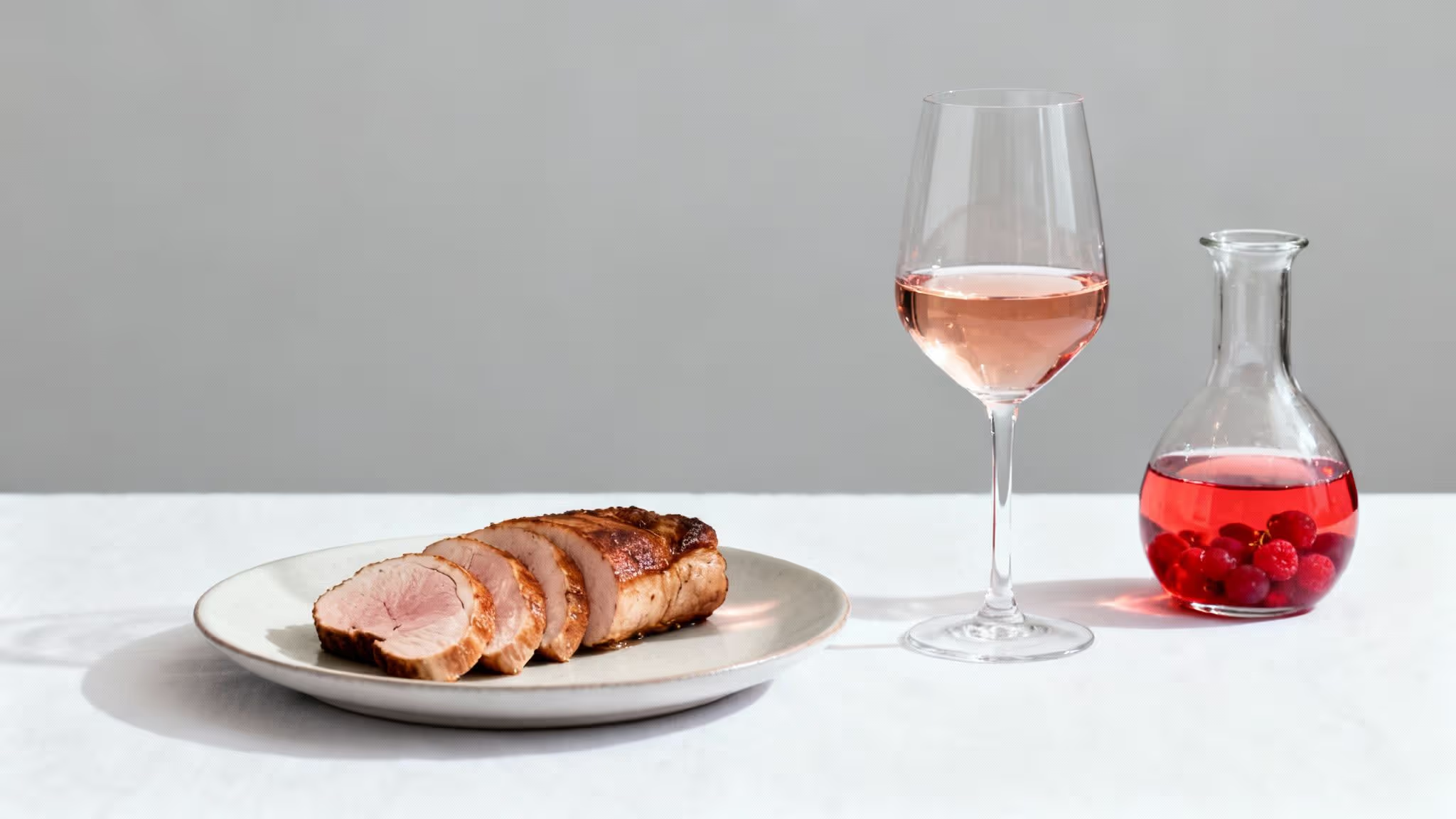
When you’re eating a simple, lean cut of pork like a grilled chop or a pan-seared tenderloin, the wine should be a complement, not the main event. A big, heavy wine will steamroll the pork’s delicate flavor. Instead, you want a lighter-bodied wine that adds a touch of elegance.
Your best options are either a light-bodied red or a crisp, unoaked white. The right choice is simply a matter of personal preference.
Great Red Wine Choices
If you prefer red wine, Pinot Noir is your most reliable choice. Its flavors of cherry and raspberry and its subtle earthy notes are a classic match for lean pork. It has enough flavor to stand up to the meat but is gentle enough not to overwhelm it.
Other light reds that work well:
- Gamay (Beaujolais): Light, juicy, and low in tannins, making it incredibly easy to pair with food.
- Barbera: An Italian red with bright acidity that is fantastic at cutting through the richness of a perfectly cooked pork chop.
Excellent White and Rosé Choices
If you're a white wine fan, look for something crisp and unoaked. An unoaked Chardonnay is a great choice. Without the heavy vanilla notes from oak, its clean apple and citrus flavors provide a refreshing contrast to the pork.
The most important quality in a white wine for lean pork is acidity. A wine with bright acidity acts like a squeeze of lemon—it cleanses your palate and makes every bite taste fresh.
This is why a dry Rosé is also a perfect option. It combines the crispness of a white wine with the gentle red fruit flavors of a red, making it a versatile partner for almost any grilled or pan-seared pork.
For more ideas on this specific cut, check out our guide on pork tenderloin wine pairing.
Choosing a wine for lean pork is about balance. Stick with these lighter styles, and you’ll confidently find a bottle that makes your meal even better.
Wines for Rich Pork (Roast, Pork Belly)
For rich, fatty dishes like slow-roasted pork shoulder, pork belly, or a glazed pork loin, the wine pairing strategy changes. These are intensely savory meals that need a wine that won’t get lost.
The goal is to create balance. You have two clear paths to achieve this. You can either choose a wine with high acidity to cut through the richness, or you can match the pork’s texture with a wine that has a fuller body.
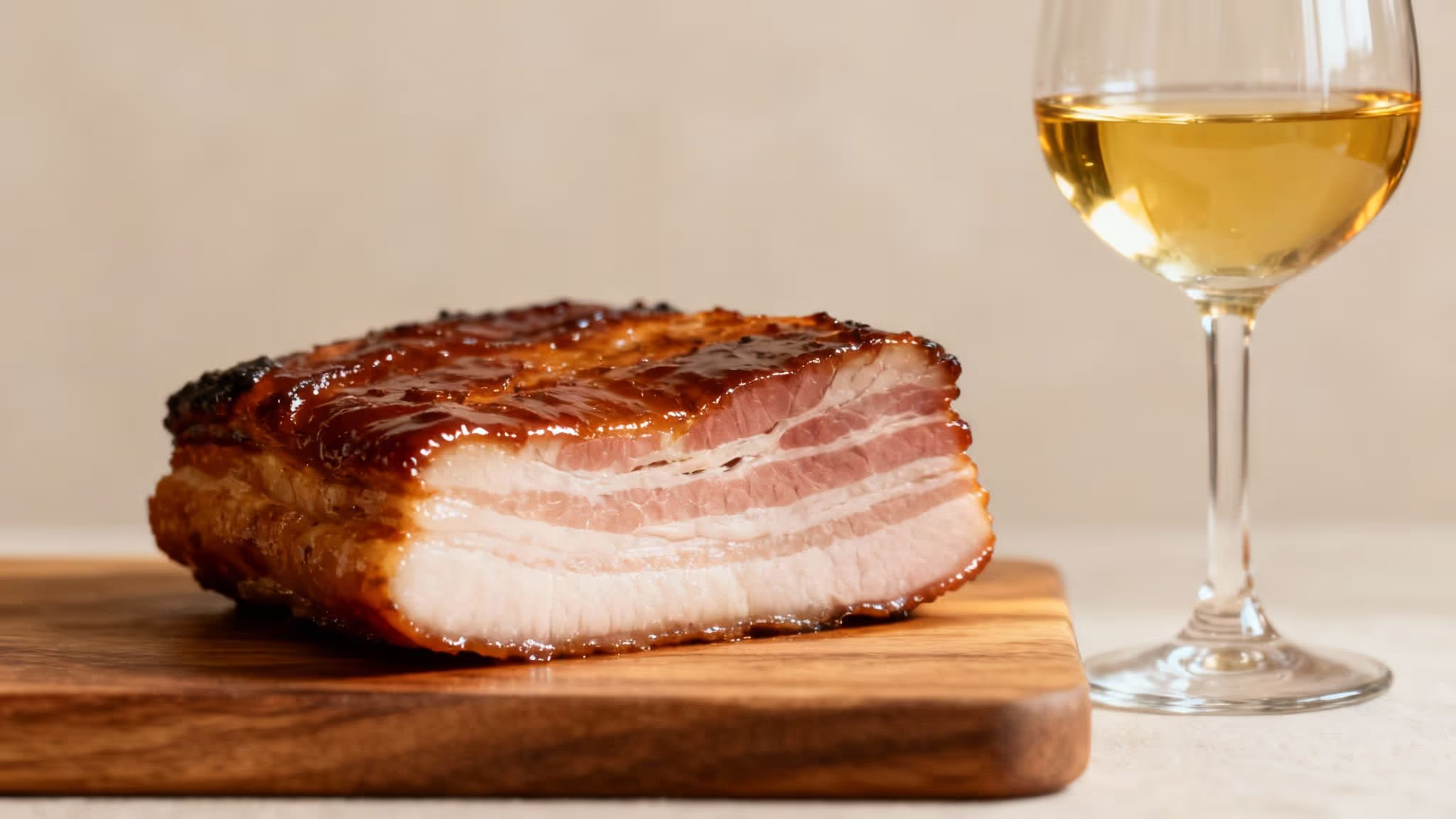
Wines That Cut Through Richness
An off-dry Riesling is a perfect choice for cutting through fat. Its high acidity does the heavy lifting, while a slight touch of sweetness creates a fantastic contrast to the salty, savory flavors of the pork. This pairing is especially good for Asian-inspired pork dishes.
Another great option is a dry Pinot Gris. It has enough body to match the pork, but its bright fruit notes keep the finish clean and refreshing.
Wines That Match Richness
If you'd rather meet richness with richness, an oaked Chardonnay is an excellent partner. Its creamy, buttery texture and notes of vanilla complement the luxurious feel of a slow-cooked pork roast.
You'll find more pairing ideas for white wines at Wine-Searcher.com. Just remember the simple principle—cut the fat with acid or match it with texture—and the decision becomes much easier. For more specific ideas, see our post on wine pairing with pork loin.
Wines for BBQ & Smoked Pork
When you add smoke, spice, and sweet BBQ sauce to the mix, you need a wine that is equally bold and flavorful. Think of it as a duet—you need two strong voices that harmonize. The answer is a wine with big, fruit-forward flavors that can stand up to the intensity of the dish.
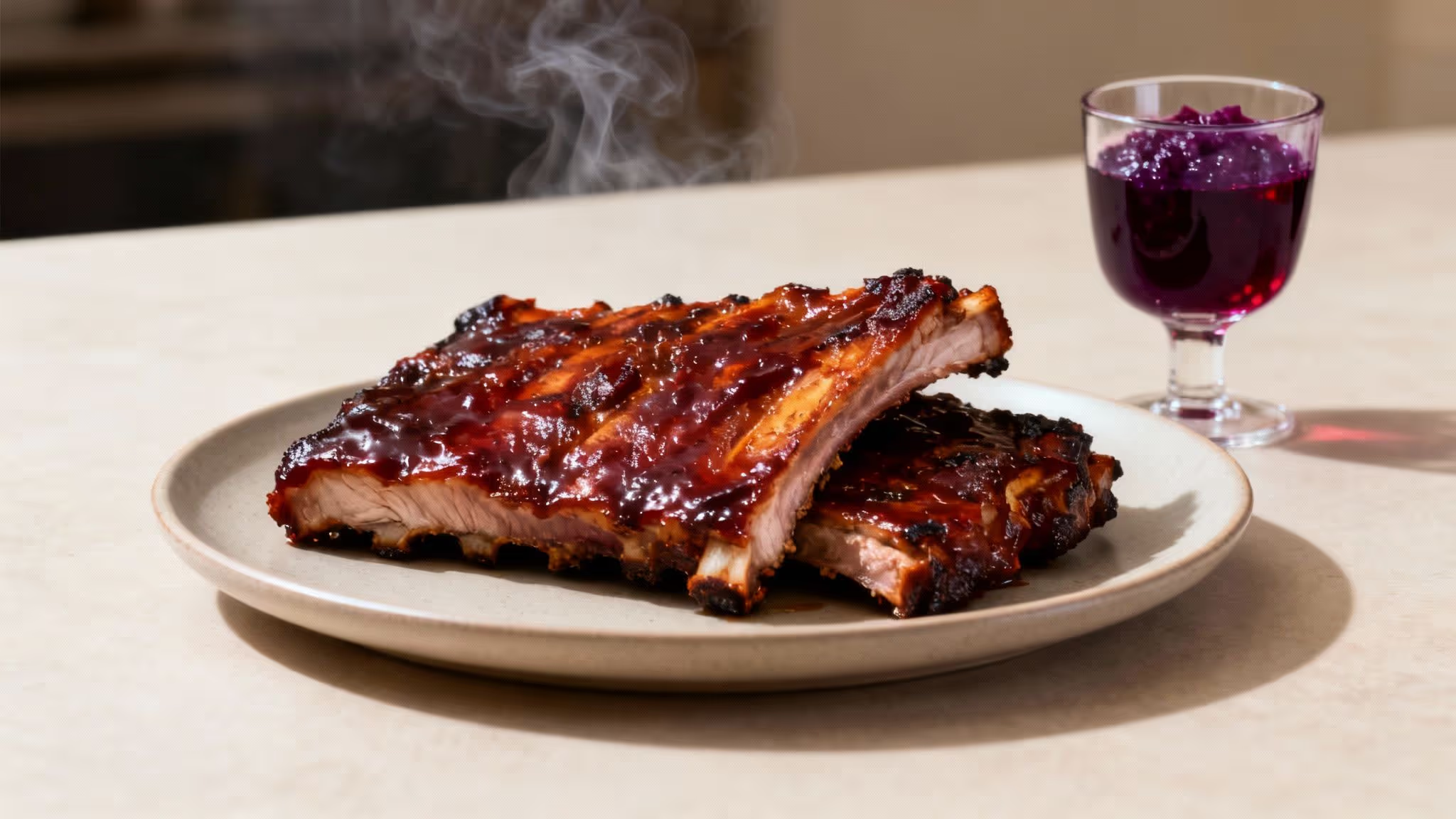
Go-To Wines for Bold Pork
A jammy Zinfandel is the classic choice for a reason. Its ripe berry flavors and hint of spice are a natural match for the sweet and tangy character of barbecue sauce. It has enough body to complement the smokiness without tasting bitter.
Another fantastic option is a Grenache-based blend. These wines bring juicy red fruit flavors but have soft tannins. This is important because high-tannin wines can clash with spice and smoke, creating a harsh taste.
The key is to find a wine with big fruit and soft tannins. This combination allows the wine to match the intensity of the sauce without creating a bitter aftertaste.
Choosing a wine for your next barbecue doesn't have to be stressful. Stick with these fruit-forward, low-tannin reds, and you're set for a great meal. For more bottle ideas, see our guide on wine pairings for BBQ ribs and pulled pork.
Common Pairing Mistakes to Avoid
Most wine pairing mistakes come down to one simple issue: imbalance. Either the wine overpowers the food, or the food overpowers the wine. Here’s how to avoid these common slip-ups.
Mistake 1: The Wine Is Too Powerful
This is the most frequent mistake—picking a wine that is too big for the dish. A bold, high-tannin red like a Cabernet Sauvignon will often taste harsh next to pork because its powerful structure steamrolls the meat’s more delicate flavors.
The Fix: When in doubt, choose a red wine with softer tannins. A good Pinot Noir or Grenache has the fruit and acidity to complement pork without creating a bitter clash.
Mistake 2: The Wine Gets Lost
The opposite mistake is also common. A very light, simple white wine, like an entry-level Pinot Grigio, can taste like water next to a rich pork roast or saucy BBQ ribs. The wine’s subtle flavors are completely drowned out.
The Fix: Match intensity with intensity. For a flavorful pork dish, you need a wine with enough body and character to hold its own. An oaked Chardonnay or a fruity Zinfandel has the personality to do the job.
Think of it as a conversation. Both the wine and the food should have a voice. By keeping these two simple ideas in mind, you'll avoid most pairing problems. For a deeper look at this approach, learn more about how to match wine with food.
Get a Perfect Pairing Every Time
Knowing the guidelines is helpful, but standing in a wine aisle with hundreds of bottles is another story. How do you find that specific wine when you’re in a hurry?
This is exactly why we built Sommy. It’s an AI-powered assistant on your phone that removes the stress of choosing the right wine.
Your Personal Wine Assistant
Instead of making you memorize pairing rules, Sommy learns your personal taste preferences. You simply scan a restaurant wine list with your phone’s camera, and it highlights the best options for your pork dish—and your palate.
Think of Sommy as a calm, knowledgeable friend who already knows what you like. It provides a confident, personalized recommendation in seconds, so you can get back to enjoying your dinner.
The app is designed to help you choose the "right" bottle without needing to be a wine expert. You can learn more about how an AI wine assistant makes these decisions feel effortless. The goal is to help you choose quickly and confidently every time.
Quick Answers to Pork & Wine Questions
Here are fast answers to a few common questions that come up when pairing wine with pork.
What is the safest all-around wine for a pork dinner?
A dry Rosé or a Pinot Noir are your two most reliable choices. A crisp Rosé works with almost any pork dish because it has the acidity of a white wine and the fruit character of a red. Pinot Noir is light enough for lean cuts but has enough flavor to stand up to richer dishes. Both are excellent, safe bets.
Does the sauce matter more than the pork?
Yes, most of the time. The sauce is usually the most dominant flavor. A simple pork chop is a blank canvas, but once you add a bold BBQ sauce, you have to pair the wine with the sauce. Always identify the most powerful flavor on the plate and choose a wine that can match its intensity.
What wine goes with cured pork like ham or prosciutto?
For salty, cured meats, you need a wine with high acidity to cut through the salt and fat. For baked ham, a dry Riesling is perfect because its touch of sweetness balances the saltiness. For delicate prosciutto, a sparkling wine like Prosecco or a crisp Pinot Grigio is a beautiful match. The bubbles and acidity cleanse your palate with every bite.
If you want help choosing wine in the moment, Sommy can give you an instant recommendation based on your meal and personal taste. Instead of guessing in the wine aisle, you can get a confident pick in seconds. Learn more about Sommy and choose your next bottle with ease.

EntreprEngineur. Runs on latte's. Creates with the intensity of a downhill run—fast, slightly chaotic, ideally followed by a glass of wine.