A smooth red wine is one with soft tannin, moderate acidity, ripe fruit, and alcohol that stays in the background, so nothing scrapes or bites on the way down. Merlot, Grenache, Carmenère, Valpolicella, and warm-climate Malbec are the styles that deliver it most reliably. Smooth isn't the same as sweet, though a trace of sugar does soften the edges of a wine that's technically dry. The good news is that you can make almost any red taste smoother with nothing more than a cooler glass and something to eat.
Asking for a smooth red is one of the most useful things you can say in a wine shop, and one of the most misunderstood. Most guides answer it with a list of grapes and stop there, which leaves you stuck the moment your shop is out of Merlot. We'd rather explain what's physically happening in your mouth when a wine feels soft, because once you know that, you can spot a smooth bottle from its label and even fix a harsh one at the table.
What does it actually mean when a wine tastes smooth?
Smoothness is a matter of texture rather than flavor, which is why it's so hard to describe and so easy to recognize. Four things decide it: tannin, acidity, alcohol, and sugar. When any one of them sticks out past the others, a wine feels rough, sharp, or hot, and when they sit level with each other, the wine feels soft.
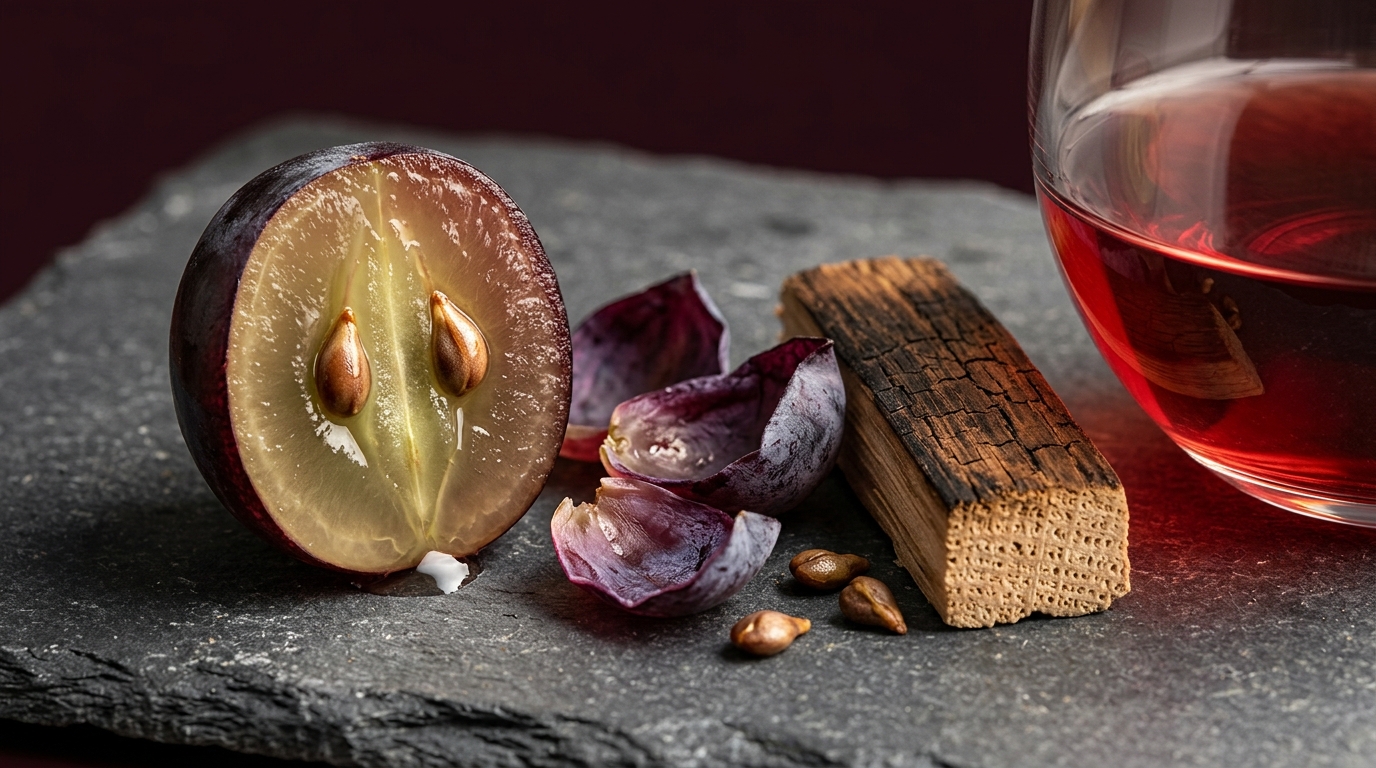
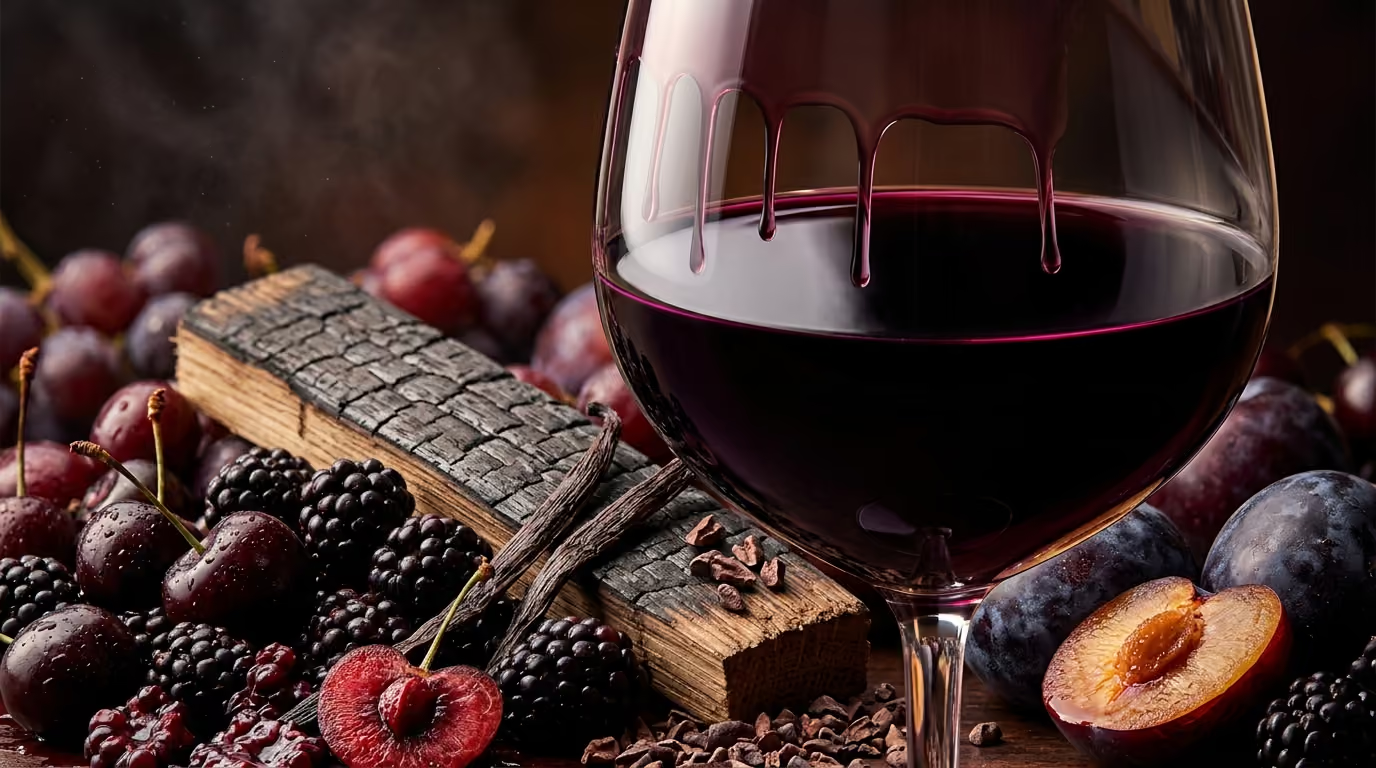
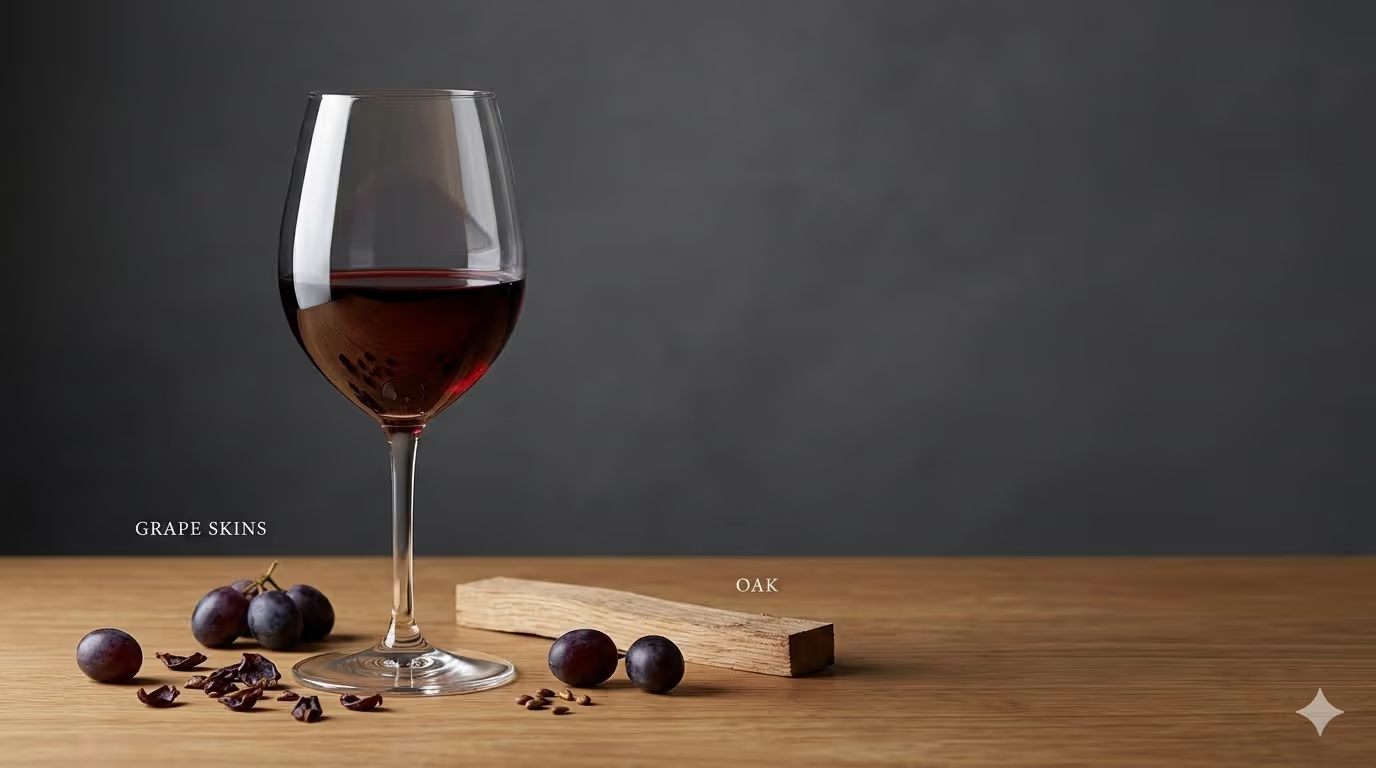
Tannin is the biggest lever, and it's the one people are usually reacting to. It comes from grape skins, seeds, and stems, plus the oak barrels a wine may age in, and it binds to proteins in your saliva. That's what creates the dry, grippy, slightly furry feeling across your tongue and gums, the same sensation you get from over-steeped black tea. Thin-skinned grapes make less of it, which is why Pinot Noir and Grenache feel gentler than Cabernet Sauvignon or Nebbiolo. Our full explainer on what tannin does to your mouth is the deeper version of this if the sensation is one you actively dislike.
Acidity is the second lever, and it reads as freshness or, in excess, as sourness. A wine can have low tannin and still feel sharp if its acidity runs high and there's not much fruit to cushion it. Many red wines go through a second, softening step called malolactic fermentation, which converts the tart malic acid of green apples into the rounder lactic acid of cream. That process is standard for nearly all reds and is a real part of why they feel plusher than most whites.
Alcohol contributes both warmth and a sense of weight on the palate. At moderate levels it adds a pleasant richness, and above roughly 15% it starts to register as heat at the back of your throat, which almost nobody experiences as smooth. Sugar is the last piece, and even a small amount that falls well below what you'd call sweet will blunt the perception of both acid and tannin.
Which red wines are the smoothest?
Merlot is the classic answer and it's still a good one, since its thicker fruit and rounder tannin were the whole reason it became the world's comfort red. It's worth knowing the range though, because a serious Merlot from a cool site can be considerably firmer than the soft, plummy supermarket version most people picture.
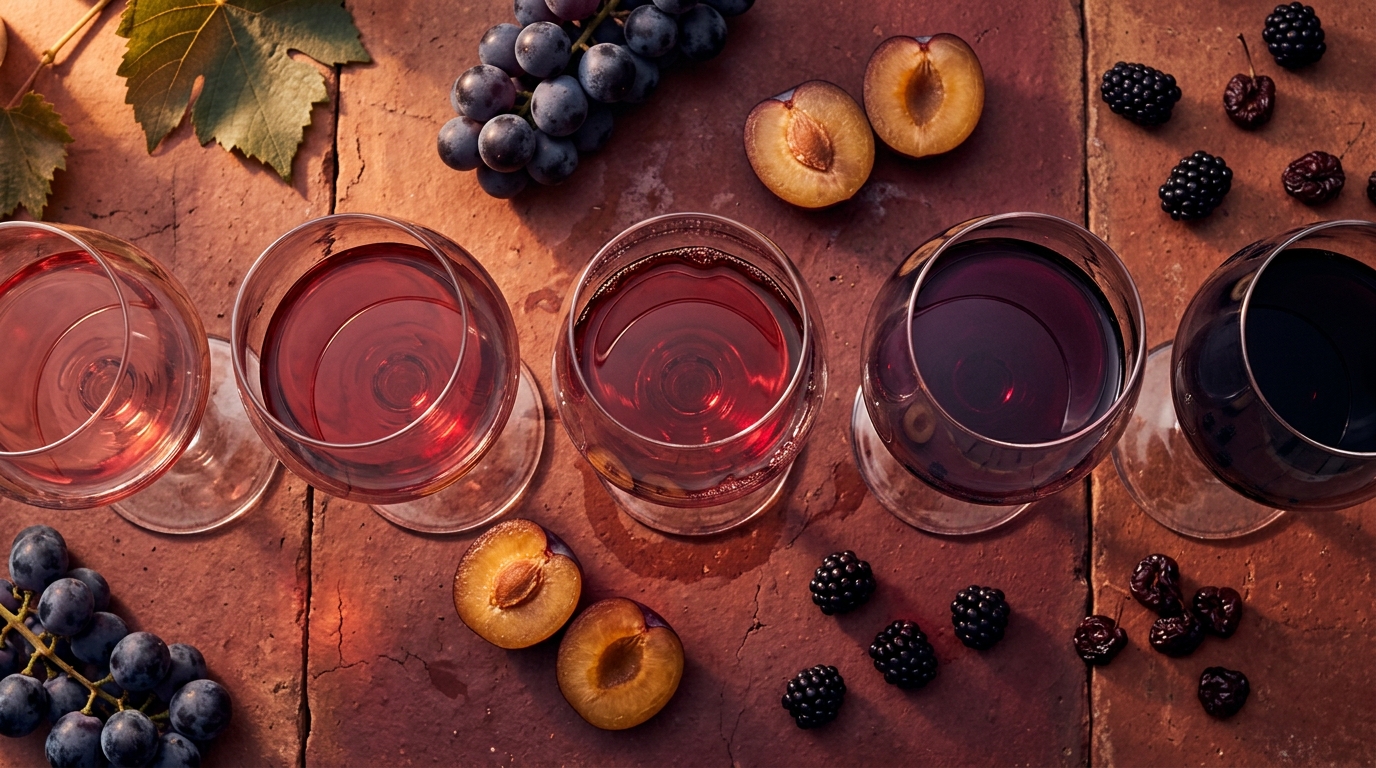
Grenache, labelled Garnacha in Spain, is our favorite recommendation for someone who wants softness with real character. It's naturally low in tannin and high in ripe strawberry and raspberry fruit, and it comes from Rioja, Navarra, the southern Rhône, and increasingly from old vines in Australia. Carmenère from Chile does something similar with a savory, faintly herbal edge, and it's usually one of the better values on a shelf.
Valpolicella from northeast Italy is light, cherry-scented, and gentle, while its richer sibling Amarone is much fuller but still velvety from the dried grapes it's made with. Warm-climate Malbec, particularly from Mendoza in Argentina, gives you dark plum fruit and a plush, almost soft-focus texture, which we cover in more depth in our piece on how Malbec actually tastes. A Rioja labelled Reserva or Gran Reserva has already spent years softening in barrel and bottle before it reaches you, and our notes on what Rioja tastes like explain why that aging matters so much to the texture.
Commercial red blends belong on this list too, even though wine writers rarely admit it. Bottles built in that style are made deliberately soft and fruity, often with a little residual sugar, and they're genuinely good at what they set out to do. If that's the register you enjoy, our roundup of wines like Apothic Red points at better-made bottles in the same comfortable style.
Does smooth mean sweet?
No, though the two get tangled together constantly, and for a good reason. Sugar physically dampens your perception of both tannin and acid, so a dry wine carrying a few grams of residual sugar tastes rounder than a bone-dry one with identical structure. That's why so many easy-drinking red blends include a touch of sweetness even when the label says dry.
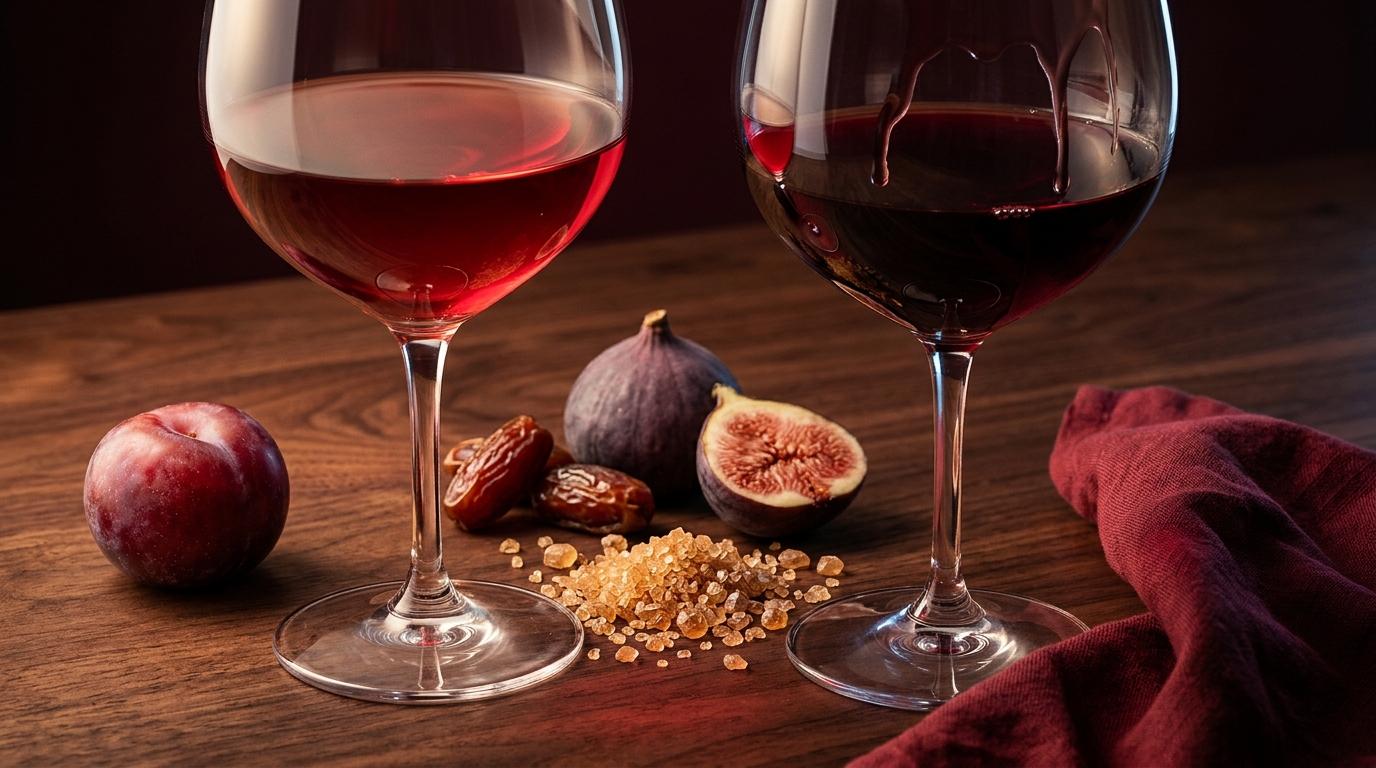
The distinction worth holding onto is that sweetness is a flavor you taste, while smoothness is a texture you feel. A wine can be completely dry and still feel like silk, which is what a good aged Rioja or a ripe Grenache demonstrates. It can also be noticeably sweet and still feel harsh if the tannin underneath is coarse and the alcohol is high.
This matters at the shop because asking for a smooth red and asking for a sweet red will get you two different bottles from anyone who knows their stock. If you're not sure which you actually want, the useful question is whether your complaint about past wines was that they tasted too sharp and drying, or that they weren't fruity enough. The first is a texture problem and the second is a flavor one.
How can you make a wine taste smoother?
You have more control than the bottle does, and this is the part most guides leave out entirely. Serving temperature, air, food, and time all change how soft a wine feels, and none of them costs anything.
Temperature is the fastest fix and the one people get wrong most often. A red served at a warm room temperature tastes more alcoholic and more aggressive, because heat pushes alcohol vapor forward and makes tannin feel coarser. Twenty minutes in the fridge takes a red down to roughly 60°F to 65°F, which is where most of them are actually meant to be drunk, and the difference in perceived smoothness is dramatic. Our guide to serving temperatures by style has the specifics for each grape.
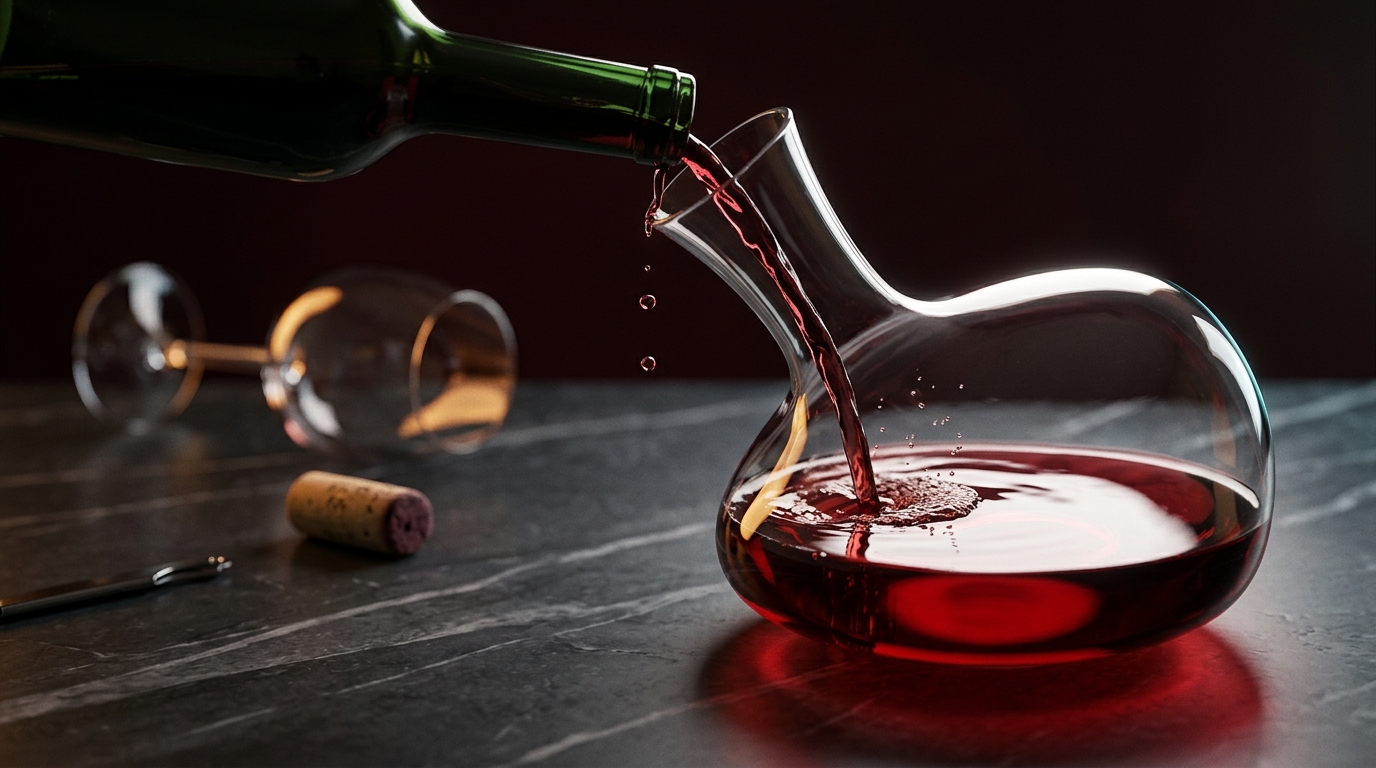
Air helps a young, tannic red, which is what decanting is really for. Pouring the wine into a jug, a carafe, or even another glass and letting it sit for half an hour lets the tannins soften and the fruit open up. This does nothing much for a wine that's already soft, and it can actively flatten a delicate older bottle, so save it for the young and firm.
Food is the most underrated lever of the four. Protein and fat bind to tannin before it reaches your saliva, so the same wine that felt drying on its own turns plush alongside a piece of steak or a wedge of hard cheese. If a red tastes harsh, don't reach for a different bottle, reach for something to eat with it.
Age does the same work slowly and by itself. Tannin molecules link together and drop out as sediment over years, which is why an older wine feels rounder than the same wine did on release. Buying a Rioja Reserva or a Gran Reserva is the shortcut, since somebody else has already done the waiting for you.
What should you look for on a label or a wine list?
Look for warm regions, ripe-fruit language, and any sign that a wine has already had time to settle down. The vocabulary on a back label is marketing rather than regulation, but it's still a reasonably honest signal of what a producer thinks they've made.
The words that reliably point toward softness are round, plush, velvety, supple, silky, mellow, and juicy. The ones that point the other way are structured, firm, grippy, tight, muscular, and youthful, all of which are compliments in wine writing and warnings if you want something easy. Bold and full-bodied are ambiguous, since a wine can be big and soft at the same time, so treat those as neutral.
Region tells you a lot before you read anything else. Warmer places like Mendoza, central Chile, southern Spain, southern Italy, southeastern Australia, and much of California ripen grapes more fully, which means softer tannin and rounder fruit. Cooler classics like Bordeaux, Barolo, and the northern Rhône tend to make firmer wines built to age. Alcohol on the label is worth a glance too, since somewhere between 13% and 14.5% is usually the comfortable middle ground.
The honest limit of all this is that smooth is a personal judgment, not a specification, and two people can disagree about the same glass. This is where Sommy's Fit Check earns its place, because you can point it at a bottle you're holding and get a straight answer about whether it fits how you actually drink, based on what you've liked before rather than on what a back label claims. Your Taste Profile gets sharper every time you rate something, which matters most for a quality as subjective as texture.
Frequently asked questions
What is the smoothest red wine?
Merlot and Grenache are the two most reliable answers, since both have naturally soft tannin and generous ripe fruit. Carmenère from Chile, Valpolicella from Italy, and Malbec from Mendoza all sit in the same easy-drinking territory.
Is smooth red wine sweet?
Usually not, though a small amount of residual sugar is common in commercial red blends and does make them feel rounder. Smoothness is about texture and sweetness is about flavor, so a completely dry wine can still feel soft as silk.
What makes a red wine smooth rather than harsh?
Low tannin, moderate acidity, alcohol that stays under about 15%, and enough ripe fruit to cushion the rest. When one of those elements sticks out past the others, the wine reads as sharp, drying, or hot instead of soft.
Does decanting make wine smoother?
It does for young, tannic reds, where half an hour of air genuinely softens the grip and opens up the fruit. It won't improve a wine that's already gentle, and it can flatten a delicate older bottle, so use it selectively.
What temperature should smooth red wine be served at?
Around 60°F to 65°F, which for most homes means about twenty minutes in the fridge before pouring. Warm reds taste more alcoholic and more tannic, so this single adjustment does more for perceived smoothness than almost anything else.
Are expensive wines smoother than cheap ones?
Not dependably, and often the opposite when the wine is young. Inexpensive commercial reds are deliberately made soft and fruity for immediate drinking, while many serious bottles are built with firm tannin meant to soften over a decade.
Finding the bottles that feel right to you
Smoothness comes down to soft tannin, balanced acidity, restrained alcohol, and ripe fruit, and once you can name those four things you stop being at the mercy of a shelf label. Start with Merlot, Grenache, Carmenère, or Malbec from a warm region, look for round and supple in the description, and skip anything described as firm or structured unless you're planning to cellar it.
Then remember that the glass is only half the story. Chill the bottle a little, give a young red some air, and put some food next to it, and you'll find that plenty of wines you'd written off as harsh were simply being served in the least flattering way possible.