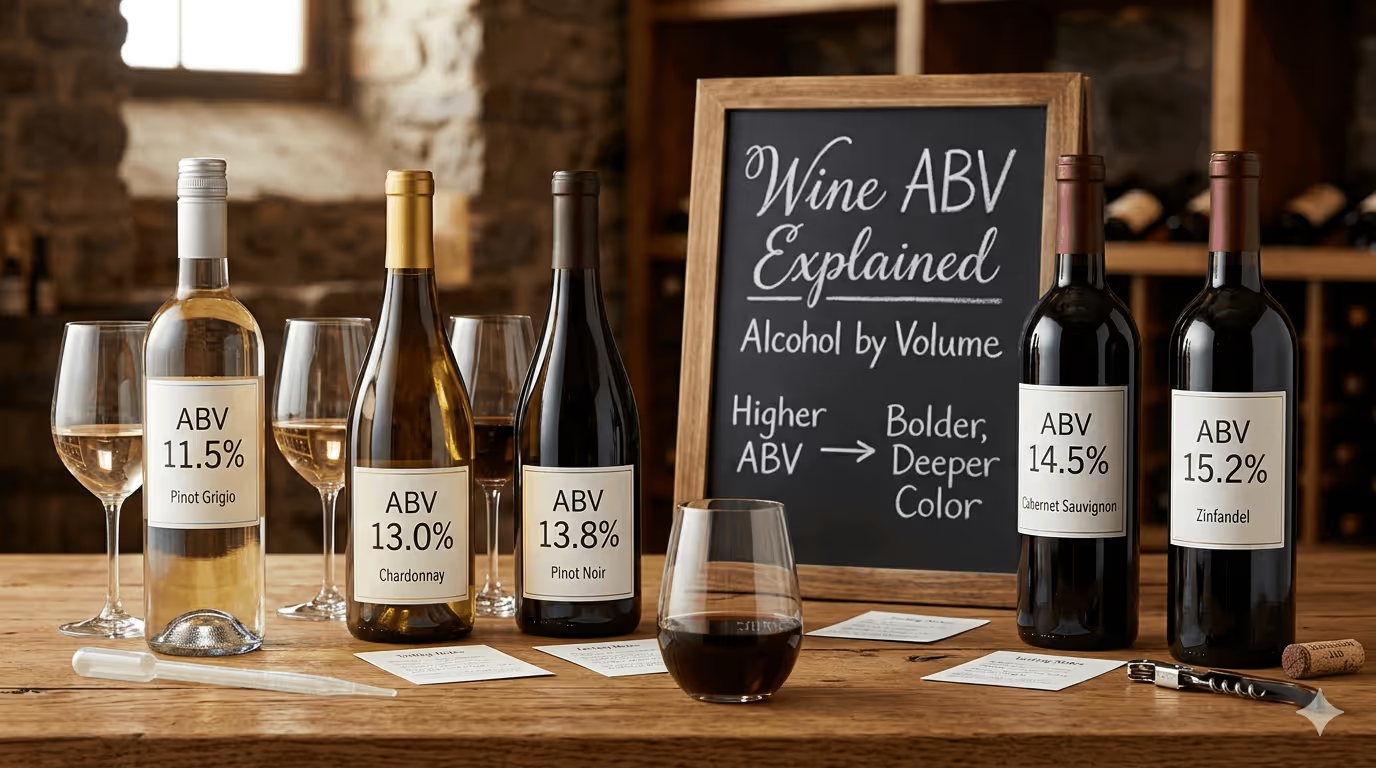
The easiest low-alcohol wines for a weeknight are crisp whites, dry rosé, chillable light reds and gently sparkling bottles, and you find them by reading one number rather than learning a hundred regions. Every bottle sold in the United States prints its alcohol by volume on the label, so the whole method comes down to checking that figure before anything else. Anything at 11% or below will drink noticeably lighter than the 14% reds most people default to.
That's genuinely all the technique required. What takes a little more thought is which lighter styles actually hold up next to dinner instead of disappearing, and that's what the rest of this covers.
What counts as low alcohol in a wine?
There's no single legal threshold that makes a wine "low alcohol", so treat it as a sliding scale rather than a category. Most dry table wine sits between 12% and 15%. Anything from 11% down starts to feel meaningfully lighter across a meal, and single-digit bottles at 7% to 9% are a different experience altogether.
Wine at 7% is a real category rather than a novelty, and producers make it deliberately. Wölffer's Hamptons Light Pinot Blanc, sourced from Rheinhessen in Germany, is bottled at 7.0% alcohol and sells for $24, and the winery describes it as made in a light Mosel style intended as a food companion. It's a useful reference point for how much flavor can still fit inside a small number.
Two different things get lumped together under this heading, and separating them saves disappointment. Wine that's naturally low in alcohol comes from grapes picked with less sugar, usually in a cool climate, and it tastes complete because nothing was taken out. Wine that's had alcohol removed after fermentation is a manufacturing process, and while it's improved a lot, it's a distinct product with a different texture. This piece is about the first kind.
The reason cool-climate wine ends up lighter comes down to simple arithmetic in the vineyard. Sugar in the grape converts to alcohol during fermentation, and grapes ripened in a cooler place accumulate less sugar before harvest. Less sugar going in means less alcohol coming out, and it also means the acidity stays high, which is exactly why these wines taste refreshing rather than watery.
Which low-alcohol wines work best with dinner?
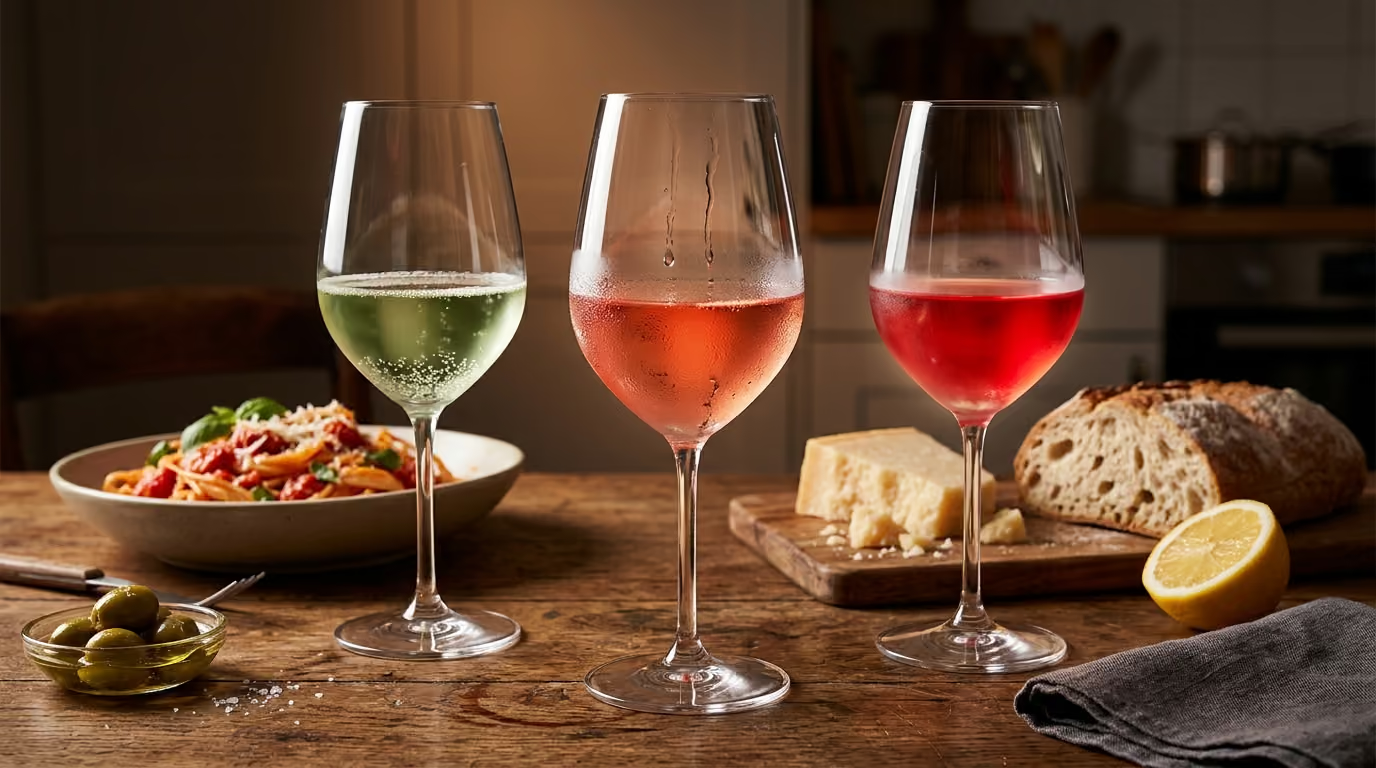
Look for styles built on acidity rather than ripeness, because acidity is what keeps a lighter wine from vanishing next to food. The best performers are Vinho Verde from Portugal, Riesling from Germany's Mosel, Moscato d'Asti from Piedmont, dry rosé, and light chillable reds like Lambrusco or Gamay.
| Style | What to check on the label | Works with |
|---|---|---|
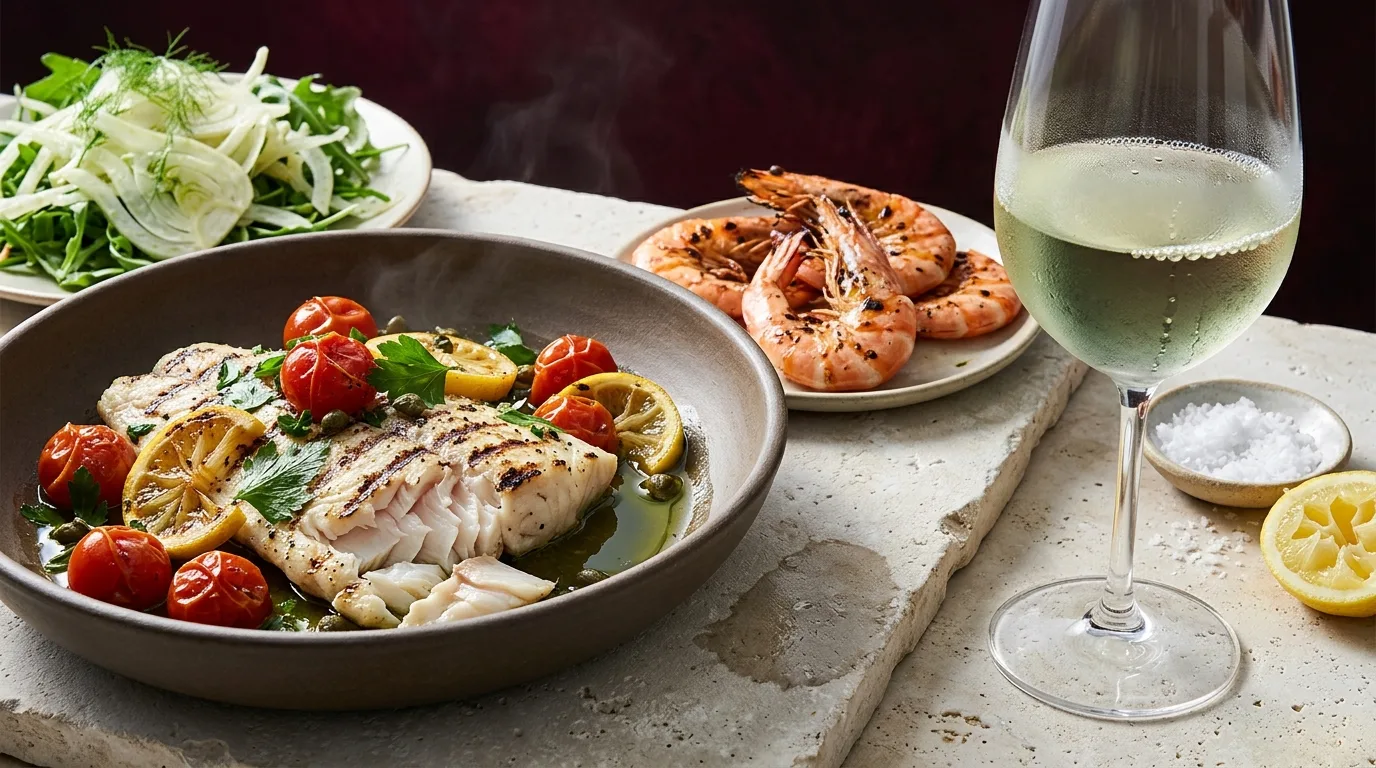
| Vinho Verde | Portuguese origin, often a light spritz | Grilled fish, salads, sushi, shellfish |
| Mosel Riesling | Mosel on the label, low printed ABV | Spicy food, roast chicken, pork |
| Moscato d'Asti | Lightly sparkling, sweet, single-digit ABV | Salty snacks, hot takeout, fruit desserts |
| Dry rosé | Pale color, described as dry | Salmon, chicken, sheet-pan dinners |
| Lambrusco or Gamay | Light red, worth chilling | Pizza, tomato pasta, burgers |
Vinho Verde is the most reliable starting point on a supermarket shelf. It's inexpensive, usually carries a light prickle of carbonation that makes it feel even fresher, and its sharp citrus character handles fried food and seafood without any thought required, provided you serve it properly cold.
Mosel Riesling deserves more attention than it gets, partly because people assume it will be sweet. Plenty of it is off-dry rather than sweet, and that small amount of residual sugar is precisely what makes it the best wine in this whole category for spicy food. A little sweetness cools chile heat, while low alcohol avoids the problem where a strong wine makes the burn worse. Our guide to spotting a dry Riesling helps if you want the drier end.
Sparkling wine belongs in this conversation more than most people realize. Bubbles reset your palate between bites, which is why Champagne works with fried food, and the lightly sparkling styles at the lower end of the alcohol scale do the same job for a fraction of the money. A gently fizzy Vinho Verde or a dry Lambrusco cuts through salt, fat and richness in a way that a still wine of the same weight cannot manage, and the carbonation adds a sense of body that stops a light wine from feeling insubstantial. If takeout is the meal, this is the category to reach for.
Can red wine be low in alcohol and still taste like red wine?
Yes, as long as you pick reds made in a light style and serve them cooler than you'd normally serve red. The trap is that most reds designed for low alcohol come from cool climates, where the tannins stay soft, so they need a chill and a lighter dish to show properly.
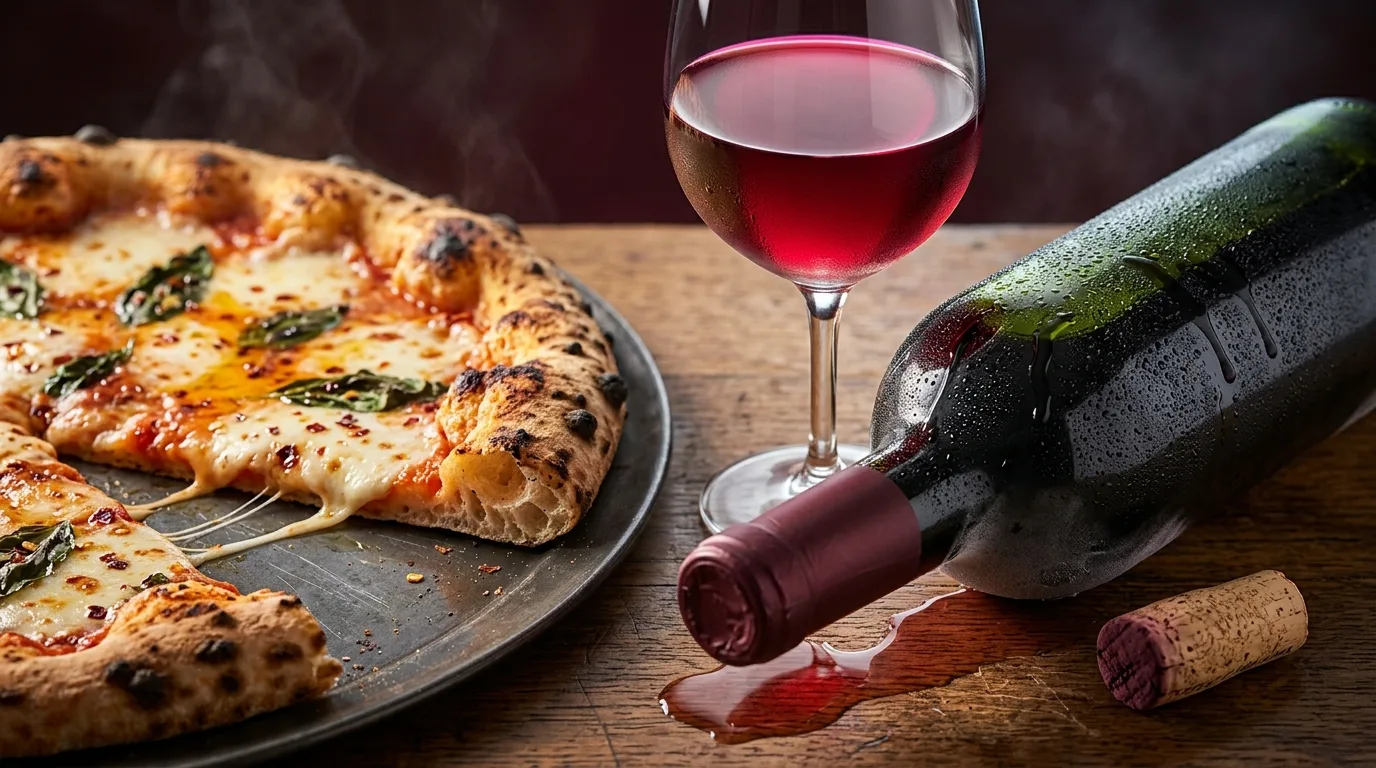
Lambrusco is the honest answer for weeknights and it's still recovering from a bad reputation earned decades ago by sweet mass-market versions. The dry versions from Emilia-Romagna are fizzy, dark, savory and genuinely good with pizza, cured meat and tomato sauce, which is exactly what they're drunk with locally. Gamay from Beaujolais is the other reliable pick, all bright red fruit and low tannin, and it takes a twenty-minute chill beautifully. Our guide to Gamay for light red fans covers how it compares to Pinot Noir.
Chilling is the part people skip, and it changes these wines more than any other single decision. Twenty minutes in the fridge tightens up a light red, sharpens the fruit and makes it taste deliberate rather than thin. Serve the same bottle at room temperature and it can read as weak.
What doesn't work is trying to force a naturally big red into this role. Cabernet Sauvignon, Zinfandel and Shiraz are built on ripeness and warmth, and a low-alcohol version of any of them tends to taste hollow. Choose a grape that was always meant to be light instead of a light version of a heavy grape.
How do you find these bottles in a supermarket?
Turn the bottle around and read the alcohol figure first, before the region, the grape or the shelf tag. It's printed on every bottle by law, it takes two seconds, and it's the single most reliable predictor of how the wine will feel over a whole evening.
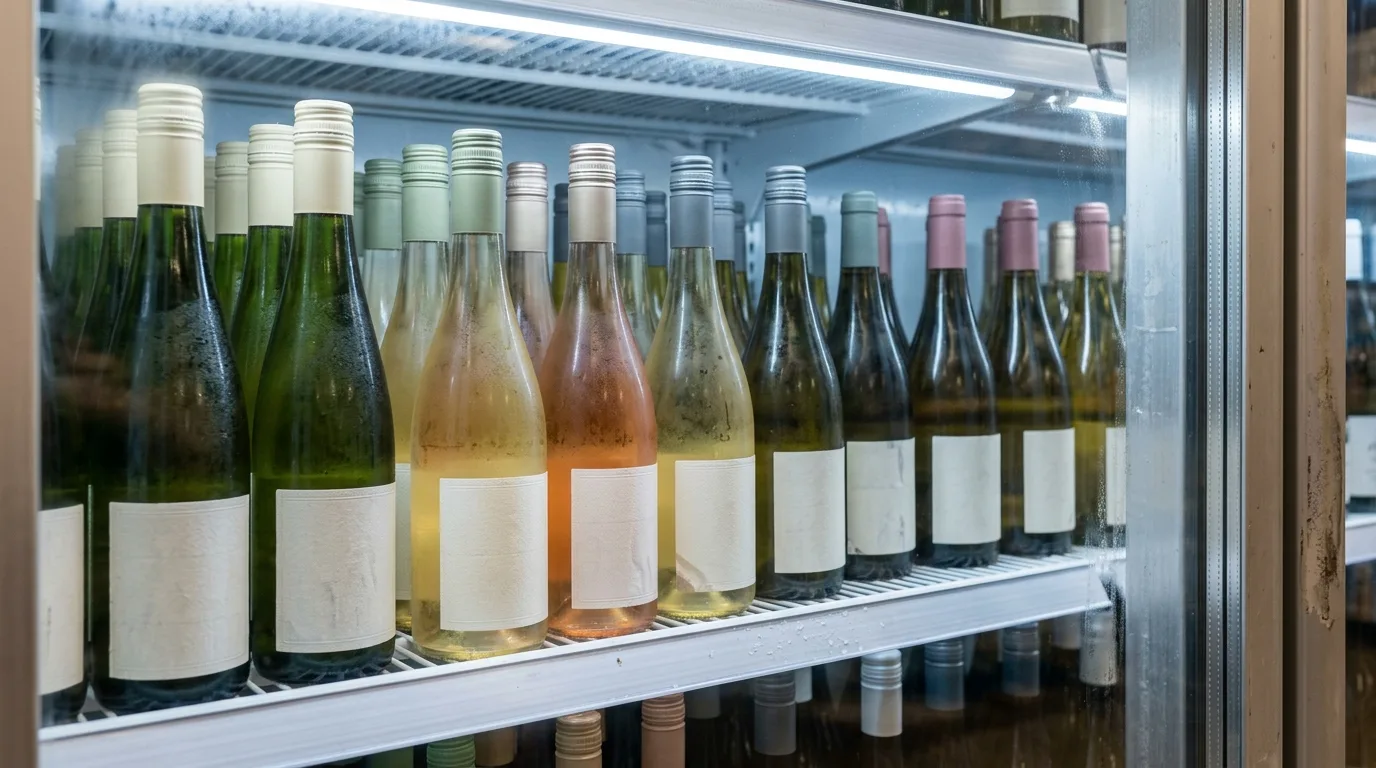
After the number, the words on the label do useful work. "Dry", "crisp", "fresh" and "light-bodied" all point where you want to go. "Rich", "full-bodied", "bold", "jammy" and "barrel aged" point the other way, and those wines are almost always higher in alcohol as well. Region helps too, since anywhere cool tends toward lighter wines: Germany, northern Portugal, northern Italy, the Loire and coastal areas generally.
Price is not a signal here in either direction. Some of the lightest, most food-friendly bottles on any shelf sit under fifteen dollars, because the styles that happen to be low in alcohol are also styles that have never carried prestige pricing. If you want a broader shortlist, our roundup of the best grocery store wines is a reasonable place to start.
Ordering out follows the same logic with different words. Telling a server you want "something light and fresh, not too strong" gets you where you're going faster than naming a grape, and most wine lists print the alcohol percentage next to each bottle anyway.
This is a good moment for Sommy's Fit Check, because the label only tells you the number and not whether you'll enjoy what's inside it. You can scan the bottle in your hand and get a verdict on whether that particular light style suits how you actually drink, which is the part the printed figure can't answer.
How do you build a weeknight rotation around them?
Pick three bottles that between them cover fish, chicken and tomato-based food, then keep buying the ones that work. That's a smaller decision than it sounds, and it removes the nightly question entirely.
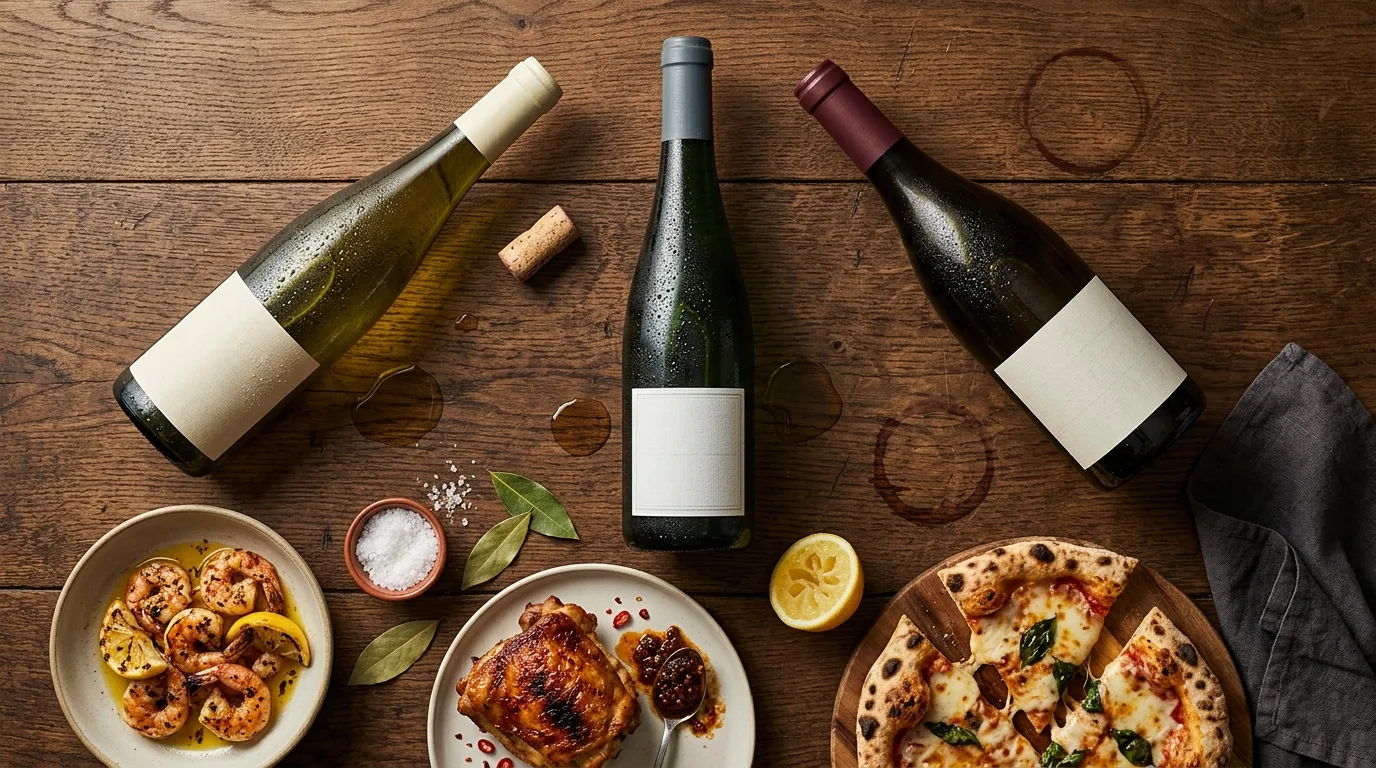
A workable trio is a Vinho Verde for anything from the sea or a salad, an off-dry Mosel Riesling for spicy food and roast chicken, and a chilled Lambrusco or Gamay for pizza and pasta nights. Those three handle most of what appears on a weeknight table, and none of them will leave the evening feeling heavy.
Rosé is the flexible substitute if you'd rather carry two bottles than three. A dry rosé sits comfortably between white and red territory, and it manages salmon, chicken, grain bowls, herby pasta and most leftovers without much argument. If one-pan cooking is your default, our notes on sheet-pan dinner pairings explain why it keeps coming out on top.
Storage is the last practical detail and it matters more with these wines. Lighter, lower-alcohol bottles are less protected against oxidation than a big red, so they fade faster once opened. Finish them within two days, keep the whites and rosés in the fridge with a stopper, and put the light reds back in the fridge too rather than leaving them on the counter.
One habit is worth adopting alongside the rotation, and it costs nothing. Write down the alcohol figure of any bottle you genuinely enjoyed, along with the style and roughly what you paid. After four or five entries a pattern emerges that no shelf tag would have told you: some people discover their favourites all cluster around 11.5%, others find they are happiest lower still. Knowing your own number turns the aisle from a guessing exercise into a filter, and it works across every grape and region rather than tying you to one label you happened to like.
Frequently asked questions
What is considered a low-alcohol wine?
There's no fixed legal definition for table wine, but anything at 11% alcohol by volume or below drinks noticeably lighter than standard wine, which usually falls between 12% and 15%. Bottles in the 7% to 9% range are the genuinely light end of the scale.
Which wine has the lowest alcohol content?
Lightly sparkling sweet styles like Moscato d'Asti sit at the bottom of the range, followed by Mosel Riesling and purpose-made light wines. Wölffer's Hamptons Light Pinot Blanc, for instance, is bottled at 7.0% and sells for $24.
Does low-alcohol wine end up tasting watery?
Not when the lightness is natural rather than engineered. Wines from cool climates keep high acidity alongside their lower alcohol, and that acidity is what makes them taste crisp and defined instead of dilute.
Is low-alcohol red wine any good with food?
Light reds such as dry Lambrusco and Gamay work very well with pizza, tomato pasta, burgers and cured meats, particularly after twenty minutes in the fridge. A chill sharpens the fruit and gives the wine more definition against the food.
Is low-alcohol wine the same as non-alcoholic wine?
They are two genuinely different products. Low-alcohol wine is fermented normally from less ripe grapes and retains its alcohol, while non-alcoholic wine has had the alcohol removed afterward, which changes the texture and body considerably.
How cold should low-alcohol wine be served?
Serve whites and rosés properly cold, and give light reds around twenty minutes in the fridge before pouring. Lower-alcohol wines rely on freshness for their appeal, and warmth flattens exactly the quality you bought them for.
Making it a habit rather than a project
The whole approach reduces to one movement in the aisle, which is turning the bottle around and reading the alcohol figure before anything else. Below 11% and you're in lighter territory, with acidity doing the work that ripeness and alcohol do in a bigger wine.
Match the weight of the wine to the weight of the food, serve it colder than feels natural, and let the three-bottle rotation cover the rest. Dinner gets easier, the wine still tastes like something, and the evening ends the way you wanted it to.