
The best wine for prime rib is a bold red like Cabernet Sauvignon. Its structure cuts through the richness of the meat, making every bite taste better. If you prefer something smoother, Merlot is a fantastic choice, and for a lighter option, Pinot Noir works beautifully. That’s it—you don’t need to know anything else to make a great choice.
Your Easiest Answer for Prime Rib Wine

You’re standing in a wine aisle or looking at a restaurant menu, and the pressure is on. A special meal like prime rib is on the line, and the fear of choosing the "wrong" wine is real. That feeling of being overwhelmed is completely normal.
But choosing a wine doesn't have to be a test. The goal is to feel relaxed and confident so you can enjoy your dinner. You just need a simple, reliable starting point that works every time.
Why Cabernet Sauvignon is Your Go-To Choice
Cabernet Sauvignon is the classic choice for a reason: it creates balance. Prime rib is gloriously rich and fatty, and a bold red wine has the structure to slice right through it, cleaning your palate between bites.
Think of it like a refreshing squeeze of lemon on fried fish. It doesn't just cut the richness; it makes the flavors of the meat stand out even more. The wine’s firm texture softens when it meets the protein and fat, making both the wine and the beef taste better.
The most important rule is to find a wine that doesn't get steamrolled by the food. With a powerhouse dish like prime rib, you need a wine that can confidently stand beside it.
This same logic applies to other big beef dishes. If you've ever wondered what to pour with a different cut, our guide on finding the best wine for a steak dinner breaks it down in a similar, straightforward way.
If you want help choosing wine in the moment, this is exactly the kind of decision Sommy helps with. Instead of guessing, the app can help you find a great Cabernet that fits your taste and budget, removing all the decision anxiety.
Your Quick Guide to Prime Rib Wines
This simple chart covers the essentials for three excellent choices. Whether you go for the classic or one of the alternatives, you're making a great decision.
Why Bold Red Wine Just Works
So why do bold red wine and prime rib get along so well? It’s not about following stuffy old rules. It's about simple chemistry that makes your meal more enjoyable.
Imagine that first bite of prime rib—it's rich, savory, and coats your mouth with flavor. A sip of a powerful red wine acts like a reset button. It cleanses your palate, making the next bite of beef taste just as amazing as the first. That’s the magic.
It All Comes Down to Tannin
The key player in this interaction is something called tannin. Tannins are natural compounds in grape skins that create a slightly drying, grippy sensation in your mouth, similar to drinking strong black tea.
When you take a sip of a red wine like Cabernet Sauvignon after a bite of prime rib, the tannins in the wine bind to the proteins and fats from the meat. This creates a win-win situation:
- For the Wine: The fat from the beef softens the wine's tannins, making a wine that might feel a bit rough on its own suddenly taste smooth and velvety.
- For the Prime Rib: The tannins scrape away that lingering richness in your mouth, preventing your taste buds from getting tired. This preps your palate for the next bite.
This back-and-forth is the whole reason a good wine with prime rib is almost always a structured red. It’s not about a rulebook; it’s about a natural partnership that makes both the food and the wine taste better.
Grasping this one concept is the key to pairing with confidence. If you want to dive a little deeper, we have a jargon-free guide on what tannin is in wine.
A Simple Analogy for Pairing
Think of the little dish of lemon sorbet sometimes served between courses at a fancy dinner. Its job is to cleanse your palate so you're ready for the next dish. A bold red wine does the exact same thing for prime rib, just in a more flavorful way.
This principle works for any rich, fatty meat, from a marbled ribeye to a hearty lamb chop. You now have an intuitive feel for a classic pairing that works anywhere, turning a good meal into a great one.
Your Three Most Confident Choices
You're looking at a wine list or a store shelf. You don't need a lecture on geography right now. You just need a few reliable, can't-miss options that will make your prime rib dinner perfect.
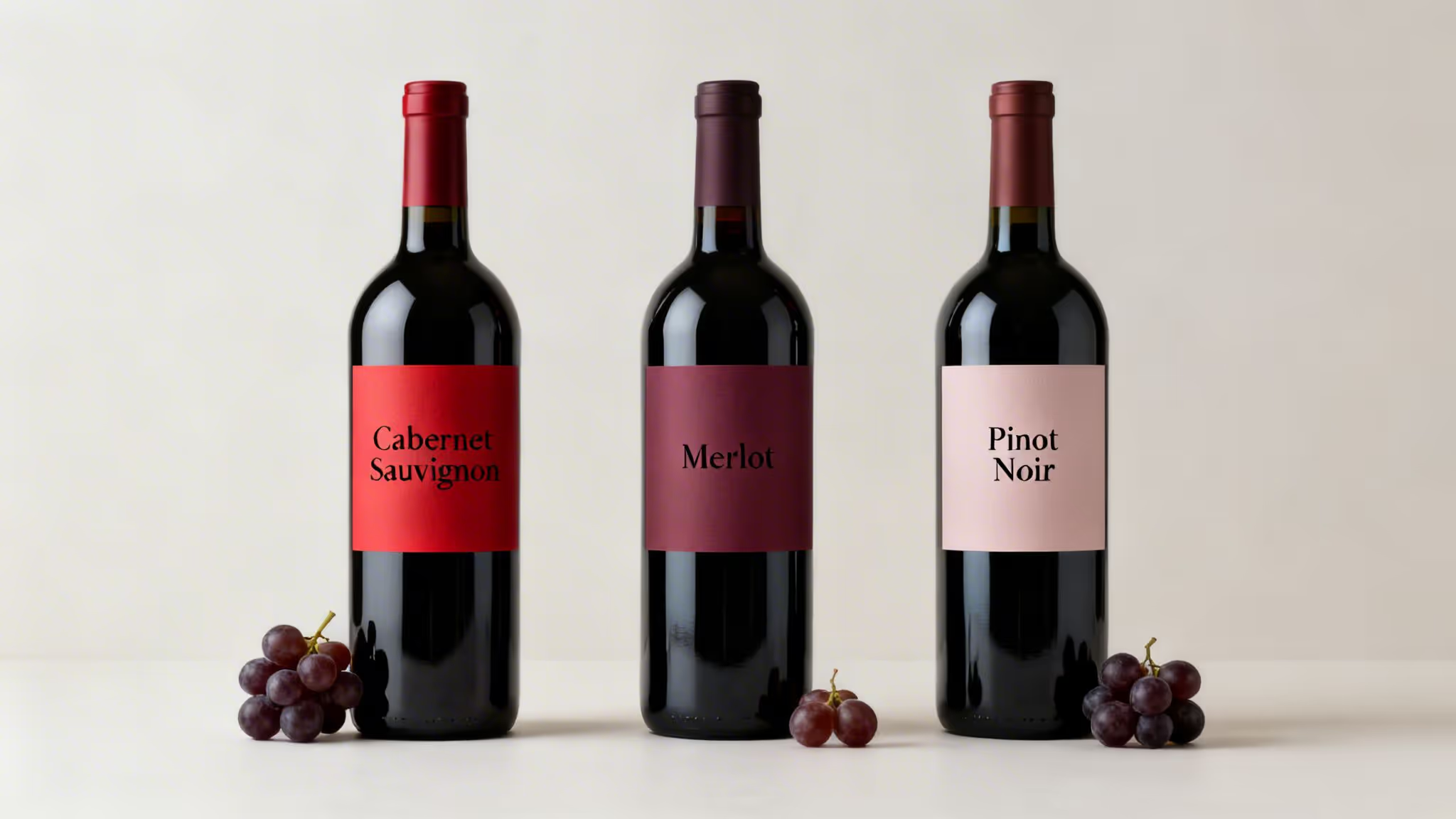
Let's focus on three solid choices. Think of them as your go-to team. No matter which one you pick, you’re making a great call.
1. The Classic: Cabernet Sauvignon
We’ve already touched on this one, but it's worth repeating. It’s the undisputed champion. When someone asks for a good wine with prime rib, the conversation starts with Cabernet Sauvignon.
- What it feels like: Bold, confident, and structured. Think dark fruit flavors like black cherry and blackberry. Its firm texture is its secret weapon.
- Why it works: Cabernet has the power to stand up to the rich, beefy flavor of the meat. Those tannins slice right through the fat, cleansing your palate with every sip.
Think of Cabernet as the strong, reliable choice that will never let you down.
2. The Smooth Operator: Merlot
If Cabernet Sauvignon sounds a bit too intense, Merlot is your perfect move. It delivers similar dark fruit flavors but in a much softer, more approachable package.
- What it feels like: Round, smooth, and velvety. It has flavors of ripe plum and black cherry, sometimes with hints of chocolate. The texture is much gentler than a Cab.
- Why it works: Merlot is a crowd-pleaser. Its plush, silky texture complements the prime rib beautifully without trying to steal the show. It’s a harmonious pairing that feels luxurious and effortless.
3. The Elegant Alternative: Pinot Noir
For anyone who prefers a lighter, more delicate red, Pinot Noir is an elegant and surprisingly brilliant choice. It’s proof that you don't always need brute force to create a beautiful pairing.
- What it feels like: Silky, bright, and aromatic. You'll get flavors of red fruits like cherry and raspberry. It has high acidity and very fine tannins.
- Why it works: The bright acidity in Pinot Noir does the same job as the heavy tannins in Cabernet—it cuts through the richness. Its lighter body provides a graceful counterpoint to the beef.
Ultimately, your personal preference matters most. If you love smooth reds, grab a Merlot. If you prefer elegance, a Pinot Noir will be fantastic. The "best" wine is always the one you'll enjoy drinking.
Stuck between the two smoother options? Our guide comparing Merlot vs. Pinot Noir can help. This is also the kind of in-the-moment decision Sommy helps with, learning your taste to find the perfect bottle for you.
Pairing Wine with Your Seasoning
Not all prime rib is the same. Thinking about the seasonings and sauces on the plate is a simple way to level up your pairing and boost your confidence. The goal isn’t to follow rigid rules but to match the main flavors you'll be tasting.
For a Classic Salt and Pepper Rub
When a prime rib has a simple crust of just salt and pepper, the beef is the star. This is the moment for a bold, classic wine that can stand shoulder-to-shoulder with that rich, savory flavor.
- Your Best Bet: A Cabernet Sauvignon is the ideal partner here. Its powerful fruit flavors and firm structure are the perfect counterpoint to the pure beefiness of the roast.
For Garlic and Herb Rubs
If your prime rib is coated in garlic, rosemary, and thyme, the flavor profile is more complex. A wine with some earthy or herbal notes of its own will feel right at home.
- Try This: A Bordeaux blend often works beautifully. It brings the backbone of Cabernet but layers in savory notes from grapes like Merlot that echo the herbs in the rub.
The secret to pairing is simple: match intensity. A powerfully seasoned dish needs a wine with enough personality to keep up.
This idea of matching flavors is a great way to build confidence. To explore this concept more, you can find helpful tips in our guide on how to match wine with food.
With Creamy Horseradish Sauce
Horseradish is a classic prime rib companion, but its spicy kick can be a troublemaker for wine. The heat can clash with very tannic reds, making the wine taste bitter.
You need a wine with enough bright fruit to handle the creaminess and enough acidity to be refreshing, but without aggressive tannins.
- A Smart Choice: A fruit-forward Merlot or a bright Pinot Noir can be excellent here. Their softer textures won't fight the horseradish, and their lively fruit provides a fantastic contrast to the zesty sauce.
How to Choose a Bottle Anywhere
You’ve decided on the type of wine; now it's time to pick the actual bottle. Whether you're looking at a long restaurant wine list or a crowded store aisle, a few simple shortcuts can help you choose quickly and confidently.
At a restaurant, flip to the Cabernet Sauvignon or Merlot section. You'll almost always find a solid choice. If you want to feel more in control, our guide on how to read a wine list breaks it down without the jargon.
In a wine shop, the number of options can feel overwhelming. Here's a great rule of thumb: look for a California Cabernet Sauvignon in the $20-$30 range. That price range is packed with high-quality, delicious wines that are almost guaranteed to be a home run. It’s a safe, delicious, and stress-free bet.
Simple Steps for a Confident Choice
Look for these clear signposts to point you in the right direction.
- Look for Familiar Regions: For Cabernet or Merlot, you can't go wrong with places like Napa Valley or Sonoma in California, or Bordeaux in France. For a great value, check out wines from Chile or Washington State.
- Trust Your Budget: You do not need to spend a fortune. Fantastic bottles that pair perfectly with prime rib exist at every price, especially around the $25 mark. Set a number you're comfortable with and stick to it.
- Ask for a Specific Style: If you're asking for help, try something like, "I'm looking for a smooth, full-bodied red for prime rib under $30." That gives the staff clear direction and gets you a better recommendation.
This decision tree shows how your seasoning can guide your wine choice.

As you can see, a classic roast is a perfect match for a bold wine. Once you add herbs or creamy horseradish, you'll want a wine with complementary fruit notes or a softer feel to create balance.
The goal is to make a decision that feels good to you, not to find the one single "perfect" bottle. Any of the classic choices will be delicious. You really can't go wrong.
This is exactly the kind of in-the-moment decision Sommy was built for. Instead of guessing, you can use the app to scan a restaurant wine list or a store shelf. It instantly highlights the best options based on your personal taste and budget, taking all the friction out of the choice.
Quick Answers to Common Questions
Even with a plan, a few practical questions always pop up. That's normal. Getting these little details right is what makes a meal feel completely stress-free. Here are fast, clear answers to common hang-ups when picking a good wine with prime rib.
Do I have to spend a lot?
Absolutely not. You can find a fantastic bottle of wine to go with prime rib in the $15-$30 price range. Some of the best-value red wines in the world are in that sweet spot. The goal is the right structure and flavor, not a high price tag.
What if I don’t like bold red wines?
If big, heavy reds aren't your thing, you still have wonderful options. The number one rule is to drink what you enjoy. A medium-bodied red like Pinot Noir is an excellent, sophisticated choice. It has plenty of bright acidity to cut through the richness of the meat with a lighter, more elegant feel.
What’s the best wine for a big group?
When ordering for a table with different tastes and dishes, a versatile, crowd-pleasing red is your best friend. A smooth, fruit-forward Merlot is often the perfect compromise. It has enough body for the prime rib fans but is soft and approachable enough for almost any palate. Pinot Noir is another stellar, flexible choice.
Should I chill the red wine?
Yes, but just slightly. Serve the red wine a little cooler than room temperature, ideally around 60-65°F (15-18°C). When a red wine is too warm, the alcohol can taste sharp and the flavors feel muddled. A slight chill snaps everything into focus. An easy trick is to pop the bottle in the refrigerator for about 15-20 minutes before you open it.
Figuring out these details on the fly is exactly why we built Sommy. Instead of trying to remember rules, you can just ask the app. Sommy.ai learns your personal tastes and gives you clear, confident answers right when you need them, so you can focus on enjoying the meal.

EntreprEngineur. Runs on latte's. Creates with the intensity of a downhill run—fast, slightly chaotic, ideally followed by a glass of wine.