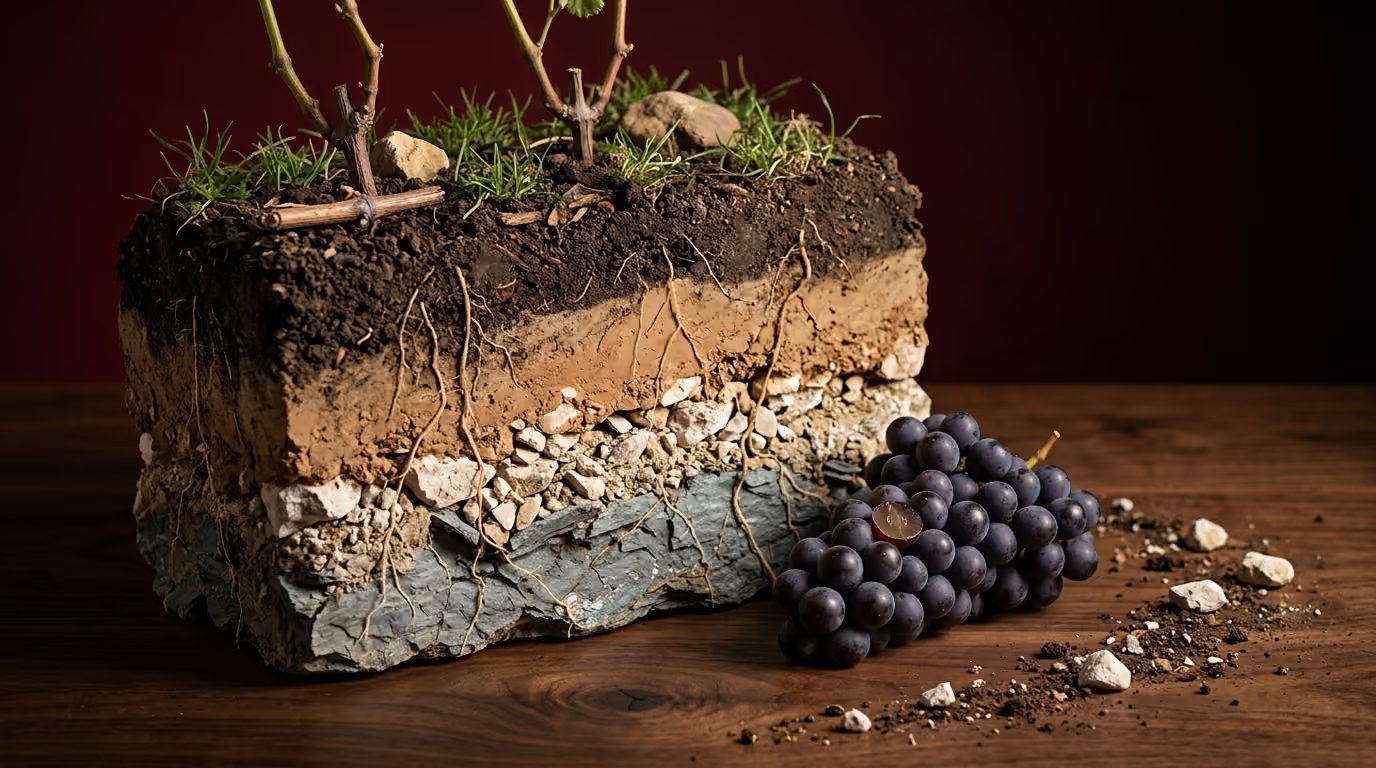
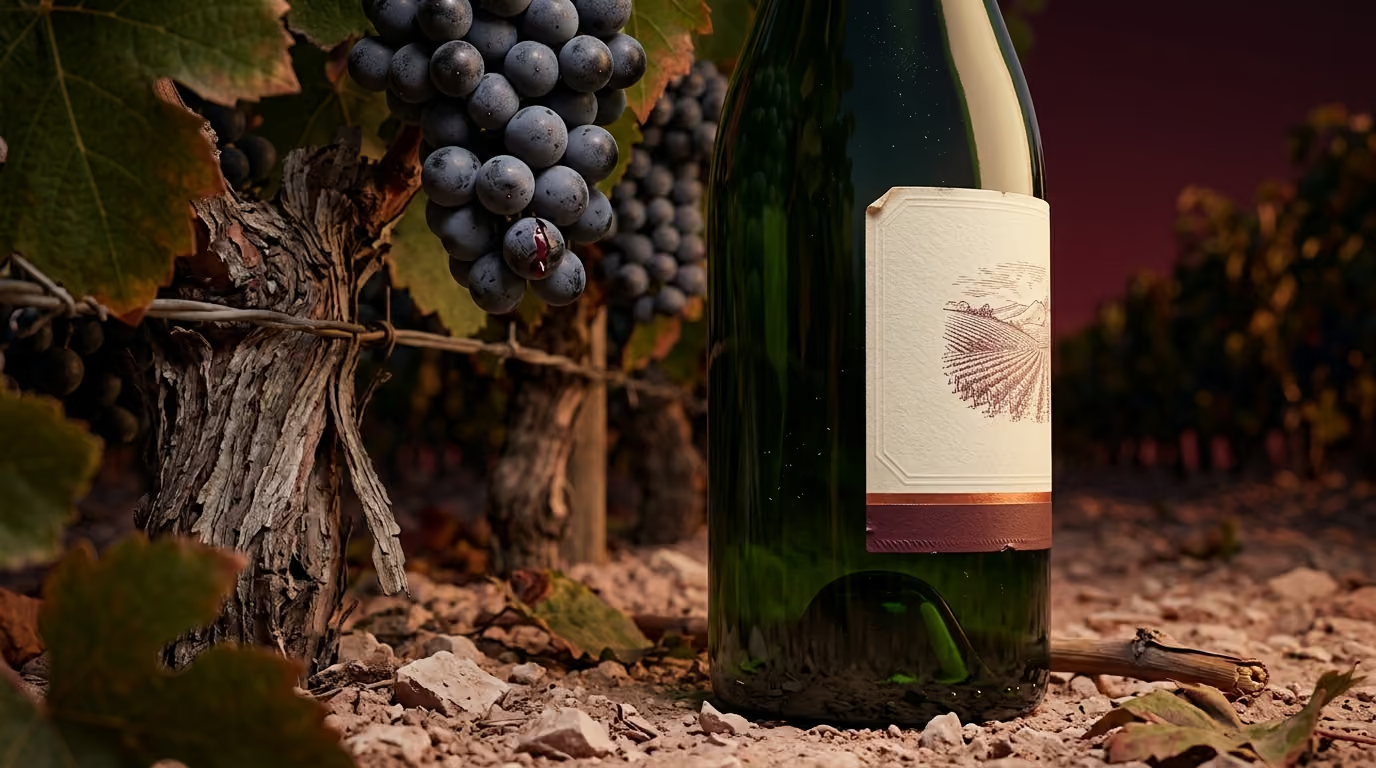
Estate bottled is a legally defined term in the United States, not marketing language. Under federal rules, a winery can only use it when the wine carries an American Viticultural Area on the label, the winery sits inside that same AVA, it grew every one of the grapes on land it owns or controls within those boundaries, and it crushed, fermented, aged and bottled the wine without the wine ever leaving its premises.
That's a genuinely high bar, and it tells you something real about how the wine was made. What it does not tell you is whether the wine is any good, or whether you'll enjoy it, which is where most explanations of the term quietly overpromise.
What does estate bottled legally mean?
The rule lives in 27 CFR 4.26, administered by the Alcohol and Tobacco Tax and Trade Bureau, and it sets four conditions that all have to be met at once. Miss any one of them and the phrase cannot appear on the label.

First, the wine has to be labeled with a viticultural area appellation of origin, which in practice means a recognized AVA such as Russian River Valley or Willamette Valley. A wine labeled simply as California or as a whole state cannot be estate bottled, because a state is not a viticultural area. Our explainer on what AVA means on a wine label covers how those boundaries get drawn and why some are far more specific than others.
Second, the bottling winery has to be located inside that same labeled viticultural area. Third, it must have grown all of the grapes used to make the wine on land it owns or controls within the boundaries of that area, and the regulation says all rather than most, so there's no percentage allowance hiding in the fine print.
Fourth, and the condition people notice least, the winery has to have crushed the grapes, fermented the must, then finished, aged and bottled the wine in one continuous process, with the wine at no point leaving its premises. Sending juice out for custom crush or trucking finished wine to a mobile bottling line at another facility breaks the chain and disqualifies the term. There's one carve-out for cooperatives, where grapes grown by members of a cooperative bottling winery count as grown by the winery itself.
What counts as land the winery controls?
Control has a specific definition, and it's stricter than a handshake with a neighboring grower. The regulation defines controlled by as property where the bottling winery has the legal right to perform, and actually does perform, all of the acts common to viticulture, under a lease or similar agreement running at least three years.
Two parts of that do the work. The winery has to be the one making the farming decisions and carrying them out, covering pruning, canopy management, irrigation and the call on when to pick, rather than buying fruit from someone else's vineyard team. It also has to be locked in for a minimum of three years, which rules out a winery leasing a block for a single strong vintage and putting estate bottled on that one wine.
That's why the term carries information even when a winery doesn't own its vineyards outright. Long leases with full farming control produce much the same continuity as ownership, since the same people make the same decisions in the same rows year after year, and that continuity is the thing the regulation is trying to capture.
How is estate bottled different from estate grown?
Estate bottled is the only phrase the regulation lets a winery use to indicate combined growing and bottling conditions, and 27 CFR 4.26 says exactly that in its final paragraph. Anything else you see on a label, including estate grown, estate wine, grown on our estate or from our estate, sits outside that definition and carries no equivalent federal test.
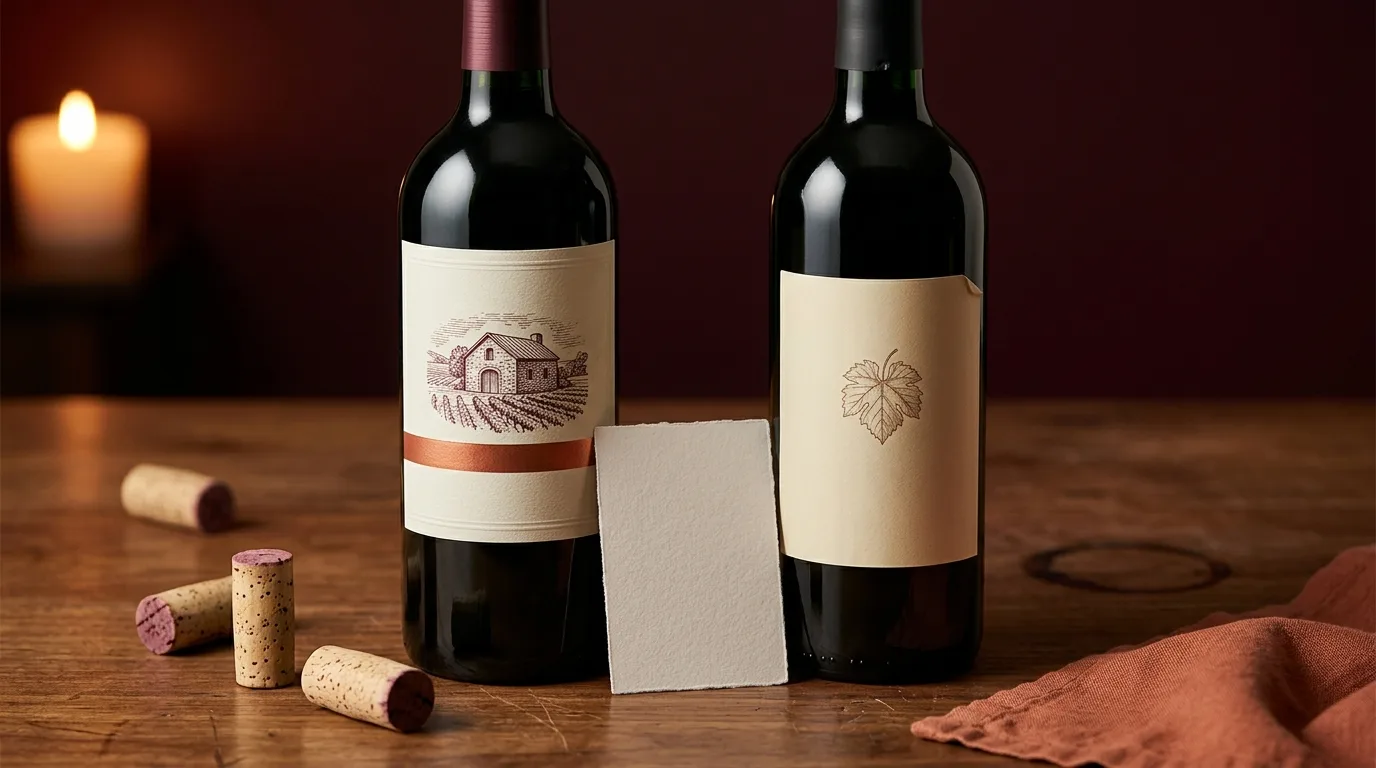
In practice most wineries using estate grown mean something honest by it, usually that they farmed the fruit themselves. The problem is that you cannot tell from the words alone, because nothing requires the winery to be in the same AVA, nothing requires it to have done its own crushing and bottling, and nothing requires the process to be continuous. The claim might be every bit as rigorous as an estate bottled wine, or it might describe a winery that grew the grapes and then shipped them somewhere else entirely.
This is a familiar pattern on American wine labels, where a regulated term sits beside several unregulated ones that sound similar. Reserve is the clearest example of the same problem, since it means whatever a producer wants it to mean in the United States, and our piece on what reserve means on a wine label walks through how much that varies. Old vine works the same way, as our old vine explainer sets out.
What do the other phrases on the back label mean?
Most of the small print on the back of an American bottle is also defined by regulation, in 27 CFR 4.35, and reading it correctly tells you roughly how much of the wine the named winery actually made. Every American bottle has to say bottled by or packed by along with a name and address, and everything beyond that is optional wording the winery chose to add.
| Label phrase | What the regulation requires | What it tells you |
|---|---|---|
| Estate bottled | All conditions of 27 CFR 4.26, including all grapes from the winery's own or controlled land in the labeled AVA | The strongest origin claim available on a US label |
| Produced by, or Made by | The winery fermented not less than 75 percent of the wine at that address | The named winery did most of the actual winemaking |
| Cellared by, Vinted by, or Prepared by | The winery subjected the wine to cellar treatment at that address | It handled the wine, but may have fermented none of it |
| Blended by | The winery mixed the wine with other wines of the same class and type there | It combined finished wines rather than making them |
| Bottled by, on its own | Only that the wine was bottled at that address | The least informative statement, and the mandatory minimum |
The gap between produced by and cellared by is the one worth carrying into a shop. Produced by means at least three quarters of the wine was fermented on site, so the named winery is genuinely responsible for it. Cellared by, vinted by and prepared by all mean the same thing under the regulation, which is that the winery gave the wine some cellar treatment, and none of them require it to have fermented a single drop.
Sommy's Label Scan exists for the moment when you're holding a bottle and the back label is a wall of small type in poor light. It reads the label and tells you what the wine is actually likely to taste like, which is the question the regulated phrases never answer on their own.
Does estate bottled mean the wine is better?
It means the wine is more traceable, which is not the same thing. One team owning the whole chain from planting to bottling removes several places where quality can leak away, and it usually means a house style you can recognize from vintage to vintage, so there's a real argument that the odds improve.
The odds are not the outcome, though. A winery with mediocre vineyard sites and average winemaking can meet every condition in 27 CFR 4.26 and still make a forgettable wine, while plenty of excellent producers buy fruit from growers they've worked with for decades and could never use the phrase. Some of the most respected wines in California and Oregon are made from purchased fruit, and their labels say produced and bottled by rather than estate bottled.
There's also a practical reason the term shows up more on some shelves than others. Meeting the conditions requires owning or leasing enough land inside a single AVA and running your own crush and bottling, which favors wineries of a certain size and age. Its absence often reflects a business model rather than a shortcut, so treating it as a warning sign will steer you away from good bottles for no reason.
Use it the way a careful shopper uses any verified claim, as a tie-breaker rather than a filter. If two bottles sit at a similar price in a style you already like, the estate bottled one is telling you more about itself than the other, and that's a reasonable basis for picking it.
Should estate bottled change what you buy?
Only after style, grape and region have already narrowed the field, because it says nothing about how the wine tastes. Someone who prefers bright, high-acid reds will be unhappy with a rich, oaky estate bottled Cabernet no matter how spotless its provenance is.
Work in that order and the term becomes useful rather than distracting. Decide what you're in the mood for, find a few candidates in the right style and price, then let details like estate bottled break the tie between them. For the wider set of clues worth reading first, our guide to reading wine labels covers region, vintage and alcohol, all of which predict taste far better than any provenance claim.
There's one geographic limit worth carrying with you. Estate bottled is a US regulation, so it applies to American bottles, and European labels use their own vocabulary for related ideas. Mis en bouteille au château or au domaine in France, and Gutsabfüllung in Germany, all signal estate bottling under their own national rules, and none of them map exactly onto the American definition.
Frequently asked questions
What does estate bottled mean on a wine label?
Estate bottled means the winery grew all the grapes on land it owns or controls inside the labeled American Viticultural Area, sits inside that same AVA, and crushed, fermented, aged and bottled the wine in a continuous process without the wine leaving its premises. All four conditions come from 27 CFR 4.26.
Is estate bottled wine better quality?
It doesn't work that way automatically. The term guarantees traceability and single-producer control rather than quality, and many highly regarded wines are made from purchased fruit and legally cannot carry it. Treat estate bottled as a tie-breaker between two bottles you already like the sound of.
What is the difference between estate bottled and estate grown?
Estate bottled is federally defined and estate grown is not. The regulation states that no term other than estate bottled may be used to indicate combined growing and bottling conditions, so estate grown carries no equivalent legal test even when the winery means it sincerely.
Can a winery use estate bottled if it leases its vineyards?
Yes, provided the lease runs at least three years and the winery has the legal right to perform, and actually performs, all the acts common to viticulture on that land. Buying fruit from a grower who farms the vineyard does not qualify.
What does produced and bottled by mean compared with estate bottled?
Produced by means the named winery fermented at least 75 percent of the wine at that address, which is a real claim but a weaker one. Estate bottled goes further and requires all the grapes to come from the winery's own or controlled land inside the labeled AVA.
Does estate bottled apply to European wines?
No, since it's a United States regulation. European producers use their own terms for a similar idea, including mis en bouteille au château or au domaine in France and Gutsabfüllung in Germany, each governed by its own national rules rather than by 27 CFR 4.26.
What the phrase is actually worth
Estate bottled is one of the few phrases on an American wine label that has to be earned, and knowing the four conditions behind it makes the back label much easier to read. It tells you one winery handled the wine from the vine to the cork, inside one appellation, without a break in the chain.
Let it settle a close call, and let style and region do the real work of choosing. A bottle that meets every condition in the regulation and doesn't suit your taste is still the wrong bottle, and no label term will ever tell you which one is right for you.