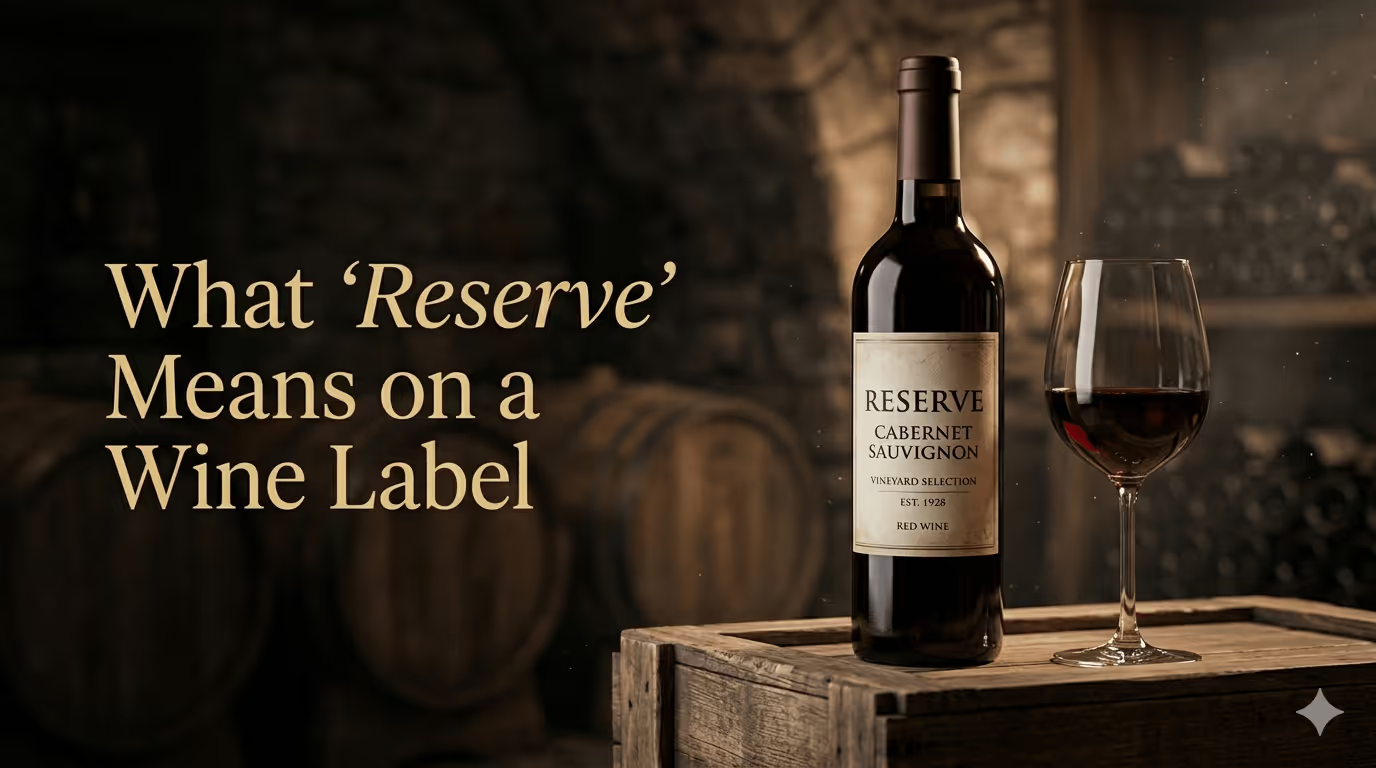

Most of the time, Reserve means a winery wants a bottle to feel more special. On many US wines, that word has no fixed legal standard. In Spain and Italy, similar terms often do have aging rules. So if you're staring at a bottle and wondering about a wine label reserve claim, check the country first.
That one step lowers the chance of overpaying for a fancy-sounding label. You don't need a wine class for that. A few practical checks can help you choose faster, at a shop, at dinner, or in front of a long shelf.
What Reserve usually tells you
For anyone learning how to choose wine, reserve sounds comforting. It suggests better grapes, longer aging, or a bottle the winery held back as a favorite. Sometimes that is true.
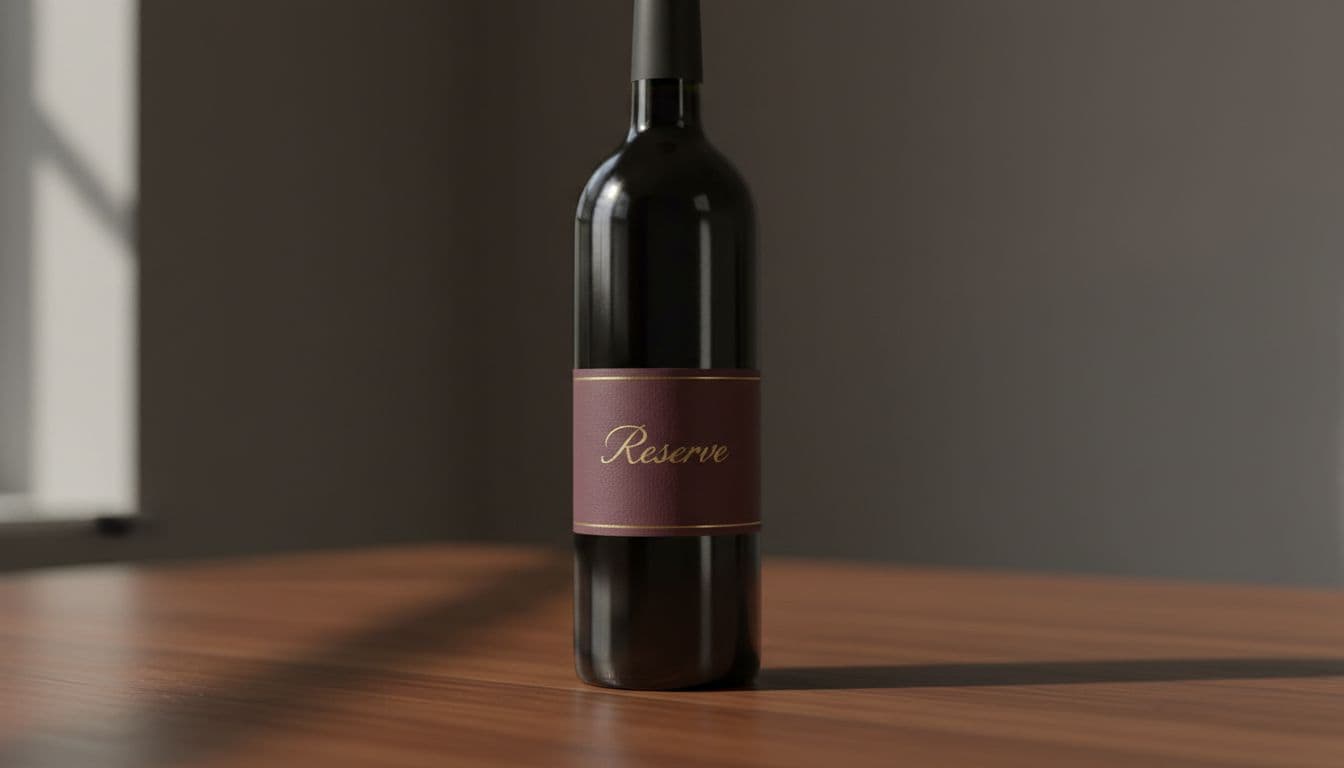
In the United States, though, Reserve usually means the producer chose the term. Federal rules do not give it one clear meaning. A California winery may use it for a top lot. Another may use it for a modest step up. The word alone does not promise a better bottle.
A reserve Pinot Noir from one brand can be excellent. A reserve Chardonnay next to it can be little more than a packaging upgrade. Producers that explain vineyard source or aging deserve more trust than labels that lean on the word alone.
Treat reserve as a clue, not a verdict. Look at the producer, the region, the vintage, and the price next to nearby bottles. If labels still feel crowded, our wine label guide for beginners can help you read the other signals fast.
Bottom line: reserve can point to extra care, but the label alone does not prove quality.
Why Reserve changes by country
The meaning gets sharper once you leave the US. Recent plain-English explainers on what a reserve label can mean and how reserve gets explained to shoppers make the same point: place matters.
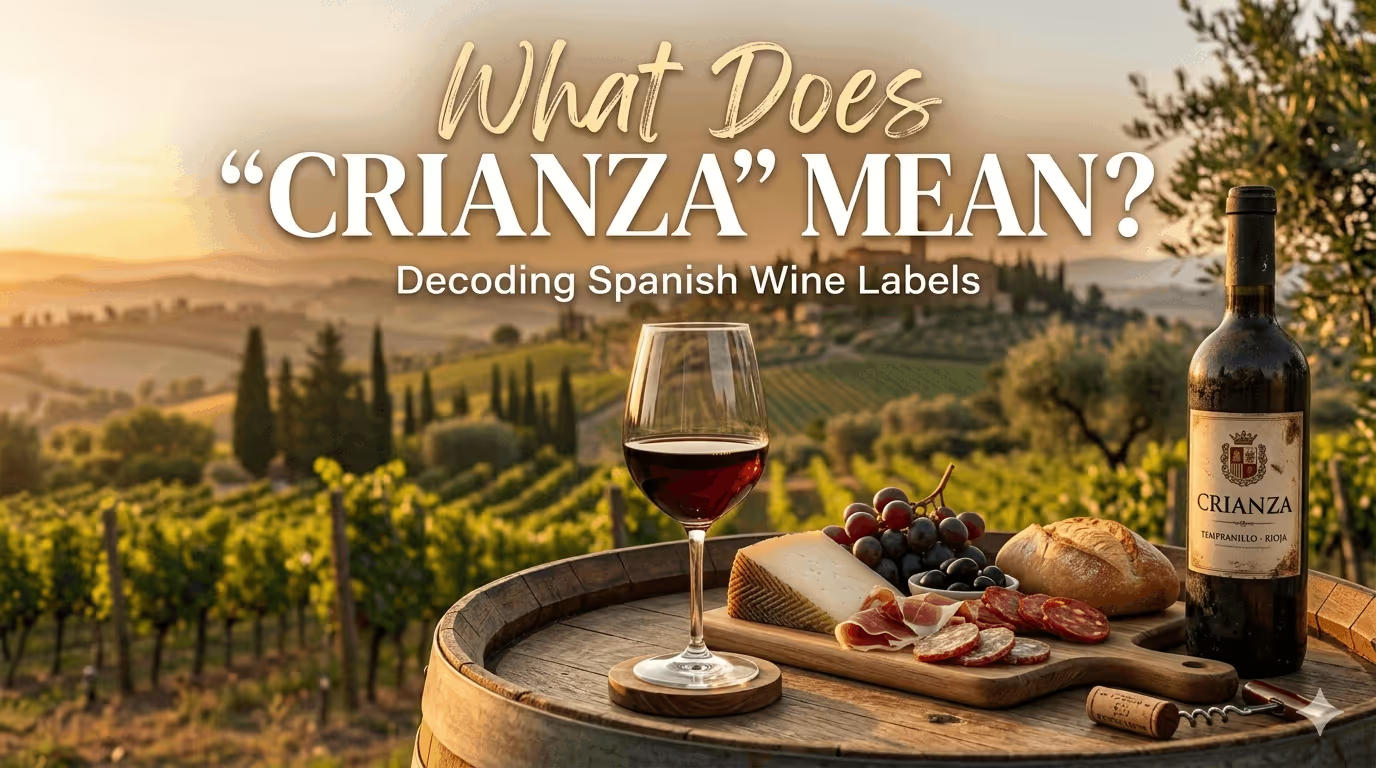
In Spain, Reserva is regulated. As of 2026, red Reserva wine generally must age at least three years, with time in oak and bottle. Gran Reserva needs even longer, usually five years total. Whites and rose wines have shorter rules.
In Italy, Riserva is also regulated, but the exact aging period depends on the region and wine. Many require at least two years. Barolo Riserva needs more than five years, while Amarone Riserva needs four.
Rules do not guarantee you will like the wine more. Longer aging can add cedar, leather, or dried fruit notes. If you prefer brighter, fresher styles, the standard bottling may suit you better.
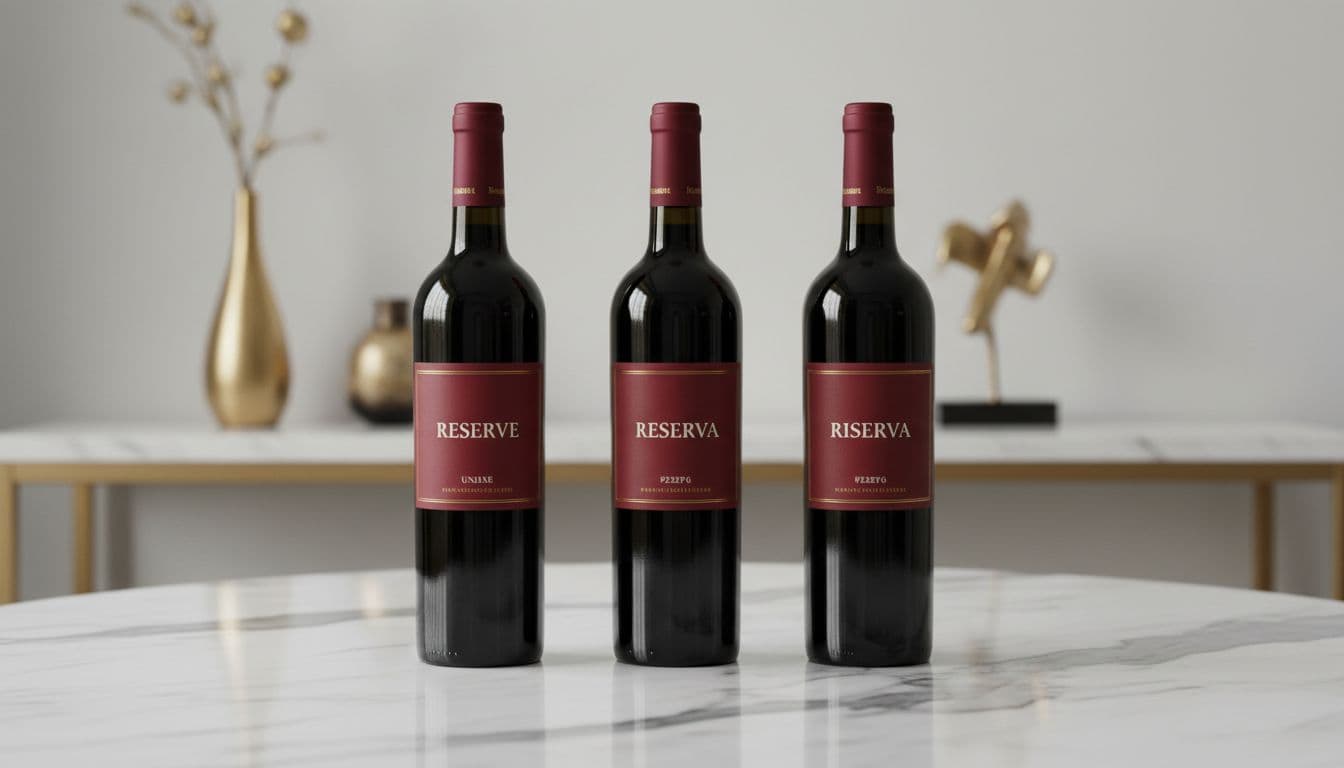
For wine explained simply, keep this quick comparison handy:
| Country | Label term | What it usually means |
|---|---|---|
| United States | Reserve | No single legal standard, producer decides |
| Spain | Reserva | Legal aging rules, often longer-aged wine |
| Italy | Riserva | Legal term, aging rules vary by region |
Country first, word second. That habit works better than assuming every reserve bottle deserves a higher price.
How to buy a reserve wine without overthinking it
A reserve label matters most when you're making a real decision, not reading theory. Use four quick checks.
- Start with origin. A simple wine pairing guide still beats a fancy word. Match the bottle to dinner, then decide if reserve adds anything.
- Compare bottles from the same producer. If one bottle is the regular release and another is reserve, the reserve version may offer richer fruit, more oak, or more aging. If both labels feel vague, lean on simple wine tips, not marketing.
- Keep context in mind. Restaurant wine tips and wine list tips are different from grocery store wine picks. On a restaurant list, reserve may signal a pricier, fuller style that suits steak but not oysters. On a store shelf, it may be worth buying only when the producer is already trusted.
Say you're buying pasta wine for Tuesday night. A regular Chianti from a solid producer may beat a random Reserve from an unknown brand. Say you're ordering with grilled ribeye. A Spanish Reserva might be worth the step up because longer aging often brings softer texture and savory notes.
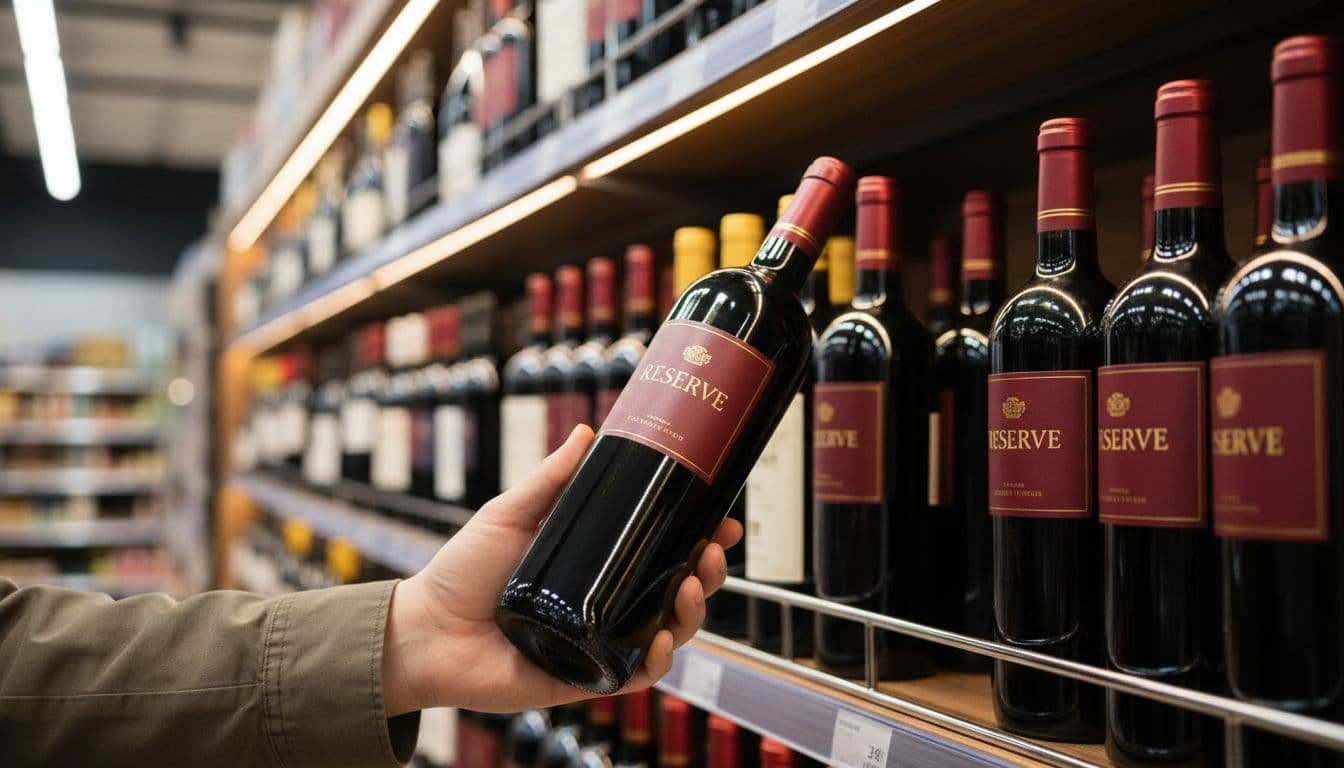
4. Get backup when you want it. For people who want friendly wine advice, Sommy is an AI wine assistant built for the moment you need wine recommendations, not a lecture. It helps with how to choose wine through smart wine recommendations, personalized wine picks, and personalized wine recommendations based on your taste, budget, and meal. It works like a modern wine guide with simple wine explanations, clear wine recommendations, and everyday wine advice. If tasting notes still blur together, it can make wine tasting notes explained in plain language and offer smart wine picks from the shelf or menu in front of you. Among wine app suggestions, choose one that feels like a calm wine guide, with wine explained simply instead of pages of jargon. If you order out often, these restaurant wine selection tips help too, especially when a reserve bottle appears beside simpler options.
Reserve can raise a bottle's status, but it does not speak one language everywhere. Spain and Italy attach rules to it; many US wineries use it more loosely.
If you want help choosing wine in the moment, Sommy can narrow the shelf or list to bottles that fit your taste and meal. Confidence comes from context, not from one shiny word on the label.