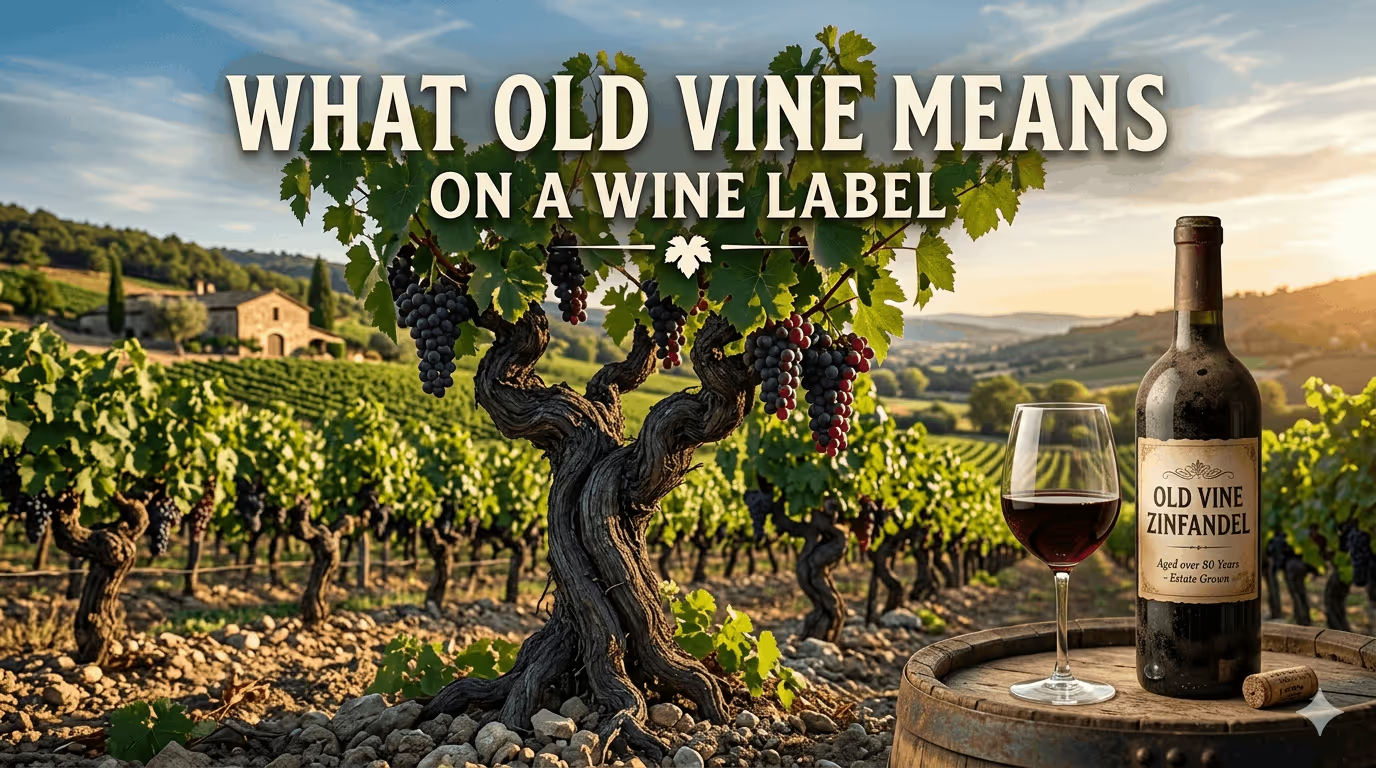

Seeing old vine on a bottle can feel like a promise of something special. Most of the time, it means the grapes came from older grapevines, which often give smaller crops and more concentrated fruit. However, there is no single worldwide rule for the term, so old vine wine is a useful clue, not a guarantee.
If you're staring at a restaurant list or comparing bottles in a store, that clue can still help. A calmer choice starts with knowing what the phrase usually signals, and what it doesn't.
Old vine usually means older vines, not a fixed age
Old grapevines are exactly what they sound like, vines that have been in the ground for a long time. The catch is simple: many wine regions do not set one legal age for the phrase. One producer may call 30-year-old vines old. Another may wait until 50 years or more.
A few groups are trying to make the term clearer. The Old Vine Conference promotes preservation and better standards around mature vineyards. South Africa goes further with the Old Vine Project, which certifies vineyards that are at least 35 years old.
For most shoppers, the main idea is enough. Older vines often produce fewer grapes, and those grapes can taste more intense. Deep roots may also help vines handle dry years and poor soils with more balance.
Still, vine age doesn't work magic. Good farming matters. Site matters. Winemaking matters. A careless producer can make a dull old vine wine, while a skilled producer can make a lovely bottle from younger vines.
Old vine tells you something about the fruit source, not whether the bottle will suit your taste.
That distinction helps if you want wine explained simply. Old vine is one part of the story, like seeing "single-origin" on coffee. It suggests character, but it doesn't tell you whether you'll enjoy the final cup.
Because of that, old vine works best as a shopping hint. Use it alongside price, producer, region, and style. Those basic checks matter more than wine theory, and they fit real life better than memorizing vineyard history on labels.
Why old vine wine can taste different
Older vines often carry smaller crops. Fewer grapes can mean more flavor packed into each berry. As a result, old vine wine sometimes tastes deeper, fuller, or more layered than a similar wine from younger vines.
That doesn't always mean heavier. Some old vine wines feel rich and dark. Others stay bright but show more texture and length. In plain terms, you may notice fruit that lingers longer, spice that feels more joined-up, or earthy notes that seem calmer and less sharp.
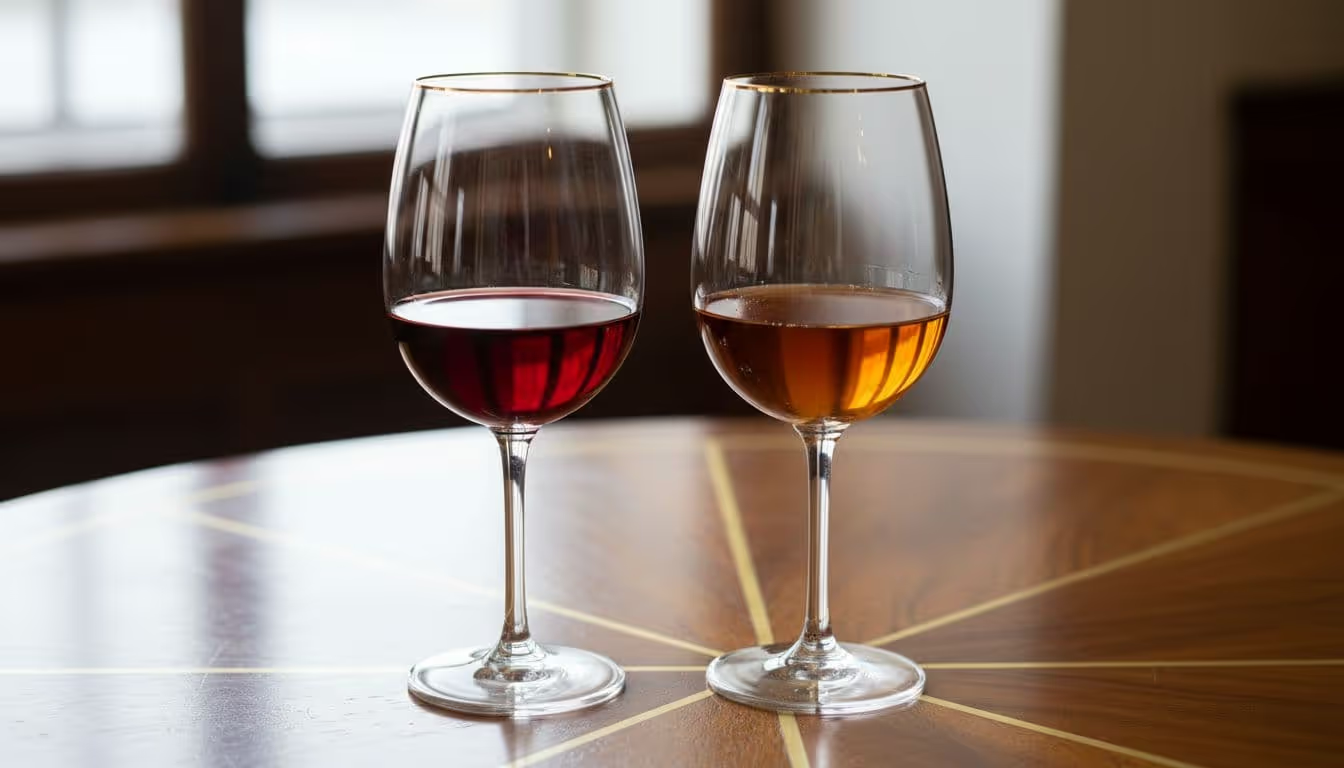
A quick comparison helps:
For readers who want wine tasting notes explained without jargon, "concentration" often means flavors feel less watery. A red might show blackberry, plum, dried herbs, or pepper with more weight in the middle. A white could taste more textured and less simple. None of that is a guarantee, but it is a common reason producers highlight vine age on the label.
Food matters, too. In a simple wine pairing guide, old vine reds often work well with grilled meat, burgers, mushrooms, or roast vegetables because the wine has enough flavor to keep up. Yet a rich bottle can overwhelm a light meal, so context still matters.
That point matters for how to choose wine in the moment. If dinner is simple, a softer, fresher bottle may suit you better than an intense old vine wine. Taste and occasion should lead. Label terms should support the choice, not make it for you.
How to choose old vine wine without overthinking it
Start with your own taste. If you like plush, ripe reds, old vine Zinfandel, Grenache, or Carignan may appeal to you. If you prefer crisp, lighter styles, don't assume "old vine" will be the best fit.
Next, read beyond the phrase. Check the grape, the region, and the producer. A back label that explains the vineyard or winemaking is often a better sign than a flashy front label.
Store and restaurant choices get easier when you keep one small framework in mind:
- Match the bottle to your taste first.
- Use "old vine" as a bonus clue, not the whole answer.
- Ask for something similar to a wine you've liked before.
Those are simple wine tips, but they work. They also fit real shopping moments, whether you need grocery store wine picks, restaurant wine tips, or wine list tips during a rushed dinner.
A good wine guide should lower stress, not add homework. Friendly wine advice starts with what you enjoy, what you're eating, and what you want to spend. That kind of everyday wine advice is more useful than memorizing vine ages.
Sommy follows that same idea. As an AI wine assistant, it helps with personalized wine recommendations based on your taste, budget, and meal. For people hunting for smart wine recommendations, wine app suggestions, or clear wine recommendations, that means less guessing and faster choices. You get a modern wine guide with personalized wine picks, smart wine picks, and simple wine explanations built for real moments. If you want wine recommendations that feel calm and practical, Sommy is a tool for that kind of decision.
Use old vine as one helpful clue
Old vine wine can be worth a closer look because older vines often give smaller yields and more character. Even so, the phrase doesn't erase the basics. Your taste still matters most, and the best bottle is the one that fits your meal, mood, and budget.
If you want help choosing wine in the moment, Sommy can give personalized wine recommendations without turning you into an expert. A label should make you curious, not nervous.