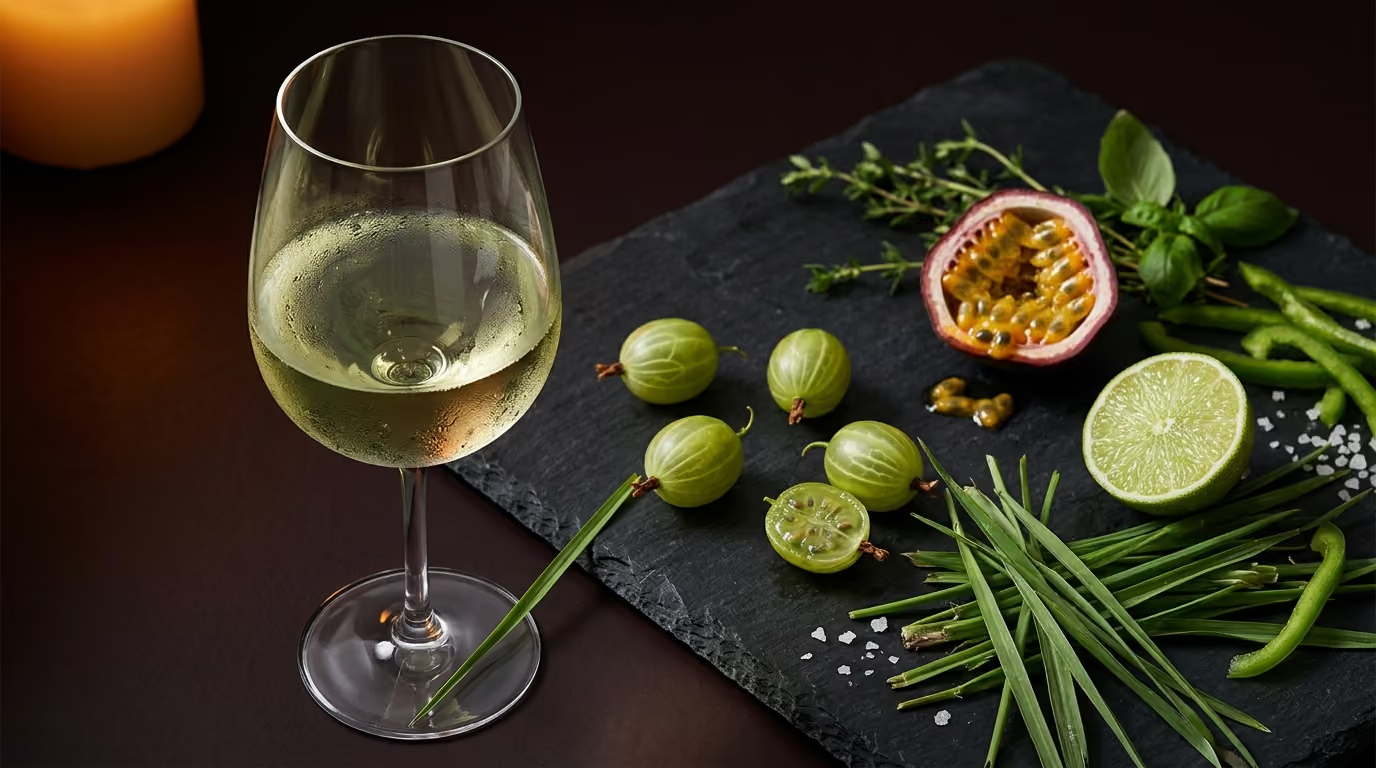
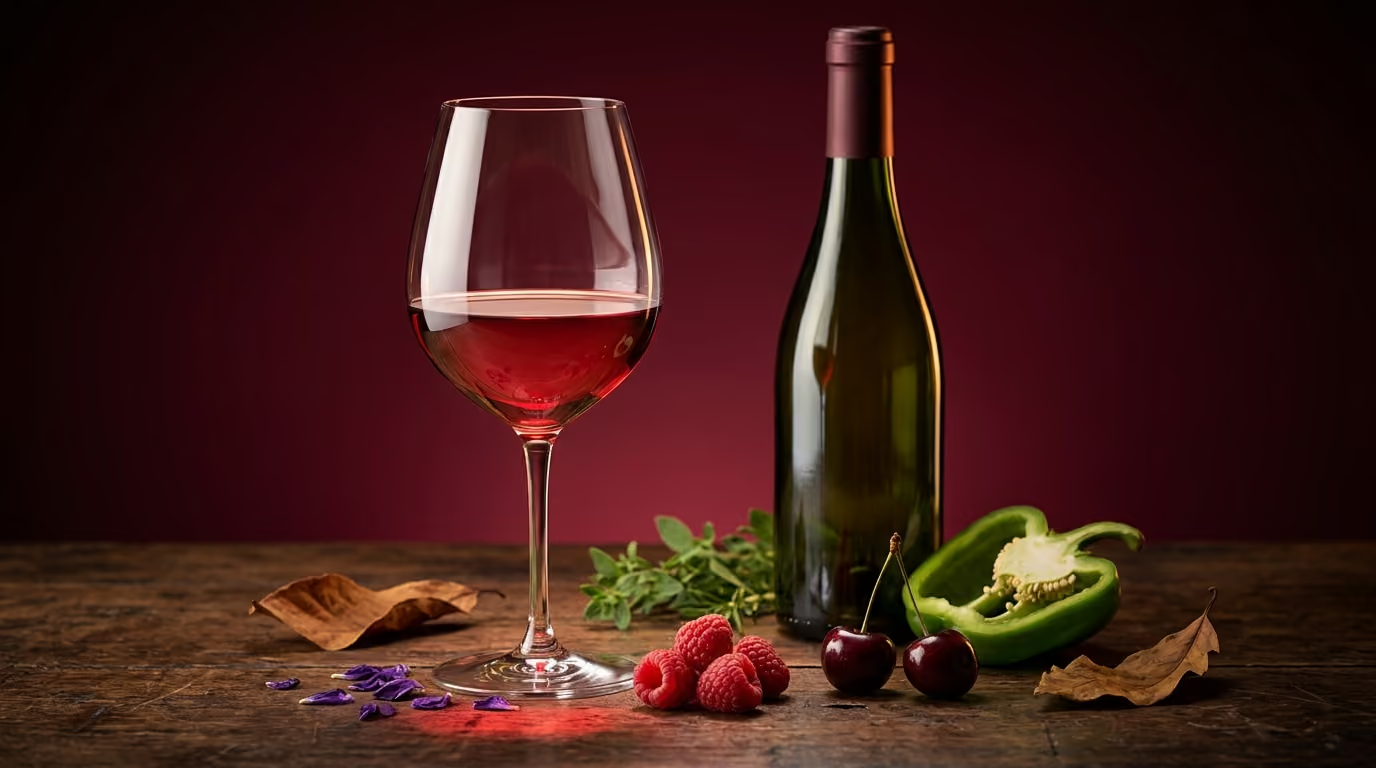
Cabernet Franc tastes of red berries like raspberry and tart cherry, with a savory green note that reads as bell pepper, fresh herbs, or tobacco leaf, carried by high acidity and softer tannin than Cabernet Sauvignon. It's a medium-bodied red that feels bright and lifted rather than heavy, which makes it easy to drink with food and easy to enjoy without a big appetite for tannin.
Most guides to this grape read like an encyclopedia entry, and that isn't much help when you're holding a wine list and deciding in the next thirty seconds. What follows is written for the moment of choosing: what it actually tastes like, whether you're likely to enjoy it, and how to pick a bottle that matches the version of Cabernet Franc you want.
What does Cabernet Franc taste like?
Expect raspberry and tart red cherry on the palate, a distinctly savory herbal edge, and a finish that stays fresh rather than drying your mouth out. The aromas most consistently associated with the grape are tobacco, raspberry, bell pepper, cassis, and violets, and it produces a paler, brighter red than its more famous offspring.
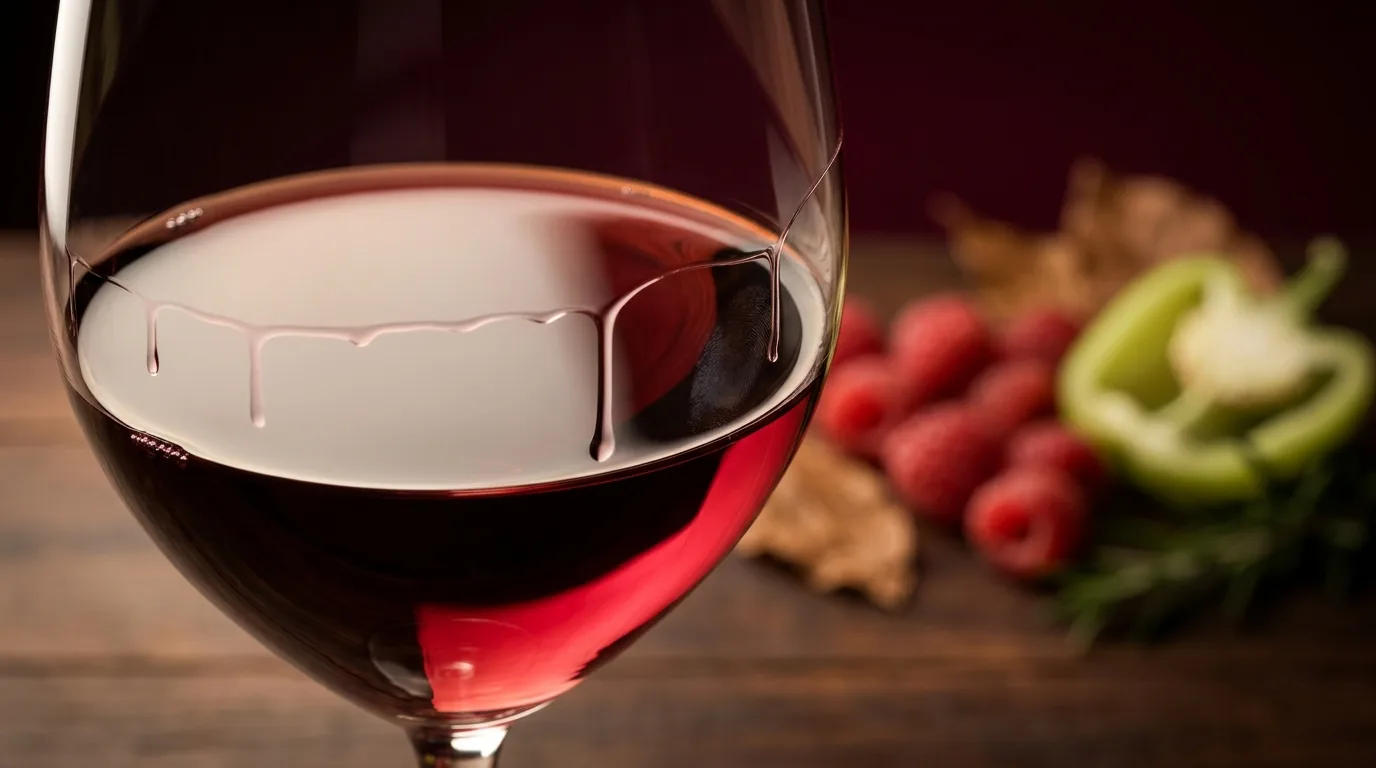
The green note is the part that decides whether people love this grape or leave it alone, so it's worth being direct about it. That character comes from a family of compounds called methoxypyrazines, and the reason it's so noticeable is that human noses detect them at extraordinarily low concentrations, near two parts per trillion. Two specific ones, known in shorthand as IBMP and IPMP, are the recognized drivers of green, herbal, and vegetal flavors in wine.
Whether that green quality is pleasant or off-putting depends almost entirely on how ripe the fruit was. In a well-made bottle it works the way a few basil leaves work on a tomato: it adds lift and savory interest and keeps the fruit from tasting like jam. In an underripe one it dominates, and the wine tastes stalky and hollow. That single variable explains most of the wildly different opinions people hold about this grape.
The structure is the other half of the appeal. Cabernet Franc carries high acidity, which is why it feels refreshing and why it handles food so easily, and its tannin is moderate rather than firm, so it doesn't leave that chalky grip on your gums that a young Cabernet Sauvignon does. If tannin is the thing that has put you off red wine before, our guide to wine tannins for people who dislike bitter reds explains what you're actually reacting to.
Age changes it in a direction worth knowing about. Young Cabernet Franc leads with raspberry and that fresh herbal snap, while a bottle with five or ten years behind it trades some of the bright fruit for dried leaves, tobacco, and a softer, more savory sweetness. The good Loire examples reward keeping, and they tend to be far cheaper to cellar than an equivalent Bordeaux or Burgundy.
A useful mental image is that Cabernet Sauvignon feels like a heavy wool coat while Cabernet Franc feels like a well-worn leather jacket. Both have real structure, but one lets considerably more air through.
How is it different from Cabernet Sauvignon?
Cabernet Franc is lighter in body, higher in aromatic lift, and softer in tannin than Cabernet Sauvignon, and it's also one of its two parents. DNA analysis established that Cabernet Franc crossed with Sauvignon Blanc to produce Cabernet Sauvignon, and the same grape turns out to be a parent of Merlot and Carmenere as well.
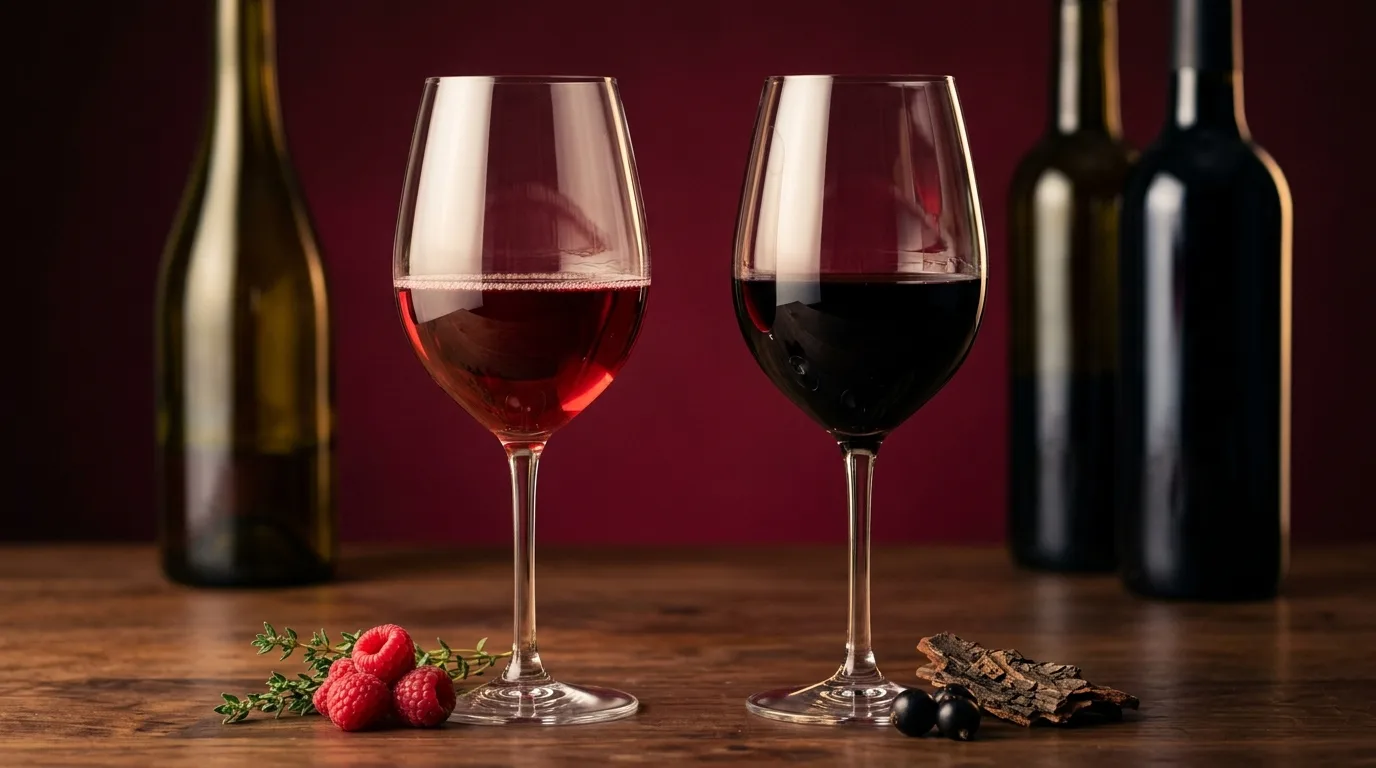
The practical difference in the vineyard explains the difference in the glass. Cabernet Franc buds and ripens at least a week earlier than Cabernet Sauvignon, which lets it grow successfully in cooler places where Cabernet Sauvignon would struggle to ripen at all. In Bordeaux it's planted partly as insurance, so that a spell of bad weather near harvest doesn't cost a producer their entire crop.
That earlier ripening is why the wines feel the way they do. Fruit picked in a cooler climate retains more acidity and develops less sugar, which produces a wine with lower alcohol, brighter fruit, and more of that herbal character. Cabernet Sauvignon, ripening later and often in warmer sites, gives darker fruit, more tannin, and more weight.
Neither is better, and they suit different moods and different meals. If you want the head-to-head in more detail, we've written a full comparison of Cabernet Franc and Cabernet Sauvignon covering which one tends to suit which drinker.
| Cabernet Franc | Cabernet Sauvignon | |
|---|---|---|
| Body | Medium, lifted | Full, dense |
| Tannin | Moderate and soft | Firm and drying |
| Fruit | Raspberry, tart cherry | Blackcurrant, black cherry |
| Savory note | Herbal, bell pepper, tobacco | Cedar, graphite, mint |
| Acidity | High | Medium to high |
| Serve with | Roast chicken, mushrooms, tomato dishes | Steak, lamb, aged cheese |
Why do two bottles taste so different?
Climate is the variable that matters most, and the rule is simple enough to use in a shop: cooler regions give leaner, herbal, higher-acid Cabernet Franc, and warmer regions give riper, darker, plusher versions. Knowing which one you want turns a confusing category into a straightforward choice.
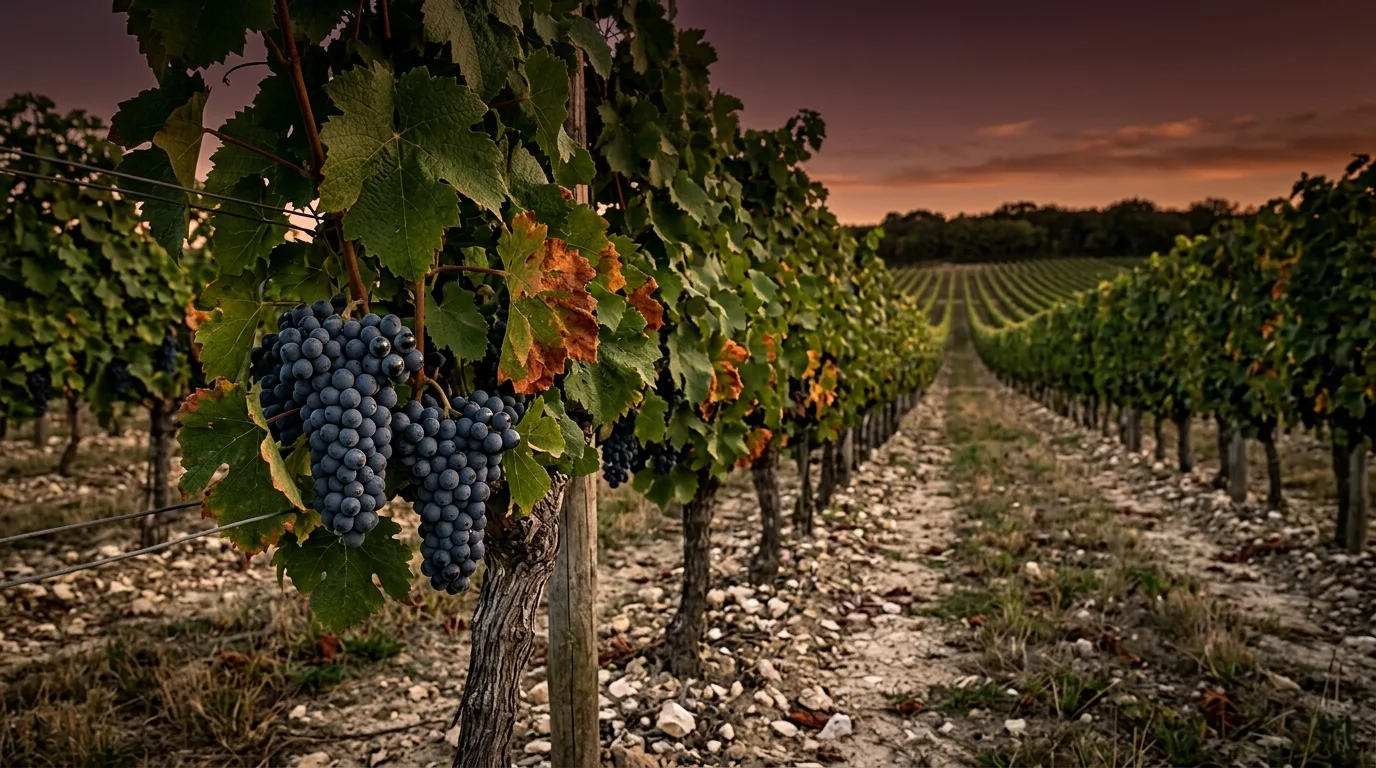
The Loire Valley in France is the classic cool-climate home, and Chinon is its best known name for the grape, alongside Bourgueil and Saumur-Champigny. These wines lean toward tart red cherry, dried leaves, crushed herbs, and a distinctly earthy, savory finish. They're light on their feet, they take a slight chill well, and they're genuinely excellent at the dinner table, especially with vegetables, mushrooms, or anything involving tomato. Local growers have called the grape Breton for centuries, so you may see that word on an older label.
Warmer regions tell a different story. California, Washington, Argentina, and parts of northern Italy produce Cabernet Franc with black cherry, blackberry, and plum, a rounder texture, and noticeably more weight. Oak aging is more common in these versions and can add cedar, vanilla, or baking spice, though plenty of producers keep the oak deliberately in the background.
The Loire makes rose from the grape as well, which catches plenty of people by surprise. Dry versions from Chinon and Saumur taste of crunchy red berry with the same savory herbal thread running underneath, and Cabernet d'Anjou is the off-dry style that has been a French supermarket staple for decades. Either one is a good way to meet the grape's personality without committing to a full red.
Cabernet Franc also plays a serious role in blends on the right bank of Bordeaux, particularly in Saint-Emilion and Pomerol, where it contributes perfume, freshness, and savory lift to Merlot-dominated wines. Chateau Cheval Blanc is the famous example of an estate where the grape shapes the character of the finished wine rather than sitting quietly in support.
Will you actually like it?
You'll probably enjoy Cabernet Franc if you like Pinot Noir, Sangiovese, or any red where freshness matters more than power, and you may not if your favorite reds are big, sweet-fruited, and heavily oaked. It sits closer to the elegant end of the red spectrum than the bold end, and being honest about that saves everyone a disappointing bottle.
The green herbal note is the specific thing to test your own reaction against. Some people find it savory and appetizing, and others find it genuinely unpleasant, and there's no talking anyone out of either response since it comes down to individual sensitivity to those compounds. If you've ever tasted a Sauvignon Blanc and thought it smelled like cut grass or green pepper, you're probably sensitive to the same family of aromas, and you'd want a warm-climate Cabernet Franc rather than a Loire one.
In a restaurant, one sentence gets you what you want. Ask for "a Loire Cabernet Franc, something fresh and savory" if you want the classic style, or "a warmer climate Cabernet Franc, riper and rounder" if you'd rather have the plush version. Our guide to ordering wine at a restaurant without the guesswork has more on framing these requests so a server can help properly.
In a shop, the region on the label tells you nearly everything. Chinon, Bourgueil, or Saumur-Champigny means the fresh herbal style. California, Washington, or Mendoza means the riper one. Price is friendly across the board, since Loire Cabernet Franc remains one of the better values in French wine and rarely demands the premium that Burgundy or Bordeaux now does.
Price bands behave predictably enough to plan around. Under fifteen dollars you're usually looking at a simple, fruit-forward warm-climate bottling that drinks easily and shows little of the grape's savory side. Between fifteen and thirty dollars sits the sweet spot, where village-level Chinon and Bourgueil live alongside serious New World examples, and where the herbal complexity actually shows up. Above forty dollars you're paying for single-vineyard Loire wines and right-bank Bordeaux, which are genuinely finer but not the place to start if you're still deciding whether you like the grape.
This is exactly the kind of question Sommy's Fit Check was built for. You can name a bottle, type it, or scan the label, and get a straight answer on whether it suits your Taste Profile before you commit to buying it.
Frequently asked questions
Is Cabernet Franc a dry wine?
Yes, Cabernet Franc is made as a dry red almost everywhere it's grown, with no perceptible sweetness. Some warm-climate examples taste fruitier, which people sometimes read as sweetness, though the sugar itself has been fermented away.
Is the Cabernet Franc wine taste sweet or bitter?
A good bottle is neither one nor the other. It reads as savory and fresh, with tart red fruit and an herbal edge. Bitterness usually signals either underripe fruit, which brings a stalky green character, or heavy oak that hasn't integrated.
What food goes with Cabernet Franc?
Roast chicken, pork, mushrooms, lentils, and tomato-based dishes all work beautifully, because the wine's acidity and herbal side meet those flavors halfway. Our guide to food pairing with Cabernet Franc covers six specific matches in detail.
Should Cabernet Franc be served chilled?
Loire-style Cabernet Franc is genuinely better with a light chill, around 15 to 20 minutes in the fridge, which sharpens the red fruit and firms up the structure. Richer warm-climate versions are better closer to cellar temperature, around 60 degrees Fahrenheit.
Why does my Cabernet Franc taste like green bell pepper?
That's the methoxypyrazine character, and it's a natural feature of the grape rather than a fault. It's more pronounced when the fruit was picked less ripe, so if it bothers you, choose a bottle from a warmer region where the compounds break down further during ripening.
What is Chinon wine made from?
Chinon reds are made from Cabernet Franc, almost always as a single variety. Chinon is an appellation in the Loire Valley rather than a grape name, which is why the label often never mentions Cabernet Franc at all, and the same is true of Bourgueil and Saumur-Champigny.
Is Cabernet Franc a good introduction to red wine?
It's one of the better ones, because the moderate tannin makes it easy to drink and the acidity keeps it lively with food. The herbal note is the only thing that might not land immediately, so a riper New World bottle is the gentler starting point.
Ordering it with confidence
Cabernet Franc rewards knowing just two things: that it's a fresher, softer, more herbal cousin of Cabernet Sauvignon, and that climate decides which version ends up in your glass. Say Loire when you want savory and bright, say California or Argentina when you want ripe and round, and you'll get close to what you were hoping for nearly every time.
What no guide can settle is how you personally react to that green herbal streak, since it's the one element people genuinely split on. Try a Chinon and a warm-climate bottle within a week or two of each other, and you'll learn more about your own palate than any tasting note can tell you.