The best wine for risotto is a dry, crisp white wine like Pinot Grigio or Sauvignon Blanc. These wines have the bright, refreshing taste needed to cut through the rich, creamy texture of the dish without overpowering its flavors. Think of it as a reliable, no-stress choice that simply works, whether you're at home or looking at a restaurant menu.
This simple rule removes the anxiety of choosing the wrong bottle and lets you confidently pick a wine that will make your meal better.
Why a Simple White Wine Is Your Best Bet
Staring at a wall of wine, trying to find the perfect bottle for your risotto, can feel like a pop quiz you didn't study for. The fear of getting it wrong is real, but the solution is surprisingly simple. For a dish as comforting and creamy as risotto, the wine’s job is to be a bright, refreshing counterpoint.
Think of it like adding a squeeze of lemon to a rich sauce. That little bit of acidity cuts through the heaviness and wakes everything up. A crisp white wine does the exact same thing for your palate. It cleanses and resets, making each spoonful of risotto taste just as good as the first. This is why wines like Pinot Grigio, Sauvignon Blanc, or an unoaked Chardonnay are classic go-to pairings. They don't compete with the risotto; they complete it.
Your Go-To Wines for Any Risotto
To make it even easier, here's a quick reference guide for safe and delicious pairings that will work with almost any risotto you can dream up. This simple framework is part of a bigger strategy for matching the best wine for Italian food in general.
This simple rule of thumb works beautifully for most risotto dishes, from a classic Parmesan risotto to one loaded with spring vegetables. The goal is to take the guesswork out of the equation and give you an easy win you can use tonight. Instead of staring at the wine aisle in a panic, you can grab a bottle with confidence, knowing it’s going to make your meal even better.
Matching Wine to Your Risotto's Ingredients
While a crisp white is a fantastic default, the ingredients in your risotto are your ticket to an even better pairing. You don't need to be a wine expert to nail this. The logic is actually pretty simple.
The main idea is to match the weight and character of the wine to the main flavor of your risotto. A light, delicate seafood risotto will sing next to a zesty, light-bodied wine. On the other hand, a rich, earthy mushroom risotto opens the door to a light red. It’s an intuitive process that takes the fear out of choosing wrong.
A Simple Framework for Pairing
To keep things easy, we can group most risottos into three common styles. Each one points toward a different kind of wine, helping you make a quick, confident choice whether you're at a restaurant or a wine shop.
- Light and Fresh Risottos: When you've got spring vegetables like asparagus or peas, or delicate seafood, you want a wine that's equally light and vibrant. A crisp Sauvignon Blanc or Pinot Grigio is perfect here. Their citrusy, zesty notes will complement the fresh ingredients without overpowering them.
- Rich and Cheesy Risottos: For risottos loaded with powerful cheeses like Parmesan or Gorgonzola, a wine with a bit more body and acidity is your best friend. An unoaked or lightly oaked Chardonnay has the texture to stand up to the creaminess and enough acid to cleanse your palate between bites.
- Earthy and Meaty Risottos: With hearty risottos made from mushrooms, sausage, or even red meat, you can confidently reach for a light-bodied red. A Pinot Noir with its earthy notes or a bright, cherry-flavored Barbera will harmonize beautifully with those deeper, savory ingredients.
This simple decision tree shows how the creaminess of risotto is your first clue for picking a great wine.
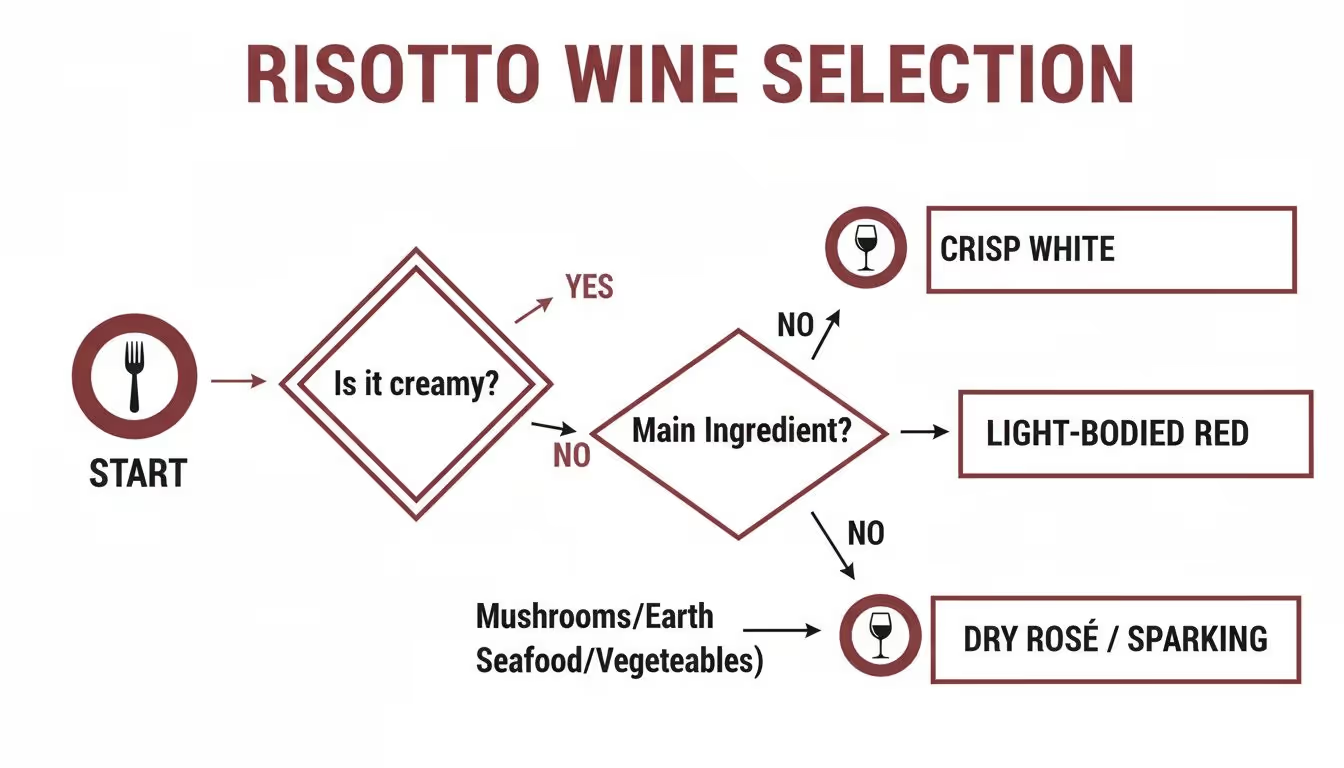
The visual guide really drives the point home: a crisp white wine is a reliable starting point for almost any creamy risotto. You can learn more about the fundamentals in our other guides on how to match wine with food.
Ultimately, the key is to trust your own taste and not get hung up on rigid rules. This is exactly the kind of in-the-moment decision Sommy helps with, suggesting a specific bottle based on what's in your bowl.
Choosing Wine for Creamy Parmesan Risotto
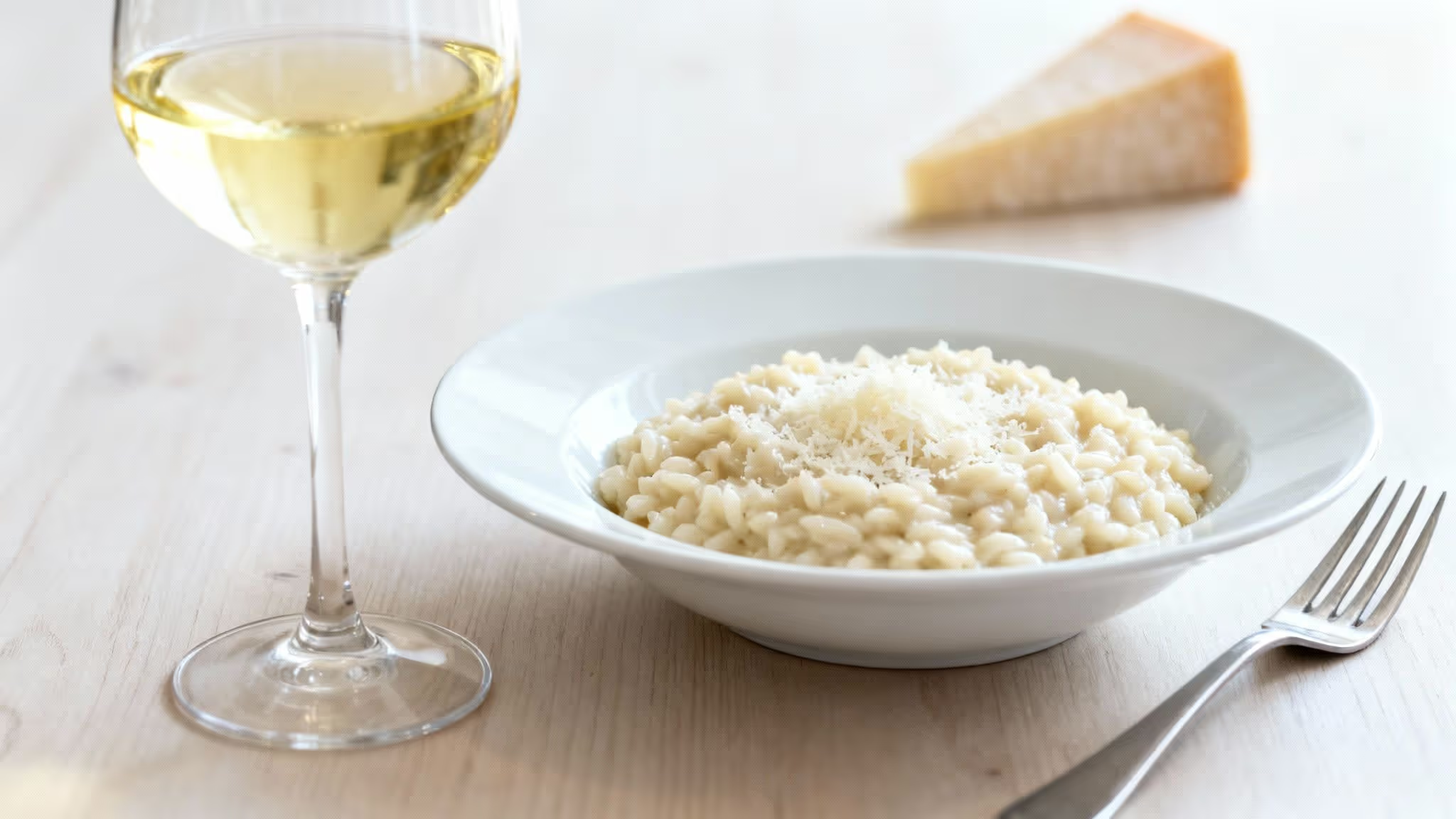
When you make a classic Parmesan risotto, you're building a masterpiece of creamy, savory richness. The nutty bite of real Parmigiano-Reggiano and the velvety texture from the butter and rice demand a wine that can stand with them without stealing the show.
The whole point of the wine is to hit the reset button on your palate between bites. Without it, that beautiful richness can start to feel a little heavy. This is where a good Chardonnay often steps in as the perfect partner.
Unoaked vs. Lightly Oaked Chardonnay
You’ve probably seen "oaked" and "unoaked" on Chardonnay labels and wondered what the big deal is. It all comes down to flavor and feel.
- Unoaked Chardonnay: This style is all about being crisp, clean, and bright. It brings flavors of green apple and lemon to the party. It's the right call if you want a wine that acts like a squeeze of fresh citrus, cutting straight through the risotto's richness.
- Lightly Oaked Chardonnay: This version has spent a little time in oak barrels, picking up subtle hints of vanilla or toast. It feels rounder and creamier in your mouth, which can beautifully mirror the texture of the risotto.
Honestly, there's no "wrong" choice here. If you love bright and zesty flavors, go for the unoaked bottle. If you're in the mood for something a bit richer and smoother, a lightly oaked Chardonnay will be a fantastic match.
The key is balance. You want a wine with enough body to match the risotto's texture but also enough acidity to provide a refreshing contrast.
Making a Confident Choice
When you’re standing in the wine aisle, don’t let the wall of bottles stress you out. Just look for a Chardonnay and check the label for clues like "unoaked," "stainless steel," or "crisp" for that zesty style. For the richer style, keep an eye out for descriptions like "lightly oaked." That simple distinction is all you really need.
For that classic Parmesan risotto, Chardonnay is a top-tier choice. Its acidity and body work well with the dish's velvety texture. You can discover more insights about risotto wine pairings on Wine-Searcher.com.
This is exactly the kind of in-the-moment decision Sommy was built for. Instead of guessing, you can use an AI assistant to scan the shelf and find a Chardonnay that perfectly matches your taste and your meal.
Pairing Wine with Earthy Mushroom Risotto
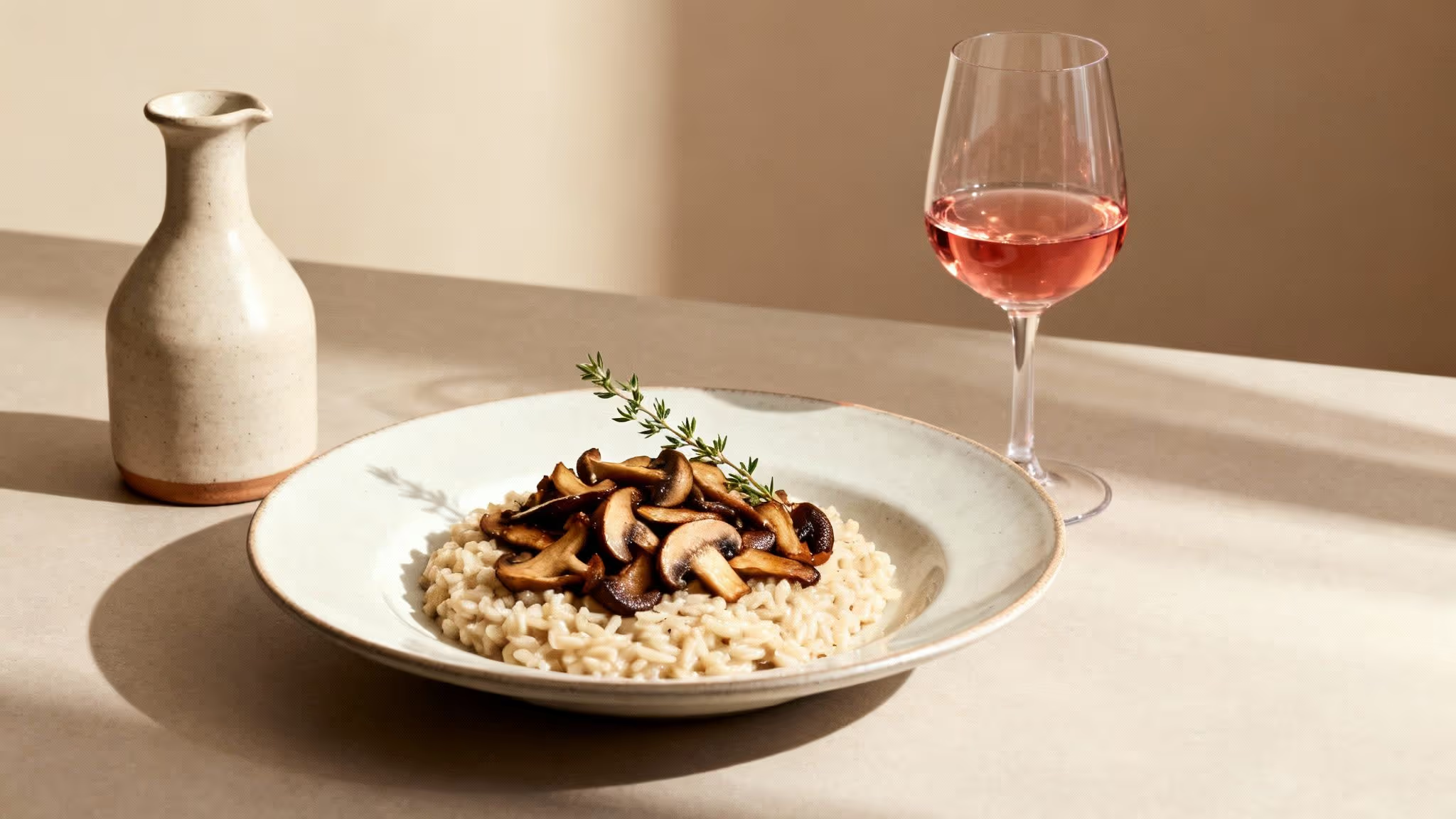
Mushroom risotto is deep, savory, and loaded with comforting earthy flavors. A crisp white wine can still get the job done, but a rich mushroom risotto is your golden opportunity to confidently pour a light-bodied red.
A light red works so beautifully because it meets the dish on its own terms. Instead of simply cutting through the richness, it harmonizes with the earthy notes of the mushrooms, creating a pairing that feels seamless and deeply satisfying.
Why Pinot Noir Is a Classic Choice
Pinot Noir is the go-to red for mushroom risotto, and for good reason: it often has its own subtle, earthy notes that feel right at home with mushrooms. It’s a light-bodied wine, so it won’t feel heavy or overpower your palate.
Instead, you’ll find flavors of cherry or raspberry that add a welcome pop of brightness to the savory risotto. Think of it as a wine that speaks the same language as your food.
Another Great Option: Barbera
If you’re looking for another fantastic red that's easy to find, keep an eye out for Barbera. This is a classic Italian red known for its bright, juicy cherry flavors and mouthwatering acidity.
While Pinot Noir complements the earthiness, Barbera offers a vibrant contrast. Its zesty character slices through the risotto's richness much like a crisp white wine would, but with the added bonus of lovely red fruit flavors. For other approachable reds in a similar vein, check out our guide to easy-to-drink red wines.
Ultimately, mushroom risotto pairs well with Pinot Noir. You can dig into more insights about risotto wine pairings on Vivino.com.
The choice between a crisp white or a light, earthy red really just depends on your mood. This quick table can help you decide.
White or Red for Mushroom Risotto?
At the end of the day, there's no wrong answer—just your personal preference.
The best choice between a white or a light red for your mushroom risotto comes down to what you're in the mood for. There is no wrong answer—only what you enjoy most.
This is exactly the kind of in-the-moment decision where an AI assistant like Sommy shines. Instead of trying to recall the difference between Pinot Noir and Barbera in a busy restaurant, you can get a quick, confident recommendation that’s based on your own taste.
Finding the Right Wine for Seafood Risotto
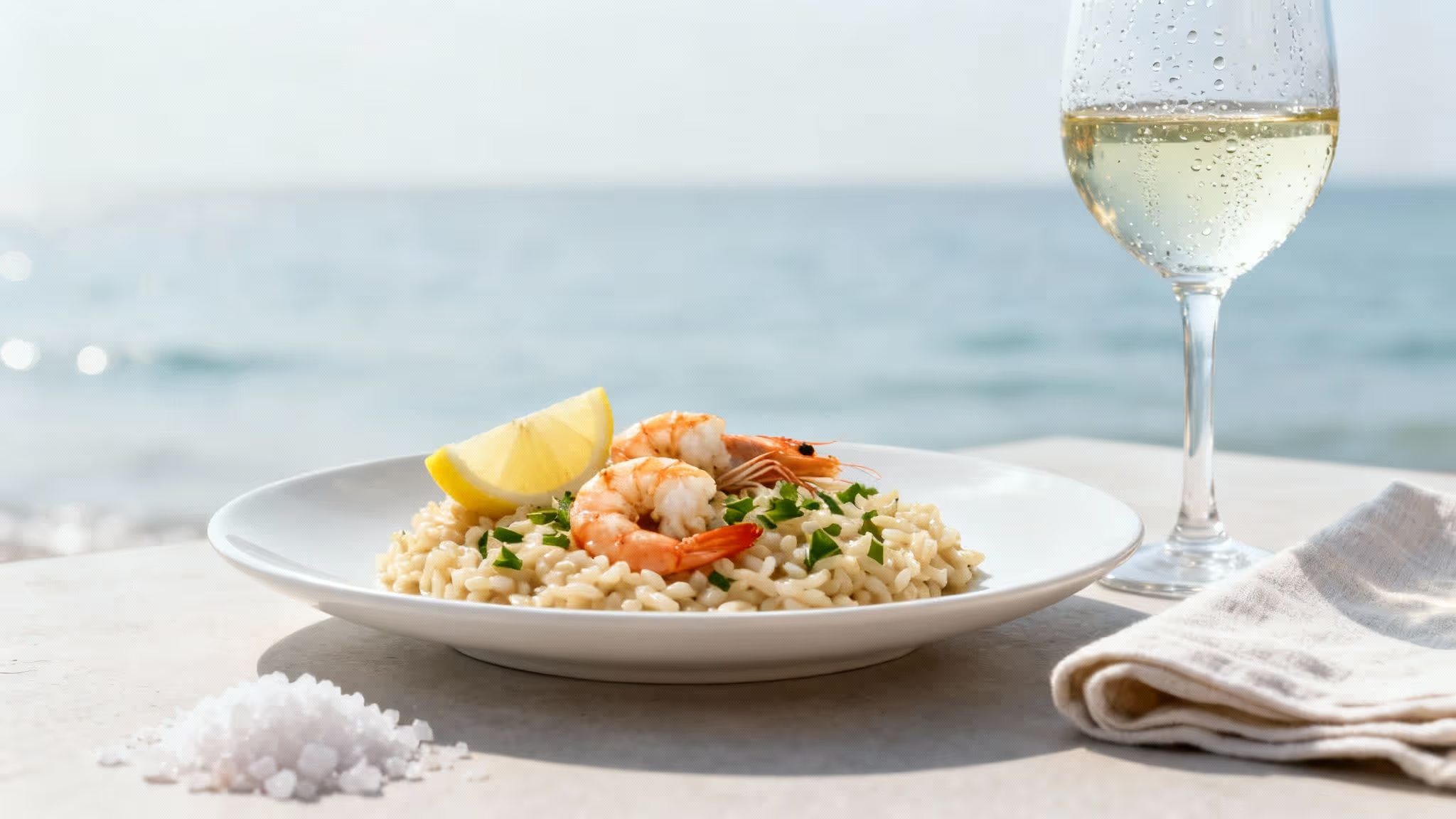
Seafood risotto is all about delicate, bright flavors. Think of the subtle sweetness from shrimp or scallops, fresh herbs, and a zesty kick of lemon. The wine you choose should act like a gentle spotlight, making these flavors shine without washing them out.
Your goal is simple: pick a wine that complements the dish, not one that overpowers it. For this job, you want a light, crisp, and mineral-driven white wine.
Simple, Confident Choices
There's no need to memorize a long list of complicated names. Just keep these simple styles in mind the next time you're looking at a menu or a store shelf.
- Pinot Grigio: It’s a classic for a reason. Its light body and notes of green apple and citrus make it a perfect, no-fuss partner for delicate seafood.
- Vermentino: This Italian white offers a bit more character, often with a slightly salty or mineral note that beautifully echoes the flavors of the ocean.
- Dry Rosé: A dry, pale rosé from a region like Provence can also be a fantastic choice. It brings crisp red berry notes and bright acidity that work wonderfully with shrimp or lobster.
These options are your safe bets for pretty much any seafood risotto. For more ideas on what to pour, you can also explore our guide on the best wine with shellfish.
What About Saffron Risotto?
Saffron brings an aromatic, slightly exotic twist that invites a more adventurous pairing. You’ll still want a wine with bright acidity, but one with a unique character can really elevate the saffron’s profile. Wines like a dry Vernaccia or Fiano are excellent choices here. They offer interesting floral or nutty notes that beautifully match the dish.
In fact, some of the world's top restaurants pair their iconic saffron risotto with a rare Vernaccia, as these unique whites can cut through richness without overwhelming delicate flavors. You can learn more about these surprising pairings from top sommeliers on TheWorlds50Best.com.
This is exactly the kind of decision Sommy helps with—turning a potentially confusing choice into a simple, confident one.
Let an AI Assistant Make the Choice for You
All these principles are great to know, but who remembers them all in the middle of a busy grocery store or while trying to decipher a restaurant wine list? The pressure to recall the perfect pairing on the spot can take the fun out of it.
This is exactly where Sommy comes in. Instead of wrestling with whether Pinot Noir or Barbera is the right call for your mushroom risotto, you can get a straight answer from an AI assistant. Sommy is built to give you clear, confident recommendations without the confusing jargon.
How an AI Assistant Simplifies Your Choice
Think of Sommy as your personal wine expert, always on call. The process feels less like using an app and more like getting a quick tip from a trusted friend who knows your taste perfectly.
- Scan and Discover: Point your phone’s camera at a wine list or a row of bottles on the shelf. Sommy instantly reads and analyzes all the options.
- Get Personalized Matches: The app doesn't just give you a generic answer. It highlights the best wine for your risotto based on the dish and your personal taste, which it learns over time.
- Choose with Confidence: You get a simple, direct recommendation that cuts through the noise. All the guesswork and anxiety disappear, making the choice easy and even enjoyable.
The technology works quietly in the background, making sure you always walk away with a bottle you'll actually love. It’s all about making the moment better, not about turning you into a wine scholar.
The goal isn't to become a wine expert—it's to feel like one in the moments that matter. An AI assistant gives you that confidence without requiring any homework.
Instead of feeling overwhelmed, you can feel relieved and sure of your pick. If you're curious, you can learn more about how an AI wine assistant can make any meal more memorable. With Sommy, you can get back to focusing on your food and the people you're with, knowing the perfect wine is already taken care of.
A Few Final Questions About Risotto and Wine
Even with the principles down, a few common questions always seem to pop up. Here are some quick answers to clear up any last-minute doubts.
Can I Use the Same Wine for Cooking and Drinking?
Yes, you absolutely should! Tossing a splash of the same crisp white wine you’ll be sipping into the pan is one of the best ways to tie the whole meal together. It creates a seamless bridge between what’s in your glass and what’s on your plate.
The golden rule is simple: if you wouldn't enjoy drinking a glass of it, don't put it in your food. Steer clear of those bottles labeled "cooking wine." They're often loaded with salt and preservatives that can throw off the delicate balance of your risotto.
What Is the Most Versatile Wine for Any Risotto?
If you need a single, works-with-everything bottle, your safest bet is always a dry, crisp, unoaked white wine.
A classic Italian Pinot Grigio or a zesty Sauvignon Blanc are perfect examples. Their bright acidity is perfect for cutting through the richness of the cheese and rice, while their clean flavors won't clash with whatever else you've added, whether it's spring vegetables, shrimp, or earthy mushrooms. It's the ultimate go-to when you just want a sure thing.
What Wine Should I Pick for Two Different Risottos?
This is a classic dinner party puzzle. Someone ordered the seafood risotto, another got the four-cheese, and you're trying to find one bottle to make everyone happy.
The easy answer is to fall back on that same versatile player: a crisp, dry white like Pinot Grigio. It’s light enough for the seafood dish but has enough acidity to stand up to a richer, cheesier version. If one of the dishes is a hearty mushroom risotto and you're leaning toward red, a very light-bodied Pinot Noir could work as a compromise, as its low tannins won't completely overpower a more delicate dish.
Instead of trying to juggle all these details from memory, let an AI assistant do the work. The Sommy app can scan a restaurant wine list or a store shelf and give you an instant recommendation for your specific risotto, tailored to your taste. See how it can help you choose your next bottle with total confidence.

EntreprEngineur. Runs on latte's. Creates with the intensity of a downhill run—fast, slightly chaotic, ideally followed by a glass of wine.