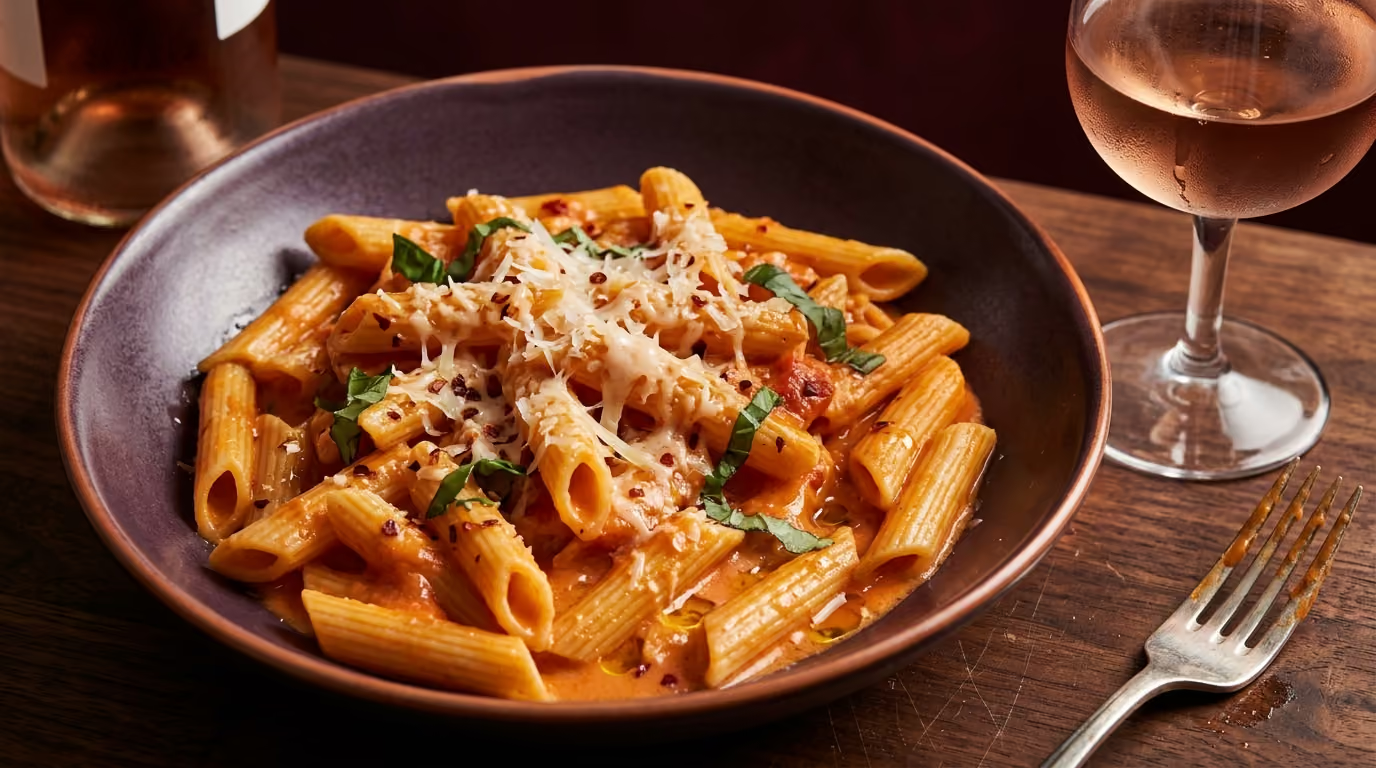
The best wine for penne alla vodka is a dry rose, because it has enough fruit to meet the tomato and enough acidity to cut through the cream without adding weight to an already rich plate. If you'd rather drink red, Barbera and Chianti Classico both work well, and a Brut rose or a dry sparkling wine is the smartest choice when the sauce is especially creamy or carries real chili heat.
Vodka sauce is genuinely awkward to pair, and the reason is that it pulls in four directions at once. Tomato brings acidity, cream brings fat, parmesan brings salt, and chili flakes bring heat. Most pairing advice online treats it as one flat dish and hands you one answer, which is why the recommendations feel unreliable when your version of the sauce leans somewhere different from the writer's.
Why does vodka sauce need freshness rather than power?
Vodka sauce needs a wine with high acidity and low tannin because cream flattens a wine's fruit while tomato sharpens anything already tart, and only freshness survives both. A big, tannic red walks into that combination and comes out tasting metallic, since tannin reacts badly with the acid in tomato and has nothing soft to bind to once the cream coats your palate.
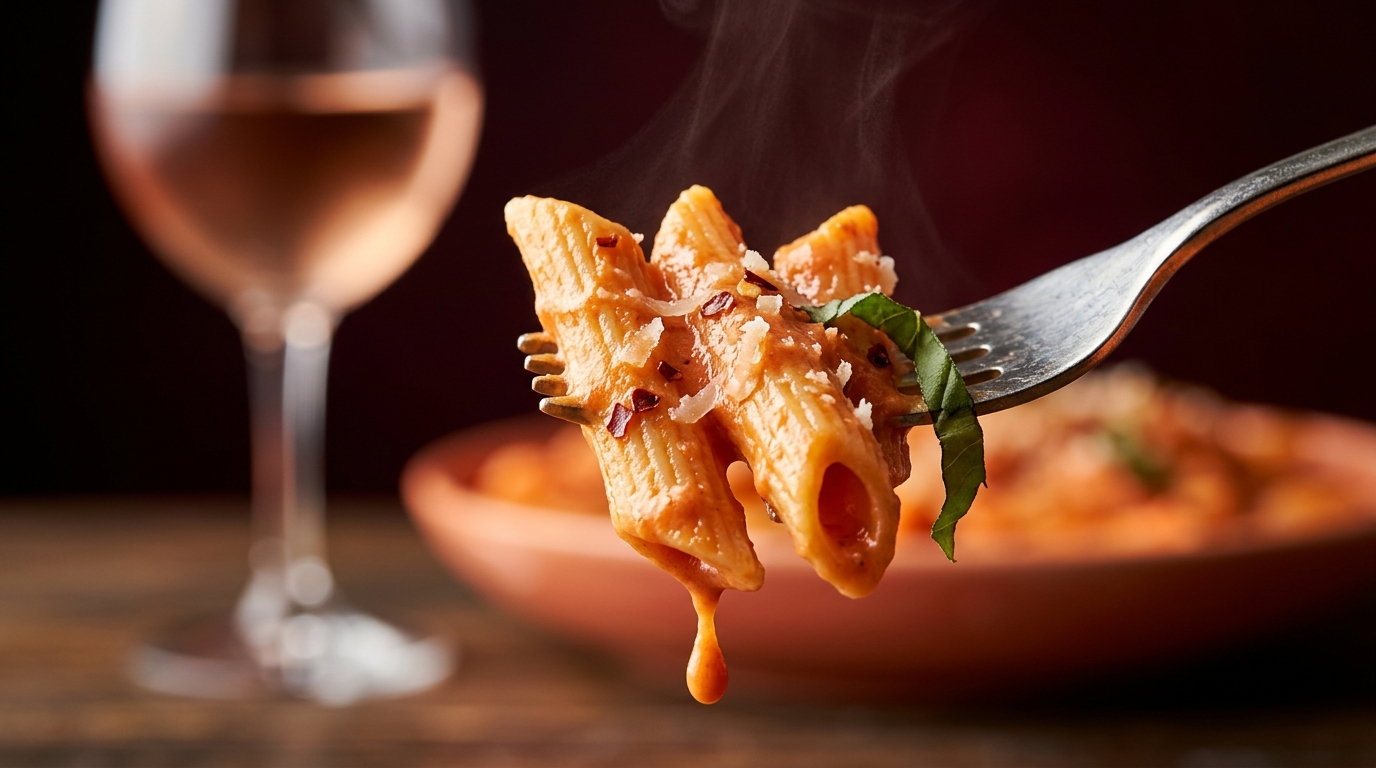
The vodka itself matters far less than the name of the dish suggests. It's added in small quantity and most of the alcohol cooks off, and what remains mainly acts as a solvent that pulls aromatic compounds out of the tomato that water and fat can't reach on their own. That's why the sauce smells more intensely of tomato than a plain cream sauce does.
What you want in the glass is bright acidity, ripe rather than green fruit, and soft or absent tannin. Acidity does the heavy lifting, resetting your palate between bites so the tenth forkful tastes as good as the first. Ripe fruit stops the wine reading as sour next to the tomato. Low tannin keeps that metallic clash off the table entirely. If acidity is a quality you find hard to identify in a wine, our explainer on what acidity in wine actually means covers how to spot it on a label and in the glass.
The wines that reliably disappoint here are big Cabernet Sauvignon, heavily oaked Chardonnay, and anything with obvious residual sugar. Cabernet brings the tannin problem straight to the table. Oaked Chardonnay piles butter and vanilla onto a sauce that already has plenty of fat, so the whole plate turns heavy and indistinct. Sweet wine makes the tomato taste sharper by contrast, which is the opposite of what the dish needs.
Which wines actually work with penne alla vodka?
Dry rose is the most reliable single answer, with Barbera the best red, Chianti Classico the best red for a meatier version, and Brut rose the best choice when richness or heat dominates. Each of these earns its place for a slightly different reason, so the right one depends on how your sauce is built.
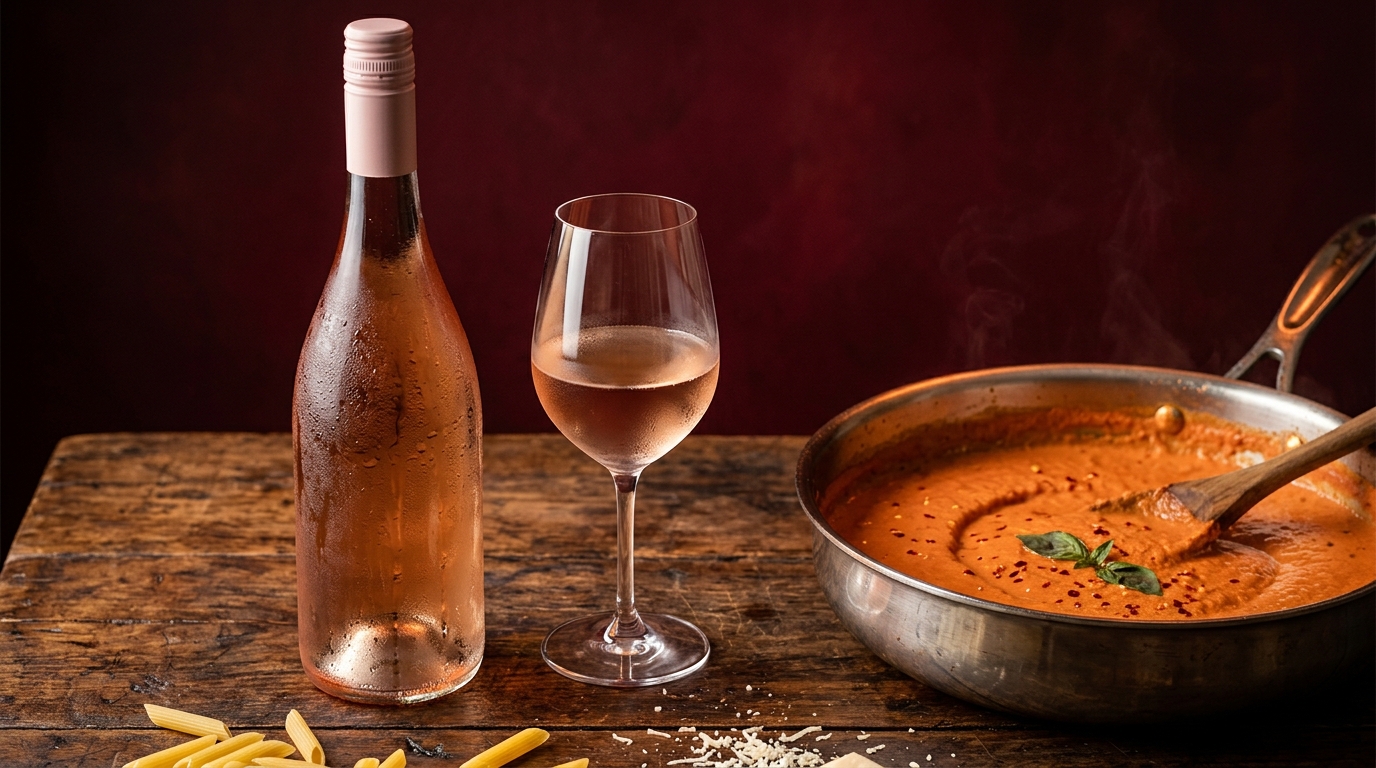
Dry rose leads because it sits exactly where the dish does. It has red fruit that echoes the tomato, the crisp acidity of a white, and effectively no tannin, so nothing on the plate has anything to fight with. A Provence rose works if you want something delicate and mineral, while a fuller Grenache-based rose from the southern Rhone or Spain has more fruit weight for a richer sauce. Our comparison of Grenache rose and Provence blends explains how differently those two styles behave at the table.
Barbera is the red we'd reach for first. It comes from Piedmont in northwest Italy and it's genuinely unusual among reds in having very high acidity alongside unusually low tannin, which is the precise combination vodka sauce asks for. It tastes of sour cherry and plum with a savory edge, and it has been the everyday red served with tomato-based food in its home region for generations for exactly this reason.
Chianti Classico steps in when the dish gets meatier. Sangiovese has more tannin than Barbera but also high acidity and a savory, herbal character that suits pancetta, sausage, or a heavy hand with the parmesan. Pinot Noir is a reasonable third option if you prefer something lighter, though you want a fresh, unoaked example rather than a plush New World bottling.
| Wine | Why it works | Best for |
|---|---|---|
| Dry rose | Red fruit, crisp acidity, no tannin | The safest all-around pick |
| Barbera | Very high acid, very low tannin, sour cherry | The best red for a classic sauce |
| Chianti Classico | High acid with savory, herbal structure | Pancetta, sausage, or extra parmesan |
| Brut rose | Bubbles and acidity scrub away richness | Very creamy or spicy versions |
| Pinot Noir | Light body, gentle texture, fresh fruit | A milder, less tomato-forward sauce |
Sparkling wine deserves more attention than it usually gets with pasta. Bubbles and high acidity together do a better job of clearing fat from your palate than acidity alone, which makes Brut rose or a dry Franciacorta genuinely well suited to a cream-heavy plate. If sparkling labels confuse you, our guide to what Brut means on a sparkling wine label sorts out the sweetness terms.
How do you match the wine to your version of the sauce?
Match the wine to whichever element you notice first when you taste the sauce, because no two versions of penne alla vodka are balanced the same way. Restaurant versions tend to be creamier and richer, homemade versions often lean more toward tomato, and the spicy variation that spread through social media in recent years is a genuinely different pairing problem from the original.
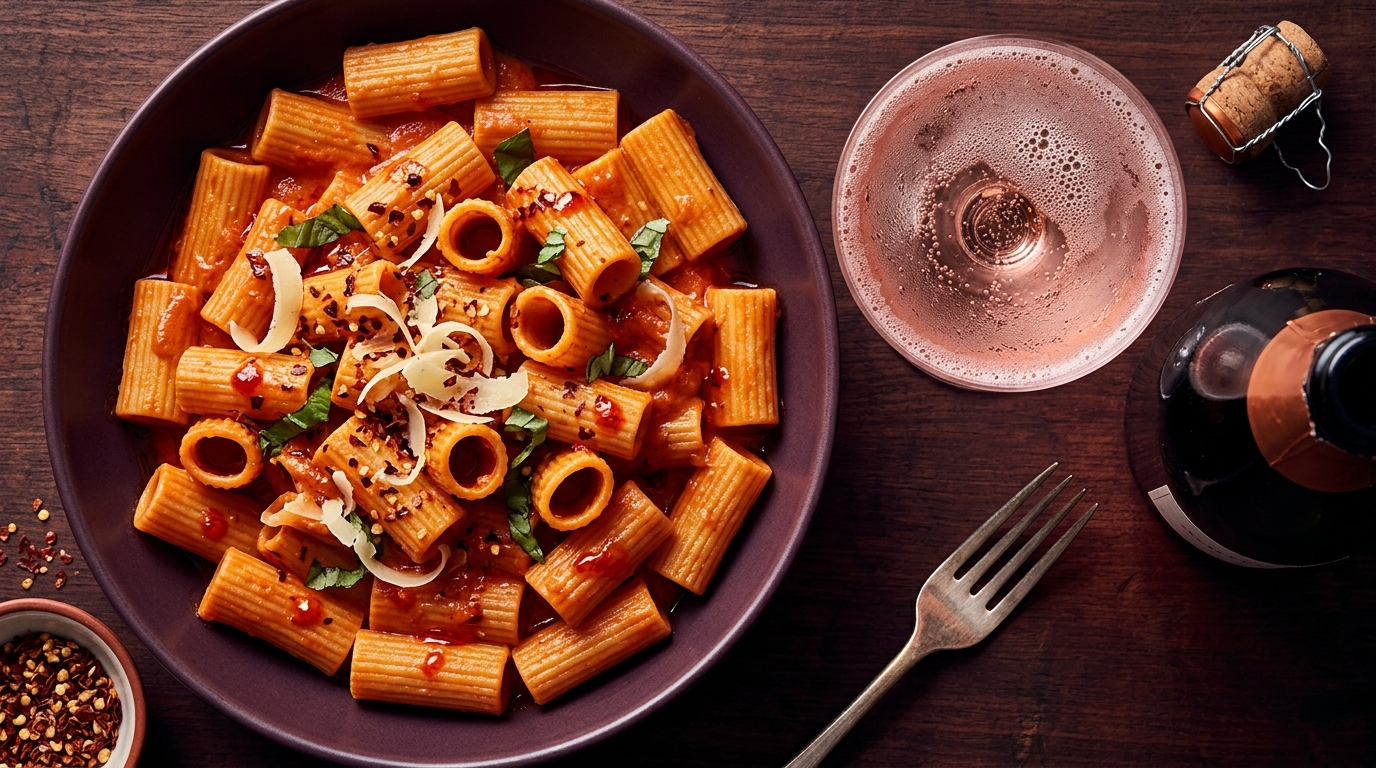
When cream dominates, so the sauce is pale orange, glossy, and coats the pasta thickly, go for sparkling. Brut rose or a dry sparkling white cuts through fat in a way still wine can't quite manage. A crisp dry rose is the next best option, and this is the version where any red at all is working uphill.
When tomato dominates, so the sauce is deeper red and tastes brighter and more acidic, Barbera becomes the best pick on the table. Its acidity meets the tomato's acidity as an equal rather than being overwhelmed by it, which is the trick that makes Italian reds work with Italian tomato dishes generally.
When chili heat is the main event, which is the case with most spicy vodka pasta recipes, the rules change. Alcohol amplifies the sensation of capsaicin heat, so a high-alcohol red will make the dish feel considerably spicier. Reach for something lower in alcohol with a little fruit sweetness and good chilling: an off-dry rose, a lightly sparkling Lambrusco, or a Brut rose served properly cold. Tannin makes heat worse too, which rules out Chianti for the spicy version even though it suits the classic one.
When pancetta, sausage, or a serious quantity of parmesan is involved, the plate gains savory depth and salt, and Chianti Classico becomes the right answer. Salt actually softens the perception of tannin, so a wine with more structure stops feeling harsh once cured pork is on the plate.
The pasta shape makes a small difference too, even though it rarely gets mentioned. Rigatoni and paccheri hold far more sauce inside their tubes than penne does, which means every bite delivers a bigger hit of cream and calls for a little more acidity in the glass. If you've made the version that has been all over social media with rigatoni and a heavy chili hand, treat it as the rich, spicy case rather than the classic one.
Sommy's Pairing feature was built for the gap between a written recipe and what's actually in your pan. You can show it a photo of the finished dish or hand it the recipe you followed, and it recommends against your own Taste Profile rather than against a generic version of the sauce.
How do you pick a bottle without overthinking it?
Buy a dry rose if you want one bottle that handles every version of the dish, and buy a Barbera if you know you want red. That covers the great majority of penne alla vodka dinners, and neither choice requires you to taste the sauce first.
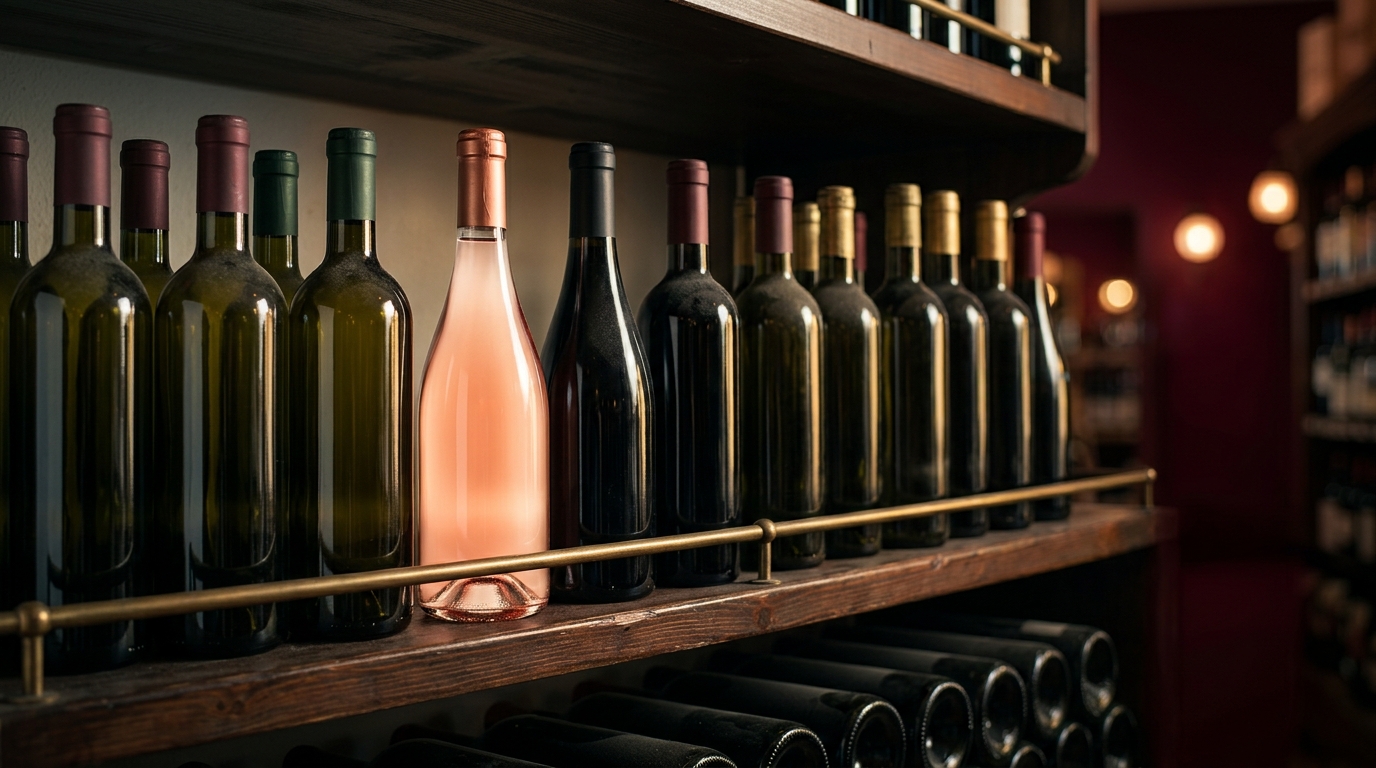
In a store, the Italian section is the efficient place to start. Look for Barbera d'Asti or Barbera d'Alba, which are usually reasonably priced and widely stocked. Chianti Classico is labeled with a black rooster seal on the neck and sits a step up in both structure and price. For rose, anything dry from Provence, the Rhone, Navarra, or Italy will do the job, and you want a pale to medium pink rather than a deep sweet-looking one.
In a restaurant, one sentence gets you there: "I'd like something with bright acidity and light tannin for a creamy tomato pasta." That sentence tells a server everything they need to steer you well. If the list is short and the only reds are heavy, order a glass of sparkling or a white with real acidity like Vermentino or Verdicchio rather than forcing a Cabernet onto the plate.
Price genuinely doesn't need to be a factor here. Barbera, dry rose, and everyday Italian whites are among the better values in wine, and a bottle in the twelve to twenty dollar range will pair better with vodka sauce than a much more expensive Napa Cabernet would. This is one of the cases where the cheaper bottle is simply the more correct bottle. For the broader logic behind decisions like this, how to pair wine with food covers the principles that make them repeatable.
Frequently asked questions
What is the best wine for penne alla vodka if I want one safe bottle?
Buy a bottle of dry rose. It has the red fruit to meet the tomato, the acidity to cut the cream, and no tannin to clash with either, which means it works across creamy, tomato-forward, and mildly spicy versions of the sauce without adjustment.
Can you drink red wine with penne alla vodka?
Yes, as long as it's high in acidity and low in tannin. Barbera is the standout choice, and Chianti Classico works well when the dish includes pancetta, sausage, or a lot of parmesan. Avoid Cabernet Sauvignon, Malbec, and heavily oaked reds.
Does the vodka in the sauce change which wine to pick?
The vodka matters much less than you would expect. It's added in small amounts, most of the alcohol cooks off, and what stays behind mainly intensifies the tomato aroma. Pair for the tomato and cream and you'll get it right.
What wine goes with spicy vodka pasta?
Choose something lower in alcohol, served cold, with a touch of fruit sweetness and no tannin. An off-dry rose, a chilled Lambrusco, or a Brut rose all work, because alcohol and tannin both make chili heat feel stronger.
Does white wine ever suit this dish?
White wine can work nicely here. A dry, high-acid Italian white like Vermentino, Verdicchio, or Soave works nicely with a lighter, less tomato-heavy version. Steer clear of oaked Chardonnay, which adds richness to a dish that has enough already.
What temperature should the wine be?
Serve rose and sparkling properly cold, around 45 degrees Fahrenheit, and serve Barbera or Chianti cool rather than warm, around 60 degrees. A red served at a modern room temperature tastes alcoholic and heavy next to a cream sauce.
Getting it right tonight
Vodka sauce rewards freshness and punishes power, and once you've internalized that single idea the specific bottle almost picks itself. Dry rose covers you by default, Barbera is the red that was practically designed for tomato-based Italian food, and bubbles are the answer whenever cream or chili takes over the plate.
All of that describes how the dish behaves, though, and not how you taste. Some people find Barbera's sour cherry edge refreshing and some find it too tart, and no guide can tell which of those you'll be. Start with the style the sauce calls for, then move toward whatever you actually look forward to pouring.