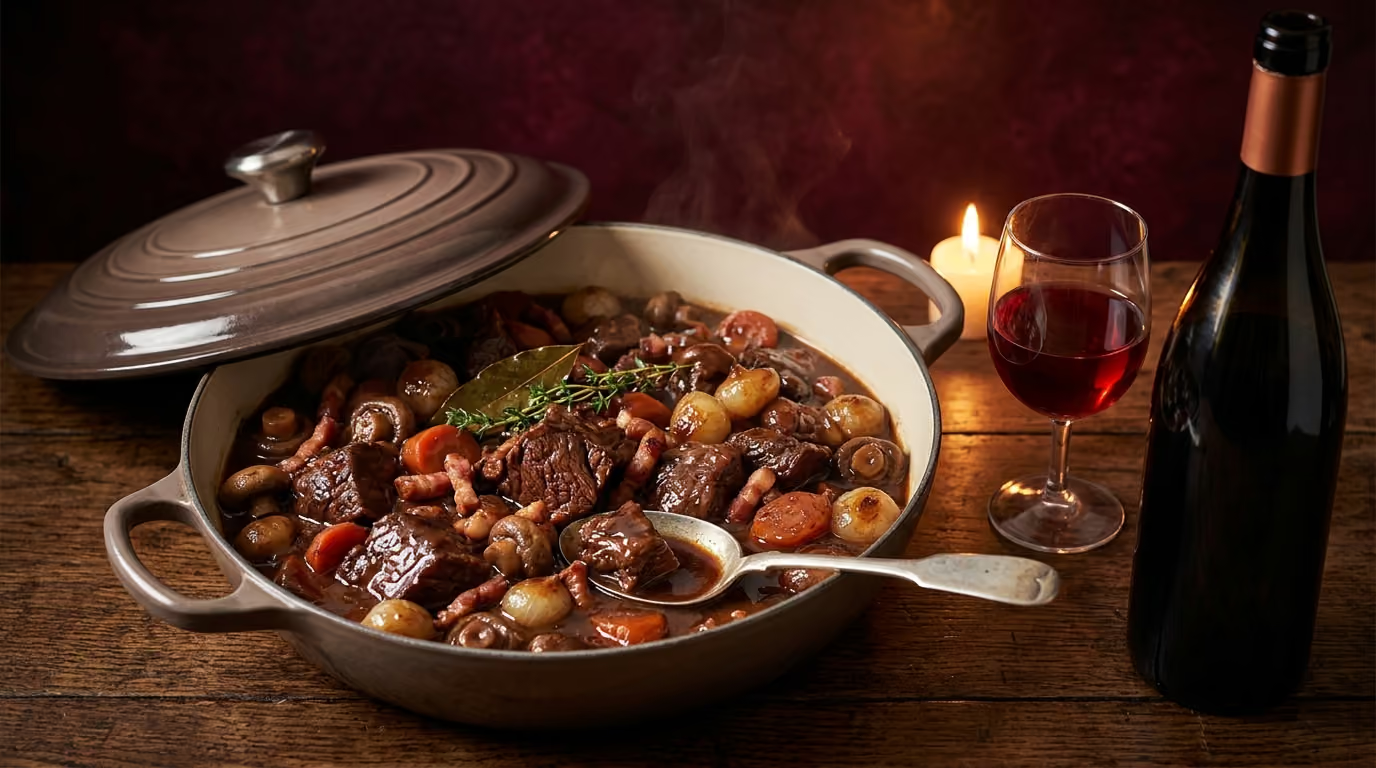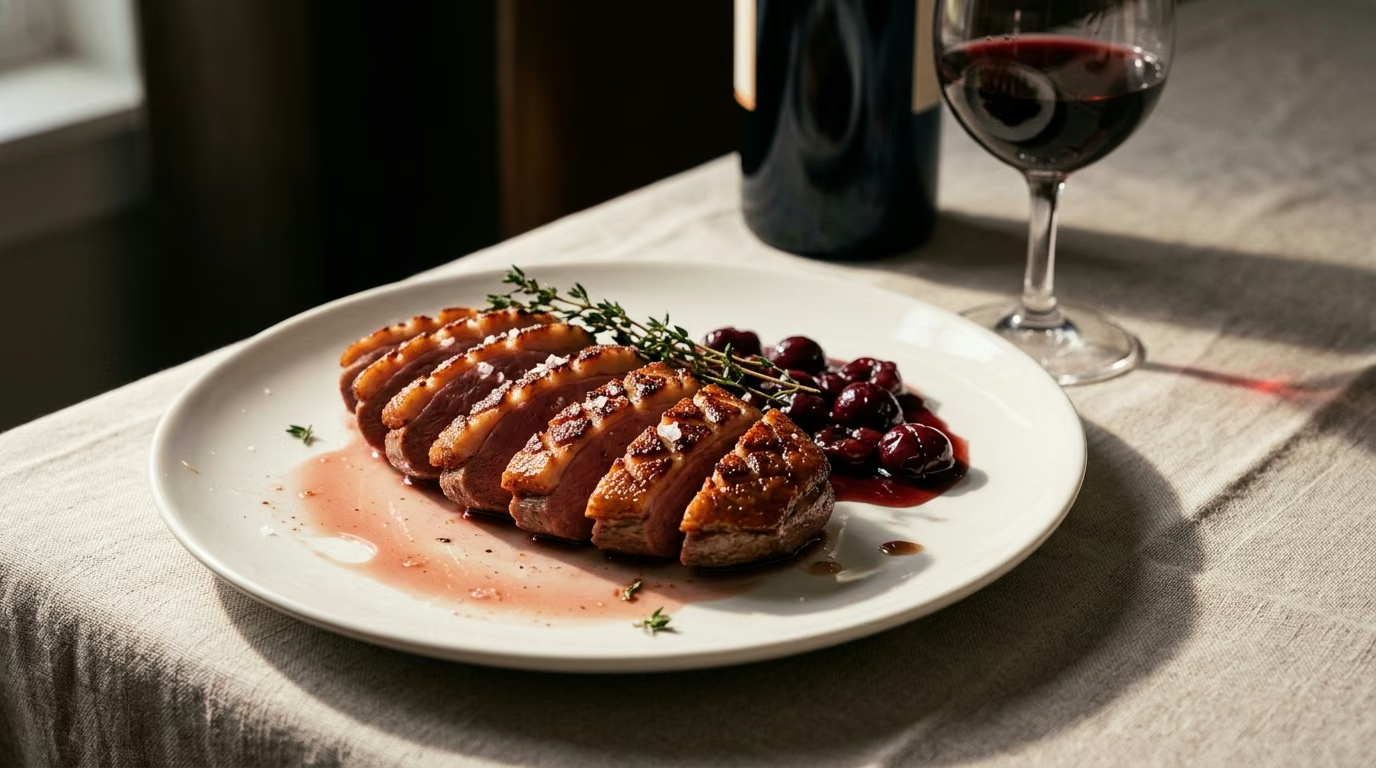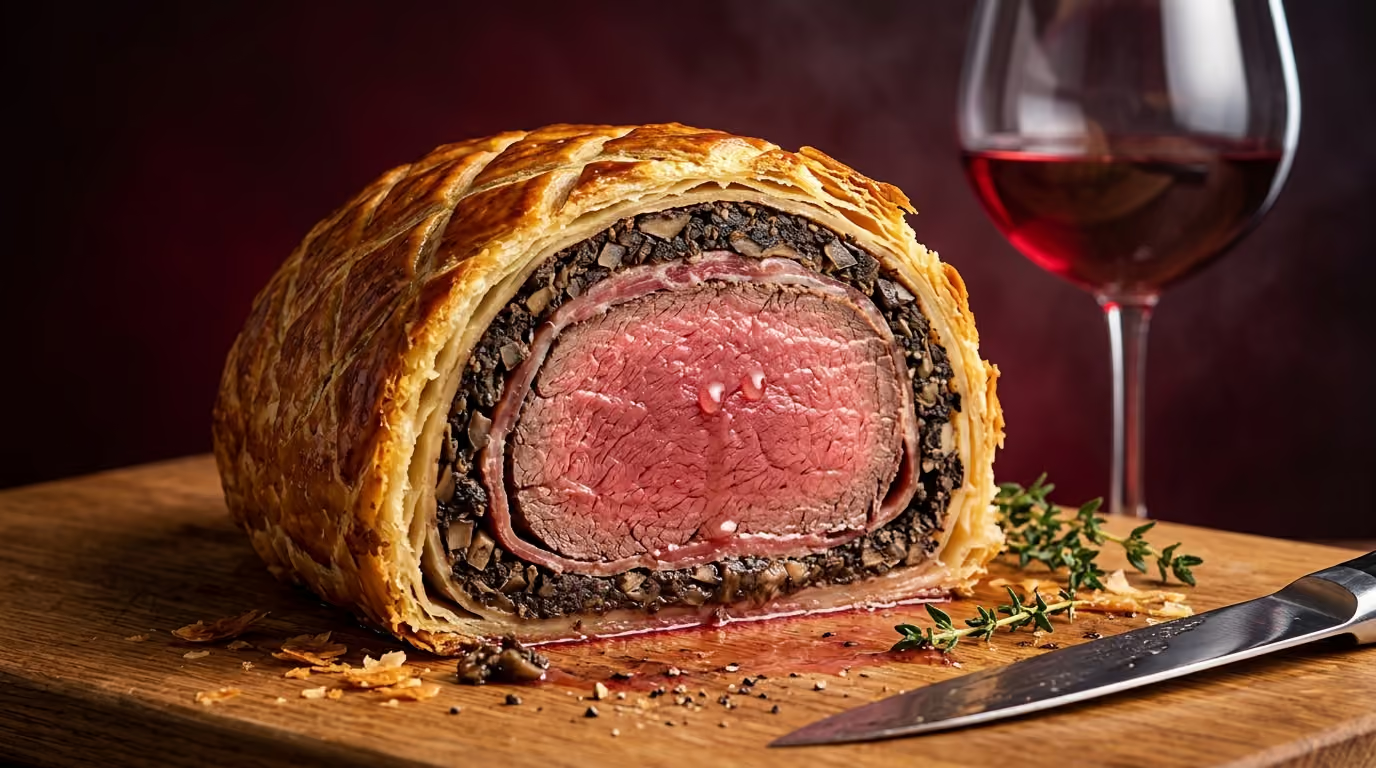
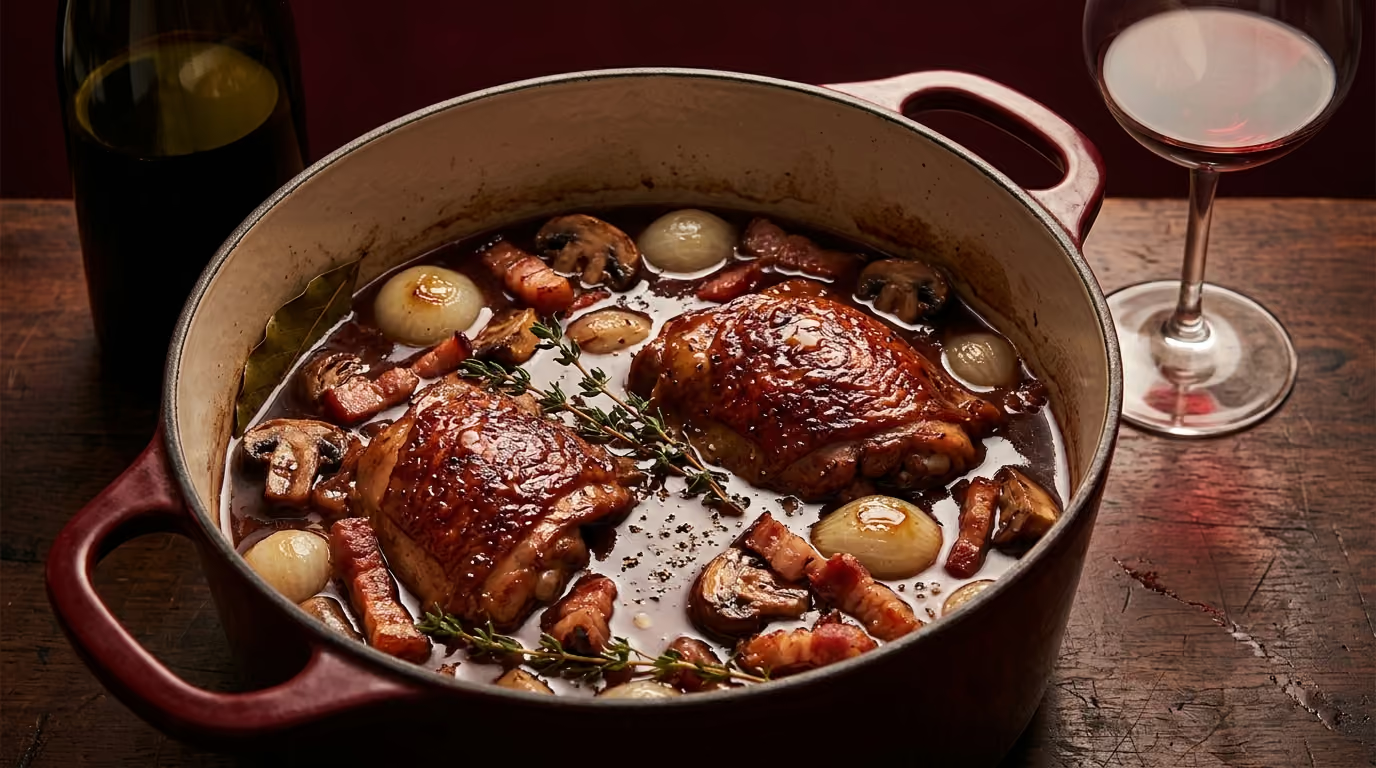
The best wine to drink with coq au vin is a light to medium-bodied red with bright acidity, and Pinot Noir is the most reliable pick of all. Red Burgundy, Gamay from Beaujolais, and a softer Cotes du Rhone all work for the same reason, which is that they refresh the plate after each bite instead of adding more weight to a dish that already has plenty. If you're serving it over creamy mashed potatoes, lean a little further toward freshness and away from oak.
Searching for wine and coq au vin turns up two different questions wearing the same clothes. Some people want to know what goes in the pot, and some want to know what goes in the glass. We'll answer both here, because the honest answer to one changes the answer to the other, and almost nobody explains how the mash underneath the chicken pulls the whole decision sideways.
What wine goes best with coq au vin?
Reach for a red with red fruit, gentle tannin, and enough acidity to cut through butter and bacon fat, which in practice means Pinot Noir, red Burgundy, Gamay, or a restrained Cotes du Rhone. The dish is chicken braised slowly in red wine with mushrooms, onions, and lardons, so it arrives at the table deep and savory rather than delicate. A wine that tries to out-muscle it just makes the whole plate feel heavier.
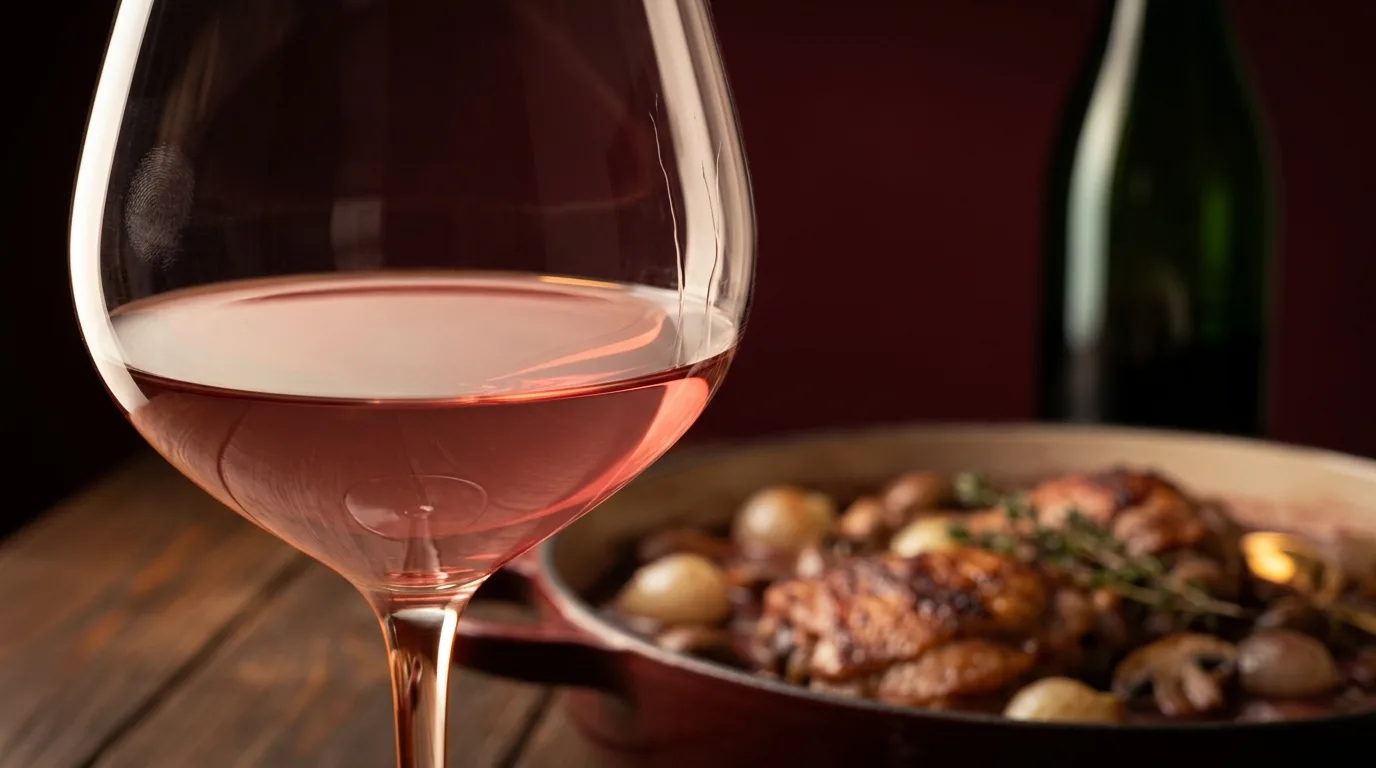
Pinot Noir wins most nights because it brings all three qualities at once. It has red cherry fruit that echoes the sweetness the onions develop during the braise, an earthy undertone that meets the mushrooms halfway, and acidity that resets your palate between forkfuls. If your bottle list uses French place names rather than grape names, red Burgundy is the same grape and lands in the same territory, usually with a little more savory character.
Gamay is the pick when you want the meal to feel lighter on its feet. Beaujolais has juicy red fruit and very soft tannin, and it can take a fifteen minute chill without falling apart, which is genuinely useful if you're eating a rich braise in a warm kitchen. Our guide to Pinot Noir versus Gamay for chilled reds covers when that slight chill helps and when it flattens the wine instead.
A softer Cotes du Rhone earns its place when the braise leans rustic, with more bacon, a longer cook, and a sauce reduced until it coats the spoon. Grenache-led blends from the southern Rhone have riper fruit and a warm, herbal edge that suits that version of the dish. The mushrooms matter here too, and if you cook with them often, our wine pairing guide for mushrooms goes deeper on why earthy flavors and earthy wines get along so well.
The wines that struggle are the powerful ones. Big Cabernet Sauvignon has firm tannin that clashes with the sauce and can read as bitter alongside it. Heavily oaked reds lay a layer of vanilla and toast over food that's already complex, and Shiraz or Malbec tend to pull the meal toward richness exactly when it needs lift.
| Wine style | Why it works | Best moment |
|---|---|---|
| Pinot Noir | Red cherry fruit, earthy edge, high acidity | The safest all-around pick |
| Red Burgundy | Same grape, more savory, classic match | Restaurant lists organized by French region |
| Gamay (Beaujolais) | Juicy and light, takes a short chill | A warm kitchen or a lighter braise |
| Cotes du Rhone | Riper fruit, gentle herbal warmth | Bacon-heavy, deeply reduced versions |
Which wine should you cook coq au vin in?
Cook it in a young, full-bodied red without heavy oak, which is exactly what Julia Child specified when she put the recipe in front of American home cooks. Her 1961 book Mastering the Art of French Cooking names Burgundy, Beaujolais, Cotes du Rhone, or Chianti, and the original recipe calls for two cups, though many modern adaptations push that to three.

She was equally clear about what to keep out of the pot. Bold, heavily oaked reds don't suit the dish, and she singled out Cabernet as a poor fit. That advice holds up for a practical reason rather than a traditional one. Braising reduces the wine by a lot, and reduction concentrates whatever was already there, so oak that seemed mild in the glass turns resinous in the sauce and firm tannin turns astringent.
The tidiest part of her guidance is that the wines she recommended for the pot are the wines she recommended for the table. That's why the two halves of this question collapse into one answer, and it's why buying two bottles of the same affordable Beaujolais or Cotes du Rhone is a genuinely good plan. One goes in the pot, one goes on the table, and the flavors in your glass rhyme with the flavors in the sauce.
The old line about never cooking with a wine you wouldn't drink is worth keeping, though it gets stretched too far. You don't need an expensive bottle, because the delicate aromatics that justify the price get boiled off within minutes. You do need a wine that tastes clean and pleasant on its own, since anything harsh or oxidized will only get more so as the liquid reduces around it. The bottles labeled cooking wine in the vinegar aisle are the one category to genuinely avoid, because they carry added salt that you can't account for when you season the sauce later.
There's also a white version worth knowing about. Coq au vin blanc swaps the red for a dry white, and the style associated with Alsace uses Riesling, which gives a lighter sauce with more citrus lift and none of the tannin. If you cook that version, drink a dry Riesling or a textured white Burgundy alongside it rather than reaching for a red out of habit. The principle stays the same either way, which is that the wine in the glass should share a family resemblance with the wine that built the sauce.
How does creamy mash change the pairing?
Creamy mashed potatoes soften tannin and broaden the wine, so a red that felt balanced on its own can taste flabby beside them, and the fix is to choose a bottle with more acidity rather than more body. Butter and cream coat your palate, which mutes the sensation of grip and dulls fruit, and that's why the side dish deserves a vote in the decision.
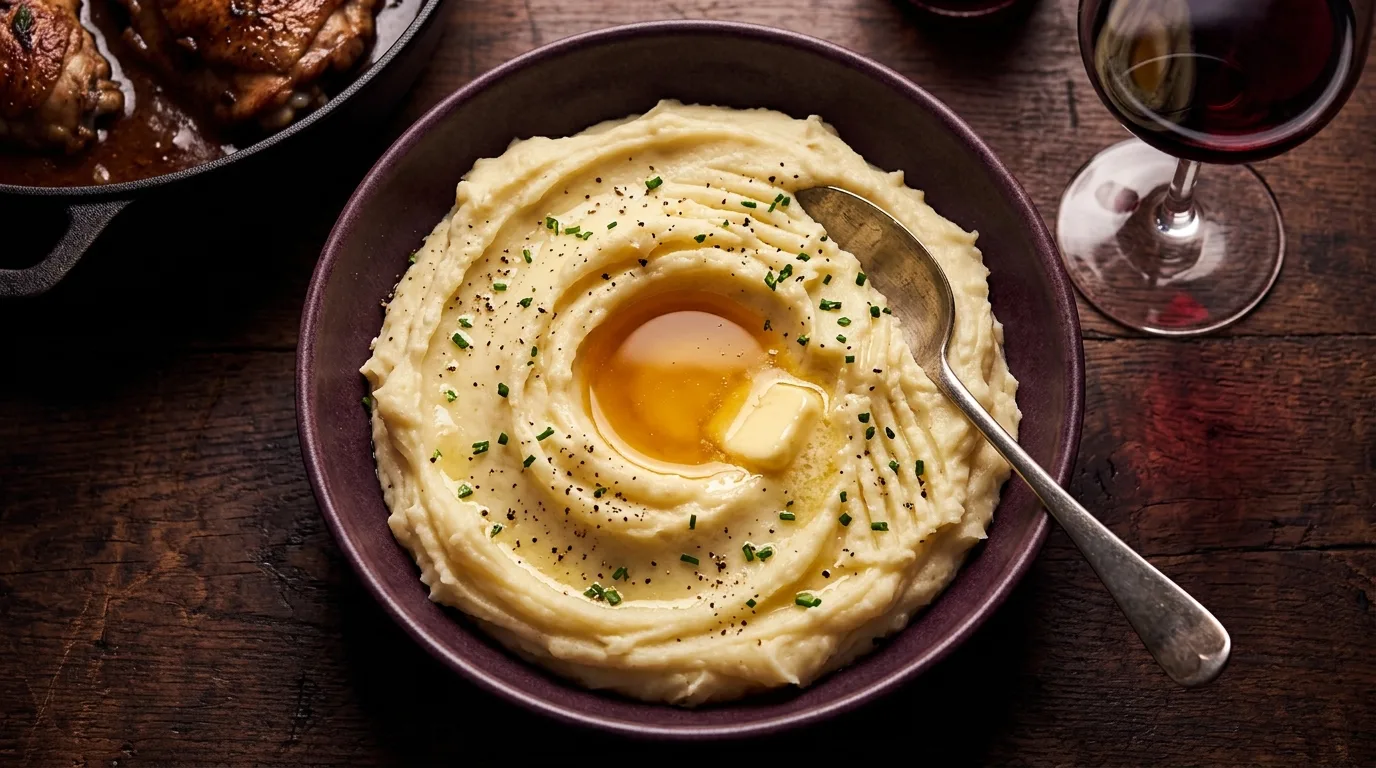
This is the strongest argument for Pinot Noir over anything richer. Its acidity keeps cutting through the fat long after a plusher wine has been smothered by it, and its lighter frame doesn't compete with the density of the potatoes. When the mash is loaded with butter, cream, and maybe a little creme fraiche, freshness in the glass is the only thing standing between you and a very one-note mouthful.
If your mash is simpler, made with milk and a modest amount of butter, you have more room. Gamay works beautifully there, and so does a lighter Cotes du Rhone. The general rule is that the richer the side, the more acidity you want, and the less the wine should rely on body or oak to make an impression.
Swapping the side changes things again. Crusty bread and a green salad leave the pairing wide open, so almost any fresh red works. Buttered egg noodles behave much like mash and want the same acidity. Roasted root vegetables add sweetness and a caramelized edge, which is the one situation where a slightly riper Grenache blend has a real advantage over Pinot Noir.
Sommy's Pairing feature is built for exactly this kind of moment, when the recipe is open on your counter and the answer depends on details a general guide can't see. You can hand it the recipe or a photo of what you've made, and it recommends against your own Taste Profile rather than against the average diner's.
How do you pick a bottle at a restaurant or a store?
Match the weight of the wine to the weight of the plate, then bias toward freshness, and you'll land somewhere good without reading the whole list. One sentence does most of the work in a restaurant, and it's this: "I'd like a light to medium red with good acidity, nothing too oaky." That describes what you want in terms a server can act on immediately.

On a list organized by grape, look for Pinot Noir first and Gamay second. On a French list organized by region, start in Burgundy, then Beaujolais, then the northern or southern Rhone. Give your price range before anyone starts pointing at bottles, because that single piece of information prevents the polite dance where nobody wants to name a number. Our guide to ordering wine at a restaurant without the guesswork has more on how to steer that conversation.
In a store the decision stays just as simple. Head to the Pinot Noir section first, and if the selection there is thin or priced beyond what you wanted, move to Beaujolais and then to Cotes du Rhone. Read the back label for words like bright, fresh, or elegant rather than bold, jammy, or barrel-aged. Those descriptions are marketing copy, but they're marketing copy aimed accurately at the style inside the bottle.
Village-level Burgundy has become expensive, so if the price makes you wince, Pinot Noir from Oregon's Willamette Valley, from Germany under the name Spatburgunder, or from Chile's cooler coastal regions delivers a similar shape for less. If you want to understand what you're tasting when you get there, our Pinot Noir taste guide for first-time buyers breaks down what to expect from the glass. And if pairing decisions like this one come up often in your kitchen, how to pair wine with food covers the underlying logic that makes them repeatable.
Frequently asked questions
What is the best wine for coq au vin if I only want to buy one bottle?
Buy a young Pinot Noir or a Beaujolais and use it for both jobs. Pour two cups into the pot and serve the rest with dinner, which is the approach Julia Child's own recipe points toward, since she recommended the same wines for cooking and for drinking.
Can you drink white wine with coq au vin?
Yes, though it takes a specific kind of white. A full-bodied Chardonnay with some texture can handle the richness, and it makes particular sense with coq au vin blanc, the version braised in white wine. A light, crisp white will simply vanish underneath the sauce.
Does the wine for coq au vin need to be expensive?
No, and spending more rarely improves the dish. The aromatics you pay for in a fine bottle evaporate during the braise, so a clean, honest wine in the ten to twenty dollar range does the job. Save the good bottle for the glass beside your plate.
Should the red be served chilled?
A light chill helps most of these wines. Fifteen to twenty minutes in the fridge brings Pinot Noir or Gamay to a temperature where the fruit tastes fresher and the alcohol feels softer, which suits a hot, rich braise. Room temperature in a warm kitchen is usually too warm.
Does it matter how long the coq au vin has rested?
It changes the pairing slightly, and in a helpful direction. A braise made the day before has a rounder, more integrated sauce with less sharp edge from the wine, which makes a lighter red like Gamay work even better than it does on day one. A sauce eaten straight off the stove still carries some of the raw wine's bite, so a touch more fruit in the glass helps balance it.
What wine should you avoid with coq au vin?
Skip big Cabernet Sauvignon, heavily oaked reds, and high-alcohol Shiraz or Malbec. Their tannin and oak fight the sauce rather than complementing it, and the creamy mash on the same plate makes that clash more noticeable, not less.
Pouring it tonight
The short version is that coq au vin wants a red with freshness rather than force, that the bottle you cook with can be the bottle you drink, and that creamy mash tips the scale further toward acidity. Pinot Noir answers all three at once, which is why it's been the standard recommendation for sixty years and why it still holds up.
Everything above is the average answer, though, and your palate isn't average. If the earthy side of Pinot Noir has never appealed to you, Gamay will make you happier no matter what the classic pairing says. Start with the style that suits the dish, then adjust toward what you actually enjoy drinking.