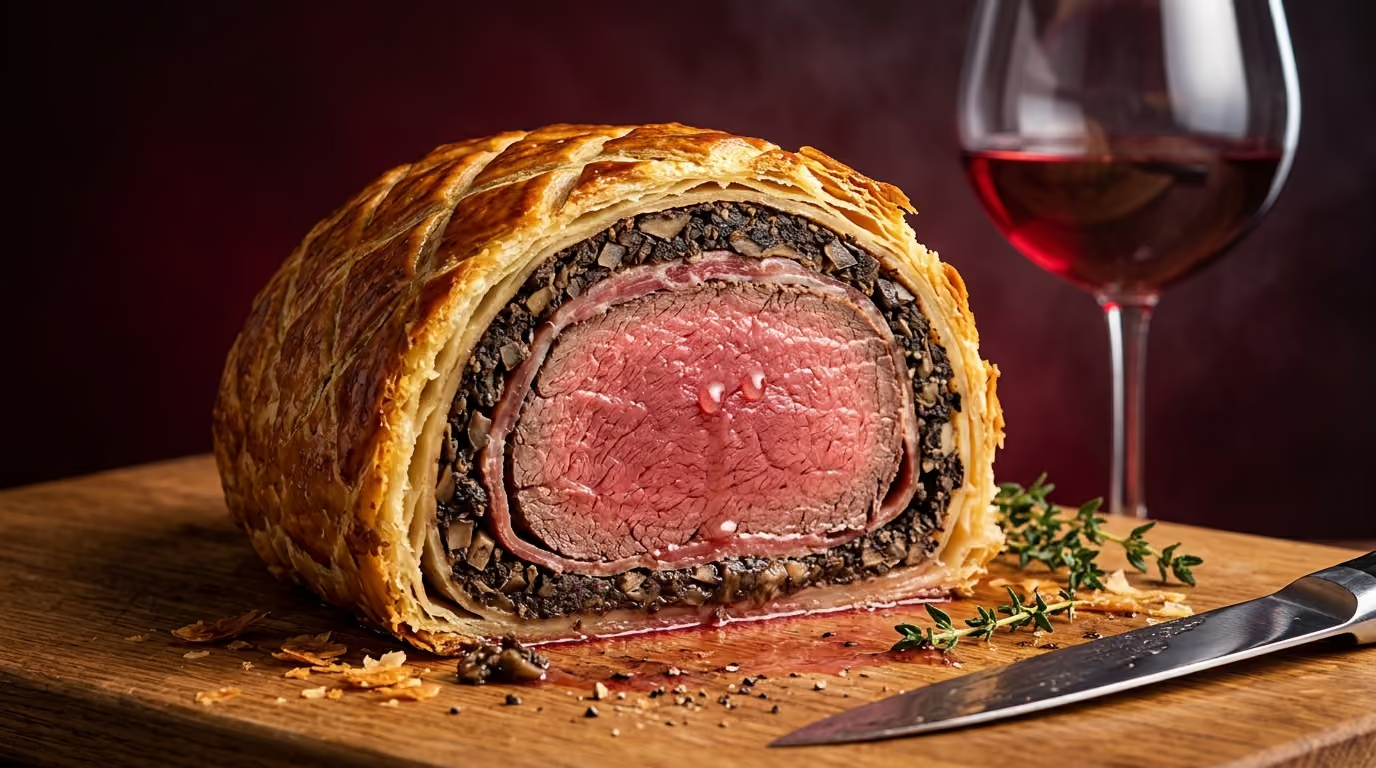
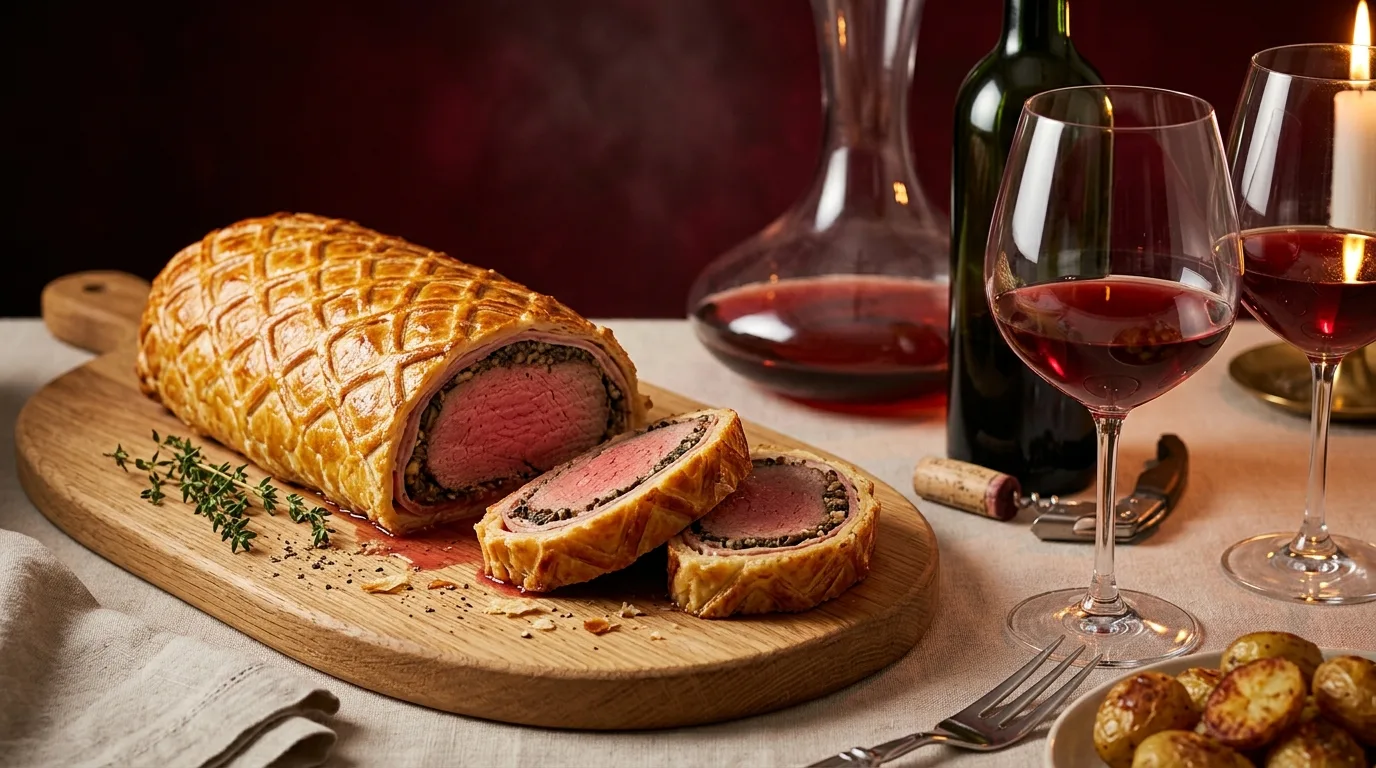
The best wine for Beef Wellington is a red with real structure but soft edges, which in practice means a good Pinot Noir, a plush Merlot or a Right Bank Bordeaux. The dish is beef tenderloin, mushroom duxelles and butter pastry all in one bite, so the wine has to carry the meat, meet the mushrooms halfway, and stay light enough that the pastry doesn't turn to cardboard next to it. A big, tannic Cabernet is the mistake most people make. Save that one for a grilled steak, where the char and the crust give it something to fight.
Wellington looks like the most formal thing you can put on a table, and it invites people to reach for the most expensive bottle in the house. That instinct is usually the wrong one, because the dish is rich rather than powerful, and the difference between those two words is the entire pairing. Get it right and the meal costs less than you expected, since the wines that suit Wellington best are rarely the loudest ones on the shelf.
What's the best wine for Beef Wellington?
Pinot Noir is the safest single answer, especially when the mushroom layer is generous. It has enough acidity to cut butter pastry, enough earthy savor to meet the duxelles on their own terms, and enough red fruit to sit beside the beef without shouting over it. Merlot from Pomerol or Saint-Emilion is the plusher alternative, and a classic Bordeaux blend works when the sauce is deep and the occasion is formal.
| Wine | Why it works with Wellington | Best when |
|---|---|---|
| Burgundy or cool-climate Pinot Noir | Earthy and lifted, meets the mushrooms, never bullies the pastry | The duxelles layer is thick and the sauce is light |
| Merlot, especially Right Bank Bordeaux | Soft tannin and rounded dark fruit against the tenderloin | You want the plush, comfortable version of the meal |
| Bordeaux blend, mature rather than young | Savory depth and cedar notes that echo the crust | A formal dinner with a reduced red wine sauce |
| Northern Rhone Syrah, restrained style | Pepper and dark fruit for a peppery or herb-heavy Wellington | The seasoning is assertive or there's a mustard layer |
| Vintage Champagne or blanc de noirs | Acidity and bubbles cut butter pastry better than any red | You're serving it as a centerpiece and want a surprise |
Ordering by weight is the shortcut worth carrying in your head. Beef Wellington sits in the middle of the richness scale, heavier than a roast chicken and lighter than a charred ribeye, so the wine should sit there too. Our broader guide to pairing wine with food works through that weight-matching logic across other dishes, and Wellington is one of the cleanest examples of why it matters.
Why does Beef Wellington need a different red from a steak?
Because almost nothing about the two dishes is the same beyond the animal. A steak arrives with a hard sear, char, salt and often nothing else, and that crust is exactly what soaks up a young Cabernet Sauvignon's tannin. Wellington has no char at all. The beef is seared briefly, then wrapped and baked inside pastry, so it comes out rosy and tender with a soft surface rather than a caramelized one.

There's also fat coming from an unexpected direction. The richness in a steak pairing comes from the meat, and in Wellington a lot of it comes from butter in the pastry and from whatever cured ham or crepe layer sits between the duxelles and the crust. Butter fat coats your palate differently from beef fat, and acidity clears it far better than tannin does. That's the single most useful thing to know here, and it's why a bright Burgundy can outperform a bottle that costs three times as much.
Then there are the mushrooms, which is where most pairings quietly go wrong. Duxelles is finely chopped mushroom cooked down with shallots and herbs until almost dry, so it concentrates every savory note the mushroom had into a dense layer running the length of the fillet. Big fruit-forward reds clash with that concentration and end up tasting sweet next to it. Earthy reds meet it instead, which is the same reason our wine pairing with mushrooms guide keeps landing on Pinot Noir and Nebbiolo. If you want the contrast, compare it to our wine pairing with beef tenderloin guide, where the same cut without pastry or mushrooms takes a broader range of reds.
Which reds should you avoid with Beef Wellington?
Anything young, tannic and high in alcohol, which rules out most of the reds people buy for special occasions. A young Napa Cabernet, a big Australian Shiraz, an oaky Malbec or a heavily extracted Zinfandel will all flatten the pastry and make the mushrooms taste muddy. Their tannin needs char or hard fat to bind to, and Wellington gives it neither.

Sweetness is the other thing to watch, and it hides in more bottles than people expect. Reds with obvious residual sugar or a jammy, confected fruit profile turn savory mushrooms slightly bitter, which is a genuinely unpleasant combination and one that surprises people because both halves taste fine alone. If a bottle reminded you of blackberry jam on its own, it's the wrong bottle for this. Our comparison of Merlot and Pinot Noir covers where each grape sits on that fruit scale and which one is the safer buy at a given price.
Very old, very delicate reds go wrong in the opposite direction. A fragile bottle with decades on it gets lost under a dish this rich, and it's an expensive way to taste nothing. If you have something special and mature you want to open, pour it before dinner with something plain, then bring a sturdier bottle to the table. That's a better use of both wines than serving them in the wrong order.
What if there's a rich sauce, or it's Christmas dinner?
Match the sauce rather than the meat, because a reduced sauce is usually the most concentrated thing on the plate. A Madeira or red wine jus pushes the whole dish toward a mature Bordeaux or a serious Rhone blend, since those wines have the savory depth to meet a reduction without adding more sweetness. A truffle-scented sauce points straight at Barolo or an older Burgundy, where the earthy, dried-flower character lines up with the truffle instead of competing.

Christmas and New Year change the calculation because of everything else on the table. Wellington rarely arrives alone at a holiday meal, and once you add roast potatoes, sprouts with bacon, a sweet glaze or a cranberry element, the wine has to survive a much noisier plate. That argues for something with good acidity and moderate tannin over something powerful, and it argues for buying two of the same bottle rather than trying to pair each dish separately. Our guide to choosing wine for a dinner party goes through how to pick one bottle that does the most work across a full table.
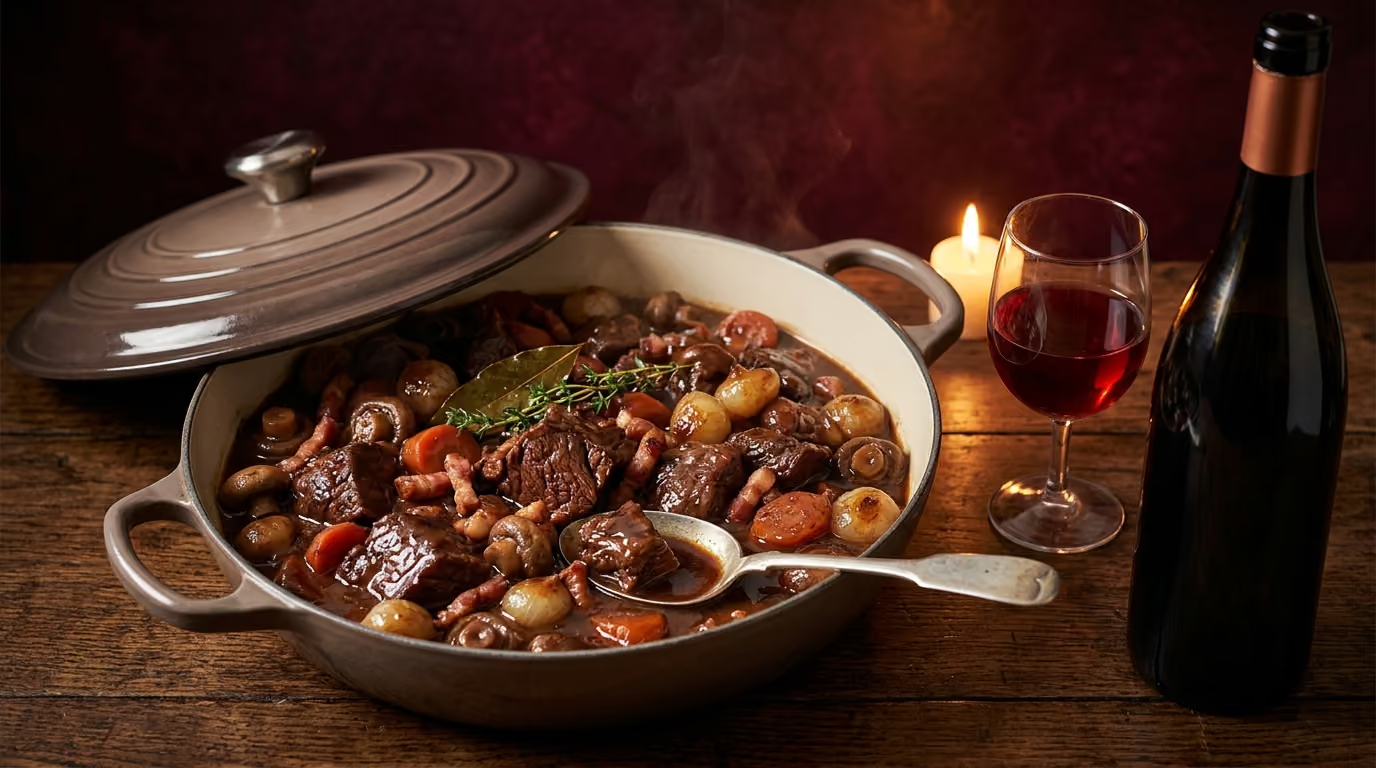
Cooking with the same wine you're drinking is a habit worth keeping here, at least in spirit. You don't need to pour a good bottle into the pan, but the sauce and the glass should come from the same family, so a Burgundy reduction next to a Bordeaux in the glass will always feel slightly out of step. We made the same case in our guide to wine for beef bourguignon, where the cooking wine and the drinking wine question comes up even more directly.
Can you serve white or sparkling wine with Beef Wellington?
Yes, and vintage Champagne with Beef Wellington is one of the better arguments against pairing by color. All that butter pastry is exactly what sparkling wine is built for, since acidity and bubbles clear fat off your palate between bites, and a Champagne with several years of lees age has the toasty, savory depth to handle beef rather than just cutting through it. A blanc de noirs, made only from Pinot Noir and Meunier, has more red fruit and weight than most and is the version to look for.

A serious white Burgundy also works better than it has any right to, especially with a mushroom-heavy Wellington and no red sauce. The nuttiness that comes with age in white Burgundy meets the duxelles the same way an earthy red does, and the acidity handles the pastry. It's not the safe choice for a table of guests who expect red with beef, and it's a genuinely good one if you're cooking for people who enjoy being surprised. Serve it a little warmer than you'd serve a summer white, since fridge-cold whites go mute against rich food.
Deciding between all of this in a shop is harder than reading about it, because the label rarely tells you whether a red is plush or grippy. That's the gap Sommy's Pairing feature is meant to close, since you can photograph the recipe or the finished dish and get a recommendation shaped around what you're actually cooking rather than around the word "beef". It's most useful on a dish like this one, where the mushrooms and the pastry matter more to the pairing than the meat does.
Common questions about wine with Beef Wellington
What red wine goes best with Beef Wellington?
Pinot Noir from Burgundy, Oregon or a cool part of California is the most reliable answer, because it has the acidity for the pastry and the earthiness for the mushrooms. Merlot-led Right Bank Bordeaux is the plusher alternative, and a mature Bordeaux blend suits a formal dinner with a reduced sauce.
Is Cabernet Sauvignon good with Beef Wellington?
It can work if the bottle is mature and the tannin has softened, and a young, powerful one usually doesn't. Wellington has no charred crust for firm tannin to bind to, so a big Cabernet tends to dry out the pastry and make the duxelles taste bitter.
Can you drink Champagne with Beef Wellington?
Yes, and a vintage Champagne or a blanc de noirs is a genuinely strong pairing rather than a novelty. The acidity and bubbles handle butter pastry better than any red, and the toasty character that comes from lees ageing gives it enough weight for the beef.
What wine goes with the mushroom duxelles specifically?
Earthy reds with moderate tannin, so Pinot Noir, Nebbiolo and mature Bordeaux all suit it. Concentrated mushrooms clash with jammy, fruit-forward wines and taste bitter next to sweetness, which is why the duxelles rather than the beef should drive the choice.
Should the wine in the sauce match the wine in the glass?
They should come from the same broad family, though they don't need to be the same bottle. A Madeira or red wine reduction pushes the pairing toward savory, mature reds, and serving a bright, fruity wine alongside a deep reduction makes both taste slightly off.
What's the best value bottle for Beef Wellington?
Look at Chilean or Oregon Pinot Noir, Bordeaux from a good but unfashionable satellite appellation, or a Chinon from the Loire made from Cabernet Franc. All three give you savory character and moderate tannin without the price attached to the famous names, and the dish rewards that profile more than it rewards prestige.
What to open on the night
Pick the wine for the mushrooms and the pastry rather than for the beef, and the choice gets much easier. That means moderate tannin, real acidity, savory character, and fruit that reads as fresh instead of sweet, which is why Pinot Noir and Right Bank Bordeaux keep coming up. Match the sauce if there's a strong one, drop down in power if the table is full of other holiday dishes, and consider a vintage Champagne if you want the pairing people remember. The one bottle to leave in the rack is the big young Cabernet, however good it is, because Wellington gives its tannin nothing to hold onto.