

Alsatian Pinot Gris: What It Tastes Like and How to Tell If It's Dry
Alsatian Pinot Gris is the white you order when the table has ordered four different things and you want one bottle that handles all of them. It's fuller and rounder than Italian Pinot Grigio, it carries more ripe stone fruit and spice, and it has enough body to sit next to roast chicken without disappearing. The one thing you have to check before you buy is the sweetness, because this is the Alsace grape where sweetness varies most from producer to producer, and since the 2021 vintage the label has to tell you.
That last point is the whole reason this bottle gets a reputation for being unpredictable. Two bottles of Alsace Pinot Gris on the same shelf, at the same price, can taste meaningfully different in sweetness, and for years nothing on the label warned you. That changed recently, and knowing where to look turns the riskiest white in the shop into one of the safest.
What does Alsatian Pinot Gris taste like?
Think of the difference between Italian Pinot Grigio and the Alsace version as the difference between skim milk and whole milk. Both are recognisably the same thing, and they don't feel remotely the same in your mouth. Italian Pinot Grigio tends to be lean, brisk and deliberately uncomplicated, which is exactly why it became the default glass of white wine in restaurants everywhere. Alsace takes the same grape somewhere else entirely.

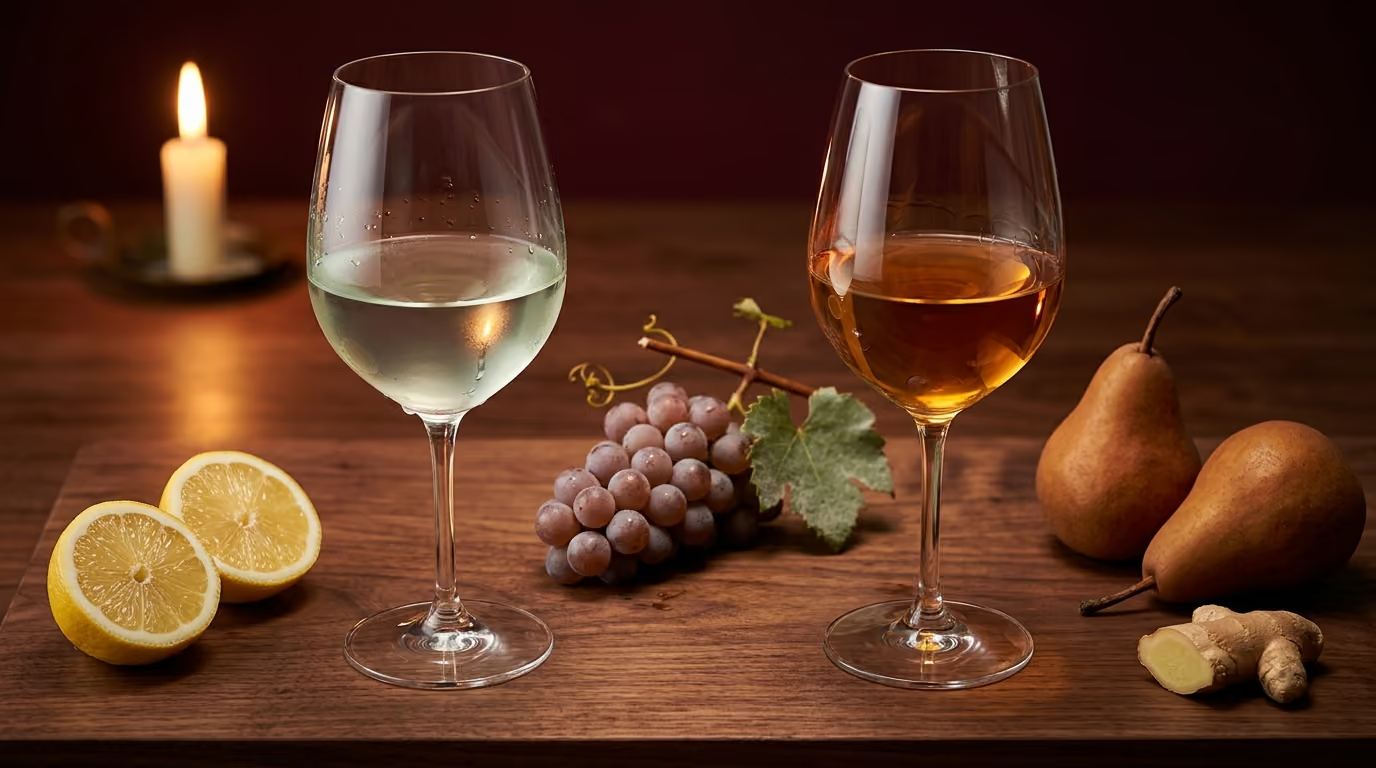
The grape itself is a colour mutation of Pinot Noir, and Wine Folly's guide to Pinot Gris notes that its berries run from gray-blue to a pinkish copper rather than the green you'd expect from a white grape. That extra pigment in the skins is part of why the Alsace style can show a faintly golden or coppery tint in the glass and a texture that feels almost weighty, sometimes described as oily. It isn't a flaw or a sign the wine has aged badly.
In practice, a glass of Alsace Pinot Gris usually gives you ripe pear and peach rather than green apple and lime, a suggestion of honey or baking spice, and a broad, soft landing rather than a sharp one. The acidity is there, and it sits underneath the fruit instead of leading the way. If you've ever found Sauvignon Blanc too sharp and an oaked Chardonnay too heavy, this style tends to land in the gap between them, which is a genuinely useful place for a white wine to be.
People misread it for one reason. They see a white wine from France, expect something light and crisp, and get something rich and rounded instead. Going in knowing that is most of the battle, and it reframes the wine from confusing to dependable. If you want the fuller comparison between the two styles of the same grape, we've written it up in Pinot Gris vs Pinot Grigio.
How do you tell whether the bottle is dry?
This is the question that actually decides whether you enjoy the bottle, and it deserves more attention than the grape name. Alsace makes both dry and sweet white wine from the same varieties, and Pinot Gris sits right at the centre of the confusion. As Wikipedia's overview of Alsace wine puts it, residual sugar is more commonly found in Gewurztraminer and Pinot Gris, which reach a higher natural sugar content when ripe, than in Riesling, Muscat or Sylvaner. Sweetness is also often a house style, so one producer may bottle everything bone dry while their neighbour leaves a noticeable roundness in the same wine.

For a long time you simply had to know the producer or ask someone who did, and that's no longer the case. A standardised sweetness indication became mandatory on Alsace labels from the 2021 vintage, a change reported by The Drinks Business and proposed by the region's growers with backing from the CIVA, the Alsace wine board. It uses the four standard European categories, and it applies to marketing materials and invoices as well as to the bottle itself.
| Label term | Residual sugar | What it means at dinner |
|---|---|---|
| Sec (dry) | Up to 4 g/L | Clearly dry, the safe pick if sweetness worries you |
| Demi-sec (medium dry) | 4 to 12 g/L | Softer and rounder, still works with savoury food |
| Moelleux (medium sweet) | 12 to 45 g/L | Noticeably sweet, better with spice or with cheese |
| Doux (sweet) | Over 45 g/L | A dessert wine, not a dinner bottle |
One wrinkle is worth knowing, because it explains why a wine can taste drier than its numbers suggest. The European definitions take acidity into account as well as sugar, so a wine can still be labelled Sec at up to 9 g/L of sugar when its total acidity is high enough to balance it, and Demi-sec stretches to 18 g/L on the same logic. That's the system working as intended rather than a loophole. Sugar and acid genuinely do cancel each other out on your palate, which is why a technically off-dry German Riesling can taste crisp.
If the bottle in front of you predates the 2021 vintage or the importer has buried the term on the back label, ask the shop or the server one direct question: is this dry, or does it have some sweetness? You're not asking for a lecture. The same skill transfers to almost every other bottle you'll pick up, and we've covered it in how to read wine labels and in spotting an off-dry white.
This is also the moment where the label stops helping and your own taste takes over, because "dry" tells you the chemistry and not whether you'll like the glass. If you're standing in the aisle holding a bottle and you want a read on whether it suits you specifically, Fit Check in Sommy gives you a verdict on that exact bottle: type the name, say it out loud, or scan the label, and it answers against your Taste Profile rather than against an average drinker.
What food does Alsatian Pinot Gris actually solve?
Most wine pairing advice assumes everybody at the table ordered the same thing, which almost never happens. One person gets the Thai curry, somebody else wants roast chicken, a third orders a salad with a heavy dressing, and now you're supposed to find a single bottle that doesn't insult any of them. This is the problem Alsatian Pinot Gris is unusually good at.
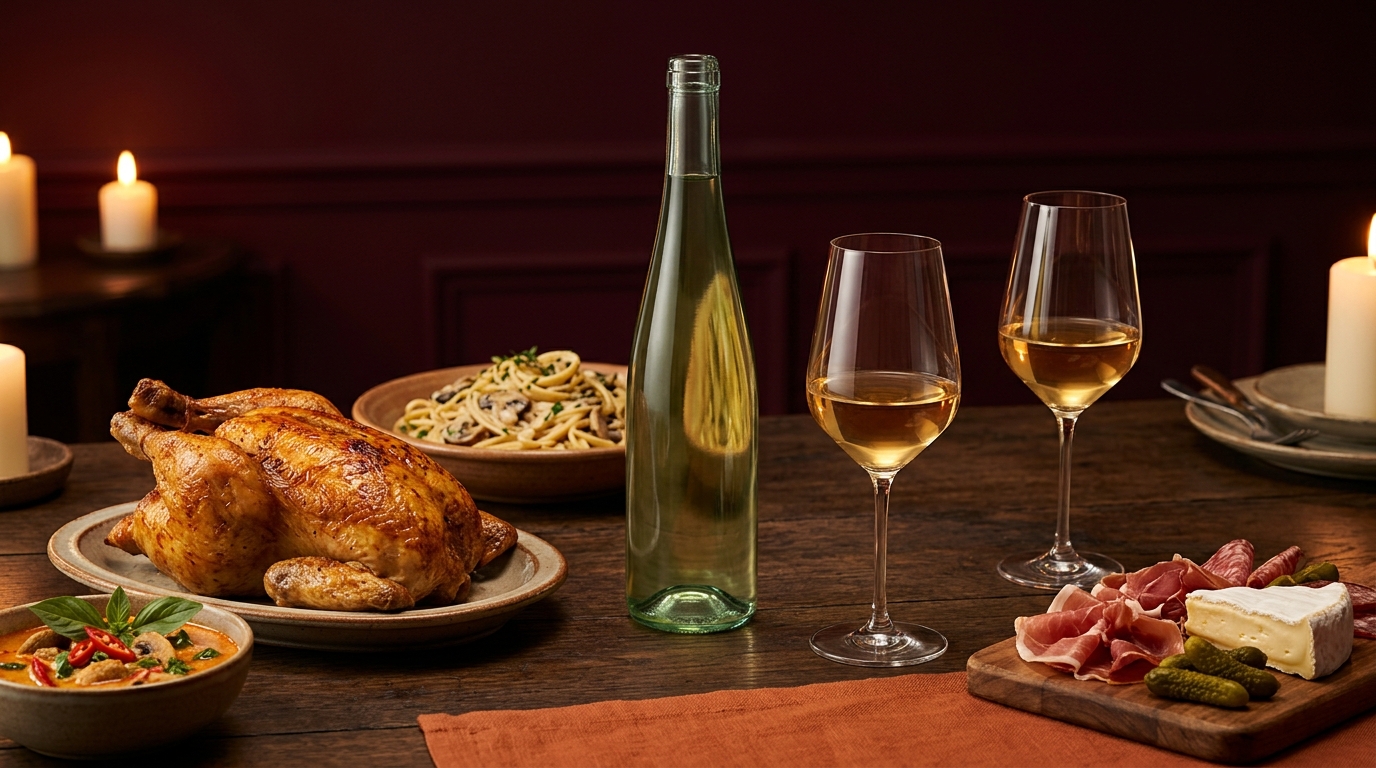
The reason is structural rather than a matter of taste. A very crisp, lean white vanishes next to anything rich, and a big oaked white flattens anything delicate. This style has enough body to hold its ground against a roast and enough freshness left over that it doesn't bully a lighter plate. The touch of roundness, whether it comes from genuine residual sugar or just from ripe fruit and soft acidity, is also what makes it comfortable alongside chilli heat and salt, both of which make a sharply dry, high alcohol white taste harsh.
Three situations are worth committing to memory. Creamy pasta is the first, because it's where lean whites taste thin and watery, and this wine has the texture to meet a cream sauce without turning the meal into a butter contest. Spicy food is the second, and a Demi-sec bottle in particular is a better answer to a green curry or a plate of Korean barbecue than most people's instinct, which is to reach for something bone dry. The third is the savoury spread: charcuterie, pate, mild washed rind cheeses, mushroom dishes and smoked fish all sit comfortably here, so it earns its place on a charcuterie board more easily than a red does.
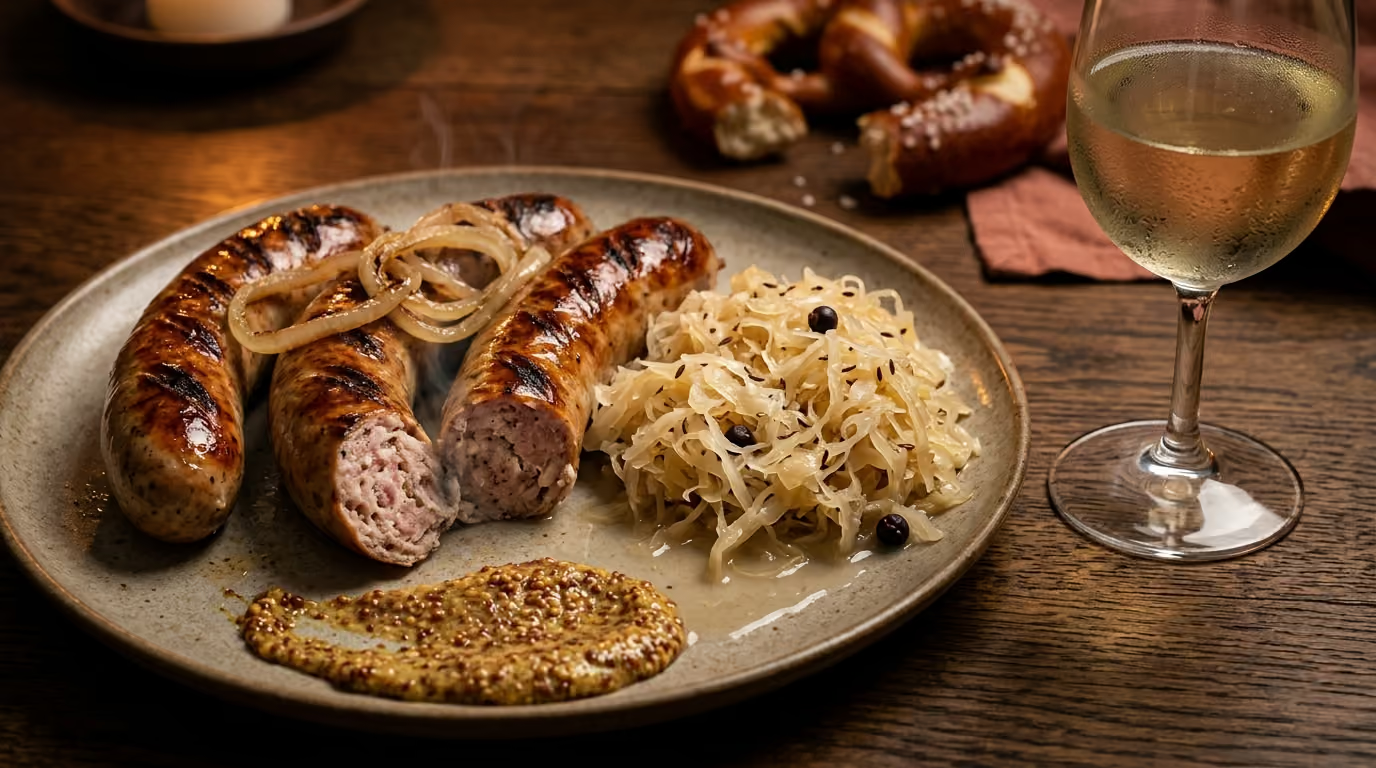
Pork and white meat deserve a mention of their own, because Alsace has been pairing this wine with the local kitchen for a very long time and that kitchen runs on pork, onion and cream. Following the region's own cooking is a shortcut that works. If the dish would be improved by a spoonful of apple sauce, the wine will probably fit.
How do you buy a bottle and serve it properly?
Start with the region on the label rather than the grape, because "Pinot Gris" alone on a bottle from Oregon, Germany or northern Italy will give you a different wine. Alsace is what signals the rich, food friendly style, and the tall fluted bottle the region uses makes it easy to spot on a shelf from across the shop.
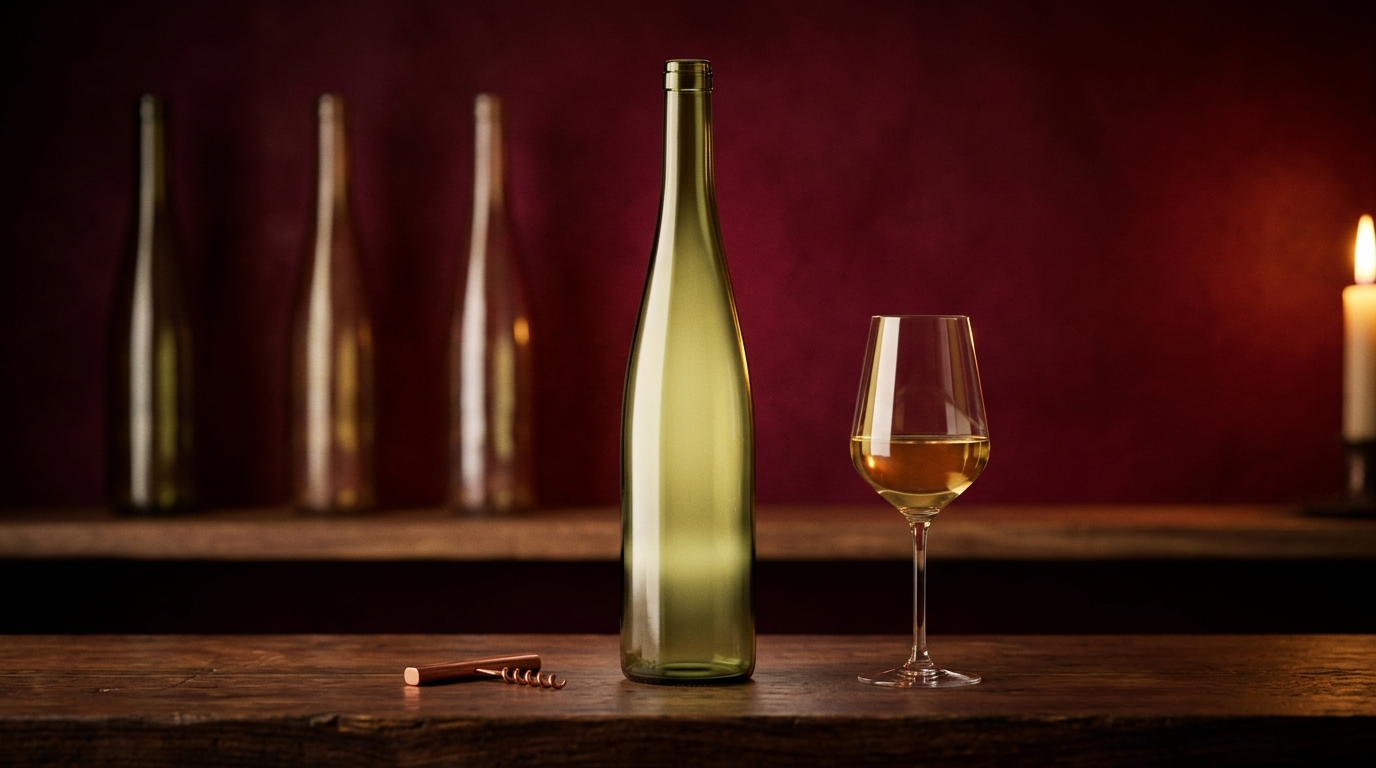
After that, check the sweetness term, and then think about producer. Some Alsace houses have built their reputation specifically on dry wines: Decanter's reporting on the region's sweetness debate quotes Etienne Hugel describing his own family firm, along with Trimbach and Beyer, as standard bearers for the dry style in Alsace. If dryness is what you want and the bottle carries no sweetness term, those names are a reasonable place to start. Expect to pay somewhere around $18 to $30 for a good village level bottle in the United States, and treat Grand Cru as a decision for a dinner that deserves it rather than a Tuesday.
Grand Cru is worth understanding even if you rarely buy it, because it tells you how seriously the region takes this grape. Only four varieties are permitted for Alsace Grand Cru, and Pinot Gris is one of them, alongside Riesling, Gewurztraminer and Muscat. That's a formal appellation rule rather than marketing language, and it means Pinot Gris is considered one of the four grapes capable of expressing the region's best sites.
Serving is genuinely simple, and the one mistake people make is over chilling. Straight from a cold fridge this wine goes mute, the texture tightens up and the ripe fruit that makes it worth drinking hides. Pull it out fifteen minutes before you pour, or accept that the first glass will be quieter than the second as it warms in your hand. A standard white wine glass is fine and specialty stemware changes nothing that matters here. Once it's open, recork it and keep it in the fridge, where it will hold up perfectly well for two or three days.
Frequently asked questions
Is Alsatian Pinot Gris sweet? It depends on the bottle, which is exactly why the sweetness term on the label is the thing to check. Many are fully dry, plenty are softly off dry, and a smaller number are genuinely sweet dessert wines. Pinot Gris and Gewurztraminer are the two Alsace grapes where residual sugar turns up most often, so this is not a wine to buy on the grape name alone.
Is Pinot Gris the same grape as Pinot Grigio? Yes, and the two names describe the same variety made in very different styles. Italian Pinot Grigio is usually picked earlier and made lean and crisp, while Alsace ripens it further and makes something fuller and rounder. The name on the label is a reliable signal of which style you're getting.
What's the difference between Alsace Pinot Gris and Riesling? Riesling from Alsace is usually drier, higher in acidity and more citrus and mineral in character, where Pinot Gris is broader and softer with riper stone fruit. If you want something bracing, choose the Riesling, and if you want something that cushions spicy or creamy food, choose the Pinot Gris.
Does it go with red meat? It can handle pork, duck and rich poultry comfortably, which is further than most whites reach. A rare steak is still a red wine dish, and this is one of the few whites that won't look out of place at a table where most people are drinking red.
How long can I keep a bottle? Most Alsace Pinot Gris is ready when you buy it, and that's the safest assumption for any bottle you're opening this week. Better examples from good sites do age, gaining honeyed and smoky notes over five to ten years, but you'd be buying that deliberately rather than by accident.
One bottle for the whole table
Alsatian Pinot Gris earns its place because it answers a question that comes up constantly and has very few good answers: what do we drink when everyone's eating something different? It has the weight to handle a roast, the softness to survive chilli heat, and enough character that nobody at the table feels short changed. Check the sweetness term, look for Alsace rather than just the grape, and serve it a little warmer than you think.
The part no guide can do for you is the bit that matters most, which is whether that roundness reads as generous or as cloying to you personally. That's genuinely individual, and it's the reason two people can read the same tasting note and disagree completely. Sommy learns it from what you rate, so the next time you're staring at a shelf or a wine list, the recommendation you get is built on your palate rather than the average one.