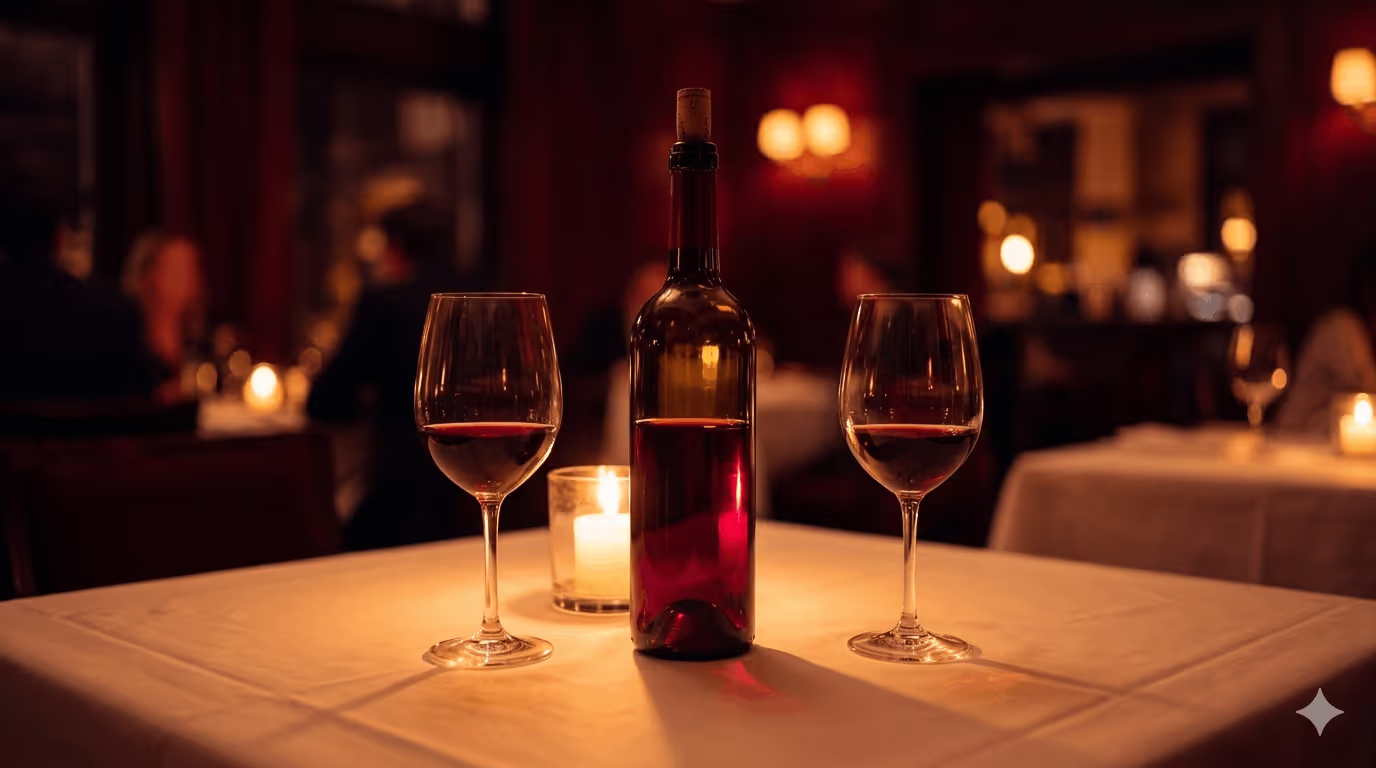

Standing in the wine aisle, you just want a bottle that will work with the pork tenderloin you’re making for dinner. The fear of choosing the wrong one is real, but it doesn’t have to be. For a can't-miss wine pairing with pork tenderloin, simply choose a light red like Pinot Noir or a crisp white like a dry Riesling. These choices complement the lean, delicate flavor of the pork without overpowering it, giving you a confident win every time.
Your Go-To Wines For Pork Tenderloin

That feeling of being paralyzed by a wall of wine bottles is completely normal. The good news is that choosing a wine for pork tenderloin is much easier than it seems. Your goal isn’t to find a single, perfect bottle—it’s just to find something that makes your meal a little better.
Pork tenderloin has a mild, gentle flavor. This means you want a wine that supports the dish, not one that steals the show. Big, heavy wines will simply steamroll the delicate meat, which is why lighter styles are always a safe bet. Think of it less as a complex science and more as picking a great background song for a good conversation.
If you just need a quick answer, this table gives you the essentials at a glance.
Quick Guide To Pork Tenderloin Wine Pairings
| Wine Type | Best Choice | Why It Works |
|---|---|---|
| Red Wine | Pinot Noir | Bright acidity and soft texture cut through the meat without overpowering its delicate flavor. Cherry and earthy notes add a nice touch. |
| White Wine | Dry Riesling | High acidity and citrus notes act like a squeeze of lemon, brightening up the pork and cleansing your palate with each bite. |
These two options are reliable, go-to choices you can count on every single time.
Why Pinot Noir Is a Classic Choice
For red wine drinkers, Pinot Noir is a champion pairing for pork tenderloin. It’s light enough not to mask the pork's subtle taste but has just enough flavor—think cherry, raspberry, and a touch of earth—to keep things interesting.
The key here is balance. You’re pairing a lean protein with a wine that has bright acidity and a smooth, gentle feel. This combination cleanses your palate, making each bite of pork just as delicious as the first. It’s a classic pairing for a reason—it just works.
The Best White Wine Option
If you're in the mood for a white wine, a dry Riesling is a brilliant choice. It’s known for its zippy acidity and notes of green apple and citrus, which act like a squeeze of fresh lemon on the pork, brightening up all the flavors on your plate.
A dry Riesling is especially perfect if your pork recipe has a slightly sweet element, like an apple glaze or a side of roasted root vegetables. The wine’s bright character provides a refreshing, clean contrast. For a deeper dive, you might like our broader guide on wines for different pork dishes.
Pairing Wine With Your Cooking Style
How you cook your pork tenderloin completely changes the dish. And when the dish changes, so does the best wine to pour alongside it.
Think of it this way: a simple roast is a quiet conversation, while a smoky barbecue is a lively party. You wouldn't bring the same energy to both, right? The same goes for wine.

Don’t worry, this isn’t complicated. You don't need to be a wine expert to get this right. The idea is simple: match the wine's intensity to the cooking method's intensity. By focusing on how the pork is prepared, you can confidently nail the pairing every time.
If you want to understand this core idea better, our guide on how to match wine with food breaks it down even further.
For Roasted or Baked Tenderloin
When you roast pork tenderloin with classic herbs like rosemary or thyme, you’re letting its natural, delicate flavor shine. This gentle cooking method calls for a gentle wine.
A light-bodied Pinot Noir is the perfect partner here. Its subtle red fruit and earthy notes complement the herbs and meat without ever stealing the show. This is a can't-miss pairing that feels elegant and effortless.
For Grilled or Smoked Pork
Grilling brings bold flavors. That smoky char and caramelized crust create a taste that demands a wine with a bit more personality. A wine that’s too light will simply get lost.
Here are a couple of confident choices to stand up to the grill:
- Zinfandel: A fruit-forward Zin is a fantastic match. Its jammy berry flavors and hint of spice work beautifully with the smoky taste of the pork.
- Chianti: This Italian red brings bright cherry notes and a savory character that can easily handle the intensity. It's a great way to elevate a simple backyard barbecue.
For Pan-Seared Tenderloin
Pan-searing gives you that delicious, browned crust while keeping the inside tender and juicy. This method often involves a pan sauce, which can easily become the star of the show. Your wine choice needs to work with both the pork and that sauce.
Often, the most important flavor on the plate is the sauce. If you’re making a creamy mushroom sauce, a crisp white wine can be a better choice than a red.
For a pan-seared tenderloin with a cream-based sauce, an unoaked or lightly oaked Chardonnay is a brilliant pick. Its round texture will echo the sauce, while its acidity cuts through the richness, keeping everything balanced.
If the sauce is lighter—maybe something with lemon and herbs—a zesty Sauvignon Blanc will brighten everything up beautifully. It just goes to show how flexible a great wine pairing with pork tenderloin can be.
How Sauces and Sides Change Everything
Let’s be honest: the pork tenderloin itself is often the quietest part of the dish. The real star is usually the bold sauce or flavorful side you serve with it. This is great news, because it gives you a simple secret for a perfect wine pairing: match the wine to the most powerful flavor on the plate.
This simple shift in focus takes all the guesswork out of the equation. Instead of getting hung up on the meat, just think about whether your sauce is fruity, savory, or creamy. From there, the choice becomes clear and confident.
Fruity or Sweet Sauces
If you’re serving your pork with an apple glaze, a cherry reduction, or even roasted sweet potatoes, you have a clear direction. A wine with similar fruit notes will feel like a natural extension of the meal.
Here are a couple of no-fail options:
- Off-Dry Riesling: That touch of sweetness and bright acidity in a Riesling is a dream for fruity sauces. It cuts through richness while playing up the sweet notes.
- Beaujolais: This light-bodied French red is bursting with fresh red fruit flavors like cherry and raspberry, making it an ideal partner for any fruit-forward pork dish.
Savory or Earthy Sauces
When your recipe calls for a rich mushroom gravy or an herb-heavy pan sauce, you need a wine that can stand up to those deep, savory flavors. The goal is to find a wine with enough character to match the sauce's intensity without overpowering the delicate pork.
An earthy Pinot Noir is a fantastic choice here. Its mushroom and forest-floor notes will beautifully echo the flavors in a savory sauce. Another excellent option is a medium-bodied Chianti. Its bright cherry flavor and savory notes hold up well to herbs and garlic, especially in Italian-inspired recipes.
The simple rule: Is the sauce light and bright? Go for a crisp white wine. Is the sauce rich and savory? A light-to-medium red is your best bet.
Thinking about sauces also helps when pairing wine with other pork preparations. For more ideas, check out our guide on wine pairing with pork loin. This simple framework turns a potentially stressful decision into an easy, confident choice.
Confident Red Wine Choices for Any Budget
You don’t have to spend a lot of money to find a fantastic red wine for your pork tenderloin. The real secret is just knowing what to look for. A great pairing is about flavor, not the price tag.
Think of this as your quick guide to walking into any wine shop and grabbing a bottle with total confidence, no matter your budget.
Smart and Affordable (Under $20)
For a choice that's both easy on your wallet and consistently delicious, keep an eye out for a Beaujolais-Villages from France. This wine is light, juicy, and bursting with bright red fruit flavors like cherry and cranberry.
It’s the kind of wine that feels lively and refreshing, which is a perfect counterpoint to the lean texture of pork tenderloin. It’s a reliable pick that always feels like a smart purchase.
Great Mid-Range Options ($20-$40)
If you have a bit more to spend, you open the door to some really wonderful possibilities. These wines bring more complexity without getting so serious that they're hard to pair.
- Oregon Pinot Noir: Often a little richer than its French cousins, an Oregon Pinot delivers gorgeous cherry and raspberry notes with a silky-smooth finish. It’s an elegant and dependable choice that makes any meal feel a little more special.
- Chianti Classico: This Italian classic is a brilliant partner for pork, especially if you’re using herbs like rosemary or thyme. It has bright acidity and savory cherry flavors that work perfectly with the meat.
This simple decision tree can help you picture how to match your wine to the sauce you're serving.

As you can see, a fruit-forward Beaujolais sings with a sweeter sauce, while an earthy Chianti is the perfect companion for more savory flavors.
Splurge-Worthy and Special (Over $40)
When a special occasion calls, a Red Burgundy (which is just Pinot Noir from its original home in France) is a timeless and truly elegant choice. These wines are known for their delicate, nuanced flavors of red berries, earth, and spice.
A good Burgundy doesn’t shout; it whispers. It has a subtle complexity that unfolds with each sip, making it a truly memorable pairing for a beautifully cooked pork tenderloin.
If you're curious to explore more approachable reds, you might enjoy our guide on some of the most easy to drink red wines that are perfect for almost any occasion.
Refreshing White Wine Options You Can Count On
While red wine often gets the spotlight with pork, a crisp, refreshing white can be a fantastic partner, especially when your dish has lighter, brighter flavors.
Choosing the right white isn't about memorizing rules. It's about finding a bottle that acts like a squeeze of fresh lemon over your meal—something that brightens everything up and makes each bite feel clean and lively.
The Most Versatile Choice: Dry Riesling
If you only remember one white wine to pair with pork, make it a dry Riesling. It’s your can’t-miss, go-to bottle that works beautifully in almost any situation.
A good dry Riesling has a zesty, high acidity that cuts right through the subtle richness of the pork. Its classic flavors of green apple, lime, and peach are a natural fit for the delicate meat, especially when it's grilled or served alongside fruity sauces. The International Wine & Food Society's global guide even recommends it in the majority of expert pairings for this reason. You can explore their classic advice in the IWFS food pairing guide.
Other Great White Wine Pairings
While Riesling is a superstar, you have other fantastic options that bring their own unique character to the table.
- Chenin Blanc: Look for one from South Africa. It often has wonderful notes of apple, chamomile, and honey, making it a perfect companion if your recipe includes apples or a slightly sweet glaze.
- Unoaked Chardonnay: If you're serving your pork tenderloin with a creamy sauce, an unoaked Chardonnay is a brilliant pick. It has enough body to stand up to the texture of the sauce without the heavy vanilla flavors of an oaky style.
Think of it this way: Riesling is your all-purpose choice—it works with nearly everything. Chenin Blanc is like adding a specific herb that complements one key ingredient, while unoaked Chardonnay is perfect for matching richness with richness. No matter which you choose, these white wines provide a refreshing contrast.
Get Your In-The-Moment Wine Assistant
Imagine never feeling that flicker of panic in the wine aisle again. Instead of trying to memorize every possible wine pairing with pork tenderloin, you could have a personal wine assistant right on your phone.
This is exactly the kind of situation Sommy was built for. It cuts through the noise and helps you choose with confidence, whether you're staring at a restaurant wine list or a wall of bottles at the store.
How Sommy Helps You Choose
At a restaurant, you can simply scan the wine list with your phone's camera. Sommy reads it and highlights the best options for your meal, taste, and budget. An overwhelming list suddenly becomes a friendly shortlist of two or three great choices.
It's just as useful in a store. That intimidating wall of bottles becomes much easier to navigate. Just snap a picture of the shelf, and Sommy will point you to the perfect bottle for what you’re cooking tonight.
The process feels as easy as texting a knowledgeable friend.
Personalized and Simple
You can also just chat with the app in plain English. Try asking something like, "I'm making pork tenderloin with an apple glaze, what should I get?" Sommy understands the context and gives you a direct, jargon-free answer.
The best part is that Sommy learns your tastes over time. Every wine you rate helps it make smarter, more personal recommendations. It’s the calm, confident way to pick a great wine every single time. If you're curious, you can learn more about having an AI wine assistant in your pocket.
Common Pairing Questions, Answered
Even with clear guidelines, a few questions always seem to pop up right when you're about to make a choice. Here are straight answers to the most common ones, with no confusing jargon.
Pork Tenderloin Pairing Questions Answered
This quick table gives you direct answers to the most frequent questions about pairing wine with this versatile cut of pork.
| Question | Answer |
|---|---|
| Can I serve rosé with pork tenderloin? | Yes, absolutely! A dry, crisp rosé is a fantastic and flexible choice, especially for grilled pork or meals in warmer months. |
| What if I don't like Pinot Noir or Riesling? | No problem. For a light red alternative, try Gamay (from Beaujolais). For a white, a crisp Pinot Blanc or an unoaked Chardonnay works beautifully. |
| Does the wine's serving temperature matter? | It makes a huge difference. Serve light reds slightly chilled (fridge for 15-20 mins) and whites cool but not ice-cold (fridge then out for 15 mins before pouring). |
| What's a good budget-friendly red for pork tenderloin? | A good Côtes du Rhône is often your best bet. It's affordable, fruit-forward, and has the right body to match the pork without overpowering it. |
| Is it okay to pair a big red like Cabernet? | It's generally not the ideal match. A big Cabernet's heavy body can easily overwhelm the delicate flavor and texture of pork tenderloin. |
Think of this table as your quick-reference guide. For a little more detail on why these answers work, read on.
Can I Serve Rosé With Pork Tenderloin?
Absolutely! A dry rosé is a fantastic and versatile choice. Think of it as the perfect middle ground between a red and a white.
It brings the bright, refreshing acidity you'd get from a white wine but adds a hint of red berry fruitiness that beautifully complements the pork. It’s an especially great option for grilled tenderloin or any dish you're serving in the warmer months.
What If I Don't Like Pinot Noir or Riesling?
That's totally fine. The best wine is always one you actually want to drink.
If Pinot Noir isn't your thing, try another light-bodied red like Gamay—the grape that makes Beaujolais. If you’re not a fan of Riesling, a crisp Pinot Blanc or an unoaked Chardonnay will work beautifully. They offer a similar refreshing quality without Riesling’s specific flavor profile. The goal is simply to match the wine's body to the delicate nature of the pork.
Does Serving Temperature Really Matter?
Yes, it makes a surprising amount of difference. When a wine is too warm or too cold, its flavors get muted and the whole experience can fall flat.
- Light Reds: You want them slightly cooler than room temperature. Just pop the bottle in the fridge for about 15-20 minutes before you plan to open it.
- Whites and Rosés: These should be chilled, but not ice-cold. Taking them out of the fridge about 15 minutes before pouring allows their aromas to open up properly.
A simple rule of thumb is to chill your reds a little and warm your whites a little. This small step makes a big impact on the enjoyment of your meal.
If you want to skip the guesswork entirely, Sommy can help you find the perfect wine for any meal, right in the moment. Scan a wine list or a store shelf and get a personalized recommendation based on your taste and budget. You can learn more about how Sommy works and start choosing wine with total confidence.

EntreprEngineur. Runs on lattes. Creates with the intensity of a downhill run. Fast, slightly chaotic, ideally followed by a glass of wine.