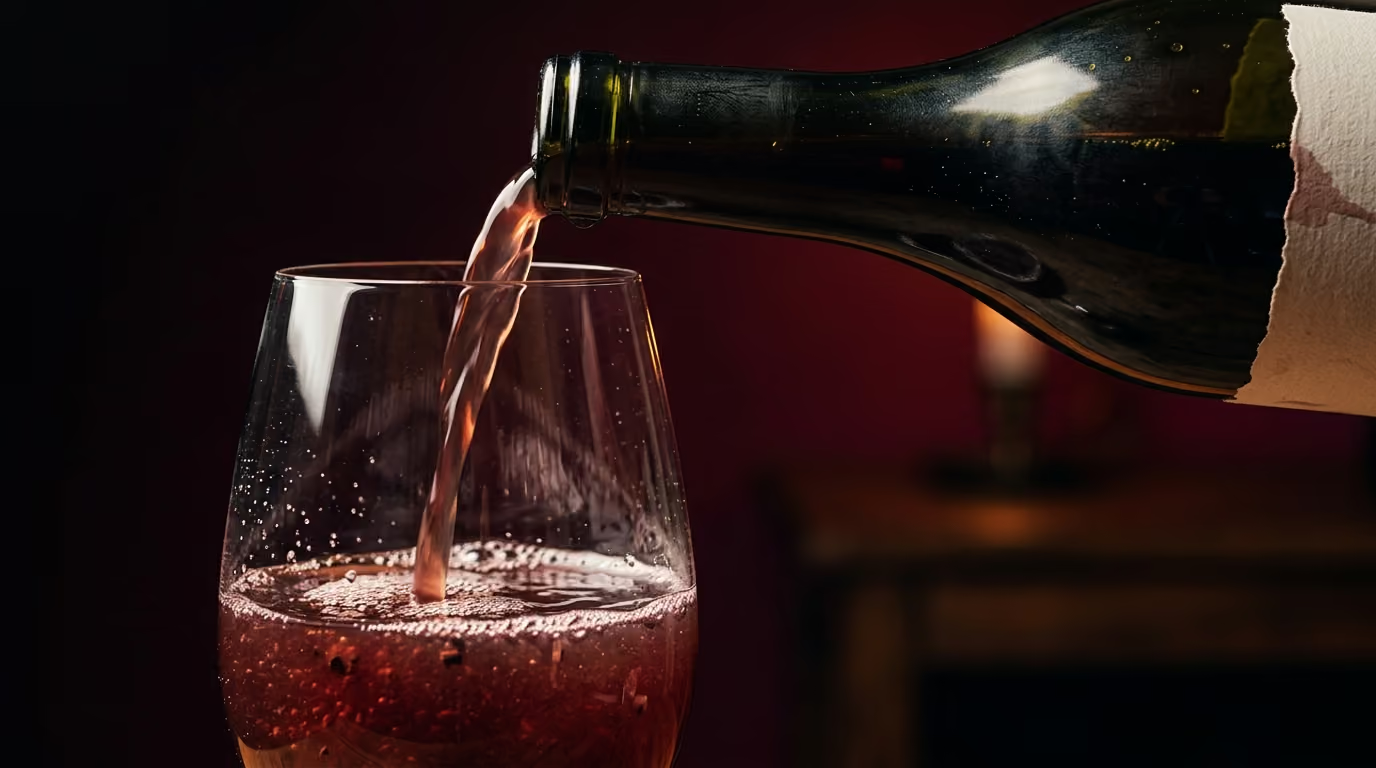
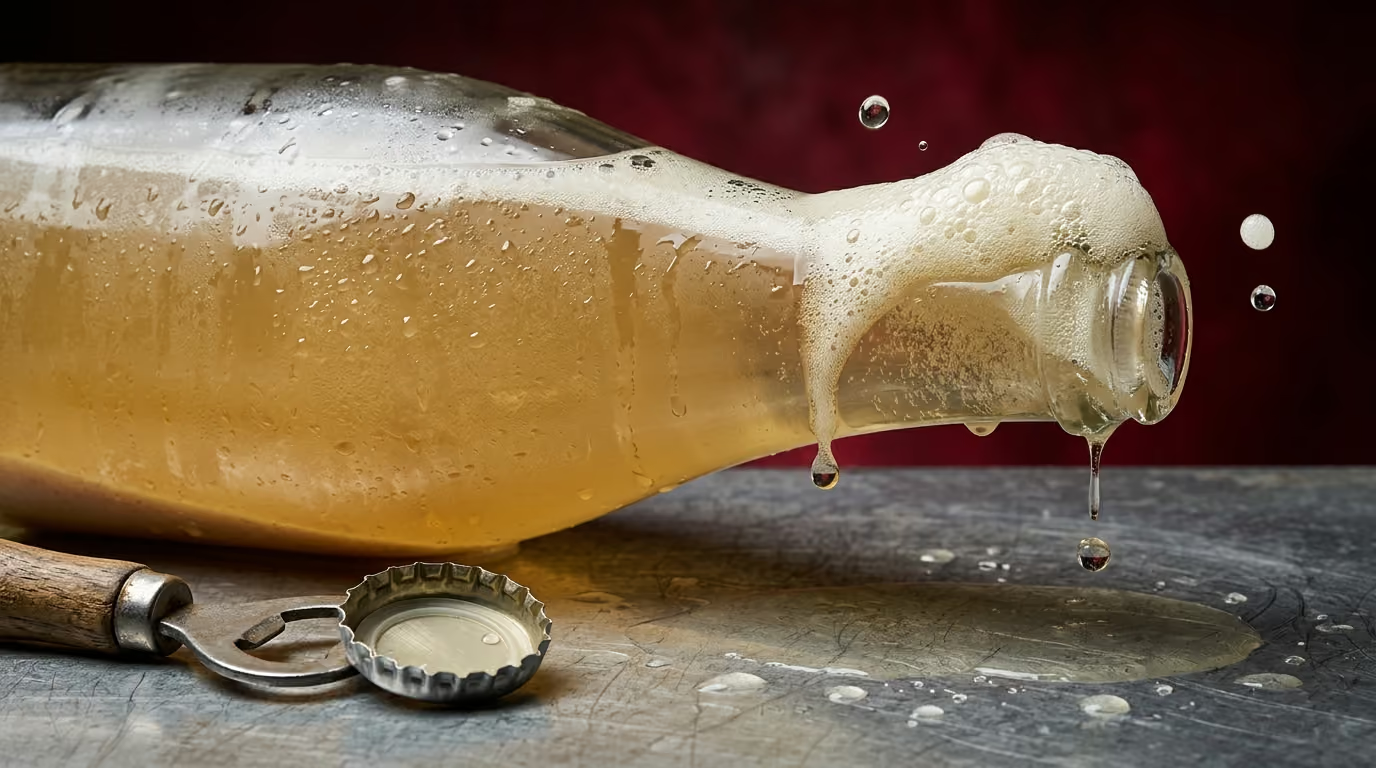
Pet-nat wine is sparkling wine that finishes its one and only fermentation inside the bottle you open, which is why it's often cloudy, usually sealed with a beer-style cap, and softer in the mouth than Champagne. The name is short for pétillant naturel, French for naturally sparkling, and the technique is properly called méthode ancestrale because it predates every other way of making bubbles. Expect lively but gentle fizz, low alcohol, and a bottle that costs less than a traditional-method sparkling wine of similar quality. It's the most casual serious wine on most lists.
You'll spot one by its crown cap and its haze long before you read the label. That look puts people off, and it shouldn't, because the cloudiness is a production choice rather than a fault. Once you know what the winemaker actually did, the whole category stops being intimidating and becomes one of the easiest ways to drink well for not much money.
What is pet-nat wine?
It's wine bottled part way through fermentation, so the bubbles come from the original fermentation finishing in the bottle rather than from a second one started on purpose. Wine Enthusiast's primer on the style describes it as bottling wine that is only partially fermented, with the carbon dioxide trapped as the yeast finishes its work. After a rest that can be as short as a couple of months, the gas has dissolved into the wine and the bottle is ready to drink.
That makes it the simplest kind of sparkling wine there is, and also the oldest, which is where the name méthode ancestrale comes from. It's simple enough that it sometimes happens by accident, and Wine Enthusiast notes that wines bottled with leftover sugar and no stabilization can start fermenting again on their own and arrive at the table unexpectedly fizzy. Doing it deliberately and getting a balanced result is harder than it sounds, and the winemaker James Christopher Tracy of Channing Daughters on Long Island calls the challenge "exactitude within a non-exact style".
Pet-nat almost always belongs to the natural wine conversation, since minimal intervention is the whole premise of the method, though the two aren't the same thing. Plenty of pet-nat comes from producers who'd never describe themselves as natural winemakers. If the wider category is new to you, we wrote about what natural wine actually means and whether you're likely to enjoy it, and the same honest answer applies here.
How is pet-nat different from Champagne?
Champagne gets its bubbles from a second fermentation, and pet-nat never has one. In the traditional method a producer takes a finished, dry, still base wine and adds sugar and yeast to it in the bottle to start a fresh fermentation, which is what creates the pressure. Pet-nat skips that entirely, capping the wine while the first fermentation is still running and letting the same yeast that started the job finish it under glass.
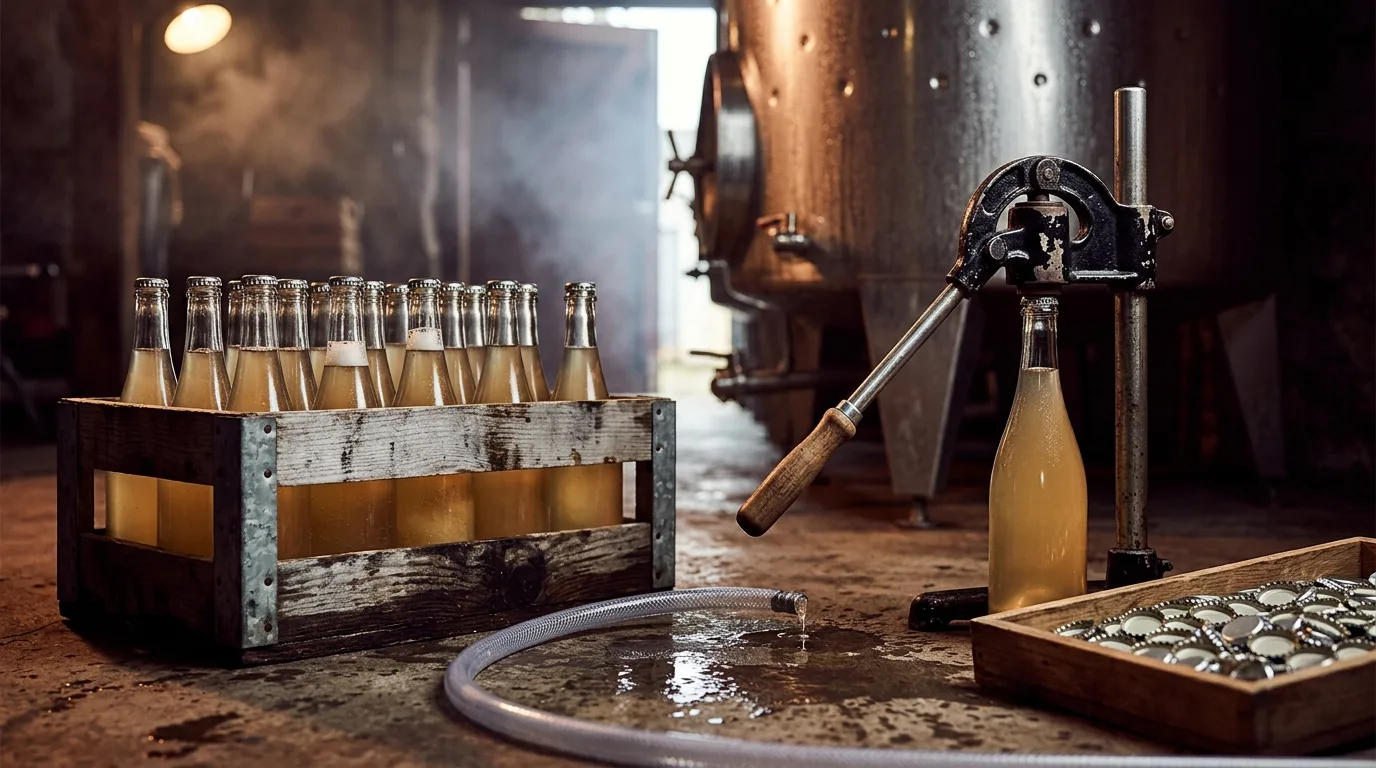
The pressure difference is the part you can feel. Wine Enthusiast reports that the traditional method typically reaches five to six atmospheres of pressure, roughly the same as the air in a bus tire, which is why Champagne corks are so thick and need a wire cage to stay put. Pet-nats come in a range of intensities and almost always measure under five atmospheres, so the foam is calmer and the bubbles read as larger and softer on your tongue. That lower pressure also means the wine is more expressive the moment you open it, rather than needing a few minutes for the bead to settle down.
| Method | Where the bubbles come from | What that means in the glass |
|---|---|---|
| Methode ancestrale (pet-nat) | The first and only fermentation finishes inside the sealed bottle | Softer foam, usually under five atmospheres, often hazy with sediment |
| Traditional method | A second fermentation started in the bottle with added sugar and yeast | Fine, persistent bead at five to six atmospheres, clear after disgorgement |
| Tank method | A second fermentation run in a sealed pressurized tank before bottling | Frothier and fruit-forward, made at scale, clear in the glass |
France has several appellations built on the method, which surprises people who assume pet-nat is a recent bar-scene invention. Montlouis-sur-Loire gave legal status to the name Pétillant Originel in 2007 to separate its Chenin Blanc pet-nats from the traditional-method sparklers made in the same area. Gaillac in the southwest calls its version Méthode Gaillacoise after the region and builds it on the Mauzac grape, and Limoux in the Languedoc has a separate Limoux Méthode Ancestrale appellation. If you want to see how the production method rather than the grape shapes a sparkling wine, our comparison of Prosecco, Cava and Champagne covers the same argument across three more familiar categories.
The method has spread a long way past those three appellations in the last decade. Italy makes a closely related style in the Prosecco hills called col fondo, bottled unfiltered and left on its lees, and southern Italian producers turn out pet-nat from grapes like Zibibbo and Aglianico. Austria and Slovenia have taken to it, Australia's cooler regions produce a great deal of it, and it's now made in most American wine states because it needs no specialist equipment. That accessibility is exactly why the category grew: a producer with a press and some bottles can make sparkling wine without owning a riddling rack or a disgorging line.
Why is pet-nat cloudy, and can you drink the sediment?
Because the yeast that made the bubbles is still in the bottle, and nobody removed it. Any wine that finishes fermenting under a cap leaves sediment behind, including Champagne, and the difference is that traditional-method producers go through riddling and disgorgement to get rid of it while pet-nat producers usually don't have to. Wine Enthusiast calls the decision whether to disgorge possibly the biggest divide in the whole category.
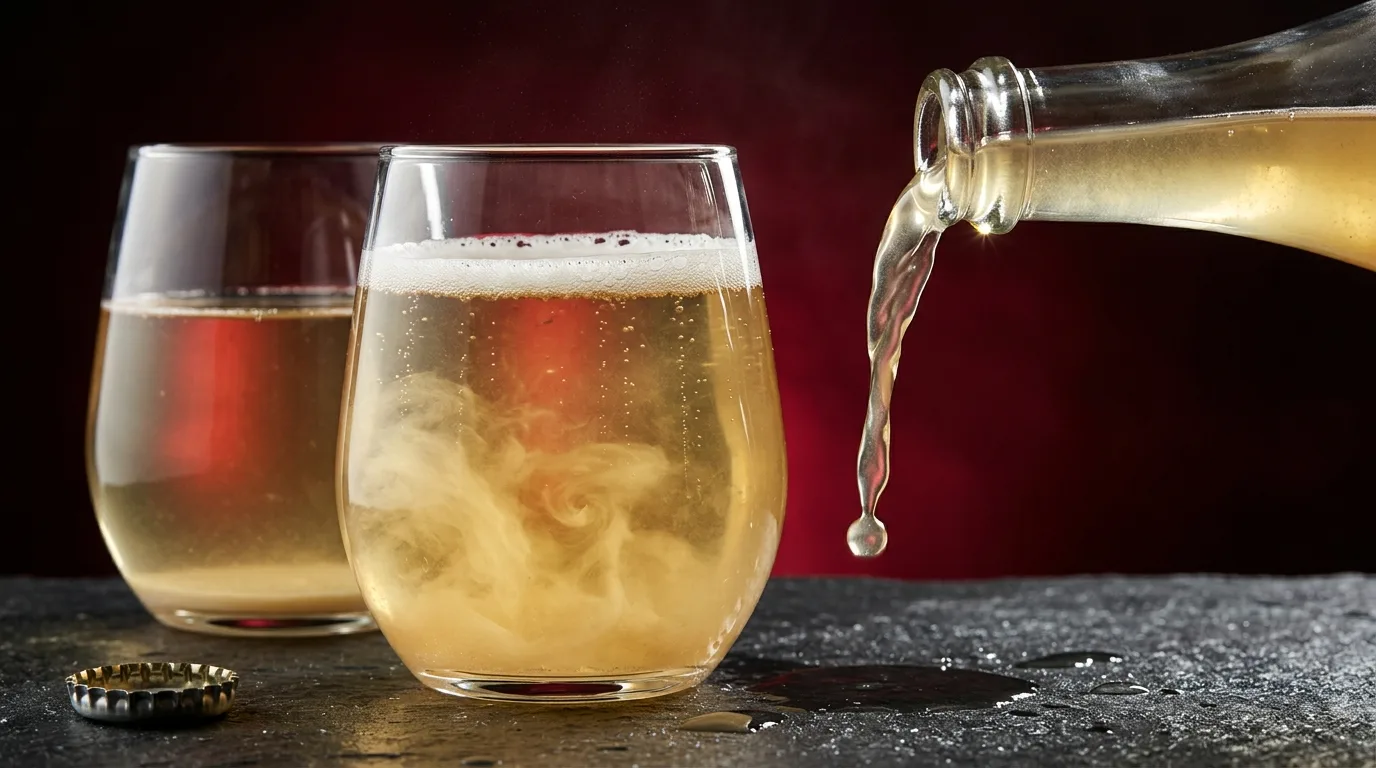
Both choices are legitimate and both are in the market right now. The French producer Grange Tiphaine disgorges its Pétillant Originel because the appellation rules require it, while Domaine Plageoles leaves the sediment in its Mauzac Nature, and Channing Daughters in New York does the same because its winemaker likes what the yeast contributes to texture. Tracy points out that riddling and disgorging pull you into traditional-method processes that cost a lot of money, time and space, which is a large part of why small producers skip them.
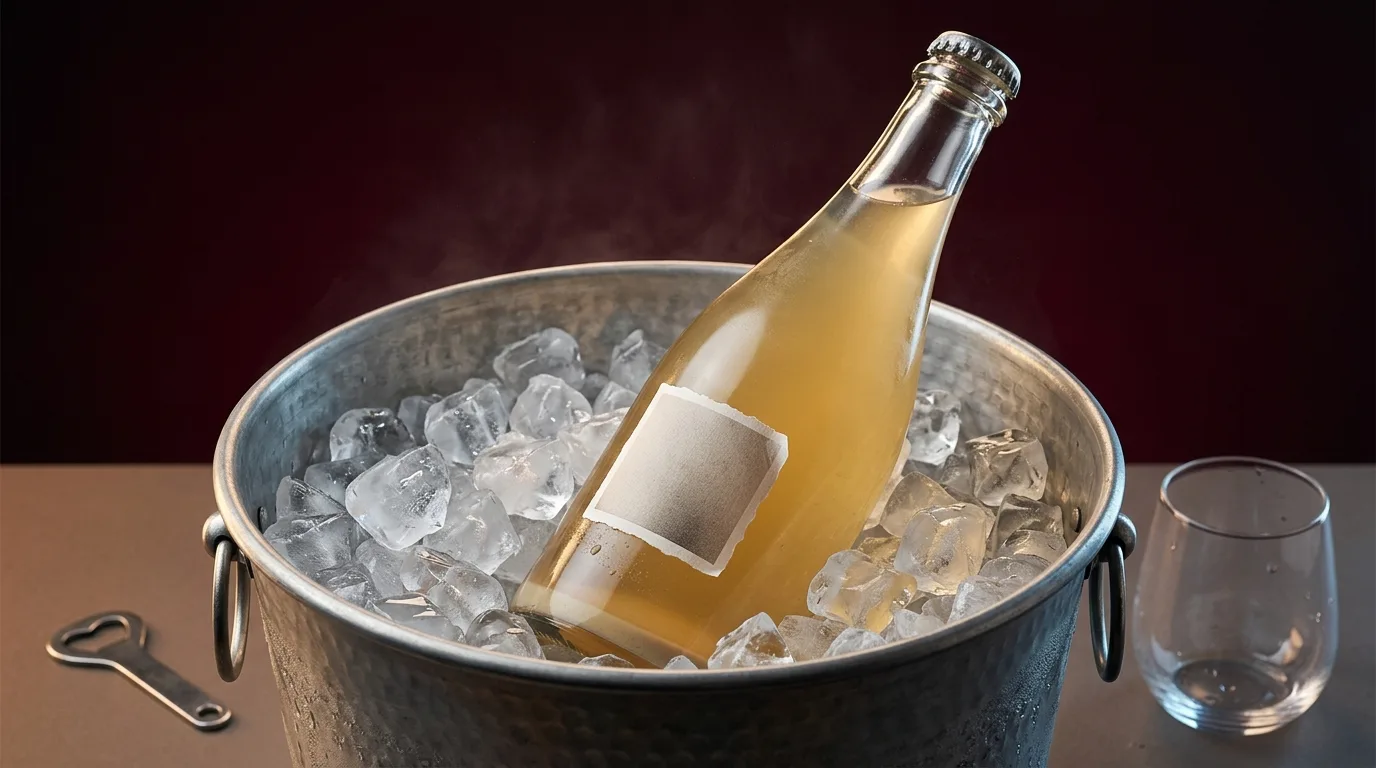
The sediment is safe to drink and mostly a question of preference. If you want clearer glasses, there's a tip printed on the label of Channing Daughters' own pet-nat and repeated in that Wine Enthusiast piece: chill the bottle upright in an ice bucket for 30 minutes before opening, since the cold keeps the sediment settled at the bottom and lets you pour about four relatively clear glasses. The last pour holds most of the yeast, and plenty of people think that cloudy final glass is the best one in the bottle.
What does pet-nat taste like, and is it sweet?
Fresher and more direct than traditional-method sparkling wine, with the fruit right at the front and a slightly bready, yeasty edge underneath from the lees it never left. Most are dry or barely off-dry, because the fermentation runs until the yeast finishes the sugar, and the ones that carry a little sweetness usually got chilled to stop it early. Alcohol tends to run low, and Gaillac's Mauzac gets harvested at 10.5 to 12% potential alcohol precisely because that suits the style.
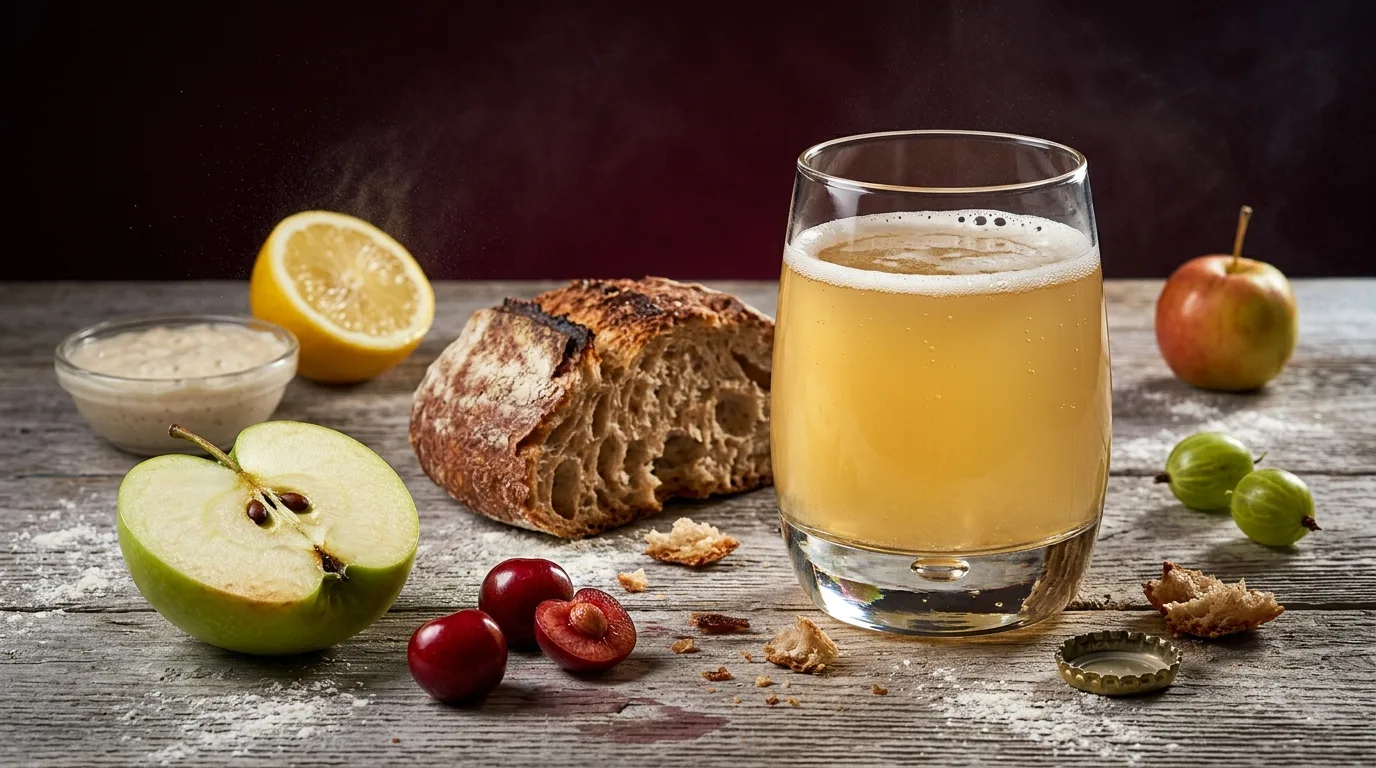
Beyond that, generalizing gets difficult fast, and that's the honest answer rather than a hedge. Pet-nat is a method rather than a grape or a region, so a Chenin Blanc from the Loire, a Mauzac from Gaillac, a Pinot Noir rosé from Long Island and a Zibibbo from Sicily can all wear the same name and share almost nothing else. Some are crisp and lemony, some are tart and cidery, some show a sour edge that natural wine drinkers love and other people find odd. Bottle variation is real too, since the wine finished itself without much supervision.
None of that tells you about sweetness in the way a Champagne label does, and there's no equivalent scale printed on the front. Sparkling wine sold under the major appellations has to carry a term like brut or demi-sec, and we explained what brut and the rest of that scale mean if you want the numbers. With pet-nat you're mostly relying on the back label, the shop, or asking, which is genuinely part of the deal with the category.
How do you open, serve and pair a pet-nat?
Cold, over a sink, and slowly, because these bottles are the most likely of any sparkling wine to foam up the second you break the seal. Chill it properly and leave it upright for at least half an hour so the sediment sits still. Most pet-nat is sealed with a crown cap, so you'll want a bottle opener rather than the two-thumb cork technique, and it's worth easing the cap off rather than popping it, since any leftover fermentation gas has nowhere to go but out.
Serve it a touch warmer than you'd serve Prosecco, since fridge-door cold flattens the fruit that makes it interesting, and use an ordinary white wine glass rather than a flute so the aromas have somewhere to go. Our guide to wine serving temperatures covers the rest of the shelf. Drink it young as well, because pet-nat is not built to age and the freshness is most of what you're paying for.
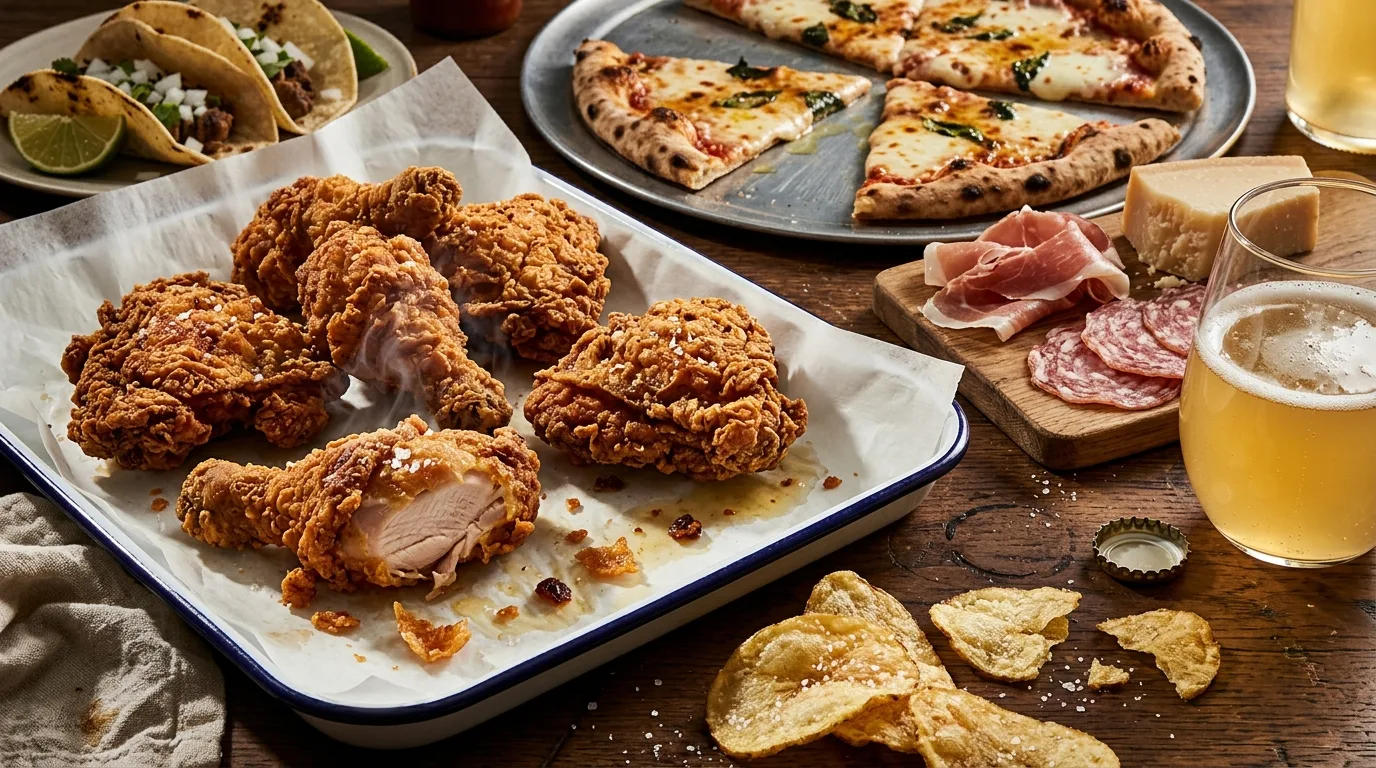
Food is where the style earns its reputation. The combination of acidity, gentle fizz and low alcohol handles salty, fried and messy food better than almost anything else, so think fried chicken, potato chips, tacos, pizza, charcuterie and takeout rather than a formal dinner. We wrote about wine with fried chicken and about building a charcuterie board around the wine, and pet-nat slots into both conversations easily. It also works as an aperitif with almost nothing at all, which is how a lot of people drink it.
Common questions about pet-nat wine
Is pet-nat the same as natural wine?
Not quite, though they overlap heavily. Pet-nat describes a production method, which is finishing the first fermentation in the bottle, while natural wine describes a broader philosophy about minimal intervention in the vineyard and the cellar. Most pet-nat is made by producers who work naturally, and some isn't.
Is pet-nat wine sweet?
Usually dry or lightly off-dry, since the yeast is normally allowed to finish the sugar it started with. A few are stopped early and keep some sweetness, and there's no standard sweetness term printed on the label the way there is on Champagne, so the back label or the shop is your best source.
Why does pet-nat have a beer cap?
Because a crown cap is cheap, seals tightly against pressure, and doesn't need the equipment that corking and caging a bottle requires. It also suits the informality of the category. Some producers do use a cork and cage, particularly where appellation rules ask for it.
Is the sediment in pet-nat safe to drink?
Yes, and it's just spent yeast left over from fermentation. It adds a savory, slightly bready texture that some drinkers actively want. If you'd rather avoid it, chill the bottle upright for half an hour and pour gently, leaving the last glass in the bottle.
How long does pet-nat last?
Drink it young, generally within a year or two of the vintage, since freshness is the whole appeal and these wines aren't built to develop. Once opened, the lower pressure means the bubbles fade faster than Champagne's, so a pet-nat is best finished the same evening rather than saved with a stopper.
Is pet-nat cheaper than Champagne?
Almost always, because the method skips the second fermentation, the riddling, the disgorgement and the years of cellar time that traditional-method wine requires. That cost gap is a large part of why small producers start with pet-nat, and it's why the category is such good value for casual drinking.
What to look for on the shelf next time
Pet-nat is worth trying if you like sparkling wine but find Champagne either too expensive or too formal for a Tuesday. Look for the crown cap, expect haze, and read the back label for the grape and the region, since those tell you far more about what's inside than the words pétillant naturel do. Chill it hard, stand it upright, open it over a sink, and pour the clear part first if cloudy wine bothers you. Then treat it as the everyday sparkling wine it was always meant to be, because saving it for an occasion misses the point of a style built to be opened without one.