
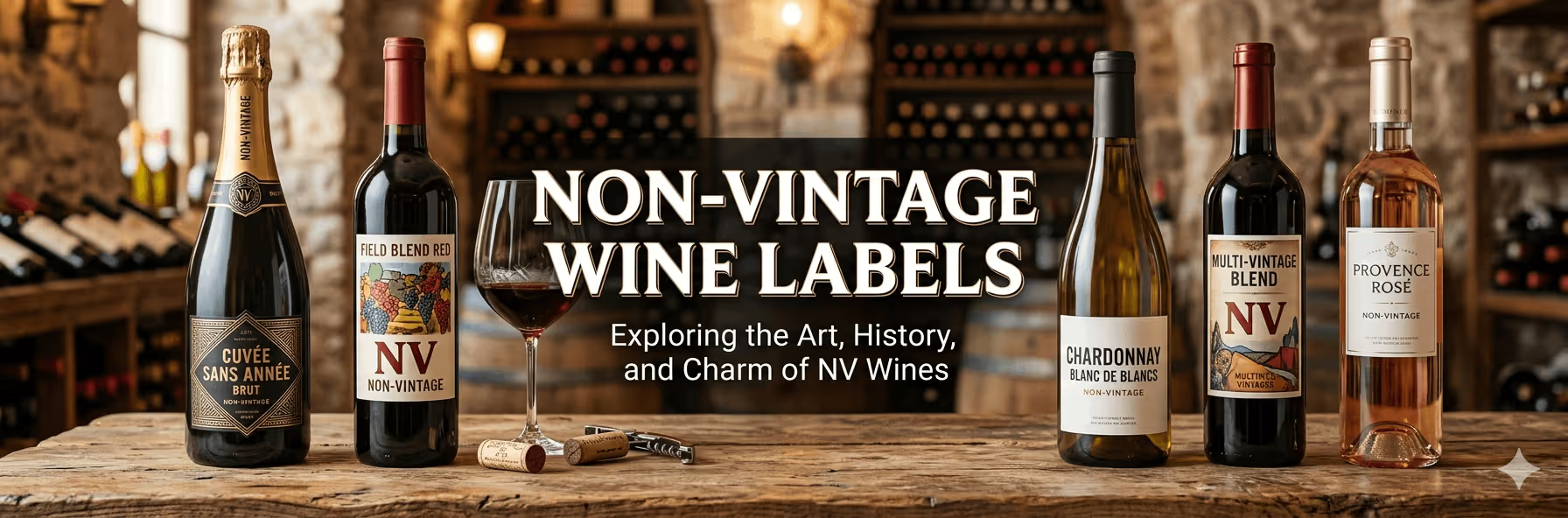

You're staring at a wine list, and one bottle has no year. Or you spot a tiny "NV" on a shelf and wonder if something is missing.
The short answer is simple: non-vintage wine is made from more than one harvest year. Wineries blend different years on purpose, usually to keep the taste steady. Once you know that, the label stops feeling like a trick and starts feeling useful.
What non-vintage means on a wine label
A vintage wine comes from one harvest year. A non-vintage bottle blends wine from two or more years.
You will often see "NV" on sparkling wine, especially Champagne. You may also see no year at all. In both cases, the producer is telling you the bottle is about a consistent style, not a single season.
If a bottle says "NV" or skips the year, the wine usually blends more than one harvest.
That doesn't mean lower quality. It means the winemaker wants the bottle to taste familiar from year to year. Wine Spectator's definition of non-vintage says it plainly: several vintages are blended to keep a house style.
For most drinkers, that is good news. You don't need to study weather charts or memorize years. You can treat NV as a sign that the producer values consistency. That's part of a practical wine guide, and it's one of the most useful simple wine tips you can learn fast.
Why wineries make non-vintage wine
Weather changes every year. One harvest may be bright and sharp. Another may be softer or richer. By blending years together, a winery can smooth out those swings.

That matters most in sparkling wine. Houses want their Brut to taste like their Brut, year after year. The Champagne glossary for N.V. explains why the style is so common there.
Here is the easiest way to compare the two:
| Label type | Grapes or base wine from | What you can expect |
|---|---|---|
| Vintage | One harvest year | More tied to that year's weather |
| Non-vintage | More than one year | More consistent house style |
Skill matters here. Blending is not a shortcut. It's careful work. A winemaker may use older reserve wines for depth and fresher wine for lift. For a busy shopper, wine explained simply looks like this: one year tells a seasonal story, while non-vintage tells a producer story.
How to use NV when you're choosing wine
A missing year feels scary only if you assume every good bottle must have one. In real life, NV can make how to choose wine easier.
If you're shopping bubbly, an NV bottle is often a smart bet. Among grocery store wine picks, non-vintage sparkling wine usually aims for reliable flavor and fair value. In restaurants, NV beside Champagne is normal, so it belongs on your list of basic restaurant wine tips.

Good wine list tips are simple. Look at the producer, style, and price before you worry about the year. If you want to read wine labels without guessing, focus on the details that predict taste, like sweetness, alcohol, and whether the wine is sparkling.
Food also helps. An NV sparkling wine works with salty snacks, fried food, sushi, roast chicken, and soft cheese. A short wine pairing guide for meals will help more than staring at a blank spot where the year would be.
Most people don't need theory. They want wine tasting notes explained in plain English, plus friendly wine advice that works in a store aisle or at a dinner table. A good wine guide gives simple wine explanations, clear wine recommendations, and everyday wine advice you can use in 30 seconds.
What non-vintage does not tell you
NV tells you how the wine was blended. It does not tell you whether you will like it.
A non-vintage bottle can still be dry or fruity, lean or rich, simple or layered. So when you need wine recommendations, use NV as one clue, not the whole answer. Pair it with the occasion, your food, and the flavors you already enjoy.

That is where a modern wine guide can help. The best tools don't drown you in facts. They give wine app suggestions that fit your budget, your meal, and your taste. If you want calm help on how to choose wine confidently, start there.
Sommy is built for that exact moment. It acts like an AI wine assistant, offering smart wine recommendations, personalized wine picks, and personalized wine recommendations without asking you to become an expert. You get smart wine picks, simple wine explanations, and clear wine recommendations that feel useful right away.
If labels still make your shoulders tighten, use one rule: don't punish a bottle for being non-vintage. Judge whether it fits dinner, price, and your own taste.
Conclusion
A non-vintage label means the wine blends more than one year, usually to keep the style steady. For everyday buying, that is often helpful, not risky.
You don't need to decode every wine term to choose well. Remember the simple idea, trust your taste, and let the label do less of the talking.
If you want help choosing wine in the moment, Sommy can turn a shelf, a wine list, or a meal into personalized wine recommendations that feel calm and clear.
