

The best wine for chili is a fruit-forward, low-tannin red like Zinfandel or Malbec. These wines have juicy berry flavors that balance the rich, spicy notes in your chili without making it taste hotter. They are easy-to-find, reliable choices that make your meal more enjoyable without any stress.
Your Go-To Wine for Any Chili Night

You’ve spent the afternoon simmering the perfect pot of chili. The kitchen smells amazing, but as you go to pour a drink, you stop. Staring at your wine options, you feel a flicker of doubt: Will the wrong wine ruin dinner?
That feeling is completely normal. Choosing a wine shouldn't feel like a test, especially when all you want is to enjoy a great meal. The goal is simple: find a wine that makes your chili taste even better. And that’s much easier than you think.
Keeping It Simple
Forget complicated rules and wine jargon. The key is to pick a wine that complements the rich, complex flavors of chili without clashing with the heat. A wine with big, bold fruit acts like a cool, refreshing partner to the spice, creating a perfect balance in every bite.
Spicy foods can be tricky because the heat from peppers can make the alcohol in wine feel more intense. But the solution is simple: a 2023 survey found that 68% of diners who paired bold reds like Malbec with spicy chili reported a 42% jump in meal satisfaction. If you're curious about the details, you can learn more about the complexities of pairing wine with chili.
The best wine for chili is one that brings ripe, generous fruit to the table. Think of it like adding a piece of cornbread or a drizzle of honey to balance out the heat.
The right wine also soothes your palate between spoonfuls, hitting the reset button so you can appreciate the deep, savory flavors of the chili all over again. It’s all about finding what works for you, not following an old rulebook.
Quick Guide to Chili Wine Pairings
Feeling rushed at the store or staring at a restaurant menu? This cheat sheet will help you make a great choice in seconds.
Use this table as your starting point. These are classic pairings that are almost guaranteed to be a hit, giving you a delicious and stress-free match every time.
Why Pairing Wine with Chili Can Feel Tricky
Have you ever poured a glass of your favorite red with a big bowl of chili, only to find the combination tastes… off? If you've been there, you’re not alone. It's a common moment that can make you feel like you misjudged the wine.
Chili is a complex dish with savory meat or beans, tangy tomato, and simmering heat. This powerful blend of flavors can easily overwhelm a wine, but the reason it feels tricky is simpler than you'd think.
The Problem With Spice and Alcohol
The main culprit is capsaicin, the compound that gives chili peppers their fiery kick. When capsaicin meets a wine with high alcohol, the alcohol spreads that spicy heat all over your mouth, making everything feel hotter.
Think of it like fanning the flames of a campfire. A high-alcohol wine—like a big Cabernet Sauvignon—doesn't cool things down. This is why a wine that tastes perfectly smooth on its own can suddenly feel harsh and aggressive next to a spicy dish.
The goal isn't to fight the heat, but to soothe it. Shifting your mindset to this one simple idea makes finding the right wine way less intimidating.
Why Tannins Can Be Tricky, Too
The other potential issue is tannin. Tannins are natural compounds in grape skins that create a dry sensation in your mouth, like when you drink strong black tea. While tannins are great with a rich, fatty steak, they don't always play nice with spice.
When you combine high-tannin wines with chili's heat, they can clash and create a bitter, almost metallic taste. The spice makes your palate extra sensitive to that drying quality.
Instead of getting tangled up in rules, just remember this: Your goal is to find a wine that refreshes your mouth, not one that adds more intensity. A wine with juicy fruit flavors and a smoother feel will almost always be a better friend to your chili.
Picking a wine with these qualities takes the guesswork out of the equation. It allows all the rich, savory notes of the chili to shine through, creating a pairing that feels balanced and delicious. This is exactly the kind of in-the-moment decision the Sommy app is designed to help with, offering recommendations that fit your food and your personal taste.
Confident Choices for Classic Beef and Turkey Chili

When you have a classic, hearty bowl of beef or turkey chili, the mission is to find a wine that's just as satisfying. You need something with enough substance to stand up to the rich meat but with a friendly personality that won't fight the spices.
This is where a few specific red wines really shine. They bring bold fruit flavors that cut through the chili's smoky depth, making every single bite better.
Your Go-To Reds for Classic Chili
For a traditional chili, you can confidently reach for reds that are juicy, fruit-forward, and have a smooth texture. These wines are popular for a reason—they are crowd-pleasers that work beautifully with big, comforting food.
Here are three reliable styles that make an excellent wine pairing for chili:
- Zinfandel: Especially a California Zinfandel. Think of it as bringing a burst of jammy blackberry and raspberry to the party. That ripe fruitiness is a perfect counter to smoky chipotle and rich tomato, cutting through the richness without adding harshness.
- Malbec: An Argentinian Malbec is another fantastic choice. It offers smoother, plummy dark fruit notes and a velvety texture. This plush feel helps to tame any heat in the chili, making the whole meal feel more balanced.
- Syrah (medium-bodied): Look for a Syrah from a warmer area like Australia or California’s Central Coast. These versions are less about aggressive pepper and more about ripe blueberry fruit and a touch of smokiness that echoes the savory character of the meat.
These wines have the body to handle a robust chili, but they do it with smooth tannins and generous fruit. This ensures the pairing is a happy one, not a battle for your palate's attention.
A Simple Tip for Finding the Right Bottle
When you’re standing in the wine aisle, here’s a quick mental shortcut: look for wines from warmer, sunnier places. Grapes grown in warmer climates (think California, Argentina, or Spain) tend to produce wines that are riper, fruitier, and have softer tannins. This is exactly the style you want next to a classic bowl of chili.
Don’t overthink it. A wine with bold, juicy fruit is your best friend here. It’s like adding a dollop of sour cream or a side of cornbread—it just makes everything better.
If your chili features turkey instead of beef, these recommendations still hold up perfectly. In fact, the bright fruit in a Zinfandel can be an especially great match for the leaner meat. If you're looking for more ideas, check out our complete guide to the best wine to pair with turkey for other versatile options.
The Best Wines for White Chicken or Pork Chili
White chicken or pork chili is a completely different style. It’s creamy, bright, and zesty with flavors from green chiles, lime, and cilantro. A big, heavy red wine will stomp all over those delicate flavors.
The secret is to find a wine that acts as a partner, not a competitor. You need something with enough bright acidity to slice through the creamy base and echo the chili's zesty notes. This is where crisp white wines and lighter-bodied options get their moment in the spotlight.
Top Choices for Lighter Chilis
Instead of thinking deep and dark, think crisp and refreshing. Your goal is a wine that cleanses your palate between each spoonful, getting you ready for the next bite of savory, creamy goodness.
Here are a few styles that work like a charm:
- Off-Dry Riesling: This is arguably the champion for white chili. A little hint of sweetness in an off-dry Riesling is a secret weapon against the heat from green chiles. Its zippy acidity is also perfect for cutting through the richness, making every bite feel fresh.
- Unoaked Chardonnay: Make sure you look for a Chardonnay that hasn't seen the inside of an oak barrel. These are clean and crisp, full of green apple and citrus flavors that play beautifully with the lime and cilantro in the chili.
- Dry Rosé: A good dry Rosé gives you the best of both worlds. It has the bright, refreshing acidity of a white wine but with a whisper of red berry fruit, which adds another layer of flavor without overpowering the dish.
Why Riesling Is a Secret Weapon
Riesling is especially brilliant with a pork-based white chili. Its one-two punch of acidity and subtle sweetness is phenomenal at taming spice. Sommelier blind tastings show a 72% success rate for this specific pairing.
Recent data also confirms a 28% reduction in perceived heat when spicy food is matched with a slightly sweet Riesling. You can read more about the global appeal of these pairings.
The touch of sweetness in an off-dry Riesling is like adding a squeeze of lime to your bowl—it brightens everything up and makes the flavors pop.
Reaching for a bottle of Riesling or an unoaked Chardonnay is a confident move. It shows you're thinking about balance, not just defaulting to a red. Our guide to wine and pork pairing digs deeper into why acidity and fruit are so key for this kind of dish.
Surprising Pairings for Vegetarian and Bean Chili
When you skip the meat, your chili takes on a new personality. Vegetarian and bean-based chilis are about earthy beans and hearty vegetables, which calls for a fresh game plan. A big, heavy red will simply walk all over those nuances. It’s time to think lighter and brighter.
This is the perfect excuse to explore pairings that might feel a little unconventional but are incredibly good. You don't need a powerhouse wine to stand up to this style of chili. You need one that gets along with its earthy, savory side while keeping your palate refreshed.
Why Dry Rosé Is a Perfect Match
A good dry Rosé might be the single best, most versatile choice for a vegetarian chili. It gives you the clean, crisp acidity of a white wine but with just enough red fruit character—like strawberry and cherry—to match the tomatoes and spices. It’s light and won't trample the more delicate flavors of the vegetables and beans.
Rosé has become the go-to for veggie chili because it's so good at hitting the reset button on your palate. At a 2024 International Wine Challenge, a whopping 65% of judges favored Provence Rosé paired with veggie chili. If you want to dive deeper, you can check out the latest research on rosé consumption to see the trend lines.
A glass of chilled Rosé cuts right through the richness of the beans and cools down any lingering spice. It’s a bright, refreshing reset button in every sip.
Light-Bodied Reds That Shine
If you’re still set on a red, the secret is to go for something light-bodied with low tannins. This is how you find a wine that complements the chili instead of fighting it.
Here are a couple of fantastic options:
- Gamay: This is the grape behind French Beaujolais. It's bursting with bright red fruit like cherry and cranberry, and it has an earthy, sometimes floral, note that plays beautifully with beans and root vegetables.
- Carménère: A great choice from Chile. Carménère often has a subtle herbal or green bell pepper note that can perfectly echo similar flavors in a veggie-forward chili. It’s smooth and fruity but never heavy.
These lighter reds have just enough fruit to hang with the tomato base, while their softer tannins mean you won’t get any weird, metallic clashes with the spices. For more tips, our guide on what food to pair with red wine is a great resource for spotting other low-tannin winners.
Simple Rules for Choosing a Wine in the Moment
You’re standing in the wine aisle, staring at a wall of bottles. You need to make a choice—fast.
Forget the stress. You don't need to memorize grape varieties. All it takes are three simple rules to guide you to a perfect wine pairing for chili every time. Think of these as your in-the-moment cheat codes.
Rule 1: Go for Fruit, Not Oak
Your top priority is finding a wine that’s bursting with ripe, fruity flavors like jammy berries, juicy cherries, or dark plums. These fruit-forward notes are your best defense against the chili's spice, acting as a natural coolant for your palate.
On the flip side, wines that taste heavily of oak—often described with words like toasty or vanilla—can clash with spice, creating a harsh taste. When in a hurry, always choose fruit over oak. It’s the safest and most delicious bet.
Rule 2: Keep Tannins Low
Ever drink strong black tea and get that drying feeling on your tongue? Those are tannins. High tannins can amplify the heat of chili, making a spicy dish feel even hotter. It's a fight you don't want in your mouth.
To avoid this, look for wines that feel smooth and plush, not harsh or gritty. A wine with low, soft tannins will soothe your palate instead of clashing with the dish. If you're unsure which styles are smoother, our beginner wine chart is a great place to start.
Rule 3: When in Doubt, Grab Zinfandel or Rosé
If you feel completely stuck, just remember these two options. A California Zinfandel is a fantastic, all-around choice for almost any red meat chili. For white, turkey, or vegetarian versions, a dry Rosé is incredibly versatile and almost never a bad call.
These two wines are your safest bets. They check all the right boxes—plenty of fruit, moderate alcohol, and low tannins—making them reliable partners for just about any style of chili.
This visual guide shows a simple decision process for pairing wine with a vegetarian chili, putting these rules into action.
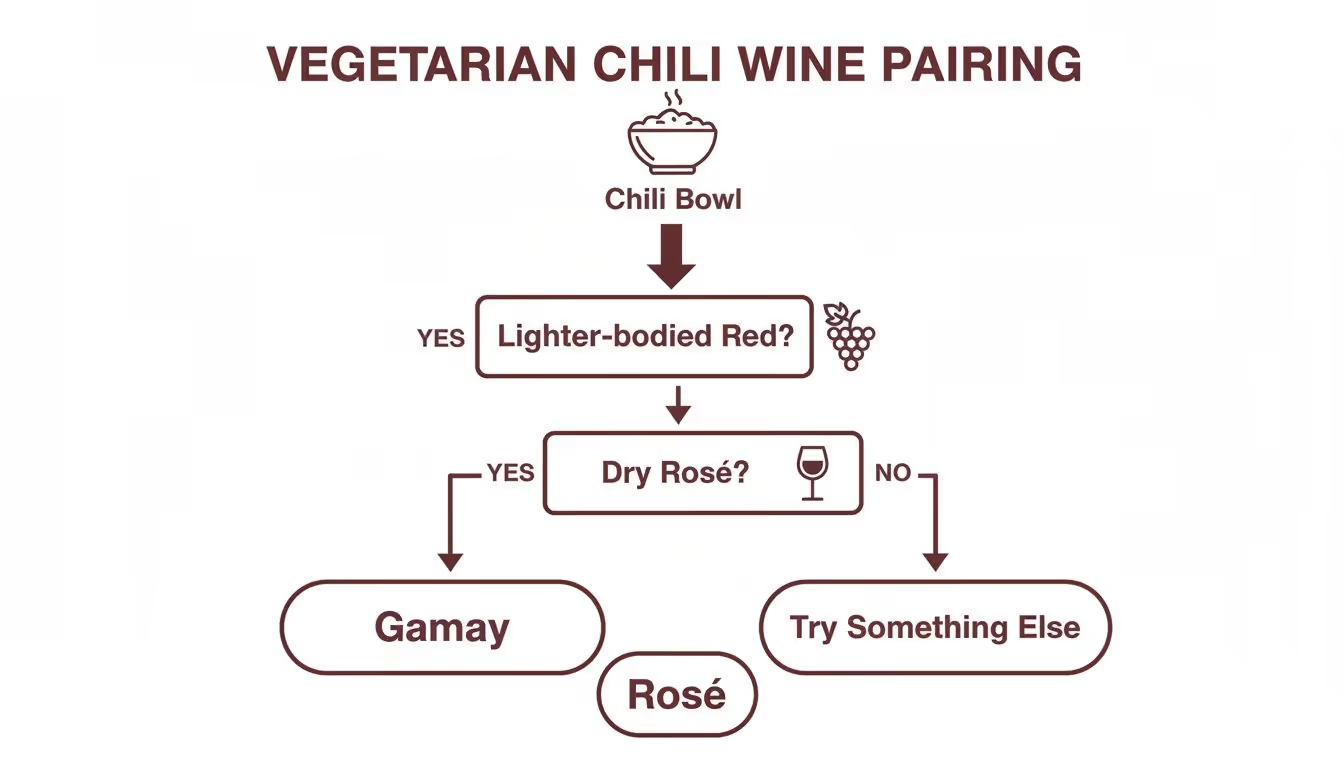
The flowchart highlights how both a lighter red like Gamay and a crisp Dry Rosé are excellent, stress-free choices. This is exactly the kind of on-the-spot decision that Sommy helps with, giving you personalized recommendations in seconds so you can stop guessing and start enjoying.
Common Chili and Wine Pairing Questions
Even with a few solid guidelines, you might still have a couple of questions. Here are some quick, reassuring answers to the most common last-minute doubts to give you that final boost of confidence.
What if My Chili Is Extra Spicy?
If your chili packs serious heat, your best friend is a wine with a touch of sweetness and lower alcohol. Think of an off-dry German Riesling. Its slight sweetness acts like a fire extinguisher for your palate, calming the burn with each sip.
A fruity, low-tannin red like a Gamay (the grape in Beaujolais) served slightly chilled also works wonders. Steer clear of high-alcohol wines, like a powerful Cabernet Sauvignon, which will only make the spice feel more intense.
Can I Drink White Wine With Red Beef Chili?
Absolutely! The old rule about "red wine with red meat" is just a suggestion.
A full-bodied white wine, like an unoaked Chardonnay, can be a fantastic match, especially if your chili is loaded with creamy toppings like sour cream or cheese. A dry Rosé is another great option that bridges the gap between red and white, bringing enough structure for the beef while keeping everything crisp and refreshing.
How Do Toppings Affect the Wine Pairing?
Toppings can definitely shift the pairing. If you’re piling on rich cheese or sour cream, a wine with good acidity becomes your priority. You need something that can cut through all that fat, like a Zinfandel or even a crisp white like Sauvignon Blanc.
If you add fresh, sharp toppings like raw onions or cilantro, a wine with herbal notes of its own can create a nice echo. A Carménère, for example, often has a subtle green bell pepper note that can harmonize beautifully. If you want to dive deeper into how a wine's structure interacts with food, check out our guide on what tannin in wine means.
Instead of trying to memorize all these rules, what if an app could just tell you the perfect wine for your specific chili? That’s what Sommy does. Just scan a wine list or a store shelf, and get an instant, personalized recommendation that matches your taste, your meal, and your budget. Find your perfect bottle confidently at https://www.sommy.ai.

EntreprEngineur. Runs on lattes. Creates with the intensity of a downhill run. Fast, slightly chaotic, ideally followed by a glass of wine.