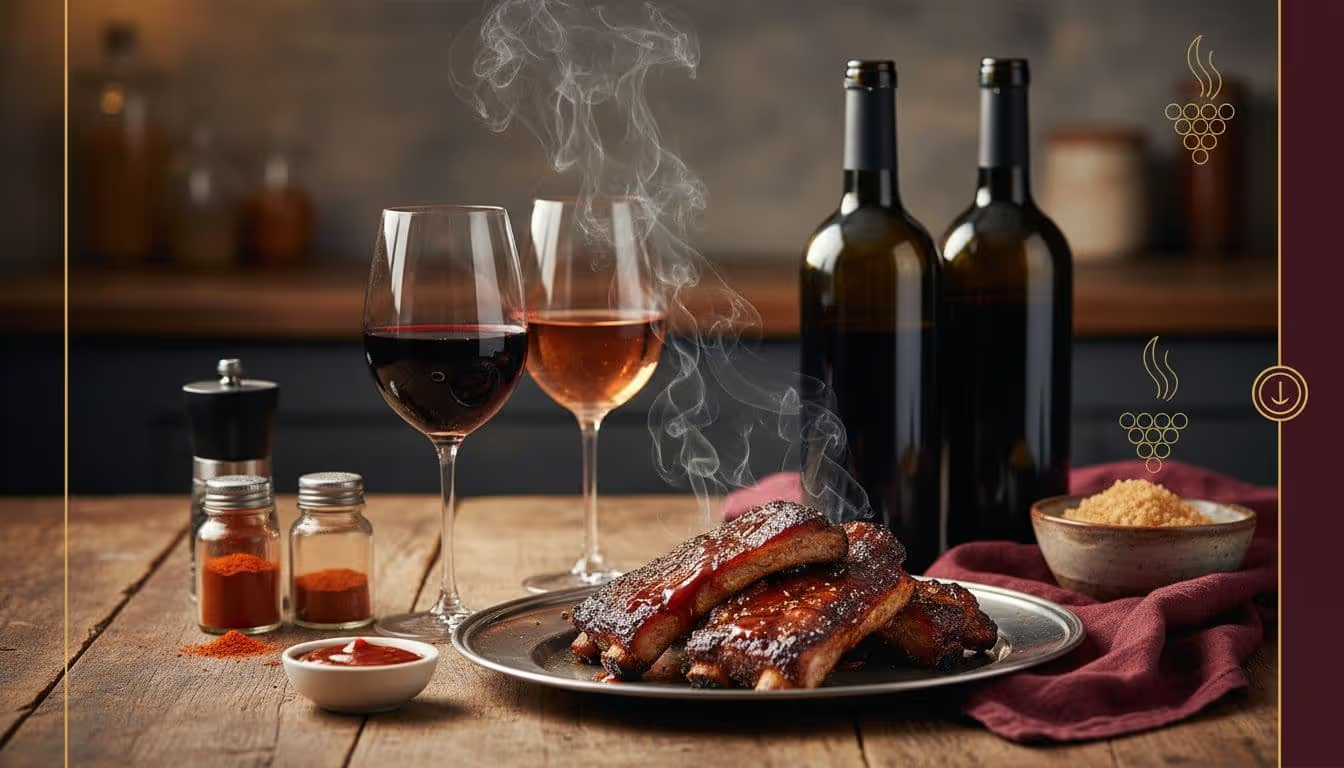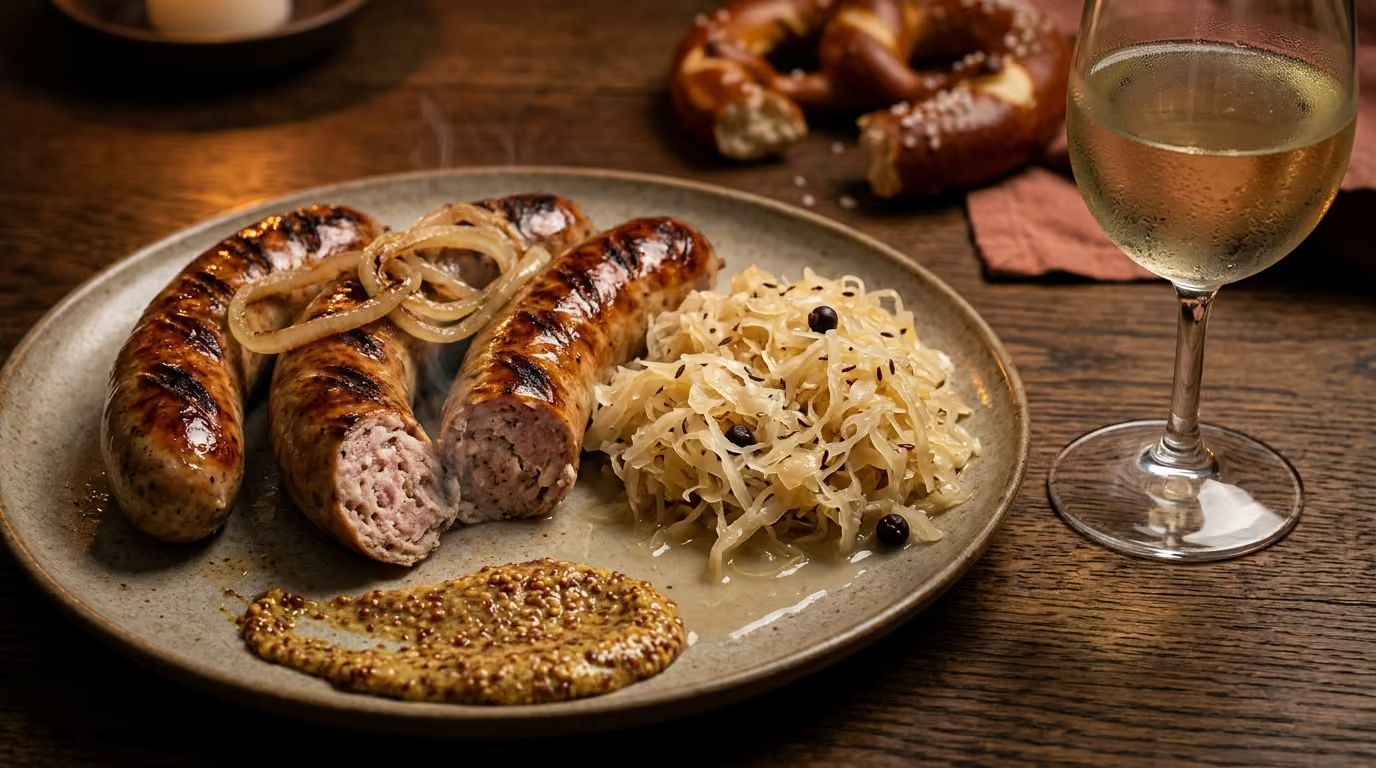


The best wine for your pork dish depends on the cut and how it's cooked. For lean pork like tenderloin or chops, a crisp white or a light-bodied red is a perfect match. For richer, fattier cuts like pork belly or saucy ribs, you’ll want a wine with enough bright acidity or bold fruit to cut through the richness. It’s that simple—match the weight of the wine to the weight of the dish.
Stop Guessing and Start Pairing with Confidence
You’ve planned the perfect pork dinner. Maybe it’s a slow-roasted shoulder for a Sunday get-together or quick, pan-seared chops for a weeknight meal. The food is sorted. But then you get to the wine aisle, and that familiar wave of doubt hits. Staring at a wall of bottles, the questions start spinning: "Will a red wine overpower this?" "Is a white wine the right choice?"
Feeling overwhelmed at that moment is completely normal. Wine can feel unnecessarily complex, but pairing it with pork doesn’t have to be a stressful decision. The secret isn't about memorizing grape varieties or regions; it’s about understanding one simple idea.
The Core Principle: Match Weight, Contrast Flavor
Think of it like a conversation. A delicate, lean pork tenderloin has subtle flavors. Pairing it with a huge, bold Cabernet would be like shouting over a whisper—the pork’s gentle notes would be completely lost. It needs a partner that complements its character, like a crisp Sauvignon Blanc or a light-bodied Pinot Noir.
Now, flip that around. A rich, fatty piece of pork belly or smoky BBQ ribs brings intense flavors that need a wine that can hold its own. A weak, simple white wine would taste like water next to that kind of power. You need something with enough acidity or fruit to cut through the richness and cleanse your palate between bites.
This guide is designed to remove that anxiety by giving you a straightforward framework. We’ll walk through how to apply this "match the weight, contrast the flavor" idea to different cuts and preparations of pork. You don’t need to become a wine expert to make a great choice; you just need a little guidance to feel confident. For more on the fundamentals, check out our general guide on how to pair wine with food.
A Simple Decision-Making Tool
This visual guide breaks down the pairing process based on whether your pork dish is lean or rich, helping you quickly land on the right style of wine.
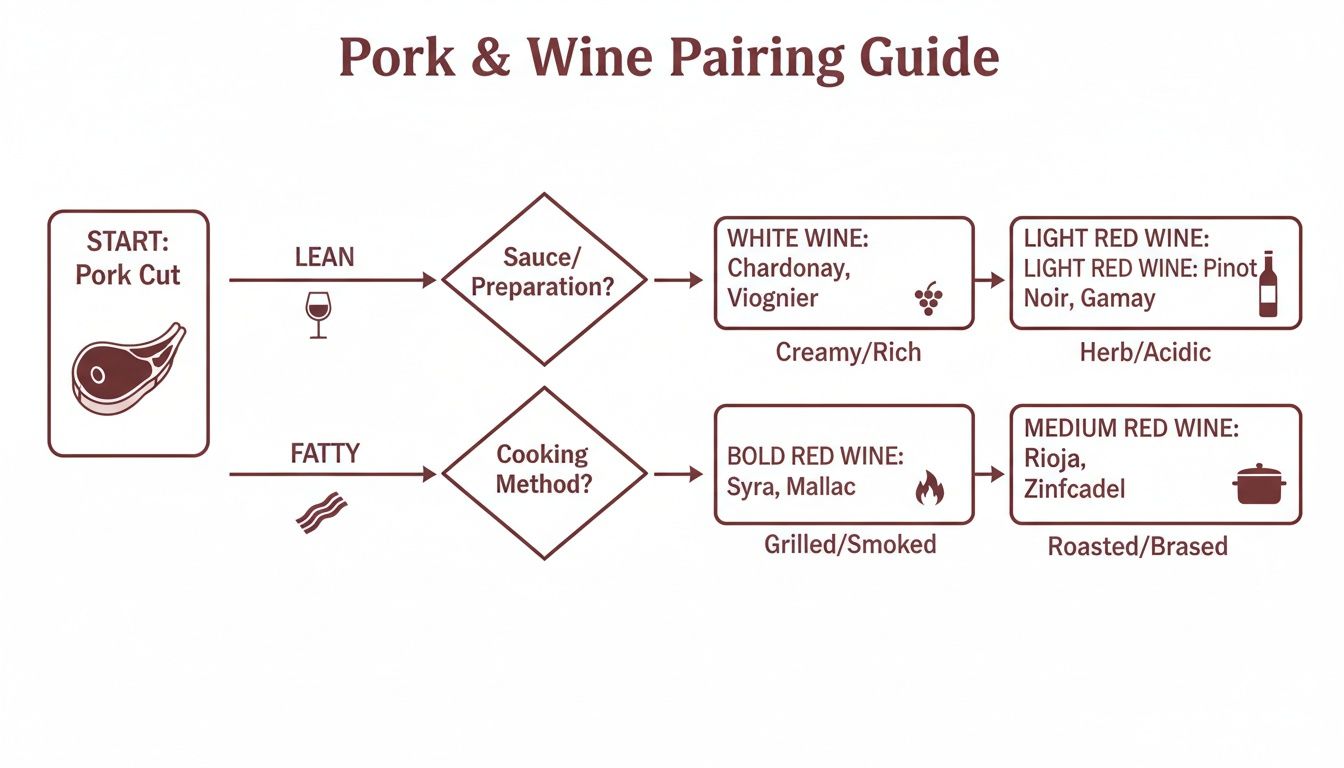
As the flowchart shows, your first decision point is the cut of pork. That single choice directly points you toward the best wine styles for a balanced, delicious pairing.
Pork is incredibly versatile, which makes it one of the most wine-friendly meats out there. This is why certain wines, like Pinot Noir, have become go-to choices all over the world. Its bright acidity and red fruit notes are the perfect complement to the subtle sweetness of pork chops or tenderloin, enhancing the dish without stealing the show.
Quick Guide to Pork and Wine Matches
For those moments when you just need a quick answer, this cheat sheet connects common pork styles to reliable wine types. It's the perfect tool for at-a-glance decision-making so you can choose confidently.
| Pork Style | Go-To Wine Choice | Why It Works |
|---|---|---|
| Roasted Loin/Tenderloin | Dry Riesling or Pinot Noir | The wine's bright acidity cuts through the lean meat without overpowering it. |
| Braised Shoulder/Shank | Medium-bodied reds (e.g., Chianti) | The wine's earthy notes complement the slow-cooked, savory flavors. |
| Grilled Chops/Ribs | Zinfandel or a fruity Rosé | The bold fruit in the wine stands up to smoke and char, while acidity handles the fat. |
| Rich Pork Belly | German Riesling or Sparkling Wine | High acidity and a touch of sweetness slice through the intense richness and refresh the palate. |
| Char Siu (Chinese BBQ) | Off-dry Gewürztraminer | The wine's aromatic spice and slight sweetness match the hoisin and five-spice flavors. |
| Sausages (Bratwurst/Italian) | Beaujolais or a crisp Lager | Light, fruity reds and beers offer a refreshing contrast to the salt and fat in sausages. |
Think of this table as your starting point. The best pairing is always the one you enjoy the most, so don't be afraid to experiment.
Choosing Wine for Roasts and Lean Cuts
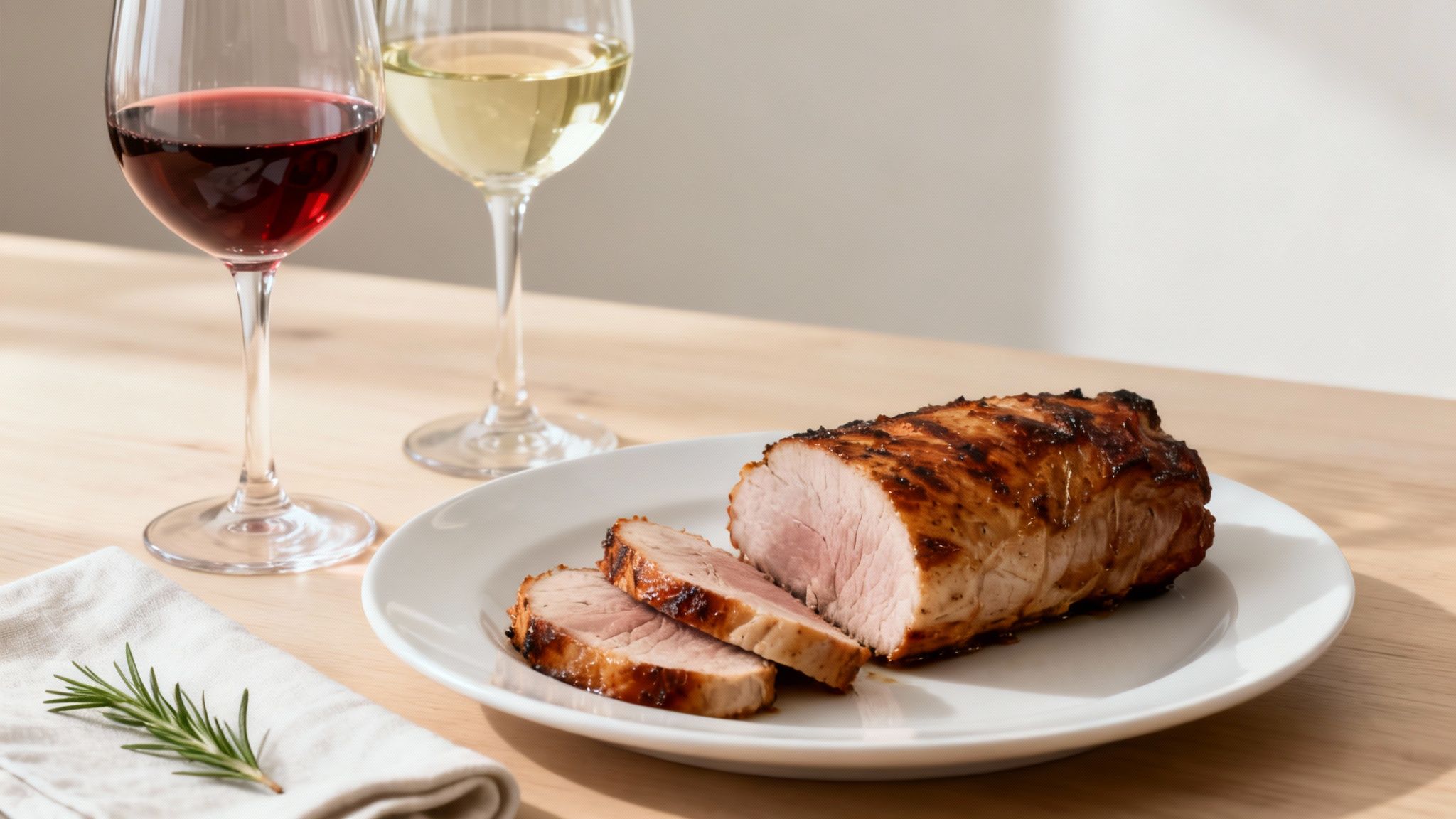
When you’ve got roasted pork loin, tenderloin, or simple pan-seared chops on the menu, you’re working with delicate, savory flavors. The mission is to find a wine that complements those subtleties, not one that shouts over them. Think of the wine as a supporting character—it’s there to make the main dish shine.
This is where you can confidently reach for lighter, brighter wines. Roasting and pan-searing keep the pork’s flavor clean and lean. A heavy, powerful red would simply bulldoze over all those beautiful nuances. Instead, you need a wine with enough acidity to act like a squeeze of lemon, brightening everything up and keeping your palate refreshed with every bite.
Top Wine Choices for Roasted Pork
For red wine drinkers, the choice is classic and clear. Medium-bodied reds are your best friends here. They have enough fruit and structure to stand with the pork, but they’re gentle enough not to take over.
- Pinot Noir: This is a can’t-miss option. Its bright red fruit flavors—think cherry and raspberry—along with a subtle earthiness are a natural fit for the savory notes in roasted pork.
- Gamay (like Beaujolais): Often described as light and juicy, Gamay is another fantastic choice. It’s vibrant, easy-drinking, and won't clash with lean meat.
If you're a white wine fan, you'll want something crisp and clean. A wine that's too oaky or buttery can feel heavy and clumsy next to lean pork. Instead, look for unoaked styles that bring pure refreshment to the table.
- Unoaked Chardonnay: Think Chablis from France or other cool-climate Chardonnays. These wines have notes of green apple and citrus with a mineral-like finish that cuts through the richness of the pork beautifully.
- Dry Riesling: Don't assume all Riesling is sweet. A dry Riesling is incredibly refreshing, with high acidity and flavors of lime and green apple that perfectly lift a plate of roasted pork.
The principle is simple: match the delicacy of the dish with a delicate wine. Roasted pork loin is elegant, so it deserves an elegant partner.
Making the Right Choice at a Restaurant or Store
Seeing these names on a wine list should feel like a relief. If you spot a Pinot Noir or an unoaked Chardonnay, you have a safe and delicious bet for your pork loin or chops. In a wine shop, look for those grape names and check the descriptions. If you see words like "bright," "crisp," or "red berries," you're on the right track.
When in doubt, just ask for a medium-bodied red with good acidity or a dry, crisp white wine. You don’t need to use fancy wine language; just describe what you're looking for.
This is exactly the kind of in-the-moment decision that Sommy is built to handle. Instead of trying to recall these tips under pressure, you can scan a restaurant wine list or a bottle in the store. The AI will instantly highlight the best options that fit this style of wine and pork pairing, tailored to your own taste. For a deeper dive into pairing with this specific cut, check out our guide on what wine goes with pork tenderloin.
Pairing Wine with Rich and Fatty Pork Dishes
When the menu features the decadent side of pork—think melt-in-your-mouth pork belly, slow-braised shoulder, or anything in a rich sauce—the pairing rules shift. These dishes aren't about subtlety. They’re defined by luxurious textures and deep, savory flavors.
Your goal is to find a wine that can cut through all that richness, cleansing your palate and getting you ready for the next delicious bite. Think of it like adding a squeeze of fresh lemon to a heavy dish; the acidity just wakes everything up. A wine with high acidity does the same thing. It keeps the meal from feeling heavy and makes sure every bite is just as good as the first.
Why Acidity is Your Best Friend
Richness in food often comes from fat. It coats your mouth and can start to dull your taste buds over a meal. A wine with good acidity slices right through that fatty coating, resetting your palate. This creates a refreshing contrast that makes the whole experience feel balanced and lively instead of just heavy.
Without enough acidity, a wine will taste flat and lifeless next to a rich pork dish. The wine’s flavors will simply get steamrolled by the intensity of the food.
White Wines That Cut Through Richness
Here are a few styles to look for:
- Pinot Gris (from Alsace): This has more body and texture than its lighter Italian cousin, with notes of stone fruit and a hint of spice. It has enough weight to stand up to the pork and all the acidity needed to handle the fat.
- Dry Riesling: An off-dry or dry Riesling is a champion with rich pork. Its electrifying acidity and notes of citrus and green apple are incredibly refreshing.
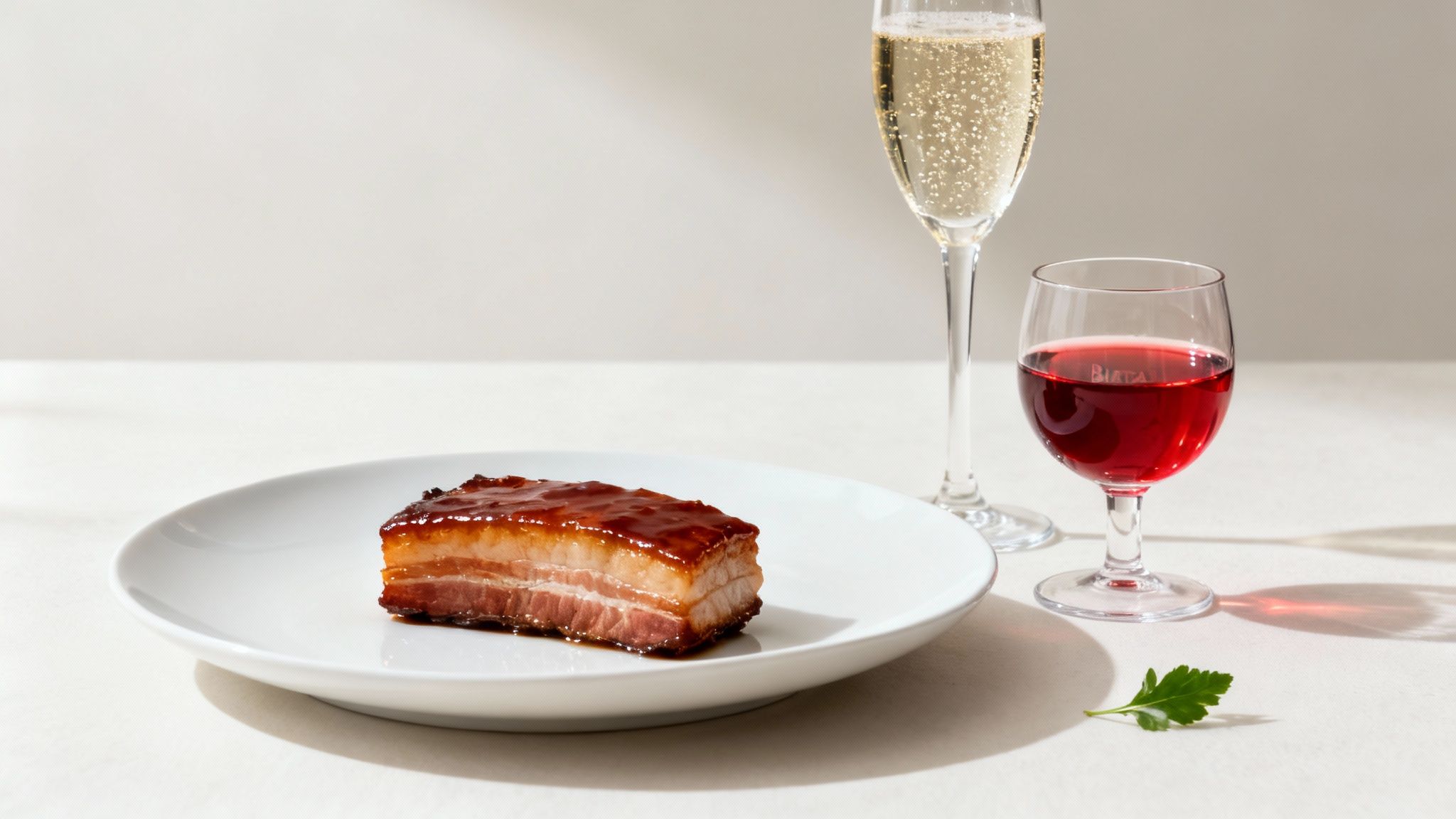
- Albariño: This Spanish white is known for its bright, saline acidity and citrus flavors, making it a perfect palate-cleanser for something like crispy pork belly.
- Sparkling Wine: Never underestimate a dry sparkling wine. Something like Cava or Champagne is an excellent option, as the bubbles and high acidity work together to literally scrub your palate clean.
Choosing a wine for a rich pork dish isn't about power; it's about precision. You need a wine that can act like a sharp knife, cleanly slicing through the fat.
Red Wine Options for Rich Pork
If you’re set on a red wine, you still want to prioritize acidity over heavy tannins or overwhelming oak. The goal is the same: find a wine that refreshes, rather than weighs down, the pairing.
- Barbera: An Italian grape from the Piedmont region, Barbera is famous for its high acidity, low tannins, and juicy red cherry flavors. It’s a brilliant match for braised pork or dishes with rich sauces.
- Gamay (Beaujolais): Light in body but packed with bright red fruit and vibrant acidity, Gamay is another great choice that won’t overpower the dish.
These choices show that a great wine and pork pairing for rich dishes is all about contrast. To see how the game changes for saucier styles, check out our guide on pairing wine with BBQ ribs and pulled pork. This is exactly the kind of decision Sommy helps with. Just scan the wine list, tell the app you’re having pork belly, and it will instantly point you to the bottles with the bright acidity needed for a perfect match.
Matching Wine with Grilled and Barbecued Pork
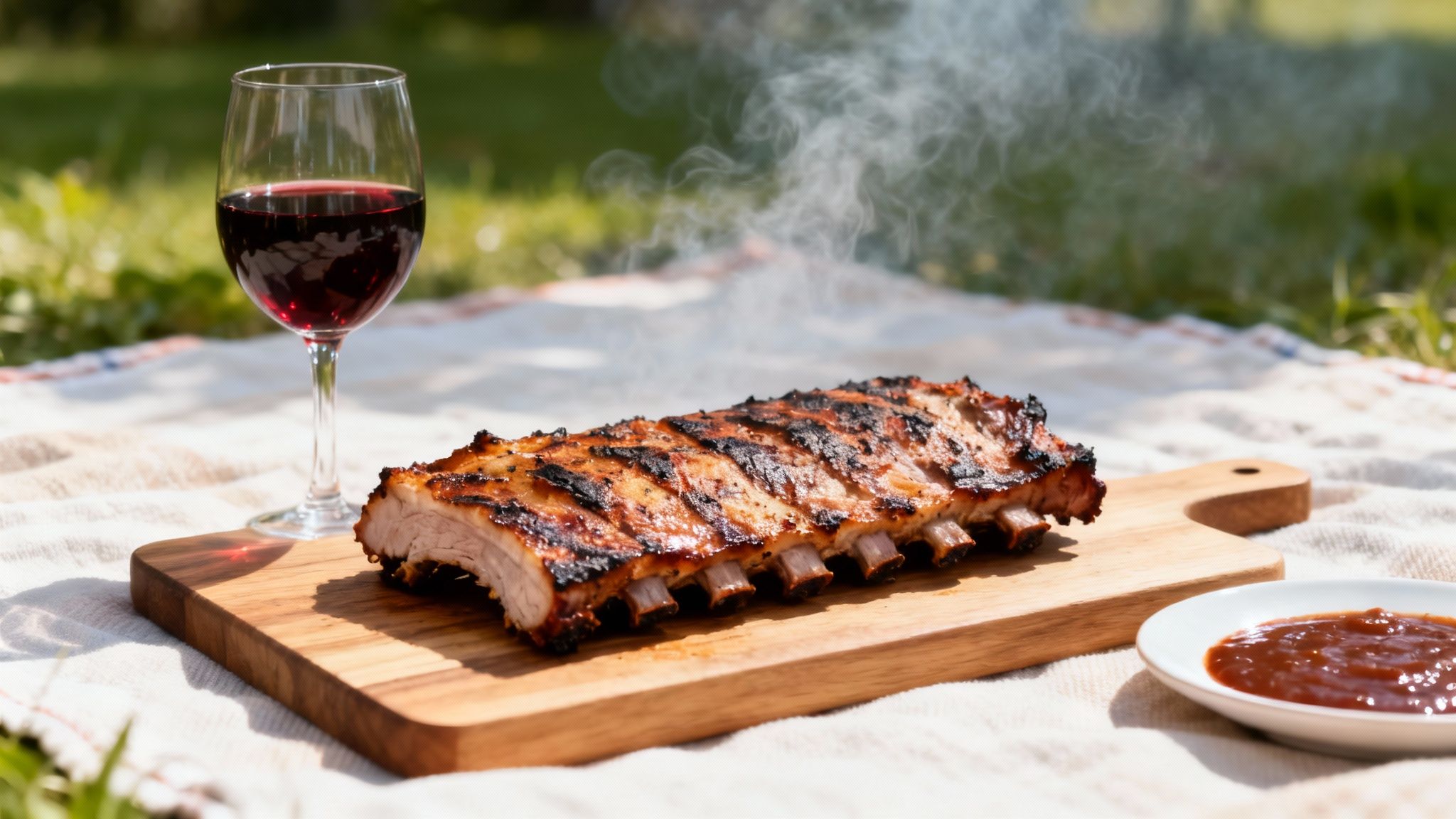
When smoke, char, and bold BBQ sauce enter the picture, the wine pairing rules get a complete rewrite. Those delicate wines that were perfect with a simple roast will get completely bulldozed. This is where you need to reach for a wine with some real personality—specifically, a fruit-forward red that can go toe-to-toe with the intensity of the grill.
Throwing a rack of ribs or some saucy pork chops on the fire introduces a powerful mix of sweet, smoky, and sometimes spicy notes. A simple white wine will taste flat, and a red with harsh, drying tannins can create a bitter clash with the smokiness. The goal is to find a wine with enough ripe fruit to complement the sauce and enough character to match the grill's intensity.
Go-To Reds for Your Next Cookout
Don’t overthink it. There are a few reliable reds that are practically made for barbecued pork. These bring juicy fruit flavors and a smooth texture that works in harmony with all that smoky, saucy goodness.
- Zinfandel: This is the classic, can't-miss choice for BBQ ribs. Zinfandel is famous for its jammy blackberry and cherry flavors, often with a kick of black pepper or spice. It has just enough body and fruit to stand up to sweet and tangy sauces.
- Grenache (or GSM Blends): Offering ripe red fruit flavors like strawberry and raspberry with a soft, smooth finish, Grenache is a real crowd-pleaser. When blended with Syrah and Mourvèdre (a GSM blend), it gets a bit more structure and spice, making it another fantastic choice for anything off the grill.
These wines work so well because their ripe fruit profile almost acts like a fruit-based sauce itself—think of a cherry or plum glaze, which is a natural fit for pork. They bring enough flavor to the party without adding harsh tannins that would clash with the char.
Why Fruit-Forward Is The Key
The principle here is simple: bold flavors need a bold wine. The jammy, fruit-packed nature of Zinfandel and Grenache is the perfect counterpoint to the smoky, savory, and sweet notes of grilled pork.
For grilled and barbecued pork, your wine should feel like a part of the dish. Think of a fruity red as the final layer of glaze that ties all the smoky, sweet, and savory flavors together.
Making a Confident Choice
When you're at the store, look for a California Zinfandel or a French Grenache (often from the Southern Rhône). You don't need to break the bank; many excellent, value-driven bottles deliver the exact fruit-forward profile you need for a cookout. On a restaurant menu, these are safe bets that will almost certainly work with any grilled pork item.
This kind of pairing, where the sauce and cooking style are so important, can feel tricky. If you're curious about similar flavor dynamics, you might want to read our guide on choosing wine for Korean BBQ, which operates on many of the same principles. The Sommy app helps you make a quick, confident decision by scanning the wine list or bottle label, instantly showing you which options have the right profile for your meal and your personal tastes.
Let an AI Assistant Handle the Decision
Trying to remember all these guidelines while a server is waiting or you're rushing through the grocery store can feel like studying for a test. It doesn't have to be that complicated.
Instead of memorizing rules, you can get a confident answer in seconds. This is exactly the kind of in-the-moment decision Sommy was designed to help with. It acts as your personal wine assistant, removing the anxiety that comes with making the "wrong" choice.
The goal isn’t to become a wine expert. It’s about getting a great recommendation, quickly and calmly, so you can focus on enjoying your meal.
How It Works at the Table
Imagine you're at a restaurant, ready to order the slow-braised pork shoulder. Instead of guessing your way through the wine list, you just grab your phone.
Here’s how Sommy simplifies your wine and pork pairing decision:
- Scan the List: Point your phone’s camera at the wine list. Sommy reads all the options instantly.
- State Your Meal: Tell the app you’re having pork. You can even get specific, like "pork belly" or "grilled pork chops."
- Get a Personal Match: Sommy immediately highlights the top 2-3 best options for your dish, based on your own taste preferences that it learns over time.
The process is just as easy in a wine shop. A quick scan of a bottle's label will tell you if it’s a good fit for your planned dinner and if it lines up with the styles of wine you already know you enjoy.
It’s not about finding the single “correct” wine. It’s about finding a wine that you will love with your meal, removing the pressure to perform or impress anyone.
Confidence in Your Pocket
This whole approach turns a moment of potential stress into a simple, satisfying choice. There's no need to recall the difference between a Zinfandel and a Grenache when you're just trying to order dinner.
The app handles the complex part of the decision behind the scenes, leaving you with a clear, confident recommendation. It’s like having a trusted friend who knows your taste and can quietly point you toward the perfect bottle every time.
If you want to see more about how this works, learn how an AI wine assistant can simplify every wine choice you make. The best pairing is one that makes you feel relaxed and happy, and that’s what having a tool like this is all about.
Common Questions About Wine and Pork Pairing
Let's tackle a few of the questions that come up all the time. The goal here is to give you direct, simple answers so you can make a great choice without getting lost in wine-speak.
What Is the Best All-Around Wine for Pork?
If you need one bottle that works with almost any pork dish, grab a dry Rosé. It has the crisp acidity of a white wine to cut through fat and the gentle red berry notes of a red to complement the savory meat.
Another fantastic go-to that almost never fails is a good Pinot Noir. Think of both of these as your "safe bet" wines. They're flexible, crowd-pleasing, and can handle a whole range of pork dishes from chops to a light roast.
Does Red or White Wine Go Better with Pork?
Neither is "better"—it's all about the dish. The old rule about "white wine with white meat" doesn't apply here. The cut of the pork and how you cook it matter so much more.
Leaner, delicate cuts like pork tenderloin are beautiful with a crisp white wine that won't overpower them. But if you're serving up smoky, saucy BBQ ribs, you'll want a bold, fruity red to stand up to all that flavor. Just match the weight of the wine to the richness of the dish.
What Wine Should I Pair with Spicy Pork?
When you're dealing with spice—think chili rubs or a fiery glaze—you want a wine with a touch of sweetness and lower alcohol. An off-dry Riesling is usually the top pick.
That hint of sweetness is like a secret weapon; it cools down the heat from the spice and makes the whole pairing feel incredibly refreshing. You'll want to steer clear of high-alcohol reds, as the alcohol can actually make the spice feel hotter on your palate.
How Does Sommy Help Me Choose a Wine for Pork?
Sommy takes all this thinking off your plate. Instead of trying to recall these tips in a loud restaurant or a crowded wine shop, you get a solid recommendation in seconds.
Sommy cuts right through the guesswork. Just open the app, snap a picture of the restaurant's wine list, and tell it you're having pork. It immediately analyzes the list and points out the top 2-3 best bottles for you, based on your own taste. It gives you a clear, confident choice so you can get back to enjoying your meal.
If you're tired of guessing and want help choosing the right wine in the moment, that’s exactly what Sommy was built for. Get a personal recommendation from any wine list or store shelf at https://www.sommy.ai.