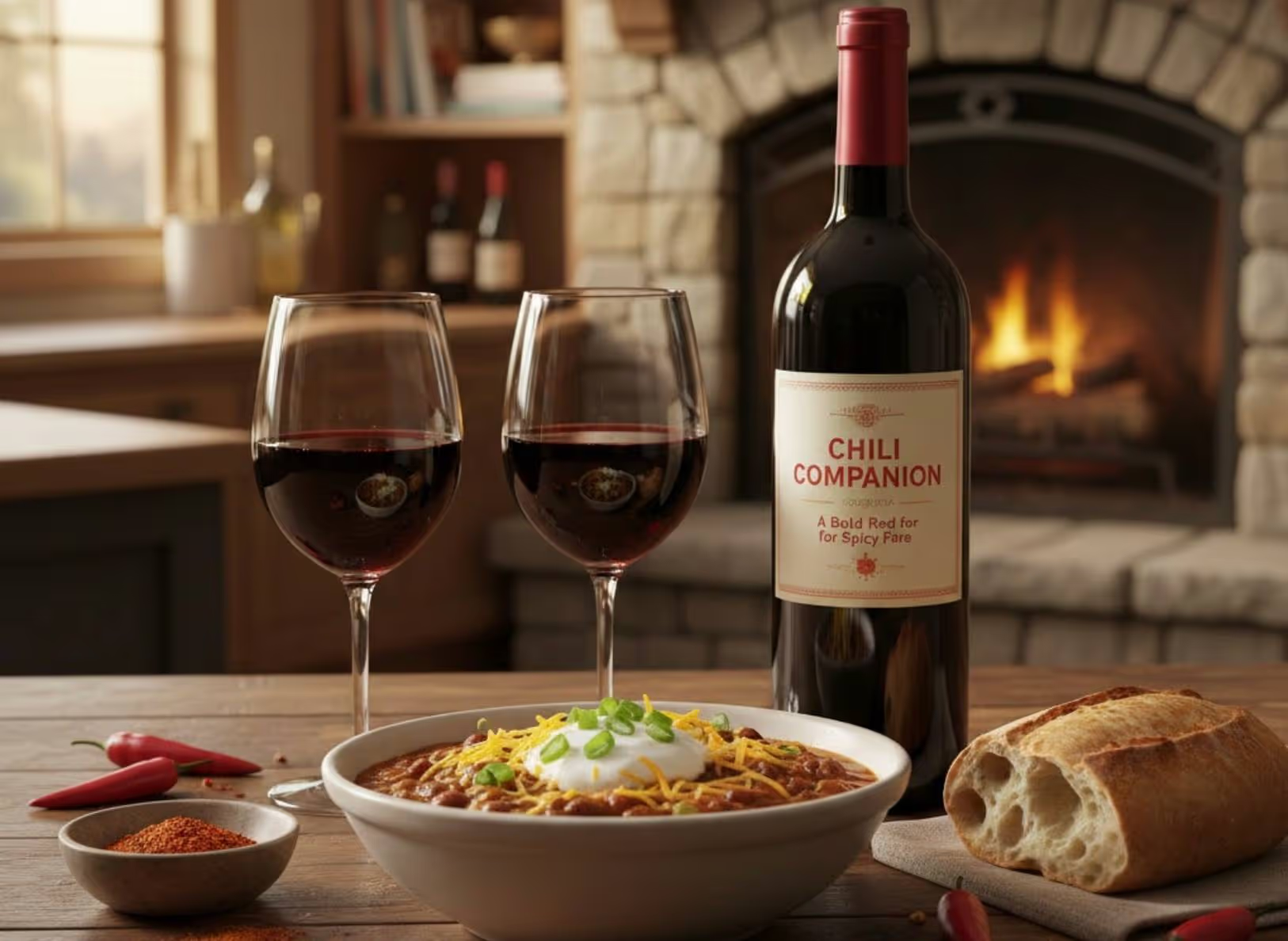

Chili night is supposed to feel cozy, not like a pop quiz. Here’s the core answer: beef chili likes a juicy, low-tannin red, turkey chili does best with a lighter red or dry rosé, and veggie chili pairs cleanly with a crisp white or rosé. If toppings are going wild (cheese, sour cream, jalapeños), choose something “topping-proof” like sparkling wine, chilled rosé, or a fruit-forward red that stays smooth.
This is a practical wine pairing guide for real life, with clear wine recommendations you can use in a store aisle or on a wine list.
The 60-second way to choose wine with chili

If you only remember one thing about wine with chili, make it this: match the wine to the weight of the chili, then protect yourself from heat and toppings.
Here’s how to choose wine without learning “wine rules”:
- Weight (hearty vs. light): beef chili can handle a fuller red, turkey and veggie do better with lighter styles.
- Heat (mild vs. spicy): spice makes tannins feel rough, and alcohol can feel hotter. Pick smoother reds or something chilled.
- Toppings (creamy, salty, tangy): sour cream and cheese love wines with lift (bubbles, freshness, or bright fruit).
Quick cheat sheet:
Chili typeBest easy wine styles“In plain English” cueBeef chiliJuicy, smooth red“Low-tannin, lots of berry”Turkey chiliDry rosé, light red“Fresh, not heavy”Veggie chiliCrisp white, rosé“Bright and clean”Topping-heavy bowlsSparkling, rosé, smooth red“Refreshing, not bitter”
If you want this to get even easier over time, building your taste vocabulary (your way, not sommelier-style) helps. This is exactly what Simple steps to build your wine preferences is for.
Wine recommendations for beef chili (rich, meaty, smoky)
Beef chili has bass notes: browned meat, tomato, cumin, maybe a little smoke. The wine shouldn’t be sharp or overly “grippy.” Think of the pairing like choosing music for a road trip, you want momentum, not noise.
Easy picks that usually work:
- Fruit-forward, low-tannin red blends: smooth, dark-fruit energy, less drying on the tongue.
- Grenache-based reds (often labeled as Grenache or GSM blends): juicy red fruit, soft edges.
- Zinfandel (especially if your chili is smoky or slightly sweet): bold fruit, cozy feel, still friendly with spice when it’s not too tannic.
- Malbec (go for “plush” over “powerful”): works when the chili is beefy but not insanely hot.
Simple wine tips for the store or restaurant: aim for words like “juicy,” “smooth,” “fruit-forward,” and skip bottles described as super tannic or aggressively oaky. Those can turn spicy chili into a mouth-drying tug-of-war.
Easy picks for turkey chili (lighter, brighter, still cozy)
Turkey chili is leaner, and it often has brighter flavors (lime, green chiles, white beans). Big heavy reds can feel like winter boots on a spring day.
Go-to options:
- Dry rosé: crisp, food-friendly, and forgiving if your toppings get creamy.
- Pinot Noir: light, smooth, and usually a safe “red drinker” choice for turkey.
- Gamay (often sold as Beaujolais): bright red fruit, low tannin, easy with spice.
This is beginner-friendly wine advice that saves you from the most common mistake: choosing the same heavy red you’d pour for steak.
Wine with veggie chili (beans, veg, tomato, and spice)

Veggie chili can swing in a lot of directions. Some versions are tomato-bright and tangy, others are smoky with chipotle, and many are packed with beans and corn sweetness.
The safest, easiest matches:
- Crisp white wine (dry Riesling is a classic, but any crisp, not-too-oaky white works): it cuts through beans and tomato without feeling heavy.
- Dry rosé: especially good if you add avocado, cheese, or a squeeze of lime.
- Light red (Pinot Noir or Gamay): best when the veggie chili leans smoky or roasted.
If you’re hosting, veggie chili plus rosé is a crowd-pleaser because it doesn’t “pick a side.” It drinks easily with many topping combos.
Topping-proof wines (because chili gets messy)

Toppings change everything. Sour cream mutes heat but adds richness. Cheddar adds salt and fat. Jalapeños add sharp heat. Cilantro and green onions add a fresh bite. So you want wines that can handle chaos.
Topping-proof options that stay friendly:
- Sparkling wine (dry): bubbles reset your palate after creamy bites, like a quick rinse between spoonfuls.
- Chilled dry rosé: the “always welcome” option, fresh enough for spice, sturdy enough for cheese.
- Off-dry Riesling (just a touch of sweetness): a small cushion for heat, without tasting like dessert.
- Juicy, low-tannin red served slightly cool: keeps the red-wine comfort, avoids the drying tannin problem.
If you remember nothing else, remember this piece of wine explained simply: spice and heavy tannin fight, so pick smoother reds or go chilled.
Restaurant wine tips for chili (or anything chili-like)
Chili at a restaurant might show up as chili fries, chili burger, chili oil, or a bowl with a “secret house spice.” Use these restaurant wine tips and you’ll sound clear without sounding fancy:
What to say when the wine list feels too big:
- “I want a smooth, juicy red that won’t feel bitter with spice.”
- “Do you have a dry rosé that’s crisp and not sweet?”
- “Sparkling is fine, I want something refreshing with a spicy, topped dish.”
These wine list tips keep you out of the danger zone (high-tannin reds and high-alcohol heat bombs).
Grocery store wine picks for chili night (no guessing)
For grocery store wine picks, you don’t need brand names. You need a plan.
A simple shelf strategy:
- Choose a style first (juicy red, dry rosé, crisp white).
- Keep alcohol moderate if you expect heat (spice can make alcohol feel louder).
- When in doubt, pick something you’d enjoy even without the food.
If you want extra confidence, using a scanner can help you sort fast. How wine label scanning works is a practical way to get wine app suggestions when you’re standing there thinking, “Please don’t let this be a mistake.”
Wine tasting notes explained (only what you need for chili)
“Notes” don’t need to be poetic. Wine tasting notes explained for chili night comes down to four simple dials:
- Sweetness: a tiny bit can calm heat.
- Acidity: makes wine feel fresh, helps with tomato and rich toppings.
- Tannin: the drying feeling, too much plus spice equals regret.
- Body: how heavy it feels, match this to beef vs. turkey vs. veggie.
This is a beginner wine guide approach, and it’s also a modern wine guide mindset: you’re not studying wine, you’re just making a choice that feels good.
A calm way to make smart wine picks (without becoming a wine person)
If you want help choosing in the moment, this is exactly what an AI wine assistant is good at. Sommy can turn your taste into smart wine recommendations, with personalized wine picks and personalized wine recommendations that fit your chili, your heat level, and your toppings. It’s wine explained simply, with simple wine explanations and everyday wine advice that reduces the “what if I’m wrong?” feeling.
When you’re ready, use Sommy for smart wine picks at the shelf or table: https://www.sommy.ai/post/wine-scanner-app

.avif)