The single most important rule for pairing desserts with wine is simple: the wine should always be sweeter than the dessert. This one guideline is your key to success. It prevents the most common pairing mistake, where a less-sweet wine tastes flat or bitter next to a sweet treat. Following this rule removes the pressure and makes it easy to find a delicious match.
Your Stress-Free Guide to Dessert Pairings
You’re looking at the dessert menu, then back at the wine list, and that familiar sense of uncertainty hits. Will this wine work? Is this the right choice? It’s a common feeling, but choosing the right wine for dessert doesn’t require expert knowledge. The solution is much simpler than you think.
The goal is always balance. If you take a bite of rich chocolate cake and then sip a dry red wine, the wine will suddenly taste sour. The dessert’s sugar overpowers the wine’s fruit flavors. But when that same bite of cake is followed by a sip of a true dessert wine, the wine’s sweetness stands up to the dessert, creating a balanced and enjoyable experience.
Three Simple Steps to a Perfect Pairing
Beyond the golden rule of "sweeter wine," two other quick guidelines will help you find the perfect pairing every time. Use these three simple checks to make a confident choice on the spot.
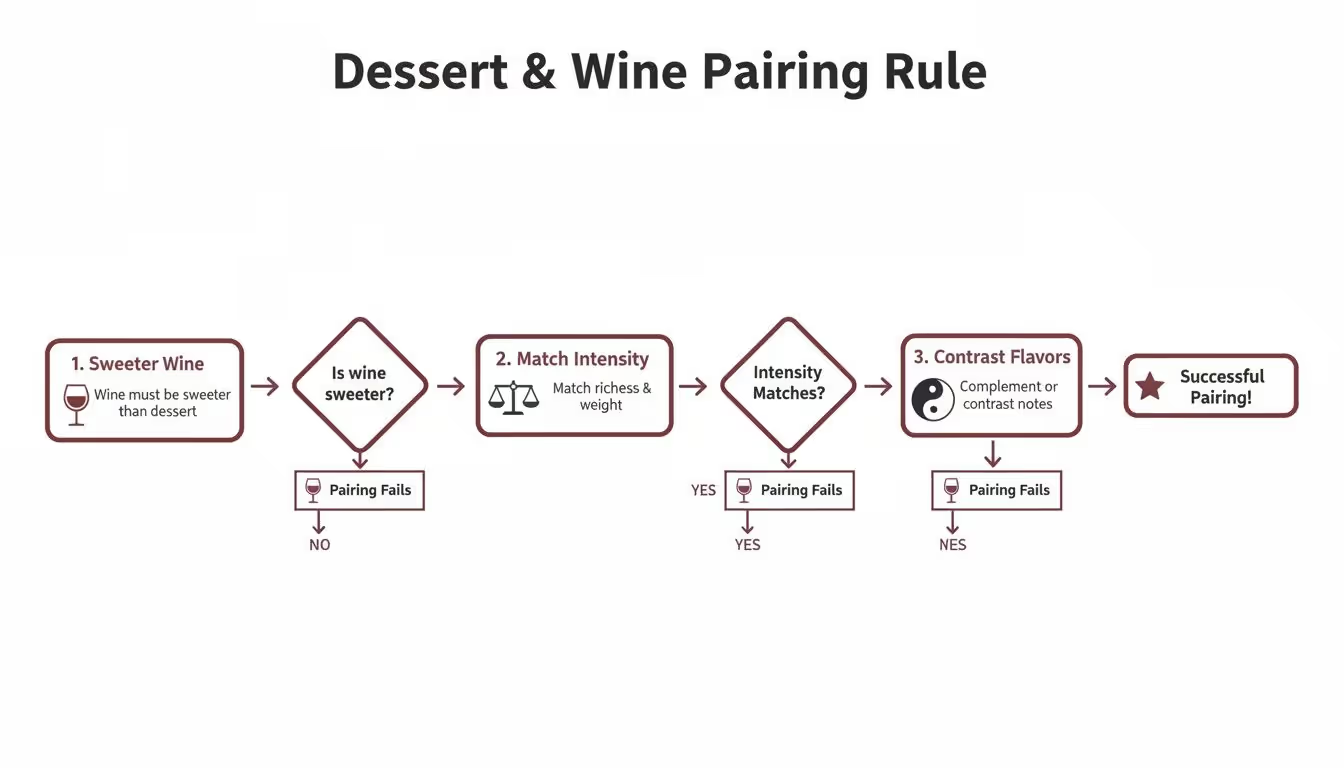
This simple process lets you confidently pick a wine that makes your dessert shine.
By keeping these three points in mind, you can move past the overwhelming feeling of a long wine list and focus on what matters: enjoying your meal. These aren't stuffy rules; they're simple ways to create a better experience. You can learn more about the fundamentals in our complete guide on how to pair wine with food.
The goal is harmony, not complexity. A good dessert wine pairing makes both the wine and the dessert taste better, creating an experience that's more delightful than either would be on its own.
Your Quick Pairing Cheat Sheet
Use this table to make a confident choice every time.
Remember these simple ideas, and you’ll make your next choice with calm confidence.
Here’s a quick recap to lock it in:
- Sweeter Wine First: Always start here. If the wine isn’t sweeter than what you’re eating, the pairing will likely fall flat.
- Match Intensity: Pair a light dessert (like a fruit sorbet) with a light-bodied wine. A rich dessert (like a dense chocolate cake) needs a full-bodied wine to hold its own.
- Contrast or Complement: You can either match flavors (like a caramel-noted wine with crème brûlée) or create a fun contrast (like a fizzy wine to cut through a rich, creamy panna cotta).
Choosing the Right Wine for Chocolate Desserts
Chocolate is a favorite dessert, but pairing it with wine can feel tricky. Its rich, sometimes bitter flavor can clash with the wrong wine. But you don't need to memorize a list of wines. Just think about the type of chocolate you're eating, and the right pairing becomes clear.
The trick is to match the chocolate’s intensity with the wine’s intensity. A powerful, bitter dark chocolate needs a wine that can stand up to it, while a delicate white chocolate needs something much gentler.
Pairing with Dark and Bittersweet Chocolate
Dark chocolate, especially with 70% or more cocoa, has complex, earthy notes and a bitterness that will flatten a light wine. For this pairing, you need a wine with enough body and flavor to match it.
A rich, sweet, fortified wine like Port is the classic choice for a reason. Its deep fruit flavors—like blackberry and raspberry—and its sweetness create a perfect counterpoint to the chocolate's bitter edge.
A great wine pairing with dark chocolate shouldn’t fight the dessert—it should meet it at its level. The wine’s robust fruit and sweetness create a bridge to the chocolate’s intensity, making each bite and sip more enjoyable.
Picture a dense, flourless chocolate cake or a fudgy brownie. A glass of Port will have enough sweetness to slice through the cake's bitterness, while its bold fruitiness will make the deep cocoa flavors pop.
Pairing with Milk Chocolate
Milk chocolate is creamier, sweeter, and much less intense, so it pairs beautifully with wines that are lighter and softer. A big, tannic red would completely overwhelm it.
A Ruby Port is a fantastic partner here. It’s younger and fruitier than other Ports, with bright berry notes that work well with creamy chocolate. For something different, try a slightly sweet red wine with jammy, ripe fruit notes. If you want a fun, interactive experience, check out our guide on hosting a wine and chocolate fondue party.
Pairing with White Chocolate
White chocolate is all about cocoa butter, milk, and sugar, which makes it incredibly sweet and creamy. The right wine will complement these delicate flavors, not crush them.
A light, sweet, and fizzy wine like Moscato d'Asti from Italy is a brilliant match. Its notes of peach, pear, and citrus cut through the richness and lift the creamy flavors. Another great option is a Late Harvest Riesling. Its honeyed fruit character and bright acidity provide the perfect balance to the intense sweetness.
What Wine Goes With Fruit Tarts and Pies
Pairing wine with fruit desserts can seem like a guessing game. A zesty lemon tart is very different from a warm apple crumble. But the secret to a great pairing is simpler than you think.
Just focus on the fruit itself. The goal is to find a wine that complements the fruit’s character, making the combination feel bright and intentional.
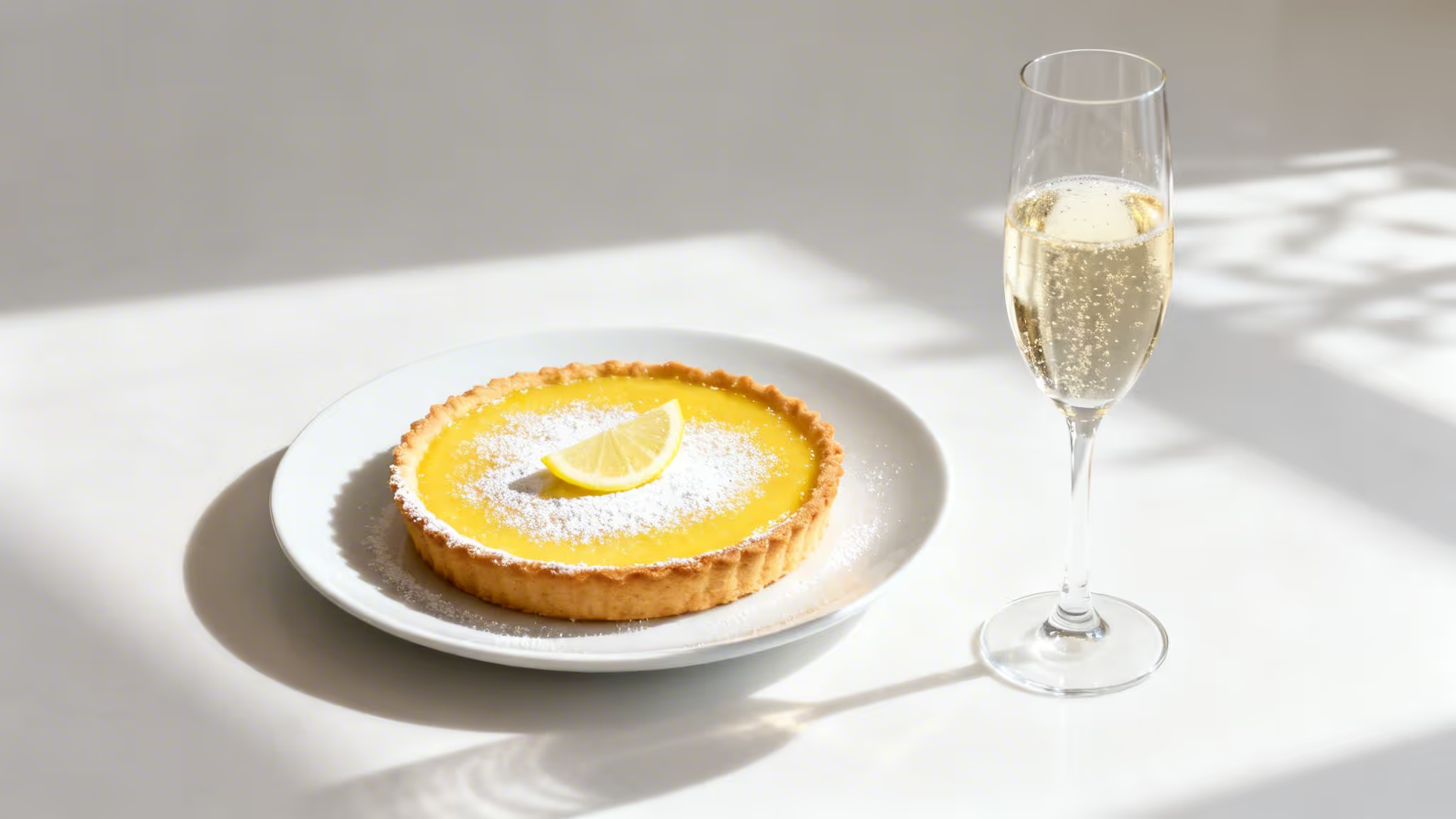
When you get it right, the wine makes the fruit taste even more vibrant.
For Tart and Zesty Fruits
Think lemon meringue pie, key lime tart, or a sharp raspberry sorbet. These desserts are all about refreshing acidity. The wine you choose has to match that energy.
If you pick a wine with low acidity, it will taste flat next to the dessert’s tang. You need a wine with its own zesty personality.
- Sweet Sparkling Wines: A Prosecco is a fantastic choice. Look for bottles labeled "Extra Dry" or "Dry"—counterintuitively, these are the sweeter styles. The bubbles and crispness cut through the sugar and echo the dessert's zest.
- Late Harvest Sauvignon Blanc: This wine takes the classic citrusy notes of Sauvignon Blanc and concentrates them into a sweet nectar. It’s a perfect partner for anything citrus-based.
The rule of thumb for tart desserts is simple: fight fire with fire. A high-acid dessert demands a high-acid wine. That’s how you get a balanced, mouthwatering experience.
For Sweet and Baked Fruits
Now, think about desserts with cooked or baked fruits—like apple pie, peach cobbler, or cherry crumble. The flavors are deeper, sweeter, and often have hints of spice.
These richer desserts call for a wine with a bit more body and complementary flavors.
- Sweet Riesling: A Late Harvest or German "Spätlese" Riesling is a classic for a reason. Its notes of honey, apricot, and baked apple harmonize beautifully with warm fruit desserts. Its bright acidity also keeps the pairing from feeling too heavy.
- Sauternes: This famous French dessert wine is pure luxury, with luscious flavors of honey, almond, and stone fruit. It's an unforgettable pairing with an apricot tart or a pear galette.
Pairing wine with fruit desserts is all about creating a partnership where both the food and the drink shine. For more inspiration, see our guide to the best fruity wines.
This is exactly the kind of in-the-moment decision Sommy helps with—taking the guesswork out of matching flavors so you can just enjoy the moment.
How to Pair Wine With Creamy Custards and Cheesecakes
Rich, creamy desserts like cheesecake, crème brûlée, or panna cotta are all about luxurious texture. But that richness presents a challenge: how do you find a wine that can slice through it without overwhelming the dessert’s delicate vanilla or caramel notes?
The secret weapon isn’t another flavor—it’s acidity.

Think of a wine with bright, crisp acidity as the perfect palate cleanser. It hits the reset button after each spoonful, preventing the creaminess from feeling too heavy and making you eager for the next bite.
Finding the Perfect Contrast
Acidity is the energetic side of a wine. When you pair that against a dense, creamy dessert, you create a beautiful contrast that makes both of them pop.
For a traditional New York-style cheesecake, a sweet sparkling wine is a brilliant move. The bubbles and high acidity cleanse your palate, while the wine’s light fruitiness offers a gentle counterpoint. Look for a Prosecco labeled "Extra Dry" or a Moscato d'Asti.
Leaning into Caramelized Flavors
For desserts with a crackly layer of burnt sugar, like crème brûlée, you can lean into complementary flavors instead. The goal is to find a wine that already has its own notes of honey, toasted nuts, and caramel.
- Sauternes: This legendary French dessert wine is a go-to for a reason. Its rich, honeyed character and notes of apricot and almond echo the flavors of caramelized custard perfectly.
- Vin Santo: An Italian dessert wine, Vin Santo brings nutty, caramel, and dried fruit flavors to the table. It creates a seamless and elegant pairing with crème brûlée or panna cotta.
These kinds of pairings are deeply woven into European dining culture. In fact, Europe is responsible for roughly 40% of the global sweet wine market. Timeless styles like Sauternes and Vin Santo have perfected the art of creating wines built for the end of the meal. You can discover more insights about the dessert wine market and see how these historic wines continue to set the standard.
When you’re pairing with custards, you’re not just matching flavors; you’re managing textures. The wine’s job is to provide a refreshing lift, ensuring the last bite is just as incredible as the first.
By focusing on either cutting through the richness with acidity or complementing the sweetness with similar notes, you can confidently find a great match. For more ideas, check out our guide on finding a good sweet wine.
And if you're stuck staring at a restaurant wine list, the Sommy app can scan it and give you a great match in seconds. No more guesswork.
Common Pairing Mistakes and How to Avoid Them
Knowing what not to do is often the fastest way to get confident. If you just sidestep a few common mistakes, you’ll land on a great match almost every time.
The goal isn’t to memorize fussy rules. It’s about understanding a couple of core ideas that keep things from going wrong. Think of it as a simple cheat sheet to make sure your last course is as good as your first.
The #1 Mistake: Dry Wine with a Sweet Dessert
This is the big one. We’ve all seen it happen: someone orders a gorgeous chocolate lava cake and pairs it with their leftover Cabernet Sauvignon from dinner. The result is a train wreck in your mouth.
When you take a bite of a sweet dessert, the sugar coats your palate. A sip of dry wine right after will taste jarringly bitter and acidic. The sugar in the food strips the fruit flavor from the wine, leaving only its harsh structure behind. It makes both the wine and the dessert taste worse.
Instead of this: A dry red like Cabernet Sauvignon or Merlot with chocolate cake.
Try this: A sweet, fortified wine like a Ruby Port. Its own sweetness stands up to the dessert, while its deep fruit flavors complement the chocolate.
Overwhelming a Delicate Dessert
Another classic misstep is pairing a powerful, syrupy-sweet wine with a light, airy dessert.
Imagine serving a delicate angel food cake with a heavy dessert wine. The wine’s intensity completely bulldozes the subtle flavors of the dessert. The cake suddenly tastes like nothing at all. You have to match power with power.
- The Mistake: A bold, syrupy dessert wine with a light lemon sorbet.
- The Solution: Grab a wine that mirrors the dessert’s weight. A light and fizzy Moscato d’Asti is a perfect partner for delicate sweets, lifting their flavors without stepping on their toes.
Forgetting About Acidity
Rich, creamy desserts like cheesecake or crème brûlée are delicious, but they can feel heavy. If you pair them with a wine that’s also rich but low in acid, the whole experience becomes cloying.
Acidity in wine is your secret weapon here. It acts like a spotlight, cutting through the richness and hitting the reset button on your palate. It keeps every bite feeling fresh and exciting.
- The Mistake: A buttery, sweet, low-acid white wine with a dense cheesecake.
- The Solution: Reach for a wine with a backbone of bright acidity. A sweet sparkling wine like a Demi-Sec Prosecco or a high-acid dessert wine like a Late Harvest Riesling will slice right through the creaminess.
Let an AI Assistant Handle the Decision for You
What if you could skip all the guesswork? This is where a little bit of tech can offer a simple, stress-free solution. Imagine having a personal wine pro in your pocket, ready to help the moment you glance at the dessert menu.
Instead of feeling that familiar rush of anxiety, you could just confidently make a choice. This is exactly the kind of in-the-moment support a good AI wine assistant provides.
How It Works in Real Life
Picture this: you're at a great restaurant, about to order the crème brûlée. You just tell an app like Sommy what you're having. Instantly, it scans the restaurant's wine list, cuts through all the noise, and points you to the best pairings available right there.
It's a growing need. The global dessert wine market is projected to hit $64.4 billion by 2033, and a lot of that growth is happening on premium restaurant menus. As more of us look for those memorable dining experiences, the pressure to choose the right sip to end the night only gets higher. You can learn more about the rise of dessert wines in fine dining and see why smart recommendations matter more than ever.
An AI assistant takes all that pressure off your shoulders. The best part? It learns your personal taste preferences over time, so its suggestions get even better with each use. Think of it as a calm little tool designed to end decision fatigue, helping you discover wines you’ll actually love without needing to study for it.
If you want to choose wine confidently in any situation, Sommy can help. Instead of guessing, get a personalized recommendation in seconds at https://www.sommy.ai

EntreprEngineur. Runs on lattes. Creates with the intensity of a downhill run. Fast, slightly chaotic, ideally followed by a glass of wine.