
Carbonic Maceration: What It Tastes Like and How to Spot It
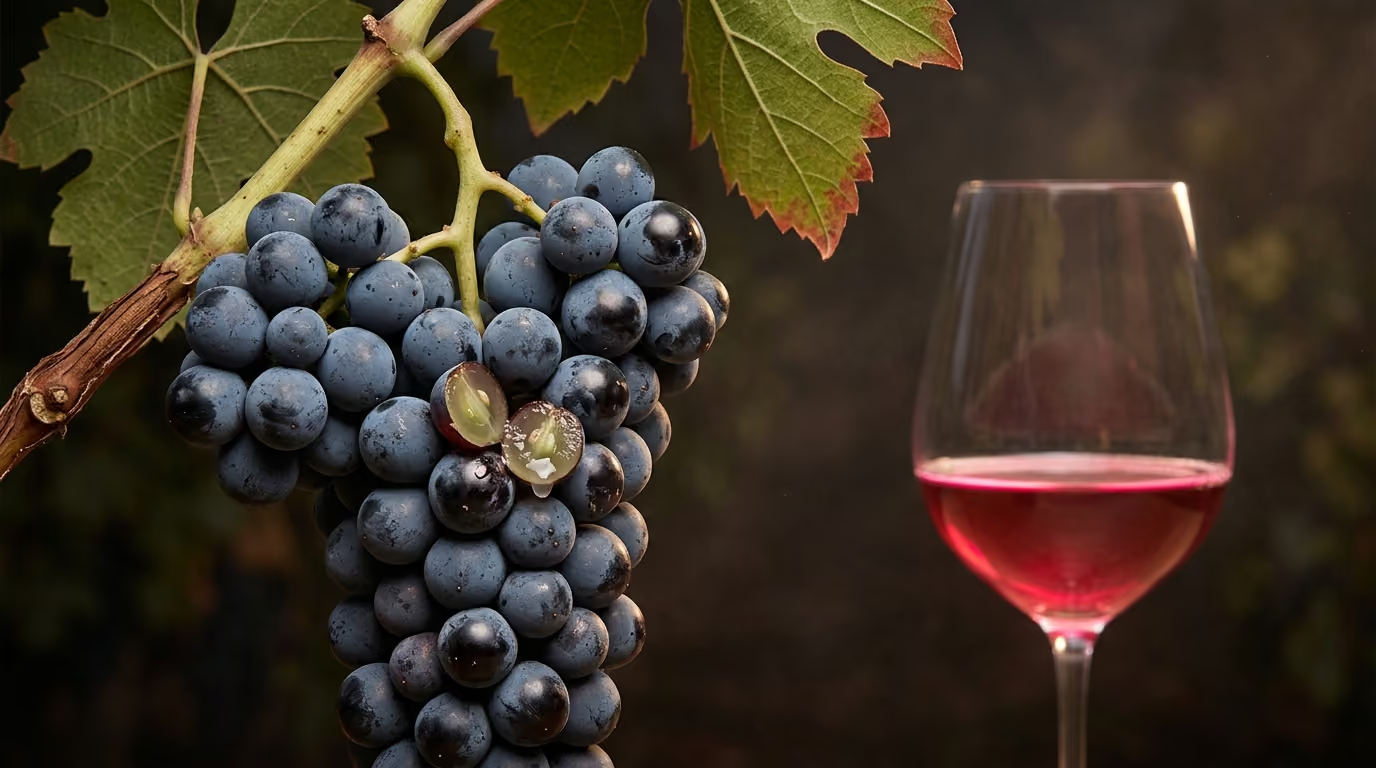
Carbonic maceration is a winemaking method where whole, uncrushed grapes start fermenting from the inside out in a sealed tank full of carbon dioxide. The wines that come out of it are usually light, bright, full of fresh red fruit, and very soft on tannin. They smell sweet and taste dry, they're built to drink young, and you'll meet them most often in Beaujolais.
That's genuinely the whole answer in a paragraph. What almost nobody tells you is the part that actually helps in a shop or at a restaurant table: this one method is the reason certain reds taste juicy and forgiving while others taste stern, and once you can recognize it you have a shortcut to a whole category of wine you'll probably enjoy.
What is carbonic maceration?
Most red wine gets made in a fairly blunt sequence. You pick the grapes, strip them off their stems, crush them so the juice runs out, then add yeast and let it turn the sugar into alcohol. The juice sits on the skins the whole time, picking up color and tannin.
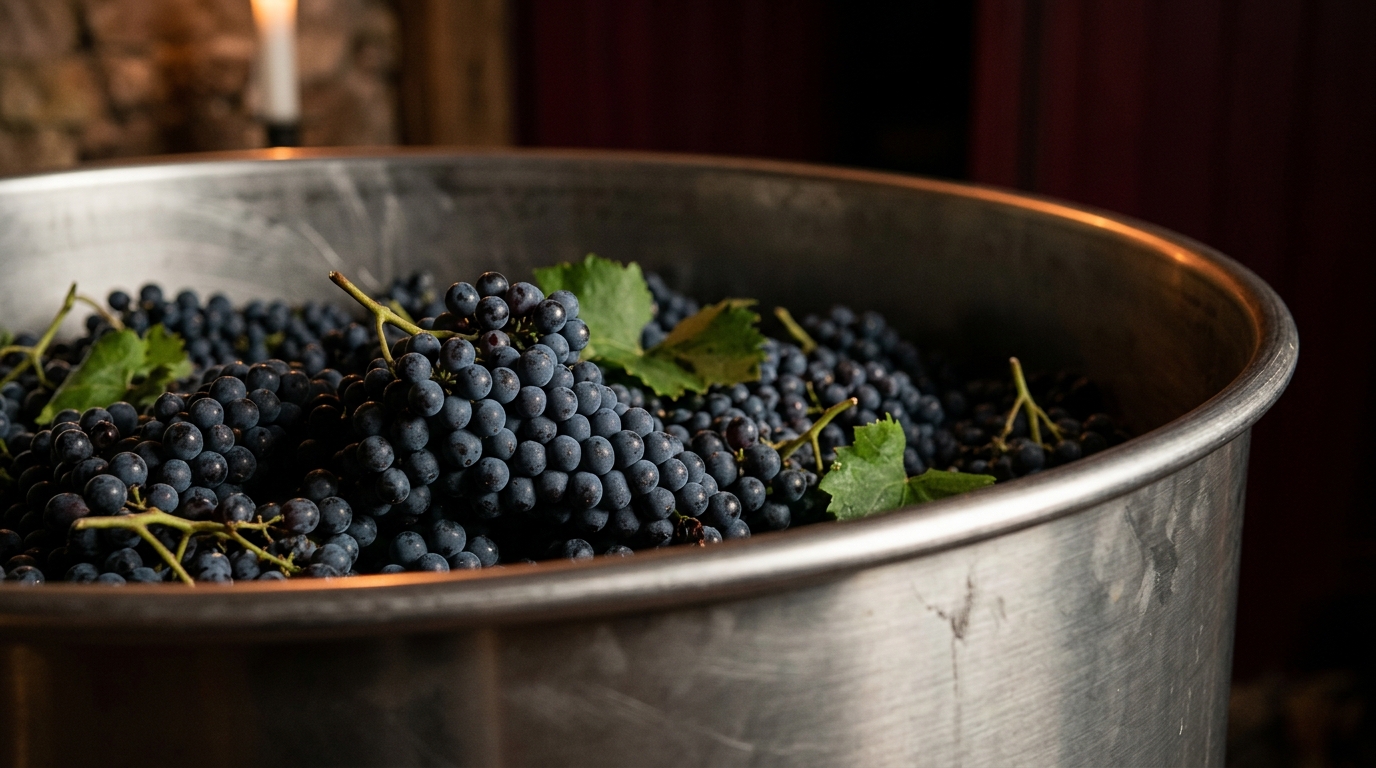
Carbonic maceration skips the crushing step entirely. Whole bunches go into a sealed vessel, the air gets pushed out with carbon dioxide, and fermentation begins inside each unbroken berry rather than in a vat of juice. The Australian Wine Research Institute describes it as a whole bunch technique whose first phase runs in a completely anaerobic atmosphere, converting a small amount of sugar and malic acid into alcohol without yeast doing the work.
What happens inside the grape
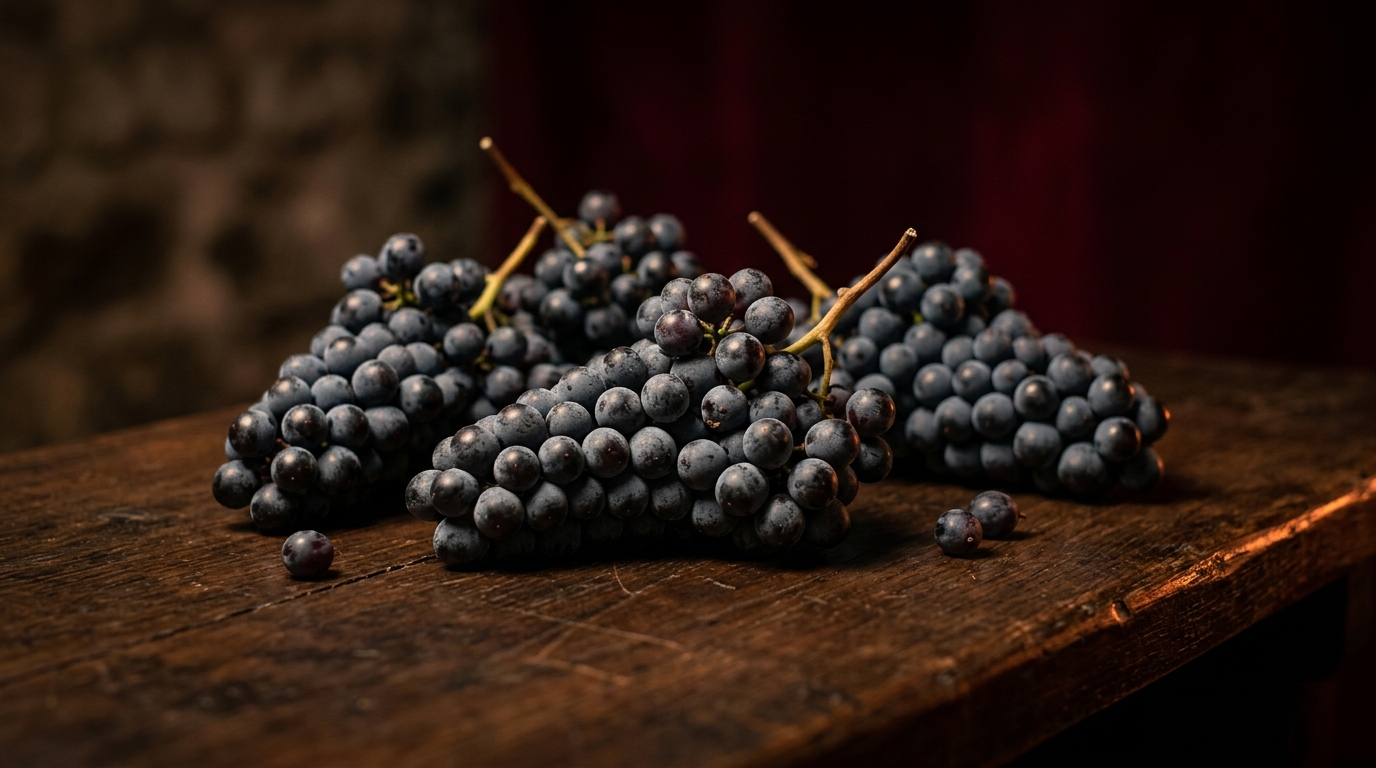
The berry absorbs carbon dioxide until the gas fills roughly half its volume, and the grape switches from breathing to fermenting internally. That's called intracellular fermentation, though you will never need the phrase again. The AWRI notes the character comes through best when the fruit sits at about 86 to 90 degrees Fahrenheit for five to eight days, and that cooler, slower versions give you subtler aromas.
Nothing stays whole in there forever. The berries at the bottom get crushed by the weight of everything above them, and the rest eventually split under the pressure of the alcohol they're making. Then the winemaker destems and presses the fruit and finishes the job with yeast in the ordinary way. Pure carbonic maceration is close to impossible at commercial scale, so almost every bottle you meet is a blend of the two processes.
Carbonic, semi-carbonic, and whole bunch are three different things
You'll see all three terms, sometimes on the same shelf, and producers don't use them consistently. Here's the honest version of the difference.
| Term | What actually happens | What it tends to do to the wine |
|---|---|---|
| Carbonic maceration | Whole berries sealed under added carbon dioxide, fermenting internally before any crushing | The most obvious fruit and floral lift, lowest tannin, shortest life |
| Semi-carbonic maceration | Whole bunches in a sealed tank with no gas added, so the crushed fruit at the bottom makes its own carbon dioxide | Softer version of the same character, more of the grape's own personality |
| Whole bunch fermentation | Whole clusters including stems fermented conventionally, no sealed anaerobic phase | Adds stem spice and structure rather than candied fruit, common in Burgundy |
Semi-carbonic is the one you'll drink most, because it's the method behind Beaujolais Nouveau. The distinction that matters for your glass is that whole bunch fermentation is a tannin and spice decision, while carbonic maceration is a fruit and softness decision. The two techniques pull in opposite directions.
Why does carbonic maceration taste so fruity?
The method doesn't add fruit and it doesn't add sugar. It changes which aroma compounds the grape produces, and it produces a set of them that your nose reads as ripe fruit and flowers. The AWRI lists the classic markers as strawberry and raspberry, cherry and kirsch, with vanilla, cinnamon, almond and spice showing up too.
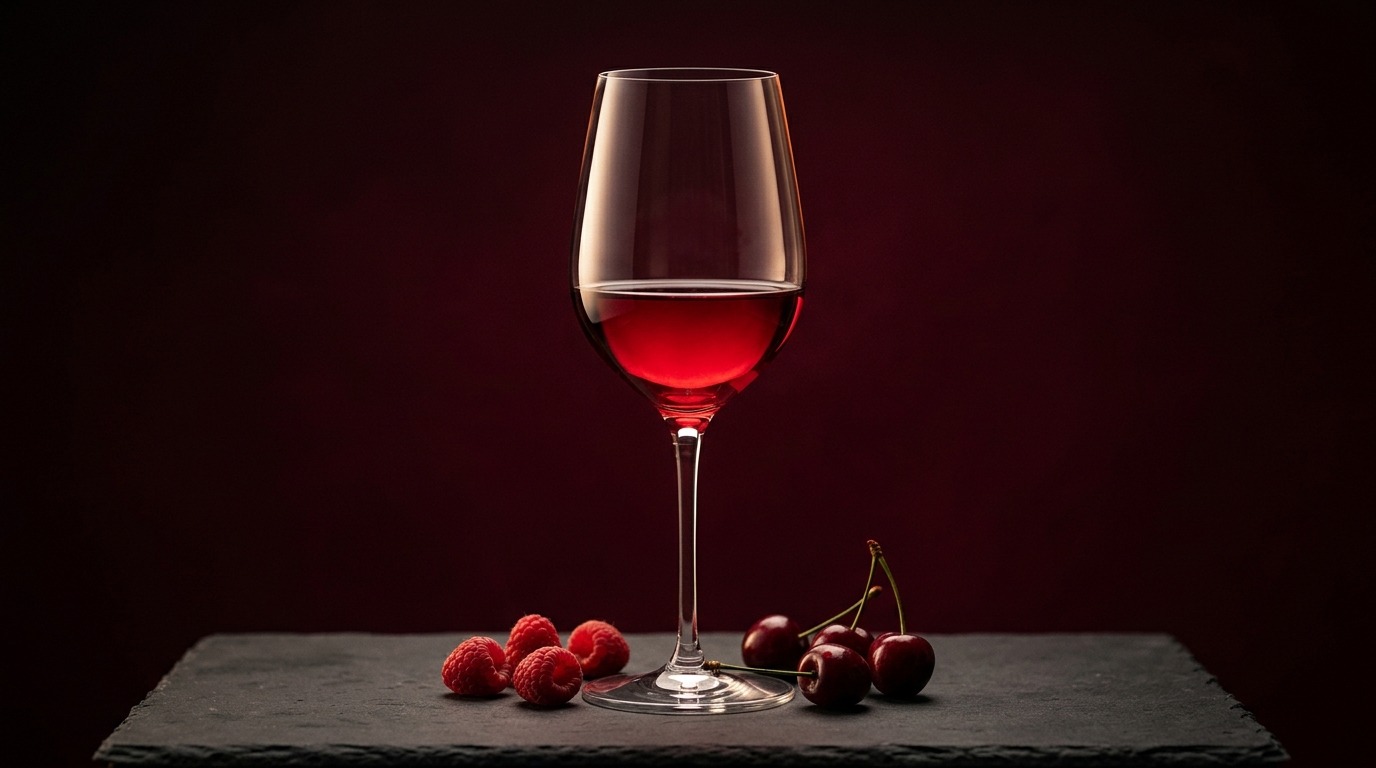
Fruity is a smell, not a sweetness
This trips up more people than any other wine misunderstanding. A wine can smell overwhelmingly of raspberries and still be bone dry, because aroma and sugar are measured by two different parts of your body. Your nose picks up the fruit compounds. Your tongue reports the sugar that survived fermentation, and in most carbonic reds there's almost none left.
So if a friend hands you a glass of Beaujolais and you think "that smells sweet," you're right about the smell and you'll be wrong about the taste. The finish tells you the truth. A dry wine leaves your mouth clean rather than coated.
That gap between what a wine smells like and what it does is exactly why our guide to which wine words actually predict taste is worth ten minutes of your time.
Why the texture feels so soft
Tannin is the drying, gum-gripping sensation you get from strong black tea, and it comes from extended contact between juice and grape skins. Carbonic maceration cuts that contact short, because for the first several days there isn't any free juice to sit on the skins in the first place.
The result is a red with very low tannin and bright acidity, ready to drink almost immediately and not built to age. Beaujolais Nouveau takes this to the limit, with less than six weeks between picking and bottling in some years. If big tannic reds have always felt like hard work to you, this is the category to try next, and our piece on how to spot a low-tannin red covers the other ways to find them.
There's one honest caveat worth adding. The AWRI points out that these aromas polarize tasters, and that they often override the character of the grape itself. Some people find a fully carbonic wine tastes more of the method than of the fruit it was made from. That criticism is fair, and it's worth knowing before you buy three bottles.
How do you spot a carbonic wine on a shelf or a wine list?
Almost nobody prints "carbonic maceration" on a front label, so you're looking for proxies. The reliable ones are region, grape, and a small set of words that tend to appear on back labels and restaurant lists.
The words and regions worth knowing
Beaujolais is the safest bet in the world for this style. The region built its identity on it, and Gamay responds to the method better than almost any other grape. Our guide to what Gamay actually tastes like goes deeper on the grape itself.
Beyond Beaujolais, the method turns up in Rioja Alavesa and Jumilla in Spain, in the Languedoc and the Rhone where it softens tough Carignan, and with Valdiguie in California. Bon Appetit has also pointed to carbonic Cabernet Franc from the Loire and even carbonic Trebbiano from Umbria, so the white-wine exceptions do exist. Those bottles do stay genuinely rare, though. The method is almost always used on reds, because the compounds it creates tend to clash with white grapes.
On a back label, watch for "whole cluster," "whole berry," "semi-carbonic," "nouveau," or any producer talking about fermenting without crushing. On a restaurant list, "glou glou," "juicy," "chillable red" and "natural" all point roughly here, though none of them are technical terms and none of them are promises.
What to say out loud
You don't have to use the phrase at all, and honestly you'll get better help if you don't. Ask for a light red with bright fruit and soft tannin that you can serve with a slight chill. Any decent wine shop employee or server can work with that sentence, and it describes the outcome you want rather than testing them on process.
If you're standing in the aisle holding a bottle and you want to know whether this particular one suits you rather than whether it suits people in general, that's what Fit Check in Sommy is for. Type the bottle, say it out loud, or scan the label, and you get a straight verdict against your own Taste Profile instead of a tasting note written for a stranger.
How should you serve it, and what should you eat with it?
Serve it cooler than you'd serve a Cabernet. Twenty minutes in the fridge before you pour is usually enough, and it makes the fruit brighter and the whole thing more refreshing. Go too cold and you flatten the aromatics, which are the best thing about the wine. Our serving temperature guide has the numbers if you want them.
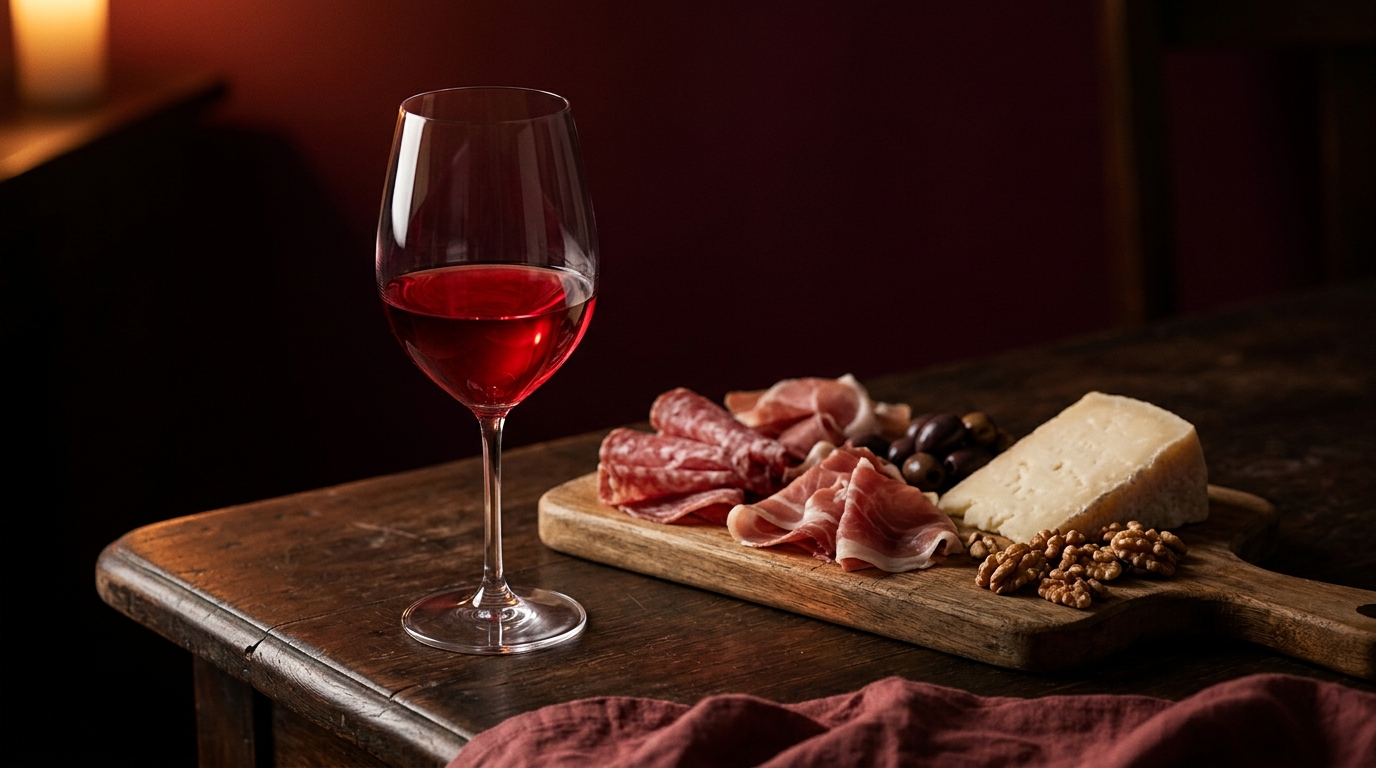
Food that works
Low tannin and high acidity make these wines unusually flexible at the table. They don't need red meat to soften them, and they cut through fat and salt rather than fighting it.
- Charcuterie and salty cheeses work because the acidity resets your palate between bites.
- Roast chicken and pork suit it well, since it's light enough not to bury the bird and fruity enough to handle the skin.
- Pizza and burgers are an easy win, because tomato acidity and a juicy red get along, which our pizza pairing guide covers in more detail.
- Mushrooms and grilled vegetables give the fruit some earthiness to push against.
- Thanksgiving is the classic recommendation for a reason, since one bottle handles turkey, cranberry and stuffing at once.
When to skip it
Skip it when you want structure. A carbonic red won't stand up to a dry-aged steak, it won't reward a decanter, and it won't improve in your cupboard for five years. If the occasion calls for something serious and slow, this is the wrong shelf.
Skip it too if you tried one and found the aroma artificial. That reaction is common and it's not a failure of taste. Some carbonic wines lean hard toward banana and bubblegum, and if that's what you got, try a semi-carbonic Cru Beaujolais such as Morgon or Moulin-a-Vent instead. They're made with a lighter hand and keep more of the grape.
Frequently asked questions
Does carbonic maceration always mean Beaujolais?
No, though you'd be forgiven for thinking so. Beaujolais made the style famous and still defines it, but producers use the method across Spain, southern France, Italy, Australia and the United States. Treat it as a style clue rather than a regional rule.
Is carbonic maceration wine sweet?
Almost never, despite how it smells. The fruit aromas make people expect sweetness, but the fermentation runs to dryness like any other red. Judge the finish rather than the nose.
What's the difference between carbonic maceration and whole cluster fermentation?
Carbonic maceration seals whole berries in carbon dioxide so they ferment internally, and it produces fruit and softness. Whole cluster fermentation ferments whole bunches with their stems in the open air, and it produces spice and structure. Producers sometimes use the terms loosely, so read the rest of the label.
Do carbonic wines age well?
Generally no, and they aren't trying to. Low tannin means there's little to hold the wine together over time, so most are best inside two or three years. Cru Beaujolais is the notable exception and some bottles reward a decade.
Is natural wine the same thing as carbonic maceration?
They overlap a lot but they aren't the same. Natural winemaking describes what was added or left out, while carbonic maceration describes how fermentation started. Plenty of conventional producers use the method, and plenty of natural winemakers don't.
Can white wine be made this way?
It happens rarely, but it genuinely does happen. A handful of producers make carbonic whites, and the results can be excellent. The compounds the method creates tend to sit awkwardly with white grapes, which is why the technique stayed on the red side of the cellar.
The clue is useful, your own taste is more useful
Carbonic maceration is one of the few bits of winemaking jargon that pays for itself. It reliably predicts something you can feel in the glass, which is bright fruit, soft texture, and a wine that's easy to open on a Tuesday.
What it can't tell you is whether you'll like it. Some people love the exuberance and some find it one-note, and no guide written for everyone can settle that for you. That's the job Sommy does: it learns what you actually reach for, so the next bottle is a better bet than the average recommendation.