Choosing a wine with dessert can feel like a final exam you forgot to study for. The good news is, one simple rule makes the choice surprisingly easy: your wine should always be sweeter than your dessert. This single guideline is the secret to a delicious pairing almost every time, ensuring the wine complements the dish instead of tasting sour or flat. Following this rule removes the guesswork and helps you confidently pick a great bottle.
Why the Sweet Wine Rule Works
Ever taken a sip of black coffee right after a bite of sweet cake? The coffee suddenly tastes bitter. The same thing happens with wine. If your dessert is sweeter than your wine, it will make the wine taste unpleasantly acidic or flat. The dessert’s sugar overpowers the wine’s fruit flavors.
But when the wine is sweeter, it complements the dessert perfectly. The wine’s flavors of ripe fruit or honey feel bright and alive. Instead of clashing, the wine cleanses your palate, making the next bite of dessert taste just as good as the first.
Your Taste Is Always Right
This isn't about following a stuffy tradition. It's about making sure both the wine and the dessert taste their best together. You don’t need to memorize complicated charts or know anything about specific grapes to get it right.
Of course, the most important factor is what you enjoy. If you're curious about how sweetness levels in wine are described, our guide on distinguishing between dry and sweet wine is a helpful start. The goal is to find a pairing you love, and this one simple rule is the most reliable way to get there.
Three Simple Guidelines for Great Pairings
You already have the most important rule: choose a wine that's sweeter than your dessert. Now, let’s add a few more simple ideas to help you pick a winner every time. These aren't complicated theories—just practical guidelines for how flavors work together.
This flowchart is a great visual reminder of that critical first step.
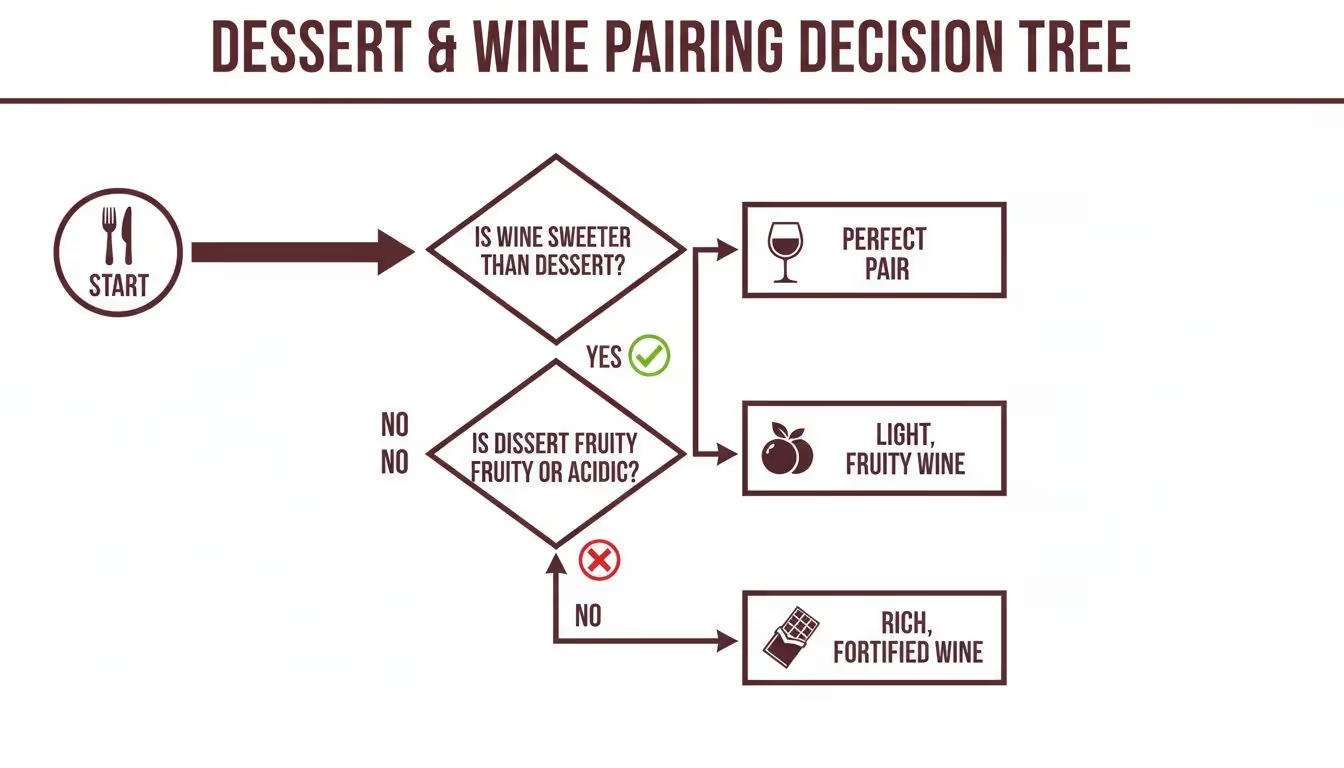
Getting the sweetness level right is the foundation for any great match. Once you do that, you're already halfway there.
1. Match Similar Flavors
The easiest way to a great pairing is to match similar flavors. Think of adding strawberries to a strawberry smoothie—it just works.
If your dessert has strong berry notes, like a raspberry tart, a wine with its own red fruit character will feel like a natural fit. This creates a smooth experience where the wine and dessert taste like they were made for each other.
- For example: A bright, fruity raspberry tart pairs perfectly with a wine that has notes of red berries.
- Or think about: A warm apple crumble with a wine that hints at baked apple and cinnamon.
2. Contrast Flavors to Create Balance
Sometimes, opposites attract. A wine with contrasting flavors can balance a rich dessert, making every bite feel fresh. The secret weapon here is acidity.
Just like a squeeze of lime cuts through a rich dish, a crisp, acidic wine does the same for a dense, creamy dessert. It acts as a palate cleanser, preventing the sweetness from becoming overwhelming. A good contrasting pairing doesn't compete; it resets your palate so the next bite is just as delicious as the first.
3. Match the "Weight" of the Dessert
The final guideline is about matching intensity, or "weight." A light, delicate dessert needs a light, delicate wine. A heavy, rich dessert needs a wine that can stand up to it. It’s like using a light vinaigrette on a fresh salad—you wouldn't pour a heavy dressing over delicate greens.
- Light Desserts: For something airy like a meringue or angel food cake, you want a light-bodied, bubbly wine like Moscato d'Asti.
- Heavy Desserts: For a dense dessert like sticky toffee pudding, you need a richer, more powerful wine to match its intensity.
This idea of matching weight is central to food and wine culture in Europe, which accounts for about 40% of the global sweet wine market. Fortified wines are especially popular there, making up a huge 52% of that share because they pair so well with intense desserts. If you’re curious, you can discover more insights about these global trends. For a deeper dive, check out our guide on how to pair wine with any food.
How to Pair Wine with Chocolate Desserts
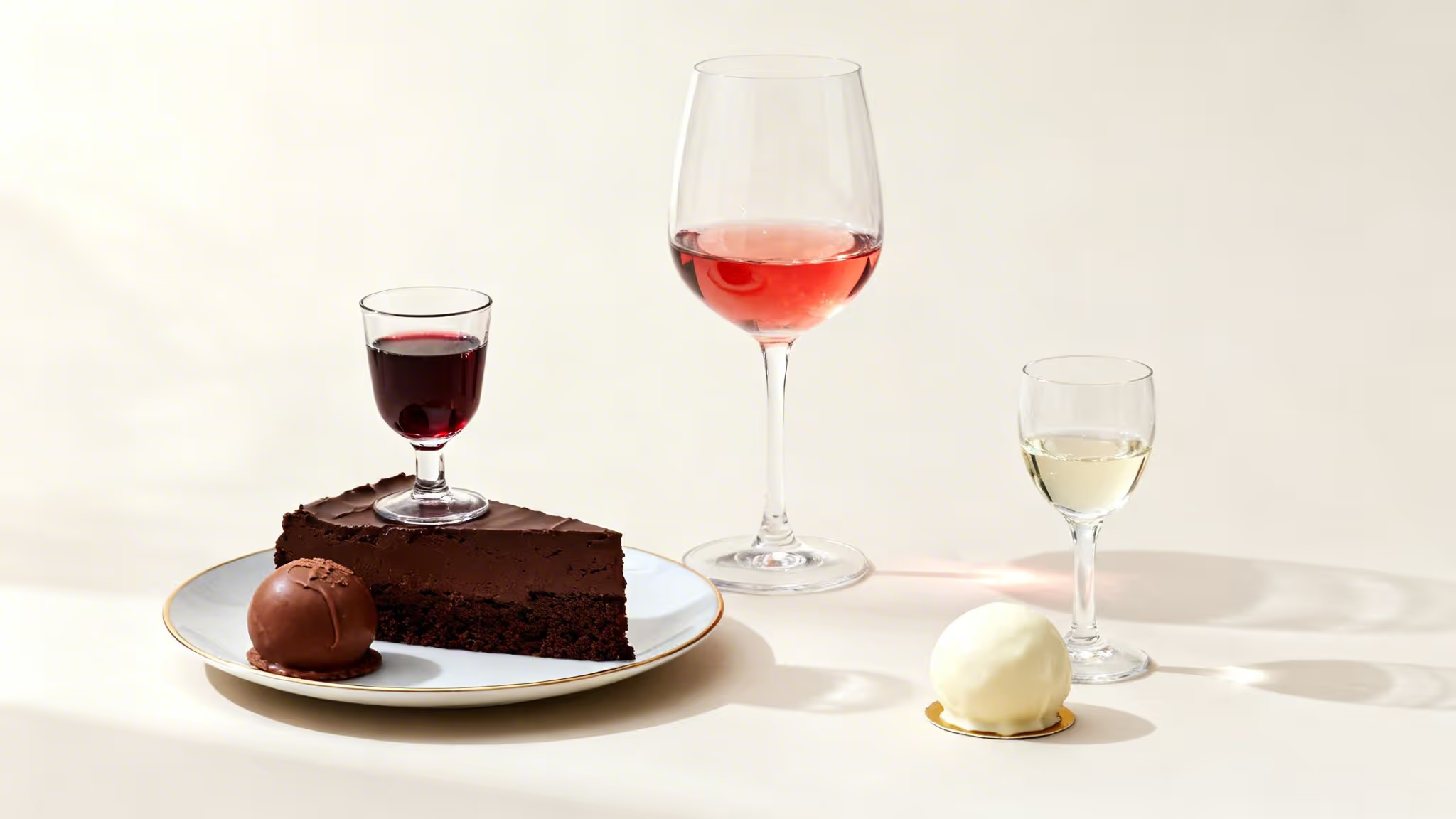
Pairing wine with chocolate seems tricky, but the secret is simple: match the intensity. Dark chocolate needs a bold wine, while milk chocolate pairs best with something lighter. The goal is to find a partner where neither one overpowers the other.
Dark and Bittersweet Chocolate
For an intense flourless chocolate cake or a rich truffle, you need a wine that can hold its own. A Ruby Port is the classic choice. Its deep, fruity power and full body are a perfect match for strong cocoa notes. The wine's sweetness cuts through the chocolate's bitterness, creating a balanced combination.
Milk Chocolate
Softer milk chocolate needs a lighter touch. A big, heavy wine would flatten its creamy flavors. Instead, try a lighter-bodied red with plenty of fruit and a touch of sweetness. Their bright berry notes are fantastic with milky cocoa. Our guide to pairing wine with chocolate fondue explores similar flavor dynamics.
White Chocolate
White chocolate is all about cocoa butter, milk, and sugar, giving it a mellow, buttery profile. It needs a wine with good acidity to slice through that creaminess. A great choice is Moscato d'Asti. Its light fizz and peachy flavors provide a refreshing contrast that keeps the pairing from feeling heavy.
This is exactly the kind of on-the-spot decision Sommy helps with. Instead of memorizing rules, you can just scan the dessert menu with your phone. Sommy gives you a suggestion that works with the dessert and your personal taste.
Wine for Fruit Tarts and Cheesecakes
When the menu offers fruit tarts or creamy cheesecakes, you need a wine that complements those specific flavors. It’s less about rules and more about what feels right with each bite.
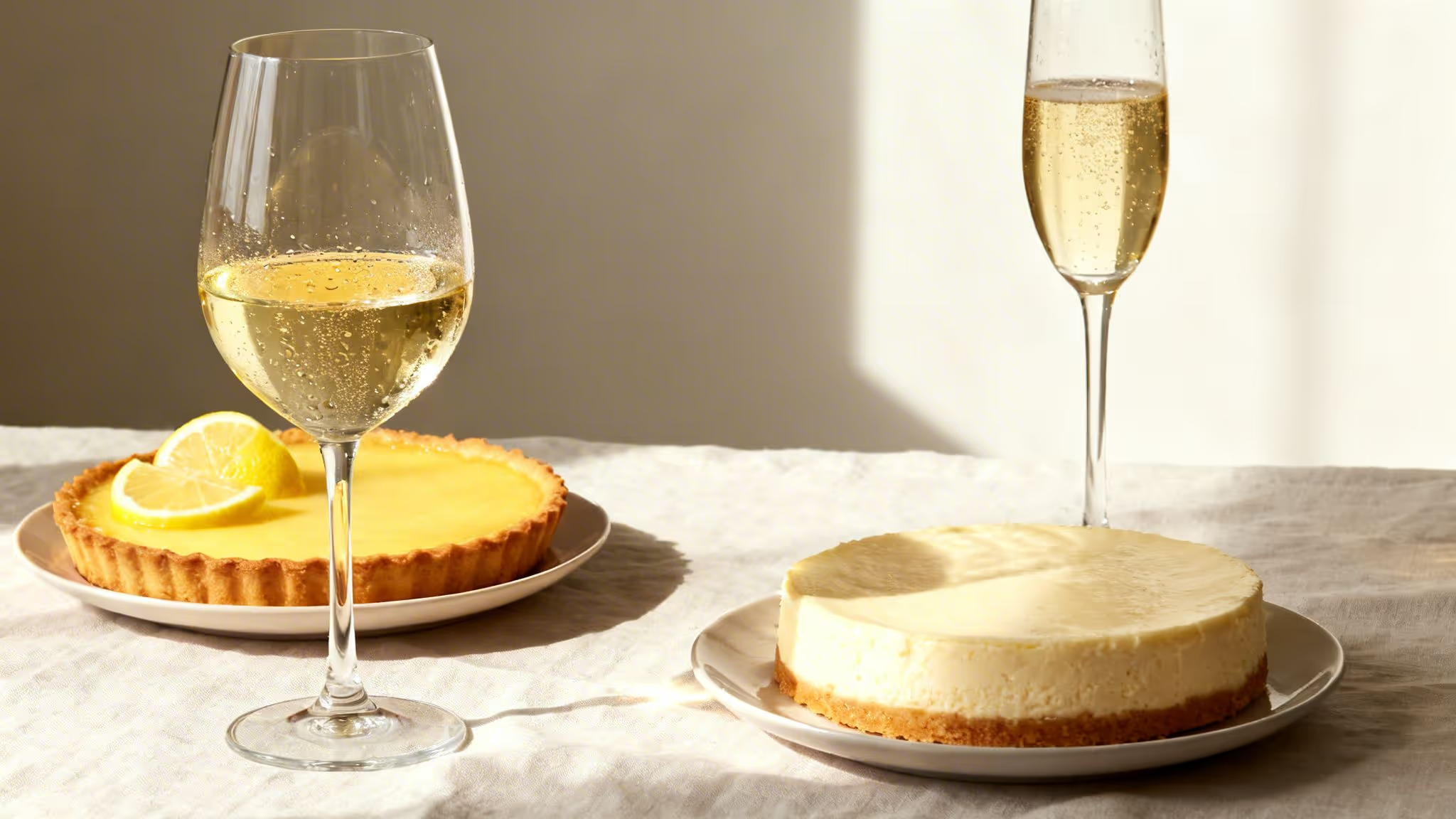
The plan for a tangy fruit dessert is different from a rich, creamy one. Each style needs its own wine to create a perfect, balanced finish.
For Desserts with Tangy Fruit
Think about a sharp lemon tart or a fresh berry crumble. Their defining trait is bright, tangy acidity. The wine pairing has to match that energy. A late-harvest Riesling is a brilliant choice. It has the required sweetness, but its vibrant acidity keeps it feeling crisp and clean. This creates a refreshing harmony where both the fruit in the dessert and the fruit notes in the wine shine.
For Rich and Creamy Desserts
For dense desserts like cheesecake or crème brûlée, the challenge is weight and texture. You need a wine that can cut through the richness. The secret weapon here is bubbles and acidity. A sparkling wine acts like a reset button for your palate. A demi-sec (off-dry) Champagne or a lively Moscato d'Asti are fantastic options. Their gentle fizz stops the dessert from feeling too heavy.
The global dessert wine market was valued at $35.7 billion in 2023 and is expected to climb to $64.4 billion by 2033. This boom is driven by people discovering how a perfect pairing can elevate a meal. You can learn more about these dessert wine trends to see why it's so popular. For more ideas, check out our guide to the best fruity wines.
Common Pairing Mistakes to Avoid
Knowing what not to do is just as helpful. A few common mistakes can ruin a dessert pairing, but they’re easy to avoid. This will help you feel much more confident when you order.
The biggest mistake is pairing a dry wine with a sweet dessert. A dry Cabernet Sauvignon with a chocolate lava cake will make the wine taste bitter and harsh. This is why our number one rule—the wine must be sweeter than the dessert—is so important.
Overpowering a Delicate Dessert
Another common slip-up is picking a wine that’s too heavy for a light dessert. You wouldn't pair a heavy Port with an airy angel food cake; the wine would steamroll the dessert’s flavor. Always try to match the weight of the food and the wine.
Forgetting About Temperature
Finally, don’t forget serving temperature. Most dessert wines are best when served chilled. Chilling a sweet wine balances its sweetness and brings out its fresh fruit flavors. Serving it at room temperature can make it taste cloying and heavy.
Here’s a simple checklist:
- Sweetness: Is the wine sweeter than the dessert?
- Weight: Does the wine’s intensity match the dessert’s?
- Temperature: Is the dessert wine chilled?
Avoiding these three things makes a huge difference and ensures your final course is delicious.
How Sommy Helps You Choose Instantly
Even with good advice, staring at a restaurant menu can be overwhelming. That's the exact moment of anxiety Sommy was built to erase. Instead of guessing, you just scan the wine list with your phone.
Sommy instantly suggests the best options for your dessert, making sure they fit smart pairing principles and, more importantly, your personal taste. Picture this: the dessert menu arrives, you scan it, and in seconds you have a confident answer. No stress, no second-guessing—just the perfect end to your meal.
This kind of quick clarity is more important than ever. The dessert wine market is growing, with North America alone hitting a $9.4 billion share in 2023. Wine shops see up to 30% higher sales on bottles paired with digital tools, a shift driven by people who want fast, reliable answers. You can learn more about these market insights.
For more on this, see our guide on how to use Sommy to pick the right bottle in a crowded supermarket aisle.
Last-Minute Dessert Wine Questions
Even with a plan, a few questions can pop up. Here’s a quick cheat sheet for those "what if" moments.
What If I Don't Like Sweet Wines?
That's fine! Your taste is the most important guide. If you prefer dry wines, try a crisp, bubbly option like a dry Prosecco or Brut Champagne. The bubbles and acidity act as a palate cleanser against a rich dessert without adding more sugar. Or, just order coffee or tea. The goal is to end the meal with something you enjoy.
Can I Pair Red Wine with Chocolate?
Yes, but be careful. A standard dry red wine will taste harsh next to a sweet chocolate cake. This is a classic pairing mistake. If you want a red, find one with its own sweetness and bold, fruity flavors. The most reliable partner for a chocolate dessert is a fortified red like Ruby Port. It has the sweetness, body, and rich fruit to stand up to even the most decadent chocolate.
Does the Wine Have to Be Expensive?
Absolutely not. Many of the most delightful dessert wines are surprisingly affordable. Price has nothing to do with whether a pairing will work. A bottle of Italian Moscato d'Asti, for example, is often a bargain and pairs beautifully with many desserts. A simple, well-chosen wine will always beat an expensive, poorly matched one.
Instead of trying to remember all these rules at the table, a personal wine decision assistant like Sommy can give you a quick, confident recommendation based on your personal taste. If you want help choosing wine in the moment, find out more at https://www.sommy.ai.

EntreprEngineur. Runs on lattes. Creates with the intensity of a downhill run. Fast, slightly chaotic, ideally followed by a glass of wine.