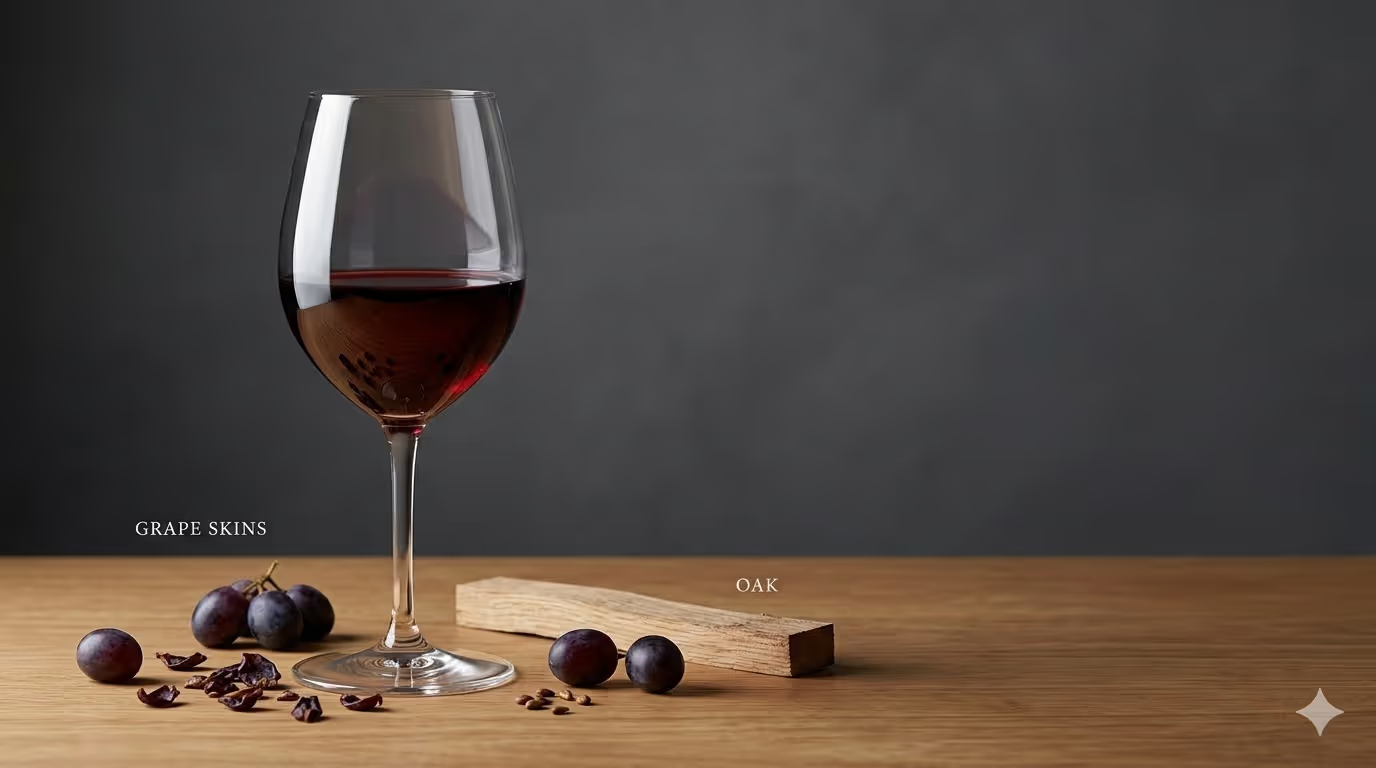

You don't have to "learn wine" to avoid sharp, puckery pours. Wine acidity is the crisp, mouth-watering puckering sensation that can make a drink seem tart. If you hate that sensation, the fix is simple: choose wines that feel rounder (lower acid, more ripe fruit, a touch of sweetness, or a softer texture), and use food and temperature to smooth the edges.
This guide keeps it practical, because the goal isn't wine trivia. It's calm, confident choices at a restaurant, in the aisle, or at home.
Wine acidity, explained simply (without the pucker)
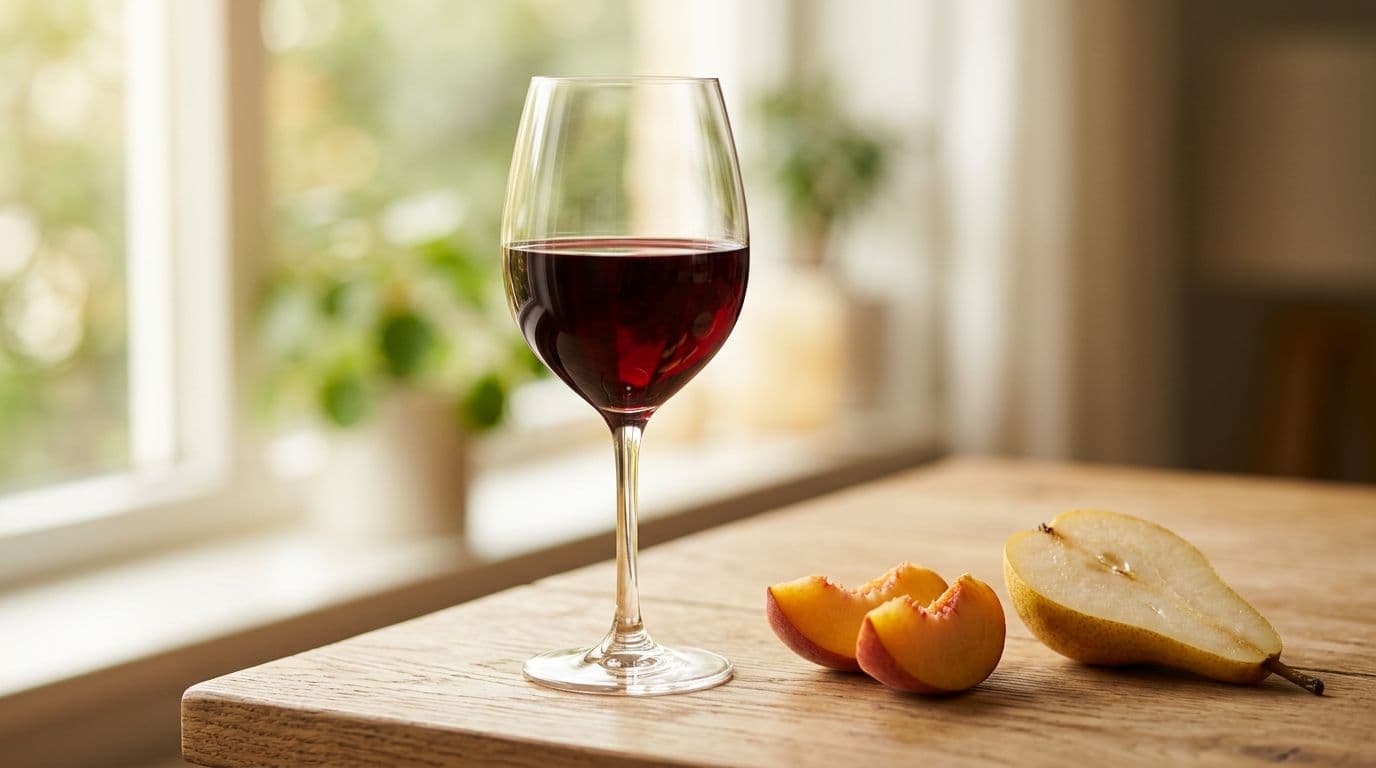
An inviting, softer-tasting setup that hints at "ripe fruit" flavors.
Wine acidity comes from organic acids like citric acid, much like the squeeze of lemon you add to food. Measured on the pH scale (where lower numbers equal higher tartness), it brightens flavors and keeps things from tasting flat. The tricky part is that, for tart-averse drinkers, that same "brightness" can feel like a sour taste on the sides of your tongue.
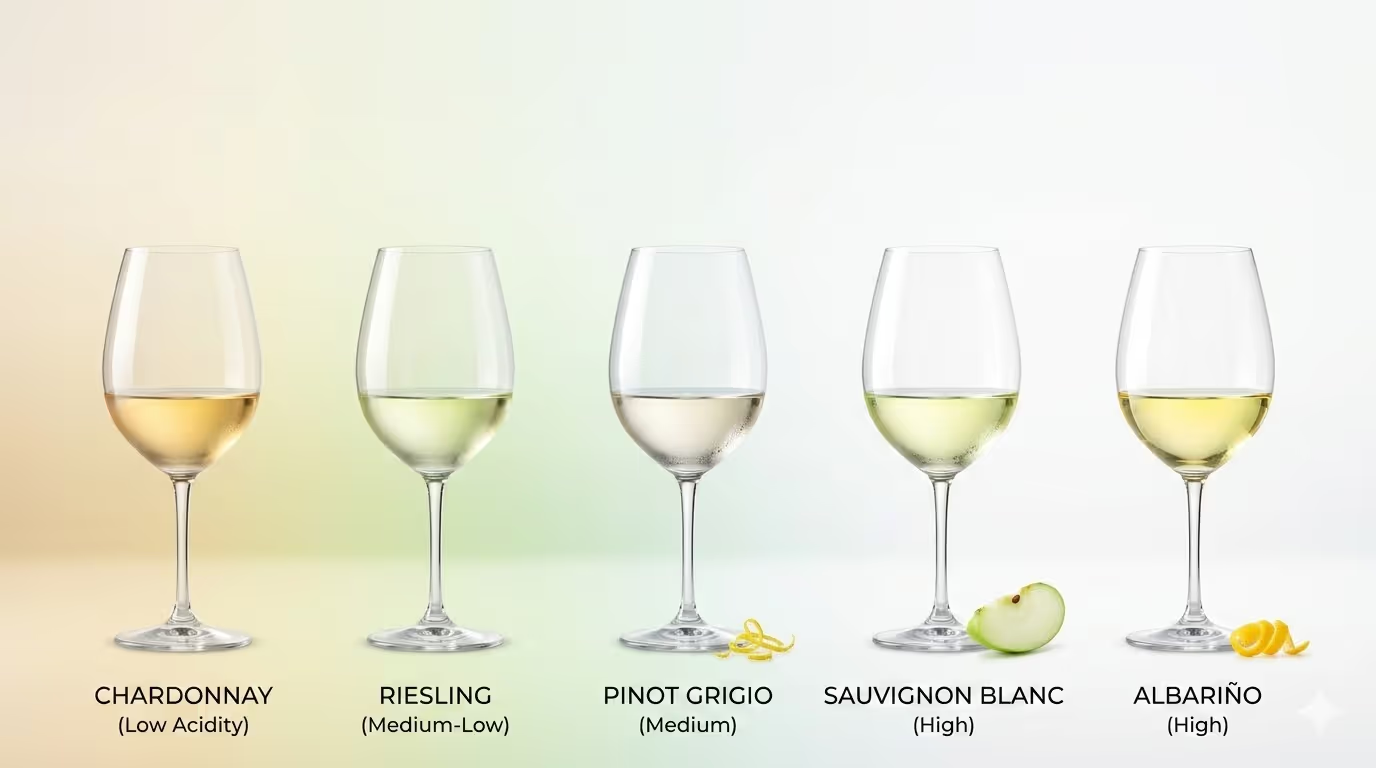
Here's the simple translation: high-acid wine feels crisp and snappy, while lower-acid wine feels softer and rounder. Neither is "better." It's just a style choice, like crunchy apples versus ripe peaches. For instance, white wines such as sauvignon blanc deliver notable crispness from their elevated wine acidity.
When you read a menu or label, acidity often hides inside certain words. This is where wine tasting notes explained becomes useful, without turning into a homework assignment. These cues tie back to wine acidity levels on the pH scale:
- Crisp, zesty, racy, mouth-watering usually means higher acid (more tart).
- Round, soft, smooth, creamy usually means lower acid (less tart).
- Green apple, citrus, lime hints sharper flavors.
- Peach, pear, melon, baked apple hints softer flavors.
One more thing that saves a lot of frustration: "fruity" doesn't mean sweet. A wine can smell like berries and still taste dry. Sweetness is a separate dial, and even a small amount can make a wine feel less tart.
If you want a low-stress map for taste (not regions or fancy terms), the refreshing zing of acidity on the beginner wine chart makes it easier to connect "crisp vs. round" to what you actually enjoy. Think of it as a modern wine guide for real-life decisions.
How to choose wine if you hate tart drinks
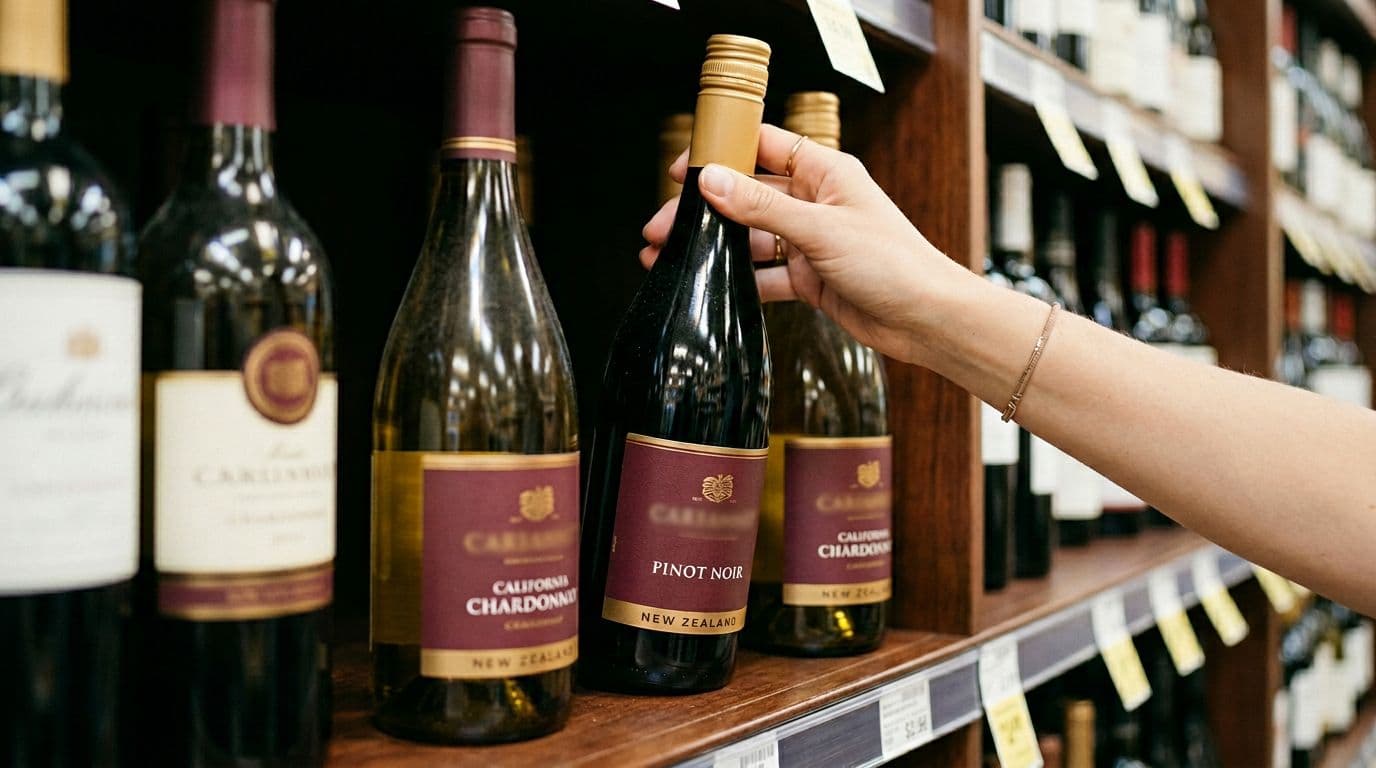
In the moment, how to choose wine comes down to one question: do you want soft and easy, or crisp and bright? If you hate tart drinks, pick soft first, then adjust for the meal. Soft wines often hail from warm climate regions, where they develop rounder profiles compared to those from cooler climates.
A fast way to get there (no swirling required):
1) Ask for texture, not grapes.
At restaurants, skip the "What's good?" trap. Use wine list tips that work anywhere: say you want something "round, not tart, easy to sip." That single sentence is better than guessing.
2) Use these grocery store shortcuts.
For grocery store wine picks, look for styles that usually read softer on the palate:
- Chardonnay (often labeled creamy, buttery, or oaked) tends to feel less sharp than very crisp whites, thanks to winemaking processes like extended fermentation or barrel aging.
- Pinot Noir often lands smoother than many bold, grippy reds. In red wine, tannins create more grip than acidity alone.
- Merlot is a classic "soft red" choice when you want low bite.
If you're curious about how broad styles differ (without turning it into a class), this quick explainer on different wine types for beginners can help you spot what to avoid when you're tart-sensitive.
3) Don't fear a little sweetness.
If dry wines keep tasting too pointy, try off-dry options. You're not ordering dessert. You're choosing balance with residual sugar.
One quiet truth: a wine can be "high acid" and still taste pleasant when it's a balanced wine with fruit, body, or a touch of sweetness.
This is where an AI wine assistant can help without judging your taste. Instead of memorizing rules, Sommy can offer smart wine recommendations based on what you've liked before, what you're eating, and your budget. It's built for personalized wine recommendations in real moments, like scanning a menu for wine app suggestions that match "smooth, not tart." That turns stressful ordering into clear wine recommendations you can trust.
If your meal is Italian and you're worried tomato sauce will make everything feel sharper, use a pairing that softens the experience. Creamy sauces are your friend, and tomato sauces often need wines with enough freshness to keep up. This guide to matching wine acidity to sauces explains it in a way that's actually useful at the table.
Fix a too-tart glass with simple pairing moves
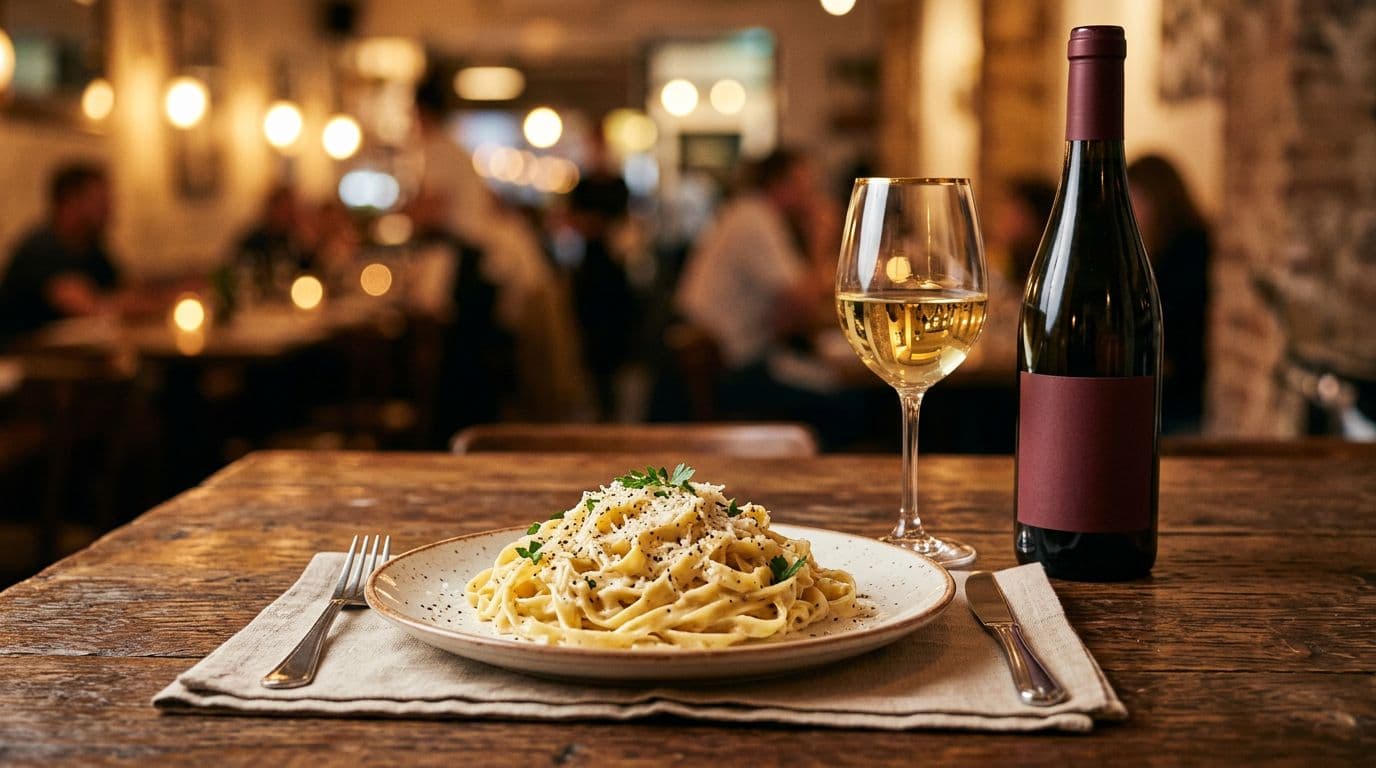
Sometimes the wine is already poured, and you just want it to taste better. Good news: you can make many wines feel less tart with a few simple wine tips.
Use food as a volume knob (a mini wine pairing guide)
Acidity gets louder when there's nothing to cushion it. Add a buffer:
- Creamy, cheesy, buttery foods soften sharp edges (think alfredo, brie, mashed potatoes).
- Salt can smooth the bite (olives, salted nuts, fries).
- A little sweetness in the dish can calm sourness (glazes, caramelized onions, a touch of honey).
Food Pairing
This buffering mimics winemaking techniques like malolactic fermentation, which converts sharp malic acid into softer lactic acid for a creamier feel. Wines naturally hold tartaric acid, the main contributor to that zing, and it can form potassium bitartrate crystals as harmless deposits. Winemakers track total acidity and titratable acidity with a pH meter to measure hydrogen ions on the pH scale, ensuring microbiological stability during fermentation (often with a touch of sulfur dioxide for preservation). These steps shape the final pH scale and taste, much like rich foods dial down tartaric acid's edge on your plate.
This is why high-acid wines often shine with rich meals. If you want a concrete example for a crowded holiday plate, this guide on bright acidity cutting through turkey gravy shows how "freshness" can work for you, not against you.
Change the temperature (small move, big difference)
Very cold wine can taste sharper. Let it warm slightly in the glass for a few minutes. On the other hand, if a wine tastes heavy and dull, a light chill can freshen it.
If you're ordering out, use restaurant wine tips that feel normal to say: "Could we do this white not ice-cold?" It's a comfort request, not a flex.
If reds taste tart to you, it might not be acid
With reds, people often blame acidity when the real problem is tannin, the dry, mouth-grippy feel like strong black tea (distinct from acidity even in red wine). Choosing softer reds helps, and so does pairing with richer food. For pork dinners, this guide on high acidity slicing pork fat shows an easy way to balance richness, whether you go red or white.
All of this adds up to the same promise: wine explained simply means you always have a next move, even when the first sip disappoints.
Conclusion
If tart drinks ruin wine for you, you're not "bad at wine." You just prefer softer balance, where a balanced wine means finding the right mouthfeel for your palate. Both red wine and white wines offer low-acid styles with gentler wine acidity (higher on the pH scale). Pick rounder styles, don't be afraid of off-dry options, and use food and temperature to take the edge off.
When you want friendly wine advice in the moment, an AI helper can cut the guesswork and deliver personalized wine picks that match your taste, not someone else's. That's the point of everyday wine advice: less stress, more enjoying the glass in front of you.