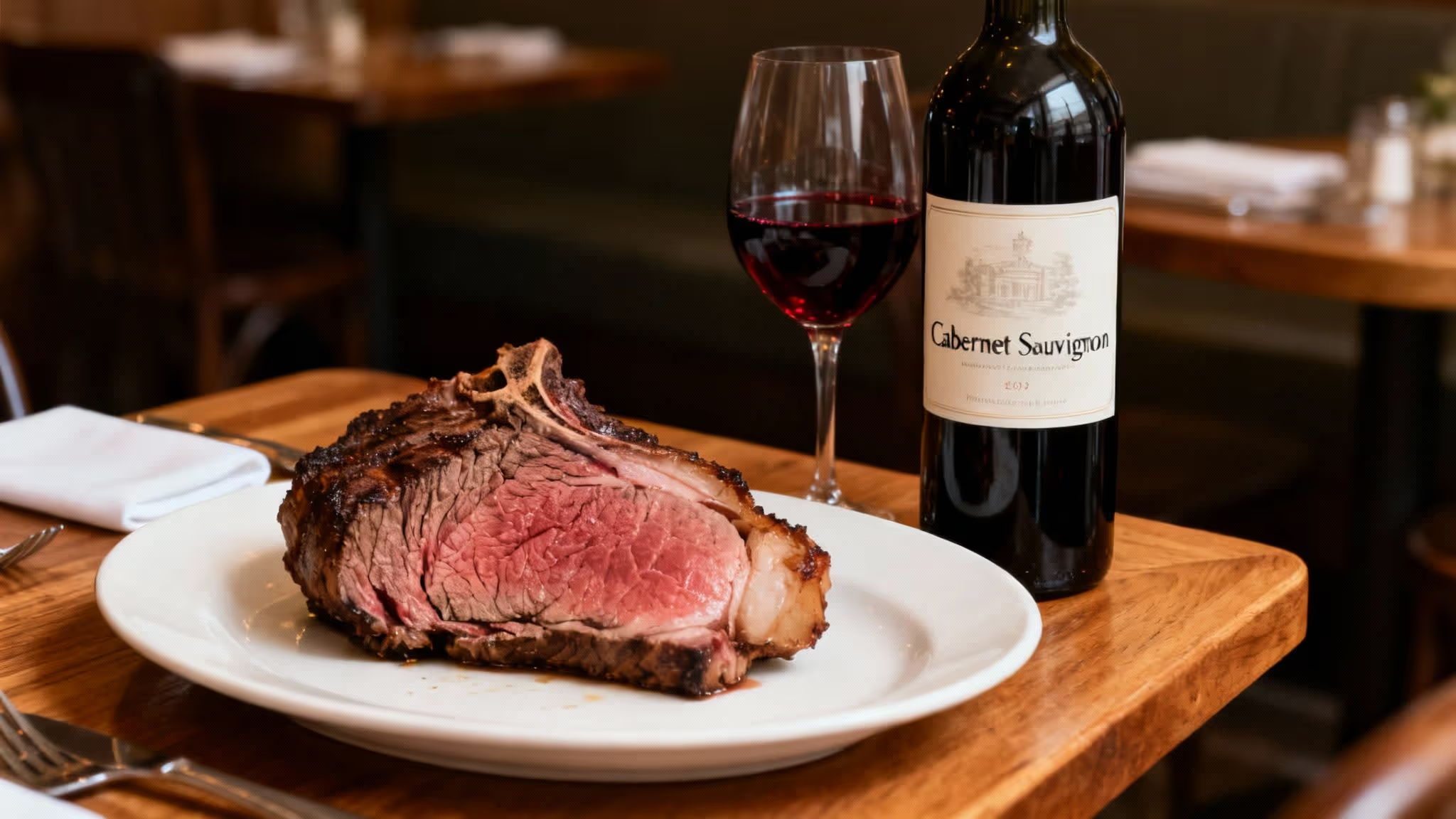
You're about to enjoy a beautiful prime rib, and the only thing left is to pick the wine. Don't let the choice stress you out. For a perfect prime rib wine pairing every time, just grab a Cabernet Sauvignon. It’s the classic, can't-miss option that works beautifully with the rich, savory meat, making your entire meal taste better.
Your Easiest Prime Rib Wine Pairing Decision
You’re staring at a restaurant wine list or a packed store shelf, and the pressure is on. That feeling of being overwhelmed is totally normal. The goal isn’t to become a wine expert on the spot; it’s to make a confident choice so you can get back to enjoying the meal.
For a rich, delicious cut like prime rib, you just need a wine that can stand up to all that flavor without getting lost.
Why Cabernet Is the Classic Choice
There’s a good reason Cabernet Sauvignon is the default pairing for big, beefy roasts. Think of it as the perfect partner—the wine has a natural structure that cuts right through the richness of the meat. This cleanses your palate and gets you ready for the next perfect bite.
It’s a combination that just works, creating a truly harmonious match where both the wine and the beef taste even better.
A Simple Guide to Prime Rib Wines
To make things even easier, here’s a quick cheat sheet. It gives you the classic choice and two other fantastic options. Just pick whichever one sounds best to you.
Ultimately, choosing a wine for prime rib should feel easy, not stressful. This is exactly the kind of in-the-moment decision Sommy helps with. Instead of guessing, you can get a personal recommendation based on your own taste, right from your phone.
Why Bold Red Wines Work So Well
Ever wonder why a big red wine just tastes so right with a slice of prime rib? The magic behind this classic pairing is a lot simpler than you might think. It has nothing to do with dusty old rules or fancy wine jargon.
Think about what a squeeze of lemon does for fried fish. That sharpness cuts through the richness and cleans everything up, making each bite taste fresh. Bold red wines do something very similar for the luxurious, fatty texture of prime rib.
The Secret is Structure
The key ingredient here is something called tannin. Tannins are natural compounds in red wines that cause that slightly fuzzy, mouth-drying sensation—like a strong cup of black tea.
When you take a bite of rich prime rib and follow it with a sip of a wine like Cabernet, a simple reaction happens. The tannins in the wine "grab" onto the fat and protein coating your tongue. This creates a cleansing effect, preventing the richness of the meat from feeling too heavy or overwhelming.
Think of it as a reset button for your taste buds. It wipes the slate clean after each bite of prime rib, so the next one tastes just as flavorful as the first.
This palate-cleansing action is the single most important idea behind almost every great prime rib wine pairing. The wine doesn’t just sit next to the meat—it actively makes each bite of prime rib taste better, and the meat makes the wine feel smoother in return.
Building Your Confidence
Once you understand this simple concept, choosing a wine becomes a lot less intimidating. You don't need to know about regions or winemaking techniques. All you really need to remember is this: rich, fatty foods love wines with a bit of structure.
Here’s why that simple fact is so powerful:
- It Simplifies Your Choice: Instead of being paralyzed by a wall of a hundred bottles, you can immediately narrow your search to the bolder reds. You know they're built for the job.
- It Works Beyond Prime Rib: This principle is universal for rich, fatty meats. For more ideas, check out our guide to the best wine for steak dinner, which builds on this same idea.
- It Puts You in Control: You're no longer just guessing or picking a familiar label. You're making a deliberate choice based on how flavor and texture actually work together.
This is the kind of practical knowledge that melts away decision anxiety. When you understand the "why" behind a pairing, you feel empowered to make a great call, whether you're at a restaurant or in the grocery store wine aisle.
Your Top Three Wine Choices
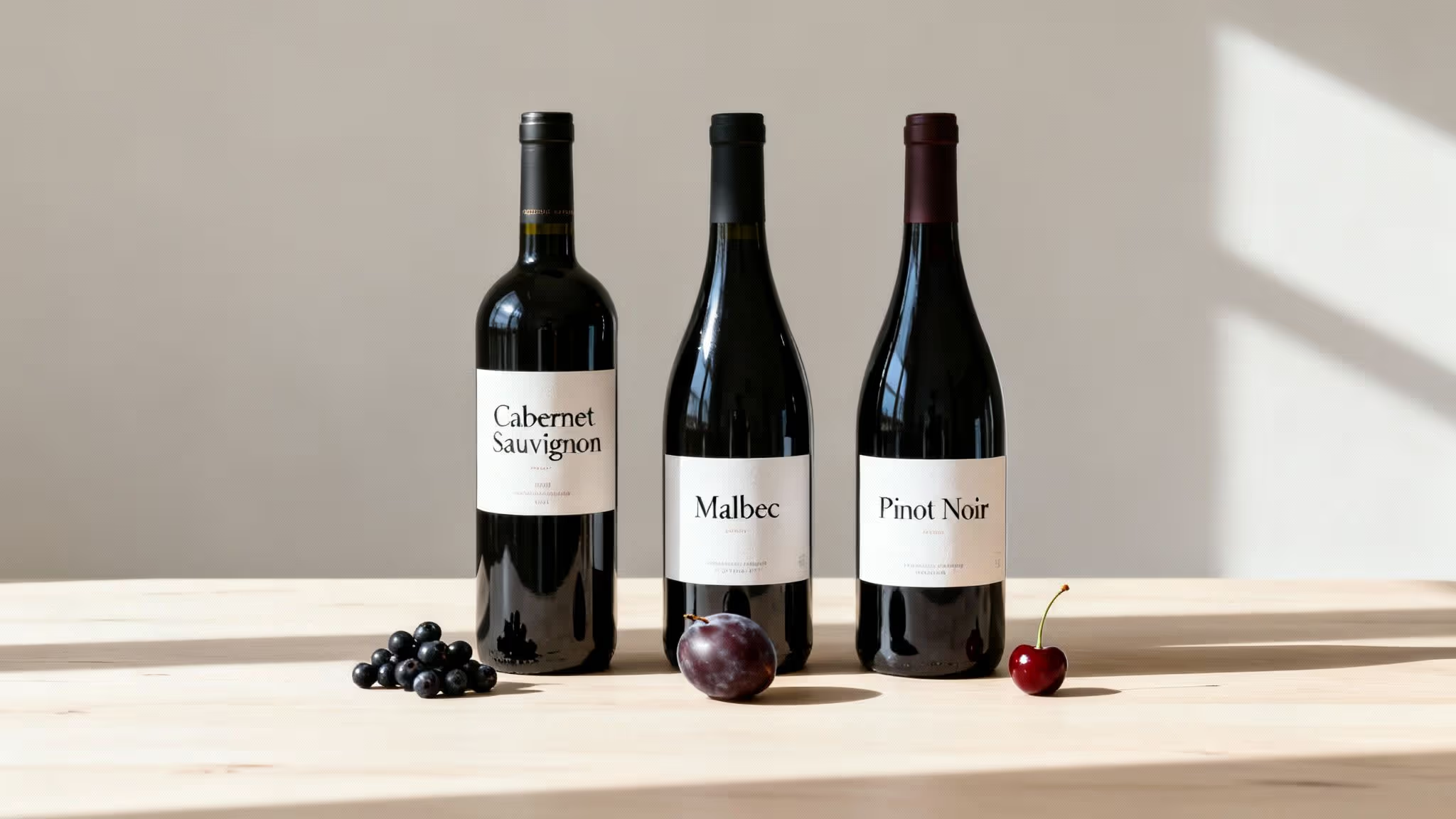
To make things even easier, let’s focus on three fantastic, reliable choices you can find on almost any menu or store shelf. Think of these as your go-to options. You can't go wrong here—just pick the one that sounds most delicious to you.
The Classic Bold Choice: Cabernet Sauvignon
This is the number one, can't-miss classic for a reason. Cabernet Sauvignon is bold, structured, and packed with dark fruit flavors like blackberry and black cherry.
Its powerful structure is the key. It’s the secret weapon against the rich, marbled fat of the prime rib, cutting right through that decadence and getting your palate ready for the next perfect bite. If you want the most traditional and foolproof pairing, this is your wine.
The Smooth Crowd-Pleaser: Malbec
If you love a rich red but sometimes find Cabernet a little too intense, Malbec is your answer. It’s known for being plush and velvety, with juicy flavors of ripe plum and blackberry.
Malbec has a softer, rounder feel, which makes it incredibly approachable and just plain easy to drink. It has plenty of body to stand up to the beef, but it does so with a gentler touch. It's a natural fit for bold cuts of meat.
The Lighter Elegant Option: Pinot Noir
For those who prefer a more delicate and aromatic red, Pinot Noir is a beautiful, sophisticated choice for your prime rib dinner. It's lighter in body than the other two, with bright red fruit flavors like cherry and raspberry.
While it's lighter, Pinot Noir's bright acidity is what makes it work so well. That acidity provides the same palate-cleansing magic as tannin, slicing through the meat's richness without overpowering its more subtle flavors.
This wine is a fantastic option if your prime rib is served medium-rare and seasoned simply. It highlights the meat in a more graceful way. If you find yourself drawn to less intense styles, our guide to easy to drink red wines can give you even more great ideas.
Choosing between these three just comes down to personal taste. Do you want bold and classic, smooth and fruity, or light and elegant? There’s no wrong answer here.
Pairing Wine with Your Sauces and Sides
A great prime rib wine pairing isn't just about the meat. The sauces and side dishes you choose can change the game, and your wine choice can adapt right along with them.
Thinking about the whole plate is what separates a good pairing from a memorable one. Don't worry, this doesn't make things complicated. You're just fine-tuning your choice to match the most powerful flavors on the plate.
If You Love Creamy Horseradish Sauce
That spicy, creamy kick from horseradish is a classic for a reason. Its sharp bite cuts right through the richness of the beef. But that same heat can make a bold Cabernet Sauvignon taste a bit harsh.
To smooth things over, lean toward a red with lots of juicy fruit. A fruit-forward Malbec from Argentina or a ripe Zinfandel from California is perfect here. The jammy berry flavors in these wines will soften the horseradish's spice, creating a more delicious combination.
For Savory Au Jus or Mushroom Gravy
If your prime rib is served with a savory, salty au jus or a rich, earthy mushroom gravy, your options open up. These flavors are natural allies for classic, structured red wines.
This is the perfect moment for a Cabernet Sauvignon or a classic Bordeaux blend. The earthy notes in the wine will echo the mushrooms, while its firm structure will stand up to the richness of the gravy, cleansing your palate with every sip.
The key is to match the dominant flavor. If the sauce is the star, let it guide your wine choice. This simple shift in thinking makes you a more confident diner.
When Rich Sides Steal the Show
What about decadent side dishes like creamy mashed potatoes, rich creamed spinach, or cheesy gratins? They can be just as impactful as the prime rib itself.
When these rich, creamy players are on the plate, a wine with good acidity is your best friend. Acidity acts like a squeeze of lemon, cutting through fat and keeping your palate from feeling weighed down. A Pinot Noir is a fantastic choice here. Its bright acidity and vibrant red fruit notes will lift those heavy flavors, making the entire meal feel more balanced.
How to Choose a Wine at the Store or Restaurant
Okay, this is where it gets real. You’re at the table with the wine list open, or you’re standing in the wine aisle staring at a wall of bottles. It’s easy to feel a little pressure.
But here's the thing: you don't need to find the one "perfect" bottle. The goal is just to find a great bottle you'll enjoy, and to do it without stress. You already know that big, structured reds like Cabernet Sauvignon are built for prime rib. Now it’s just a matter of putting that knowledge to work.
Making a Quick Choice in a Restaurant
When the wine list lands, don't try to read the whole thing. Your first move should be to scan the "By the Glass" section. Think of this as the restaurant's curated list of reliable, popular wines.
Look for the familiar names we’ve been talking about:
- Cabernet Sauvignon: You’ll almost always find one here. It’s the safest, most classic bet you can make.
- Malbec: Another frequent option, offering a smoother, fruit-forward alternative.
- Pinot Noir: If you see one, it’s your ticket to a lighter, more elegant pairing.
Once you spot a couple of these, the final decision is just about your budget and your mood. Picking from the glass list is a fantastic, low-risk way to land a great wine for your prime rib.
Navigating the Wine Shop Aisle
A big wine shop can feel overwhelming. The trick is to cut through the clutter by focusing your search on specific regions known for delivering the right style for prime rib.
Instead of wandering, head straight for these sections:
- California for Cabernet Sauvignon: This is ground zero for the kind of bold, fruit-forward Cabs that sing with rich beef.
- Argentina for Malbec: Here you'll find delicious, smooth, and often budget-friendly Malbecs that are a guaranteed crowd-pleaser.
This simple strategy helps you ignore most of the store and zero in on the bottles most likely to be a home run. Your sauce choice can also be a great tie-breaker.
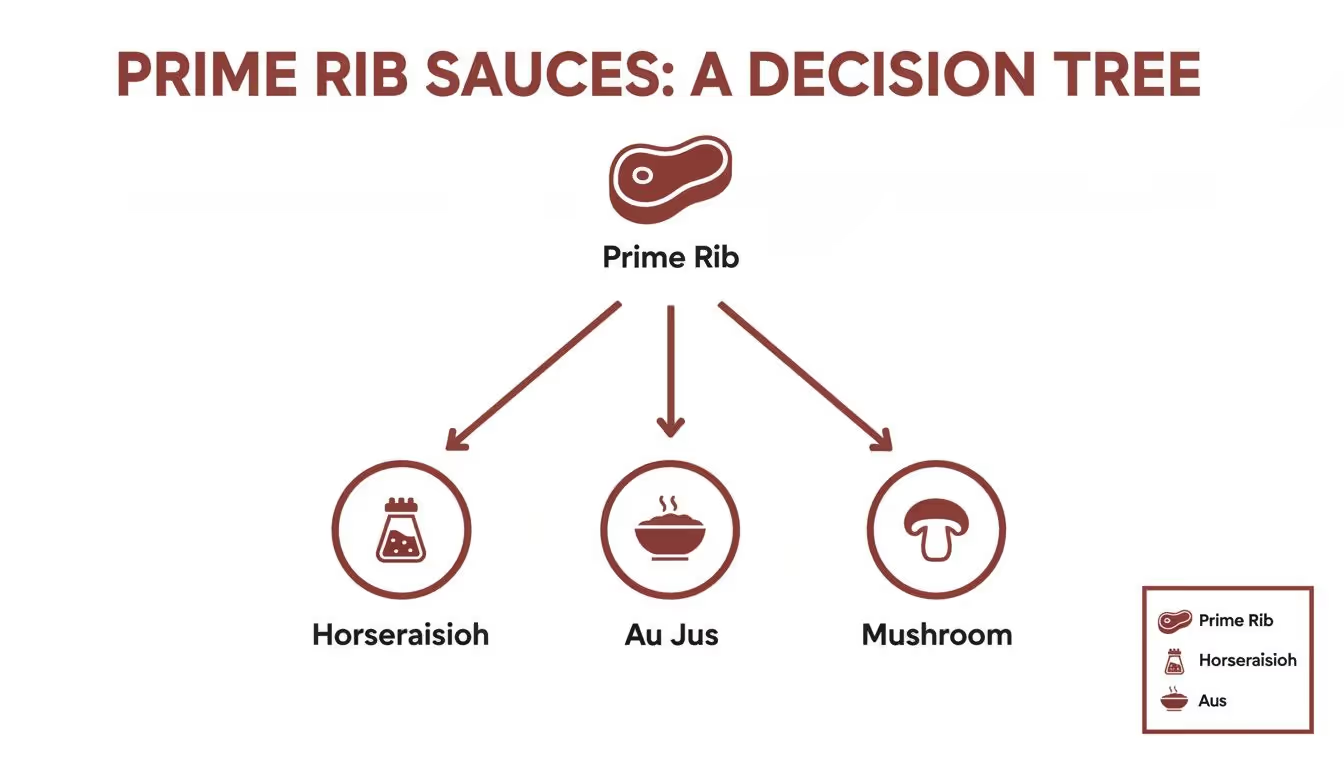
As you can see, a zesty horseradish sauce loves a fruitier wine to balance the heat, while a savory au jus is a perfect match for something with more structure.
Even with these pointers, standing in front of a shelf can feel like a guessing game. This is exactly the kind of in-the-moment decision where an AI assistant like Sommy comes in handy. Instead of hoping for the best, you can get an instant recommendation that fits your taste, meal, and budget.
Common Questions About Prime Rib Wine Pairing
Even with a solid game plan, a few questions always seem to pop up. Let's tackle the most common ones. A little extra clarity here can make the difference between a good choice and a perfect one.
Can I pair white wine with prime rib?
The short answer is yes, absolutely—as long as you pick the right white wine. The classic "red wine with red meat" rule exists for a good reason, as red wine’s structure is a natural partner for the fat in prime rib. But that doesn't mean white wine is out of the game.
You just need a white wine with enough body to hold its own. Think rich and robust. A classic oaked Chardonnay, especially from California, is your best bet. Its creamy, buttery notes and fuller body have the necessary weight, so it won’t get overpowered by the beef.
What is a good budget-friendly wine for prime rib?
You don't have to spend a lot to get a fantastic wine for prime rib. Some of the best pairings are surprisingly affordable if you know where to look. For pure value, an Argentinian Malbec is almost always a winner, delivering deep fruit and a smooth finish that drinks like a much more expensive bottle.
Another great choice on a budget is a Côtes du Rhône from France. These red blends are known for their savory, peppery notes and solid structure, making them a consistently great partner for any roasted meat.
Confidence comes from knowing you have great options at any price. A delicious prime rib pairing for under $20 is not just possible; it's easy to find.
Does the doneness of the prime rib matter?
It does, in subtle but important ways. How you cook the prime rib changes its texture and flavor intensity, which can make certain wines feel more at home.
- For Rare or Medium-Rare Prime Rib: When the meat is juicier and its flavors are more delicate, you want a wine that complements it without overpowering it. A Pinot Noir is perfect here. Its high acidity cuts through the richness nicely.
- For Medium-Well or Well-Done Prime Rib: As the meat cooks longer, it develops a more intense, savory crust. This calls for a wine with more backbone. This is where a classic Cabernet Sauvignon or a powerful Syrah really shines.
These little details can turn a great meal into a memorable one, but it shouldn't be stressful. For those moments when you just want a quick, personal answer, an AI assistant can be a lifesaver. Sommy is designed to learn your taste and give you a confident recommendation in seconds. Instead of trying to recall every rule, you can get a suggestion for the best bottle for your specific meal and budget.
You can learn more about how it works at https://www.sommy.ai.

EntreprEngineur. Runs on latte's. Creates with the intensity of a downhill run—fast, slightly chaotic, ideally followed by a glass of wine.