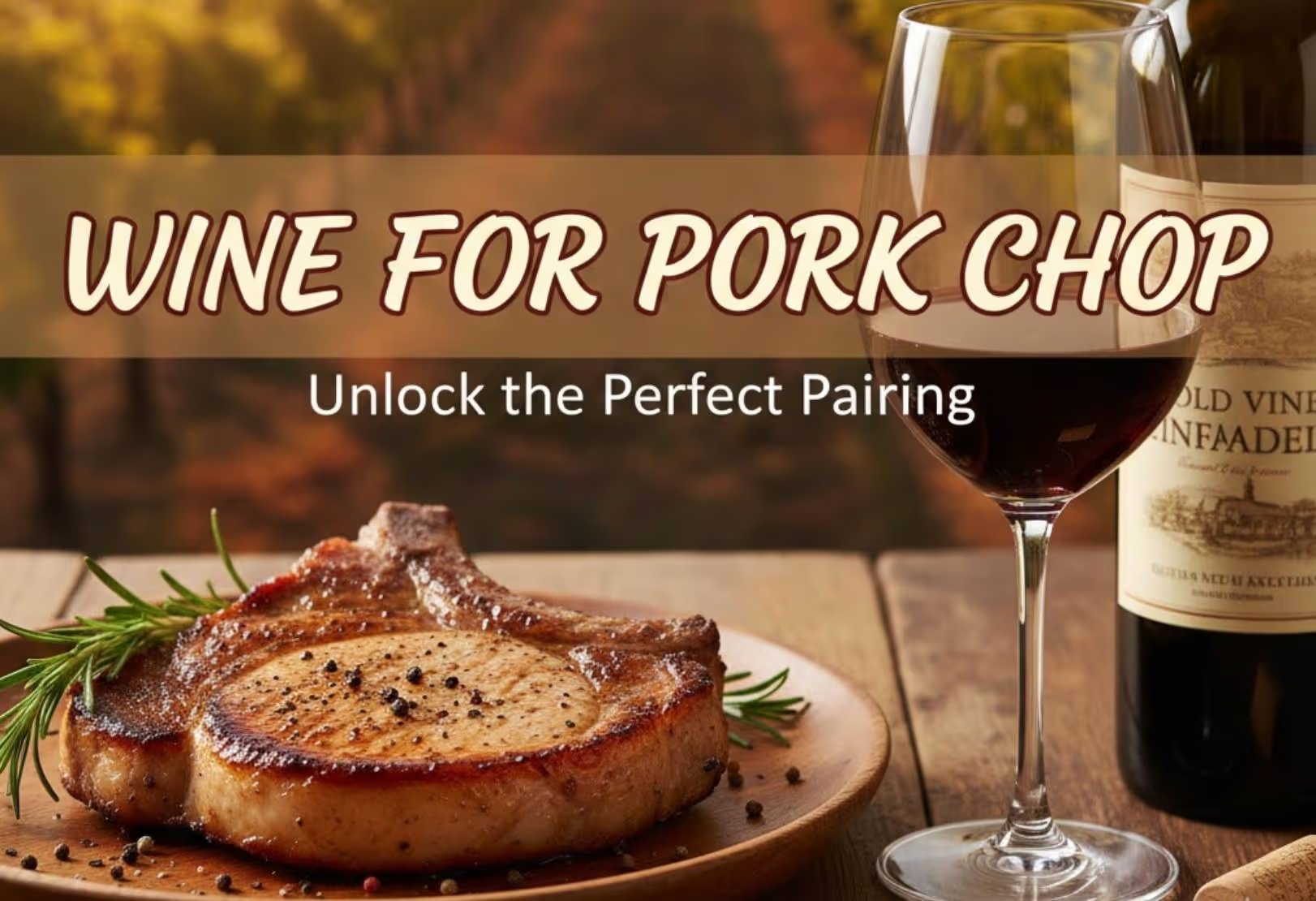

The best wine for pork chops is a medium-bodied white with real acidity or a light, low-tannin red, and which one you want is decided by the sauce rather than by the meat. Chenin Blanc, off-dry Riesling and unoaked Chardonnay handle fruit glazes and cream sauces; Pinot Noir, Grenache and medium-bodied Zinfandel handle char, smoke and spice rubs. Pork itself is mild and slightly sweet, so it sits happily on either side of the red-white line, and the loudest thing on the plate gets to choose.
Is pork better with red or white wine?
Both work, and pork is one of the few meats where that answer isn't a dodge. Pork is far leaner and milder than beef and far richer than chicken, which puts it in the middle of the range where a white with body and a red with restraint are equally at home.
Use white when the chop arrives with something creamy, tangy or fruity on it, because those sauces have acidity or sugar that a white can meet head on. Use red when the chop has been grilled, seared hard or rubbed with smoky spice, because those flavors want fruit and a bit of savory depth rather than citrus.
The one thing to avoid on either side is a big, drying, heavily oaked bottle. A young Cabernet Sauvignon has enough tannin to strip a lean pork chop of the little fat it has, and a heavily oaked Chardonnay buries a mild piece of meat under vanilla and butter. Keep the wine medium in weight and you'll be fine whichever color you pour.
How do you choose a wine for pork chops in one step?
Say the sauce out loud before you look at a single bottle. Apple glaze, mustard cream, smoky rub: whichever one you say is the flavor the wine has to get along with, and pork is neutral enough that it won't complicate the decision.
Three rules cover almost every chop you'll ever cook. A sweet or fruity glaze wants a wine with brightness or a touch of its own sweetness, so the glaze doesn't make the wine taste sour by comparison. A creamy sauce wants a white with enough texture to sit alongside it and enough acidity to clear your palate after each bite. And a smoky or spicy rub wants a juicy red with soft tannin, because tannin and chili heat sharpen each other.
Wine lists and back labels tend to use the same four words over and over, and each of them is a reliable signal once you know what it's pointing at.
| Menu word | What it usually means | Which chop it suits |
|---|---|---|
| Crisp | Bright, tart, mouth-watering | Apple or fruit glaze, breaded and fried |
| Round or creamy | Softer texture, less sharp edge | Mustard cream, mushroom sauce |
| Juicy | Fruity and easy, low tannin | Smoky rubs, grilled and charred |
| Firm tannins or bold | Drying and heavy | Nothing on this page, honestly |
If you want the general version of this rule for every dish rather than just pork, our guide to how to pair wine with food covers the same logic across proteins.
Does how you cook the chop change the wine?
More than the sauce does, in one specific way that almost every pairing guide misses. A pork chop cooked to the current safe temperature is juicy and faintly pink in the middle, not gray, and that changes what it can take next to it.
The National Pork Board puts the safe internal temperature for fresh cuts, including chops, loin and tenderloin, at 145 degrees Fahrenheit followed by a three-minute rest, with ground pork the exception at 160. Most people over forty learned to cook pork well past that, and the chop that comes off the pan at 145 is a different piece of meat: moister, sweeter and noticeably more delicate.
The wine choice follows straight from that. A juicy 145-degree chop has enough moisture to sit next to a light red without the wine's tannin drying it out, which is why Pinot Noir and Grenache work so well now and worked badly on the gray, dry chops that older pairing advice was written for. A chop cooked well past that point loses moisture and gets tougher, and it needs a white with acidity or a sauce to carry it, because a tannic red would only make the dryness worse. If you're not sure which one you're serving, buy the thermometer before you buy the wine.
Cooking method matters on top of that. Pan-searing and grilling both build a browned crust with roasted, faintly bitter flavors that a fruity red mirrors nicely. Braising softens everything and adds liquid, which usually points at a rounder white or a soft red. Oven-baking sits in between and generally leaves the sauce in charge.
What wine goes with apple-glazed pork chops?
Off-dry Riesling is the answer, and Pinot Noir is the answer if the table wants red. An apple or cider glaze adds sugar and gloss, and sugar on the plate makes a bone-dry wine taste thin and sour by contrast, so you either need a wine with a little sweetness of its own or one with fruit ripe enough to keep up.
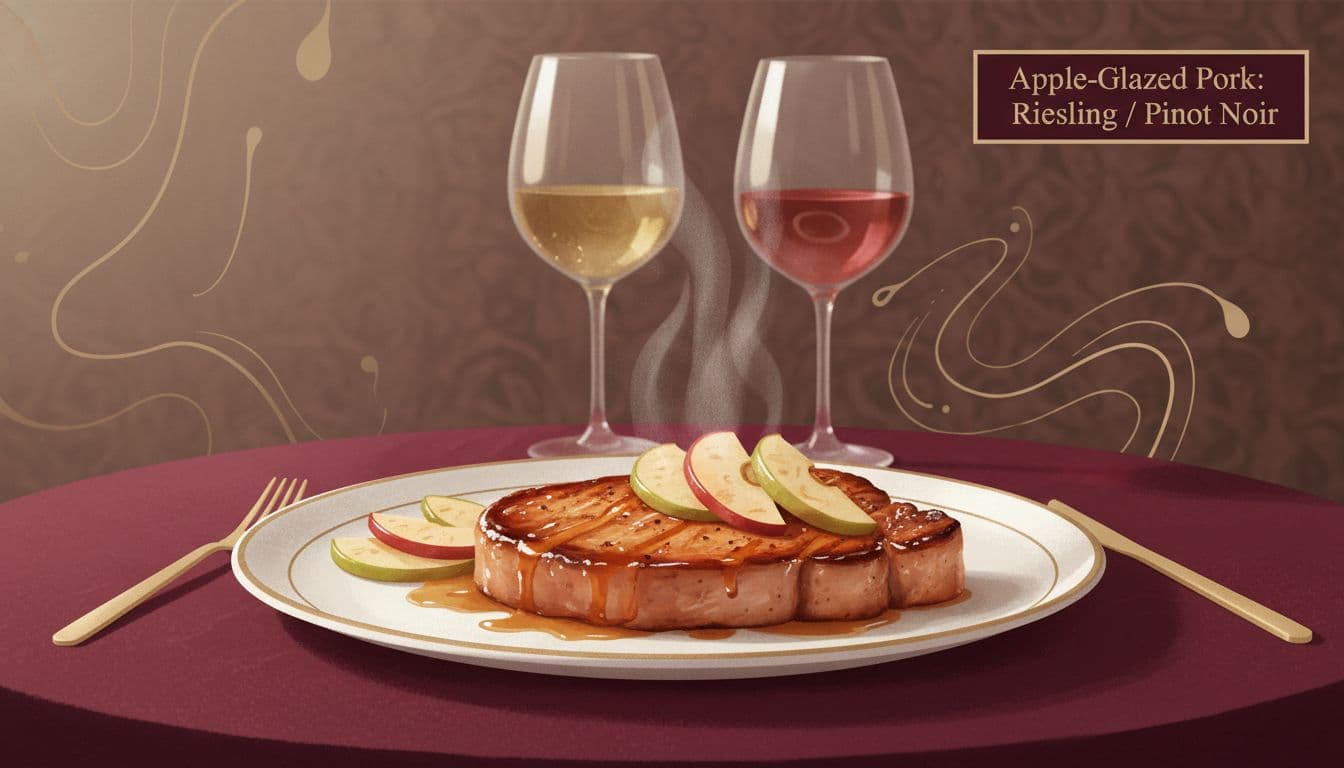
Riesling and apples belong together for an obvious reason: Riesling tastes of orchard fruit and lime, so it echoes the glaze instead of arguing with it, and its acidity keeps the sweetness from turning cloying halfway through the plate. Look for the words off-dry, semi-sweet or Kabinett on the label, and steer away from anything marked trocken or bone dry, which is the German and the English for the version you don't want here. Our guide to telling a dry Riesling from a sweet one is useful in the aisle, because the label often won't say outright.
Pinot Noir works because it's the red with the least to prove. Bright cherry fruit, gentle tannin and enough acidity to handle a sweet glaze, without the weight to flatten a lean chop. If the glaze leans more savory than sweet, with mustard or thyme in it, a Chenin Blanc splits the difference nicely.
Ordering out, ask for a Riesling that isn't bone dry, or for the lightest Pinot Noir on the list. Both requests are easy for a server to act on, and neither requires you to pronounce anything difficult.
What wine goes with pork chops in mustard cream sauce?
Chenin Blanc first, unoaked or lightly oaked Chardonnay second. Mustard cream is rich and tangy at the same time, so the wine has two jobs: enough texture to stand beside the cream, and enough acidity to reset your mouth before the next bite.
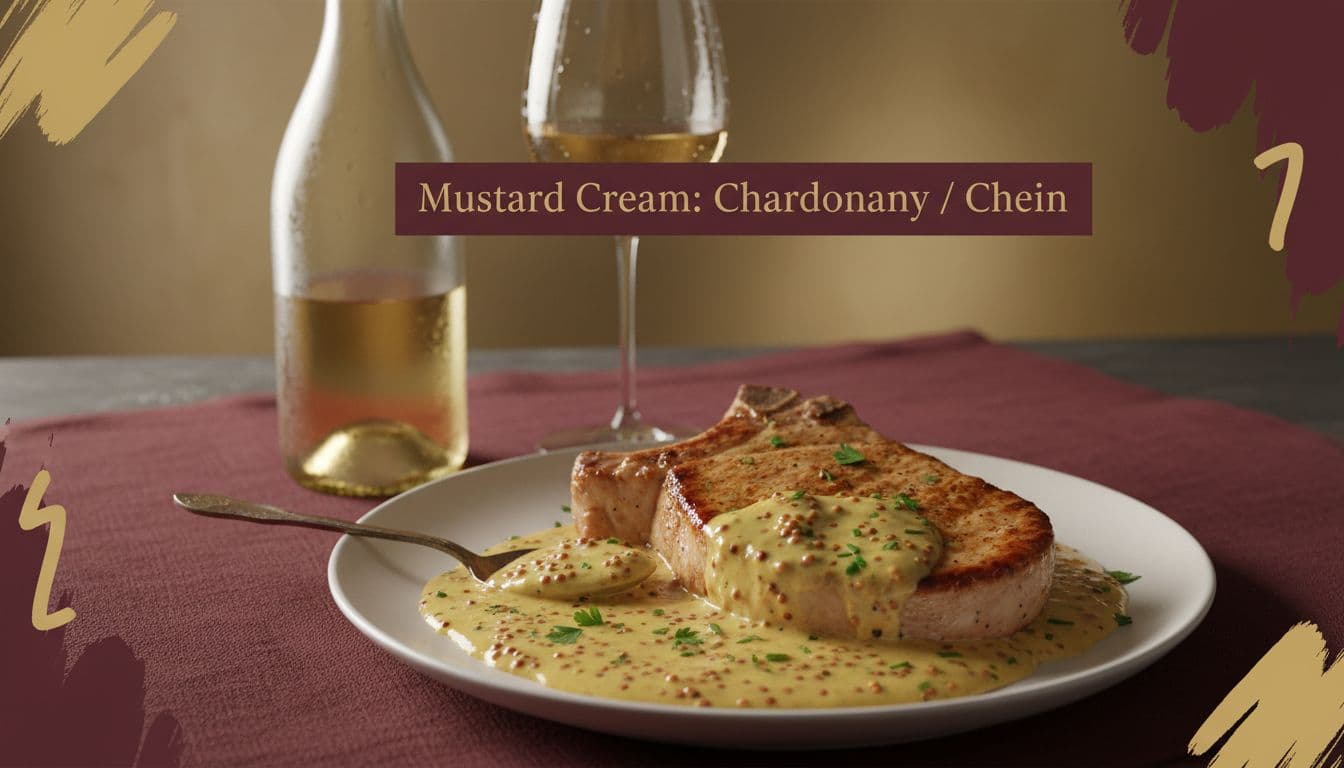
Chenin Blanc is the better answer of the two and the one almost nobody suggests. It carries apple and quince fruit with genuinely high acidity, which is exactly what cuts through dairy fat, and the Loire and South African versions both do it without oak getting in the way. Chardonnay works too, but only the leaner styles: a bright Chablis or an unoaked Californian will sit alongside the sauce, while a heavily oaked one adds butter to a dish that already has plenty.
The sides shift things slightly as well. Mashed potatoes, mushrooms and roasted onions all push in the same rich direction, which supports the Chardonnay end. A sharp green side like beans, asparagus or a lemony salad pulls the other way and makes Chenin Blanc the safer bet. If you want a red here, keep it very light and serve it cool, because a cream sauce and firm tannin are a genuinely unpleasant combination.
On a wine list, "rich white" means Chardonnay and "fresh white" means Chenin Blanc or something like it, and those two phrases will get you most of the way without any further vocabulary.
What wine goes with smoky or spice-rubbed pork chops?
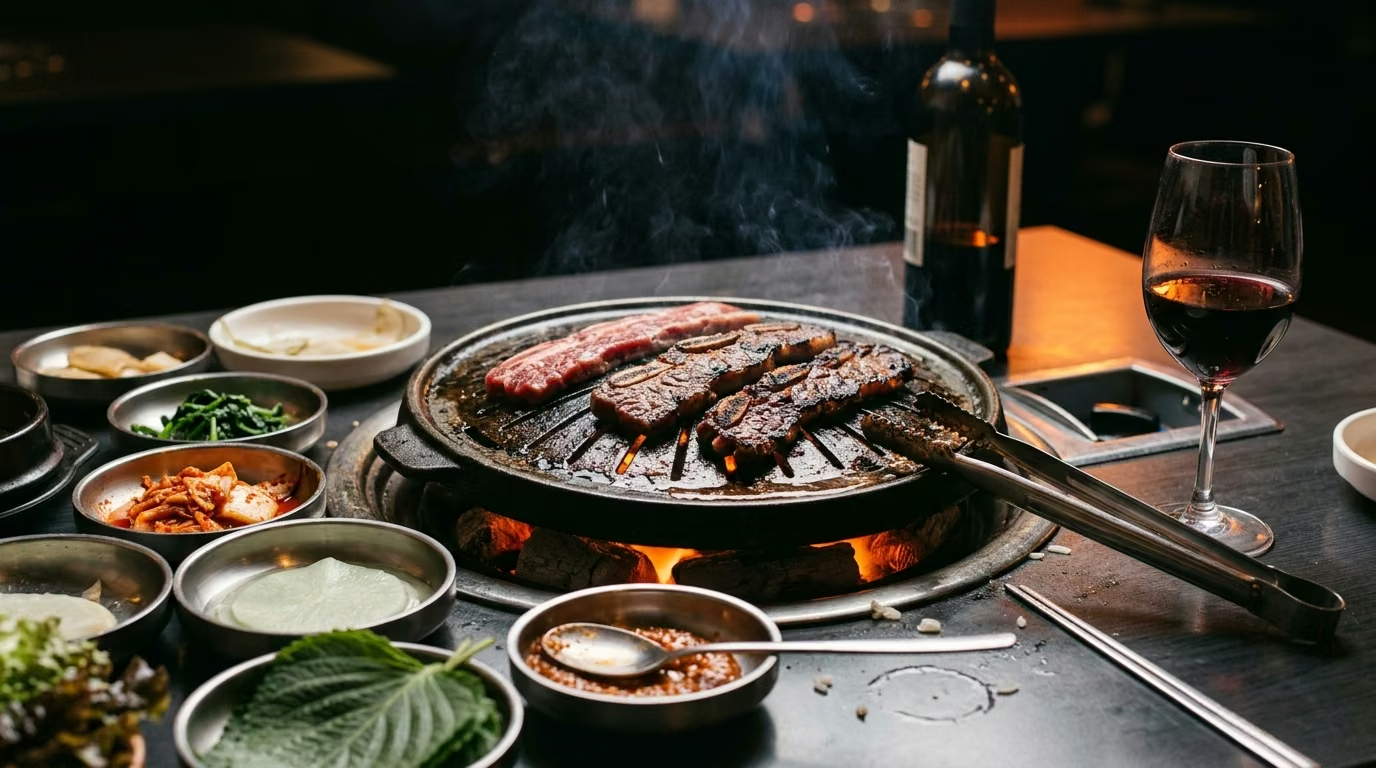
Go juicy rather than powerful: Grenache, medium-bodied Zinfandel or a Côtes du Rhône. Smoky rubs bring paprika, black pepper, char and often a little brown sugar, and a big drying red turns all of that bitter and hot at once.
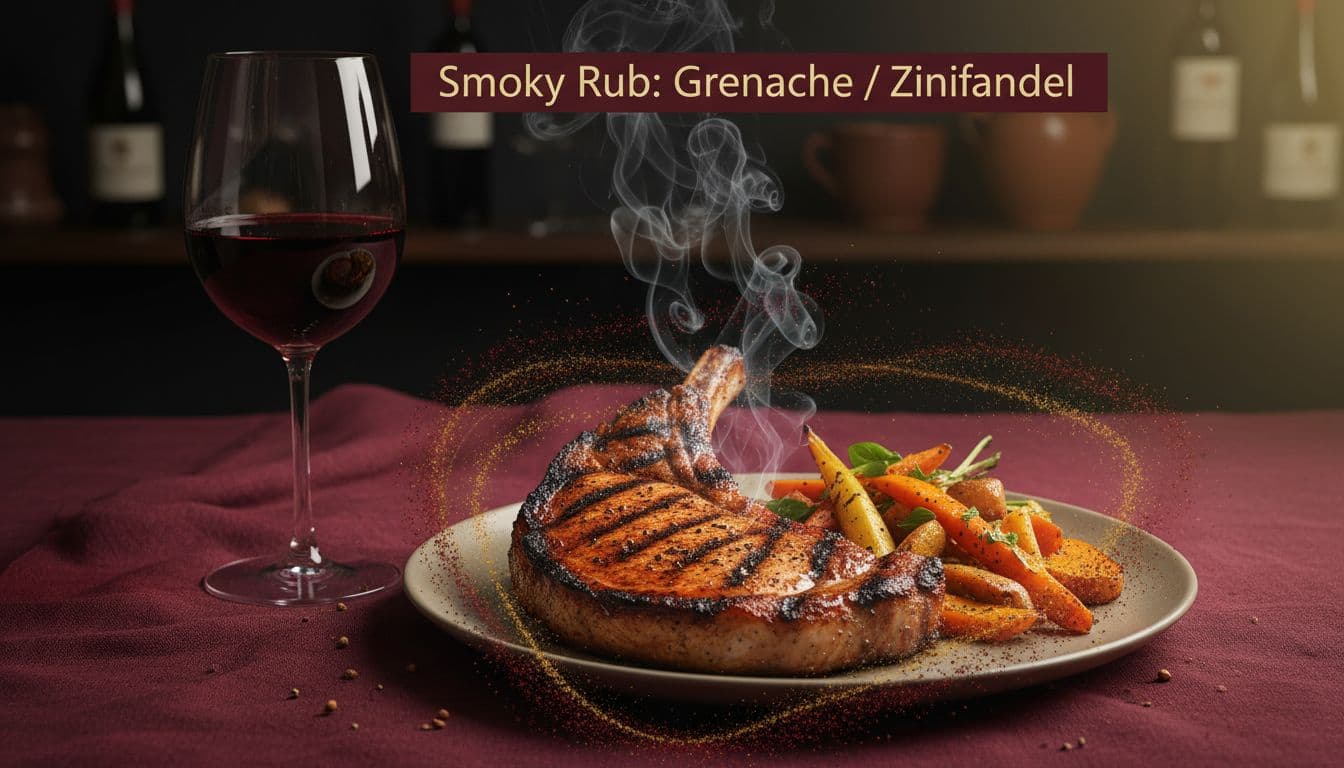
Grenache, sold as Garnacha in Spain, is the most forgiving red on the shelf for this. It gives strawberry and dried-herb fruit with soft tannin and enough warmth to meet the smoke without fighting it. Zinfandel is the other classic, and the brambly fruit is a natural match for grill marks and sweet rubs, though you want a medium-bodied bottle rather than one of the enormous high-alcohol versions, because alcohol amplifies chili heat the same way tannin does.
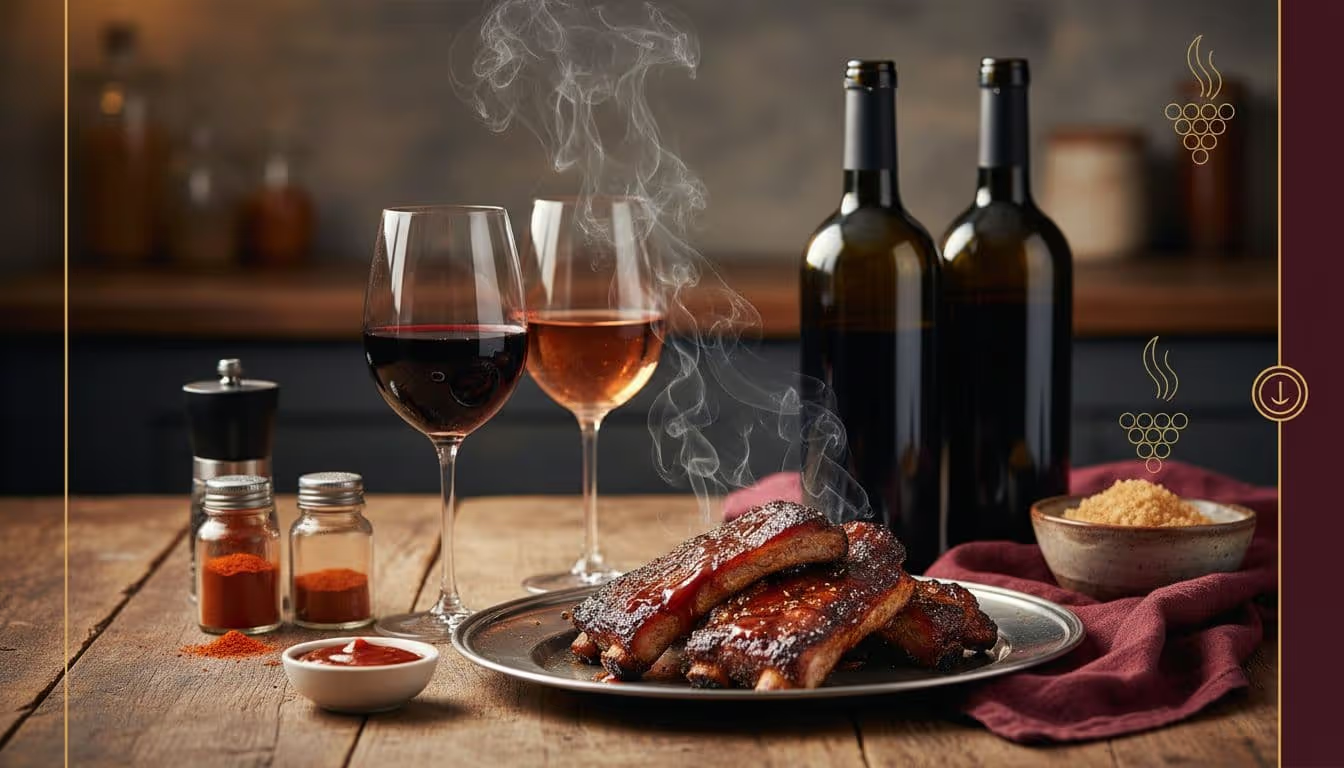
Avoid anything the label describes as extra bold, massive or heavily oaked. If the rub has real chili heat in it rather than just smoke, a chilled dry rosé or an off-dry Riesling will actually beat any red, for the same reason those wines work with barbecue. Our guide to wine for barbecue ribs and pulled pork goes deeper on smoke and sauce, and most of it transfers straight across.
In a restaurant, "a juicy red, not too tannic" is the sentence that works. You'll usually get something Grenache-shaped even when the list never prints the word.
What about breaded or fried pork chops?
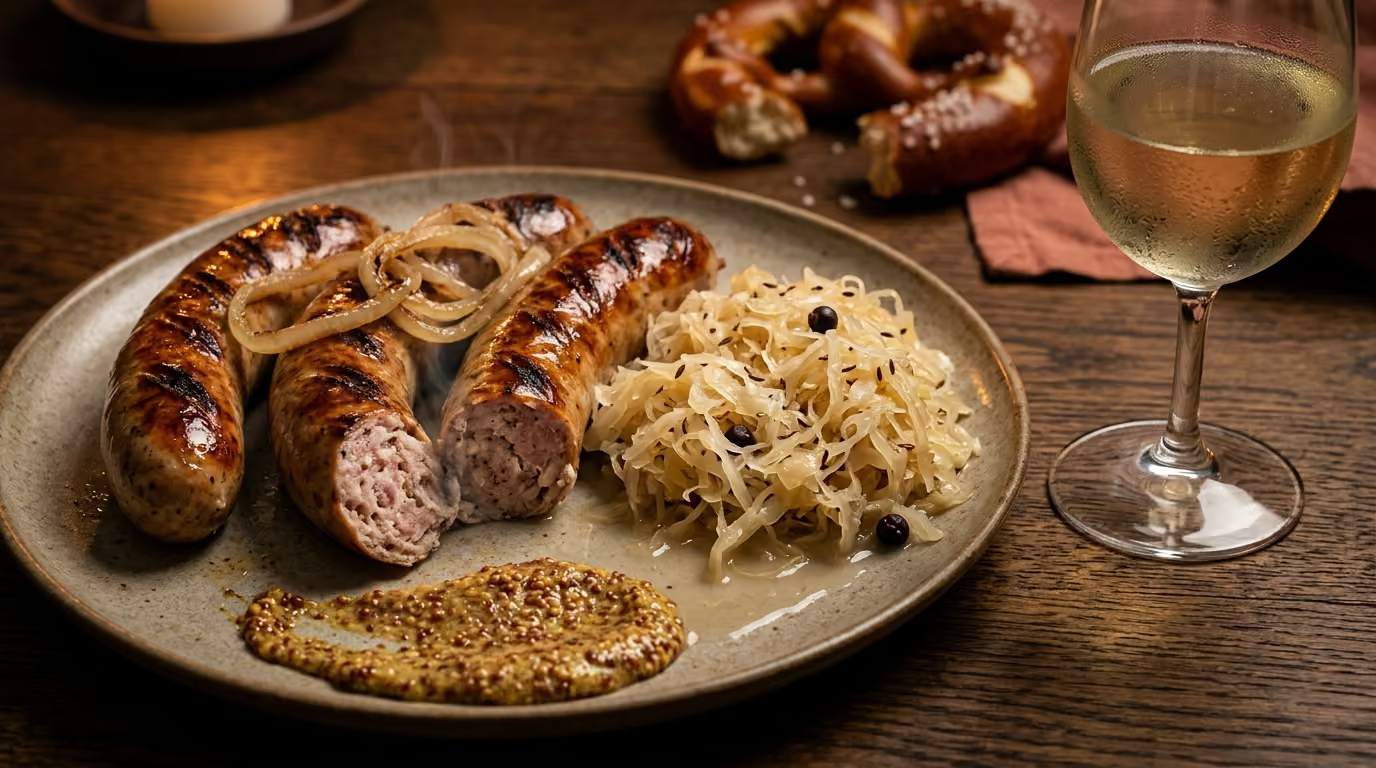
Bubbles, or something crisp enough to act like them. A breaded chop, whether it's a thin schnitzel-style cutlet or a thick buttermilk-fried one, is mostly about crunch and fat, and the wine's job is to cut through rather than to match flavors.
Dry sparkling wine is the best answer and the one people forget: a Cava or a Crémant scrubs the oil off your palate between bites and makes the whole plate feel lighter. Failing that, a high-acid white like Grüner Veltliner, Sauvignon Blanc or a dry Riesling does similar work, and a squeeze of lemon on the chop makes any of them fit better. Sparkling rosé is the version to buy when there's also a sweet or fruity element on the plate.
The thing that doesn't work here is oak. A breaded chop plus an oaky Chardonnay gives you toast on toast, and the meal turns heavy by the third mouthful.
Which cut of pork chop are you cooking?
The cut sets the fat level, and fat level sets how much wine the plate can handle. A well-marbled shoulder chop supports a fuller red than a lean boneless loin chop ever will, even with the same sauce on both.
| Cut | What it's like | Wine that fits |
|---|---|---|
| Bone-in rib chop | Juicy and flavorful, good for grilling and searing | Pinot Noir, Grenache, dry rosé |
| Boneless loin chop | Lean and delicate, dries out quickly | Chenin Blanc, unoaked Chardonnay, Riesling |
| Shoulder or blade chop | Marbled and richer, suits slow cooking | Zinfandel, Côtes du Rhône, Barbera |
| Thin-cut chop | Fast to cook, usually breaded or fried | Cava, Crémant, Grüner Veltliner |
Brining changes the picture too. A brined chop carries more salt, and salt makes tannin taste harsher and acidity taste softer, so a brined chop is another reason to reach for the lighter red or the crisper white rather than the biggest bottle on the shelf.
What should you look for in the wine aisle?
Shop by style rather than by producer, because the styles are consistent and the producers change from store to store. Three bottles cover almost everything a pork chop can throw at you, and none of them is expensive or hard to find.
A dry or off-dry Riesling from Germany, Washington State or the Finger Lakes is the most flexible single bottle for pork, and it handles glazes, brines and light spice equally well. A Chenin Blanc from the Loire or South Africa is the one to buy for cream and mustard sauces. And a Grenache, Garnacha or Côtes du Rhône covers everything grilled, smoked or rubbed. If you'd rather have one red than three bottles, a lighter Pinot Noir is the safest compromise across all of them.
Skip anything describing itself as bold, massive, extra rich or heavily oaked, and skip sweet red blends entirely, because sweetness in a red plus a savory chop is the one combination that reliably tastes wrong. If you're standing in front of the shelf with a specific bottle in your hand and no idea whether it fits, Sommy's Fit Check answers that exact question against your own taste rather than a generic pairing chart.
Pork is a wide category and chops are only part of it. If you're cooking a different cut tonight, we have separate guides to wine for pork tenderloin and to pork and wine more generally.
Frequently asked questions about wine with pork chops
What should you drink with a pork chop?
An off-dry Riesling or a light Pinot Noir will suit almost any pork chop, and the sauce decides between them. Fruit glazes and cream sauces point at the Riesling or a Chenin Blanc, while grilled and spice-rubbed chops point at the Pinot Noir, a Grenache or a medium-bodied Zinfandel. Dry sparkling wine is the reliable answer for breaded or fried chops.
Is pork better with red or white wine?
Neither is better, because pork is mild and lean enough to work with both. White wine suits creamy, tangy and fruit-glazed preparations, and red suits grilled, charred and smoky ones. The only real rule is to keep the wine medium-bodied, since a heavily tannic red or a heavily oaked white will overwhelm the meat either way.
Which red wine pairs with pork?
Pinot Noir, Grenache and medium-bodied Zinfandel are the three that consistently work, with Barbera and a Côtes du Rhône close behind. All of them share low to moderate tannin and bright fruit, which is what a lean meat needs. Young Cabernet Sauvignon and other firmly tannic reds are the ones to leave on the shelf, because they dry out the chop rather than complementing it.
What white wine pairs with pork?
Chenin Blanc, off-dry Riesling and unoaked Chardonnay are the strongest choices, and Grüner Veltliner is excellent with anything breaded. Each of them has the acidity to cut through fat and enough texture to sit beside a sauce. Heavily oaked Chardonnay is the exception to avoid, since the vanilla and butter compete with the meat instead of supporting it.
What wine goes with pork chops and apples?
Off-dry Riesling is the classic and the safest pick, because it shares the orchard fruit flavor with the glaze and has the acidity to stop the sugar dominating. A dry cider works just as well if you'd rather not open wine. For red, a light Pinot Noir handles the sweetness better than anything heavier.
Does the wine need to be sweet if the sauce is sweet?
Not sweet, just not bone dry. The general rule is that the wine should be at least as sweet as the food, or the food makes the wine taste sour and thin. Off-dry is usually enough for a glaze, and reaching for a genuinely sweet dessert wine would overshoot and make the meal cloying.
What temperature should the wine be?
Serve the whites cold but not icy, and give the light reds fifteen minutes in the fridge before you pour. A red served at modern room temperature tastes soupy and alcoholic next to a hot chop, and cooling it slightly makes the fruit read as fresher. Our guide to chilling wine quickly covers what to do when you forgot.