So, what’s the single best wine to pour with turkey? The honest answer is there isn’t just one. But if you’re looking for a can't-miss, all-around crowd-pleaser, you can’t go wrong with a medium-bodied, low-tannin red like Pinot Noir or a crisp, aromatic white like Sauvignon Blanc or a dry Riesling.
These wines are brilliant because they complement turkey’s lean protein without steamrolling its delicate flavor, making them fantastic choices for any holiday table.
Why Turkey Is So Forgiving
Pairing wine with the Thanksgiving or Christmas feast can feel like a high-stakes decision, especially with a dozen different side dishes clamoring for attention. Here’s the good news: turkey’s mild flavor and lean texture make it one of the most wine-friendly meats you can serve.
Unlike a big, bold steak that practically screams for a high-tannin red, turkey is more of a neutral canvas. This is a huge advantage. It gives you the freedom to explore a whole world of wines, from elegant whites and vibrant rosés to graceful, light-to-medium-bodied reds. The real secret isn't just about matching the bird; it's about creating harmony with the entire meal—the savory gravy, the tart cranberry sauce, and the earthy stuffing all have a say.
The Meal Is the Main Event
Think of your holiday dinner as a symphony. The turkey might be the lead violin, but the side dishes are the cellos, horns, and woodwinds that create depth and complexity. The wine you choose is the conductor, tying all those delicious, disparate elements together.
To pull this off, you’ll want a wine with a few key traits:
- Good Acidity: A wine with a bright, crisp backbone is your best friend. It cuts through rich, fatty foods like gravy or buttery mashed potatoes, cleansing your palate and making every bite feel fresh.
- Moderate Alcohol: Big, high-alcohol wines can clash with certain seasonings and feel heavy over a long meal. Sticking to wines under 14% alcohol generally creates a more balanced and food-friendly experience.
- Low to Medium Tannins: If you're pouring red, this is non-negotiable. High-tannin wines can taste bitter or metallic when they meet lean poultry. Go for something smooth and silky.
This isn't just any meal; it's a major event. In the United States alone, an estimated 46 million turkeys are served on Thanksgiving, and wine sales consistently jump by 20-30% in the weeks leading up to the holiday. The top sellers? Chardonnay, Pinot Noir, and Riesling—proving that most people instinctively reach for wines that follow these pairing principles. You can dig deeper into holiday wine pairing trends from JJ Buckley to see just how popular these choices are.
The goal is to pick a wine that works with the whole plate, not just the turkey. A great pairing respects everything from the sweetness of the yams to the savory herbs in the stuffing, making sure every component works in perfect concert.
Standing in the wine aisle, it’s easy to get paralyzed by choice. This is where a tool like Sommy.ai can become your personal guide. Instead of just grabbing a bottle that looks "good," you can tell it about your specific menu—whether you're serving a smoked turkey with sausage stuffing or a classic roast with cornbread dressing. It will find precise recommendations that match your meal and your personal taste, so you can buy with confidence and know you've made a great choice.
Before we dive into specific recommendations, here's a quick cheat sheet to the best wine styles for your turkey dinner.
Quick Guide to Top Turkey Wine Pairings
This table sums up the best styles to look for, their core characteristics, and what makes them such a great fit for the classic turkey feast.
Wine StyleKey CharacteristicsBest ForPinot NoirLight to medium body, red fruit, earthy notes, low tannins.The universal crowd-pleaser; its savory side loves herbs and stuffing.Beaujolais (Gamay)Bright, juicy red fruit, high acidity, very low tannins.A vibrant, food-friendly choice that complements cranberry sauce perfectly.Dry RieslingHigh acidity, notes of citrus and stone fruit, often a hint of minerality.Cutting through rich sides like gravy and mashed potatoes. Fantastic with everything.Sauvignon BlancCrisp acidity, green and citrus notes, herbal undertones.Highlighting the herbal notes in stuffing and green bean casserole.Dry RoséThe acidity of a white with the red fruit character of a red.Bridging the gap between white and dark meat; a truly versatile option.Champagne/SparklingHigh acidity, fine bubbles, notes of toast and citrus.An elegant start to the meal that cleanses the palate with every sip.
This isn't an exhaustive list, of course, but it covers the all-stars that are almost guaranteed to make your meal shine. Now, let's look at some specific bottle recommendations across different styles and budgets.
Understanding Your Holiday Flavor Profile
Before you even think about popping a cork, the first step to a killer turkey and wine pairing is to actually look at what's on your plate. Think of the holiday meal as an orchestra; the wine is the conductor, and its job is to make every instrument sound incredible together. It's never just about the turkey—it's about the whole delicious, chaotic, and memorable ensemble.
The turkey itself is a pretty friendly canvas. It's a lean, savory protein with a mild flavor that plays well with others. But how you cook it changes everything. A classic roasted turkey brings that crispy, savory skin and juicy meat to the table. A smoked turkey, on the other hand, is a different beast entirely—it’s bold, powerful, and woodsy. And a deep-fried bird? You get that amazing crunchy exterior and unbelievably moist meat, with a much richer vibe overall.
Deconstructing the Holiday Plate
Now, let's be honest. The side dishes are where the real action is. These supporting actors often have much louder voices than the turkey, and your wine choice has to be ready for them. A truly great pairing respects this delicious medley of tastes.
Let’s break down the key players:
- Stuffing or Dressing: This is often the flavor MVP. It can be packed with savory herbs like sage and thyme, maybe some sausage, or it might lean sweet with cornbread and dried fruit. Those herbal and savory notes are huge signposts for your wine.
- Cranberry Sauce: Whether it’s homemade or slides right out of a can, you’re dealing with bright acidity and a sweet-tart punch. The wine needs to handle that intensity without tasting bitter or flat.
- Gravy: Rich, savory, and loaded with umami, gravy adds weight and depth to every single bite. A wine with good, sharp acidity is your best friend here—it will slice right through that richness and clean up your palate.
- Sweet Potatoes or Yams: These can be a pairing wildcard. Often loaded with a lot of sugar, marshmallows, or maple syrup, they bring serious sweetness that can make a dry wine taste harsh and unpleasant if you're not careful.
By figuring out which flavors are running the show on your menu—whether it's the zesty cranberries or the earthy stuffing—you've got the foundation you need to choose like a pro.
Mapping Flavors to Wine Characteristics
Okay, let's connect those food profiles to what's in the glass. Every wine is built on a few key components—acidity, sweetness, tannin, and body—that have a direct conversation with the food you're eating. Getting this interaction right is the secret to a perfect pairing.
A great pairing is a conversation between the food and the wine. The wine shouldn't shout over the food, nor should it be a silent bystander. The goal is to find a bottle that complements, contrasts, and elevates the entire dining experience.
If your meal is heavy on sweet things like glazed carrots and marshmallow-topped yams, a wine with a hint of sweetness itself, like an off-dry Riesling or a jammy Zinfandel, will feel like a natural fit. But if savory, herbal notes from stuffing and gravy are the main event, an earthy Pinot Noir or a crisp Sauvignon Blanc will really sing. Thinking about your whole plate this way is the secret of every great sommelier. It’s also the logic that powers a tool like Sommy.ai, which analyzes these very components—your main course, your sides, your personal taste—to suggest a bottle that creates balance.
This decision tree offers a simple way to start thinking about red versus white based on your meal's dominant flavors.
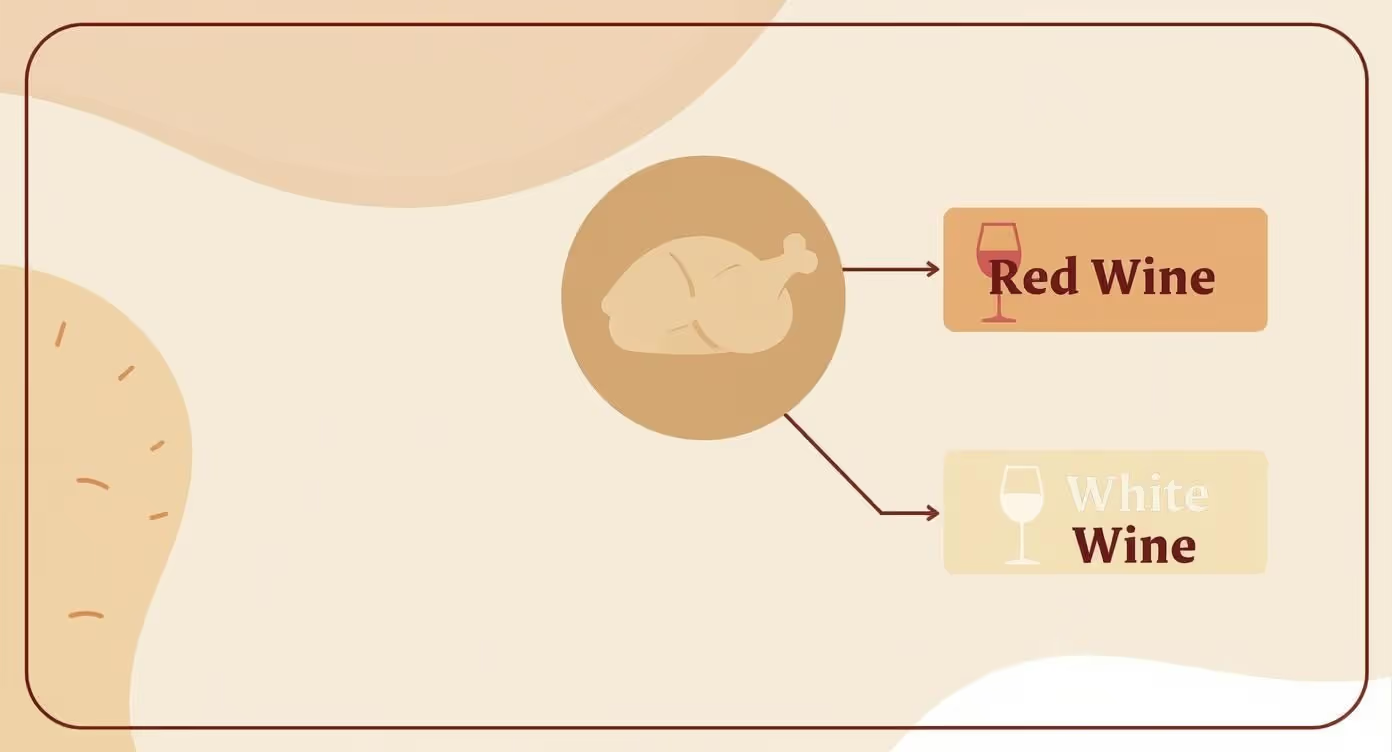
As the visual shows, your cooking style and key sides are the real guides, pointing you toward a red or white wine that will make your specific holiday feast shine.
Exploring the Best Red Wines for Turkey
When it's time for the big turkey dinner, most of us instinctively reach for a red wine. But choosing the right one is everything. The secret isn't about finding the most expensive or famous bottle; it's about avoiding reds with aggressive tannins.
You know that mouth-drying, almost chalky sensation you get from some big, bold wines? That’s tannin. Too much of it will clash with the lean protein in turkey, creating a bitter or metallic taste that can throw the entire meal off balance.
Instead, we want reds with bright acidity and low to moderate tannins. These wines have enough backbone to handle rich gravy and savory stuffing, but they're gentle enough not to steamroll the delicate flavor of the bird itself.
The Undisputed Champion: Pinot Noir
If there were a hall of fame for turkey pairings, Pinot Noir would have its own wing. It's the most versatile and celebrated red for any holiday feast, hands down. Its magic lies in a perfect combination of bright red fruit—think cherry and raspberry—earthy undertones, and silky-smooth tannins that play nicely with both white and dark meat.
Pinot Noir’s naturally high acidity is its superpower at the dinner table. It slices right through the richness of buttery mashed potatoes and savory gravy, cleaning up your palate with every sip. Plus, those earthy, sometimes mushroom-like notes, especially in Old World styles, are a beautiful echo of the herbal flavors in the stuffing.
You can find incredible Pinot Noir from all over the world, each with its own personality:
- Burgundy, France: The classic choice. These are often more savory and elegant, with complex notes of forest floor and spice that are perfect for a traditional herb-roasted turkey.
- Oregon, USA: A fantastic middle-ground, balancing bright red fruit with that earthy complexity. You’ll often find a hint of cranberry or pomegranate that just sings next to cranberry sauce.
- California, USA: Tends to be a bit fuller and more fruit-forward, with lush cherry and raspberry flavors. This style is a knockout with a turkey that has a slightly sweeter glaze or sweeter side dishes.
Expert Tip: Whatever you do, don't serve your Pinot Noir at room temperature. Give it a slight chill—about 15-20 minutes in the fridge before pouring—to lift its aromas and brighten its acidity. It makes a world of difference.
The Crowd-Pleasing Alternative: Gamay
If Pinot Noir is the king, then Gamay is the charming and approachable prince. Best known as the grape behind the wines of Beaujolais in France, Gamay is practically built for festive meals. It’s light-bodied, bursting with juicy red fruit like strawberry and cherry, and has a vibrant acidity that just keeps things fun and refreshing.
What makes Gamay such a slam-dunk pairing for turkey is its incredibly low tannin profile. There is zero risk of it clashing with the meat. It’s an unpretentious wine that gets along with everything on the plate, from the turkey itself to the tartest cranberry relish.
Bolder Reds for Bolder Flavors
Now, while low-tannin reds are the safest bet, some turkey preparations call for a wine with a bit more swagger. If your menu features a smoked turkey, a spicy sausage stuffing, or deep, savory gravy, you can absolutely reach for something with more heft.
Zinfandel, especially from old vines in California, is an excellent move here. It brings a jammy profile of blackberry, plum, and spice, with enough body to stand up to smoky and peppery flavors without being tannic and bitter. That ripe fruit character can also be a wonderful bridge to sweeter sides like glazed carrots or sweet potato casserole.
Similarly, Grenache (or a Grenache-based blend from France’s Southern Rhône) works beautifully. It's known for its soft tannins, red fruit flavors, and notes of dried herbs and baking spice—flavors that echo the seasonings in a traditional stuffing. It offers warmth and generosity without the tight grip of a Cabernet Sauvignon, making it a perfectly balanced choice for a heartier turkey dinner.
Finding the Perfect White Wine for Your Feast
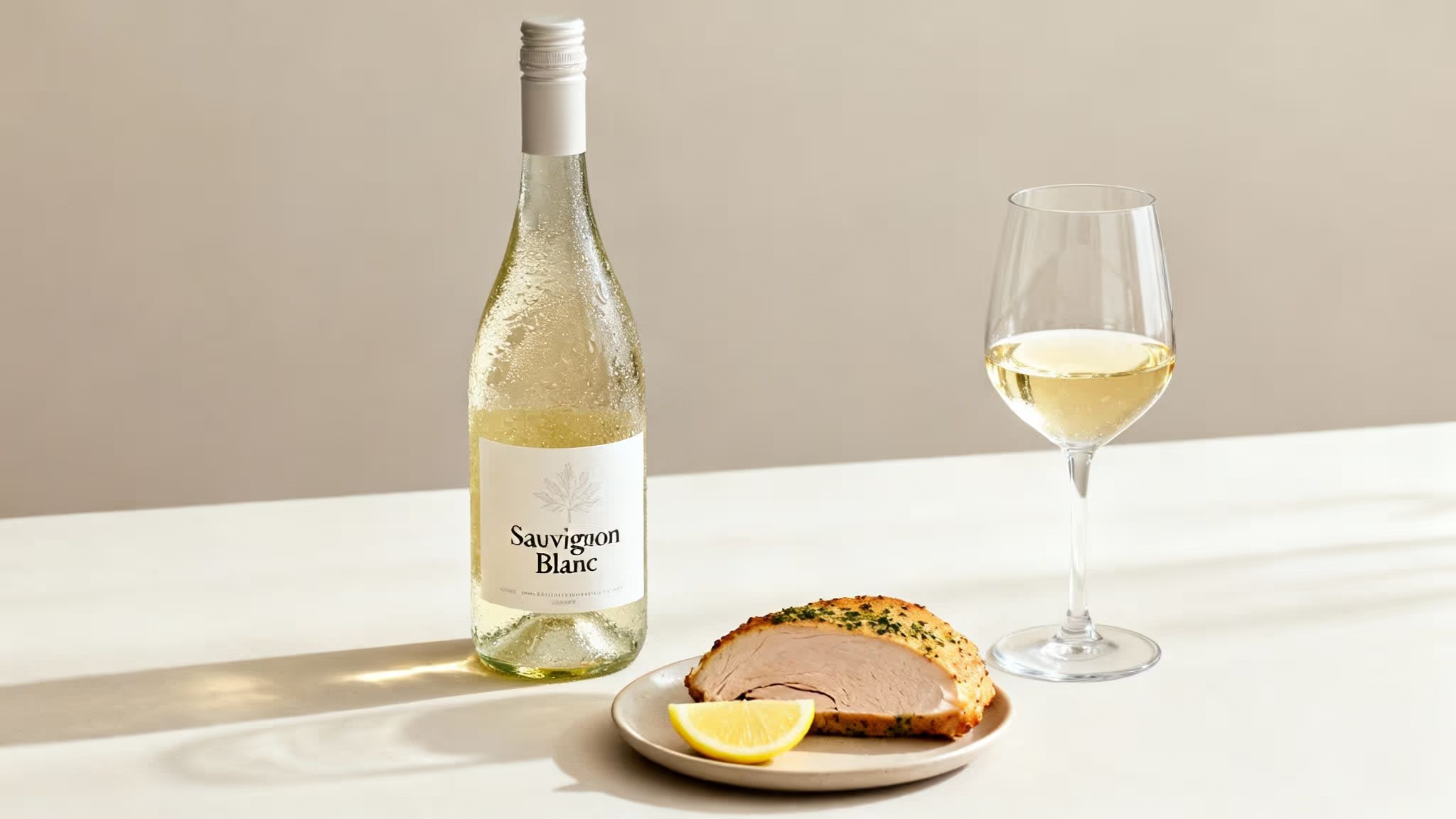
For those who lean toward white wine, the holiday meal is a chance to really shine. It’s an opportunity to uncork bottles that bring brightness and elegance to the table, and the secret lies in two key traits: crisp acidity and beautiful aromatics.
A wine with good acidity acts like a palate cleanser, cutting through the richness of gravy and buttery side dishes. Instead of overpowering the meal like a big red might, the right white wine highlights the turkey's delicate flavors and savory herbs, keeping your palate refreshed from start to finish.
The Versatile Champion: Sauvignon Blanc
If you’re serving a classic, herb-roasted turkey, Sauvignon Blanc is an absolute knockout. It's famous for its zesty acidity and punchy notes of grapefruit, lime, and fresh-cut herbs.
This wine is practically built to go with traditional stuffing filled with sage, thyme, and rosemary. Think of Sauvignon Blanc as the squeeze of lemon you’d add to a dish to make all the flavors pop. It’s a lean, clean, and sophisticated choice that never fails.
The Amazing Spectrum of Riesling
Riesling just might be the most food-friendly white wine on the planet, and it truly shows its range at the holiday table. The magic of Riesling is that it spans the entire spectrum from bone-dry to lusciously sweet, all while holding onto its signature, mouth-watering acidity.
- Dry (Trocken) Riesling: This style is a pairing powerhouse. With its laser-like acidity and notes of green apple, lime, and wet stone, a dry Riesling slices through the richest gravy and fattiest dark meat with incredible ease.
- Off-Dry Riesling: Got sweet potato casserole, honey-glazed carrots, or a fruity cranberry sauce on the table? An off-dry Riesling is your secret weapon. That little hint of sweetness in the wine creates a bridge to those sweeter dishes, turning a potential flavor clash into a perfect harmony.
When shopping, look for the sweetness indicator on German bottles (Trocken for dry, Kabinett or Spätlese for slightly sweet) or just ask the staff at your local wine shop.
A common misconception is that all Riesling is sweet. In reality, many of the world's most celebrated Rieslings are intensely dry and mineral-driven, offering a level of acidity that makes them exceptionally versatile for a complex meal like a turkey dinner.
Chardonnay: The Great Debate
Let’s be honest, Chardonnay can be divisive. Many people think of those big, oaky "butter bombs" from years past, which can absolutely overwhelm a turkey dinner. But the right style of Chardonnay can be a sublime match.
The trick is to look for unoaked or lightly oaked Chardonnay. Unoaked versions, like those from Chablis in France, are crisp and mineral-driven with green apple and citrus notes that work beautifully. Lightly oaked styles bring just a touch of creaminess and spice that can echo the texture of the turkey without overpowering it. This is where an app like Sommy.ai becomes your best friend; you can ask it to find a "crisp, unoaked Chardonnay" and it will give you specific bottle suggestions at a nearby store, taking all the guesswork out of the equation.
Other Stellar White Wine Choices
Beyond the big three, a few other white wines are fantastic partners for your feast.
- Pinot Gris (or Pinot Grigio): Skip the simple Italian stuff and look for a richer style from Alsace, France, or Oregon. These have more body and lovely notes of pear, almond, and spice that stand up well to the meal.
- Chenin Blanc: A dry or off-dry Chenin Blanc from the Loire Valley (look for Vouvray) or South Africa is an exciting choice. Its high acidity and complex flavors of quince, chamomile, and honey make it incredibly dynamic.
- Viognier: If you want something a bit richer and more aromatic, Viognier is a winner, especially with smoked turkey. Its notes of peach, apricot, and honeysuckle are gorgeous with sweeter side dishes, but make sure you find one with balanced acidity so it doesn’t feel heavy.
Pairing Beyond the Traditional Red and White

Sure, Pinot Noir and Sauvignon Blanc are the go-to classics, but thinking beyond the usual suspects opens up a world of fantastic pairings. The holiday table—with its chaotic mix of sweet, savory, rich, and tart—is the perfect stage for the unsung heroes of food pairing: rosé and sparkling wine.
These styles bring a unique combination of traits to the table that make them incredibly well-suited for a multi-dish feast. Instead of just trying to match one thing, they build a bridge across the entire plate, bringing harmony to every single bite.
Rosé: The Perfect Bridge Wine
Dry rosé might just be the single most versatile wine for a turkey dinner. It lives in that perfect space between red and white, giving you the bright, crisp acidity of a great white wine along with the gentle red fruit notes of a light red. This dual personality makes it a brilliant problem-solver for a meal with so many competing flavors.
Just think about the classic plate. You’ve got lean white meat, richer dark meat, savory stuffing, tart cranberry sauce, and creamy mashed potatoes. A dry rosé has the zest to cut through gravy, the berry notes to complement the cranberry, and a light body that won’t overpower the bird. It’s the ultimate diplomatic choice.
The secret here is to stick with a dry, crisp style. Look for rosés from Provence, France, or those made from grapes like Grenache, Syrah, or Pinot Noir. You're looking for refreshment and complexity, not sweetness.
Choosing the right bottle can feel like a guessing game. This is a perfect moment to lean on a tool like Sommy.ai. You can simply ask it to find a "dry, crisp rosé for a turkey dinner," and it will fire back specific, well-rated recommendations available at a store near you. No more guesswork.
Sparkling Wine: The Ultimate Palate Cleanser
Sparkling wine is too often saved for a pre-dinner toast, but it absolutely deserves a place at the main table. Its greatest weapon is its bubbles. That effervescence isn't just for show; it acts as a powerful palate cleanser, literally scrubbing your taste buds clean with every sip.
This cleansing effect is a lifesaver during a rich, heavy meal. After a bite of buttery mashed potatoes or decadent gravy, a sip of sparkling wine lifts all that weight, refreshing your palate so the next bite tastes just as vibrant as the first. The high acidity in most sparklers does the same thing, cutting through fat and keeping the meal from feeling heavy.
Consider these options for your feast:
- Champagne: The classic. It brings notes of citrus, brioche, and minerality that add a touch of elegance to the whole affair.
- Cava: This Spanish sparkler is made in the same way as Champagne but is usually much easier on the wallet. It delivers crisp apple and citrus flavors with a nice toasty finish.
- Prosecco: Hailing from Italy, Prosecco is typically lighter and fruitier, with notes of pear and honeysuckle. Its fresh, bright personality is a fantastic match.
A Brut (dry) sparkling rosé is another killer option, combining the best of both worlds—the structure of a rosé with the cleansing power of bubbles. Whether you go for an elegant Champagne or a festive Prosecco, bringing sparkling wine to the dinner table elevates the entire experience, making your wine pairing with turkey feel truly special.
Serving Wine Like a Pro on Game Day
You’ve picked out the perfect bottles for your holiday feast. Fantastic. But the real magic isn’t just in the choosing; it’s in the serving. How you present and pour the wine can take the entire meal from pretty good to truly unforgettable. Hosting a big dinner doesn’t have to be a pressure cooker. With a few pro tricks up your sleeve, you can run your wine service like you’ve been doing it for years.
The single most important—and most frequently ignored—part of wine service is temperature. Get this right, and you unlock the wine's true aromas and flavors, letting your guests experience it exactly as the winemaker hoped.
The Simple Science of Serving Temperature
Think of temperature as the volume knob on a stereo. Too warm, and a red wine’s alcohol shouts over everything else, making the flavors feel soupy and muddled. Too cold, and a white’s delicate notes go silent, while a red’s tannins can taste harsh and bitter.
Here’s a simple cheat sheet to nail the temps for your holiday lineup:
- Sparkling Wines (Champagne, Cava, Prosecco): Serve these ice-cold, between 40-45°F (4-7°C). This keeps the bubbles tight and elegant and preserves that crisp, refreshing zing.
- Light-Bodied Whites (Sauvignon Blanc, Dry Riesling): Chilled is the word. Aim for 45-50°F (7-10°C) to highlight their bright acidity and zesty fruit.
- Fuller-Bodied Whites (Oaked Chardonnay, Viognier): Let these warm up just a touch, to around 50-55°F (10-13°C). It allows their richer, more complex aromas to breathe and open up.
- Rosé: Just treat it like a light-bodied white. A good chill to 45-50°F (7-10°C) is perfect for maximum refreshment.
- Light-Bodied Reds (Pinot Noir, Gamay): This is the one people miss. These reds absolutely shine with a slight chill, around 55-60°F (13-16°C). A quick 15-20 minutes in the fridge before opening is all it takes to lift the fruit and bring the wine into perfect balance.
Whatever you do, don't serve red wine at "room temperature." Most modern homes are far too warm. A slightly cool red is way more refreshing and food-friendly, allowing its subtle flavors to come through without being bulldozed by alcohol.
How Many Bottles Do You Actually Need?
It’s the age-old question every host asks: how much wine is enough? Luckily, there’s a simple, reliable formula that keeps you from running dry mid-meal or ending up with cases of leftovers.
The standard rule of thumb is half a bottle per person for a dinner party. That works out to about two and a half glasses for each guest. If you know you have a thirsty crowd or the party is going to last a while, it's always smart to round up. So for a gathering of 12 guests, grabbing 6-8 bottles is a safe bet.
It’s also a good move to offer a little variety. You don’t need a full-blown wine bar, but having one red and one white—plus maybe a rosé or something bubbly—ensures everyone finds something they’ll enjoy.
Your Essential Wine Service Checklist
The key to relaxed hosting is being prepared. When you have the right tools ready to go, you can focus on your guests instead of frantically digging through drawers for a corkscrew.
Here’s a quick rundown for a flawless service:
- Wine Opener: Keep a reliable corkscrew handy. A classic waiter's friend style is your best bet, along with a simple foil cutter.
- Glassware: Make sure you have enough clean, polished glasses for every guest. If you have different glasses for red and white, even better.
- Chilling Method: An ice bucket is perfect for whites and sparkling wine. For reds, the refrigerator is your friend—just for a few minutes before serving.
- Decanter (Optional): This can be a game-changer for an older red with sediment or a young, bold wine that needs to stretch its legs and breathe a bit.
- Timing: Pull your white wines out of the fridge about 20 minutes before you plan to pour. At the same time, pop your reds into the fridge. This little dance helps both styles land at their perfect serving temperature right when you need them.
Still Have Questions About Turkey and Wine?
Even with a full guide, a few specific questions always seem to pop up when planning the big meal. Let's tackle some of the most common ones so you can feel completely confident when it's time to start pouring.
What's the Single Safest Bet for a Turkey Wine?
If you have to pick just one bottle to please a crowd and handle all the side dishes, a quality Pinot Noir is your most reliable friend. It’s a fantastic all-rounder.
Its bright acidity and soft tannins play nice with both white and dark meat, and its red fruit notes are a perfect match for everything from savory stuffing to tart cranberry sauce. If you’re leaning toward a white, a dry Rosé is another excellent choice that beautifully bridges the gap between all the different flavors on the table.
Should I Serve Different Wines for White and Dark Meat?
In a perfect world, sure. But let’s be realistic—managing multiple bottles during a bustling holiday dinner is often more trouble than it's worth.
If you are aiming for that level of precision, the richer, more flavorful dark meat pairs wonderfully with slightly bolder reds like a Zinfandel or a good Rhône blend. The leaner white meat, on the other hand, really shines alongside a high-acidity white like Sauvignon Blanc or a lighter red like the aforementioned Pinot Noir. A sophisticated tool like Sommy.ai could even suggest one bottle that has enough range to handle both, simplifying your hosting duties.
The Takeaway: Instead of stressing over different bottles for different cuts, just pick one versatile wine that complements the whole plate. It simplifies hosting and makes for a more harmonious meal for everyone.
How Can an App Like Sommy.ai Help Me in the Wine Aisle?
This is where technology can save you a lot of time and stress. Standing in a store, it's easy to forget everything you just read. Using a wine app like Sommy.ai completely removes the guesswork.
Instead of trying to remember all the pairing rules, you just tell the app what you're eating ("roasted turkey"), maybe a key side ("sweet potato casserole"), and what you generally like ("I prefer fruity reds"). The AI takes it from there, giving you specific bottle recommendations that are actually available nearby, complete with tasting notes. It’s like having a personal sommelier in your pocket to make holiday wine shopping fast and foolproof.

EntreprEngineur. Runs on lattes. Creates with the intensity of a downhill run. Fast, slightly chaotic, ideally followed by a glass of wine.