
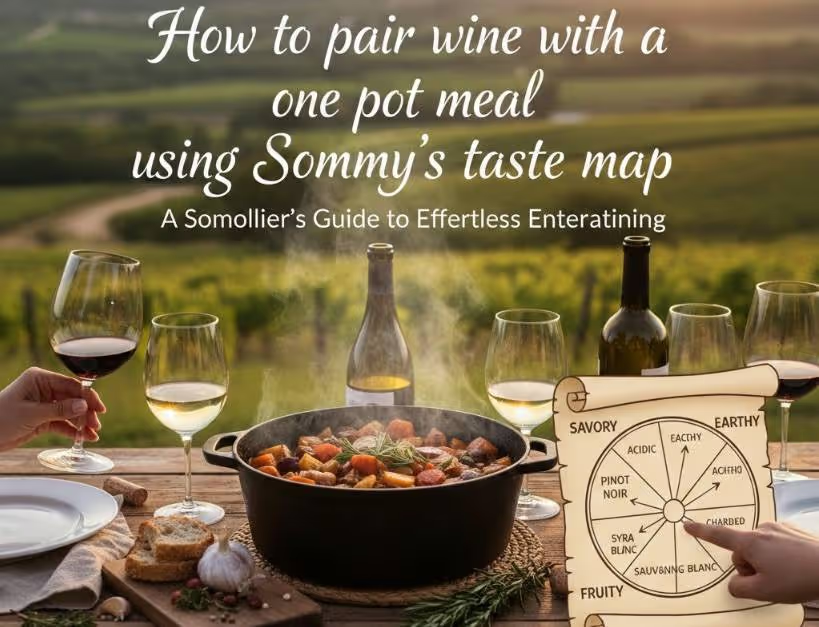

One-pot dinners are comfort in a bowl, but they can make wine feel like a guess. Everything cooks together, flavors blend, and it’s hard to tell what “counts” when you’re picking a bottle.
Here’s the simple answer: for wine pairing one pot meals, don’t match a grape, match the meal’s “feel” on a taste map (light to rich, bright to savory). Then choose a wine style that lives in the same zone. That’s the whole move.
Sommy’s taste map just makes that choice faster, calmer, and more personal, like GPS for your dinner.
Why one-pot meals confuse wine pairings (and why they shouldn’t)
One-pot food is blended by design. A stew isn’t “tomato” or “chicken” or “herbs.” It’s all of it at once.
That’s why rigid rules fail. The right pairing is usually about two big signals:
- Weight: Is it light and brothy, or thick and filling?
- Tone: Does it taste bright and tangy, or savory and deep?
If you can name those two things, you already have a working wine pairing guide. For a classic set of pairing principles (kept simple), this BBC Good Food guide to pairing wine with food is a helpful reference.
The “taste map” approach (wine explained simply)
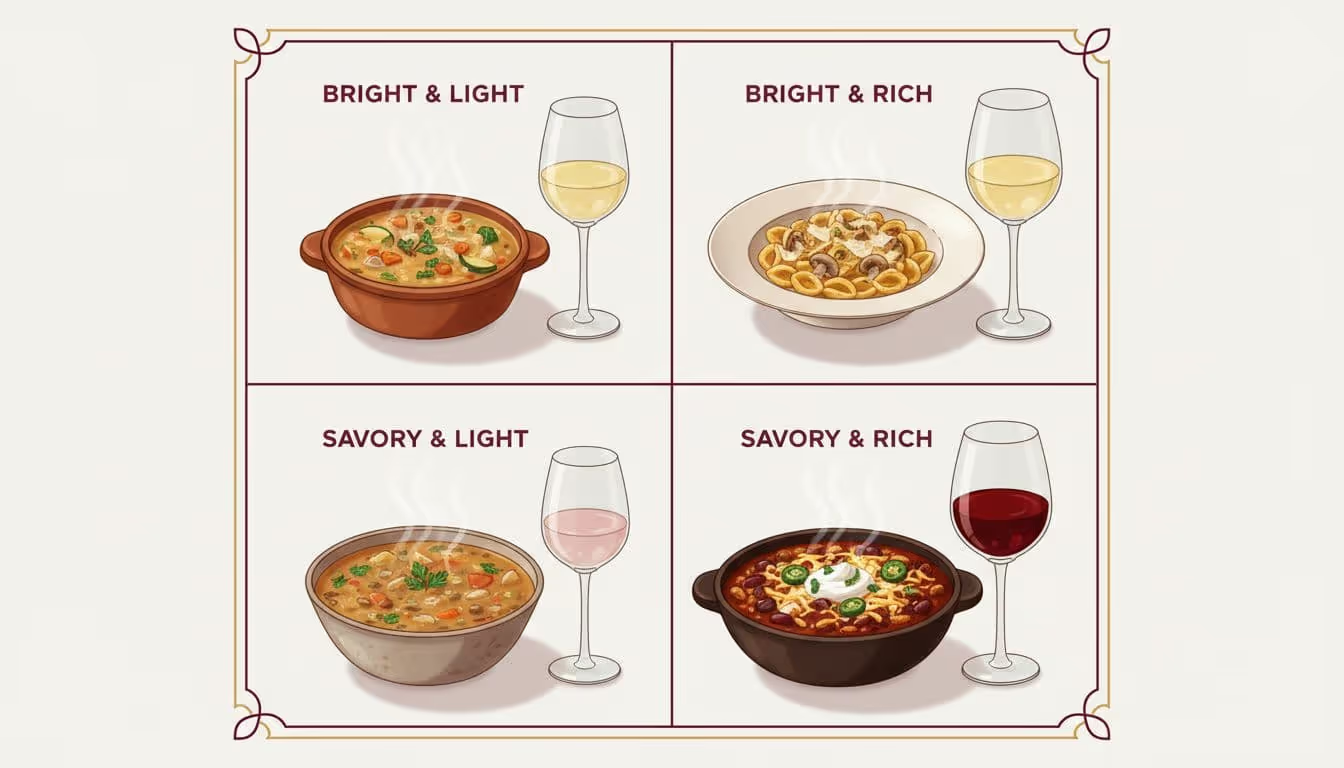
Think of the taste map as a 2x2 grid:
- Left to right: light → rich
- Top to bottom: bright → savory
That’s it. No lecture, no snobby terms, just simple wine explanations you can use while your food’s still hot.
This is also the easiest way to understand “pairing logic” without memorizing anything. It’s a modern wine guide built for real life.
Put your one-pot meal on the map in 30 seconds
Forget the full recipe. Focus on what your tongue notices first.
Step 1: Decide light or rich
Light usually means broth, seafood, lots of vegetables, or lemony finish.
Rich usually means cream, cheese, coconut milk, lots of beans, or slow-cooked meat.
Step 2: Decide bright or savory
Bright often shows up as tomato, citrus, vinegar, herbs, or yogurt tang.
Savory often shows up as browned meat, mushrooms, roasted peppers, soy sauce, smoked sausage, or a long simmer.
If you’ve ever felt lost reading labels, this is wine tasting notes explained in plain language:
- “Bright” means the wine feels zippy and fresh.
- “Savory” means it feels earthy, smoky, or deep.
- “Rich” means it feels fuller and softer on the tongue.
Clear wine recommendations by quadrant (no guesswork)
Here’s a simple match-up. Treat these as wine styles, not strict rules. This is where clear wine recommendations come from.
These are the “default” wine recommendations most people enjoy with those meal shapes. Sommy takes it one step further with personalized wine recommendations, based on what you actually like.
Three one-pot pairings you can copy tonight
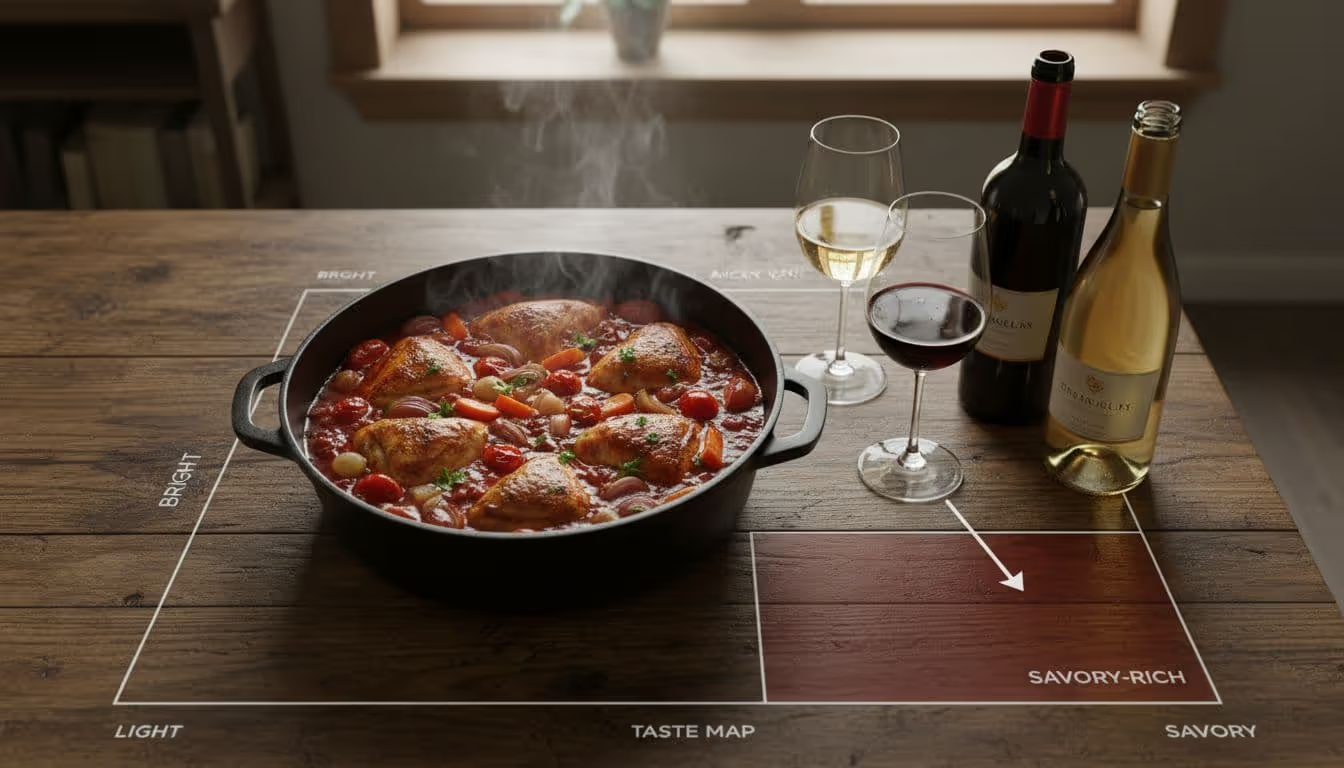
Tomato-braised chicken stew (savory + bright, medium-rich)
Tomato adds brightness, the simmer adds savory depth, and the sauce gives it weight.
- If you want red: pick a juicy, not-too-heavy red (think “fresh cherry,” not “oak bomb”).
- If you want white: go textured, not ultra-crisp, so it doesn’t taste thin next to the stew.
Creamy one-pot mushroom pasta (rich + savory)
Cream and mushrooms pull the meal into rich and savory fast.
- White route: pick a fuller white that feels smooth.
- Red route: choose a softer, medium red with low bite.
One-pot spicy chili (rich + savory, plus heat)
Heat changes the game. High alcohol can make spice feel hotter.
- Choose reds that read “smooth,” “plush,” or “juicy.”
- If you’re spice-sensitive, a dry sparkling can feel like a reset button.
This is wine pairing one pot meals in action: match the meal’s weight and tone, then let personal taste decide the final bottle.
Restaurant wine tips for one-pot style dishes (stews, braises, bowls)
Restaurants love “one-bowl” food: braised short rib, seafood stew, cassoulet, curry, baked pasta. The wine list can still feel like a wall of words.
Use these restaurant wine tips and wine list tips:
- Order by style: say “I want something bright and light” or “savory and rich,” then point to your dish.
- If you’re unsure, ask for “a medium-bodied red with good freshness” (it’s a safe middle for many bowls).
- When in doubt, sparkling is the friendly wildcard with salty, rich food.
For more general pairing basics from a long-running wine publication, Wine Spectator’s ABCs of food and wine pairing lays out the core ideas without needing a class.
Grocery store wine picks when you’re staring at 200 bottles
The grocery aisle is where confidence goes to die, especially after a long day. These grocery store wine picks rules keep it simple.
This is the quick how to choose wine checklist (also solid beginner-friendly wine advice):
- If your one-pot meal is bright (tomato, lemon, vinegar), choose a wine described as fresh or crisp.
- If your meal is rich (cream, coconut, cheese), avoid wines that sound ultra-thin; look for round or smooth.
- If your meal is spicy, avoid very high-alcohol bottles when you can; “warm” wines can make heat feel louder.
- If you want the safest crowd bottle, grab a dry sparkling. It’s the jeans-and-a-nice-shirt option.
These are simple wine tips that work even if you don’t know grapes. It’s a beginner wine guide built for weeknights, not exams.
How Sommy’s taste map helps when you don’t want to think

Sommy works like an AI wine assistant that speaks normal. You don’t need to “know wine,” you just need to know what you like.
In the moment, you can use it for:
- smart wine recommendations based on your taste map zone
- personalized wine picks that learn from what you enjoy
- quick wine app suggestions when you’re at a restaurant or store
- calmer choices for anyone who wants a wine app for beginners (or for busy adults who just want dinner to feel easy)
It’s not about being right. It’s about feeling sure, and building a short list of smart wine picks you trust.
Conclusion: make one-pot wine pairing feel easy again
One-pot meals don’t need perfect pairings, they need a good match that fits the bowl. Place the dish on a taste map (light to rich, bright to savory), then choose a wine style in the same zone.
If you want help choosing in the moment, a taste-map approach plus an AI wine assistant like Sommy can turn stress into a quick decision. The goal isn’t wine knowledge, it’s everyday wine advice that makes dinner feel relaxed.


.avif)