Meta description: Dry, high-acid wines keep French onion soup savory, not sweet, with quick restaurant and grocery tips and easy, confident picks.
If you want wine french onion soup pairing without a sweet finish, do this: choose a wine that's dry and high-acid. Brut sparkling, dry Chenin Blanc, dry Riesling, or a light, savory red usually works. Skip fruit-forward, low-acid reds and heavily oaked whites, they can taste oddly sweet next to the onions.
This post gives clear wine recommendations, plus simple wine tips for ordering fast. Think of it as friendly wine advice for the moment you're staring at a menu (or a shelf) and don't want to guess.
Why French onion soup can make wine taste sweet

French onion soup's caramelized onions and melted cheese can make the wrong wine taste sweeter than it is.
French onion soup is cozy, but it's sneaky. The onions cook down for a long time, and that deep caramel flavor reads as "sweet" even when there's no sugar added. Then you add toasted bread and a blanket of Gruyère. Now you've got rich, salty, toasty flavors stacked together.
Here's the twist: some wines don't have enough acidity to keep up. When a wine tastes soft or round (low acidity), your brain can interpret it like sweetness next to salty, browned food. It's the same way a plain cracker can taste sweeter after you sip orange juice.
So what actually causes the "why is my wine sweet?" moment?
- Low acidity: the wine doesn't cut through cheese and broth, so it feels flatter and sweeter.
- Big ripe fruit flavor: jammy red fruit can echo the onions and push the pairing into "sweet-on-sweet."
- Oak and vanilla notes: oak can taste like sweet spice beside melted cheese.
- High alcohol: it can read as warmth and sweetness, especially with caramelized onions.
If you want wine explained simply, it's this: French onion soup needs a palate-cleaner. You're looking for brightness, not more softness.
A dry white is a classic move here because it brings that lift (and it's often what French recipes lean toward). If you want more background on how wine shows up in the dish and why dry whites are common, see this guide to wine in French onion soup.
If a wine tastes sweet with this soup, don't blame your palate. Raise the acidity, and the "sweet" feeling usually disappears.
The best wines with French onion soup that stay dry

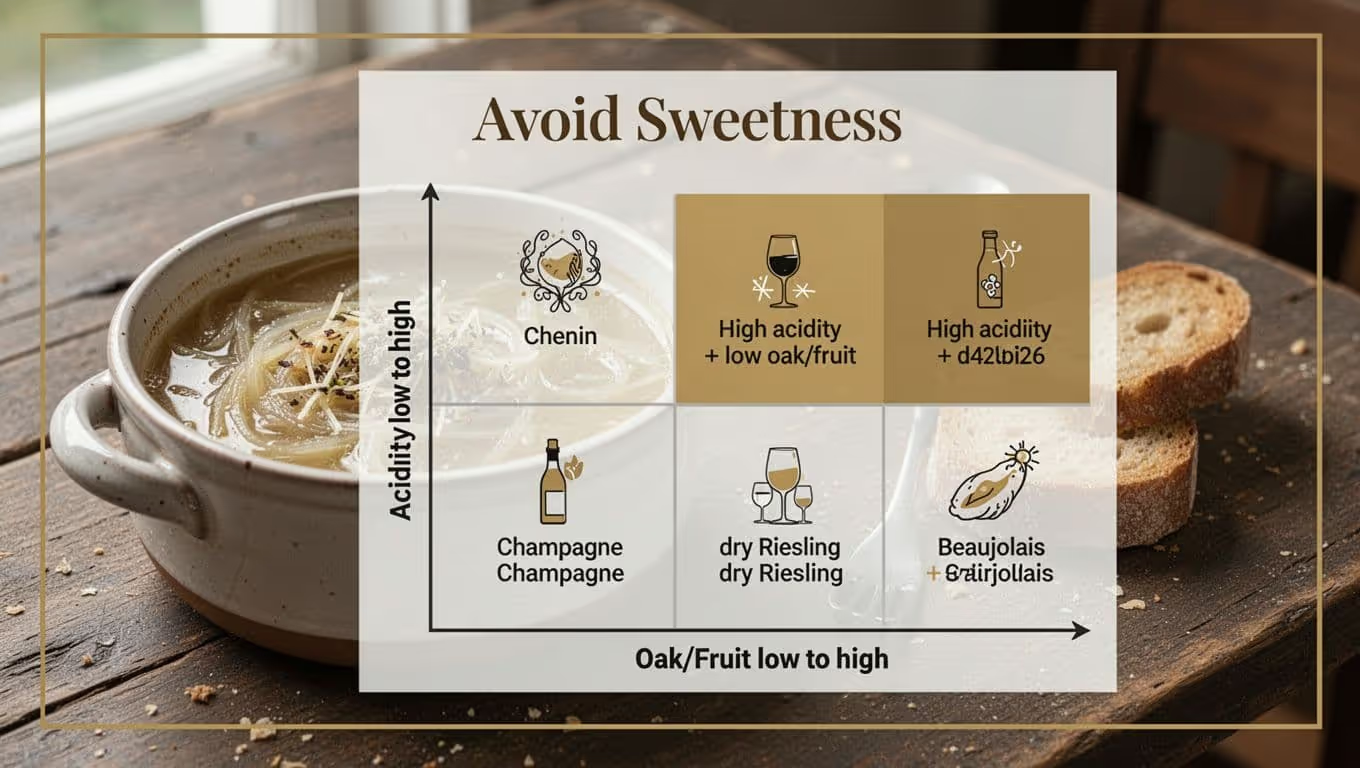
You don't need a long lecture to get this right. For French onion soup, aim for dry, high-acid, low-oak. That's the whole trick. These wine recommendations focus on styles that keep the pairing savory.
Here's a quick wine pairing guide you can screenshot in your head:
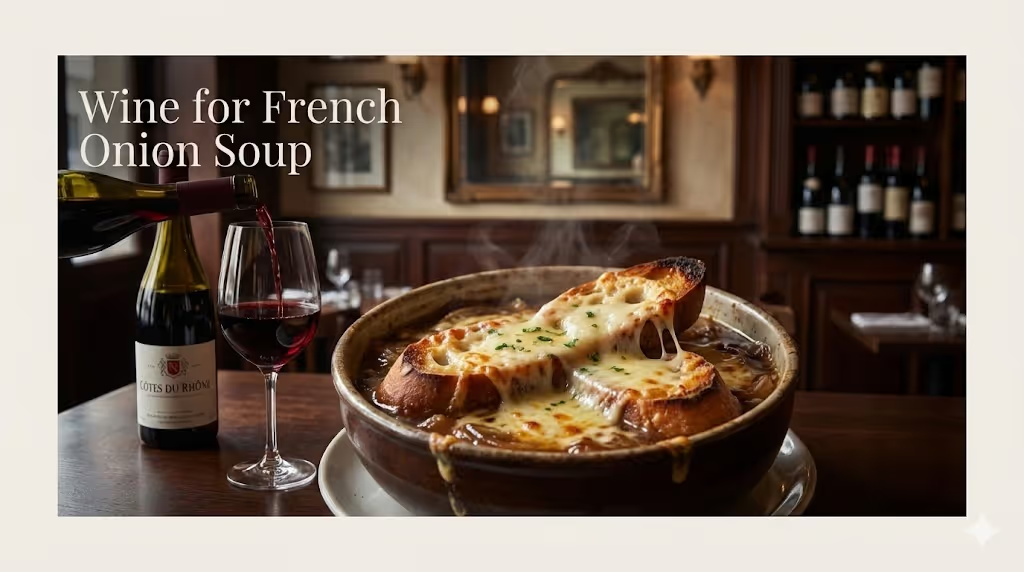
If you prefer red wine, keep it light and savory, not plush and fruity. A traditional Côtes du Rhône pairing shows up often with this dish, and you can see one example in this French onion soup pairing write-up.
On the other hand, if you're choosing white, watch for oak. "Buttery," "vanilla," and "toasty" Chardonnay can make the soup taste sweeter. A cleaner, brighter white keeps the edges sharp in a good way.
For more pairing basics you can reuse with other meals, this essential food and wine pairing guide keeps it calm and practical.
How to choose wine fast (restaurant or store) and avoid sweetness
Decision stress usually hits in two places: under restaurant lighting, or under grocery store fluorescents. Either way, the goal is the same. You want a wine that reads dry and bright.
Restaurant wine tips that work in one sentence
Use this script and you'll sound clear without sounding intense:
"I'm having French onion soup. I'd like something dry and high-acid, not fruity-sweet."
Then pick one lane:
- Sparkling: "Brut" or "Traditional Brut"
- White: "dry Riesling" or "Chenin Blanc"
- Red: "light-bodied, not jammy" (Beaujolais-style works well)
If you want extra wine list tips for staying confident (and not overthinking prices), this guide on confident wine picking at restaurants is built for real menus.
Grocery store wine picks that avoid the sweet illusion
In a store, don't hunt for the "perfect bottle." Hunt for the right signals.
Look for:
- "Dry" on the label (especially for Riesling)
- "Brut" for sparkling
- Simple back-label food matches like "shellfish," "salads," "aperitif" (often higher acid)
Avoid:
- "Jammy," "smooth," "plush," "vanilla," "dessert-like"
- Very high alcohol reds when you want savory
If you like having a small set of reliable defaults, this plan for budget grocery store wine picks makes weekday choices feel automatic.
Wine tasting notes explained (only the words you need)
Wine tasting notes explained, for this soup, comes down to four helpful words:
- Crisp: usually higher acid, good, it keeps the soup from tasting sweet.
- Dry: not sugary, the safest word on the list.
- Oaky: can feel sweet next to onions and cheese, tread carefully.
- Jammy: ripe fruit vibe, often the reason a red feels sweet here.
That's a modern wine guide you can actually use mid-meal. It's also why simple wine explanations beat memorizing grapes.
When an AI helper is worth it
If you want to stop guessing, this is the exact moment an AI wine assistant helps. You can scan a list or shelf, say "French onion soup, keep it dry," and get smart wine recommendations that match your taste. The point isn't wine trivia. It's clear wine recommendations, personalized wine picks, and quick wine app suggestions you can trust.
Sommy is built for that kind of calm help: personalized wine recommendations, smart wine picks, and everyday wine advice without the snobbery.
The best pairing is the one you'll enjoy for the whole bowl. Bright and dry usually wins.
Conclusion
French onion soup makes some wines taste sweet because the dish is rich, browned, and a little deceptive. Choose dry, high-acid styles (Brut sparkling, dry Chenin, dry Riesling, or a light savory red) and the pairing stays balanced. Keep these simple wine tips in mind, and you'll order with confidence even on a busy night. If you want personalized help in the moment, an AI tool like Sommy can turn your preferences into smart picks in seconds.

EntreprEngineur. Runs on lattes. Creates with the intensity of a downhill run. Fast, slightly chaotic, ideally followed by a glass of wine.